 info@sweetrich.cn
  +86-(0)512-82283871
Content
- 1 Seat Height Considerations for Transfers and Operation
- 2 Seat Width for Side Support and Stability
- 3 Seat Depth and Its Impact on Thigh and Back Alignment
- 4 Age-Related Physiological Changes and Seating Proportions
- 5 Additional Seat Features Contributing to Riding Experience
- 6 Linking Seat Design to Other Scooter Aspects
- 7 Evaluation During Scooter Selection
- 8 Safety and Confidence Aspects of Seat Fit
- 9 Ongoing Ownership and Seat Care
- 10 Seasonal and Lifestyle Adjustments
- 11 Social and Practical Benefits
- 12 Embedding Seat Review in Decision Processes
- 13 Storage Solutions Supporting Seat Condition
- 14 Familiarization with Seat and Controls
- 15 Why Choose Sweetrich Mobility
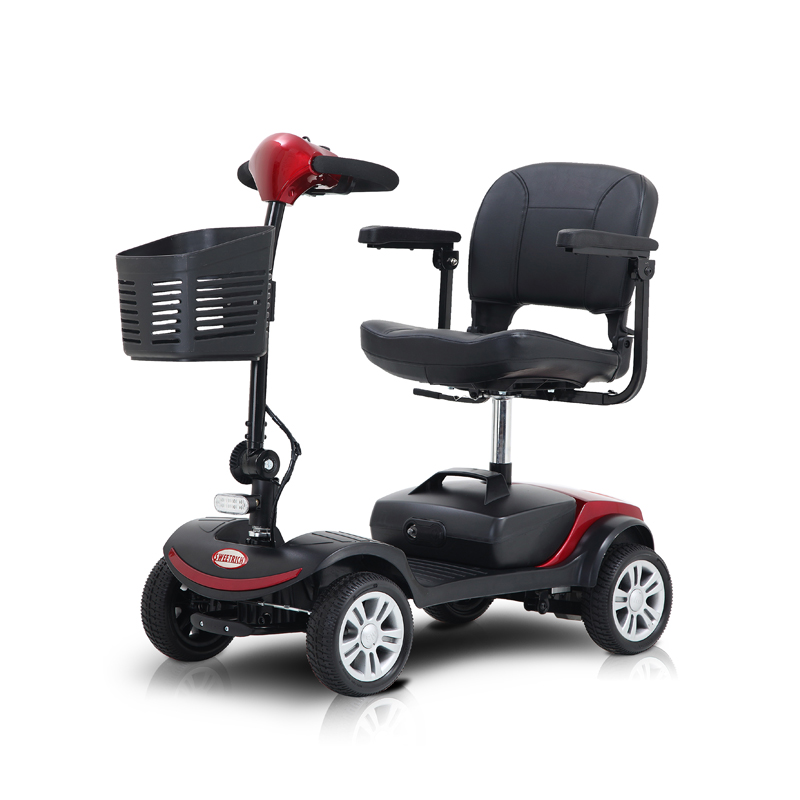
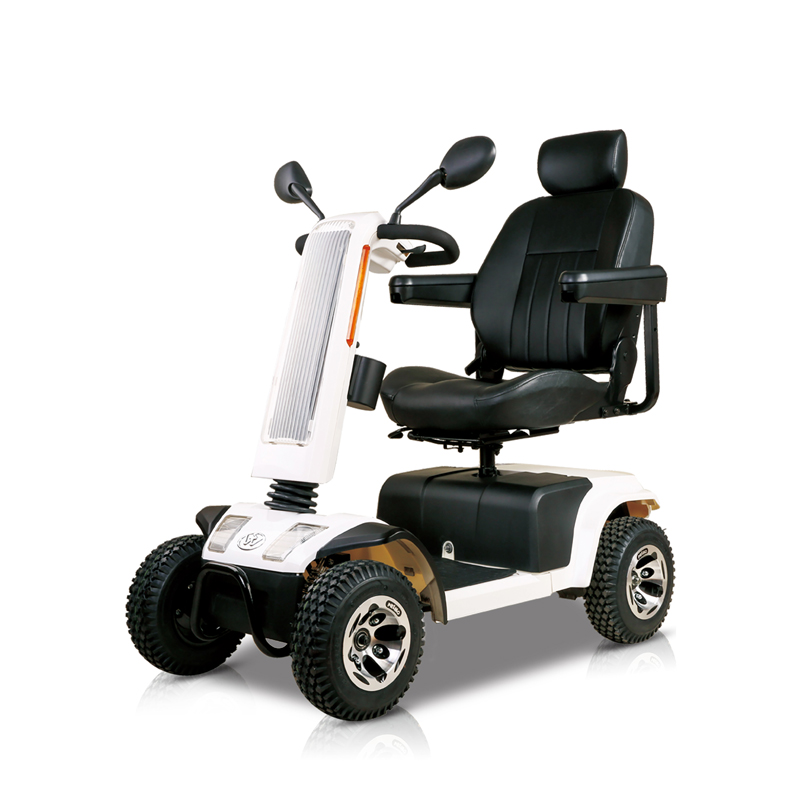
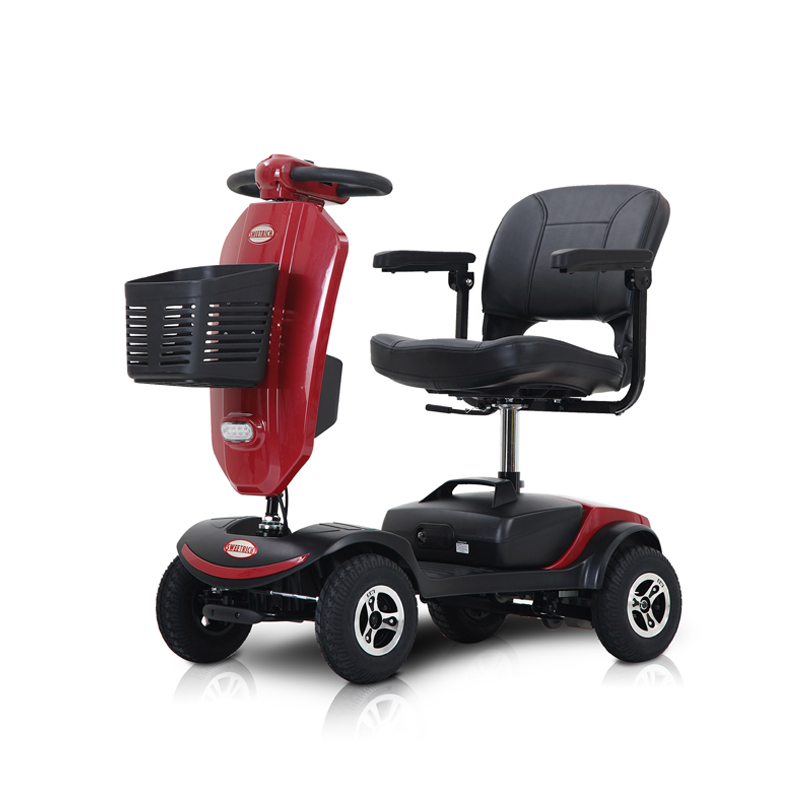
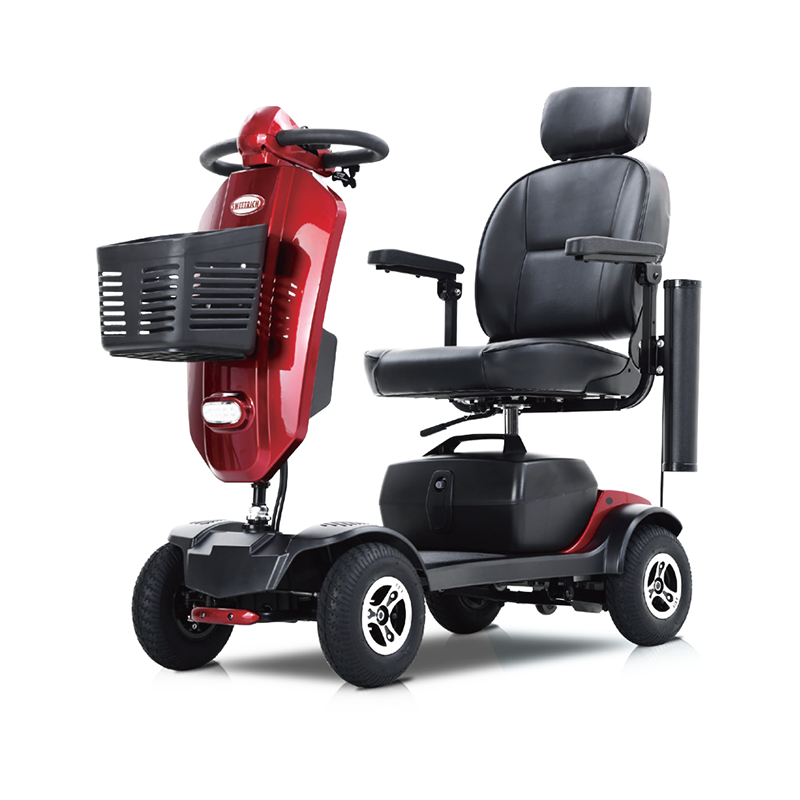
Mobility scooters provide one option for individuals who face difficulties with walking longer distances or standing for extended times. Seat design influences how users transfer onto the vehicle, maintain position while riding, and interact with controls during movement. For many older adults or people with reduced lower body strength, seating proportions affect stability, fatigue during outings, and confidence in community or home settings. Attention to height, width, and depth in a Wholesale Mobility Scooter connects to common patterns in body size and movement that shift with age, supporting practical integration into daily routines.
Seat Height Considerations for Transfers and Operation
Seat height affects the process of moving from a standing position onto the scooter and the ability to maintain control while in motion. A height that facilitates smoother transitions can lower the physical demand during entry and exit, especially when leg strength or joint flexibility has changed over time. However, a noticeably higher position may limit natural foot contact with the ground or pedals, which can influence balance and response when stopping or changing direction.
In cases where the seat sits lower, transfers may involve additional bending or adjustment, potentially increasing imbalance risk for those with weaker muscles or stiffer joints. Design approaches often reference general observations about leg length and lower limb function in older groups to guide proportions that allow feet to rest more evenly on the platform or floor area while seated. This setup can support easier reach to brake and acceleration controls during rides.
Such height attention contributes to a riding posture that feels steadier on sidewalks, indoor surfaces, or light paths. Users sometimes observe that positions allowing consistent foot placement help reduce strain in the legs and hips after repeated use. When combined with stable frames or armrests, this element aids handling without requiring frequent posture corrections.
Seat Width for Side Support and Stability
Seat width plays a role in how the body stays positioned during rides, particularly when the scooter turns or adjusts speed. A width that offers space along the sides of the hips and buttocks can help distribute pressure and limit discomfort from narrower surfaces. This becomes relevant for individuals whose hip or waist dimensions may vary with age due to shifts in muscle tone or pelvic structure.
At the same time, width that extends further can permit more side movement during steering or braking, which may affect centered stability. Design attention frequently draws from general patterns in hip and waist sizes observed in senior populations to arrive at proportions that provide side support while aligning the rider with vehicle controls. This can make navigation in store aisles or shared walkways feel more controlled.
Many individuals note that suitable width paired with gentle contours or padding helps spread weight evenly, which can lessen lower back or thigh discomfort on outings of different lengths. When evaluating models, sitting in various setups often shows how width interacts with personal frame and typical riding posture.
Seat Depth and Its Impact on Thigh and Back Alignment
Seat depth influences thigh support and how the back relates to any backrest. A depth that allows the thighs to rest with a moderate knee angle while maintaining back contact with support can promote a more settled position during rides. When depth extends noticeably, pressure may develop behind the knees, potentially affecting circulation or creating discomfort after time in the seat.
A shallower depth may leave parts of the thighs without enough surface contact, to greater load on the hips or forward sliding that strains the lower back. Considerations around depth often reference typical sitting habits and leg proportions in older adults to support natural alignment without constant readjustments. This can contribute to comfort on neighborhood paths or indoor routes.
Together with height and width, appropriate depth helps shape an overall seating area that accommodates variations in body type. Some configurations include materials that adapt slightly to contours, although responses vary based on individual sensitivity and ride duration.
Age-Related Physiological Changes and Seating Proportions
Aging frequently involves changes in muscle tone, joint flexibility, and body distribution that can make uniform seating less suitable. Relaxation in hip and waist muscles may increase the value of broader support to maintain even pressure. Reductions in leg strength can emphasize heights and depths that minimize effort in transfers and pedal use.
Design processes sometimes reference general population observations of senior body measurements to inform proportions without assuming all users share identical profiles. This helps address a range of statures and builds common in older age groups. People with posture variations or circulation issues may notice differences when dimensions allow more balanced weight distribution and natural leg positioning.
Consultations with healthcare professionals or mobility advisors can clarify which seat characteristics align with personal measurements and movement patterns. Trial sessions in realistic settings often highlight small variations in comfort that written details do not fully convey.
Additional Seat Features Contributing to Riding Experience
Elements beyond core dimensions also shape seating comfort. Padding density and surface materials affect pressure distribution, particularly for longer outings or users with increased sensitivity. Armrests that provide steady placement assist during transfers and offer support in motion. Backrest angles that permit slight posture variations may help limit lower back fatigue on extended routes.
Mechanisms allowing seat rotation or lift can simplify entry by bringing the surface closer. Foot platform layout relates to seat height, as adequate space for foot placement supports overall stability. These features interact with height, width, and depth to create a system that fits routine mobility needs rather than requiring ongoing rider compensation.
Linking Seat Design to Other Scooter Aspects
Seat proportions connect to additional vehicle characteristics. Height can influence storage fit or loading into a car trunk for transport. Width and depth affect maneuverability in narrow indoor spaces or crowded outdoor areas. When paired with baskets for carrying items, the seating area enables hands-free operation during errands or short trips.
Maintenance steps, such as cleaning surfaces when power is off and checking for wear on padding or attachments, help preserve comfort. Indoor or garage placement when idle can limit exposure that might affect seat materials. Consistent attention supports performance whether the scooter moves on light outdoor paths or within home environments.
Evaluation During Scooter Selection
Picking out a mobility scooter means looking at quite a few things at once, and the seat is only one piece of the puzzle. Buyers also think about how easy it is to carry or load the scooter, whether its weight capacity lines up with what they really need to carry, and how charging works with their normal daily schedule. A seat that feels comfortable during a short test ride can sometimes feel different once someone starts using the scooter every day. Budget usually limits the choices, and at similar prices some models come with different seat sizes or small ways to tweak the fit.
Portability makes a real difference for people who frequently need to put the scooter in and out of a car. Seats that fold up or come apart in sections can make loading much less of a struggle. When someone's daily activities or living situation change over time, seating that offers a little flexibility helps the scooter stay useful longer. Trying the scooter in actual situations — like moving through store aisles or stepping from a parked car — shows how the seat height, width, and depth work together with steering and everyday control.
Safety and Confidence Aspects of Seat Fit
When the seat lets the feet rest comfortably on the controls and keeps the body steady through turns or stops, the whole ride tends to feel more predictable, especially in places where other people are walking. This kind of fit can help riders react more calmly to nearby pedestrians or small changes in the path. With less energy spent on keeping balanced, there is more attention left for watching the surroundings and planning the route.
| Tip | Benefit |
|---|---|
| Proper seat fit | Keeps feet comfortably on controls and body steady |
| Stable ride | Makes handling more predictable, especially near pedestrians |
| Reduced balance effort | Frees attention for surroundings and route planning |
Lights and reflective parts on the scooter work together with a good seat fit to make the rider easier to see in low light. Starting with short practice rides on familiar paths gives new users time to get used to how the seat height, width, and depth affect their own balance and reach. Local ramps or wider pathways make a comfortable seat even more useful by letting people reach different places with less trouble.
Ongoing Ownership and Seat Care
After months of regular use, the seat surface and its moving parts can start to show signs of wear from getting on and off or from being left outside. Wiping it down with mild soap and water once the power is off helps keep the material in decent shape without harming any electrical parts nearby. Checking every so often for areas where the padding has flattened or connections have loosened allows small adjustments that keep the seat comfortable.
Caring for the battery and tires also affects how the seat feels, because a smoother ride makes the seating area seem steadier. Storing the scooter inside a garage or other sheltered spot when it is not being used protects the cushions and frame from temperature changes and damp air. A lot of riders jot down quick notes about how the seat feels over time so they can spot changes and know when it might be time for service.
Seasonal and Lifestyle Adjustments
The time of year can quietly change how a seat feels because of thicker clothes in winter or spending more time outdoors when the weather warms up. Extra layers during colder months sometimes make the seat width and depth feel different, so riders may shift their posture a little. In warmer weather, materials that let air move through can help stop the seat from holding too much heat during rides.
Changes in daily routines or moving to a new home can bring new priorities for seating comfort. A setup that works well for quick trips around the neighborhood may need different comfort considerations when longer outings become more common. Family members who watch someone use the scooter often notice helpful details about how easy it is to get on and off or how steady the seat feels in normal situations.
Social and Practical Benefits
A seat that feels reasonably comfortable makes it easier to use the scooter regularly for visiting friends, picking up groceries, or enjoying light activities away from home. This kind of steady use helps keep people connected to life outside the house. Being able to travel on their own to nearby places without getting too tired adds to a feeling of taking part in daily activities.
Talking with other mobility scooter users can bring useful ideas about how different seat sizes handle sidewalks or crowded public areas. Knowing which local places have easier access or wider paths lets riders get more out of a comfortable seat when they plan where to go.
Embedding Seat Review in Decision Processes
Taking time to sit in several different seat setups and take short drives during the selection stage often reveals small differences in height, width, and depth that written descriptions miss. Noticing how the feet settle on the platform, how the hips and back feel supported, and how the body lines up gives each person their own points for comparing the models.
Putting those personal observations together with practical matters like storage space, charging habits, and protection from weather helps guide a choice that works for today and leaves room for possible changes down the road. Advice from a therapist or mobility specialist can fine-tune the decision by focusing on the individual's particular way of moving.
Storage Solutions Supporting Seat Condition
Good storage at home protects the whole scooter and also helps the seat stay in better condition by keeping dust and moisture away. Setting aside a spot in the garage or a covered area near an outlet keeps the scooter ready when it is needed. In smaller homes or apartments, seating that folds or takes up less room makes indoor storage simpler while still allowing comfortable rides.
Leaving clear space around the stored scooter reduces strain when getting on and off. Over time, small changes to the storage setup based on actual daily use can improve both protection for the seat and ease of access within the available space.
| Tip | Benefit |
|---|---|
| Leave clear space around stored scooter | Reduces strain when mounting/dismounting |
| Adjust storage setup over time | Improves seat protection and access |
Familiarization with Seat and Controls
Most people who are new to mobility scooters start with short rides along routes they already know before trying busier or unfamiliar places. Practicing for a few minutes in a driveway, on quiet sidewalks, or across open indoor floors gives time to learn how the controls respond and how the seat feels while moving. This early stage usually helps riders discover positions that feel more natural and leads to calmer handling.
As users become more aware of the scooter's overall size, they get better at judging gaps near doorways or in tighter areas. With more experience, their sense of space and movement usually improves, making it easier to work the scooter into regular travel. Sharing experiences with other scooter users often brings useful tips for keeping seating comfortable during shopping trips or time spent in public areas.
Why Choose Sweetrich Mobility
As seniors seek out heavy-duty electric mobility scooters for their daily transportation needs, Sweetrich Mobility offers a practical solution that effectively addresses key seating considerations. These include: appropriate seat height—facilitating easy transfers (such as moving from the seat to a bed or wheelchair) while ensuring the user's feet can naturally reach the controls; suitable seat width—providing lateral support during transit to ensure a stable ride; and proper seat depth—helping to maintain comfortable alignment between the thighs and the back.
Integrating these mobility scooters into daily life often requires attention to a range of details: for instance, ease of transport when loading the vehicle; ensuring the weight capacity aligns with actual usage requirements; establishing a routine charging schedule; adhering to gentle cleaning and maintenance procedures; and selecting a sheltered storage location to protect the seat cushions and frame from environmental wear and tear.
Whether your needs are limited to short errands within your immediate neighborhood or involve longer-distance outings in the wider community—and regardless of whether your requirements may evolve over time due to changes in mobility or living environment—Sweetrich Mobility advocates for a prudent and comprehensive approach. This entails carefully balancing the aforementioned seat design elements while simultaneously evaluating the vehicle's overall handling performance and daily maintenance requirements.