 info@sweetrich.cn
  +86-(0)512-82283871
Content
- 1 A Practical Solution for Travel-Focused Mobility
- 2 Key Product Specifications
- 3 Lightweight Construction and Easier Transport
- 4 Rapid Folding for Daily Convenience
- 5 Electric Drive and Dual-Motor Performance
- 6 Stable Braking with Electromagnetic Control
- 7 Solid Tires for Reduced Maintenance
- 8 Lithium Battery Options for Flexible Travel
- 9 Weight Capacity and User Selection
- 10 Advantages Compared with Conventional Alternatives
- 11 Comfort, Control, and Everyday Independence
- 12 Manufacturing Experience and Product Development Strengths
- 13 Advanced Design and Engineering Approach
- 14 Quality Management and International Supply Capability
- 15 Use in the United States and Other Markets
- 16 Recommended Operating Practices
- 17 Maintenance and Long-Term Ownership
- 18 Who May Benefit from the iFold Light?
- 19 Purchasing Considerations for Consumers and Distributors
- 20 Frequently Asked Questions
- 20.1 Is the iFold Light a medical device?
- 20.2 How quickly does the chair fold?
- 20.3 How much does the chair weigh?
- 20.4 What is the maximum user weight?
- 20.5 What is the maximum speed?
- 20.6 How far can it travel on one charge?
- 20.7 What type of battery does it use?
- 20.8 How long does charging take?
- 20.9 Does the chair have pneumatic tires?
- 20.10 Does it have suspension?
- 20.11 Can it climb slopes?
- 20.12 Is it suitable for outdoor use?
- 20.13 Can it be transported in a car?
- 20.14 Who manufactures the product?
- 20.15 What manufacturing strengths does the company report?
- 20.16 What should buyers confirm before ordering?
- 21 Conclusion
- 22 References
- 23 Product: iFold Light 2021 New Lightweight Portable Folding Electroplating Electric Bariatric Wheelchair Attachment
Choosing a travel wheelchair is not simply a matter of selecting the smallest or lightest model available. Users and families must consider portability, driving performance, battery options, braking, storage, comfort, operating range, weight capacity, and the practical demands of daily transportation. A wheelchair that performs well indoors may be inconvenient to place in a vehicle. A model with a long theoretical range may be too heavy for one person to lift. Conversely, an exceptionally light chair may not provide sufficient capacity or stability for a broad range of users.
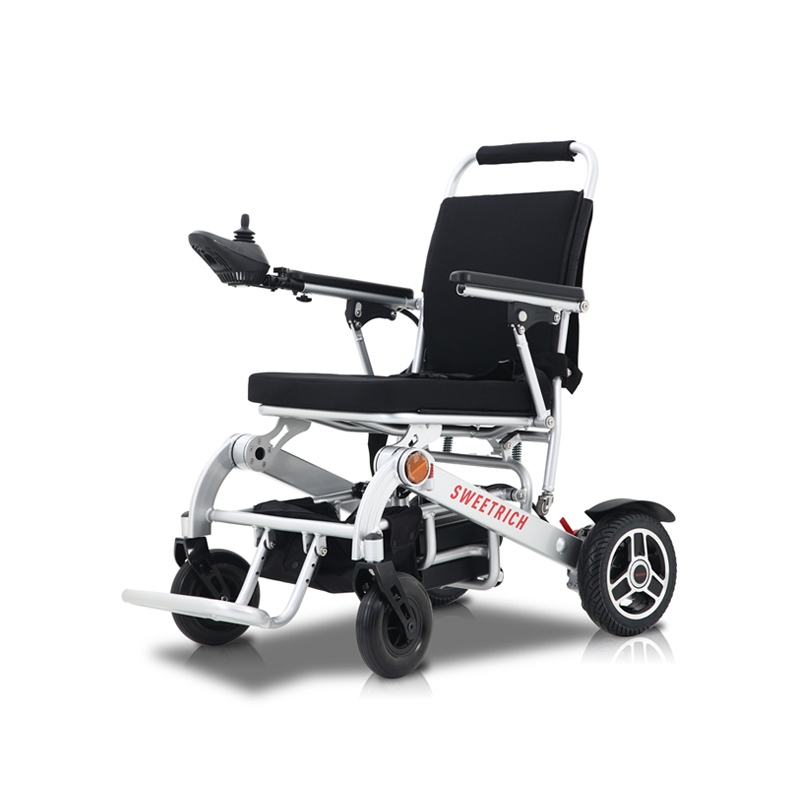
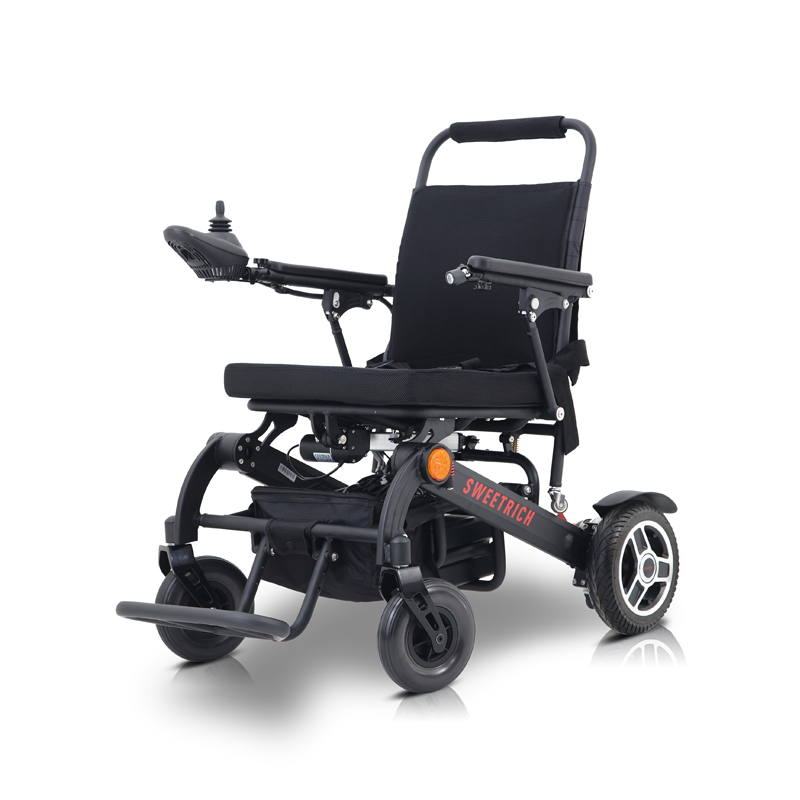
The iFold Light is designed to address this balance. It is a compact, folding electric wheelchair intended for travel, family outings, indoor mobility, and everyday independence. With a listed weight of 19 kilograms without the battery, a folding structure, electromagnetic braking, dual 250-watt motors, solid tires, and lithium battery options, the chair combines portability with the essential functions expected from a powered mobility product.
The product is identified as a non-medical device for the United States market. It should therefore be understood as a mobility aid rather than a medical treatment device, and users should select, operate, and maintain it according to their personal needs, environment, applicable regulations, and professional advice where appropriate.
A Practical Solution for Travel-Focused Mobility
Travel creates challenges that are often overlooked when mobility equipment is evaluated only in a showroom. A wheelchair may need to be transported in a car, stored in a home, moved through a hotel, taken onto suitable public transportation, or carried into a family member’s vehicle. The ability to fold quickly can be more valuable than a small improvement in top speed or range.
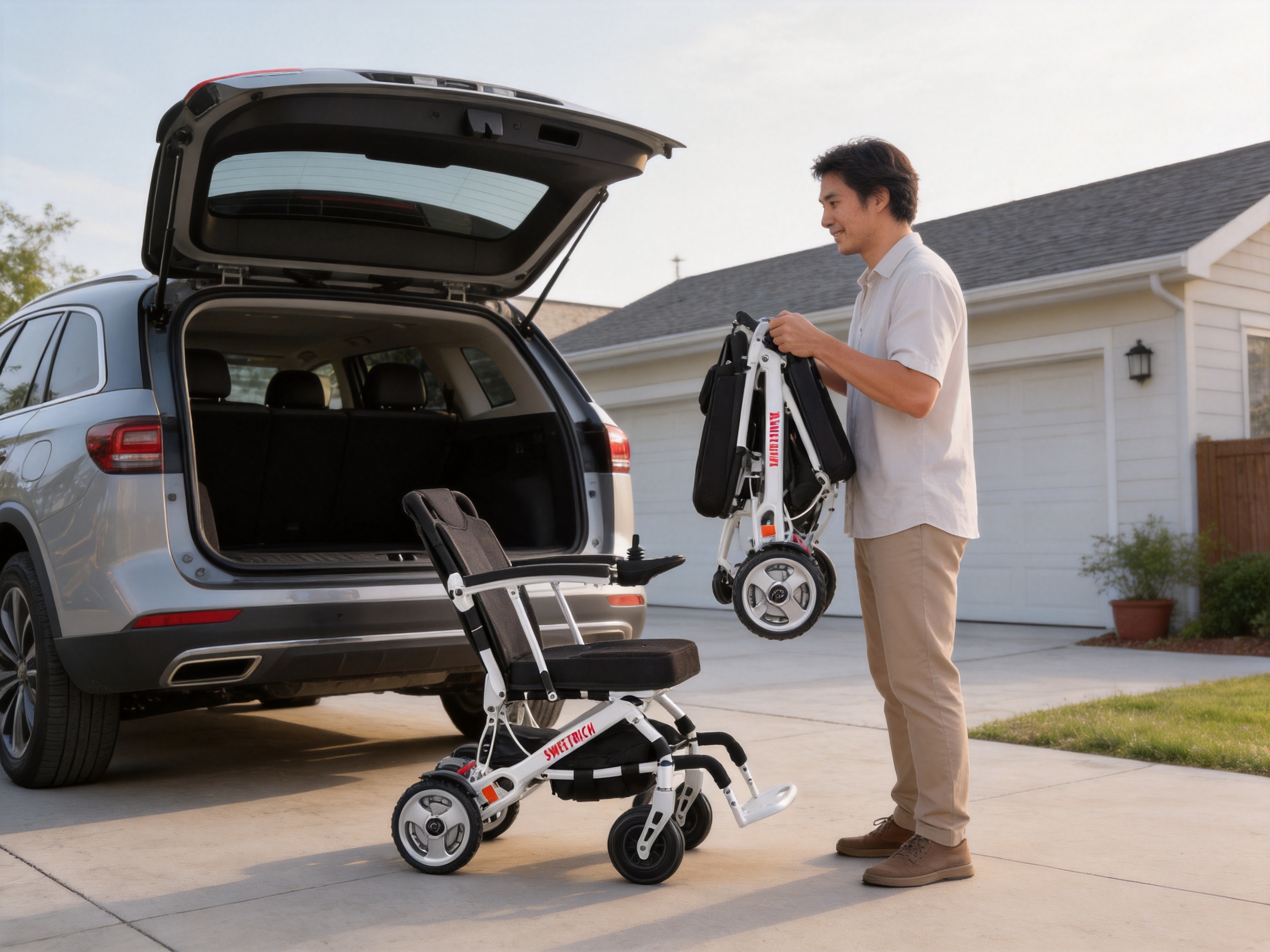
The iFold Light is built around this travel-oriented requirement. Its compact design is intended to fold in approximately one second, making the transition from driving configuration to transport configuration straightforward. A rapid folding action can reduce the physical effort required from a caregiver and shorten the time needed when boarding a vehicle or preparing to leave a destination.
Its listed dimensions in the driving configuration are 970 millimeters in length, 560 millimeters in width, and 870 millimeters in height. This relatively compact footprint can make it easier to navigate through many indoor spaces, although users should always compare the chair’s dimensions with the width of their doors, elevators, corridors, ramps, and vehicle openings.
Unlike a conventional full-size power wheelchair, the iFold Light is designed with transport in mind. Unlike many manual wheelchairs, it provides powered propulsion, allowing a user to travel without depending entirely on a companion to push the chair. This combination of folding convenience and powered operation is the central advantage of the product.
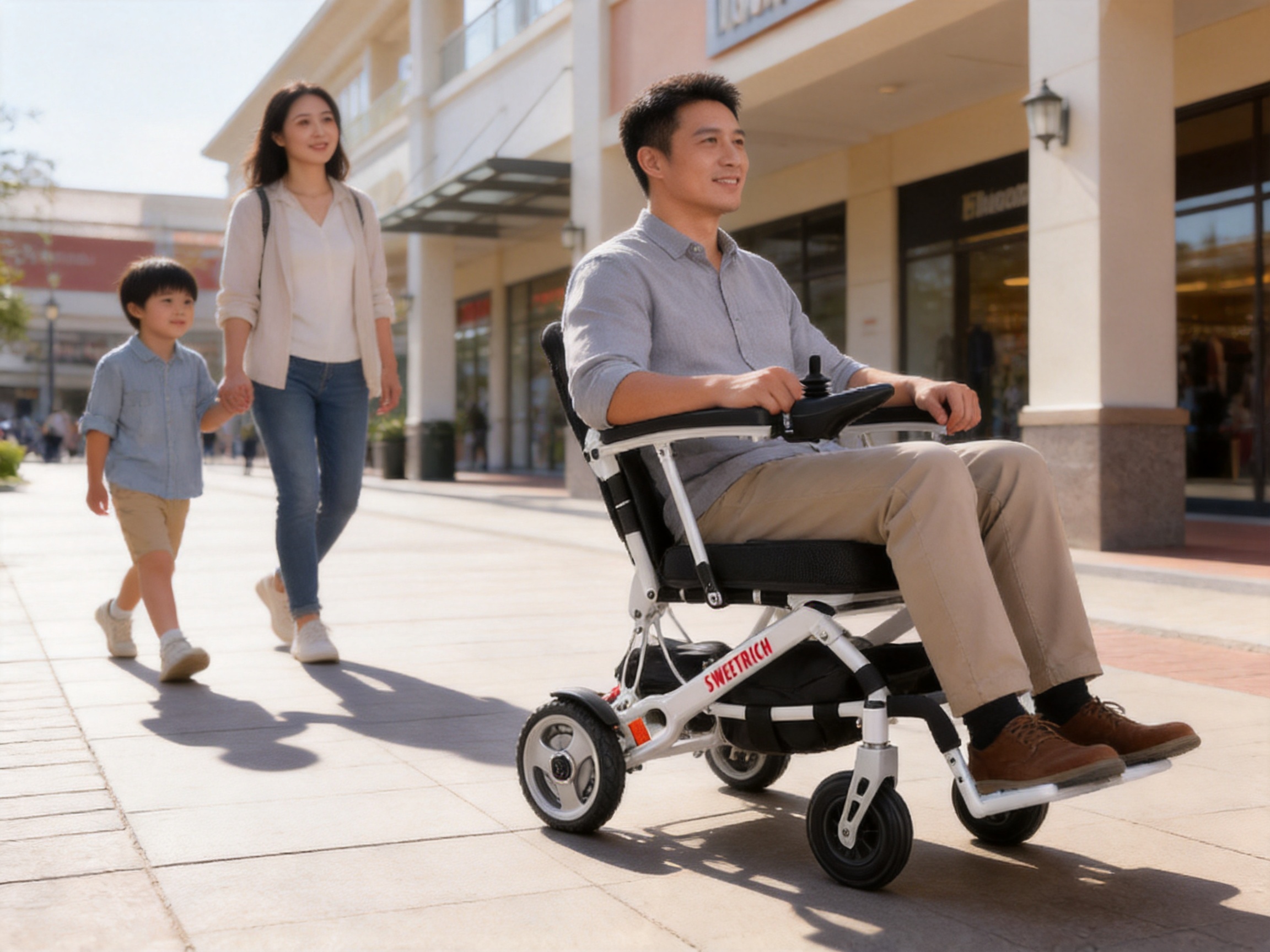
For families, the chair can help make day trips more manageable. For users who value independence, it can reduce reliance on others during appropriate journeys. For people who have difficulty propelling a manual wheelchair, the electric drive system can provide a more consistent way to move across suitable surfaces.
Key Product Specifications
| Specification | Listed Information |
|---|---|
| Product type | Folding electric wheelchair for travel use |
| Dimensions | 970 × 560 × 870 mm |
| Maximum forward speed | 6 km/h |
| Maximum driving gradient | 6 degrees |
| Maximum driving range | 12 ± 2 km or 20 ± 4 km, depending on battery configuration and conditions |
| Weight capacity | 120 kg or 265 lb |
| Front tire size | 7 inches |
| Rear tire size | 8 inches |
| Braking system | Electromagnetic brake |
| Battery options | Lithium 24 V/6 Ah or 24 V/12 Ah |
| Charger | 24 V/2 A |
| Charging time | Approximately 3 to 6 hours |
| Motor system | Two 24 V/250 W motors |
| Motor controller | 24 V/45 A |
| Weight without battery | 19 kg |
The specifications show that the chair is engineered as a compact, moderate-speed mobility product rather than as a heavy-duty outdoor wheelchair. Its strongest use cases are paved paths, indoor spaces, shopping areas, suitable sidewalks, travel destinations, and other environments where a lightweight folding form is more valuable than extreme terrain capability.
Lightweight Construction and Easier Transport
At 19 kilograms without the battery, the iFold Light is positioned as a lightweight portable solution. Actual lifting weight will depend on the selected battery and any accessories attached to the chair, but the stated base weight remains an important advantage for transport.
Weight affects nearly every stage of a journey. It influences whether a user can place the chair in a vehicle, whether a companion can lift it safely, how much storage space is available for luggage, and how easily the chair can be moved when it is not being driven. A lighter wheelchair can also reduce the physical burden on family members and transportation staff.
Many traditional powered wheelchairs are designed primarily for durability, suspension, and extended outdoor use. Those characteristics can be useful, but they often result in heavier frames and larger dimensions. The iFold Light takes a different approach by emphasizing portability and compact storage. This makes it particularly suitable for users who already have access to a primary wheelchair or mobility device but need a convenient travel option.
Portability is also valuable inside the home. A folding chair can be stored in a closet, utility area, vehicle trunk, or other designated space rather than occupying a permanent parking position. In apartments and smaller homes, this can make a meaningful difference.
However, users should treat the 19-kilogram figure as the weight without the battery, as specified. Before purchasing or transporting the chair, buyers should confirm the complete operating and lifting weight, battery type, packaging weight, and any local transport requirements.
Rapid Folding for Daily Convenience
The folding mechanism is one of the product’s most distinctive features. The chair is promoted as folding in just one second, which is intended to make transport and storage effortless. A fast folding system does more than save a few moments. It can make a mobility device easier to integrate into ordinary routines.
For example, a user may fold the chair before entering a vehicle, unfold it after arriving at a shopping center, and repeat the process at the end of the journey. When this procedure is simple, users are more likely to take the chair on spontaneous outings rather than limiting travel because of equipment-related inconvenience.
A folding design can also support mixed modes of mobility. A person may use the electric wheelchair for longer walking distances while traveling in a car, then fold it for a short transfer into a building. A family may keep the chair available during vacations, appointments, park visits, or shopping trips without dedicating excessive vehicle space to a permanent wheelchair structure.
As with all folding mobility equipment, the locking and unfolding procedure should be followed carefully. The chair should be fully opened and secured before use. The user should confirm that the frame is stable, the controls are functioning, the tires are properly positioned, and no clothing, luggage, or other object interferes with the folding joints or moving parts.
Electric Drive and Dual-Motor Performance
The iFold Light uses two 24-volt, 250-watt motors. A dual-motor configuration allows the drive system to distribute propulsion across both rear wheels. This arrangement is common in compact powered wheelchairs because it can support controlled movement while maintaining a relatively simple mechanical layout.
Two motors can provide responsive operation in suitable indoor and outdoor environments. They also allow the chair to turn within a compact footprint, an important feature when navigating rooms, corridors, retail aisles, and other confined spaces. The exact turning performance will depend on the chair’s control system, surface conditions, user weight, and operating technique.
The technical information lists a maximum forward speed of 6 kilometers per hour. The product content also references speeds up to 10 kilometers per hour. Because these figures differ, buyers should confirm the applicable speed for the specific configuration, market, controller setting, and production version before purchase. The technical specification should be treated as the principal reference unless the manufacturer provides updated documentation.
A maximum speed of 6 kilometers per hour is suitable for controlled travel in many everyday environments, but speed should always be adjusted to conditions. Crowded areas, ramps, uneven paving, door thresholds, wet surfaces, and downhill travel require additional caution. The fastest available setting is not necessarily the safest setting for every situation.
The dual-motor arrangement is not intended to turn the chair into an all-terrain vehicle. The product does not list suspension, and the specification table identifies the suspension as “/”. Users should therefore select smooth, stable surfaces whenever possible and avoid obstacles, deep gravel, soft ground, steep slopes, and conditions beyond the chair’s rated capabilities.
Stable Braking with Electromagnetic Control
Safety during stopping is a fundamental consideration for any powered wheelchair. The iFold Light uses an electromagnetic brake system. This type of braking is designed to help the chair stop when the drive control is released and to hold the chair when the motors are not actively propelling it, subject to the system’s operating conditions.
Electromagnetic braking can be especially useful for a compact powered chair because it provides automatic braking behavior without requiring the user to operate a separate manual brake lever during every stop. This may simplify routine driving for users with limited hand strength or coordination.
Braking performance is affected by slope, surface condition, load, tire condition, battery status, and mechanical maintenance. The stated maximum driving gradient is 6 degrees. This rating should not be interpreted as permission to approach every slope at maximum speed. Slopes should be approached slowly, directly, and only when the surface is dry, stable, and free of obstacles.
Users should test the braking response in a safe, open area before regular use. They should learn how the control system reacts when the joystick or drive control is released, how the chair behaves on level ground, and how much stopping distance is needed at different speeds. New users should receive assistance until they can operate the chair confidently.
Solid Tires for Reduced Maintenance
The chair is equipped with solid tires, including 7-inch front tires and 8-inch rear tires. Solid tires do not require inflation, which eliminates the risk of punctures and reduces the need to check air pressure. For travel users, this can provide peace of mind because a punctured pneumatic tire can interrupt a trip and may require tools or roadside assistance.
Solid tires are particularly suitable for paved indoor and outdoor surfaces. They can support convenient use in shopping centers, homes, hotels, transport terminals, and on suitable sidewalks. Their maintenance requirements are generally lower than those of air-filled tires, making them attractive to users who want a straightforward ownership experience.
There are trade-offs. Pneumatic tires may provide more cushioning on some uneven surfaces, while solid tires transmit more vibration through rough ground. Since the iFold Light does not list a suspension system, users should avoid unnecessarily rough routes and take care when crossing thresholds or uneven pavement.
Tires should still be inspected regularly. Solid tires can wear, crack, or become damaged over time. Users should check the tread, tire surface, wheel attachment, and alignment. Any unusual vibration, pulling, noise, or change in handling should be investigated before continued operation.
Lithium Battery Options for Flexible Travel
The chair is offered with lithium battery configurations identified as 24 V/6 Ah and 24 V/12 Ah. The battery capacity influences expected travel range, charging requirements, and total transport weight. A smaller battery may be suitable for short local journeys and users who prioritize minimum weight. A larger battery may provide greater range for longer outings, subject to operating conditions and applicable transport rules.
The listed maximum driving range is 12 ± 2 kilometers or 20 ± 4 kilometers. These two ranges correspond to different battery configurations or testing conditions. Actual range can vary according to user weight, speed, slope, tire condition, temperature, route surface, stop-and-start driving, battery age, and charging practices.
Range estimates should never be treated as a guarantee for every journey. A responsible travel plan includes a reserve for unexpected detours, weather changes, crowded routes, and battery performance variation. Users should charge the battery before important trips and understand where charging is permitted at their destination.
The listed charger is rated at 24 V/2 A, and the stated charging time is approximately 3 to 6 hours. Users should use the compatible charger supplied or approved for the chair. They should place the charger in a dry, ventilated area and follow the battery instructions provided with the specific configuration.
Lithium batteries require careful handling. They should not be exposed to excessive heat, water, impact, unauthorized modification, or incompatible charging equipment. Before air travel, rail travel, or other regulated transportation, users should confirm battery documentation, capacity limits, packaging requirements, and carrier policies.
One advantage of a removable or travel-oriented lithium battery configuration, where supported by the exact product version, is that the chair may be easier to manage during transport. Buyers should confirm whether the battery is removable, how it is secured, its exact weight, and whether a selected battery option changes the folded dimensions or transport procedure.
Weight Capacity and User Selection
The stated weight capacity is 120 kilograms, or 265 pounds. This rating includes the user and may also need to account for clothing, bags, and other items carried on the chair. Users should remain within the specified limit to support safe operation, braking, structural performance, and battery efficiency.
The word “bariatric” appears in the product title, but the listed 120-kilogram capacity should remain the controlling specification for user selection. Buyers should not assume that the chair is suitable for every bariatric application. Individuals above the stated capacity, or those who require specialized seating, reinforced frames, pressure management, postural support, or advanced suspension, should consult a qualified mobility professional and request a suitable model.
Seat width, seat depth, back support, armrest clearance, transfer height, and user posture are also important. The supplied specifications do not provide all of these measurements. Before ordering, buyers should request a complete dimensional drawing and confirm that the seating area accommodates the intended user comfortably and safely.
A proper fit improves control and reduces fatigue. A user who is positioned too far forward, too far back, or too close to the side frame may experience reduced stability or difficulty operating the controls. The chair should be tested in a safe environment before longer travel.
Advantages Compared with Conventional Alternatives
The iFold Light competes with several categories of mobility products, including standard manual wheelchairs, full-size electric wheelchairs, heavy folding power chairs, and mobility scooters. Its advantages are most apparent when portability, compact storage, and powered operation are prioritized together.
Compared with Manual Wheelchairs
A manual wheelchair may be lighter and mechanically simple, but it requires the user or a companion to provide propulsion. For users with limited upper-body strength, long indoor corridors, shopping centers, or outdoor destinations can become physically demanding. The iFold Light adds electric drive, enabling the user to move independently in appropriate conditions.
At the same time, its folding format retains some of the transport convenience associated with a manual chair. This combination can be valuable for users who need powered assistance without committing to the weight and size of a full-time power wheelchair.
Compared with Full-Size Power Wheelchairs
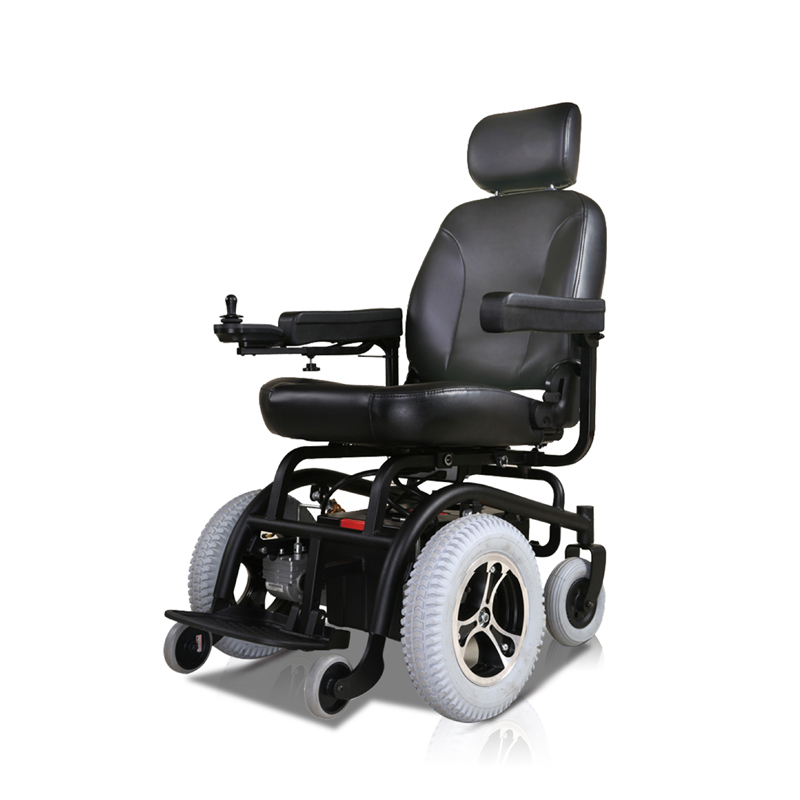
Full-size electric wheelchairs may offer larger seats, advanced suspension, higher ground clearance, and more extensive customization. However, they are often heavy and difficult to lift into a vehicle. They may also require larger storage areas and wider access routes.
The iFold Light takes a more travel-centered approach. Its 19-kilogram listed weight without the battery and rapid folding design can make it more convenient for car transport, indoor storage, and occasional use away from home. Users who need a highly rugged outdoor platform may require a different category of chair, but people seeking a portable powered option may find the compact configuration more practical.
Compared with Heavy Folding Power Chairs
Some folding power chairs offer greater capacity, larger batteries, or additional comfort features, but their transport weight can still be substantial. A folding label alone does not guarantee easy lifting. The iFold Light distinguishes itself through its emphasis on low base weight, compact dimensions, and a quick folding process.
The appropriate choice depends on the user’s priorities. A heavier model may be preferable for prolonged outdoor use, while the iFold Light may be preferable when the chair must be loaded and unloaded frequently.
Compared with Mobility Scooters
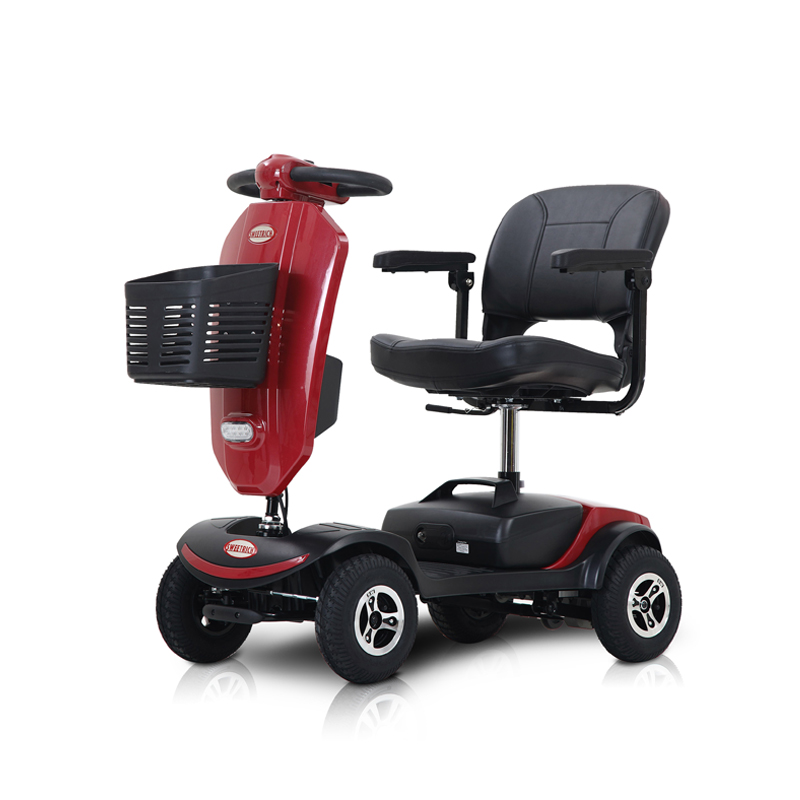
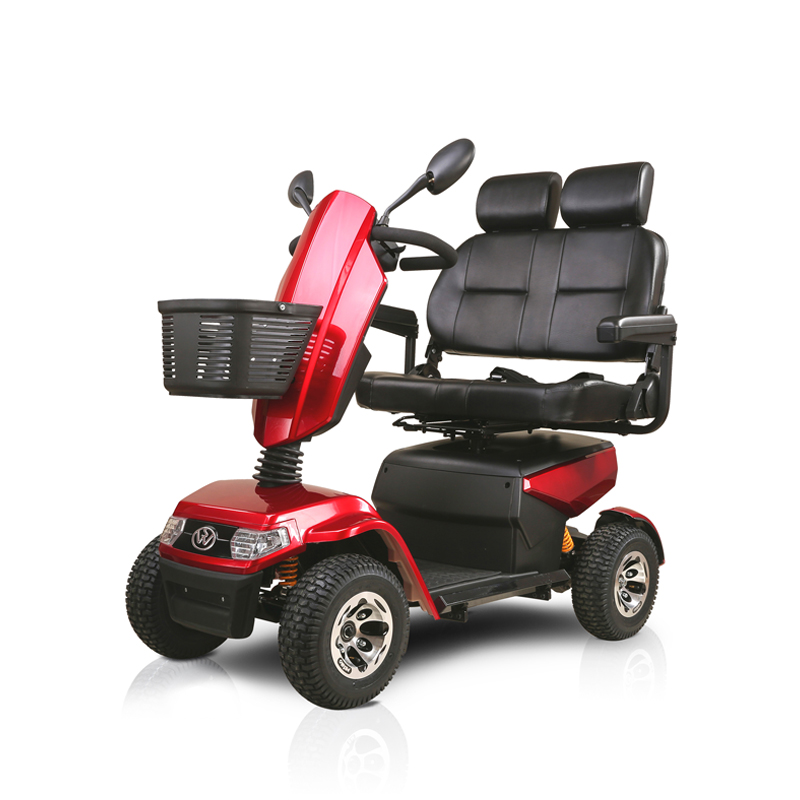
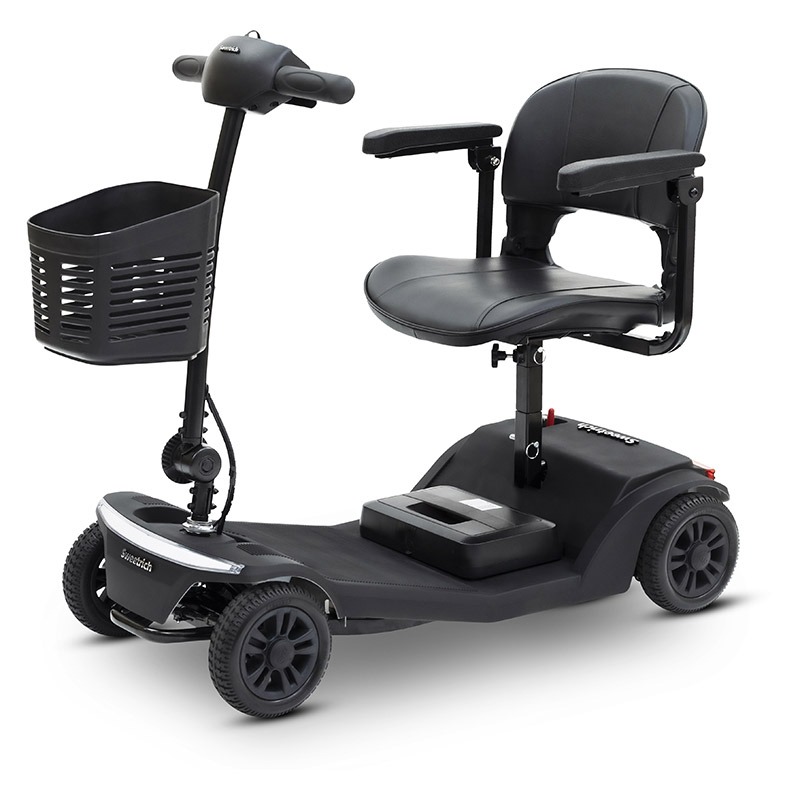
Mobility scooters can provide comfortable travel for many users, but they may require more space to transport and may have a larger turning footprint. Some scooters disassemble into several pieces, creating additional assembly work. The iFold Light offers a wheelchair-style seating arrangement and a single folding concept intended to simplify transport.
A scooter may remain preferable for users who favor a tiller, a larger seat, or longer outdoor trips. The iFold Light is better suited to buyers who want a compact powered wheelchair that can accompany them on family journeys and fit into a travel-oriented lifestyle.
Comfort, Control, and Everyday Independence
Portability is important, but a travel chair must also be practical during use. The iFold Light is designed to provide powered movement through a compact control system and dual motors. Users can potentially travel at their own pace rather than depending continuously on a companion.
Greater independence can have both practical and emotional value. A user may be able to participate more fully in family outings, visit shops, attend appointments, or move around a home without waiting for assistance. A compact powered chair can also support social participation because it is easier to bring along than a large, heavy mobility device.
Independence does not mean eliminating all support. Users should still plan routes carefully, understand the chair’s operating limits, charge the battery, and arrange help for loading, unloading, or difficult terrain when necessary. A companion may also be helpful in unfamiliar or crowded environments.
The solid tires and lack of listed suspension indicate that comfort will depend partly on route selection and driving technique. Users should maintain a moderate speed over thresholds and uneven pavement. They should avoid sudden turns, abrupt braking, and sharp drops from curbs. Where a curb or ramp is unavoidable, it should be approached only if the chair is designed and rated for that maneuver.
Manufacturing Experience and Product Development Strengths
The product is made by Suzhou Sweetrich Vehicle Industry Technology Co., Ltd., a high-tech mobility manufacturer based in Suzhou Industrial Zone, Jiangsu, China. The company was established in 2011 and has accumulated more than ten years of experience in the research, development, and production of mobility scooters and power wheelchairs.
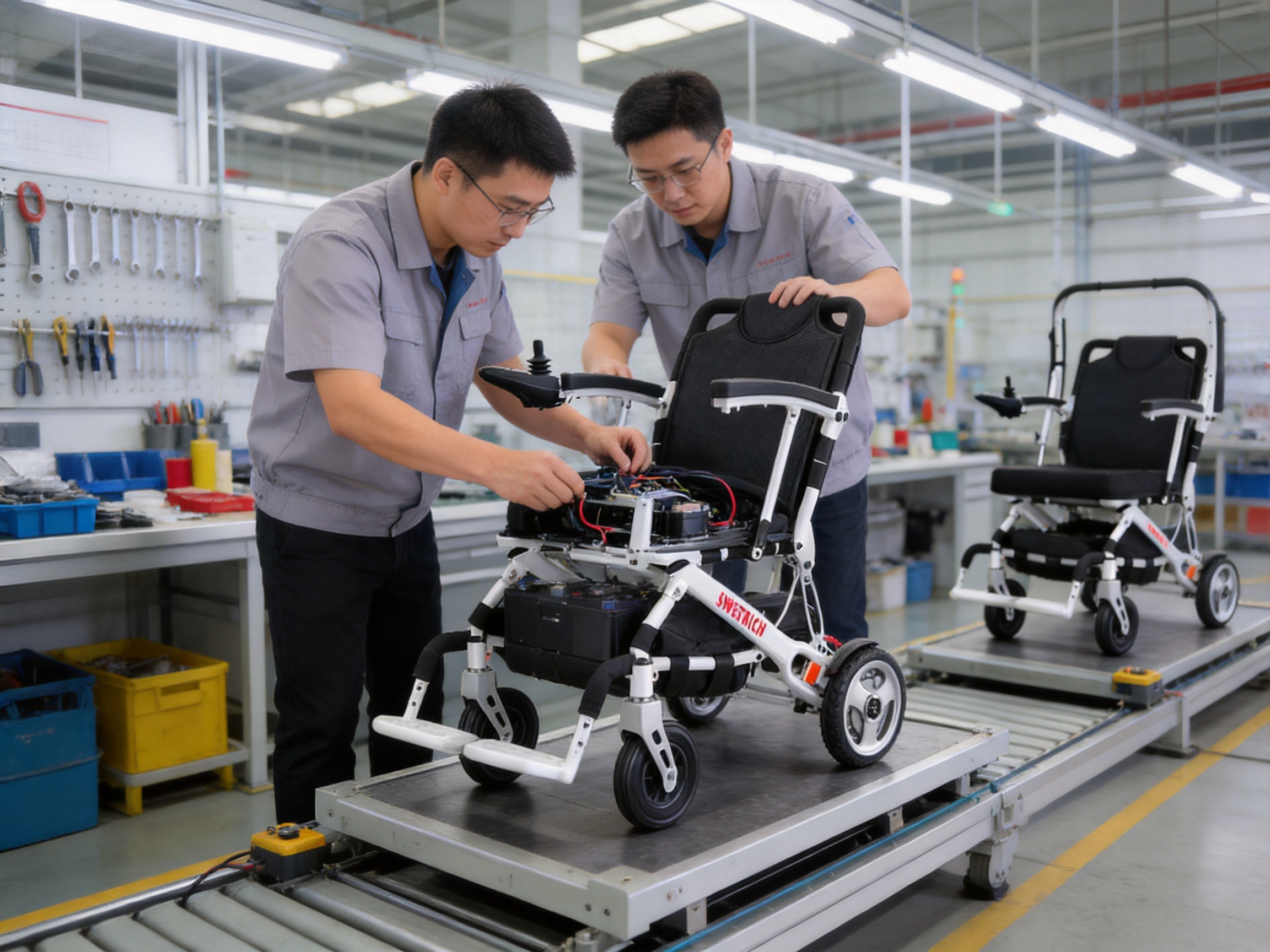
The company reports a facility covering approximately 60 acres, including a 30,000-square-meter factory. A dedicated manufacturing site of this scale can support coordinated product development, assembly, quality management, component handling, and production planning. It also provides a foundation for maintaining consistent processes as product demand changes across international markets.
Sweetrich focuses on electric scooters and power wheelchairs rather than treating mobility products as a secondary product line. This specialization can help the manufacturer develop knowledge in drive systems, battery integration, control technology, frame design, folding mechanisms, seating structures, and user-oriented mobility requirements.
The company states that it owns intellectual property rights for its electric scooters and power wheelchairs. In practical terms, this indicates an emphasis on developing proprietary product solutions rather than relying exclusively on generic designs. Intellectual property ownership may support ongoing product refinement, model differentiation, and the protection of design and engineering work.
Advanced Design and Engineering Approach
The iFold Light reflects a product-development strategy centered on the needs of travel users. Several engineering decisions work together: a folding frame, compact dimensions, dual electric motors, lithium battery options, solid tires, electromagnetic braking, and a lightweight structure.
Each feature must function as part of a complete system. A folding frame must remain secure during operation. A lightweight structure must still support the specified user capacity. The motors must work with the controller and battery. The braking system must respond appropriately to drive commands. The tires must provide dependable contact with the ground while remaining compact and maintenance-friendly.
The company describes its products as incorporating advanced control technology and driving systems to support smooth and safe operation. While detailed controller software information is not provided, the listed 24 V/45 A motor controller forms part of the electrical system that manages power delivery to the dual motors. Buyers seeking additional technical information should request details about control modes, speed adjustment, fault indications, electromagnetic compatibility, battery protection, and service diagnostics.
Scientific product design is also identified as a company principle. For a travel wheelchair, this should involve more than appearance. It includes evaluating frame proportions, weight distribution, folding forces, wheel placement, user reach, control access, transport handling, and stability during normal operation.
Manufacturing quality depends on repeatability. A well-designed product must be assembled consistently, and critical components must be checked before shipment. Relevant production controls may include incoming component inspection, frame and weld checks, electrical testing, battery and charger verification, brake testing, folding-function inspection, dimensional checks, and final performance evaluation. Specific inspection procedures should be confirmed with the manufacturer for the intended order.
Quality Management and International Supply Capability
Sweetrich states that it follows strict production management and aims to ensure product reliability and quality. The company has developed long-term partnerships with customers in America, Europe, Japan, Australia, the Middle East, Russia, and other markets.
International experience can be an important strength for a mobility equipment manufacturer. Different markets may have different expectations regarding packaging, documentation, electrical systems, battery transport, labeling, user manuals, warranty support, and after-sales service. A company serving multiple regions must coordinate these requirements across its manufacturing and export processes.
International distribution also creates the need for dependable product identification and parts support. Buyers should ask for the exact model year, battery configuration, controller version, spare-parts availability, warranty terms, and service procedures. These details are especially important when a product is purchased through a distributor rather than directly from the factory.
A strong manufacturing relationship should include clear communication before shipment. The buyer should confirm product specifications, packaging dimensions, loading instructions, user documentation, shipping responsibilities, inspection procedures, and the process for reporting transport damage. Business customers may also request production samples, inspection records, private-label options, or customization details where available.
Use in the United States and Other Markets
The product information identifies the chair as a non-medical device for the U.S. market. This distinction is important. The chair is intended to support mobility and transportation, but it should not be presented as a device that diagnoses, treats, cures, or prevents a medical condition.
Users in the United States should review applicable local requirements relating to powered mobility equipment, accessibility, transportation, battery handling, and public-space operation. Requirements can vary by state, municipality, transit provider, airline, and venue. The owner’s manual and supplier documentation should be consulted before use in public transportation or air travel.
International users should also check the rules in their own country. A product’s suitability for a particular market may depend on electrical compatibility, labeling, battery transport rules, and local mobility regulations. The manufacturer or distributor should provide the appropriate technical documentation for the selected market.
Recommended Operating Practices
Before each journey, the user should inspect the chair. The frame should be fully unfolded and locked. The battery should be adequately charged. The control system should respond normally. The tires should be free from visible damage. The seat, armrests, foot support, and other components should be secure.
The user should begin at a low speed in an open area. Practice should include starting, stopping, turning, reversing where supported, approaching doorways, navigating around obstacles, and using the electromagnetic brake. The chair should never be operated by a person who has not learned the controls.
Routes should be planned around the chair’s specifications. The stated maximum gradient is 6 degrees, so steeper slopes should be avoided. Wet, icy, muddy, loose, or highly uneven surfaces may reduce traction and stability. The chair should not be driven through standing water or exposed to conditions that could damage electrical components.
Users should keep hands, clothing, bags, and other objects clear of the wheels, folding joints, and drive components. Children should not operate or play around the chair. When the chair is parked, it should be switched off and positioned where it does not obstruct exits, corridors, ramps, or emergency access.
For vehicle transport, the chair should be folded according to the manufacturer’s instructions and secured against movement. A folded mobility chair should not be assumed to provide occupant protection in a vehicle. The user should transfer to an approved passenger seat whenever required by the vehicle and transport provider.
Maintenance and Long-Term Ownership
The iFold Light’s solid tires can reduce routine maintenance compared with pneumatic tires, but the chair still requires regular care. The frame should be kept clean and dry. Dirt should not be allowed to accumulate around the folding mechanism, wheel assemblies, or electrical connections.
Battery care is central to reliable performance. The battery should be charged using the correct charger, stored according to the supplied instructions, and protected from extreme temperatures. If the chair will not be used for an extended period, the owner should follow the manufacturer’s storage and recharge recommendations.
Moving parts and fasteners should be checked periodically. Unusual looseness, creaking, resistance during folding, reduced range, intermittent control response, or changes in braking should be reported to an authorized service provider. Users should not modify the electrical system or attempt unauthorized battery repairs.
The charger cable and plug should be inspected for damage. Charging should stop if there is unusual heat, odor, smoke, visible damage, or abnormal noise. In such circumstances, the charger should be disconnected safely and professional assistance should be requested.
Good maintenance protects both performance and safety. It can also help preserve the chair’s folding convenience, driving consistency, battery life, and resale value over time.
Who May Benefit from the iFold Light?
The chair may be appropriate for adults who need powered mobility for travel and everyday movement but want a lighter and more compact product than a full-size power wheelchair. It may also suit users who have difficulty propelling a manual wheelchair and need electric assistance for longer distances.
It can be useful for family travel, shopping, hotel stays, appointments, leisure destinations, and indoor movement. Its compact format may appeal to people who have limited storage space or who frequently load mobility equipment into a vehicle.
The chair may be especially attractive to active users who do not want mobility limitations to prevent them from joining ordinary activities. A folding travel chair can be stored until needed and brought along when a trip involves more walking than the user can comfortably manage.
It may not be the best choice for every user. People who need advanced seating support, suspension, high ground clearance, very long range, heavy-duty capacity, or specialized clinical positioning should evaluate other models. Users who regularly travel across rough terrain or steep hills should also consider whether a larger outdoor-oriented wheelchair is more suitable.
Purchasing Considerations for Consumers and Distributors
Before purchase, consumers should confirm the exact product configuration. Important questions include the selected battery capacity, actual complete weight, folded dimensions, seating measurements, controller settings, charging procedure, warranty coverage, and availability of replacement parts.
Distributors should request current product drawings, packaging information, manuals, battery documents, spare-parts lists, and applicable market paperwork. They should also verify whether the stated speed and range values apply to the model year and configuration being supplied.
Because the product information contains both a reference to speeds up to 10 kilometers per hour and a technical maximum forward speed of 6 kilometers per hour, this point deserves written confirmation. Clear technical communication prevents misunderstandings and supports responsible product presentation.
Businesses should also avoid using “bariatric” as an unrestricted description when the stated capacity is 120 kilograms. Product listings should clearly present the verified weight capacity and explain that the user, clothing, and carried items must remain within the rating.
Frequently Asked Questions
Is the iFold Light a medical device?
The supplied product information describes it as a non-medical device for the United States market. It is a powered mobility aid intended to support transportation and independence, not a device for diagnosing or treating a medical condition.
How quickly does the chair fold?
The product is promoted as folding in just one second. Users should follow the operating instructions and ensure that the chair is fully opened and secured before driving.
How much does the chair weigh?
The listed weight without the battery is 19 kilograms. The complete transport weight will be higher when the selected battery and accessories are included. Buyers should request the exact complete weight for their configuration.
What is the maximum user weight?
The stated weight capacity is 120 kilograms, or 265 pounds. This limit should include the user and any clothing, bags, or other items carried on the chair.
What is the maximum speed?
The technical information lists a maximum forward speed of 6 kilometers per hour. Other product wording references speeds up to 10 kilometers per hour. Because these figures differ, the buyer should confirm the applicable speed for the exact model and configuration with the manufacturer or distributor.
How far can it travel on one charge?
The listed range is 12 ± 2 kilometers or 20 ± 4 kilometers, depending on the battery configuration and testing conditions. Actual range can vary with user weight, terrain, slope, speed, temperature, battery age, and driving style.
What type of battery does it use?
The chair is listed with lithium battery options of 24 volts and 6 amp-hours or 24 volts and 12 amp-hours. The selected battery may affect range, weight, charging time, and transport requirements.
How long does charging take?
The listed charging time is approximately 3 to 6 hours using the specified 24 V/2 A charger. Charging time can vary according to battery condition, temperature, and the selected battery capacity.
Does the chair have pneumatic tires?
No. The product uses solid tires, with 7-inch front tires and 8-inch rear tires. Solid tires reduce puncture risk and eliminate the need for regular air-pressure checks.
Does it have suspension?
The specification lists suspension as “/”, indicating that no suspension system is specified. Users should favor smooth surfaces and drive carefully over thresholds and uneven pavement.
Can it climb slopes?
The stated maximum driving gradient is 6 degrees. This is a maximum specification, not a recommendation to climb every slope at speed. Users should approach suitable slopes cautiously and avoid wet, unstable, or excessively steep surfaces.
Is it suitable for outdoor use?
It can be used outdoors on appropriate paved and stable surfaces. It is not presented as an all-terrain wheelchair. Rough ground, deep gravel, soft soil, standing water, steep slopes, and hazardous weather should be avoided.
Can it be transported in a car?
Its folding structure and lightweight design are intended to make vehicle transport easier. The exact fit depends on the vehicle, folded dimensions, battery configuration, and available lifting capacity. The chair should be secured during transport.
Who manufactures the product?
The product is manufactured by Suzhou Sweetrich Vehicle Industry Technology Co., Ltd., a mobility equipment company established in 2011 in Suzhou, Jiangsu, China.
What manufacturing strengths does the company report?
The company reports more than ten years of experience in mobility scooters and power wheelchairs, a 60-acre site with a 30,000-square-meter factory, intellectual property related to its products, strict production management, and exports to markets across America, Europe, Japan, Australia, the Middle East, Russia, and other regions.
What should buyers confirm before ordering?
Buyers should confirm the exact model year, battery option, complete weight, folded dimensions, seating measurements, applicable speed, expected range, warranty terms, user manual, shipping requirements, spare-parts availability, and local regulations.
Conclusion
The iFold Light is designed to make powered mobility more compatible with travel and everyday life. Its combination of a rapid folding structure, 19-kilogram listed weight without the battery, compact dimensions, dual 250-watt motors, solid tires, lithium battery options, electromagnetic braking, and 120-kilogram capacity provides a balanced solution for users who prioritize portability and independence.
Its strongest advantages over heavier conventional alternatives are transport convenience, compact storage, reduced tire maintenance, and powered operation in a lightweight package. The product is not intended to replace every type of wheelchair. Users who need heavy-duty capacity, advanced seating, extensive suspension, or extreme outdoor performance should consider products designed specifically for those requirements.
The manufacturer’s experience in mobility equipment, dedicated factory resources, intellectual property, product-development focus, and international market presence provide a foundation for producing travel-oriented electric wheelchairs. Careful product specification, responsible quality management, appropriate battery handling, and dependable after-sales support remain essential to the ownership experience.
For consumers and distributors seeking a portable folding power wheelchair, the most important next step is to match the chair’s verified specifications with the intended user and travel environment. When used within its rated limits and maintained correctly, the iFold Light can help users travel with greater convenience, participate in family activities, and pursue everyday independence with less transport burden.
References
1. Product specification sheet for the iFold Light folding electric wheelchair, including dimensions, speed, gradient, range, capacity, motor, battery, tire, brake, charger, and weight information.
2. Manufacturer-provided product description for the iFold Light travel wheelchair, including folding design, portability, under-seat storage, solid tires, and intended travel use.
3. Manufacturer company profile for Suzhou Sweetrich Vehicle Industry Technology Co., Ltd., including company history, facility information, product-development focus, intellectual property, and international market experience.
4. General principles of powered wheelchair operation, battery care, mobility equipment maintenance, and safe travel planning.
5. General consumer guidance concerning powered mobility equipment, vehicle transport, lithium battery handling, and local accessibility requirements.
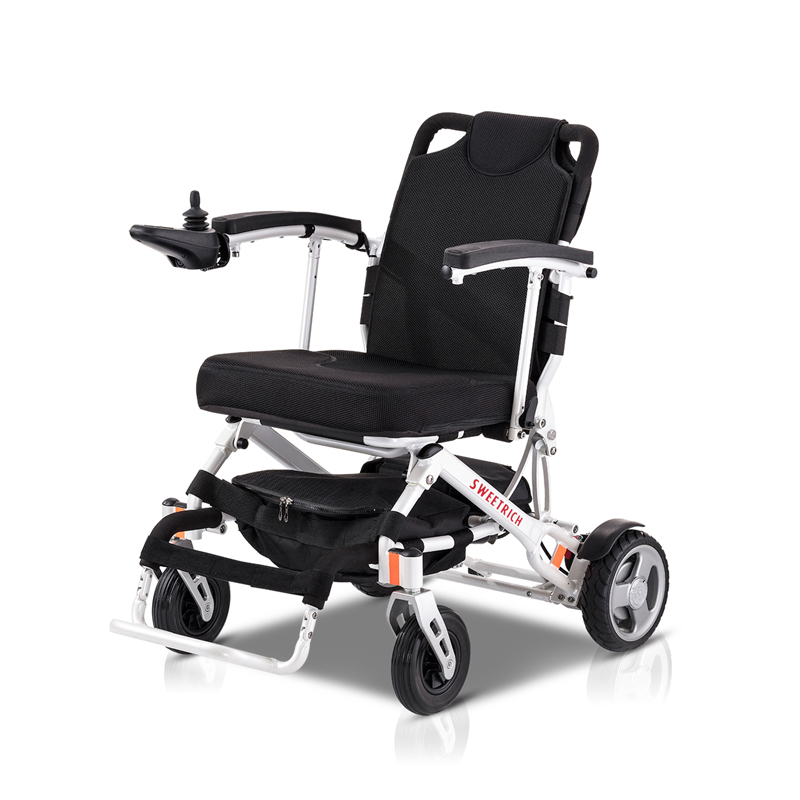
iFold Light 2021 New Lightweight Portable Folding Electroplating Electric Bariatric Wheelchair Attachment