 info@sweetrich.cn
  +86-(0)512-82283871
Content
- 1 What Sets Folding Mobility Scooters Apart
- 2 The Strengths of Non-Folding Mobility Scooters
- 3 Balancing the Trade-Offs: What Users Actually Experience
- 4 Why Lightweight Frames Matter
- 5 How New Materials Are Making Frames Lighter and Stronger
- 6 Bringing Lightweight Construction to Both Styles
- 7 Keeping Safety First in Lighter Designs
- 8 Listening to Users and Planning Ahead
- 9 Why choose Sweetrich
Mobility scooters, including options available through Wholesale Mobility Scooter suppliers, have changed the way many people move through their day-to-day routines. They give users a practical way to cover distances that might otherwise feel tiring or out of reach, whether that means getting around the house, visiting shops, running errands, or enjoying time outdoors. At their core, these devices consist of a comfortable seat mounted on a stable base, a steering column or tiller, wheels, an electric motor, and a battery pack. Controls are kept straightforward so that anyone can operate them with minimal training.
Two main styles dominate the market: folding scooters and non-folding scooters. Each style reflects different priorities in design. Folding models focus on compactness and easy transport, while non-folding models emphasize strength and steady performance. Alongside this choice, manufacturers have worked hard to reduce overall weight through better frame designs and new materials. These developments have made scooters easier to handle without sacrificing safety or reliability.
What Sets Folding Mobility Scooters Apart
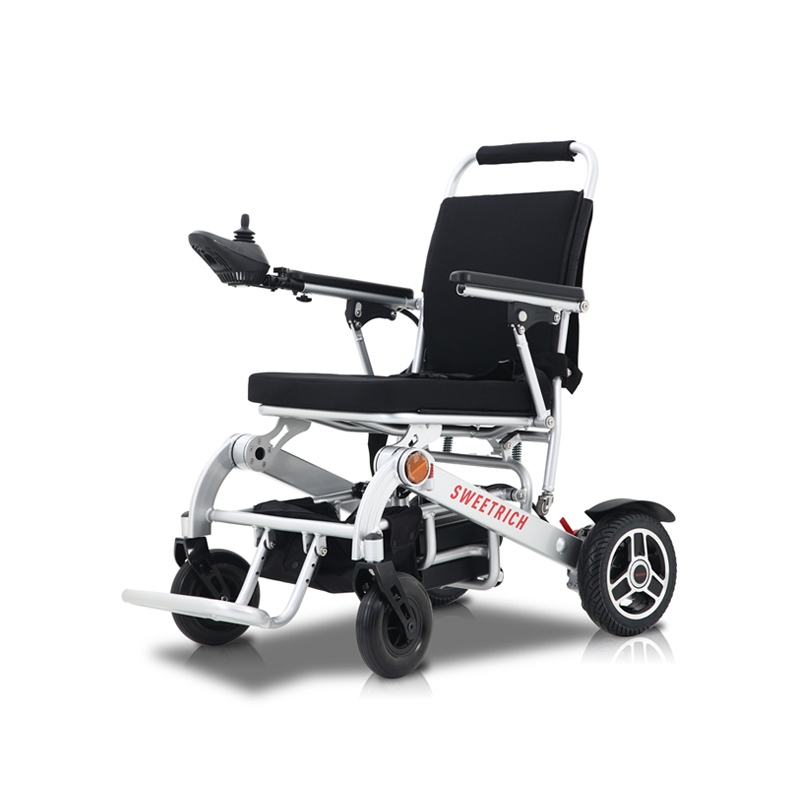
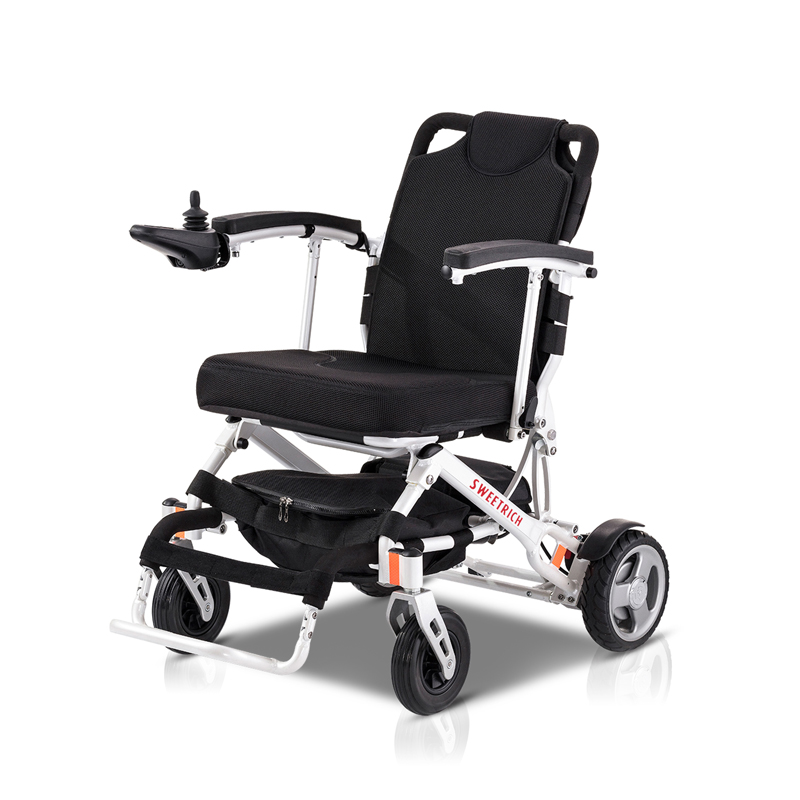
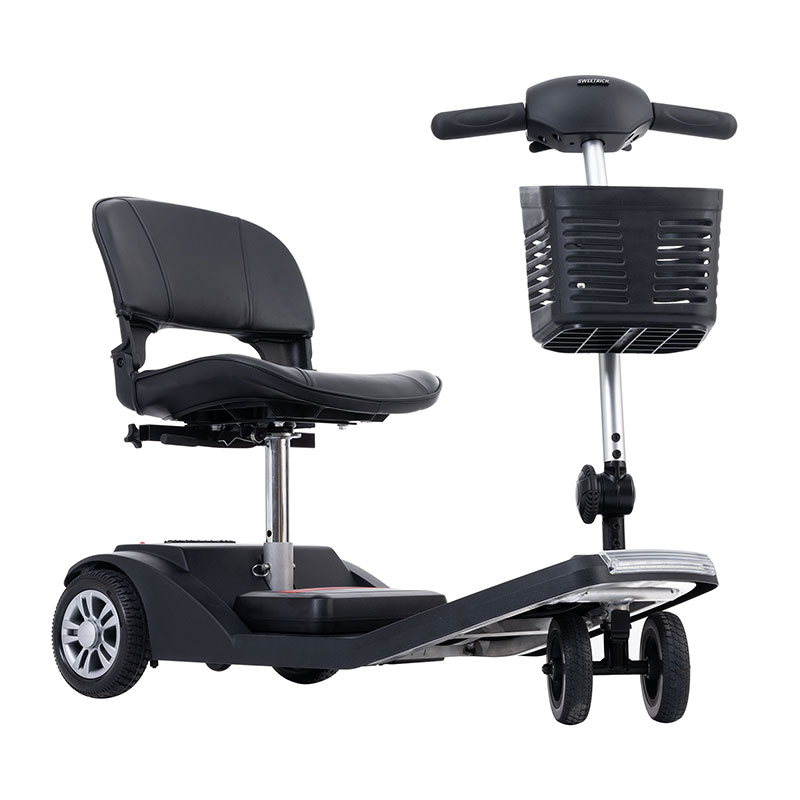
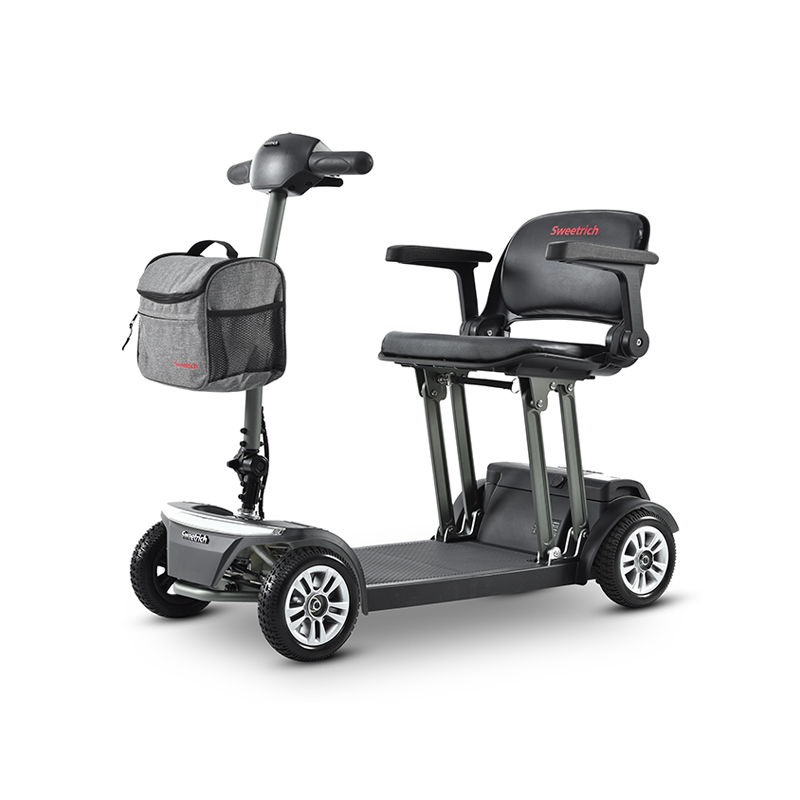
Folding mobility scooters are built around the idea that the entire unit can be collapsed into a much smaller shape. A series of hinges and release levers lets the tiller drop down, the seat fold forward, and the base narrow or shorten. When folded, the scooter takes up far less room and can often be wheeled along like a suitcase.
The clearest benefit is convenience for travel and storage. A folded scooter fits into the boot of a standard car, slides into a closet, or stands upright in a corner. People who rely on public transport, visit relatives regularly, or live in apartments with limited space often choose this style. The lighter overall construction that usually goes with folding designs also makes it easier to lift the scooter in and out of a vehicle when needed.
Designers achieve the folding action in different ways—some models use a simple manual pull, others have a button or lever that starts an automatic process. Either way, the goal is to make the change from riding mode to transport mode quick and uncomplicated. Many folding scooters also break down further into two or three pieces if extra compactness is required.
There are practical limits, however. The hinges and moving joints add complexity, and over years of regular folding they can show signs of wear. Users sometimes need to check that locks engage fully and lubricate pivot points from time to time. Space saved in storage can mean less room for large batteries or wide-set wheels, which in turn can affect how far the scooter travels on one charge or how confidently it handles rough pavements. The frame has to flex in controlled ways to fold, so it may not feel quite as planted as a solid-frame scooter on uneven ground.
For people whose days involve frequent trips away from home, these characteristics rarely feel like serious drawbacks. The ability to take the scooter along easily often outweighs the small compromises in range or rigidity.
The Strengths of Non-Folding Mobility Scooters
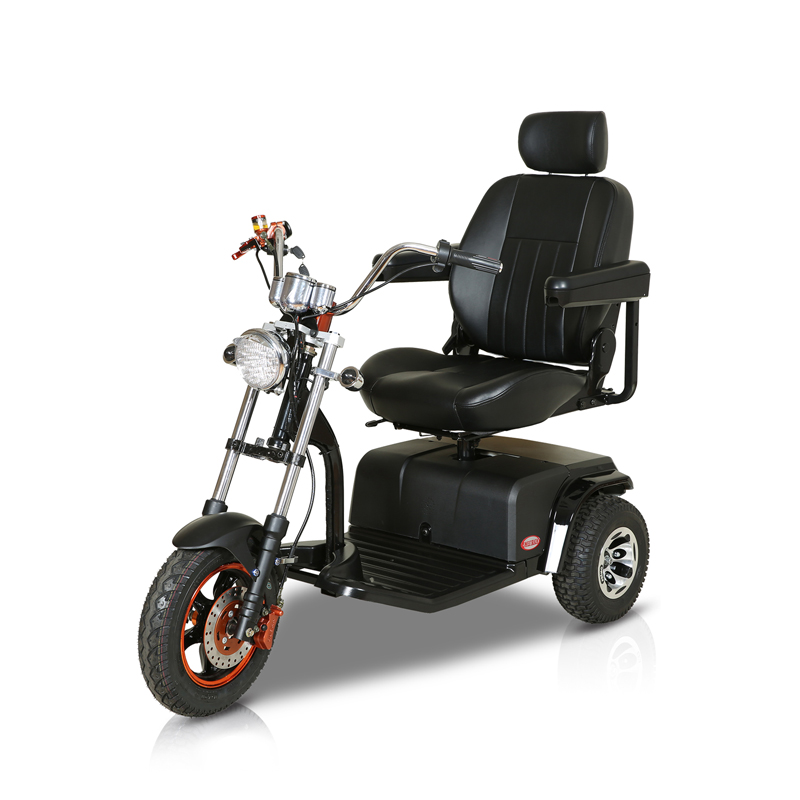
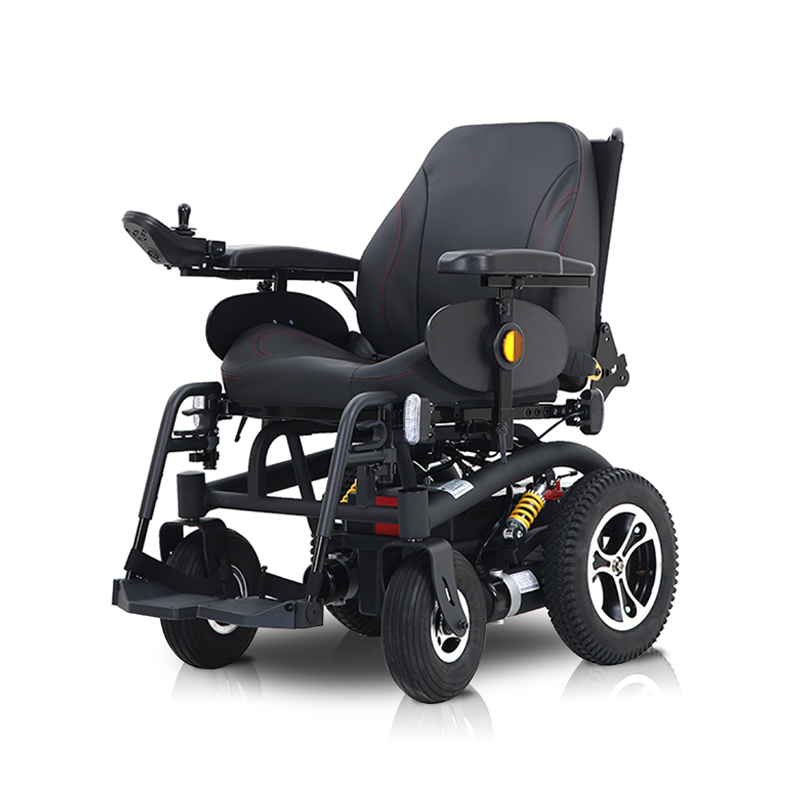
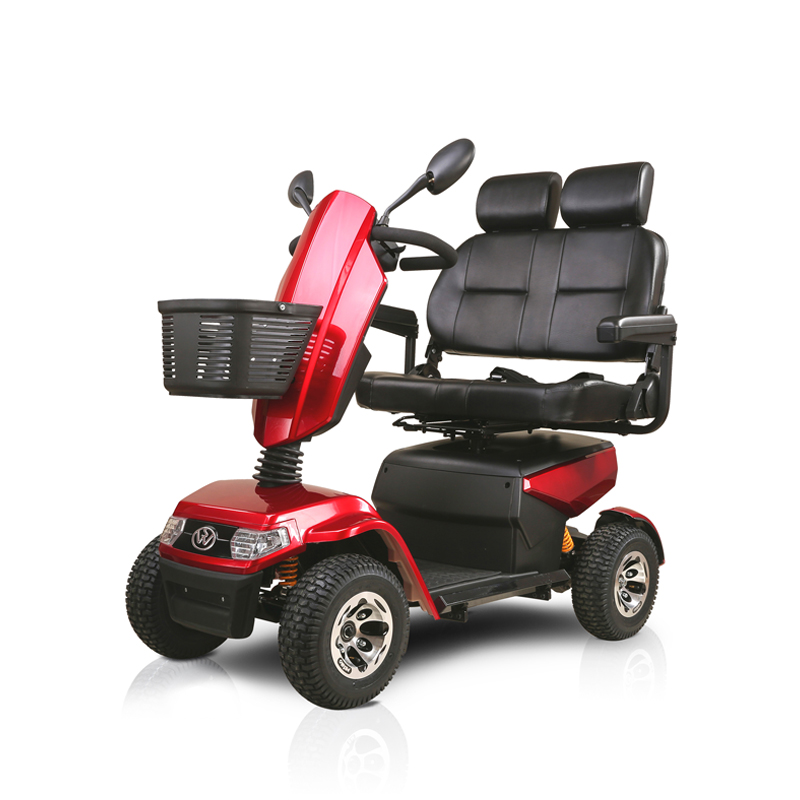
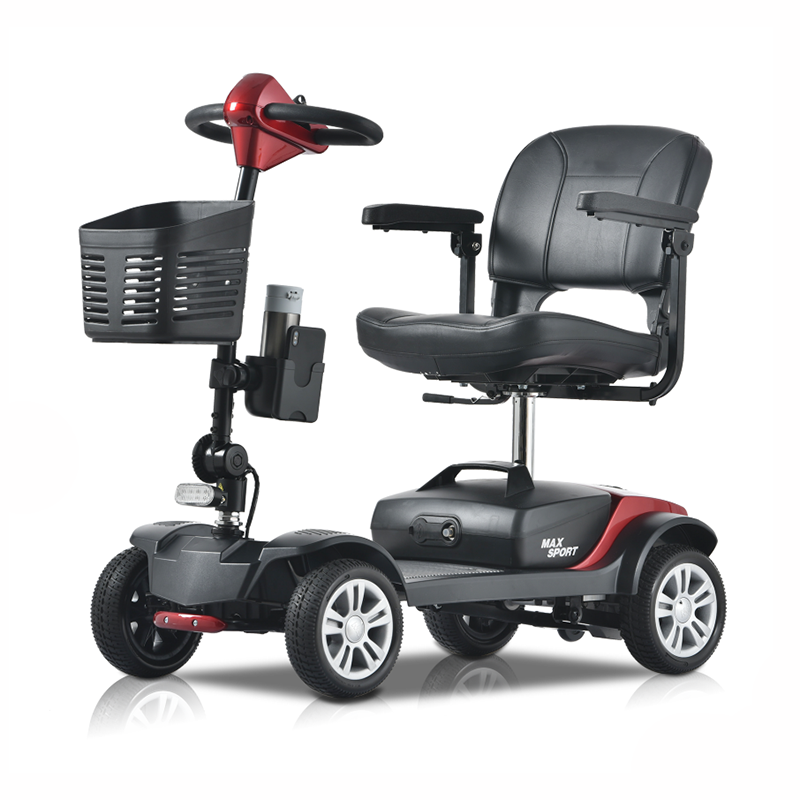
Non-folding scooters are constructed as a single, fixed unit. There are no hinges in the main structure, so the base, seat post, and tiller remain firmly connected at all times. This solid build gives the scooter a lower center of gravity and a wider stance in many cases.
Key Advantages:
- Noticeable stability: Riders feel more secure when crossing grass, gravel, or gentle slopes because the frame does not flex under load.
- Room for larger components: Manufacturers can fit larger batteries and more substantial motors without worrying about folding constraints, to longer travel distances and stronger hill-climbing ability.
- Better suspension integration: Suspension components—springs or shock absorbers—are easier to incorporate effectively on a rigid platform, softening the ride over bumps.
- Simpler maintenance: Because there are fewer moving parts, day-to-day maintenance tends to be simpler. Owners rarely need to adjust or replace folding mechanisms, and the overall structure can withstand heavy daily use for many years.
- Enhanced comfort features: Seats are often larger and more adjustable, and armrests can flip up or widen to make transfers easier.
Main Trade-Offs:
- Size and storage: A non-folding scooter requires a dedicated parking spot at home.
- Transport challenges: It usually needs a ramp or lift for car travel. Even when the seat and batteries are removed for lifting, the main chassis remains bulky and heavy.
This style therefore works for people who use their scooter primarily around home or in a local area and who have space to keep it ready for use.
Balancing the Trade-Offs: What Users Actually Experience
Choosing between folding and non-folding models forces a series of practical balances. Portability sits opposite stability: a scooter that packs down small enough for a car boot will never feel as rock-solid as one built on a fixed, wide base. Ease of storage conflicts with room for bigger batteries and stronger motors. Simplicity in upkeep contrasts with the convenience of taking the scooter anywhere without extra equipment.
Daily patterns largely decide which set of characteristics matters more. Someone who drives to a supermarket once a week and then walks the aisles may value stability and range above all else. A person who catches buses, visits different venues, or lives in a small flat will accept some limits on range in exchange for a scooter that disappears into a corner when not needed.
Weight plays a part in both categories but in different ways. Folding scooters are generally lighter overall, yet the need to keep folding joints strong can add a few kilograms back in critical places. Non-folding scooters start heavier but benefit more dramatically when lightweight materials are used, because the solid frame distributes the savings evenly.
Comfort also varies. A fixed frame can support generous padding and full suspension travel, while a folding design often uses clever seat folding that limits how thick the cushion can be. Turning circles, ground clearance, and speed all reflect these structural decisions.
In the end, neither type is inherently superior; each answers a different set of real-life questions. Trying both styles, even for a short test ride, usually makes the right choice clear.
Why Lightweight Frames Matter
Reducing the weight of a mobility scooter improves almost every aspect of ownership. A lighter machine is easier to steer, requires less battery power to move, and places less strain on the user when lifting or maneuvering in tight spaces. Even small reductions—five or ten kilograms—can make a noticeable difference over the course of a day.
Lower weight translates directly into longer battery life because the motor works less hard to propel the scooter forward. On the same battery size, a lighter frame can add valuable extra distance, or the manufacturer can fit a smaller, cheaper battery while keeping the same range. Hills feel less demanding, and acceleration feels brisker.
For folding scooters, every kilogram saved makes the folded package easier to lift and wheel around. For non-folding models, weight reduction means the base frame can be moved more readily when partial disassembly is needed for transport. Overall handling improves too; a lighter scooter responds more willingly to small steering inputs and feels less tiring on long outings.
Safety is preserved through careful engineering. Frames must still support the rider's weight plus any shopping or oxygen tanks, and they need to absorb impacts without bending. Modern lightweight designs achieve this through smarter shapes and stronger materials rather than simply using thinner tubes.
| Aspect | Optimized Summary |
|---|---|
| Ease of Handling | Lighter scooters are easier to steer, lift, and maneuver in daily use. |
| Battery Efficiency | Reduced weight lowers motor load, extending usable range on the same battery. |
| Transport Convenience | Folding and non-folding models benefit from easier lifting and relocation. |
| Riding Comfort | Improved responsiveness reduces fatigue during longer outings. |
| Safety & Strength | Smart frame design and advanced materials maintain load support and impact resistance. |
How New Materials Are Making Frames Lighter and Stronger
Traditional steel tubing served the industry well for decades, but newer materials now offer better strength for less weight. Aluminum alloys have become a common choice because they resist rust and can be formed into complex shapes that place metal exactly where stresses are highest. Frames made from carefully chosen aluminum grades weigh considerably less than older steel ones while maintaining rigidity.
Carbon fiber composites take lightness further. Layers of carbon fabric set in resin create tubes that are stiff yet remarkably light. Although more expensive, carbon fiber absorbs road vibrations effectively, to a smoother ride. Manufacturers often use it selectively—in the seat post or deck—where weight savings matter most.
Magnesium alloys sit between aluminum and carbon fiber in terms of weight and cost. They dampen vibrations well and allow intricate castings that reduce the number of separate parts in a frame.
High-performance plastics and reinforced polymers appear in non-load-bearing areas or as hybrid components combined with metal. These materials resist scratches and weathering and help keep the finished scooter looking fresh for longer.
Manufacturing techniques have evolved alongside the materials. Computer-controlled welding and adhesive bonding produce joints that are stronger and lighter than older methods. Some frames now incorporate hollow sections or internal ribs that remove material without weakening the structure.
The result across the industry is a steady drop in average weight over the past decade, with many new models weighing several kilograms less than their predecessors while carrying the same or greater loads. These savings benefit both folding and non-folding designs and make scooters accessible to a wider group of users.
Bringing Lightweight Construction to Both Styles
Lightweight materials enhance each scooter type in its own way, allowing designers to improve handling, efficiency, and user experience while maintaining strength and safety.
Benefits for Folding Scooters:
- Aluminum or composite hinges fold smoothly without adding unnecessary bulk.
- Overall reduction in mass makes the collapsed scooter easier to lift, wheel, and manage.
- Carbon fiber seat supports reduce weight from the part of the machine, improving balance and stability when lifted or carried.
Benefits for Non-Folding Scooters:
- A rigid aluminum or hybrid frame can be both lighter and stiffer than traditional steel, preserving the solid, planted feel riders expect.
- Easier manual handling when the scooter needs to be moved, loaded, or positioned.
- Larger batteries no longer offset weight savings, as the frame itself contributes far less mass.
Overall Design Advantages:
- Holistic approach: Lightweight frames pair effectively with efficient motors and modern lithium batteries, creating a balanced package that performs better in range, responsiveness, and energy use.
- Striking visual appeal: Clean lines, exposed metal finishes, and streamlined profiles give contemporary scooters a modern and confident appearance.
| Scooter Type | Optimized Key Benefits |
|---|---|
| Folding Scooters | Lightweight materials enable smoother folding, easier lifting, and better balance when carried or wheeled. |
| Non-Folding Scooters | Lighter yet rigid frames improve handling, simplify manual movement, and support larger batteries without excess weight. |
| Overall Performance | Reduced mass enhances range, responsiveness, and energy efficiency across both designs. |
| User Experience | Easier transport, less physical effort, and improved maneuverability in daily use. |
| Design Appeal | Streamlined structures and modern finishes contribute to a clean, contemporary look. |
Keeping Safety First in Lighter Designs
Any move toward lighter construction raises legitimate questions about strength and safety. Manufacturers address this through extensive testing—frames are subjected to repeated loading, drop tests, and fatigue cycles that far exceed normal use. Independent standards require scooters to support a specified weight with generous safety margins.
Folding mechanisms receive particular attention. Locks must engage positively and show clear visual indicators when secure. Many designs include secondary safety catches to prevent accidental release. Lightweight materials in these areas are chosen for toughness as well as low mass.
Brakes, lights, and reflectors remain unchanged by frame weight, but a lighter scooter can actually stop more quickly because there is less momentum to overcome. Anti-tip wheels and low seating positions continue to provide stability regardless of the materials used.
Regular user checks—looking for loose bolts, worn hinges, or damaged frames—remain the same as they always have. A well-maintained lightweight scooter is just as dependable as a heavier traditional one.
Listening to Users and Planning Ahead
Feedback from actual owners drives ongoing improvements. People consistently ask for scooters that are easier to lift, store, and transport without losing the range or comfort they need. Manufacturers respond by refining folding actions, trimming more grams from frames, and finding materials that balance cost with performance.
Customization is growing too. Adjustable tiller heights, removable armrests, and interchangeable seats let users fine-tune their scooter. Some companies now offer modular designs where batteries or wheels can be upgraded later.
Looking forward, battery technology continues to improve, promising even smaller, lighter power packs. Smarter electronics may adjust power delivery to suit terrain or rider weight, stretching range further. New composite materials and production methods will likely push weights lower still.
Sustainability is entering the conversation as well—recyclable alloys and low-energy manufacturing processes are becoming priorities for some makers.
The choice between folding and non-folding mobility scooters ultimately comes down to how and where the device will be used most. Folding models bring freedom for travel and tight living spaces; non-folding models deliver confidence on varied terrain and longer journeys. Advances in lightweight frames and modern materials have raised the performance of both types, making today's scooters lighter, more efficient, and more enjoyable to use than ever before.
Why choose Sweetrich
Sweetrich meets users' actual needs. For anyone considering purchasing an electric mobility scooter, whether for occasional commutes or daily travel, Sweetrich offers products that fully demonstrate their deep understanding of these design challenges. Their products showcase how meticulous engineering enhances users' independence and quality of life without adding unnecessary complexity. Among a plethora of choices, Sweetrich has earned recognition for its reliable, thoughtful solutions, placing user needs at the heart of every decision.