 info@sweetrich.cn
  +86-(0)512-82283871
Content
- 1 The Real Needs for Mobility Help in Airports and Trips
- 2 Wheeled Luggage as a Basic Rolling Choice
- 3 Portable Scooters for Seated Ease
- 4 Compact Travel Wheelchairs for Supportive Movement
- 5 Luggage Carts for Multi-Bag Transport
- 6 Selecting the Appropriate Vehicle for Your Journey
- 7 Practical Strategies for Airport Navigation
- 8 Extending Usefulness to the Full Journey
- 9 Personalizing for Individual Comfort and Needs
- 10 Maintenance Practices for Long-Term Reliability
- 11 Looking Toward Evolving Travel Solutions
- 12 Sweetrich Mobility
Traveling through airports and on trips brings particular needs for how people transport themselves and their items. Terminals extend over long areas, with security lines, boarding zones, baggage pickup spots, shuttle areas, car rental counters, and hotel entrances adding steps and waits. Convenient travel vehicles made for these places give rolling help, seated choices, or small carrying options that match the flow of current travel. These tools assist travelers in saving bodily energy, handling baggage, and dealing with new layouts with less tiredness. Mobility Scooter Factory production sites, along with other facilities that make these vehicles, stress light but solid build, even rolling on various floors, and folding ways that permit fast storage, making certain the gear stays useful from the airport entry to getting to the end spot.
The Real Needs for Mobility Help in Airports and Trips
Air travel means covering lengths that can surprise even regular flyers. From parking lots or drop-off points to check-in desks, then through security to leaving gates, and later from arrival areas to ground rides, the full walking often adds up a lot. Carrying hand bags, backpacks, or waiting for checked luggage adds weight and work. Travelers dealing with health tools, kids' things, or work materials face bigger bodily demands.
Similar needs show up in other travel spots. Train platforms need movement along long halls, bus stops involve walking to loading places, cruise docks have extended walkways and levels, meeting centers feature large show rooms, and city sight-seeing paths often mean walking blocks of pavement or foot paths. A convenient travel vehicle that works well in an airport setting usually shows equal use in these other places. Travelers usually look for shared qualities: simple folding for storage, quiet and even rolling on tile, carpet, concrete, and light outdoor surfaces, easy to handle weight for lifting into vehicles or overhead spaces, and enough room to carry usual trip items without becoming hard to steer or unsteady.
Wheeled Luggage as a Basic Rolling Choice
Wheeled luggage makes the base for many convenient travel setups. The main idea is attaching strong wheels to the bottom of a suitcase or bag so it can be pulled or pushed instead of lifted by hand. Early wheeled kinds placed two wheels at the back, needing the user to tilt the bag and pull from an extended handle. Later kinds added four wheels that let the bag roll upright, spreading weight evenly across the base and cutting down strain on arms, shoulders, and back.
Handles that stretch and lock at several heights fit users of different heights. Many handles include shaped grips with soft padding or a wrist strap to stop accidental drops during movement. Wheels differ in size and make. Larger wheels roll easier over carpet edges, tile lines, or minor pavement bumps, while smaller wheels keep the overall packed height lower for fitting into overhead spaces on planes.
Many rolling bags include helpful additions. Outer pockets give quick access to boarding passes, passports, or phones without opening the main part. Front flaps or side zippers let reaching often used items during security checks or waits. Tightening straps pull the bag closer when partly packed, cutting bulk and helping meet airline size rules.
Strength becomes key in travel places where bags face repeated handling, conveyor belts, stacking in cargo holds, and contact with different weather. Strengthened corners and edges stand up to impact damage from drops or rough handling. Strong zippers with large, easy-grip pulls hold up to constant opening and closing. Wheels mounted on sealed bearings stand up to dust and moisture, keeping smooth turn even after touch with airport cleaning liquids or outdoor pavement.
Travelers on short home flights often pick carry-on sized wheeled bags that meet airline measurements. These let keeping the bag close through the journey, avoiding checked baggage waits or costs. Longer trips abroad or family travel may call for larger rolling cases able to hold several days of clothing while still rolling smoothly when fully loaded.
Portable Scooters for Seated Ease
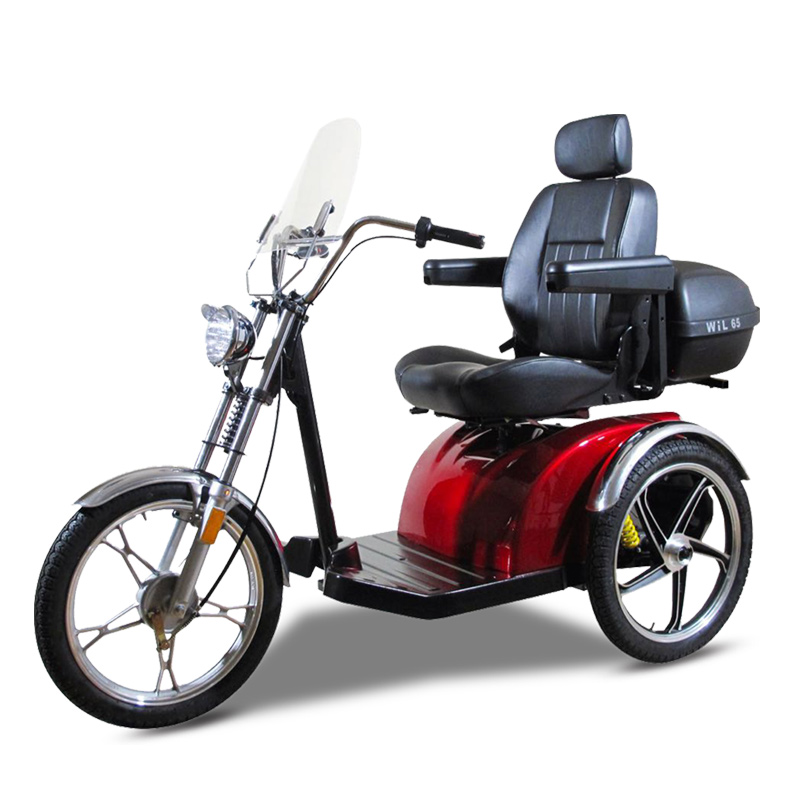
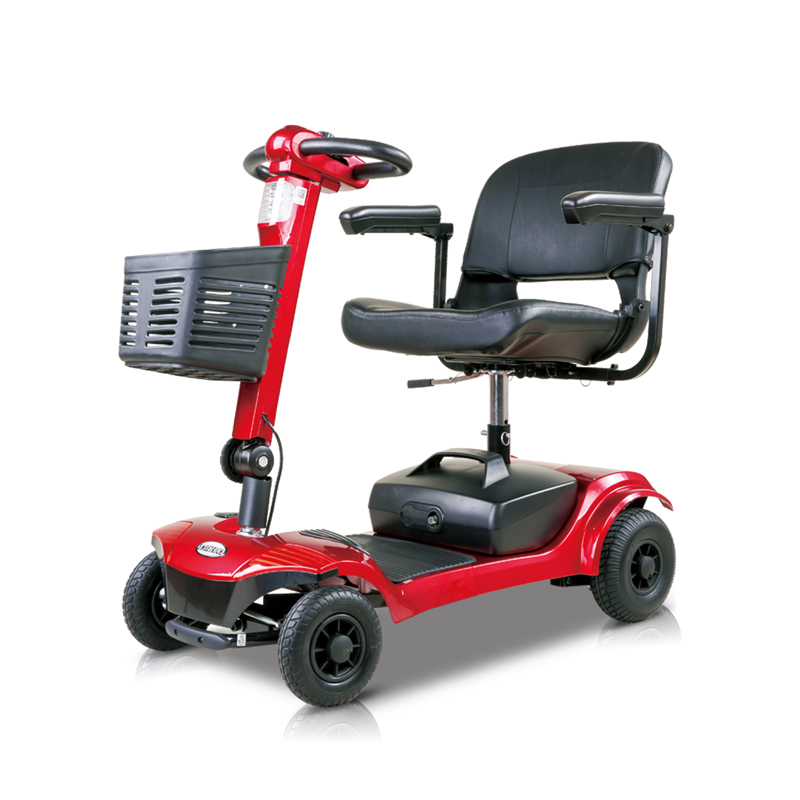
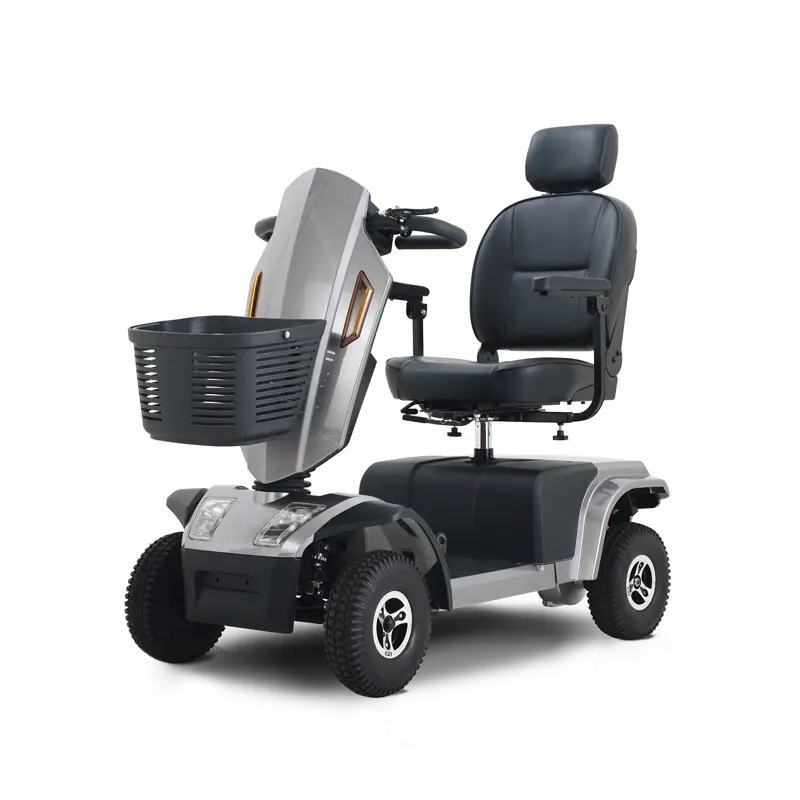
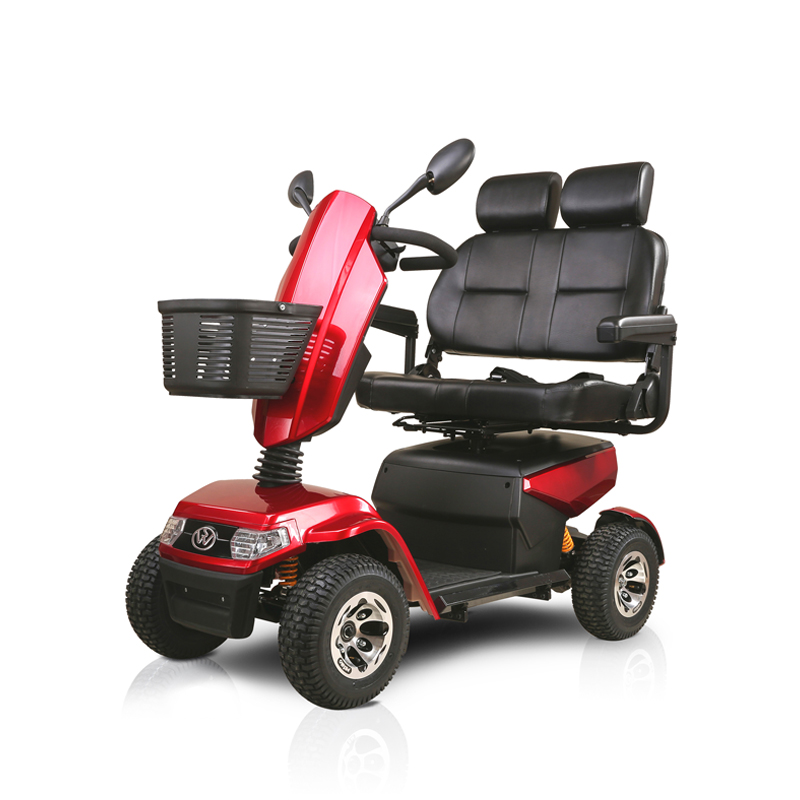
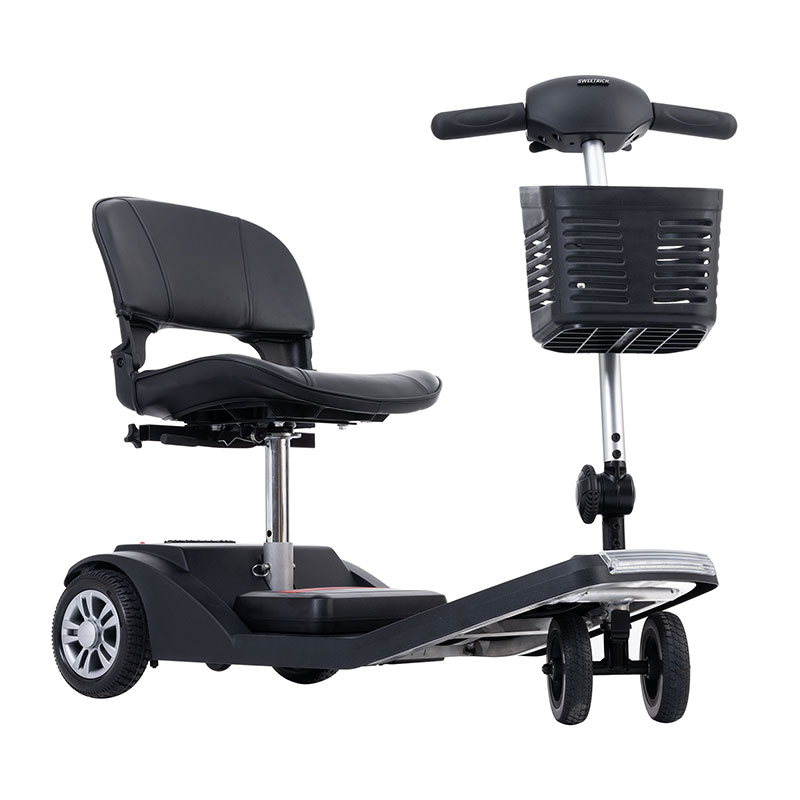
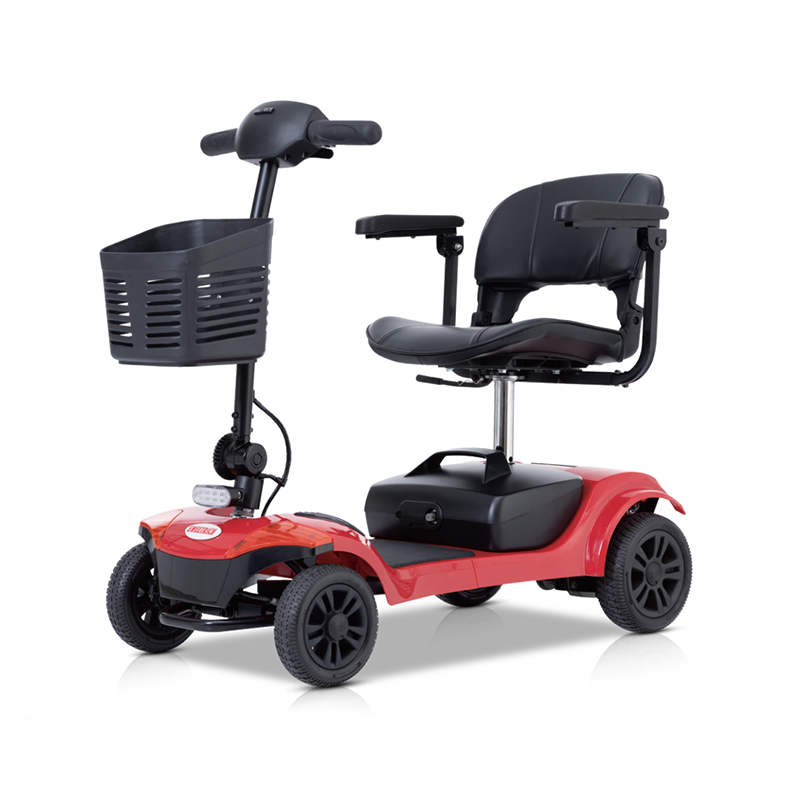
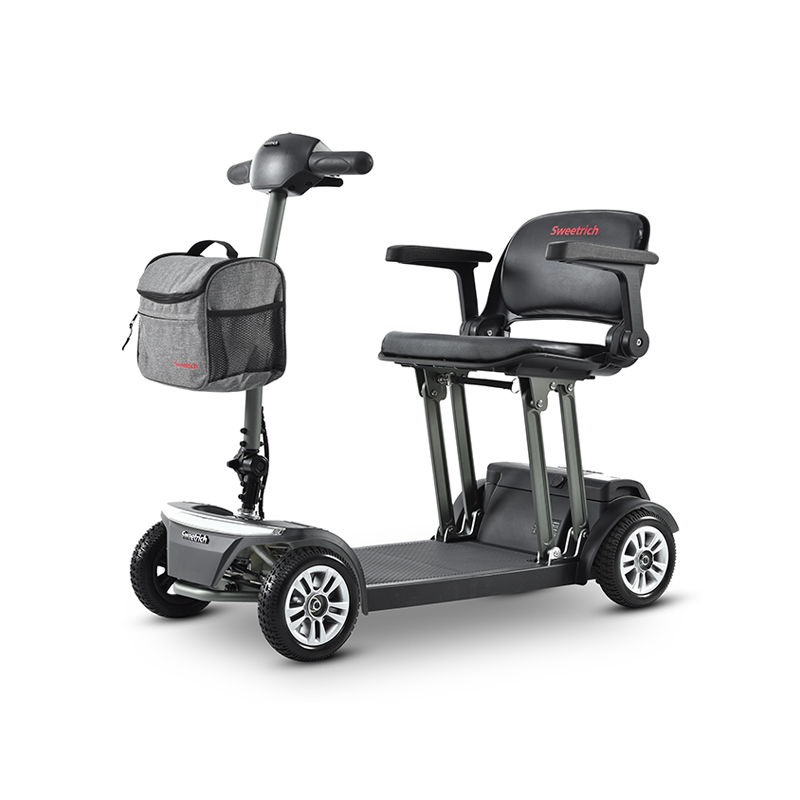
Portable scooters give seated ease for travelers who prefer not to walk long lengths inside terminals or at end spots. These units are built to fold into a small form that meets carry-on size limits or can be checked without special costs. The folding way usually uses a single lever or button that collapses the frame, seat, and handlebar setup into a shape that fits in overhead bins or under seats on many planes.
| Feature | Description | Practical Benefit / Advantage |
|---|---|---|
| Seated mobility | Provides a seat for travelers avoiding long walks | Reduces fatigue in large terminals or at destinations |
| Compact folding design | Folds into small size using single lever/button | Fits carry-on limits; stores in overhead bins or under seats |
| Airline-friendly size | Meets standard carry-on dimensions | Avoids special checked baggage fees or handling |
| Collapsible components | Frame, seat, and handlebar fold together | Quick to pack/unpack; easy transport in planes, cars, or hotels |
| Versatile storage options | Fits overhead bins or under seats on many aircraft | No need for gate-checking; keeps scooter accessible during flight |
Power comes from rechargeable batteries sized to give enough range for usual airport walking lengths and short outings at the destination. Charging ports are placed for easy reach so the scooter can be topped up at gate areas, lounges, or hotel rooms during waits. Speed change lets slow movement through crowded zones or faster pace in open hallways. Automatic stopping engages when the throttle is let go, offering natural halt control.
The seat usually folds upward or detaches for storage. Some models include changeable armrests or a padded backrest for comfort during longer sits. Wheels are sized to balance tight turning in busy areas with enough clearance to roll over small thresholds or carpet changes.
Weight gets careful focus during design. A lighter scooter becomes easier to lift into overhead spaces, carry up short stairs, or load into rental cars. Production stresses high-strength, low-mass materials so the folded unit stays manageable for many adults. Some scooters include a special carrying handle or shoulder strap for transport when collapsed.
Battery charge signs give clear visual feedback on remaining power, helping users plan around gate changes or extended waits. Many units include a low-power way that saves energy when moving slowly in lines. Quiet operation avoids bothering nearby passengers during boarding or in waiting areas.
Compact Travel Wheelchairs for Supportive Movement
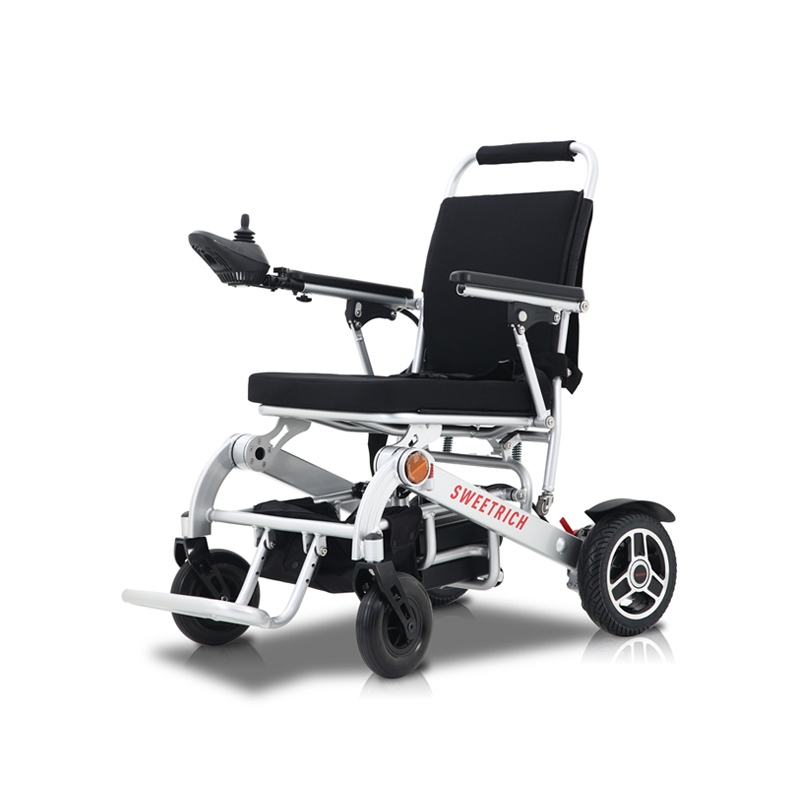
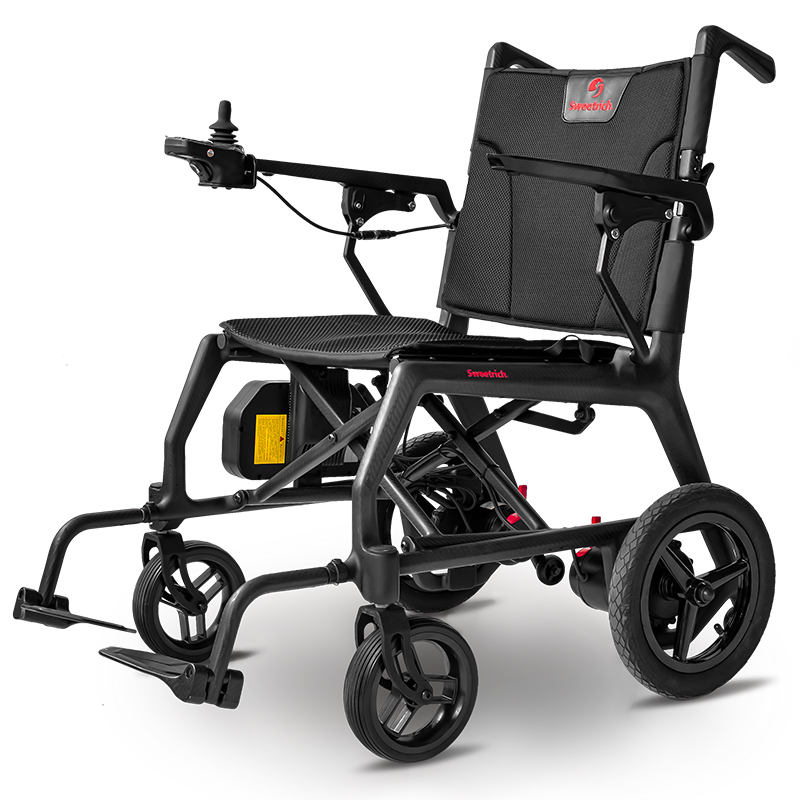
Travel wheelchairs are built specially for airport and journey use. These models fold flat, with the seat back collapsing forward and the side frames narrowing. The folding design allows storage in plane closets, under seats, or in overhead spaces on some flights. Wheels either detach or swing inward to reduce the packed size further.
Lightweight frames make the chair easier for companions to push or for the user to self-push in open spaces. Push handles at the back give secure grip for help in crowded areas. Footrests swing away or flip up for easier transfers into plane seats or vehicles.
Brakes lock the wheels firmly during boarding waits or transfers. Some models include flip-back armrests for side access. Seat belts or positioning straps add stability when moving over uneven surfaces or during stops.
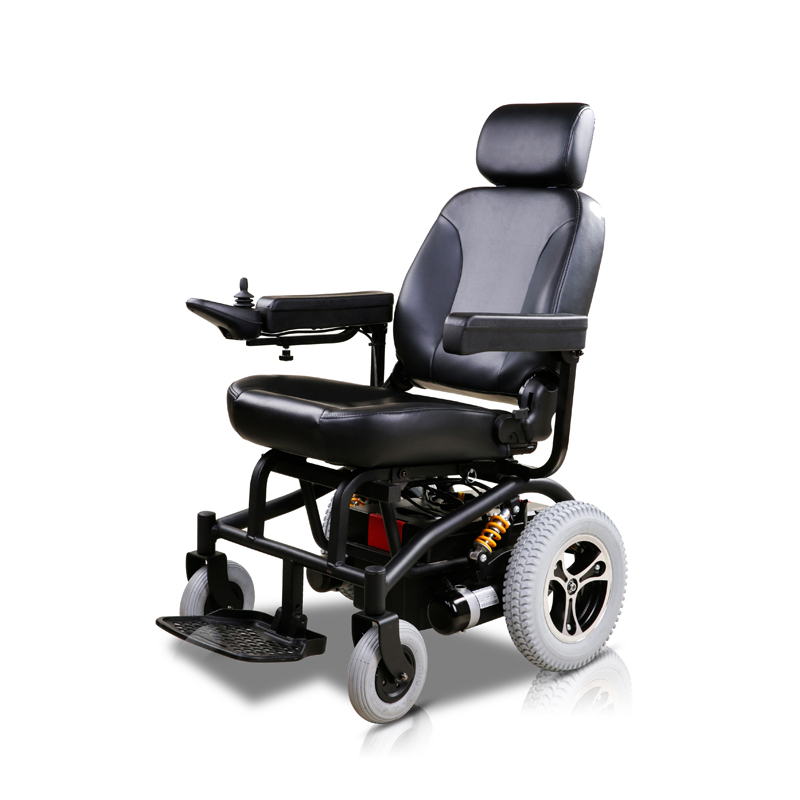
Wheels are picked for airport floor types—front casters for maneuverability, larger rear wheels for stability. Solid tires eliminate flat risks during travel, while some versions use air-filled tires to absorb minor bumps.
These wheelchairs frequently come with a protective travel bag that shields the frame during checked baggage handling. The compact folded form and moderate weight make them practical for family members or airline staff to assist with when necessary.
Luggage Carts for Multi-Bag Transport
Luggage carts give a simple base for hauling several bags together. The frame has a flat bottom plate, upright posts, and wide wheels that take the weight. Stretch cords or adjustable straps hold suitcases in place so one person can pull the whole stack without bags shifting or falling off. Certain carts come with handles that slide out and lock at different lengths, plus grips shaped for easier holding.
A few designs tilt the platform slightly so the load rests against the uprights instead of dangling, which cuts down on the pull needed when going up ramps or across thick carpet. Folding carts flatten completely for storage—sliding into car trunks, tucking behind hotel doors, or stowing under beds. When unfolded they snap into a rigid position that stays solid under load. The wheels use smooth-running bearings so they glide without much noise and pivot quickly, letting the cart weave through narrow terminal aisles or busy lobby spaces. People who pack both carry-on and checked luggage often grab a cart right after baggage claim to wheel everything to the curb, taxi stand, or rental shuttle. On the way out, the same cart rolls checked bags to the airline counter, leaving hands free to hold tickets, IDs, and coffee.
Selecting the Appropriate Vehicle for Your Journey
The right travel vehicle depends on how long the trip lasts, how much luggage comes along, how much walking a person can handle, and what the airports look like. Quick domestic hops with just a carry-on bag usually work fine with ordinary rolling luggage. Trips abroad that stretch several days and involve multiple checked suitcases gain from a luggage cart or a bigger rolling case. Travelers who get tired after long walks often lean toward a portable scooter or a travel wheelchair. Folks coming off surgery or dealing with short-term limits frequently pick foldable wheelchairs that a companion can push when needed. Airport layout plays a part in the choice. Huge international hubs with long concourses push toward seated options or scooters that have enough battery range. Smaller regional fields with shorter walks can get by with solid rolling luggage alone. What happens after landing also shapes the decision. Rental cars, taxis, rideshares, or buses sometimes leave little room for bulky gear. Vehicles that fold down very small give more leeway when space runs tight.
Getting to the airport with extra time lets a traveler unfold the vehicle and try it out before joining security lines. Looking over the airport layout ahead of time—spotting elevators, family restrooms, outlet locations, and quiet seating zones—helps map out smoother paths. In security lines, fold the vehicle and set it on the belt according to posted rules. Take out batteries if the signs require it and put the pieces back together fast on the other side. Keeping loose things like keys and phones in separate trays speeds everything up. While waiting between flights, roll to food courts, shops, or rest areas without wearing down. Find outlets near seating to keep powered devices charged for the next leg. When boarding starts, let gate staff know if help is needed to store or retrieve the vehicle. Listen to crew directions about where it goes—closet space, under-seat area, or overhead bin.
Extending Usefulness to the Full Journey
Convenient travel vehicles keep being useful once the airport is behind. In hotels they wheel luggage from the front desk to the room or let guests roll around conference floors and pool decks. On cruise ships they handle deck-to-deck movement, dining halls, and show lounges. Train stations and bus depots let the vehicles roll along platforms and waiting areas.
| Travel Setting | Primary Uses | Key Benefits / Practical Advantages |
|---|---|---|
| Hotels | Wheeling luggage from lobby/front desk to room; exploring conference floors, pools, hallways | Reduces carrying effort; enables easy movement in large properties without fatigue |
| Cruise ships | Deck-to-deck travel; navigating dining halls, show lounges, entertainment areas | Supports long indoor distances; allows access to multiple venues on board |
| Train stations | Rolling along platforms and waiting areas | Handles long concourses and boarding zones smoothly; keeps luggage organized |
| Bus depots | Moving through waiting areas and loading zones | Simplifies navigation in busy terminals; eases transfers between buses |
Their small folded size fits luggage racks or overhead storage on many trains and buses. City tours become easier when the vehicle covers blocks between museums, parks, or landmarks without leaving the user worn out. Rechargeable power keeps seated options going through daylight hours, and quick-fold designs make repacking simple when heading home.
Personalizing for Individual Comfort and Needs
Custom touches make a convenient travel vehicle match a traveler's habits better. Soft grips or extra seat padding cut down on pressure during long rolls. Clips for water bottles, phone holders, or zip pouches keep small items right at hand without pausing. Handles or seats that adjust in height fit different body sizes and keep posture natural. Wheel choices trade off smooth rolling against bump handling. On powered models, battery size can match the expected daily distance. Add-ons like weather covers, extra straps, or shoulder slings bring more ease. These little changes turn the vehicle into something that feels made for the specific trip and the person using it.
Maintenance Practices for Long-Term Reliability
Steady upkeep lets convenient travel vehicles stay dependable trip after trip. Washing them down after each journey clears off dust, snack crumbs, or salt from seaside airports that can rust metal or jam wheels. Looking at wheels to make sure they spin freely and picking out stuck bits stops drag. On powered units, sticking to proper charging keeps batteries healthy. Keeping them in average room temperatures avoids losing strength. Wiping plugs and sockets clean makes sure power flows steadily. Regular checks—tightening loose screws, trying brakes, looking for rips in fabric—spot small troubles before they grow. These simple steps stretch how long the vehicle lasts and keep it ready whenever a trip comes up.
Looking Toward Evolving Travel Solutions
Convenient travel vehicles keep changing as airports and travel habits shift. Newer designs chase lighter builds, faster folding steps, and better power handling. Basic readouts or connection options bring added reassurance. Better accessibility touches let more people use these tools without trouble. Manufacturing listens to actual traveler experiences, sharpening strength, ease, and dependability. People who pick and look after these vehicles carefully end up with a steady helper that turns every trip—from stepping off the curb at the airport to reaching the last stop—into something smoother and less tiring.
Sweetrich Mobility
As daily routines unfold—whether heading to a nearby market, meeting friends for a quiet coffee, or simply enjoying a clear afternoon outdoors—Sweetrich electric wheelchairs and scooters become unobtrusive partners that keep the focus on what matters most: the moment itself. Each smooth roll forward, gentle turn, or easy stop feels natural rather than mechanical, letting conversations flow without interruption and small pleasures remain front and center: the warmth of sunlight on skin, the sound of familiar voices, the simple satisfaction of arriving exactly where one intends to go.
Sweetrich Mobility channels years of dedicated manufacturing know-how into every Sweetrich model, blending lightweight yet sturdy frames, dependable battery performance, intuitive controls, and compact folding designs that handle daily use and occasional trips with equal ease. The result is equipment that never demands attention for itself—seats that cradle comfortably without restricting, wheels that glide evenly over varied surfaces, handles that respond to light touch, and a folded shape that slips neatly into a car trunk or storage corner. With Sweetrich, mobility recedes quietly into the background, allowing ordinary days to continue on familiar terms: present, connected, and unhurried, one effortless journey at a time.