 info@sweetrich.cn
  +86-(0)512-82283871
Content
- 1 Weight and How It Changes Everyday Use
- 2 Picking Materials That Keep Things Manageable
- 3 Shaping the Frame Itself
- 4 How They Actually Build These Frames
- 5 Living With the Chair Day to Day
- 6 Durability Still Counts
- 7 Safety Comes First
- 8 A Nod to the Environment
- 9 Where Things Might Head Next
- 10 Sweetrich Mobility
Electric wheelchairs have quietly become part of normal life for folks who need powered help getting around their homes, jobs, or out in the community. Back in the day, builders mostly worried about making them tough enough to last and simple to run mechanically, and many early designs reflected the priorities of a Wholesale Wheelchair Manufacturer focused on durability and basic functionality. But things have changed. People started wanting more than just reliability—they wanted chairs that actually felt good to use, that gave them real freedom day to day, and that didn't get in the way of ordinary stuff.
That's pushed designers and engineers to try new things. One idea that's picked up steam lately is focusing on frames that don't weigh as much. It's not about stripping everything down just to save ounces. The real point is building something that moves better with you, slips easier into tight spots at home or out and about, and doesn't fight the spaces you actually live in.
You still can't sacrifice safety or strength, of course. So the work involves picking materials carefully, arranging the support pieces smartly, and using building methods that let everything hold together without feeling bulky. Over time, this lightweight direction has mixed engineering know-how with real attention to comfort and how people actually get through their days. Looking at it closely shows how mobility gear keeps adjusting to the way we live now.
Weight and How It Changes Everyday Use
Weight sneaks into the experience in ways you notice after a while, even if it's not obvious right away. Sure, the motor system gives the push, but the frame and everything attached still decides whether steering feels quick or clunky, or if small moves tire you out.
Inside the house, you're often twisting around furniture or squeezing through doorways. Kitchens especially—counters everywhere, someone else walking by. When the chair isn't carrying extra heft in the wrong places, those turns and nudges come easier. It just feels less like work. Same in living rooms or narrow halls. You end up focusing more on what you're doing instead of fighting the chair.
Then there's moving it around. Loading into a car, tucking it away, or guiding it through a tight entry. If it's lighter overall, those moments stop being such a production. Caregivers or family members notice it too—less strain on their backs or arms after doing it a bunch of times. It makes planning a trip or even running errands feel less like a big production.
Batteries come into play here as well. They have to run the motors and controls, and extra mass means they work harder just to get going or keep steady over bumps and changes in floor. Trimming unnecessary weight thoughtfully can make the whole thing sip power more gently during normal days. You might go longer without thinking about the next charge.
Honestly, the chair ends up part of everything—cooking, chatting with friends, handling appointments. When it handles smoothly and doesn't drag you down, those activities flow better. You forget it's there sometimes, which is kind of the goal.
Picking Materials That Keep Things Manageable
Choosing what to build with matters a lot if you're trying to cut mass without losing toughness. It's about finding stuff that holds up but doesn't add drag.
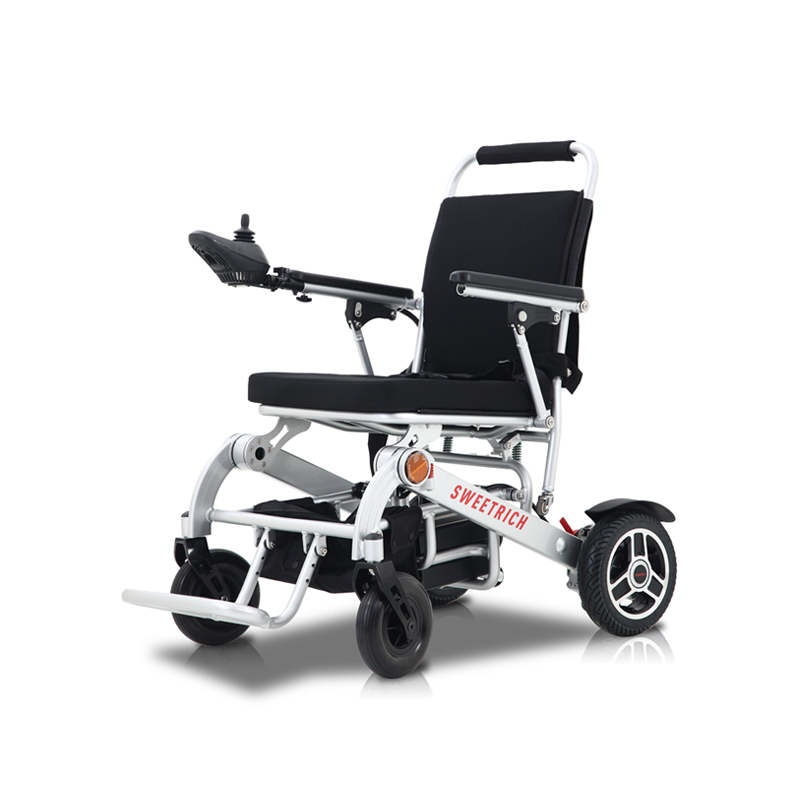
Aluminum shows up often because it gives decent firmness without feeling like you're hauling metal around. The alloys used in frames strike a nice middle ground—strong enough for daily knocks, yet easier when you need to lift or shift the chair. Plus, it handles moisture and outdoor exposure pretty well, so the frame doesn't start looking worn out too fast.
| Material | Key Feature | Practical Benefit |
|---|---|---|
| Aluminum alloy | Balanced strength and lighter structure | Easier lifting and repositioning |
| Aluminum alloy | Durable for everyday use | Handles daily impacts and movement |
| Aluminum alloy | Resistant to moisture and outdoor exposure | Helps maintain frame condition over time |
Steel still has its spot, but usually only where you really need that extra backbone. Put it in the right areas for reinforcement, and it adds stability without making the whole thing heavy everywhere. Mix it with lighter stuff, and the balance feels right.
Composites mix fibers and resins in ways that let you shape pieces that are both tough and light. You can curve them for comfort or spread stress more evenly. They work well in supports or outer layers that take scrapes.
Reinforced polymers handle some of the smaller jobs—like covers or mounts. They add wear resistance without piling on pounds. The trick is blending these materials so nothing feels out of place. One type handles rigidity here, another flexibility there. It creates a frame that works as a team instead of one heavy chunk.
Shaping the Frame Itself
Materials are only half the story. How you arrange the bars, tubes, and braces changes everything about how forces move through the chair when you're rolling or turning.
Think about the path stress takes—from your seat down to the wheels. Designers map that out to beef up the busy spots and lighten the rest. It keeps things solid without wasting substance.
You'll see triangular setups in the bracing sometimes. They spread load nicely and keep rigidity high without needing tons of material. Curved pieces can help too—they flex stress in smoother ways than straight lines. Enclosed tubes give strength from different angles, letting walls stay thinner in places.
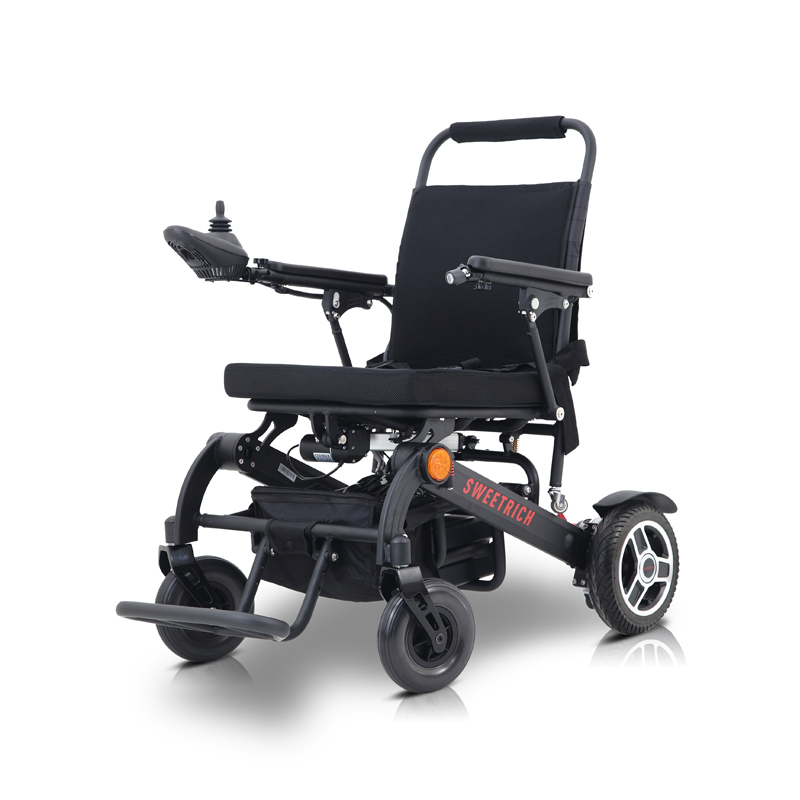
Folding designs add convenience. Hinges and locks that stay firm while you're moving but let the chair collapse for storage or car rides. Modular pieces connect in sections, spreading weight and making fixes easier down the line. Some parts, like footrests or arm supports, even detach to drop the load temporarily.
Suspension helps smooth out the ride when floors change or paths get uneven. Paired with a lighter frame, it cuts vibration so you feel more in control. Balance matters during turns or small slopes—wheel placement and seat setup keep things from feeling tippy.
How They Actually Build These Frames
Newer ways of making parts have opened doors for these lighter ideas. Computers let teams test shapes and stress points virtually first, spotting where you can safely shave material before anything gets built.
Parts come out more consistent now, so connections line up cleanly. That helps when mixing materials or using trickier curves.
Welding, gluing, or bolting everything together gets careful thought. Good joints mean the light pieces stay locked as one unit through daily stops, starts, and twists. No weak links that give out after a few months.
Living With the Chair Day to Day
A lighter frame makes those everyday little adjustments feel noticeably easier. You can nudge the chair up to the table or shift over to the couch without it feeling like work. Family members or caregivers who help load it into the car or move it through the house pick up on the difference straight away.
Inside the home, slipping between pieces of furniture or rolling down the hallway starts to feel more instinctive. The chair seems to follow what you intend almost right away, so you can stay focused on the conversation or the task at hand instead of battling the equipment the whole time.
Battery life benefits from this too. With less unnecessary weight to haul around, the motors don't have to push quite as hard, which often means the chair keeps going longer when you move across carpets, tile, or door thresholds. You spend less time wondering whether you'll make it through the afternoon without plugging in.
Portability opens up more possibilities in daily life. Sliding the chair into the backseat or positioning it on the bus stops feeling like such a production. A spontaneous visit to a neighbor or a quick trip downtown suddenly seems a lot more manageable without hours of planning.
Durability Still Counts
You can't chase a lighter build and ignore the fact that these chairs take a real beating every single day. They go through hundreds of starts, stops, and turns from morning until night. The materials and the way the frame is put together have to stand up to that constant motion without developing play or cracks ahead of schedule.
Outside the house, things get even tougher—uneven sidewalks, rain, snow, or sudden temperature changes. Materials that hold their strength through all kinds of weather make a genuine difference. Testing that tries to copy real-life conditions helps show if the lighter design will keep performing or start needing repairs earlier than hoped.
Safety Comes First
Weight aside, nothing matters more than feeling secure in the chair. It has to move in ways you can predict, whether you're crossing from carpet to hardwood or easing around a corner. The balance of the frame, the position of the wheels, and how the seat sits all work together to create that calm, dependable sensation.
The brakes need to slow you down gently and evenly, without any harsh surprises. Simple checks that match the kinds of surfaces and movements you actually encounter help confirm the chair is ready before it becomes part of someone's everyday routine.
A Nod to the Environment
More designers these days are thinking about the bigger picture with resources. Cutting back on extra material during construction reduces waste in the workshop. When the chair uses energy more gently while you're out moving around, the savings quietly build up over months and years.
| Aspect | Approach | Result |
|---|---|---|
| Material use | Reduce excess materials in construction | Less manufacturing waste |
| Energy use | Improve efficiency during operation | Gradual energy savings over time |
| Resource awareness | Design with long-term use in mind | More responsible resource use |
Some also pause to consider the end of the road—whether broken parts can be fixed, reused somewhere else, or recycled properly. That longer view pushes decisions that look beyond next month and toward what happens years down the line.
Where Things Might Head Next
Work in this area keeps evolving, from new material blends to better ways of building and shaping the chair around real human needs. Some combinations coming down the line may give a nicer mix of give and solid strength. Improved design software lets engineers test ideas that used to be too tricky to try before.
Fitting the frame more closely to a person's body, their usual routines, or the layout of their actual home feels more realistic now as techniques advance. The chair starts to feel less like off-the-shelf equipment and more like it was made to slot into your particular life.
Progress in batteries or steering controls could combine nicely with these lighter frames. In the end, the aim stays simple: build something that moves with your spaces and your daily rhythm instead of fighting against them.
Sweetrich Mobility
It is only when you begin shopping for a new electric wheelchair that you truly appreciate the profound difference that thoughtful design and a lightweight frame can make. The balance Sweetrich strikes between weight, durability, and everyday practicality aligns perfectly with the rhythm of my actual daily life—whether I am maneuvering through a cramped kitchen, loading the chair into a car to run an urgent errand, or simply wishing for it to fade into the background so I can fully immerse myself in living.
It is precisely this thoughtful design—centered on real-world habits rather than mere technical specifications—that elevates the wheelchair from a device one is merely "forced to endure" into a capable, unobtrusive assistant that quietly empowers the user to live independently without ever stealing the spotlight. As more manufacturers begin to focus on these details, products like those from Sweetrich serve as a reminder: the remarkable advancements in mobility assistance technology are those innovations that seamlessly integrate into daily life, thereby creating more space for the people and things that truly matter.