 info@sweetrich.cn
  +86-(0)512-82283871
Content
- 1 Why daily mobility needs change in everyday routines
- 2 How small errands become easier to complete
- 3 How social activity becomes easier to maintain
- 4 How folding design helps in real living spaces
- 5 How reduced physical strain changes daily rhythm
- 6 How safety awareness supports confidence in everyday movement
- 7 How indoor and outdoor movement connect in daily use
- 8 How weather and surroundings influence real usage
- 9 How portability supports travel and short trips outside the home
- 10 How emotional well-being connects with daily mobility
Why daily mobility needs change in everyday routines
Daily movement tends to shift in a very practical way over time. It is not only about walking speed or distance, but more about how often someone needs to go out and how much effort each trip takes from start to finish.
In real life, many older adults still keep a simple routine: going to nearby shops, visiting familiar places, or stepping outside for fresh air. These activities are not difficult in themselves, but repeated walking can slowly turn them into tiring tasks.
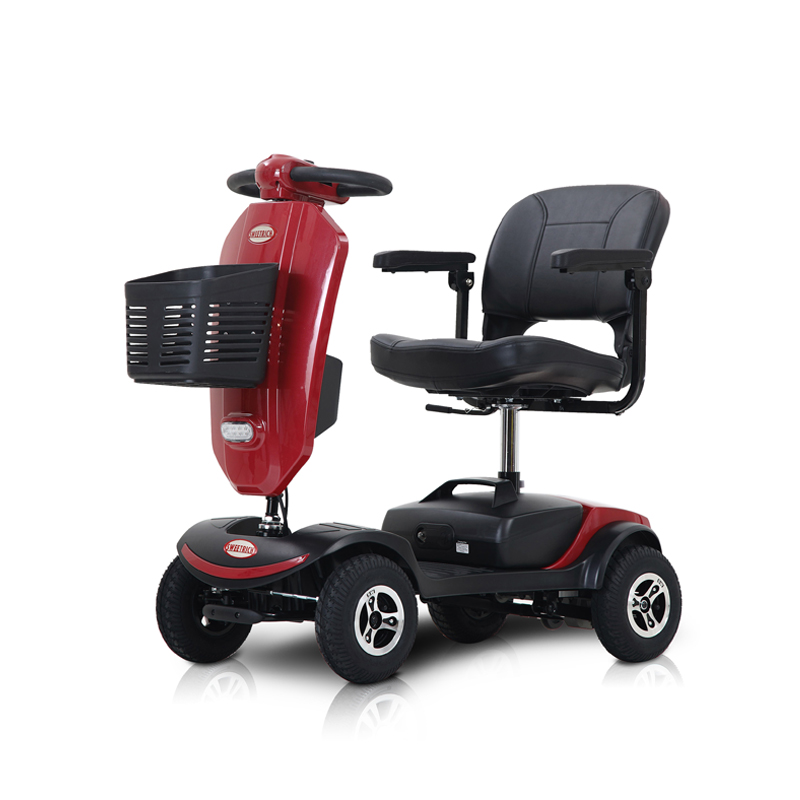
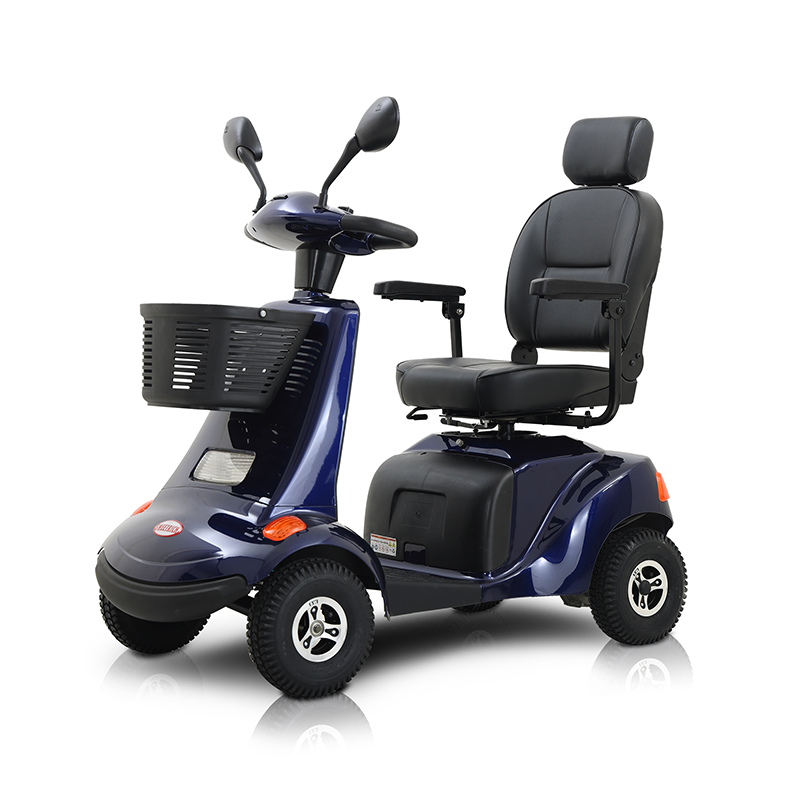
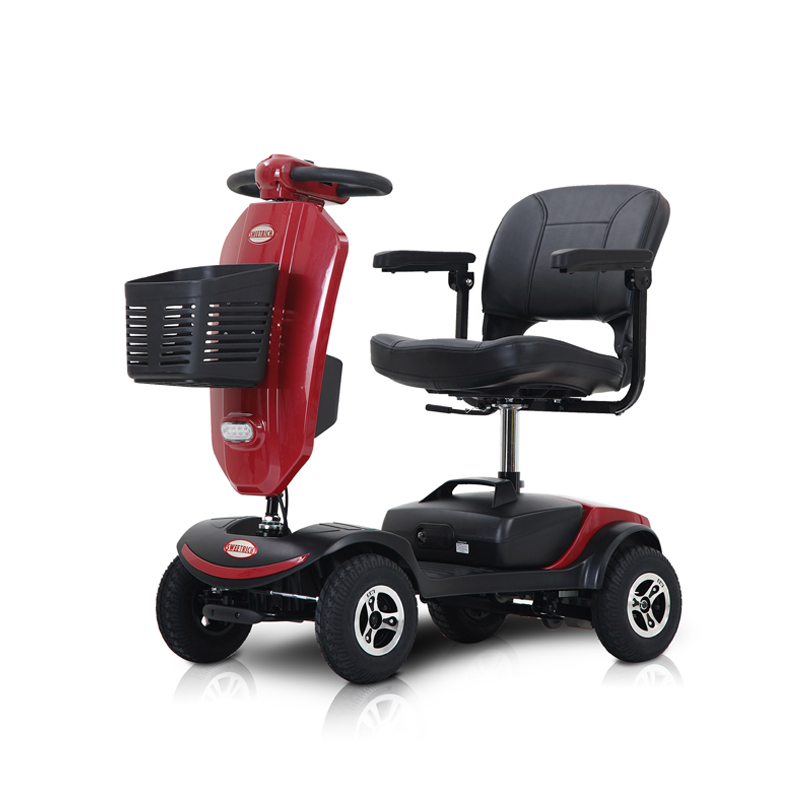
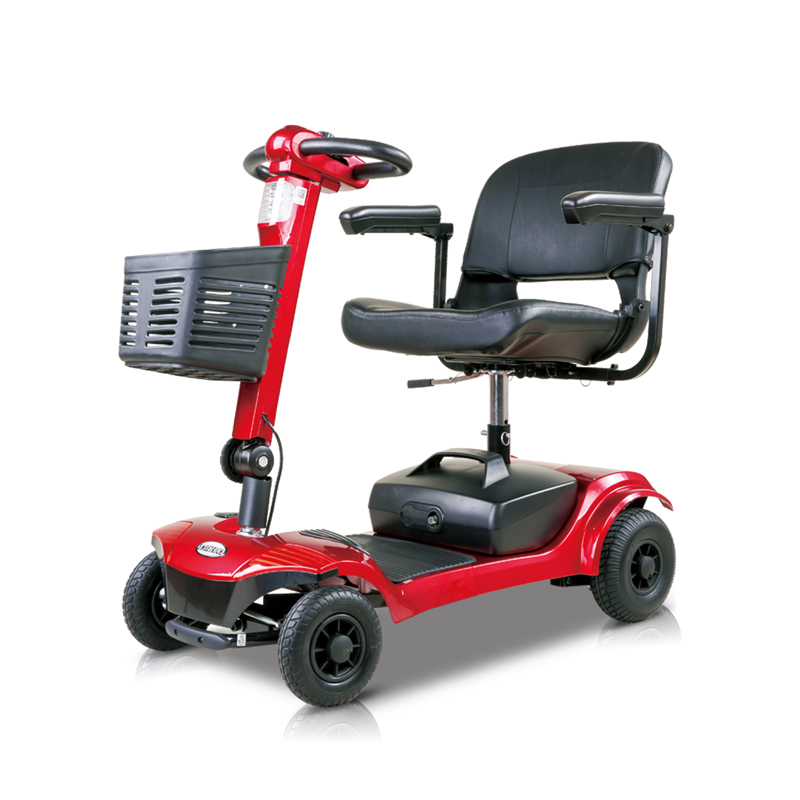
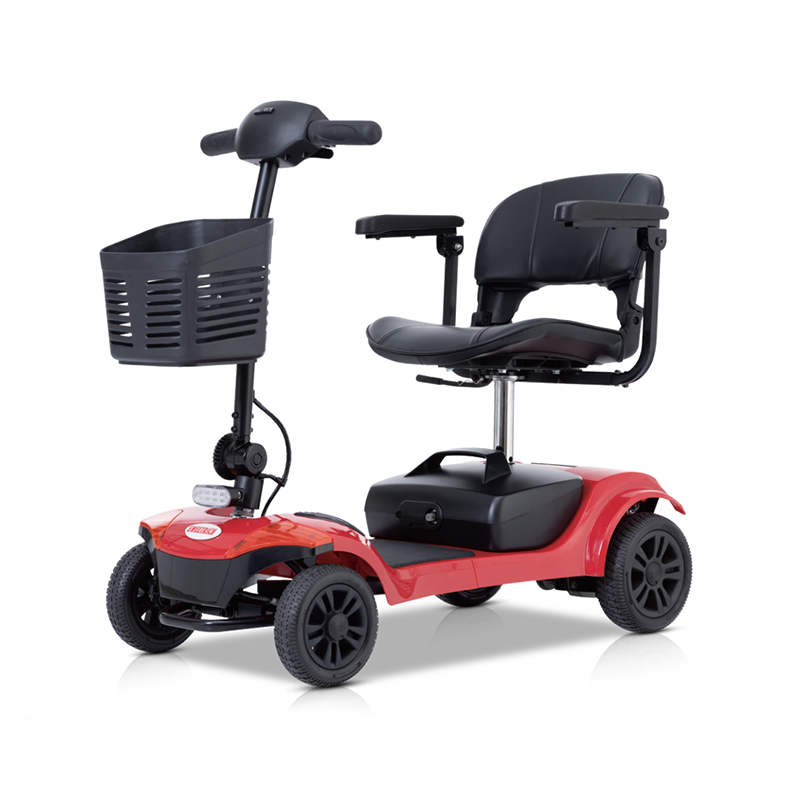
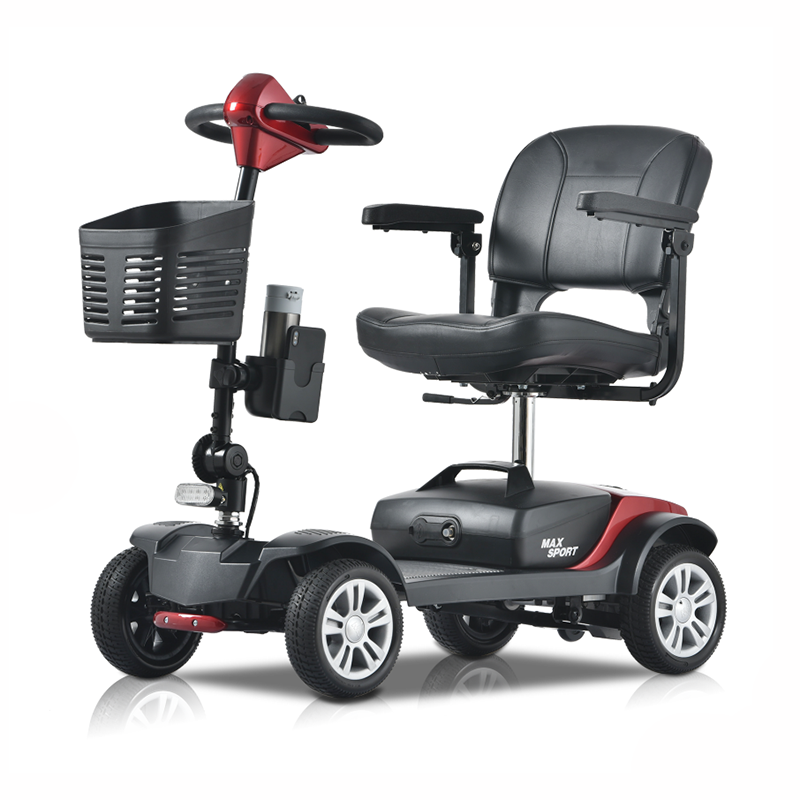
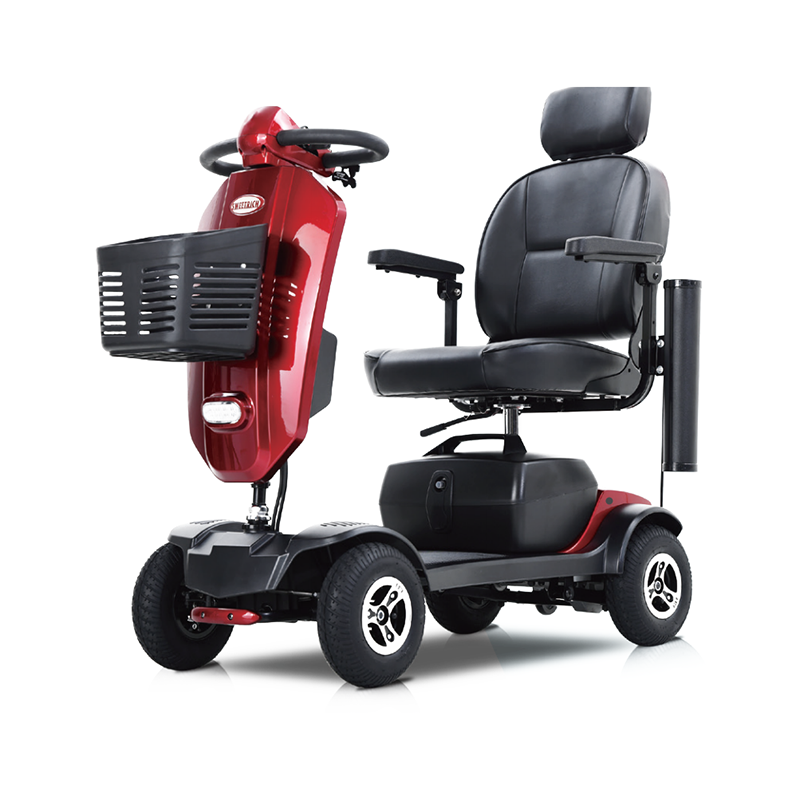
The Elderly Electric Folding Scooter fits into this situation in a quiet way. It does not replace daily life or change personal habits. It simply reduces the physical effort needed to move between places, so the same activities feel more manageable.
In everyday use, the difference often shows up like this:
- leaving home feels less like a decision based on energy level
- short trips are easier to repeat during the day
- returning home does not feel as draining
- daily movement becomes more steady and predictable
A short distance that once felt slightly tiring can become something done without much preparation. That small change affects how freely the day is organized.
How small errands become easier to complete
Errands are usually simple tasks, but they often involve repeated walking, standing, and carrying small items. Even a nearby shop can feel far when energy is limited or when movement has to be done slowly.
With an Elderly Electric Folding Scooter, the effort changes in a very direct way. The task itself stays the same, but the physical part of reaching the place becomes lighter.
In real situations, this can include:
- going to a nearby store for daily supplies
- stopping at a small café or rest point during the day
- visiting a pharmacy or service counter in the neighborhood
- making short return trips without feeling overly tired
For example, a morning trip to pick up simple household items can take less energy from the body. Instead of spending strength on walking, the focus stays on the task itself.
This also changes how errands are planned. Instead of combining everything into one long trip, it becomes possible to handle smaller tasks at different times, depending on comfort and need.
Social interaction often depends on how simple it is to move between places. When walking feels tiring, even nearby visits can start to feel less frequent, not because of lack of interest, but because of physical effort.
The Elderly Electric Folding Scooter helps reduce that barrier. It does not create new social needs, but it makes existing ones easier to follow through.
In daily life, this can look like:
- visiting neighbors without thinking too much about distance
- joining small gatherings in local community spaces
- spending short time with friends nearby
- stepping outside for casual conversations more often
A simple example is an invitation to a nearby gathering. Without mobility support, the trip may feel like something that requires extra rest afterward. With a scooter, the same trip feels more balanced and easier to complete.
Over time, this can help keep social routines more natural, where short visits and casual meetings stay part of everyday life instead of becoming occasional events.
How folding design helps in real living spaces
Daily environments are not always wide or open. Homes may have narrow corridors, shared entrances, or limited storage space. This is where folding structure becomes useful in practical ways.
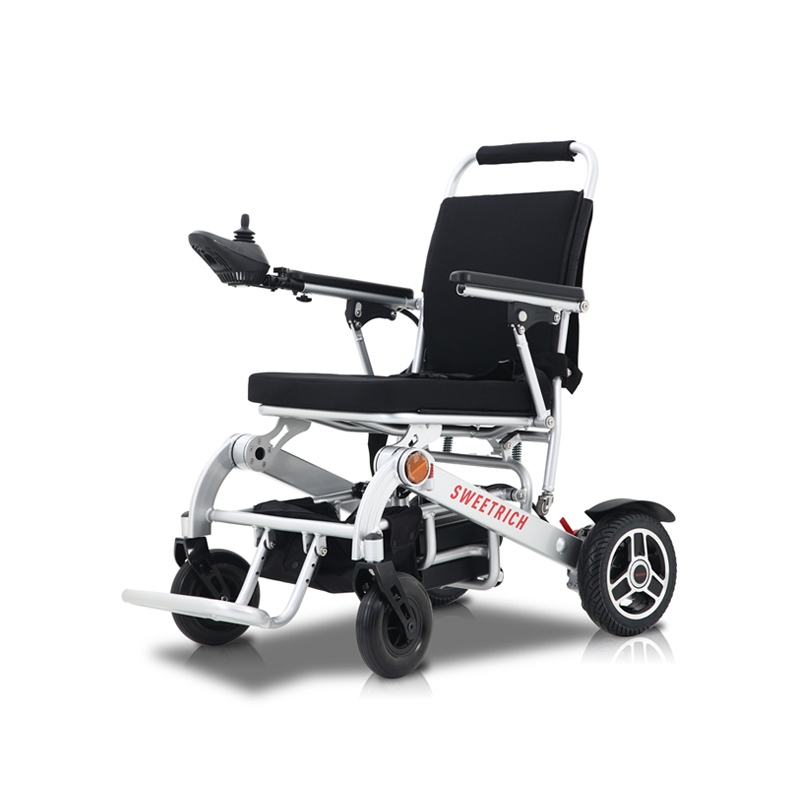
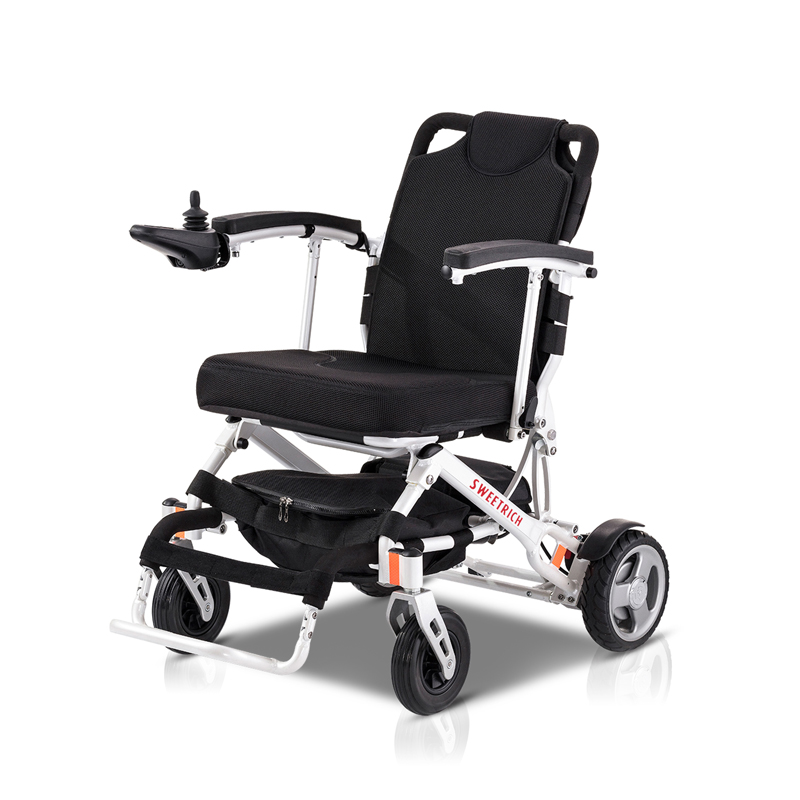
The Elderly Electric Folding Scooter can be adjusted to fit these spaces more easily. When not in use, it can be folded and placed in a compact area without taking up much room.
In real situations, this supports:
- storage near doors or small indoor corners
- movement through shared residential spaces
- transport in private vehicles when needed
- easy switching between walking and riding depending on distance
For example, during a visit to a relative's home, the scooter can be used for the journey and then folded once indoors. There is no need for separate arrangements or long indoor walking after arrival.
This flexibility helps the scooter fit into daily life rather than becoming something that requires special planning.
| Daily Situation | Common Difficulty Without Support | Effect of Folding Scooter Use |
|---|---|---|
| Short shopping trips | Walking takes noticeable effort | Less physical strain during travel |
| Visiting nearby people | Distance feels discouraging | Easier to make short visits |
| Moving between spaces | Repeated walking indoors and outdoors | Smoother transitions |
| Storage and transport | Limited space and handling effort | Folding fits daily living conditions |
How reduced physical strain changes daily rhythm
Physical effort is often what limits how many activities can be done in a single day. Even short distances, when repeated, can slowly build up fatigue.
The Elderly Electric Folding Scooter reduces this load by supporting movement itself. This means more energy can stay available for the actual activity rather than the journey.
In real use, this may appear as:
- less tired feeling after returning home
- ability to complete more than one short trip
- more stable energy during the day
- fewer long rest periods after going out
A simple example is running two small errands in different locations. Without support, the second trip may feel difficult. With a scooter, both trips feel more manageable because walking effort is reduced during travel.
This creates a more flexible daily rhythm where movement does not feel like a heavy task.
How safety awareness supports confidence in everyday movement
Safety in daily movement is not only about avoiding accidents. It is more about how steady and predictable each small action feels. When movement feels controlled, people naturally become more willing to go out and stay active.
The Elderly Electric Folding Scooter is often used in places where space is shared with others. That includes walkways, building entrances, small ramps, and neighborhood paths. These are not complex environments, but they require attention because conditions change slightly from place to place.
In daily use, safety-related comfort usually shows up in small moments:
- starting movement without sudden jerks
- slowing down smoothly when people are nearby
- keeping balance on slightly uneven ground
- turning in narrow spaces without hesitation
For example, when passing through a residential path with pedestrians coming from different directions, stable control reduces the need to constantly adjust walking rhythm. The movement feels more predictable, which lowers stress during short trips.
Over time, this kind of stability builds confidence. When the body does not feel uncertain, leaving home becomes less mentally heavy.
How indoor and outdoor movement connect in daily use
Daily routines rarely stay in one place. A simple day often includes moving inside the home, passing through shared corridors, and then going outdoors. Each space feels slightly different under the feet, even if the distance is short.
The Elderly Electric Folding Scooter helps connect these small transitions. Instead of treating each area as a separate effort, movement becomes one continuous flow.
In real situations, this can look like:
- moving from a living room to a building hallway without extra strain
- passing through elevators or shared entrances smoothly
- stepping from indoor flooring to outdoor paths with minimal effort change
- adjusting between riding and short walking when needed
A common example is leaving home for a short errand. Without support, even the walk through corridors and exits can already use energy. With a scooter, these steps feel less divided and more connected, which reduces the sense of effort before the trip even begins.
How weather and surroundings influence real usage
Daily movement is often shaped by the environment. Weather and surroundings do not stop activity, but they influence comfort and timing.
In real life, this may include:
- dry paths allowing easier movement
- wet surfaces requiring more careful control
- temperature changes affecting outdoor comfort
- wind or open areas making movement feel different
These are small factors, but they add up during daily routines. Some days feel easier to go out, while others feel slightly more tiring depending on conditions.
The scooter helps reduce physical effort, but awareness of surroundings still matters. People naturally adjust their timing, distance, or route based on how the environment feels that day.
How portability supports travel and short trips outside the home
Not all movement happens near home. Sometimes daily life includes short trips that involve vehicles or different locations. These situations often require both movement and storage flexibility.
The folding structure of the Elderly Electric Folding Scooter makes this part easier to manage. It allows the scooter to be part of travel without becoming difficult to carry or store.
In practical use, this includes:
- folding the scooter for placement in a private vehicle
- bringing it into indoor locations when needed
- using it only during part of the trip
- switching between walking and riding depending on space
For example, during a short appointment outside the neighborhood, the scooter can support movement from parking areas to entrances, then be folded and stored while indoors. Afterward, it can be used again for the return trip.
This flexibility helps keep travel plans simple, even when multiple steps are involved.
How emotional well-being connects with daily mobility
Movement is closely tied to daily mood and confidence. When going outside feels tiring or uncertain, people may slowly reduce their outings, even if they still want to stay active.
With the Elderly Electric Folding Scooter, physical effort becomes easier to manage. This does not change lifestyle habits, but it removes one of the common barriers to going out.
In daily life, this may appear as:
- more willingness to step outside for short visits
- keeping contact with friends in nearby areas
- feeling less pressure before planning small trips
- maintaining a more open daily routine
A simple trip to a nearby place can feel less like a challenge and more like a normal part of the day. Over time, this helps support a more balanced daily rhythm where movement and rest feel more naturally connected.