 info@sweetrich.cn
 +86-(0)512-82283871

Wheelchairs have come a long way from the basic frame-and-wheels formula. Materials, seating systems, electronic controls, ergonomic engineering—all of it has pushed modern mobility equipment into territory that would've seemed ambitious a couple of decades ago. Today's designs target different physical needs, environments, and lifestyles. And the gap between a budget model and a well-engineered one? It shows up in daily use, not on a spec sheet.
Modern Wheelchair Designs focus on more than transportation. They aim to improve maneuverability, comfort, safety, ease of use while reducing the physical effort users and caregivers put in. For healthcare providers, distributors, buyers—understanding these developments helps in selecting equipment that actually supports practical mobility needs.
Lightweight Materials Make Wheelchairs Easier to Handle
Steel frames have been the default for decades: strong, cheap to manufacture. But steel is heavy, and that weight makes transportation, storage, and manual propulsion harder than they need to be. Aluminum alloys and other lightweight materials have changed the equation, reducing overall weight while maintaining structural strength. Some high-performance models go further with carbon fiber.
A lighter wheelchair brings practical benefits—easier lifting into vehicles, more convenient storage, reduced effort during manual propulsion, better portability for travel, less strain on caregivers. Material selection still has to account for frame stiffness, fatigue resistance, corrosion protection, load capacity. Buyers should compare actual product weight and user weight. Lightweight construction alone doesn't guarantee durability. A featherlight frame that flexes under load isn't doing anyone favors.
Ergonomic Seating Improves Comfort and Postural Support
Seating design directly influences comfort, stability, daily usability. Poorly fitted seating contributes to discomfort, fatigue, pressure-related problems—particularly for people who stay seated for extended periods.
Modern wheelchairs offer different seat widths, depths, backrest configurations, cushion materials. Adjustable armrests, footrests, back supports let some models accommodate individual body dimensions and positioning requirements. Pressure-distributing cushions matter especially for users at risk of pressure injuries. Their suitability depends on clinical needs, posture, skin condition, time spent sitting. Professional seating assessment may be necessary for users with complex positioning requirements. That's not something to guess at.
Improved Wheel and Drive Systems Support Better Maneuverability
Wheel and drive system development has changed how wheelchairs perform across different environments. Manual wheelchairs may use optimized wheel geometry, lightweight hand rims, responsive caster designs to support easier propulsion and turning.
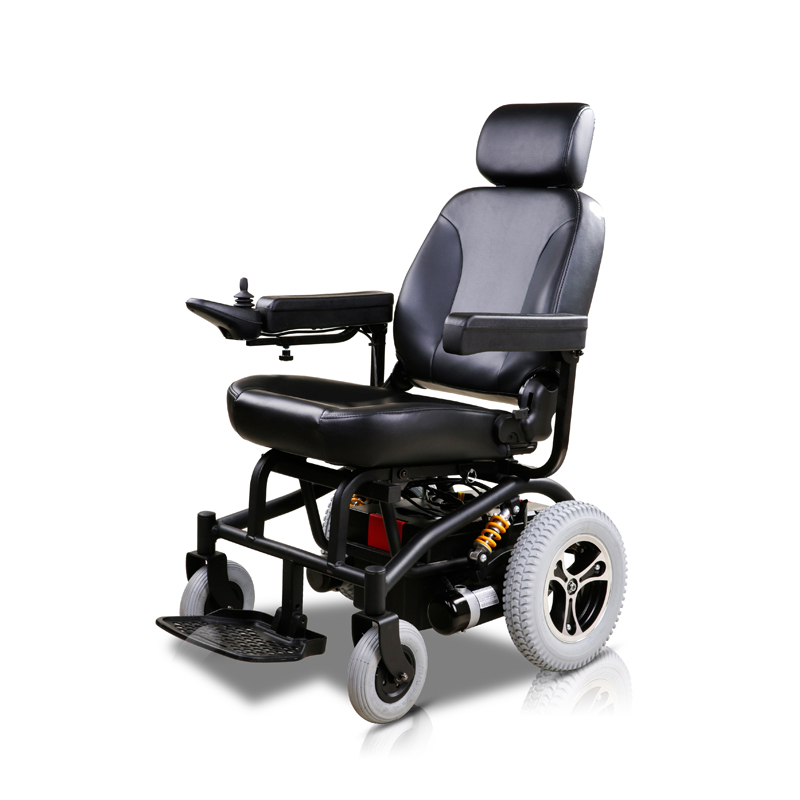
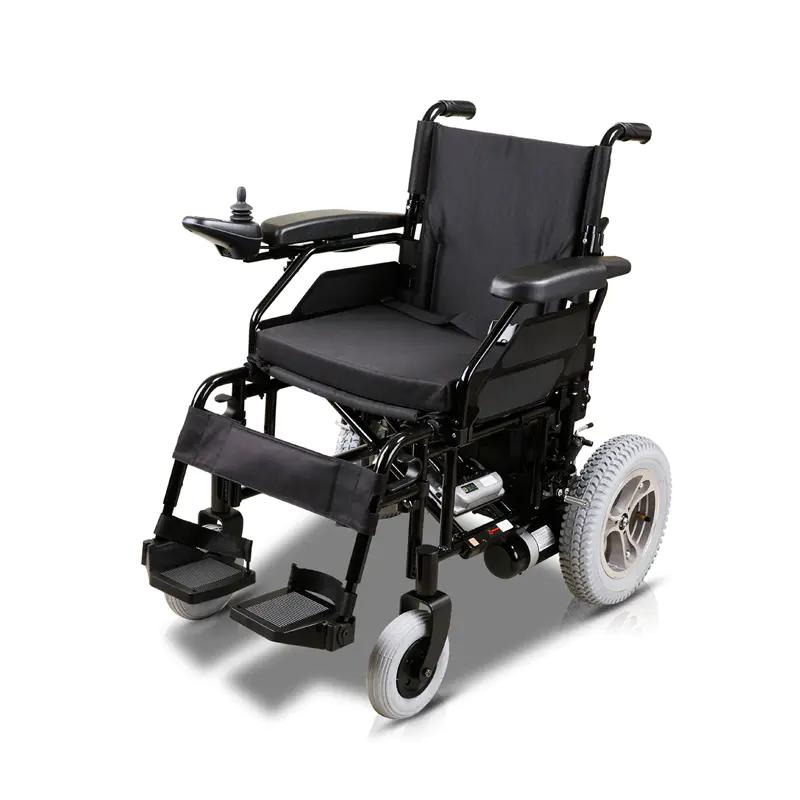
Electric wheelchairs rely on motor and controller systems for powered movement. Modern controls offer adjustable acceleration, speed settings, joystick sensitivity to accommodate different user abilities. Wheel configuration affects handling too. Smaller front casters support maneuverability indoors; larger wheels perform better on certain outdoor surfaces. The right setup depends on intended use, ground clearance, turning requirements, user capabilities.
Smart Technology Makes Electric Wheelchairs More Adaptable
Electronics have quietly become one of the bigger stories in powered mobility. Walk through a modern electric wheelchair catalog and you'll see programmable controllers, battery indicators, electronic braking, adjustable driving profiles—features that would've been exotic not long ago.
What do they actually do for the user? They let people manage mobility across different environments without swapping equipment. A lower speed setting makes sense in a crowded indoor space; a different configuration supports outdoor travel where permitted. Some advanced models go further with connectivity features, diagnostic systems, alternative control interfaces. Those can help identify system faults and improve accessibility for users who can't operate a conventional joystick.
Worth keeping in mind, though: smart features should be judged on practical value, reliability, maintenance requirements, compatibility with the user's abilities. Technology for its own sake doesn't help anyone. A feature that looks impressive in a demo but confuses the user in daily life is just clutter.
Compare Modern Wheelchair Design Improvements
| Design feature | Typical engineering focus | Buyer consideration |
|---|---|---|
| Frame structure | Reinforced joints and load-bearing components | Verified weight capacity |
| Seat system | Wider dimensions and stronger support | User measurements and comfort |
| Motor system | Suitable torque and controller settings | Terrain and daily usage |
| Battery | Adequate energy capacity | Realistic operating range |
| Wheels and brakes | Stability, traction, and stopping performance | Intended environment |
| Controls | Accessible joystick and adjustment options | User's physical abilities |
Availability varies by wheelchair category and manufacturer. Compare complete product specifications before deciding—features that sound similar across brands can behave quite differently in practice.
Folding Structures Improve Storage and Travel Convenience
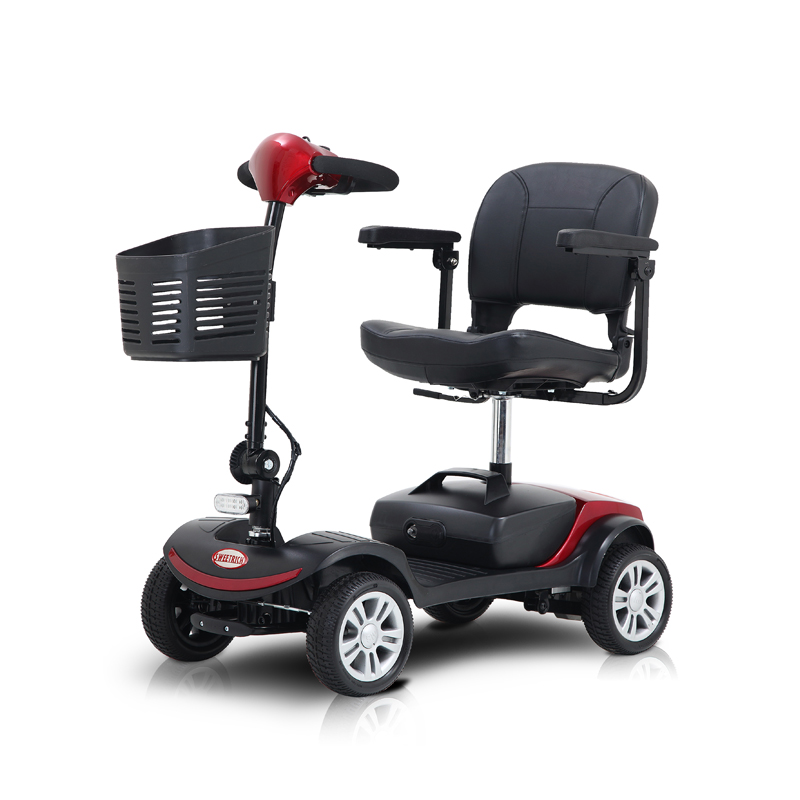
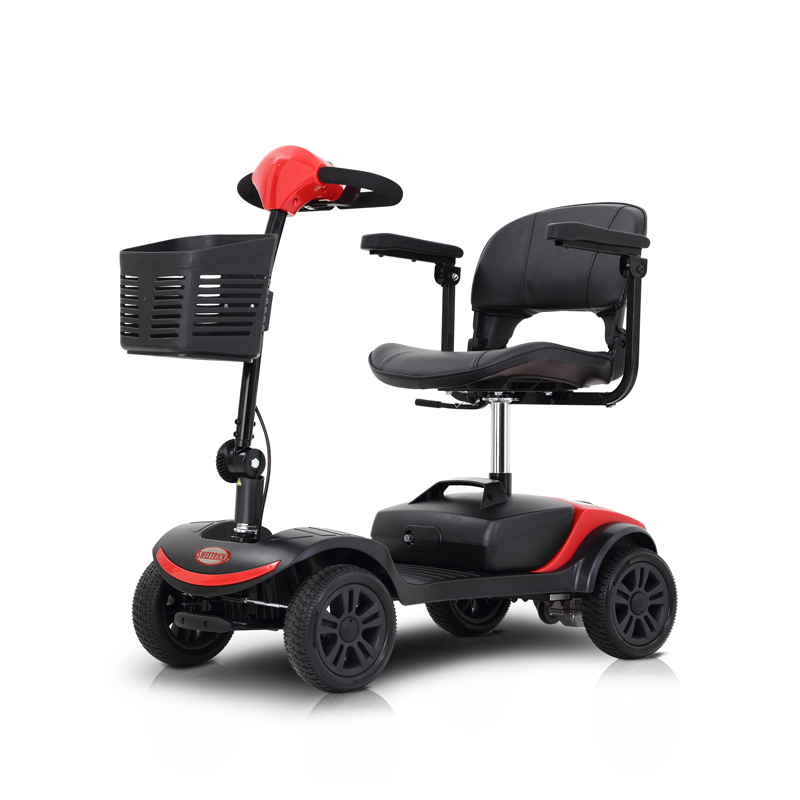
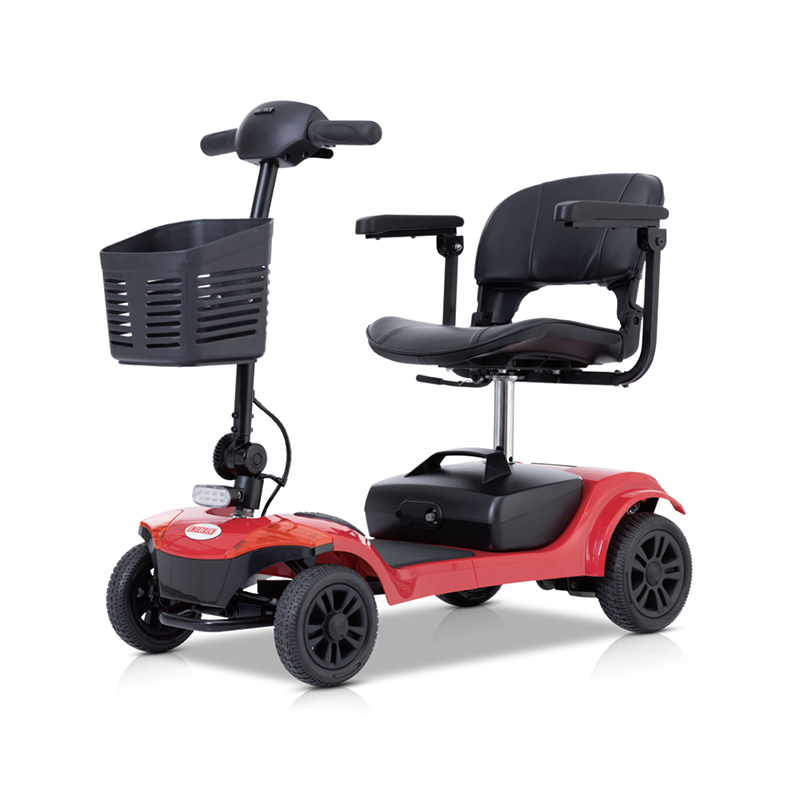
Portability is a real consideration for users who travel often or have limited storage at home. Folding manual wheelchairs shrink down for vehicle transport and closet space. Some powered wheelchairs use folding frames or detachable components too, making transport easier—though battery weight, folded dimensions, and handling requirements don't disappear just because the frame folds.
Manufacturers still have to ensure folding joints and locking mechanisms stay secure through regular use. Repeated folding-cycle testing catches wear, looseness, structural weaknesses before they become user problems. And for air travel, battery specifications and airline requirements need checking well in advance. A folding design doesn't automatically make an electric wheelchair suitable for every airline—that assumption causes problems at check-in more often than people expect.
Safety Engineering Supports Confident Daily Use
Safety sits at the center of wheelchair development, whether it gets talked about or not. Modern products may incorporate anti-tip systems, reliable braking mechanisms, stable frame geometry, secure footrests, improved electrical protection. Powered wheelchairs add battery management systems that monitor operating conditions and protect against certain electrical faults, plus electronic braking and speed controls for predictable operation.
Manufacturers should run appropriate structural, durability, braking, electrical tests. Buyers should review load rating, recommended operating surfaces, turning radius, slope limitations. Correct fitting and user training matter just as much, though—a technically advanced wheelchair can still be unsuitable if its dimensions or controls don't match the user's physical requirements. Good equipment in the wrong configuration is still the wrong equipment.
Customization Helps Match Wheelchairs to Individual Needs
No single configuration works for every user, and anyone who's spent time in this industry knows that. People differ in body dimensions, strength, posture, coordination, daily routines, environmental conditions—the list goes on. Manufacturers increasingly offer adjustable or configurable components: seat widths, backrests, armrests, footrests, cushions, control positions. Some products support specialized seating systems or alternative driving interfaces.
Healthcare professionals can help assess posture, pressure-management needs, transfer ability, daily mobility requirements. That assessment helps ensure selected equipment supports the user's functional goals, not just their measurements. There's a difference between a wheelchair that fits and a wheelchair that works.
Select Wheelchair Designs Based on Real-World Requirements
Modern Wheelchair Designs are improving mobility through lightweight materials, ergonomic seating, advanced drive systems, smart controls, adaptable configurations. These developments make daily movement more convenient and help users participate more independently in home, work, community environments.
When selecting a wheelchair, buyers should consider the user's physical needs, intended operating environment, transportation requirements, maintenance resources, available after-sales support. Evaluating these factors alongside technical specifications helps identify equipment that delivers practical benefits over its service life. Impressive features on a brochure are nice. Equipment that actually works for the person using it day after day is what matters.