 info@sweetrich.cn
  +86-(0)512-82283871
Portable power wheelchairs depend on rechargeable batteries to supply the energy required for smooth movement and precise control. These batteries form the heart of the system, allowing users to travel through homes, offices, shopping areas, or outdoor paths with independence. The battery type affects factors like overall weight, daily range, charging convenience, and long-term maintenance. Two common options stand out: sealed lead-acid (SLA) batteries and lithium-ion (Li-ion) batteries, each offering practical advantages for portable use.
Sealed lead-acid batteries have served as a reliable standard in power wheelchairs for many years. They provide solid performance at a reasonable cost, with a history of steady operation in varied conditions. SLA batteries need little upkeep and handle temperature changes without frequent issues. Their primary limitation comes from weight—older designs contribute noticeable mass to the chair, which can make folding, lifting, or loading into a vehicle more challenging. Ongoing improvements have introduced lighter SLA versions that ease these concerns while keeping the familiar durability that users appreciate.
Lithium-ion batteries have emerged as a popular alternative for portable power wheelchairs. Their lighter construction reduces the total weight of the chair, simplifying transport by car, bus, or airplane. Li-ion cells pack more energy into a smaller volume, delivering longer travel distance between charges. Users often notice extended battery lifespan compared to traditional options, along with shorter recharge periods that fit active routines. These batteries require minimal care and resist common degradation issues that affect older types.
| Advantage | Description |
|---|---|
| Lighter Weight | Reduces overall chair weight for easier transport by car, bus, or airplane |
| Higher Energy Density | Stores more energy in smaller space for longer travel distance per charge |
| Extended Lifespan | Provides longer battery life compared to traditional options |
| Faster Recharge | Shorter charging times to suit active daily routines |
| Low Maintenance | Requires minimal care and resists common degradation issues |
Deciding between SLA and Li-ion involves weighing personal needs and circumstances. Those prioritizing initial affordability and proven consistency may choose SLA. Travelers or individuals who frequently move the chair prefer Li-ion for its reduced weight and extended range. Both categories benefit from steady progress in design and materials, to better efficiency and user satisfaction over time.
Charging a portable power wheelchair follows a simple routine familiar to anyone who recharges phones or tablets. Models typically include a charger and cable that connect to ordinary household outlets. The process involves plugging one end into a designated port on the chair—often near the battery area or control unit—and the other into the wall socket. Smart circuitry tracks charge progress and halts input automatically when full, protecting the battery from excess strain and promoting longer service life.
Charging time depends on battery capacity, how deeply it was discharged, and the specific chemistry. SLA batteries usually need several hours for a complete cycle, whereas Li-ion options often finish faster. Visual indicators, such as lights or small screens on the charger or wheelchair, show current status clearly, helping users plan ahead without uncertainty.
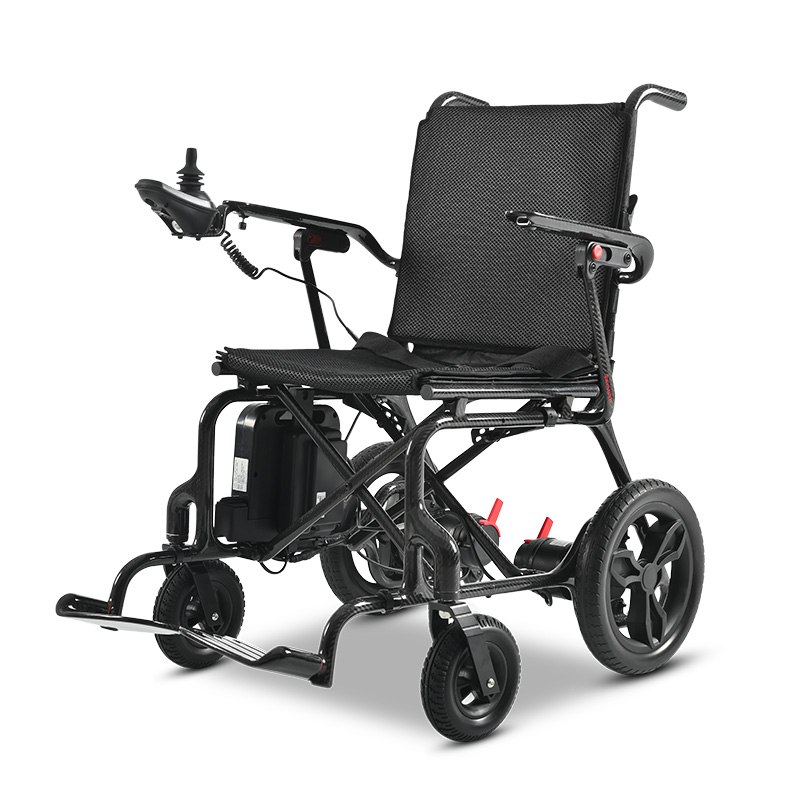
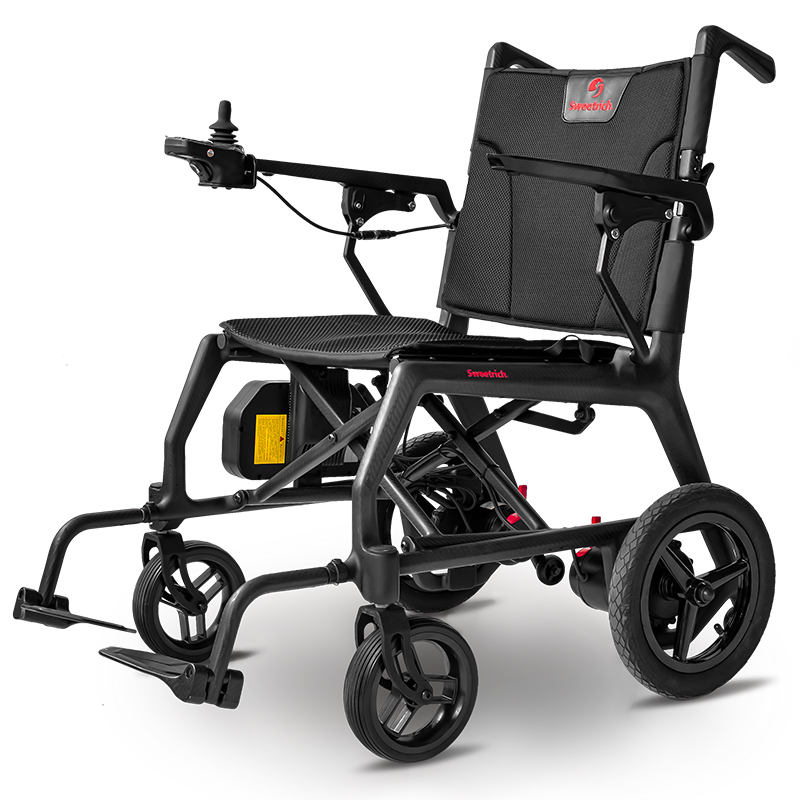
A growing number of portable models support off-board charging, adding valuable flexibility. Detachable battery packs can be removed and placed on a standalone charging unit. This feature proves useful in situations like air travel, where regulations may require batteries to be carried separately. It also helps in small living spaces or hotel rooms where maneuvering the full chair near an outlet is difficult. Compact docking stations keep the process organized and safe.
Safety features built into modern batteries and charging systems provide reassurance. Sensors monitor temperature and interrupt charging if levels rise too high. Protective circuits guard against short circuits or voltage spikes. These measures combine to create dependable operation while addressing common electrical concerns.
Daily habits play a role in getting the performance from any battery. Keeping the chair in moderate temperatures, avoiding full discharges when possible, and following basic care guidelines help maintain capacity over months and years. Quick visual checks of connections and cables catch minor wear early.
Working alongside the batteries, other electrical parts ensure smooth function. Motors transform stored energy into wheel rotation, while controllers interpret input from joysticks or alternative switches to guide direction and speed. Efficient wiring and power management help maximize every charge, supporting longer outings without interruption.
Continued development in battery technology shapes ongoing improvements in portable mobility. Lighter components, higher energy storage, and smarter charging methods gradually enhance convenience and reliability. These advances allow designers to create chairs that pack smaller for storage, travel farther on daily use, and blend naturally into varied lifestyles.
For people managing mobility challenges, a suitable power system means greater freedom in routine tasks and leisure activities. Reliable batteries reduce concerns about sudden power loss during errands or visits. Easier transport opens opportunities for spontaneous trips or social gatherings.
| Benefit | Description |
|---|---|
| Greater Freedom | Enables more independence in routine tasks and leisure activities |
| Reduced Concerns | Reliable batteries minimize worries about sudden power loss during outings |
| Easier Transport | Lighter, portable designs open opportunities for spontaneous trips |
| Social Opportunities | Facilitates easier attendance at social gatherings and visits |
Portable power wheelchairs with well-chosen battery setups encourage active participation in work, family events, community programs, or personal hobbies. As research refines energy storage options, future designs promise even closer alignment between power needs and real-world demands.
Sweetrich pays close attention to battery selection and charging design across its portable power wheelchair range. By incorporating dependable cells and user-friendly systems, Sweetrich supports seamless daily mobility that users can count on for comfort and confidence.