 info@sweetrich.cn
  +86-(0)512-82283871
Content
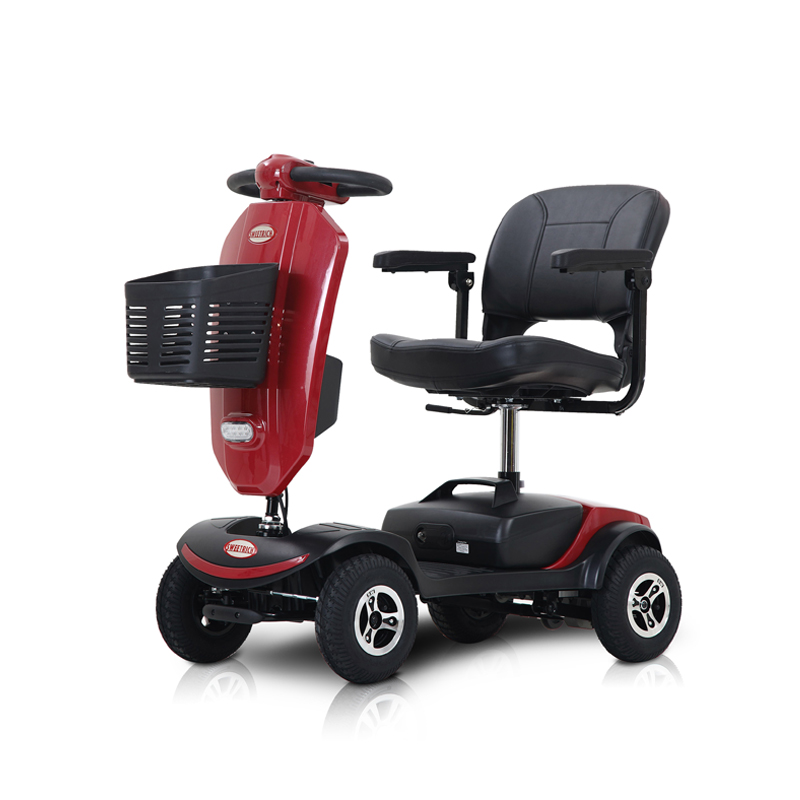
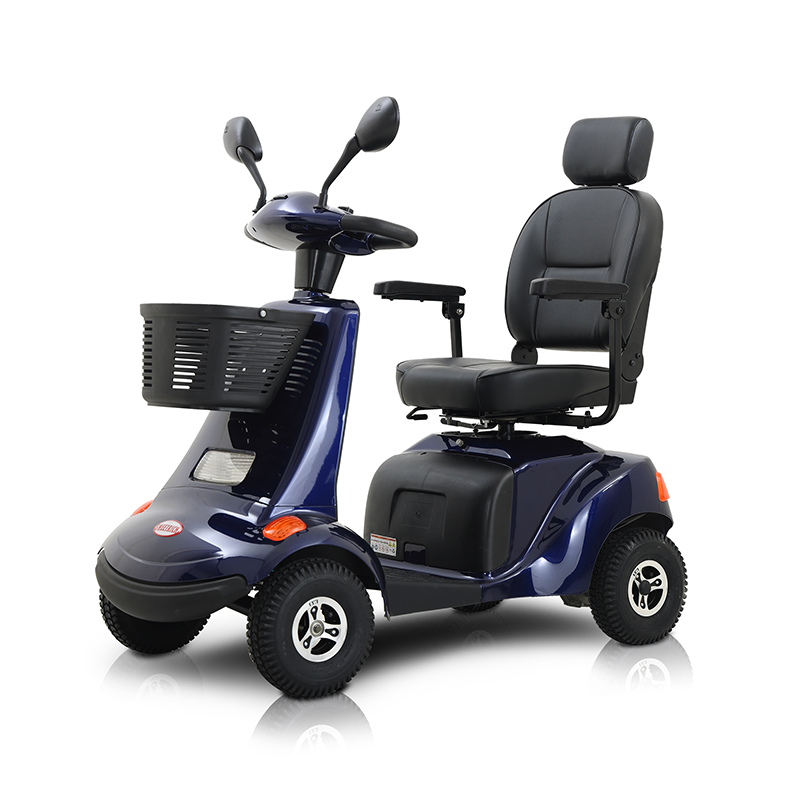
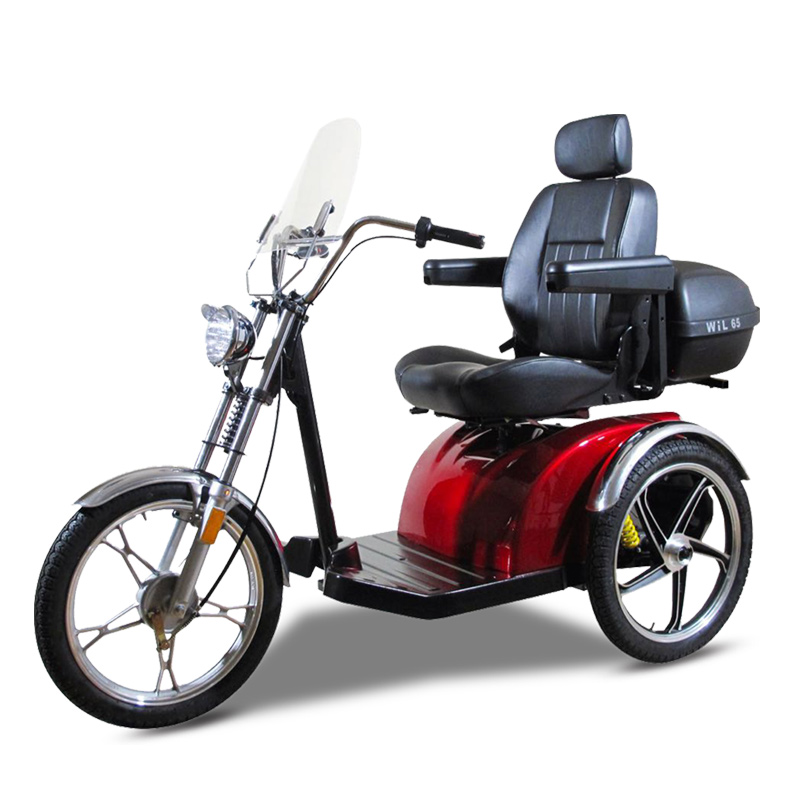
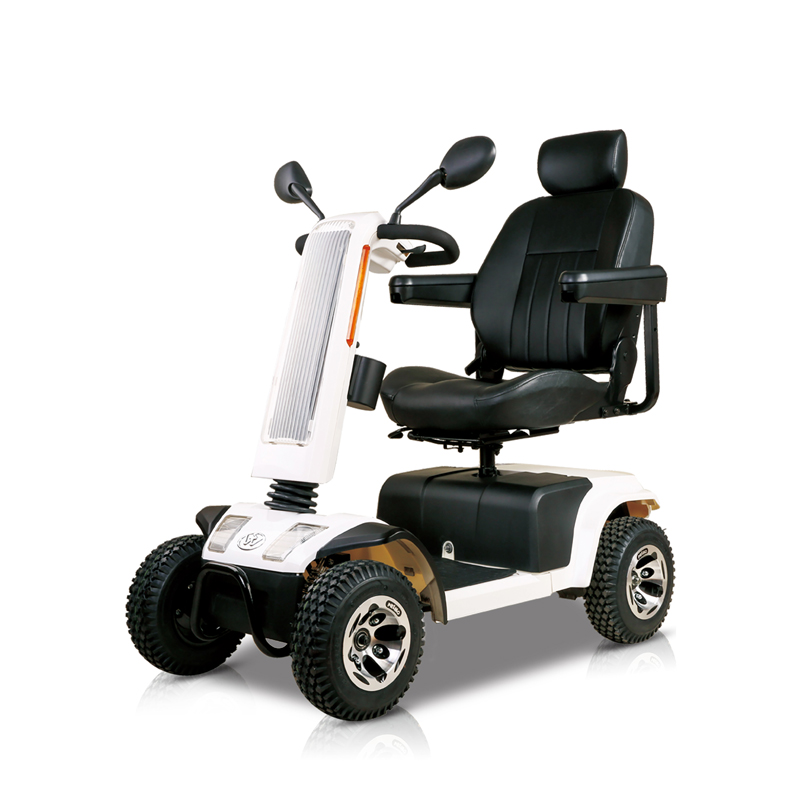
Electric scooters deliver a convenient form of transportation for covering modest distances in towns, cities, and suburban neighborhoods. These stand-up vehicles run on electricity stored in a rechargeable battery, moving forward without engine noise or exhaust fumes. The rider stands on a platform, grips handlebars to guide direction, and controls speed with a hand-operated throttle. Compact dimensions and modest weight allow easy storage in tight spaces, carrying up stairs, or placement inside vehicles. In locations where parking fills quickly or where short errands form part of everyday life, electric scooters help people move efficiently.
Many individuals turn to electric scooters because they simplify routine travel. They connect homes to nearby workplaces, link transit stops to final destinations, or handle quick visits to local shops and services. Quiet performance suits early mornings, late evenings, and residential streets. Zero emissions during rides align with community goals of reducing air pollution in populated zones. Consistent use for brief journeys gradually decreases reliance on cars for distances that do not require them.
Structural Elements and Their Functions
The frame provides the foundational support. It joins the deck, wheels, steering assembly, and battery housing while bearing the rider's weight. Material selection focuses on combining sufficient rigidity with reasonable lightness, making the scooter stable yet portable.
The deck offers the standing area. A patterned, grippy layer keeps feet secure through acceleration, deceleration, and cornering. Deck proportions allow comfortable foot positioning that aids balance.
Wheels maintain contact with the surface. The front wheel responds to handlebar turns for steering. The rear wheel typically integrates the motor for forward drive. Tire options include solid designs resistant to punctures and pneumatic styles that cushion small irregularities in pavement.
The motor transforms electrical energy into wheel rotation. Hub integration simplifies the drive system by eliminating extra linkages. Motor properties shape acceleration response, hill-climbing ability, and energy consumption patterns.
The battery stores electrical charge. Low placement within the frame lowers the center of gravity, enhancing stability during maneuvers and braking. Storage capacity affects achievable travel distance under ordinary circumstances.
A controller directs electrical current. It processes throttle signals and meters power to the motor, producing even speed changes and safeguarding against excessive loads.
Handlebars supply grip and control points. One handle carries the throttle—commonly a twist mechanism or lever activated by the thumb. Brake levers connect to the stopping apparatus, often appearing on one or both sides. A compact display frequently shows battery status, speed, and operational alerts.
Braking systems use friction or electronic methods. Friction brakes press against rotating surfaces on the wheels. Regenerative setups, where available, convert some kinetic energy back into battery charge during slowing.
Lighting components support visibility. Forward lights illuminate the route ahead. Rear lights signal presence to following traffic. Reflective markings capture ambient light for added awareness.
Folding joints allow the steering stem to pivot downward, shrinking the scooter's length for storage in closets, under furniture, or in vehicle compartments. Suspension features, included in some models, employ springs or flexible materials to reduce shock transmission from pavement seams or light debris.
These parts function as a unified system oriented toward practical reliability.
Riding Process Explained
Charging initiates readiness. Connecting to a household outlet restores battery energy. Duration varies based on depleted level, battery size, and charger capability, generally concluding within several hours.
To start, activate power if needed, step onto the deck, and grasp handlebars. Throttle engagement directs the controller to release current, energizing the motor and turning the wheel for forward motion.
| Step | Action / Description | Key Notes |
|---|---|---|
| 1. Charging | Connect to household outlet | Restores battery energy |
| Charging duration | Varies by depletion level, battery size, charger | Usually completes in several hours |
| 2. Preparation to ride | Activate power (if required) | — |
| Step onto the deck | — | |
| Grasp handlebars | Secure grip for control | |
| 3. Starting movement | Engage throttle | Signals controller |
| Controller releases current to motor | Motor energizes | |
| Motor turns the wheel | Forward motion begins |
Throttle adjustment raises or lowers speed progressively. Releasing the control permits coasting, with natural resistance gradually reducing velocity. Brake application halts movement through friction or motor retardation.
Steering combines handlebar rotation with minor body lean. The arrangement provides adequate responsiveness for urban turns, path navigation, and obstacle avoidance.
The handlebar display continuously reports battery condition and speed, enabling riders to gauge remaining capability.
Influencing factors include terrain, load, and weather. Level, even surfaces permit consistent cruising. Moderate inclines require additional power but remain navigable. Steeper grades slow travel and deplete charge quicker. Wind opposition increases effort at elevated speeds. Temperature shifts alter battery behavior—lower temperatures reduce momentary capacity, while higher ranges may activate protective throttling.
Moist pavement decreases traction, calling for reduced velocity and extended spacing. After initial rides, operation becomes instinctive.
Everyday Advantages
Electric scooters accommodate frequent, localized travel patterns. Narrow builds and light mass permit storage in confined apartments, entryways, or office corners. Folding mechanisms support transport on public transit or carrying over short distances.
Electricity required for charging costs little compared with fuel for equivalent car mileage. Minimal mechanical complexity translates to infrequent service needs.
Silent propulsion avoids noise complaints in quiet areas and creates peaceful riding conditions. No exhaust output during use contributes to localized air quality maintenance.
Nimble handling allows passage through tight spaces and circumvention of traffic backups. For journeys spanning a few miles, arrival times often prove competitive.
The standing position with motor assistance supplies gentle activity that avoids exhaustion. This combination fits individuals seeking moderate involvement without strenuous effort.
Applications span commuting, shopping runs, social calls, recreational neighborhood circuits, and casual outdoor enjoyment.
Limitations to Account For
Distance capability depends on battery reserves and operating conditions. Range fluctuates according to rider mass, elevation gain, wind direction, ambient temperature, and throttle application. Extended routes may demand recharging breaks or alternative completion methods.
Inclines and irregular ground surfaces increase energy demand. Sharp rises slow progress and shorten distance. Bumpy pavement transmits jolts unless suspension mitigates them.
Weather introduces variability. Rainfall reduces tire adhesion and risks moisture exposure to connections. Cold air temporarily limits battery output. Heat can prompt power restrictions for component protection.
Designated load thresholds preserve control and durability. Exceeding them influences acceleration, stopping distance, and range.
Regulations vary across regions. Certain areas confine scooters to bike lanes, restrict sidewalk operation, impose velocity ceilings, or mandate lighting after dusk. Adherence prevents legal complications.
Battery performance declines incrementally across charge cycles. Replacement eventually becomes necessary to restore original distance potential.
These considerations guide appropriate route selection and usage scope.
Maintenance Routines
Deliberate upkeep prolongs functionality. Charging practices emphasize partial rather than complete discharges when feasible and utilization of compatible chargers to ease battery strain.
Tire pressure verification enhances rolling efficiency and cornering stability. Insufficient pressure raises required effort. Visible deterioration indicates replacement timing.
Brake components warrant regular review. Worn pads or surfaces need renewal to sustain short, dependable stopping distances.
Cleaning clears accumulated grit, moisture, and residue from wheels, brakes, and electrical zones. Mild washing followed by drying guards against corrosion and wear.
Indoor storage in temperate settings protects against humidity, freezing, and prolonged sun exposure that degrade battery condition.
Frequent visual checks of fasteners, cables, folding points, and lights reveal loosening or fatigue before failure occurs.
Routine procedures establish the scooter as a consistent daily companion.
Safety-Oriented Practices
Helmets substantially reduce head trauma risk in falls or impacts. High-visibility garments improve detection by motorists and path users.
Alert riding encompasses forward observation, spacing maintenance, and distinct signaling of intentions. Eliminating distractions like device use preserves situational awareness.
Route decisions conform to prevailing ordinances, prioritizing bike lanes or shared paths where designated. Yielding appropriately to pedestrians and vehicles fosters mutual respect.
Speed calibration to environment—slower in dense zones, on slick surfaces, or approaching crossings—affords improved reaction windows.
Charging oversight involves inspecting cords for wear and avoiding unsupervised long-duration connections.
These approaches cultivate secure, confident rides.
Function in Urban Transport
Electric scooters bridge segments of broader mobility networks. They facilitate efficient transfers from transit nodes to precise endpoints.
Shared systems extend reach without personal ownership. Location-based tools enable quick access to available units.
Designated parking areas, lane markings, and signage organize placement and minimize pedestrian interference.
Ongoing dialogue among planners, operators, and communities refines deployment for equitable benefit and orderly integration.
Electric scooters enrich available transport alternatives in developing urban settings.
| Aspect | Key Measures / Benefits |
|---|---|
| Parking organization | Designated parking areas |
| Traffic & pedestrian safety | Lane markings and signage |
| Conflict reduction | Minimize pedestrian interference |
| Deployment improvement | Ongoing dialogue among planners, operators, and communities |
| Goal of dialogue | Equitable benefit and orderly integration |
| Overall contribution | Enrich transport alternatives in urban settings |
Environmental Viewpoint
Operation generates no point-of-use emissions, aiding neighborhood air freshness. Energy expenditure for comparable travel falls below that of many conventional vehicles.
Lifecycle assessment encompasses material extraction, assembly, charging electricity origins, and end-of-life management. Prolonged service periods and responsible recycling diminish net effects.
Substitution for automobile trips under several miles yields efficiency improvements. Pairing scooters with walking or public transit forms streamlined travel chains.
Individual actions—diligent care, measured usage, battery recycling—bolster overall sustainability.
Sweetrich Mobility
As urban landscapes continue to evolve, Sweetrich Mobility stands at the intersection of thoughtful design and everyday practicality. Riders discover that these scooters quietly reshape routines—turning a routine walk to the corner store into a smooth, effortless glide or transforming a congested commute segment into a moment of calm movement. The gentle hum of the motor, the balanced feel underfoot, and the freedom to park al anywhere create small but meaningful shifts in how people experience their surroundings.
Sweetrich Mobility does not promise to replace every form of transport; instead, it carves out its own reliable space for the distances and moments that matter in daily life, inviting users to move with simplicity, intention, and a touch of quiet confidence.