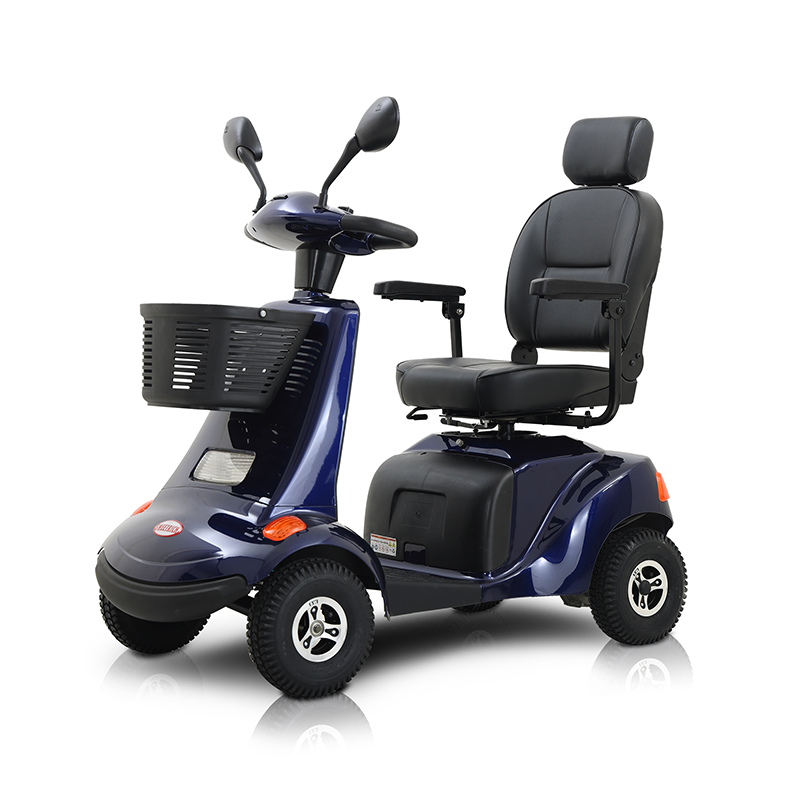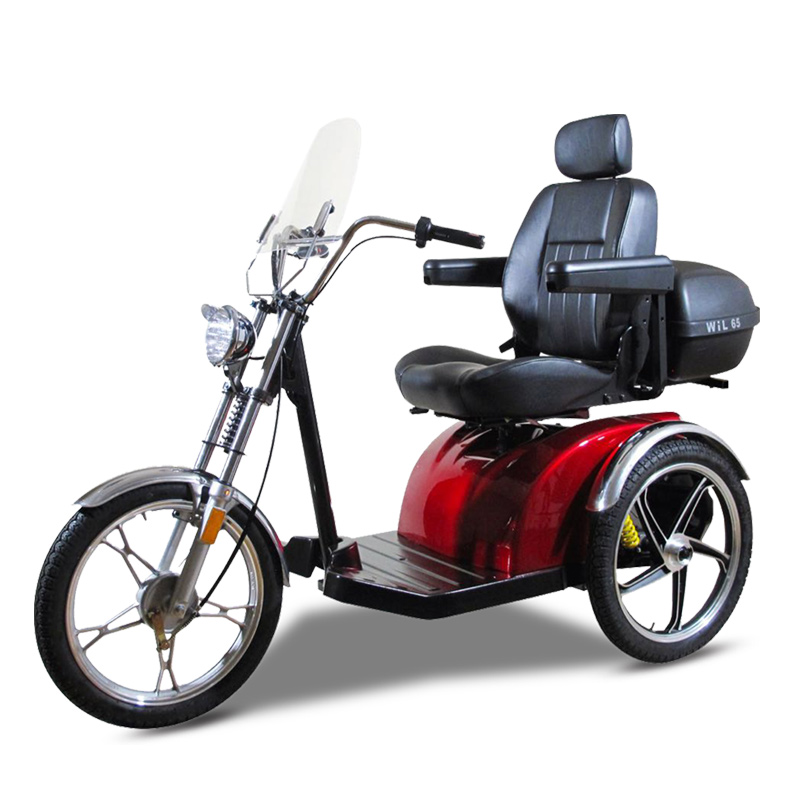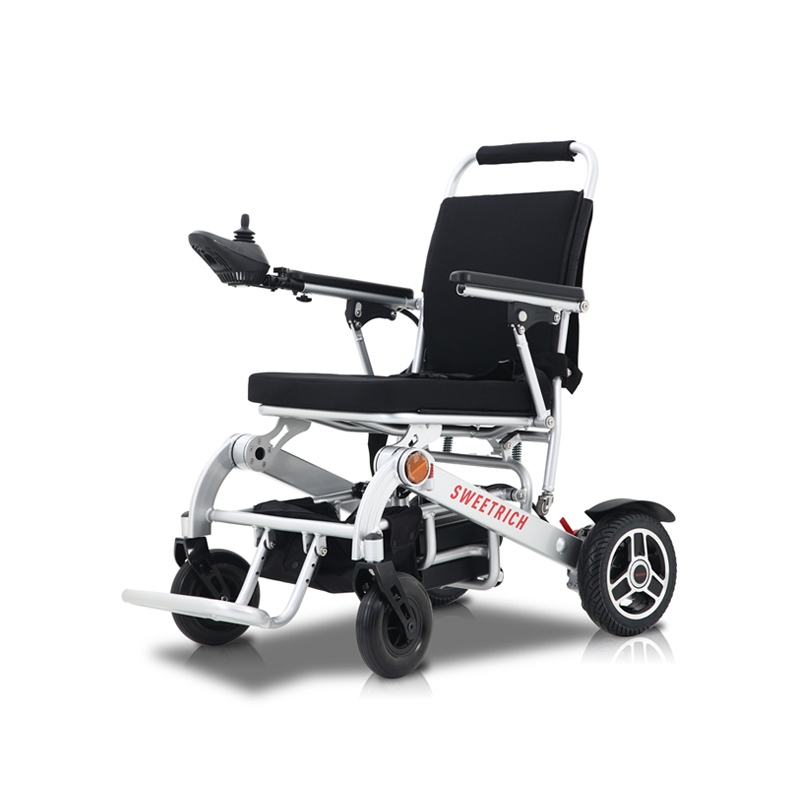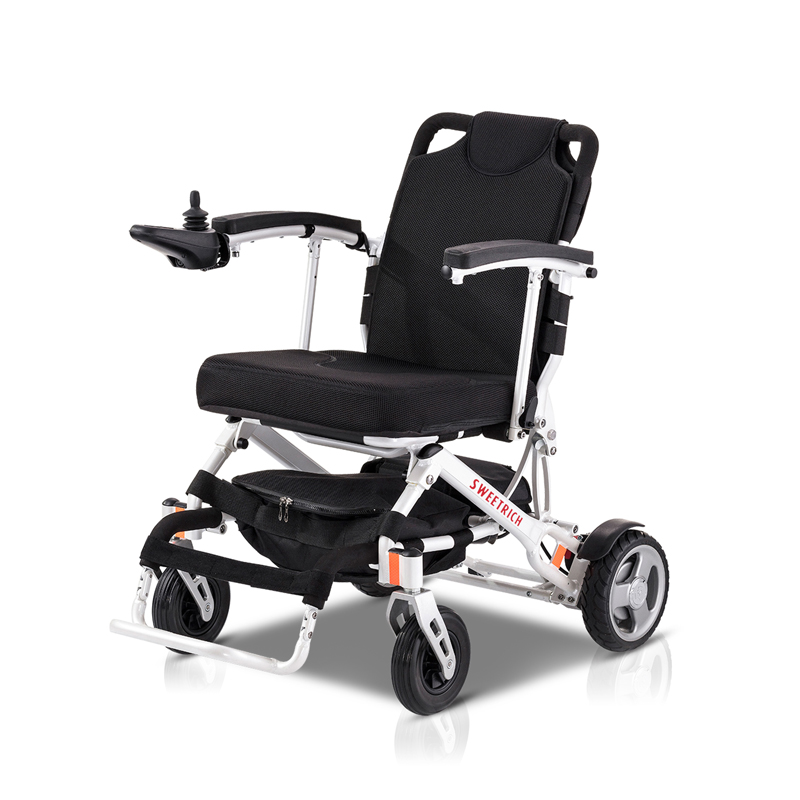
 info@sweetrich.cn
  +86-(0)512-82283871
Content
- 1 Why Size Matters In Elderly Electric Folding Scooter Selection
- 2 How Weight Capacity Affects Daily Mobility Performance
- 3 What Folding Structure Features Influence Everyday Convenience
- 4 How Scooter Width Changes Indoor And Outdoor Movement
- 5 Why Seat Size And Position Affect Riding Comfort
- 6 How Weight Capacity Influences Battery And Motor Behavior
- 7 What Wheel Size Means For Different Road Conditions
- 8 How Handlebar And Control Layout Affect Elderly Users
- 9 What Safety Considerations Matter During Daily Use
- 10 How Transport Weight Influences Real Daily Handling
- 11 Why Long-Term Comfort Matters More Than Compact Appearance
- 12 How Usage Environment Changes Scooter Size Requirements
- 13 How Elderly Electric Folding Scooter Design Continues To Adapt To Daily Living
Why Size Matters In Elderly Electric Folding Scooter Selection
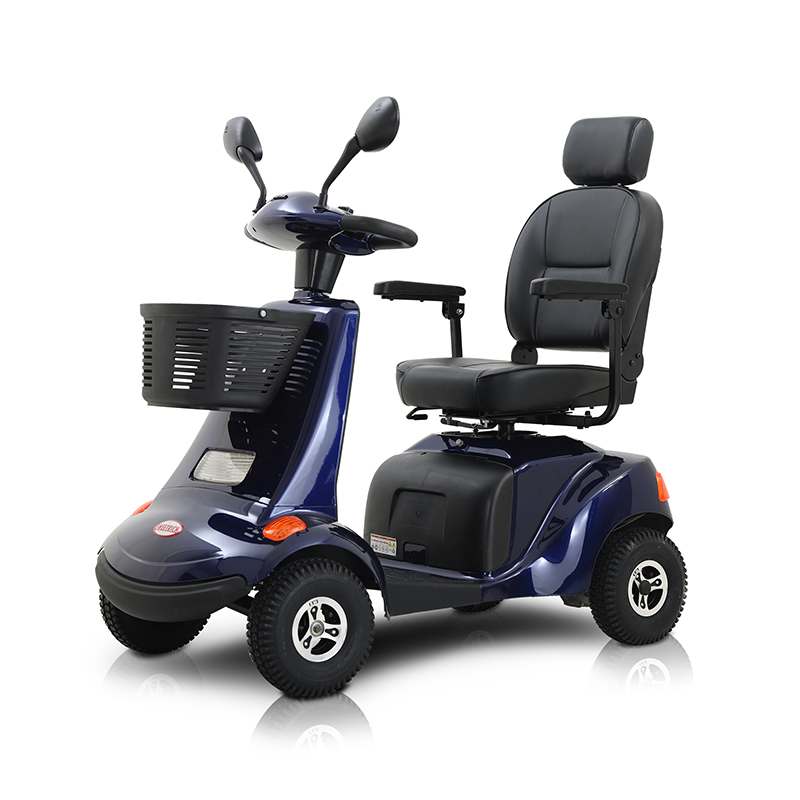
Size is usually the detail people notice, yet daily use shows it carries more influence than appearance alone. An Elderly Electric Folding Scooter moves through places that already exist in real life settings such as narrow apartment corridors, elevator doors, supermarket aisles, and parking edges. Each space quietly sets limits on how large a scooter can comfortably be.
A compact frame often feels easier at the beginning. Folding looks simple, storage seems convenient, and transport appears manageable. Once daily routines begin, size starts to affect turning space and movement flow inside the home.
Inside apartments, small changes in width make a noticeable difference. A hallway corner that feels fine on foot may become tight for a scooter turning in place. Kitchen entrances, bathroom doors, and furniture gaps create repeated small adjustments during movement.
Outdoor use brings another layer. Sidewalk edges, ramps, and crowded pedestrian paths require enough width for balance without becoming difficult to guide. A scooter that feels too narrow may respond quickly to uneven ground, while a slightly wider structure often feels steadier during straight movement.
Practical size choice usually depends on three real conditions:
- indoor turning space
- transport or storage location
- frequency of outdoor travel
Even folding design does not remove these limits. Folded size matters for storage, yet riding size determines daily comfort.
How Weight Capacity Affects Daily Mobility Performance
Weight capacity is often read as a number, though real behavior appears during movement rather than measurement. Once a person sits on the scooter, the frame, seat, wheels, and motor begin responding to pressure in real time.
An Elderly Electric Folding Scooter carrying a lighter load often feels more responsive during start and stop movement. Turning requires less effort, and acceleration feels smoother on flat ground. As load increases, movement gradually changes in small ways that are easy to notice during repeated daily use.
Seat compression becomes more visible under heavier load. Even well-designed cushioning begins to feel firmer over time. Armrest pressure also changes, especially during turning or slow directional adjustments.
Braking behavior shifts as well. A lighter load usually settles quickly when stopping. A heavier load creates a slightly longer forward movement before full stability returns.
A simple daily comparison shows how weight influence appears in real use:
| Daily situation | Lighter load behavior | Heavier load behavior |
|---|---|---|
| Start from stop | quicker response | slower lift-off |
| Indoor turning | easier rotation | wider turning space needed |
| Small ramps | smooth climb | stronger resistance |
| Sudden stop | quick settle | longer forward shift |
| Long travel | less fatigue | increased strain |
Over time, repeated heavy loading also affects structural joints and folding points. Wear does not appear suddenly, yet small changes in movement smoothness may develop after long use.
What Folding Structure Features Influence Everyday Convenience
Folding ability sounds simple, though daily experience depends on how many steps are needed and how naturally the scooter collapses into a compact form. Some folding systems require multiple adjustments before storage, while others rely on fewer movements.
An Elderly Electric Folding Scooter used daily for shopping or transportation may be folded and unfolded several times a week. Each cycle places small stress on hinges, locks, and connecting joints.
Comfort during folding depends on several physical details:
- strength required to release locking points
- stability while folding halfway
- alignment of wheels after folding
- grip comfort during lifting or pushing
A structure that feels stable during riding may still feel heavy when lifted into a vehicle trunk. Folding shape matters as much as folding speed because storage space in homes and cars is often limited.
Repeated folding also affects long-term behavior. Joints may loosen slightly, creating small movement sounds during riding. That change does not always affect safety, though it often changes the feeling of stability.
China Mobility Scooter Manufacturers often design different folding systems depending on intended use. Travel-focused models usually prioritize compact folded shape, while daily-use models focus more on stable riding structure.
How Scooter Width Changes Indoor And Outdoor Movement
Width affects movement in more direct ways than people expect. Even a small difference in wheel spacing can change how easily the scooter moves through everyday spaces.
A scooter that feels fine in open space may require careful adjustment when passing through tight indoor corners. Kitchen entrances and bathroom doors are common narrow points.
In outdoor environments, width contributes to stability. Wider wheel spacing helps balance during turning, especially on uneven pavement or sloped surfaces. Narrow designs may feel quicker in steering response, though less grounded during slow movement.
Daily situations where width becomes noticeable include:
- elevator entry and exit
- supermarket shelf aisles
- sidewalk pedestrian sharing areas
- parking area transitions
- building entrance ramps
Storage also depends on width after folding. A scooter stored beside furniture or inside a small vehicle space requires careful consideration of folded dimensions, not only riding size.
Balance between indoor access and outdoor stability often decides whether width feels comfortable in long-term use.
Why Seat Size And Position Affect Riding Comfort
Seat design influences comfort more than many mechanical parts during daily riding. An Elderly Electric Folding Scooter may travel short distances, though seating comfort still determines how relaxed the user feels throughout movement.
Seat width changes how body weight spreads during sitting. Narrow seating may feel compact and easier to fold into smaller frames, while wider seating provides more space for posture adjustment.
Seat height influences standing up after use. Low seats require stronger knee movement, especially during repeated daily use. Higher seats make rising easier, though may change balance during turning.
Backrest angle plays a quiet role. Upright positioning supports visibility during movement, while slightly angled support reduces pressure during longer sitting periods.
Armrest placement also matters in small ways. Proper height helps during steering adjustments and improves stability when entering or leaving the seat.
Several daily comfort factors appear repeatedly:
- ease of sitting without twisting body
- stability during slow turning
- support during short stops
- pressure balance during longer rides
Even small discomfort becomes noticeable when repeated across daily routines.
How Weight Capacity Influences Battery And Motor Behavior
Weight does not only affect seating comfort. It also changes how the scooter system responds during movement.
A heavier load requires more energy during acceleration. Motor output increases during uphill movement or when crossing uneven surfaces. Battery demand rises gradually during repeated trips.
Under lighter load, movement feels smoother with less resistance during start and stop cycles. Under heavier load, response may feel slower, especially during direction changes.
Common movement differences include:
- slower response during ramp climbing
- reduced smoothness during sharp turns
- stronger energy demand during repeated stops
- more vibration on uneven surfaces
Over long use periods, internal components experience different levels of pressure depending on load patterns. Regular heavy loading may increase wear on drive systems and wheel connections.
China Mobility Scooter Manufacturers often adjust motor strength and frame structure depending on intended user load range. Compact models prioritize portability, while reinforced models focus more on steady movement under continuous use.
What Wheel Size Means For Different Road Conditions
Wheel size changes riding feel in a way that becomes obvious only after real use. A scooter with small wheels can move through indoor flooring without effort. Hallways, elevators, and shopping aisles usually feel manageable because the contact with ground stays smooth and predictable.
Outdoor surfaces behave differently. Pavement gaps, small slopes, and uneven patches appear more often. Larger wheels reduce the sharp impact when crossing those spots. Movement feels less interrupted, especially during longer trips.
An Elderly Electric Folding Scooter used mainly indoors does not face many surface changes. Outdoor use brings constant variation, and wheel size starts to affect comfort in a practical way.
Typical differences noticed in daily life:
- small wheels react quickly to floor joints
- larger wheels pass over small obstacles more calmly
- narrow tires feel light during turning
- wider tires hold direction with more steadiness
Sidewalk ramps also show the difference clearly. A scooter with smaller wheels may need more careful control when climbing or descending. Larger wheels keep contact with ground in a more even way, which reduces sudden shifts in balance.
How Handlebar And Control Layout Affect Elderly Users
Handlebar position shapes posture during every ride. When the bar sits too high, shoulders stay raised. When it sits too low, the body leans forward and visibility becomes limited. A middle position often feels more natural after repeated use.
Grip comfort matters during slow turns and indoor movement. Hands stay on the handle for longer periods than expected, especially in places like supermarkets or residential corridors where movement stops and starts often.
Throttle response also influences comfort. Smooth control helps avoid sudden acceleration. Small pressure changes should feel gradual, not abrupt.
Real situations that highlight control layout:
- turning inside narrow hallway corners
- adjusting speed in crowded walkways
- stopping near entrances or ramps
- moving through tight indoor spaces
Some users notice hand fatigue during longer trips. That usually comes from grip shape or control spacing rather than motor strength. Once hands feel natural on the handlebar, movement becomes less tiring even during repeated short journeys.
An Elderly Electric Folding Scooter designed for daily use often keeps controls simple, placed within easy reach without requiring large hand movement.
What Safety Considerations Matter During Daily Use
Safety in scooter use comes more from balance behavior than speed. A stable frame reduces hesitation during turning or stopping, especially in unfamiliar outdoor paths.
Anti-tip structure plays a quiet role. When the scooter crosses uneven ground, weight shifts slightly. A stable base reduces sudden tilt, especially during low-speed movement.
Braking behavior changes depending on load and surface condition. On flat indoor floors, stopping feels controlled and direct. Outdoor paths may create a slight forward movement before full stop depending on weight and slope.
Common safety habits in daily use include:
- reducing speed before entering ramps
- keeping steady movement on uneven ground
- avoiding sharp turns at higher speed
- checking wheel contact before long rides
These habits do not require technical knowledge. They come from repeated experience in real environments.
An Elderly Electric Folding Scooter that feels stable at low speed often builds more confidence during daily movement than one focused only on speed capability.
How Transport Weight Influences Real Daily Handling
Transport weight becomes noticeable once the scooter leaves riding mode. Folding reduces space, though lifting and carrying still depend on total weight and balance points.
Some scooters are light enough to lift into a vehicle trunk without effort. Others feel easier to roll when folded instead of being carried. The difference becomes important during daily routines like shopping or visiting family.
Common transport situations include:
- placing scooter into a car
- moving across apartment entrances
- storing near home walls or corners
- transferring between indoor and outdoor spaces
Even a small increase in weight changes how often assistance is needed. Carry handles help in some designs, though balance during lifting still depends on structure shape.
China Mobility Scooter Manufacturers often adjust materials to balance transport convenience with riding stability. Lighter designs improve portability, while stronger frames support long-term daily use.
Why Long-Term Comfort Matters More Than Compact Appearance
Seat pressure builds during longer rides. Even short trips repeated multiple times a day reveal differences in cushioning and support. Backrest shape affects posture more than expected, especially during slow movement.
Handle vibration also becomes noticeable over time. Uneven pavement or indoor transitions can transfer small shakes through the frame into the hands.
Common long-term comfort factors:
- pressure on hips during sitting
- arm fatigue during steering
- vibration transfer from ground
- posture stability during slow movement
An Elderly Electric Folding Scooter used daily must support repeated routines, not just short demonstration use. A slightly larger frame sometimes provides more comfort than a compact design that feels tight after long sitting.
Storage convenience remains important, though daily riding comfort usually decides long-term satisfaction.
How Usage Environment Changes Scooter Size Requirements
Living environment shapes scooter needs more than product appearance. A compact apartment creates different limits compared with open residential areas.
Indoor environments require tighter turning space. Narrow hallways, small kitchen entrances, and bathroom doors all affect how easily a scooter moves inside the home.
Outdoor environments focus more on surface variation. Sidewalk cracks, ramps, and uneven ground become part of daily travel.
Common environment patterns include:
- apartment indoor movement
- residential building corridors
- short outdoor neighborhood travel
- mixed indoor and outdoor routines
Storage space also influences size choice. Some homes store scooters near entrances, while others rely on folding and car transport.
Wheelbase, seat width, and folded shape all interact with available space. No single size works equally well in every environment.
How Elderly Electric Folding Scooter Design Continues To Adapt To Daily Living
Scooter design continues shifting toward daily practicality. Folding systems become simpler to operate. Frames focus more on stable riding behavior during repeated use. Seats aim for longer comfort rather than short-term sitting support.
An Elderly Electric Folding Scooter is often used several times a day in real life. Short trips, indoor movement, and outdoor errands create repeated folding and riding cycles.
China Mobility Scooter Manufacturers adjust structure based on these real patterns. Different models suit different living spaces rather than one universal design.
Over time, selection depends less on appearance and more on how naturally the scooter fits daily movement habits.