 info@sweetrich.cn
  +86-(0)512-82283871
Content
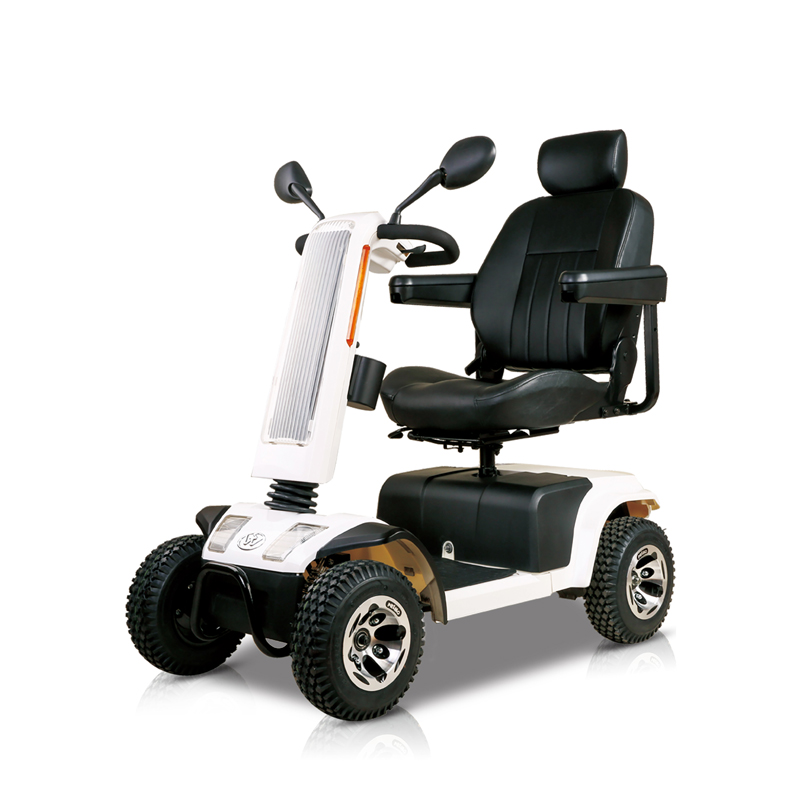
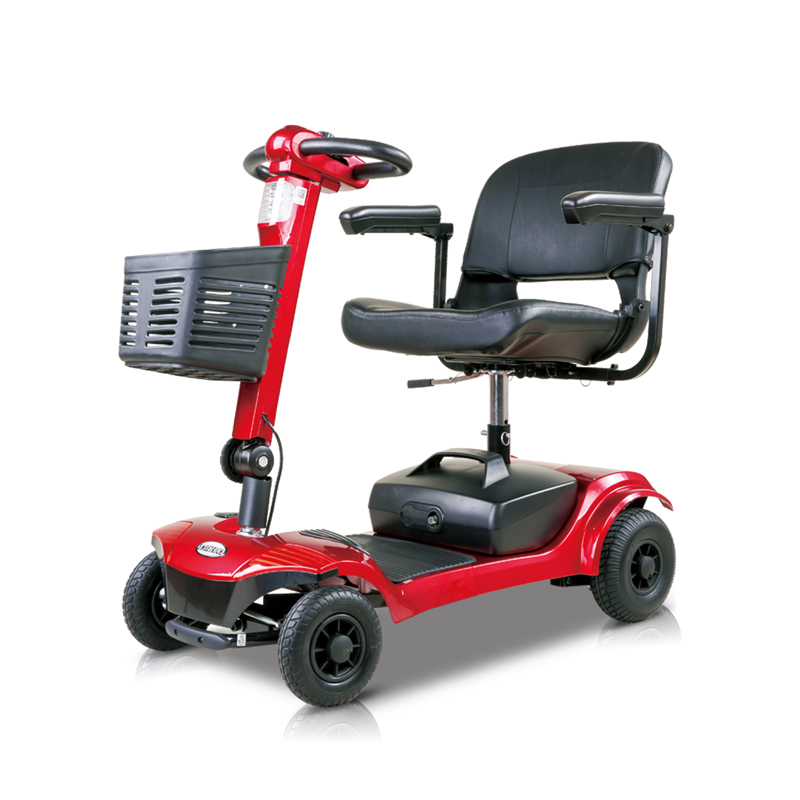
In today's world, the ability to move freely is closely tied to personal freedom. For people whose physical strength has faded—whether from aging, neuromuscular disorders, recovery after surgery, or lifelong disabilities—everyday life can feel full of invisible walls. Simple things like walking to the corner store, pushing through a crowded mall, or even getting in and out of a car can quickly become exhausting or risky. Traditional options, from walking to driving a regular car or using a manual wheelchair, often demand more muscle power and coordination than many people can safely give, which is why solutions developed through a Wholesale Mobility Scooter approach are becoming increasingly relevant in supporting accessible, low-effort movement.
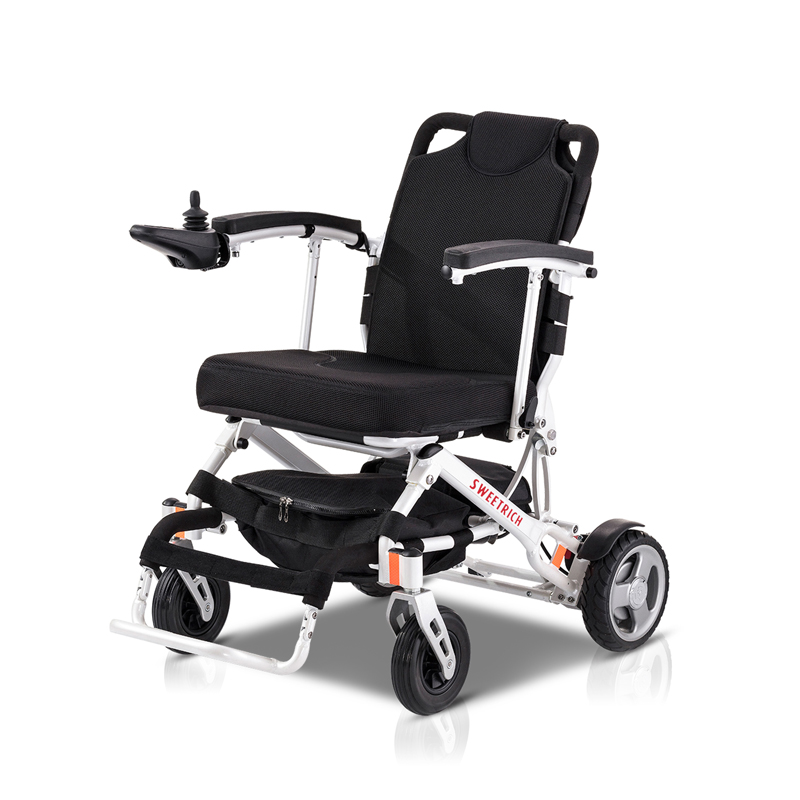
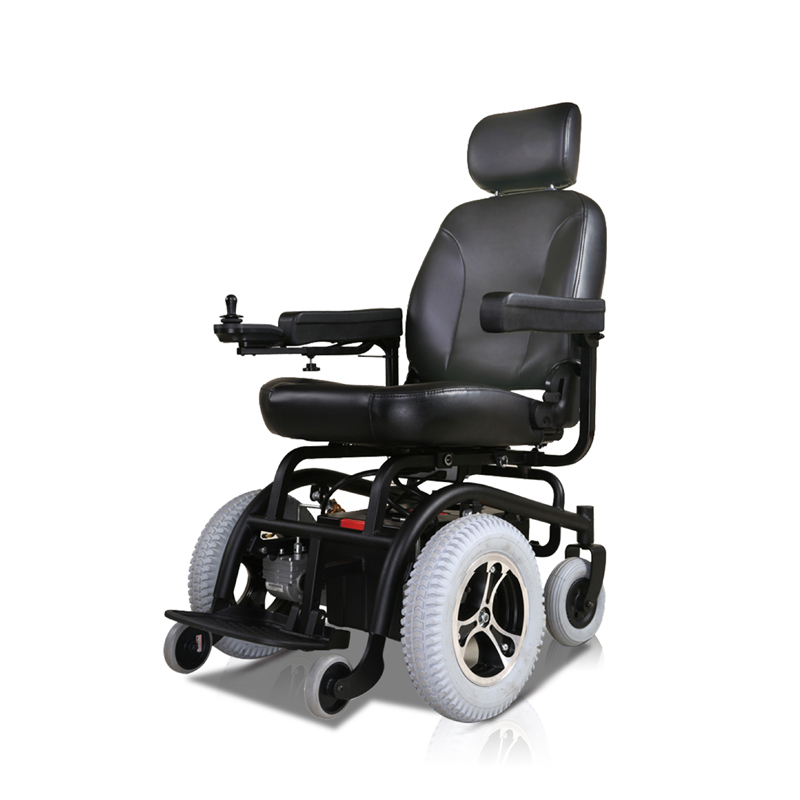
This is where electric mobility vehicles—think electric scooters and power wheelchairs—have quietly become game-changers. Far more than just transportation, these devices are built from the ground up around the real needs of users who don't have much strength left in their bodies. They focus on simplicity, safety, and making life feel possible again.
The Real Challenges of Living with Limited Strength
The difficulties aren't the same for everyone. Some people tire after just a few steps. Others struggle with balance, tremors, or the slow, stiff movements that come with conditions like Parkinson's. Even basic tasks—opening a heavy door, carrying a bag of groceries, or shifting from a chair to a car seat—can drain what little energy they have or raise the chance of a fall.
Manual wheelchairs help some, but they still require decent upper-body strength to push. For those whose arms are also weak, that's simply not realistic. Over time, these daily struggles often to staying home more and more. Social visits, family dinners, or even a quick trip to the park start feeling like too much trouble. The result is often loneliness, frustration, and a painful sense of losing control over one's own life.
The outside world doesn't make things easier. Uneven sidewalks, high curbs, narrow store entrances, and steps everywhere create barriers that feel impossible to cross without help. Public buses and trains are supposed to be accessible, but in practice they can still be difficult to board or navigate, especially if you move more slowly than everyone else.
How Electric Mobility Vehicles Are Designed Differently
What sets these electric scooters and power chairs apart is that they were never meant for able-bodied people. Every major feature is shaped by one goal: letting someone with very little strength get around safely and comfortably.
Controls that require almost no effort
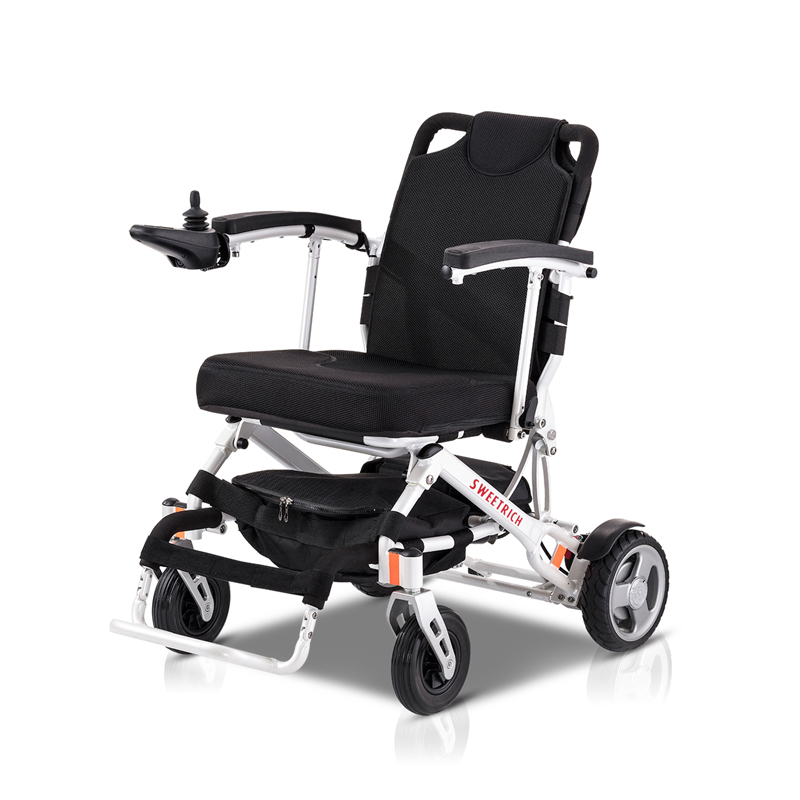
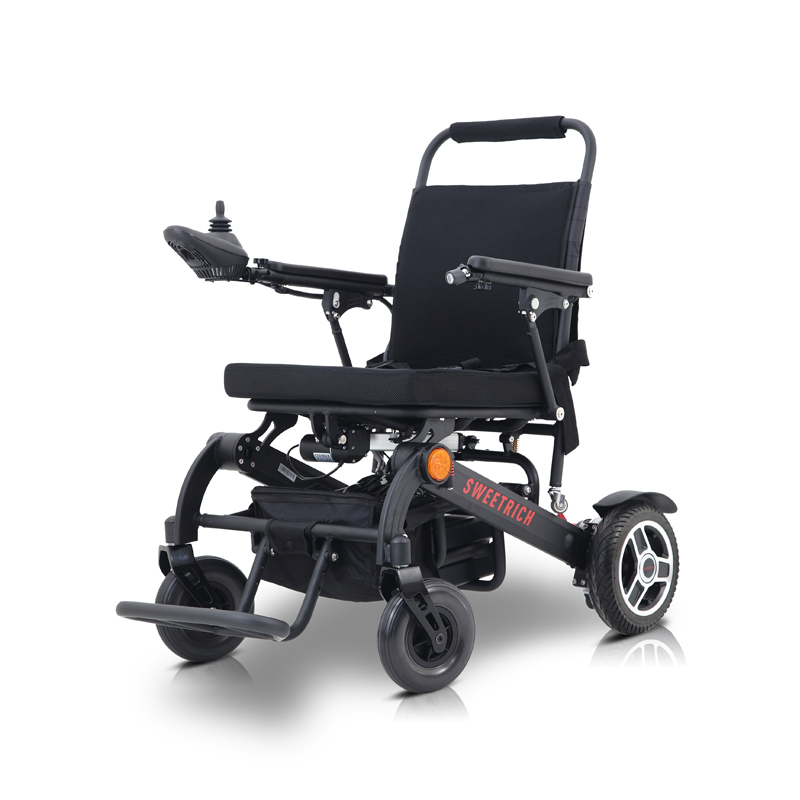
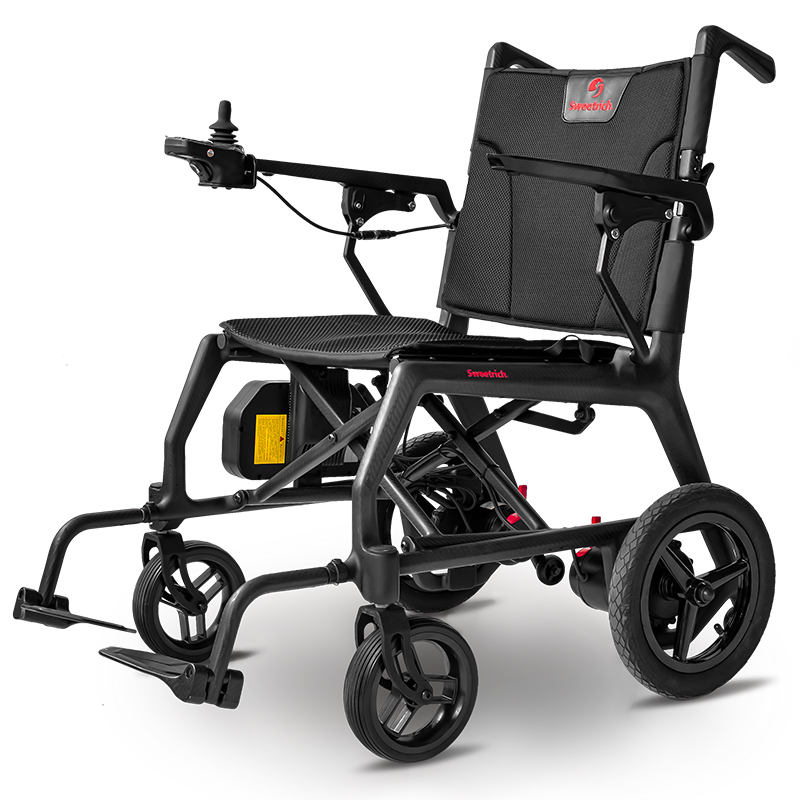
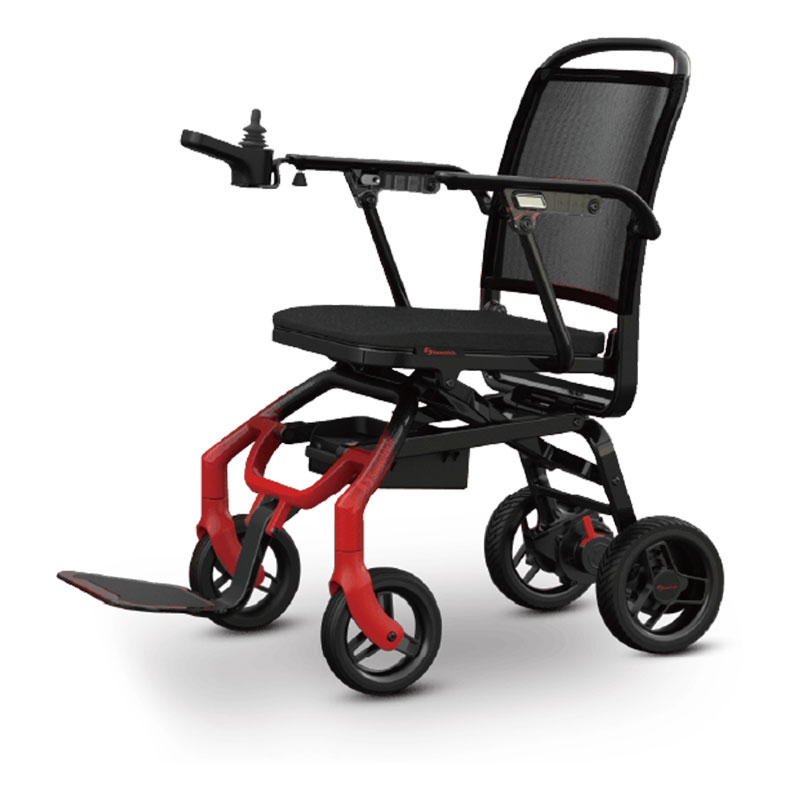
Instead of pushing with your arms or legs, an electric motor does all the work. Most models use a simple joystick that responds to a light touch. You can adjust the speed so the vehicle moves slowly and predictably—helpful when reflexes aren't what they used to be. For people who can't use their hands well, there are other options: controls moved by head tilts, or even sip-and-puff systems that work with breath. The result is that almost anyone can operate the vehicle with minimal physical demand.
Power and stability where it counts
These vehicles have enough torque to handle small hills, curbs, and rough pavement without the user having to strain. Good batteries—often lithium-ion—last through a full day of normal use. Wide, grippy tires and stable designs help prevent getting stuck on grass, gravel, or uneven sidewalks. Indoor models turn tightly so they can slip through doorways and around furniture without trouble.
Seating that actually supports the body
Comfort matters when you might sit in the vehicle for hours. Seats are padded to reduce pressure sores, with adjustable heights, backrests, and armrests that swing out of the way for easier transfers. Some models recline or add side supports to keep the body aligned, which helps with spasms or poor posture.
Safety features that don't rely on the user's strength
Automatic brakes kick in the moment you let go of the controls. Anti-tip wheels stop the vehicle from flipping backward on slopes. Lights, turn signals, and speed limiters add extra protection, especially in busy areas or at night.
| Safety Feature | Function |
|---|---|
| Automatic Brakes | Engage when controls are released to prevent unintended movement. |
| Anti-Tip Wheels | Prevent backward flipping on slopes. |
| Lights & Turn Signals | Improve visibility and communication in busy areas or at night. |
| Speed Limiters | Control speed for safer operation. |
Making Everyday Life and the Wider World Accessible Again
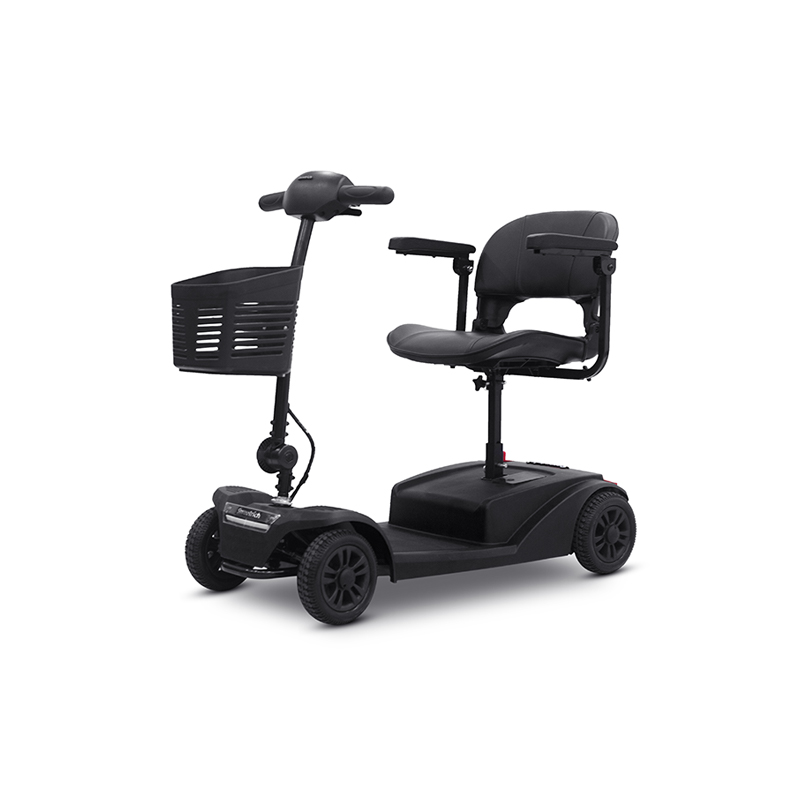
Inside the home, compact power chairs or scooters let people move from room to room—kitchen to bathroom to bedroom—without constantly asking for help. They can handle carpet, tile, and hardwood floors smoothly. For houses with steps, portable ramps or small lifts often make it possible to stay in familiar surroundings longer.
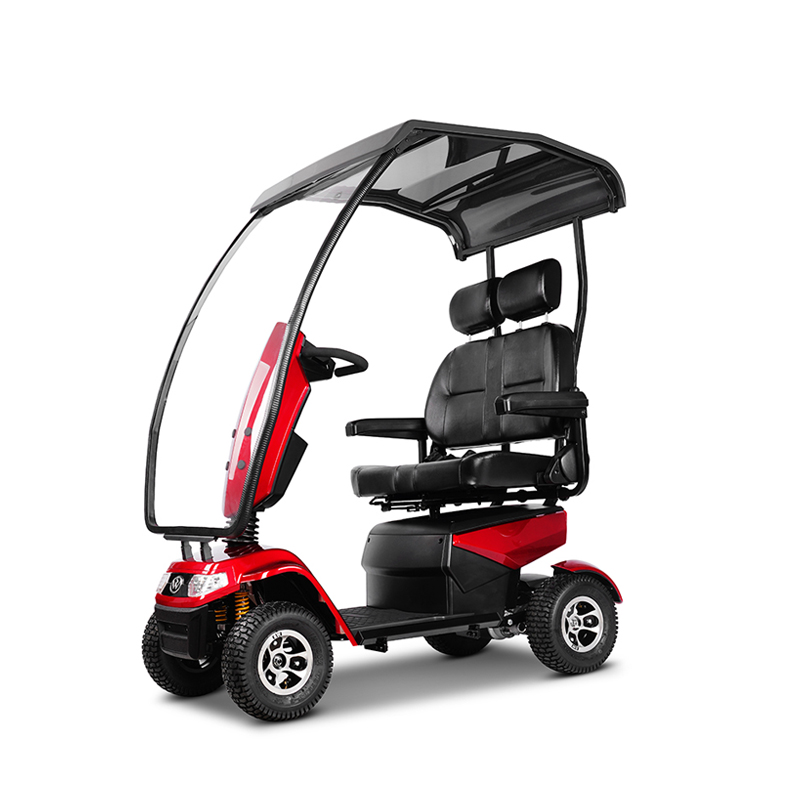
Out in the community, these vehicles open doors that used to stay closed. People can go grocery shopping, visit a café, attend a doctor's appointment, or meet friends without depending on someone else's schedule. In parks and nature areas, tougher outdoor models with bigger wheels and better suspension allow users to enjoy grass, trails, and gentle slopes—things many thought they'd have to give up.
For children and teens with disabilities, being able to keep up with classmates at the playground or school events makes a huge difference in confidence and friendships. For older adults, it can mean staying active, connected, and independent instead of feeling stuck at home.
Beyond Getting from A to B
The biggest gift these vehicles give isn't just movement—it's choice. Users decide when they want to leave the house, where they want to go, and how long they want to stay. That sense of control touches every part of life: self-respect, relationships with family and caregivers, and even the ability to keep working or start small side projects.
| Key Benefit | Description |
|---|---|
| Freedom of Movement | Enables users to decide when and where to go. |
| Increased Independence | Supports personal choices, reducing reliance on others. |
| Life Impact | Positively affects self-respect, family relationships, and work opportunities. |
In rural areas or places with poor public transit, electric mobility vehicles can make the difference between staying isolated and staying involved in community life.
What Still Needs to Improve
Even with all the progress, challenges remain. Not everyone can afford a good quality vehicle. Some cities and towns still lag behind on accessible sidewalks, ramps, and parking. Public awareness is often low—pedestrians and drivers don't always know how to share space safely with mobility scooters.
Better policies, more subsidies, and continued collaboration between manufacturers and actual users will help close these gaps. User feedback has already led to bigger control buttons, more comfortable seats, and easier-to-transport designs. That kind of listening needs to keep happening.
Sweetrich Mobility
In daily life, the true value of a mobility scooter is not found in grand moments, but rather in the quiet return of ordinary freedom—that sense of ease in stepping out the door without a second thought, and the confidence to navigate familiar surroundings with effortless grace.
It is precisely in this regard that choosing a thoughtfully designed product—such as those from Sweetrich Mobility—becomes particularly significant. By prioritizing tangible comfort, stable handling, and a design crafted to align seamlessly with real-world daily routines, it offers a riding experience that feels less like relying on an assistive device and more like rediscovering a natural rhythm of movement. When a mobility scooter responds gently, provides effortless support, and integrates seamlessly into the various spaces of one's home and community, it allows the user to shift their focus back to life itself—to reconnect with the people, events, and things that give everyday existence its profound meaning.