 info@sweetrich.cn
  +86-(0)512-82283871
Content
- 1 The Everyday Hurdles That Make Trips Feel Daunting
- 2 How Being Lightweight and Compact Changes the Game
- 3 Controls That Feel Natural, Even on Unfamiliar Ground
- 4 Seating and Support Built for Real Journeys
- 5 Handling Mixed Surfaces Without Constant Worry
- 6 Power That Keeps Pace With the Day
- 7 Fitting Into Planes, Cars, and Everything In Between
- 8 The Ripple Effect on How Travel Feels
- 9 Preparing Thoughtfully Without Overcomplicating Things
- 10 Wider Changes These Devices Support
- 11 What Lies Ahead in Design and Use
- 12 Sweetrich Mobility
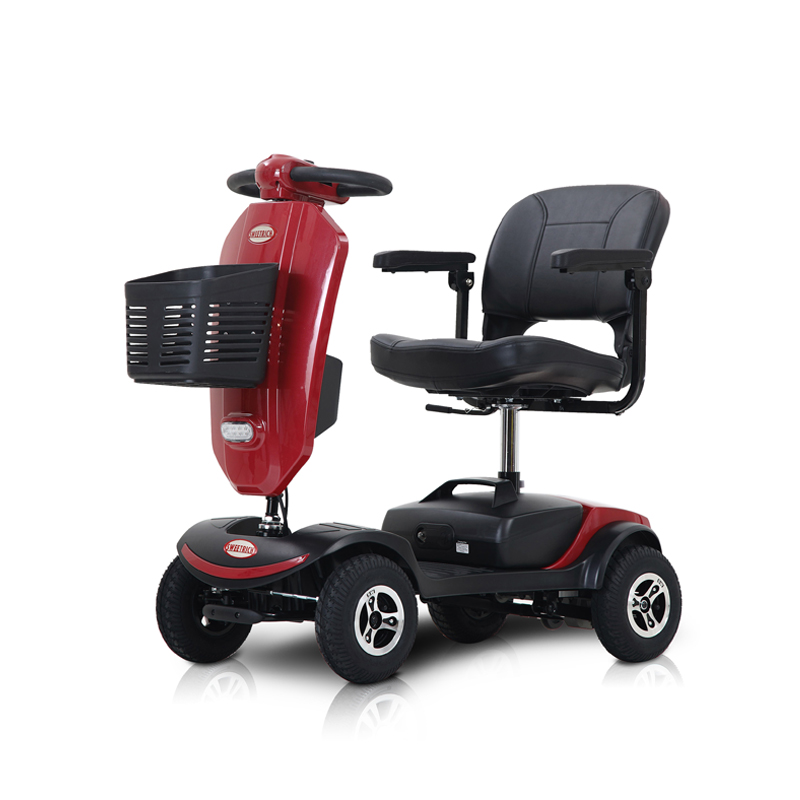
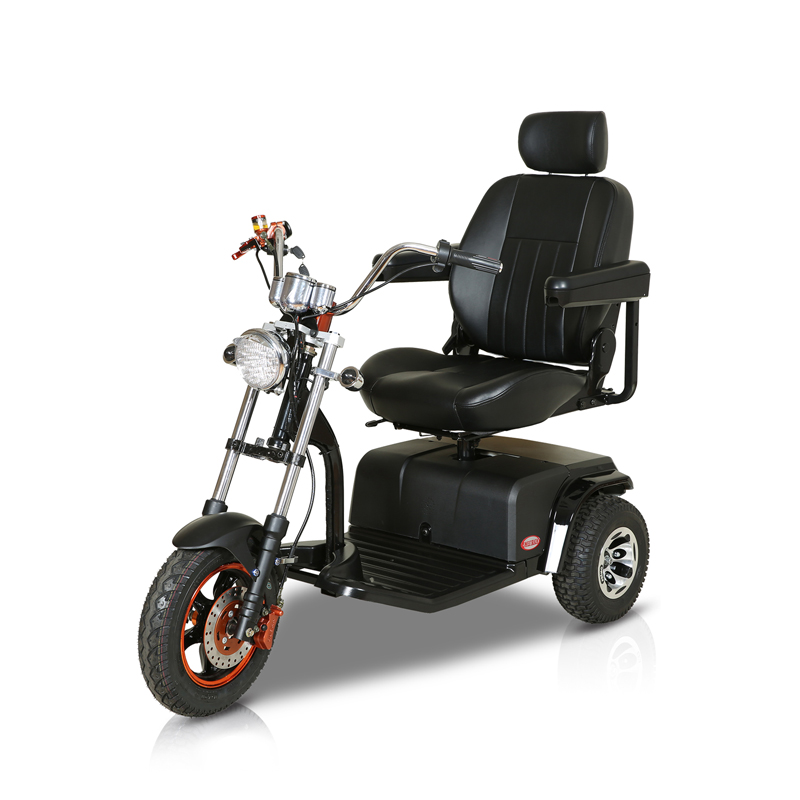
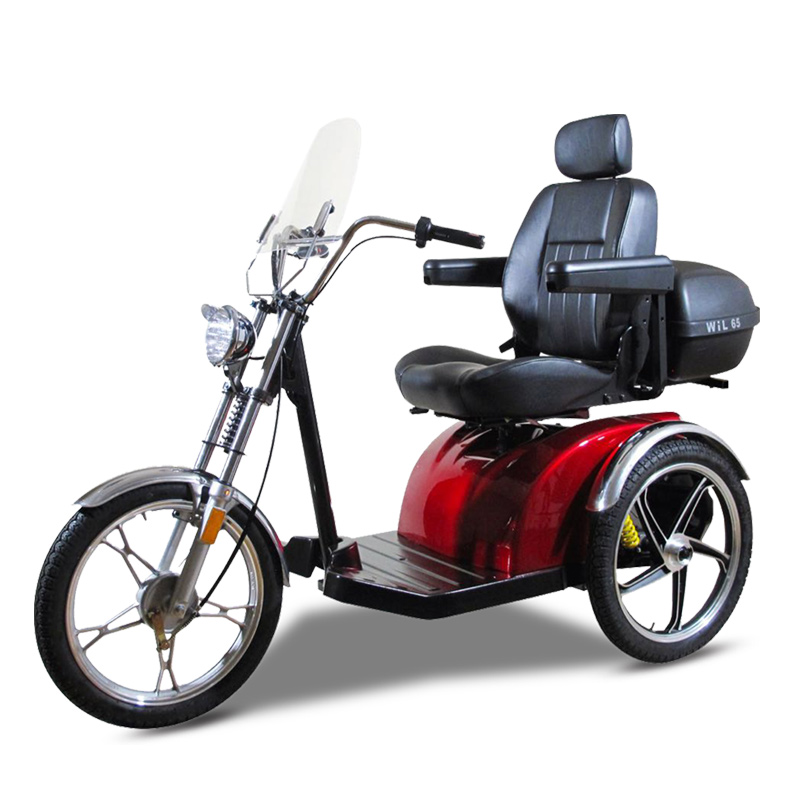
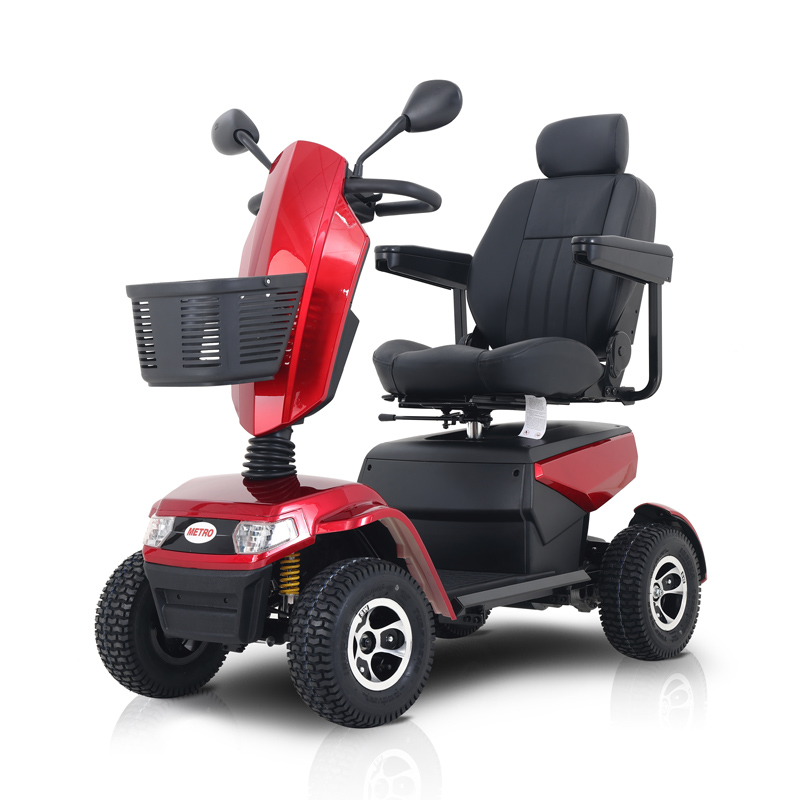
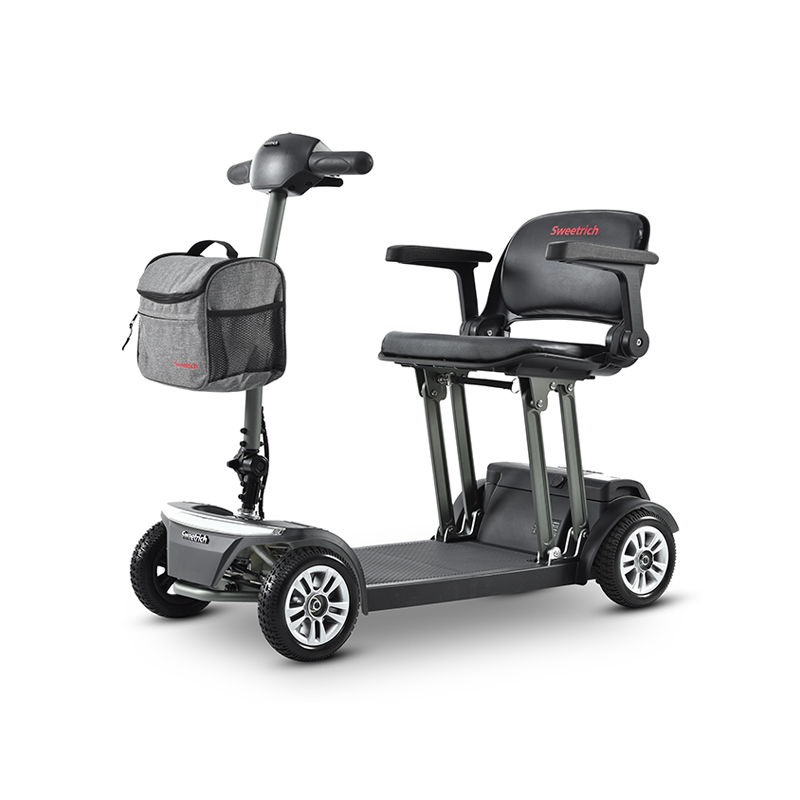
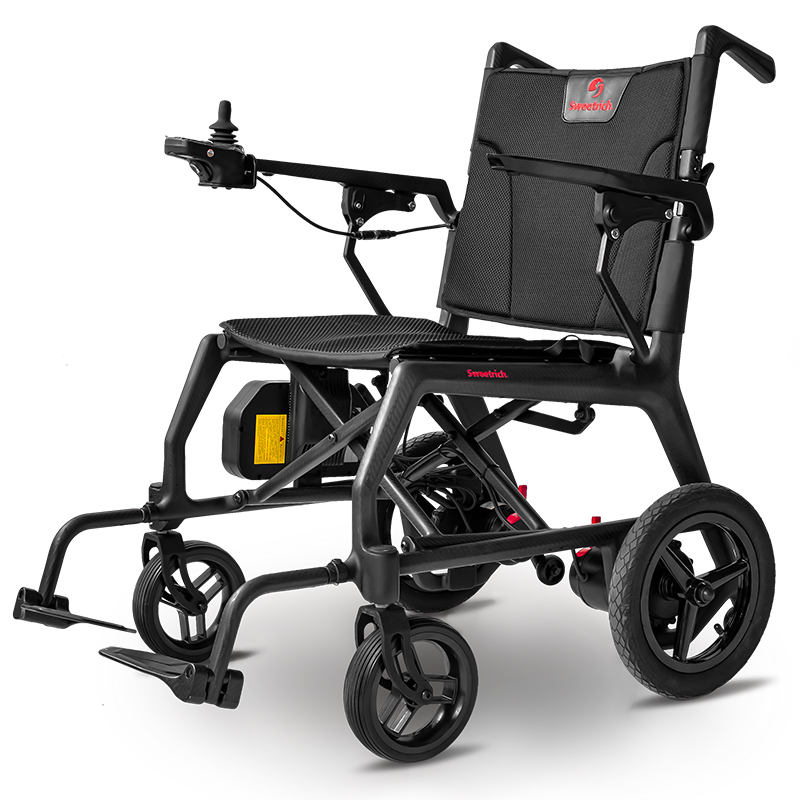
Travel has a way of reminding us how much freedom sits in the simple act of moving from one place to another. For folks whose bodies don't offer the same strength or stamina they once did—whether from years adding up, a health condition that lingers, time spent healing after an operation, or something they've lived with since childhood—packing a bag can stir equal parts hope and worry. Long hallways in airports, loading the car for a weekend away, or wandering through a new town suddenly demand energy that might not be there. That's where lightweight personal mobility devices, including solutions available through Wholesale Lightweight Scooter options, come into the picture. These compact electric scooters and power wheelchairs focus on being easy to live with, not just to ride. They shrink the gap between wanting to go somewhere and actually getting there without turning the whole trip into an ordeal.
What stands out about these devices isn't flashy technology but how they quietly solve the little frustrations that pile up during travel. They let someone steer their own day instead of watching it unfold from the sidelines. Over the years, designers have paid attention to the real moments that matter: lifting something into a trunk, rolling through a crowded gate area, or settling in for a long stretch at a destination. The result is gear that travels with you rather than against you.
The Everyday Hurdles That Make Trips Feel Daunting
Think about a typical journey. You start at home, maybe carrying a suitcase down a few steps or across the driveway. At the airport, the walk from check-in to the gate can stretch longer than expected, with security lines that require standing and shifting. Once you land, there's the rental car counter, hotel check-in, and then the actual exploring—sidewalks that dip unexpectedly, shops with tight aisles, or paths in a park that aren't perfectly smooth. For someone dealing with reduced strength in their legs, arms, or core, each of these steps drains reserves fast. Fatigue sets in, balance feels uncertain, and the joy of the trip starts slipping away.
Many people in this situation end up relying on family or friends to push, carry, or wait. That dependence can wear on relationships and on one's own sense of self. Others simply scale back their plans, choosing to stay closer to home or skip outings altogether. Road trips lose their spontaneity when every stop requires careful calculation. Flights become because the logistics feel overwhelming. Lightweight personal mobility devices step in by handling the propulsion and support, so the person using them can save their energy for conversations, sights, or just soaking in the moment.
How Being Lightweight and Compact Changes the Game
The thing that makes a real difference is how these devices manage weight and size. Frames use materials that keep things sturdy without adding unnecessary bulk, so lifting or guiding the pieces doesn't turn into a workout. When you're at the back of a car trying to load up before a long drive, every pound counts. A device that breaks down into manageable sections means one person can often handle it without straining or needing extra hands.
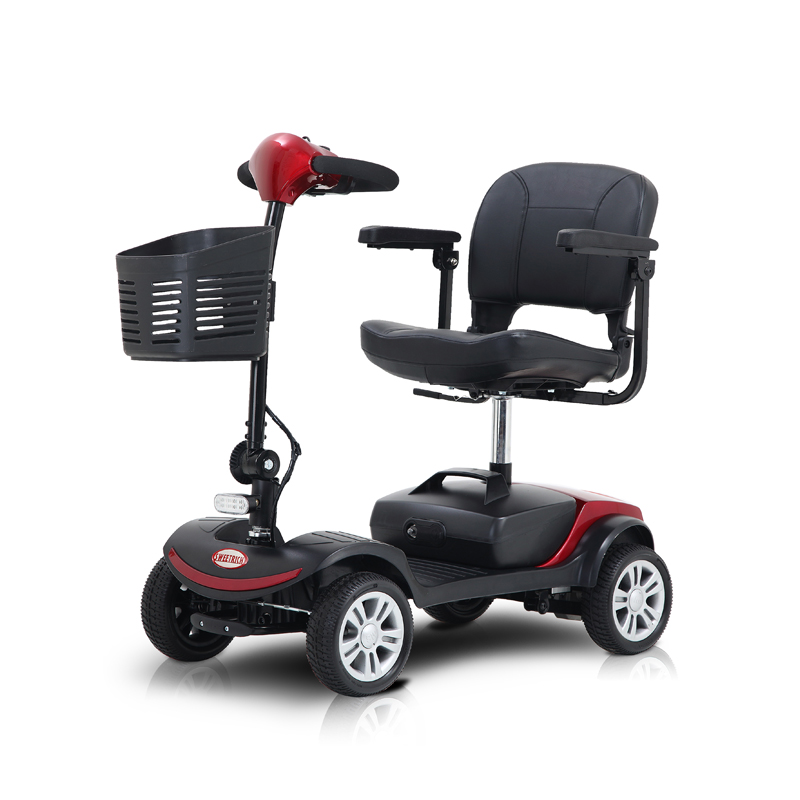
Compactness shows up in the way parts connect and separate. Some designs let you remove the seat, base, or power component with simple releases—no tools required in many cases. This turns the whole thing into something closer to oversized luggage that fits in a standard trunk or slides into available storage space. At an airport, that can mean checking it smoothly or keeping it nearby until boarding. Travelers often mention how this flexibility takes the panic out of departure day. Instead of wrestling with something oversized, the process feels routine, almost like packing an extra suitcase.
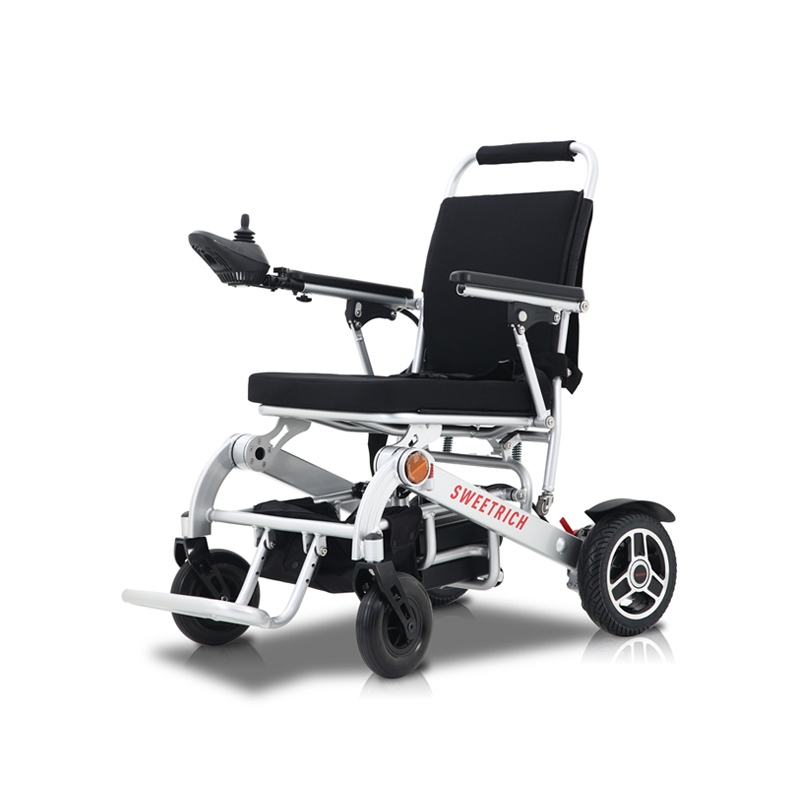
Folding mechanisms add another layer of ease. A quick sequence of levers or hinges collapses the frame into a narrower profile. Once folded, it rolls on its own small wheels, so you can move it through terminals like any other piece of baggage. In a hotel room, the smaller footprint tucks away neatly, leaving space to move around comfortably. This adaptability carries through the entire trip—from loading at home, to navigating transport hubs, to settling in at your destination.
Controls That Feel Natural, Even on Unfamiliar Ground
Operating the device needs to stay straightforward when surroundings keep changing. Controls usually sit right where hands naturally rest, responding to gentle pressure rather than forceful grips. A joystick or tiller lets you guide direction and speed with small movements, which helps when energy varies throughout the day. In a busy airport, you can ease along at a careful pace to weave around other travelers. On a quieter street near your hotel, a bit more speed covers ground without feeling rushed.
The power delivery stays even, so gentle rises or small surface changes don't demand sudden corrections. Braking often happens smoothly when you ease off the control, avoiding any jarring stops that could upset balance. Lights and signals help in shared spaces, especially during early mornings or evening returns when visibility drops. For those whose grip or coordination isn't always reliable, some setups include supports or alternative hand positions that keep things accessible without forcing awkward reaches.
This kind of intuitive operation means the focus stays on the trip itself. You notice the scenery or chat with companions instead of constantly thinking about managing the machine. Over a full day of moving between planes, cars, and walking paths, that mental and physical relief adds up.
| Key Idea | Simplified Meaning | Benefit |
|---|---|---|
| Intuitive operation | Easy, natural control | Less effort to manage device |
| Travel focus | More attention on surroundings | Better travel experience |
| Social interaction | Easier chatting with companions | Improved trip enjoyment |
| Multi-transport use | Works across planes, cars, walking paths | Smooth transitions |
| Reduced fatigue | Less mental and physical strain | More energy throughout the day |
Seating and Support Built for Real Journeys
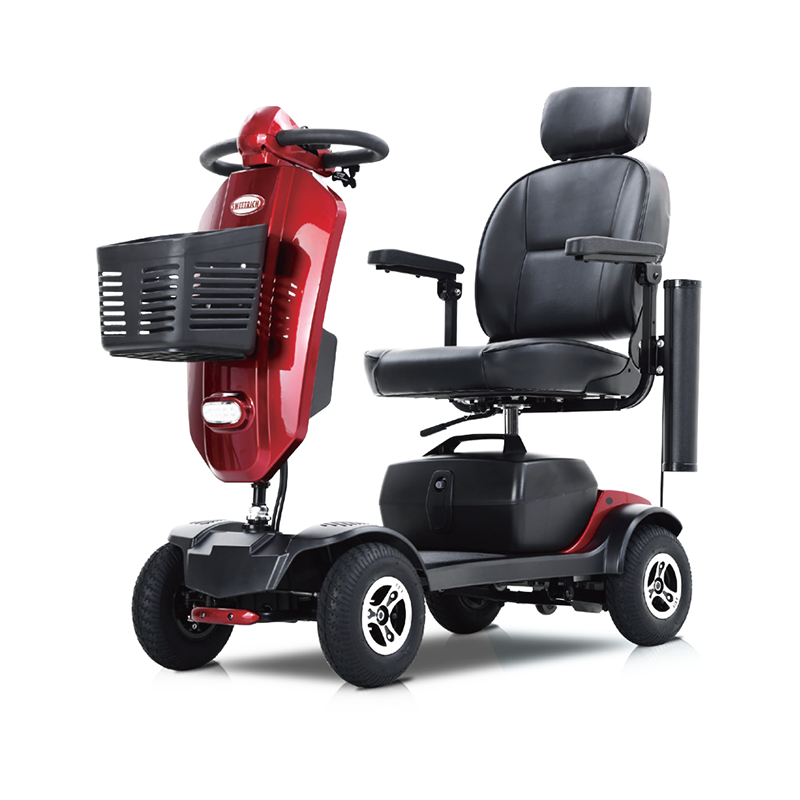
Comfort matters when you're in the device for stretches of time—waiting at gates, rolling through museums, or pausing at overlooks. Seats often have padding that cushions without feeling too firm or too soft, shaped to follow the body's natural lines. Adjustments to the backrest or arm positions let you tweak things for different activities: more upright for alertness, a slight recline for longer rides.
Foot and leg supports hold steady without digging in, and many swing or lift out of the way when it's time to transfer to a car seat, airplane row, or restaurant chair. Breathable fabrics help when moving from cooled airport air to warmer outdoor spots. For anyone who tires in the back or shoulders, the setup encourages better alignment so discomfort doesn't creep in as quickly.
These details turn the device into a mobile resting spot rather than just transportation. After a morning of travel, climbing back in feels familiar and supportive, not like starting over from scratch. At the end of an outing, you return with energy left for dinner or relaxing instead of collapsing from exhaustion.
Handling Mixed Surfaces Without Constant Worry
Travel throws together all kinds of ground: slick terminal floors, textured sidewalks, carpeted hotel lobbies, and sometimes gravel or grass at parks or historic sites. Wheel setups and base designs keep contact steady across these shifts. The spacing and tread help prevent slipping or catching, while small suspension elements soften bumps so the ride stays level.
Turning radius stays tight enough for indoor spaces like elevators or shop aisles, yet the overall stance provides stability outdoors on gentle slopes or uneven pavement. Anti-tip elements at key points offer quiet reassurance during turns or when pausing on ramps. Because the device manages these variations on its own, users don't have to brace or compensate with their own strength. That reliability opens up spontaneous choices—stopping to look at a view, wandering into a side street, or joining a group on a short trail—without second-guessing every surface.
Power That Keeps Pace With the Day
The energy system supports hours of use without constant checking. Charging connections work with ordinary outlets found in homes, hotels, or waiting areas. Many setups let the power source detach for easier handling during screenings or storage, then reconnect without fuss. This keeps the device ready for whatever the schedule brings, whether short hops between gates or longer exploration once you arrive.
Travelers often build simple habits around power: topping up during a layover coffee or overnight at the hotel. That predictability cuts down on anxiety about running low at the wrong moment. It also leaves room for flexibility—deciding on the spot to extend a walk or visit one more spot because you know the device has the reserves to match.
Fitting Into Planes, Cars, and Everything In Between
Air travel brings its own rhythm. A device that folds or separates often moves through check-in and gate areas with less complication. You roll it close, prepare it according to the airline's process, and pick it up again on arrival. Advance notice helps, but the compact nature usually means fewer surprises. Many people describe the relief of arriving at their destination with their own familiar support waiting rather than starting from scratch with rentals.
For road trips, loading becomes straightforward. Sections slide into the trunk or back seat, leaving room for luggage and other gear. Multiple stops feel less burdensome because unloading and reloading doesn't eat up time or energy. Public transport options, like trains or accessible shuttles, accommodate the smaller profile more readily, so mixed journeys—fly, then train, then local exploring—stay practical.
At the destination, the same device handles daily movement: getting to breakfast, touring attractions, or heading out for an evening meal. One piece of equipment serves the whole trip instead of switching between different aids.
The Ripple Effect on How Travel Feels
Beyond the mechanics, these devices shift the emotional side of traveling. Independence returns in small but powerful ways. You choose when to head out, which path to take, and how long to linger. Family or friends spend less time assisting with movement and more time sharing the experience. Conversations flow easier when no one is worn out from pushing or waiting.
For older adults visiting grandchildren, it might mean joining a park outing without worry. Someone recovering from surgery can travel to a reunion once healing allows, knowing support is built in. Younger people with ongoing conditions gain the confidence to explore cities or attend events on their own terms. The mental lift—knowing you won't be left behind or become a burden—often matters as much as the physical help.
Social connections strengthen too. Reduced fatigue leaves room for laughter, storytelling, and making memories instead of early returns to rest. In group settings, participation feels natural rather than negotiated.
Preparing Thoughtfully Without Overcomplicating Things
Smooth trips usually come down to a few practical steps practiced ahead of time. Folding and unfolding at home a few times removes hesitation on departure day. Checking basic details about ramps, elevators, or parking at your destination sets expectations without killing spontaneity. Packing a charger, simple tools for minor tweaks, and any personal adapters fits easily into existing luggage.
At airports or stations, extra time at the start smooths interactions with staff. Clear descriptions of the device's needs help everyone move efficiently. Once settled, a short test roll on local ground reveals any small adjustments for comfort. Between journeys, keeping wheels clean and connections secure becomes routine maintenance that pays off in reliability.
Wider Changes These Devices Support
Over time, lightweight personal mobility devices encourage broader patterns of living. Weekend getaways become realistic again. Distant family visits happen more often. Work or leisure travel stays on the table instead of fading into memory. Communities and travel spots gradually adapt as more people arrive with these solutions,to improved access that benefits everyone—wider paths, clearer signage, better parking options.
The devices also highlight how personal identity travels with us. Choosing colors or small custom touches lets the equipment feel like an extension of self rather than medical gear. That sense of ownership carries emotional weight when exploring new places.
What Lies Ahead in Design and Use
Developments continue to refine these ideas. Materials get lighter while holding strength. Folding actions grow smoother with repeated use. Control responses adapt more naturally to different paces and environments. Connections with phones for basic checks—like power levels or simple directions—may simplify planning without adding complexity during the ride.
Designers listen more closely to actual travelers, refining seat shapes, storage spots for small items, or ways to personalize appearance. As cities and transport systems pay greater attention to accessibility, these devices integrate more seamlessly into the flow of movement.
Sweetrich Mobility
In practical application, lightweight mobility scooters have evolved beyond being merely convenient modes of transport; they represent a pragmatic response to the demands of modern daily commuting. In today's dynamic travel landscape, flexibility, independence, and ease of operation are no less critical than the comfort experienced during the journey itself. By virtue of their foldable nature, ease of storage, and ability to navigate diverse and complex terrains with smooth efficiency, these scooters effectively bridge the gap between the planning of a trip and the unencumbered enjoyment of the destination upon arrival.
Within this sector, Sweetrich Mobility stands out as a manufacturer distinguished by its products' thoughtful engineering—designs that consistently prioritize real-world utility over a mere fixation on isolated technical specifications. The brand's emphasis on robust construction, portable design, and user-centric functionality reflects a profound insight into the actual needs of frequent travelers and everyday users alike—whether they are navigating airport terminals, exploring urban landscapes, or embarking on long-distance journeys.
Rather than viewing mobility aids as rigid, static solutions, Sweetrich Mobility regards them as integral components of a broader lifestyle ecosystem—one that empowers users with freedom of movement while ensuring that their daily travel remains practical, flexible, and backed by a discreet yet steadfast layer of reliable support.