 info@sweetrich.cn
  +86-(0)512-82283871
Content
- 1 Shared Elements in Mobility Scooters
- 2 Construction of 3-Wheel Mobility Scooters
- 3 Construction of 4-Wheel Mobility Scooters
- 4 How Stability Differs
- 5 How Maneuverability Differs
- 6 Outdoor Use Differences
- 7 Seating and Legroom Differences
- 8 Cost and Value Differences
- 9 Choosing Between 3-Wheel and 4-Wheel Models
- 10 Maintenance Practices for Both
- 11 Safety Practices for Both
- 12 Environmental Benefits
- 13 Future Developments
- 14 Sweetrich Mobility
Mobility scooters serve as seated, battery-powered aids that enable people with walking difficulties to move independently through homes, neighborhoods, stores, parks, and public facilities. These vehicles, carefully produced at a Mobility Scooter Factory, come in two main configurations: 3-wheel and 4-wheel models. Each type supports everyday activities by allowing comfortable travel without constant reliance on others. A user sits in a cushioned chair, holds a tiller column to steer, and adjusts speed with a hand lever. The wheel arrangement creates the primary differences in handling, space needs, and suitable settings.
Both designs use electric motors for quiet movement and rechargeable batteries for simplicity. They facilitate routine tasks such as shopping, visiting friends, or attending appointments. No fuel handling is required, and the lack of exhaust makes them suitable for indoor or sheltered areas when permitted. Regular short outings help maintain social ties and a sense of normalcy.
As accessibility becomes a greater focus in communities, mobility scooters help create spaces where individuals with mobility variations can take part more actively in daily life.
Mobility scooters share several basic features regardless of wheel count. The frame holds the seat, wheels, battery compartment, and tiller while distributing weight evenly. Materials combine strength with practical weight for stable yet manageable operation.
The seat offers cushioning for comfort during rides. Height adjustment fits leg length, and armrests aid entry while providing support; they typically swing upward for side access.
Controls center on the tiller. The horizontal bar turns to steer front wheels. A throttle lever—activated by thumb, finger, or wrist—propels forward when pressed ahead and reverse when shifted back. Switches manage lights, horn, and power.
Brakes activate via hand levers or automatic throttle release. Parking brakes secure stationary position. Lighting includes front lamps for visibility and rear indicators for awareness.
Storage often includes baskets or compartments for items. Batteries charge from household outlets, and motors deliver smooth power.
These common parts form a dependable foundation, with wheel setup driving the key distinctions.
Construction of 3-Wheel Mobility Scooters
3-wheel scooters place one wheel at the front and two at the rear. The single front wheel links directly to the tiller, allowing a tight turning circle. Rear wheels provide drive, with the motor positioned between them for balanced force.
Frames are narrower and lighter, supporting easy handling. Seats adjust vertically, and armrests flip aside for entry. Tires deliver grip on smooth surfaces.
The compact design fits standard doorways and aisles. Disassembly into sections eases vehicle transport.
These scooters emphasize agility in restricted areas, with controls arranged for straightforward use.
Construction of 4-Wheel Mobility Scooters
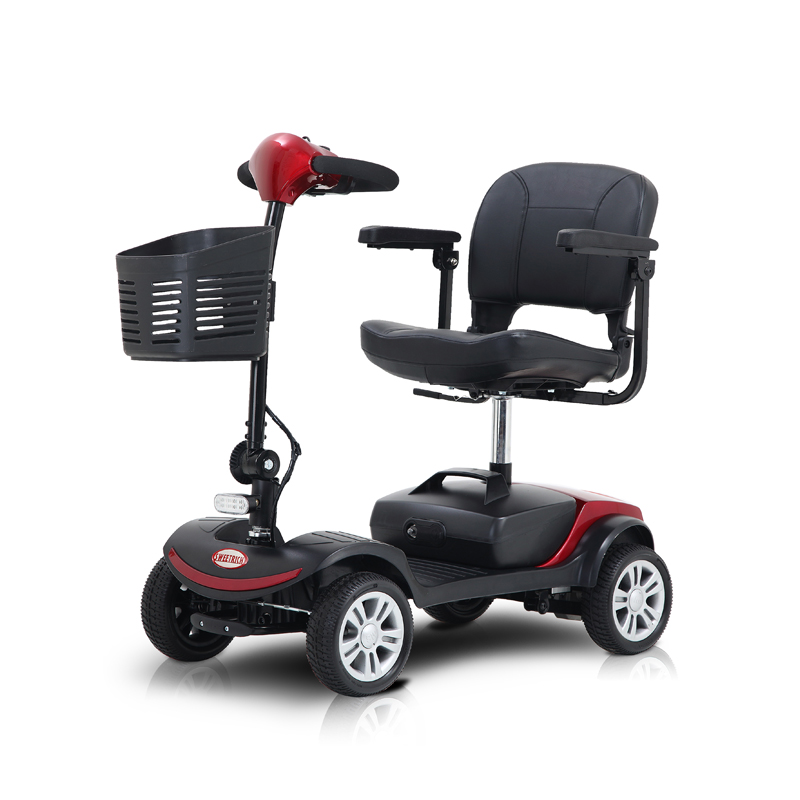
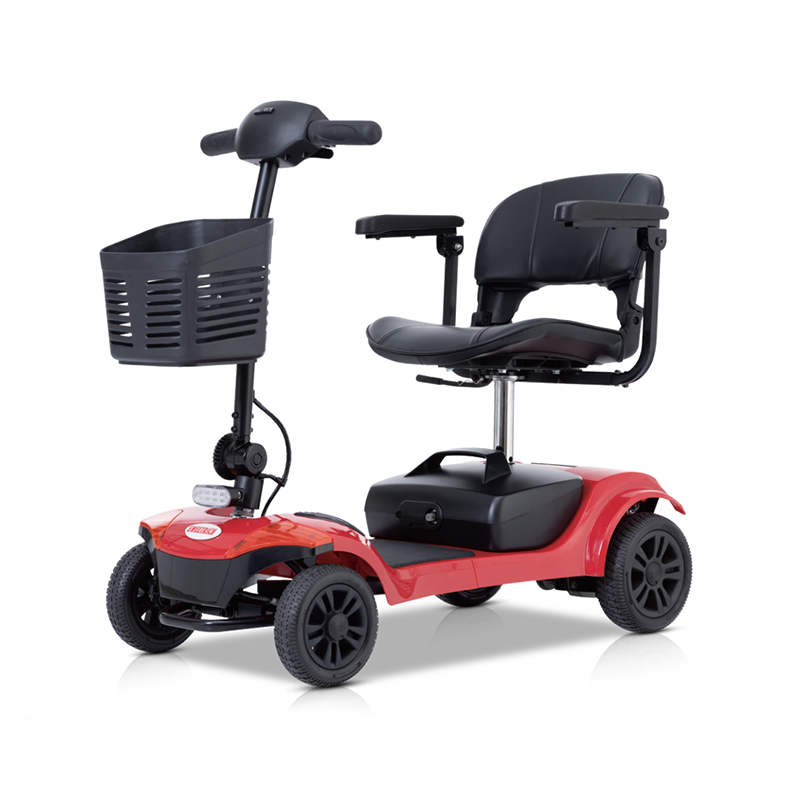
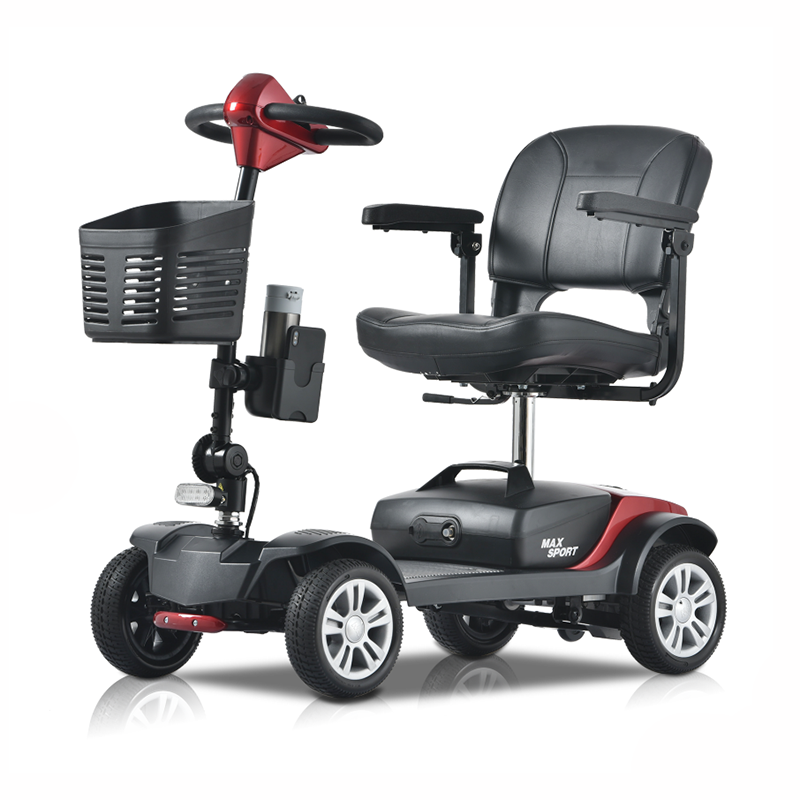
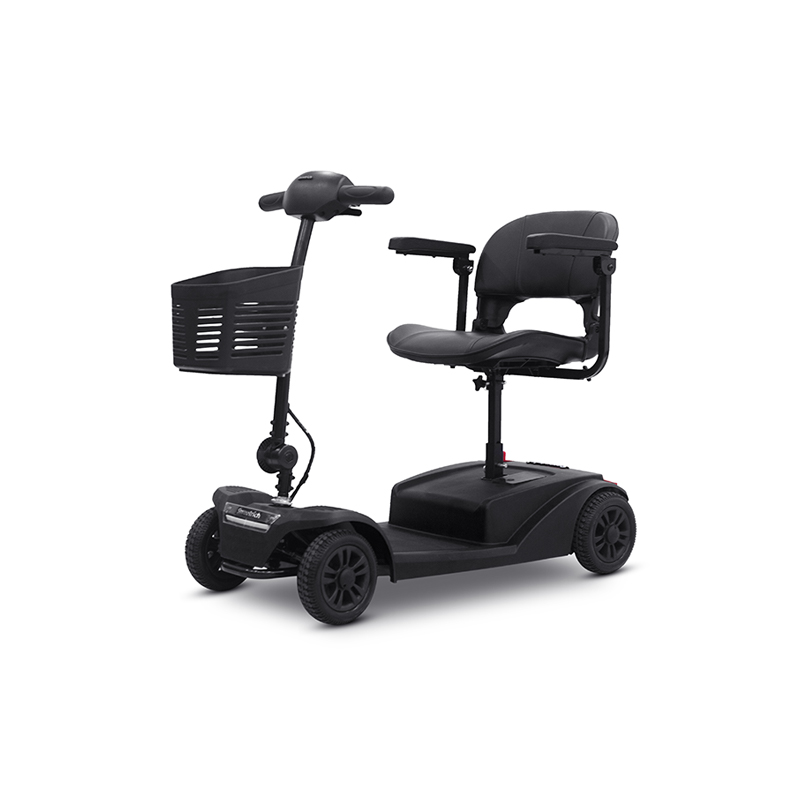
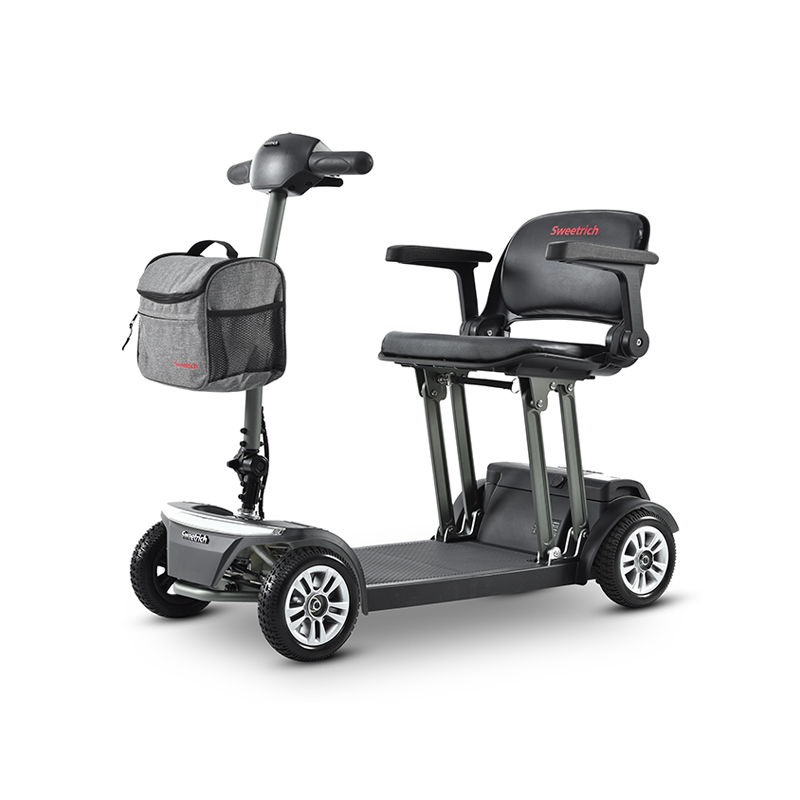
4-wheel scooters feature two wheels at the front for steering and two at the rear for drive. The tiller coordinates both front wheels for aligned turns. This layout forms a rectangular base, spreading weight across a wider area.
Frames are reinforced to support the additional wheel and ensure solidity. Seats provide ample space, with cushions suited for extended comfort. Armrests offer steady support.
Tires distribute load evenly. Motors power rear wheels, handling moderate slopes.
These scooters focus on durability and balance, with disassembly possible but less common due to overall size.
| Component / Feature | Description / Function |
|---|---|
| Wheel Layout | Two wheels front (steering), two wheels rear (drive) |
| Tiller & Steering | Coordinates both front wheels for aligned, smooth turns |
| Base / Footprint | Rectangular layout spreads weight across wider area for stability |
| Frame | Reinforced structure supports extra wheel and overall solidity |
| Seating | Ample legroom and space; cushioned for extended comfort |
| Armrests | Provide steady support and stability during rides |
| Tires | Distribute load evenly across four wheels |
| Motor & Drive | Powers rear wheels; capable of handling moderate slopes |
| Overall Focus | Durability and balance; disassembly possible but less common due to size |
How Stability Differs
Stability marks a clear contrast. 4-wheel scooters benefit from wheels positioned at four points, creating a broad stance. This setup resists tipping during turns, on slight inclines, or when weight shifts—such as reaching sideways or carrying a load.
3-wheel scooters operate on a triangular base. They stay balanced on even surfaces but can feel less secure on uneven ground or during sharper movements. The front wheel permits some lean, calling for measured throttle use.
Both deliver safe performance when used appropriately. 4-wheel models suit areas with surface changes, while 3-wheel models work well on level floors.
Personal comfort with balance influences selection.
How Maneuverability Differs
Maneuverability varies noticeably. 3-wheel scooters turn sharply due to the single front wheel. This permits passage through narrow doorways, crowded aisles, or small rooms with minimal clearance.
4-wheel scooters need more space for turns because of the dual front wheels. They navigate open areas smoothly but require extra room in confined settings.
Both respond to tiller input. 3-wheel models feel nimble indoors or in stores. 4-wheel models offer steady control outdoors.
Main use locations shape preference.
Weight, Size, and Portability Variations
Weight and dimensions affect ease. 3-wheel scooters are lighter and more compact. Their slimmer frame simplifies lifting or storage and fits vehicle trunks when separated.
4-wheel scooters carry additional weight from the extra wheel and sturdier construction. They provide resilience but can require assistance for moving.
Both allow breakdown for transport. 3-wheel models favor regular relocation, while 4-wheel models often remain stationary.
Outdoor Use Differences
Outdoor handling differs. 4-wheel scooters cope with uneven surfaces such as cracked sidewalks, light grass, or gravel more effectively. The wheel placement spreads weight, reducing jolts and improving traction.
3-wheel scooters perform well on smooth pavement but may encounter issues on loose material or dips. The front wheel can catch, suggesting slower speeds.
Both feature sealed parts for weather protection. 4-wheel models suit parks or trails, 3-wheel models favor urban sidewalks.
Seating and Legroom Differences
Seating and legroom vary. 4-wheel scooters have a wider base, allowing greater leg extension and a more open feel. Seats accommodate different body sizes comfortably for longer periods.
3-wheel scooters have a more forward-oriented leg area. Seats adjust for fit but may feel tighter for some.
Both include padded seating and armrests. 4-wheel models support extended rides, 3-wheel models suit shorter journeys.
Cost and Value Differences
Cost reflects design. 3-wheel scooters are generally more affordable due to simpler construction and fewer parts. They deliver practical value for everyday needs.
4-wheel scooters involve higher costs from added stability elements and materials. They often include features like enhanced suspension.
Both vary with optional extras. Budget aligns with usage patterns and terrain.
Choosing Between 3-Wheel and 4-Wheel Models
Selection involves reviewing routines. Determine primary settings—tight indoor spaces or outdoor varied surfaces. Trial rides reveal handling differences.
Evaluate storage and transport needs. Consider weight for lifting or vehicle fit.
Battery range and upkeep requirements matter. Match the scooter to typical travel for satisfaction.
Expert advice helps ensure proper fit.
| Step / Factor | Key Considerations / Actions |
|---|---|
| Review Daily Routines | Identify primary use (tight indoor spaces vs. outdoor varied surfaces) |
| Trial Rides | Test handling differences between 3-wheel and 4-wheel models |
| Storage & Transport Needs | Evaluate size, disassembly, weight for lifting, and vehicle fit |
| Battery Range & Maintenance | Assess travel distance and upkeep requirements against typical trips |
| Match to Lifestyle | Choose model that fits regular travel patterns for satisfaction |
| Expert Advice | Consult professionals to confirm proper fit and suitability |
Maintenance Practices for Both
Maintenance remains consistent. Charge batteries after rides to prevent deep discharges. Inspect tires for wear and inflation.
Clean frames, seats, and wheels regularly. Check brakes, lights, and connections.
Store in dry locations. Both benefit from periodic attention.
Safety Practices for Both
Safety is consistent. Signal in shared areas. Control speed on slopes or crowds.
Wear visible clothing. Secure items. Both feature brakes and lights. Follow local guidelines.
Environmental Benefits
Electric scooters produce no direct emissions for local travel. Charging requires limited energy.
Both designs reduce reliance on fuel vehicles for short trips. Responsible battery recycling sustains advantages.
Future Developments
Battery advancements aim for extended range and faster charging. Materials lighten weight while keeping strength.
Controls improve for ease of use. Safety features advance with better visibility and response.
Designs emphasize adaptability to diverse needs.
3-wheel and 4-wheel mobility scooters offer practical choices. Their differences allow selection based on individual circumstances, supporting continued independence in everyday life.、
Sweetrich Mobility
As seasons change and routines settle into familiar patterns, Sweetrich Mobility slips quietly into the background of everyday life, becoming the gentle companion that makes ordinary moments feel a little more manageable. Riders find themselves gliding past the same corner market they've known for years, the tiller steady in hand, the seat cradling them comfortably as the world moves by at an unhurried pace. A quick stop at the neighbor's porch, a smooth turn through a familiar doorway, the soft click of the parking brake—these small actions carry a subtle sense of control and ease. Sweetrich Mobility doesn't demand attention or promise grand transformations; it simply stays ready, waiting for the next short journey, offering a quiet reliability that lets people keep showing up, keep connecting, keep living on their own terms, one gentle ride at a time.