 info@sweetrich.cn
  +86-(0)512-82283871
Content
- 1 Why Are Uneven Roads a Challenge for Personal Mobility?
- 2 What Features Help an Outdoor 4 Wheel Scooter Handle Uneven Roads?
- 3 Weight distribution is another important consideration.
- 4 What Maintenance Helps Preserve Outdoor Performance?
- 5 What Should Buyers Consider Before Choosing an Outdoor 4 Wheel Scooter?
- 6 How Is Outdoor Mobility Equipment Continuing to Evolve?
- 7 Is an Outdoor 4 Wheel Scooter a Practical Choice for Uneven Roads?
Why Are Uneven Roads a Challenge for Personal Mobility?
People often picture outdoor travel as a simple extension of indoor mobility. In reality, the experience can be quite different. A smooth shopping center floor offers a predictable surface. Outdoor routes rarely do.
A short trip may involve several ground conditions within a relatively small area. Pavement can become cracked without warning. Gravel may appear along the edge of a path. Grass often looks flat from a distance, yet hidden dips and soft spots are common. Even well-maintained walkways develop uneven sections after years of exposure to changing weather conditions.
Interestingly, large obstacles are not always the main concern. Many mobility challenges come from smaller imperfections that occur repeatedly. A slightly raised edge here. A shallow depression there. None seems significant on its own. Together, they influence how a scooter moves, turns, and responds.
The effect becomes more noticeable over time.
Outdoor terrain also introduces uncertainty. Conditions change from season to season and sometimes from day to day. A dirt path that felt firm during one outing may become softer after moisture exposure. Gravel shifts. Grass grows unevenly. Pavement settles.
Because of this, outdoor mobility is rarely just about moving from one point to another. It is also about maintaining comfort and control while dealing with surfaces that never remain completely consistent.
Many experienced riders eventually reach a similar conclusion. Stability matters. Comfort matters. Yet the ability to handle ordinary imperfections often becomes the deciding factor in daily outdoor use.
What Features Help an Outdoor 4 Wheel Scooter Handle Uneven Roads?
People sometimes focus on a single specification when evaluating mobility equipment. Outdoor performance rarely works that way.
A scooter behaves as a complete system. Wheel arrangement, tire design, frame structure, clearance from the ground, and suspension all influence one another. Removing or weakening one element can affect the overall riding experience, even when the remaining components perform well.
The relationship between those features becomes especially important once smooth pavement ends.
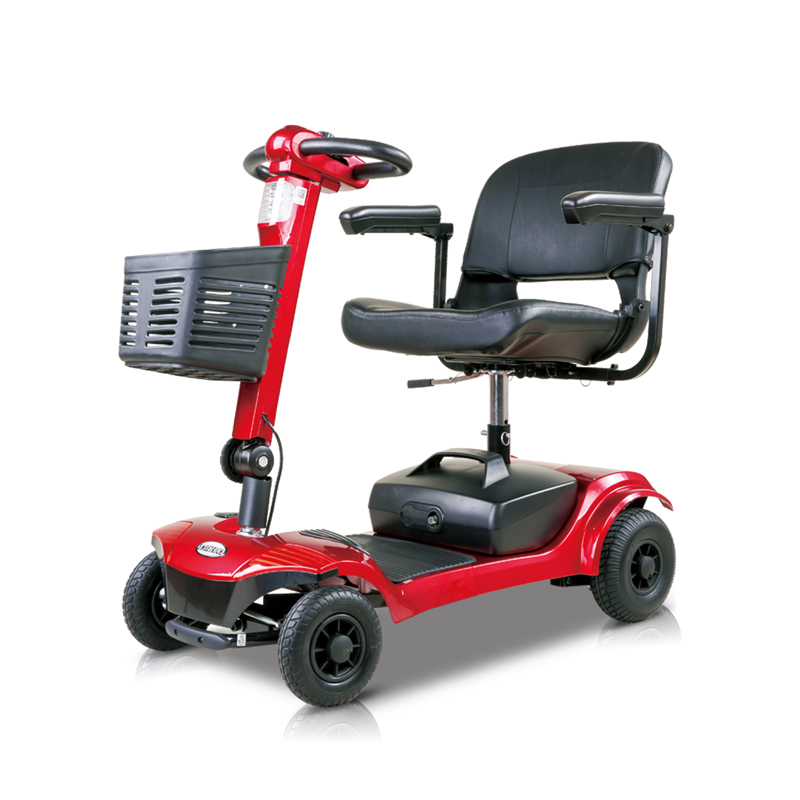
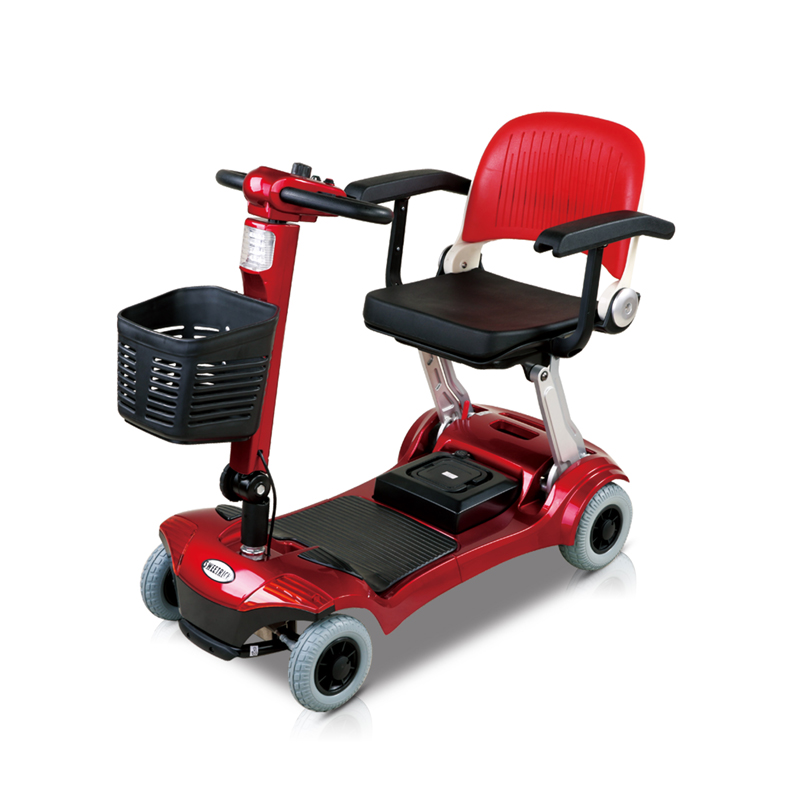
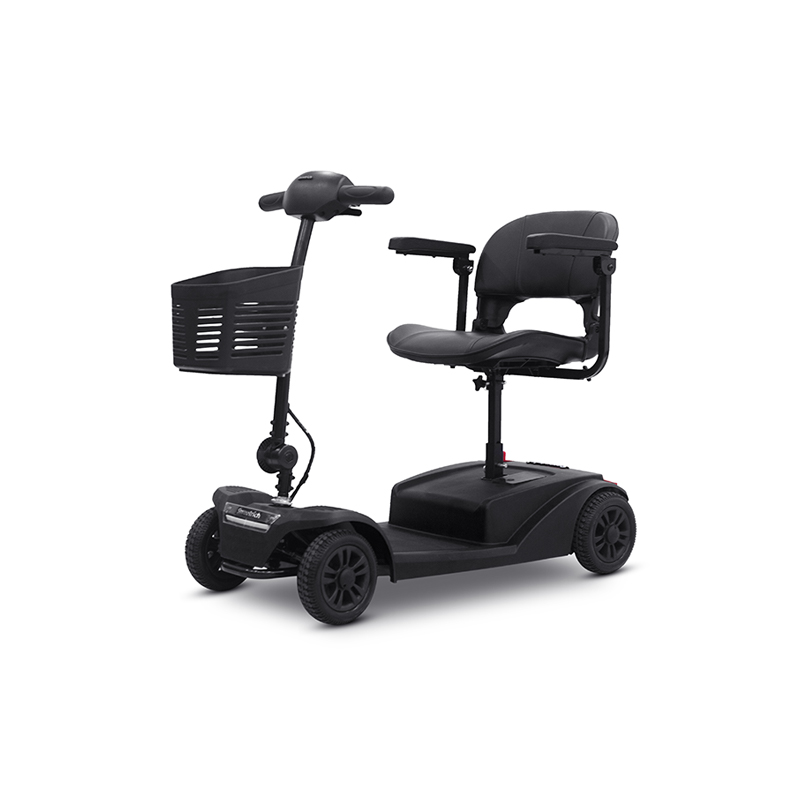
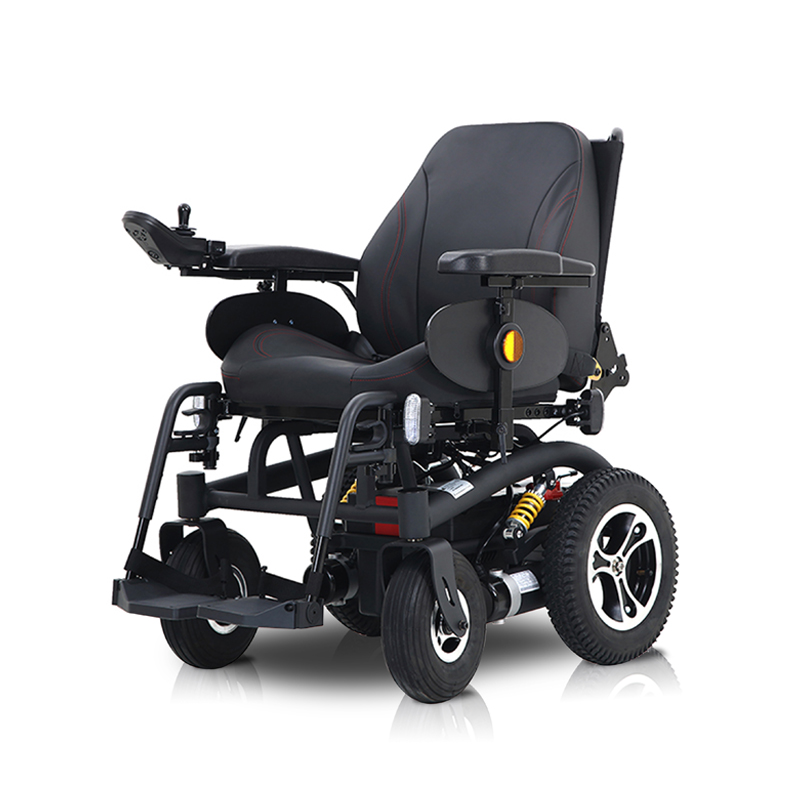
How Does a Four-Wheel Design Improve Stability?
Outdoor terrain has a habit of placing wheels at different heights.
One wheel may climb over a small bump while another remains on level ground. A slight slope may affect one side of the scooter more than the other. Such situations occur constantly during outdoor travel, often without attracting much attention from the rider.
The value of a four-wheel configuration becomes easier to appreciate under those conditions.
Rather than concentrating support within a narrower footprint, the scooter maintains contact with the ground across a broader area. The result is not dramatic. Riders rarely experience a sudden realization that stability has increased. Instead, the scooter simply feels calmer.
Small disturbances create less movement.
That difference becomes particularly noticeable on routes where surfaces change frequently. Moving from pavement onto gravel, then back onto concrete, introduces a series of subtle transitions. A wider wheel arrangement helps smooth out those changes.
Another aspect is rider confidence.
People tend to steer more naturally when they feel secure. Excessive concern about balance often leads to hesitation and constant correction. A stable platform reduces that tendency, allowing movement to feel more relaxed and predictable.
In practical terms, stability is not only about preventing problems. It is also about reducing the amount of attention required to avoid them.
Why Does Ground Clearance Matter Outdoors?
Many outdoor environments contain minor obstacles. Tree roots gradually push upward beneath pathways. Pavement edges become uneven. Small debris collects along frequently used routes. None of these features is unusual.
Problems arise when the lower portion of a scooter sits too close to the ground.
Even modest contact between the underside of the frame and a raised section of terrain can interrupt movement. Sometimes the effect is little more than an uncomfortable jolt. In other situations, progress may become less smooth than expected.
Additional clearance creates extra space for dealing with those irregularities.
A useful way to think about clearance is not as a tool for overcoming major obstacles, but as a buffer against countless minor ones. Outdoor travel involves many small variations in ground level. A scooter positioned slightly higher often handles those variations with fewer interruptions.
The benefit may seem subtle. Over longer distances, however, smoother movement can make a noticeable difference to overall comfort.
How Do Tires Influence Surface Adaptability?
Tires perform a simple task. They connect the scooter to the ground.
Despite that simplicity, they influence alMany every aspect of outdoor mobility.
Different surfaces place different demands on a tire. Gravel requires grip. Grass introduces resistance. Uneven pavement challenges wheel stability. Dirt paths can vary between firm and loose conditions, sometimes within the same route.
The size of a tire affects how obstacles are encountered. Larger wheels generally approach bumps and surface changes more gradually. Rather than striking an obstacle sharply, they tend to roll over it in a smoother manner.
Many riders notice the effect without immediately understanding the reason behind it. The ride simply feels less abrupt.
Traction plays an equally important role.
Outdoor surfaces rarely offer the consistency found indoors. Loose material can shift beneath the wheels. Slight moisture can alter surface characteristics. Maintaining reliable contact with the ground helps support steadier steering and more controlled movement.
There is also a comfort element involved.
Not every vibration reaches the rider with the same intensity. Tire construction can absorb part of the movement generated by rough terrain before it travels through the rest of the scooter. Although each individual impact may be small, the cumulative effect becomes easier to appreciate during longer journeys.
What Role Does Frame Construction Play in Outdoor Mobility?
A mobility scooter frame does not attract much attention during everyday use. Many people notice wheels, controls, or seating long before they consider structural design.
A rough pathway may generate hundreds of minor movements during a single trip. Each one transfers energy into the scooter. The frame is responsible for managing those forces while maintaining stability.
Good structural design often goes unnoticed. Riders simply experience a scooter that feels composed. Less rattling. Less unnecessary movement. A more settled ride.
Weight distribution is another important consideration.
A balanced structure helps prevent one area of the scooter from carrying excessive load. Movement tends to feel more natural when forces are spread evenly throughout the frame rather than concentrated in specific sections.
Perhaps the Many interesting aspect of frame design is that its contribution becomes more apparent over time.
During a short test ride, differences may seem minimal. After extended outdoor use across varying terrain, structural characteristics often become easier to recognize. A scooter that remains stable and comfortable throughout changing conditions usually benefits from thoughtful engineering beneath the surface.
How Does an Outdoor 4 Wheel Scooter Perform on Different Types of Uneven Roads?
The phrase "uneven road" covers a surprisingly wide range of conditions.
A gravel pathway behaves differently from a dirt trail. Grass presents different challenges than cracked pavement.
Understanding those differences helps create more realistic expectations.
Can It Travel Comfortably on Gravel Paths?
Gravel introduces movement beneath the wheels.
That is what makes it different.
Unlike concrete or asphalt, gravel is not a fixed surface. Individual stones shift slightly as weight passes over them. Steering responses can feel less direct, particularly for riders who spend Many of their time on pavement.
A Outdoor 4 Wheel Scooter generally remains more composed in such situations because weight is spread across a wider base. The surface may still move, though the scooter itself often feels steadier.
Riding technique matters as well.
Sharp steering corrections tend to disturb loose material unnecessarily. Gradual movements usually produce smoother results. Experienced outdoor users often develop a slower, more deliberate approach when crossing gravel sections.
The terrain itself remains unchanged. The ride feels more controlled.
How Does It Handle Grass and Dirt Trails?
Natural surfaces can be surprisingly deceptive.
A grassy area may look smooth from a distance. Once a scooter enters the space, subtle variations begin to appear. Slight hollows, uneven growth patterns, and hidden soft patches can influence wheel movement.
Dirt trails present a similar situation.
Some sections remain firm and compact, providing stable support. Others become loose or uneven due to regular use and environmental changes. Conditions may vary considerably along the same route.
Under such circumstances, stability becomes particularly valuable.
Riders cannot always predict what lies ahead. A balanced four-wheel platform helps reduce the impact of unexpected surface changes. Instead of reacting to every small variation in terrain, the scooter maintains a more consistent feel beneath the rider.
That consistency often contributes as much to comfort as any individual component or feature.
What Maintenance Helps Preserve Outdoor Performance?
Outdoor use leaves a different kind of trace on a scooter. Not always visible. Dust settles into joints. Small grit hides near the wheels. Bits of grass or damp soil cling to lower parts after passing through parks or rough paths.
Everything may still look normal on the surface. Movement feels fine. Steering responds as expected. Yet wear builds quietly in the background, step by step.
Why Should Tires Be Checked Regularly?
Tires carry everything outdoors. They touch every uneven section, every loose patch, every change in surface texture.
Over time, that constant contact leaves marks. Not only in the obvious sense of wear, but also in how the ride feels. A slight pull to one side. A softer response on gravel. Small differences that appear slowly, alMany without notice.
A quick look before or after a ride often reveals more than expected. Cuts, uneven edges, or simple pressure loss can change how the scooter behaves on rough ground.
Nothing complicated here. Just attention.
How Can Cleaning Support Long-Term Reliability?
Outdoor paths rarely stay clean.
Even a short trip can bring back fine dust, tiny stones, and plant debris. Many of it settles around the wheels or lower frame. Some of it works its way deeper over time.
Cleaning is less about appearance and more about keeping things from slowly tightening or clogging. Many riders fall into a simple rhythm: return home, brush off the visible dirt, check the wheel area, move on.
It doesn't need to be a long process.
What Components Deserve Periodic Attention?
A scooter doesn't wear evenly.
Wheels face constant pressure. Suspension parts deal with repeated impact. Frame joints absorb vibration from every uneven patch of ground.
Many of this happens quietly. No warning signs at the beginning.
A loose sound while turning. A slightly different feel when crossing a bump. These are often early hints that something needs attention.
No need for deep inspection every time. A short visual check is often enough to notice changes before they grow.
How Can Battery Care Support Outdoor Mobility?
Battery use in outdoor riding tends to follow a different rhythm. Trips are longer. Stops are less frequent. Charging habits sometimes vary more than expected.
What matters here is consistency.
Keeping a stable charging routine helps avoid sudden drops in performance during longer outdoor movement. Storage conditions also play a role. Heat, damp areas, or long idle periods can slowly affect overall behavior.
Many issues don't appear suddenly. They develop gradually when habits are irregular.
What Should Buyers Consider Before Choosing an Outdoor 4 Wheel Scooter?
Choosing a scooter for outdoor use is rarely about a single feature. Real life doesn't work in straight lines. One day might involve smooth pavement. Another might include gravel, grass, and uneven sidewalks in the same trip.
So the focus usually shifts toward daily patterns rather than specifications alone.
What Terrain Is Encountered Many Often?
Routes matter more than assumptions.
A path used every day says more than occasional travel. Some people move Manyly through paved community areas. Others pass through parks, mixed surfaces, or rural-style paths where ground conditions change often.
What shows up every day deserves more weight than what appears once in a while.
Looking at familiar surroundings often gives a clearer answer than any list of features.
How Important Is Ride Comfort?
Comfort becomes more noticeable with time.
A short ride doesn't reveal much. Everything feels manageable at the beginning. But uneven surfaces behave differently during longer travel. Small vibrations start to accumulate. The body begins to notice patterns the mind ignored earlier.
Comfort depends on several small factors working together. Seat shape, wheel response, suspension behavior, and how the frame handles vibration all play a part.
None of them works alone. The combined effect shapes the experience.
Will Travel Distance Influence the Decision?
Distance changes expectations.
Short trips across familiar areas don't require the same level of endurance as longer outdoor movement. Once travel extends further, small discomforts become more noticeable.
A scooter that feels fine for quick errands may feel different during extended use on mixed terrain. That shift often surprises people who only tested it briefly at the beginning.
Understanding how far and how often travel happens makes the choice more grounded.
| Terrain Type | Surface Behavior | Rider Experience | Scooter Response |
|---|---|---|---|
| Smooth pavement | Stable and predictable | Low vibration feel | Consistent rolling |
| Gravel paths | Loose and shifting | Mild irregular feedback | Variable traction |
| Grass areas | Soft with hidden dips | Uneven pressure under wheels | Reduced rolling efficiency |
| Dirt trails | Compact or loose sections | Mixed comfort level | Dependent on soil condition |
| Cracked pavement | Sudden level changes | Intermittent jolts | Momentary balance shift |
Are Storage and Transportation Considerations Important?
Practical use extends beyond riding.
Where the scooter sits when not in use matters. How it fits into daily routines matters. Whether it stays in one place or moves between locations also matters.
These details don't feel urgent during early consideration. Later, they become part of everyday experience.
A design that matches real living conditions tends to create fewer complications over time.
How Is Outdoor Mobility Equipment Continuing to Evolve?
Outdoor mobility design doesn't stand still. It slowly adjusts to how people actually move through space—uneven paths, mixed surfaces, unpredictable ground.
The direction is not dramatic change. More like steady refinement.
Can Suspension Systems Continue to Improve Ride Quality?
Suspension often deals with something simple in idea, difficult in practice: reducing the effect of constant small impacts.
Outdoor paths are rarely smooth for long. Even good surfaces carry imperfections. The aim is not to remove all vibration, which isn't realistic, but to soften how it reaches the rider.
Improvement tends to focus on balance—keeping movement stable without making the system feel overly rigid or overly soft.
How Might Future Designs Respond to Different Surfaces?
Surfaces change quickly outdoors.
A scooter may move from concrete to gravel within seconds. Later it may cross grass or slightly uneven soil. Each section behaves differently under pressure.
Design attention is slowly moving toward handling that variety more naturally. Not by isolating one terrain type, but by adapting to shifts without drawing attention to them.
What Role Will Materials Play?
Material choice quietly shapes everything.
Strength matters because outdoor use creates repeated stress. Weight matters because it affects control. Flexibility matters because vibration never travels in a straight pattern.
Finding a balance between these factors is more important than focusing on a single trait.
Changes in materials often feel subtle to users, yet they influence comfort and durability over long periods.
How Could User Experience Shape Future Development?
Real usage often tells a different story than design plans.
Small things stand out over time. How easy it feels to start moving. How steady it feels on uneven ground. How tiring it becomes after repeated trips.
Feedback from everyday riding tends to highlight issues that specifications don't fully capture.
Because of that, design direction increasingly reflects lived experience rather than theoretical performance.
Is an Outdoor 4 Wheel Scooter a Practical Choice for Uneven Roads?
Uneven roads are part of outdoor life. They don't appear in a single form, and they rarely stay consistent. Gravel shifts. Pavement breaks over time. Grass hides small changes in ground level.
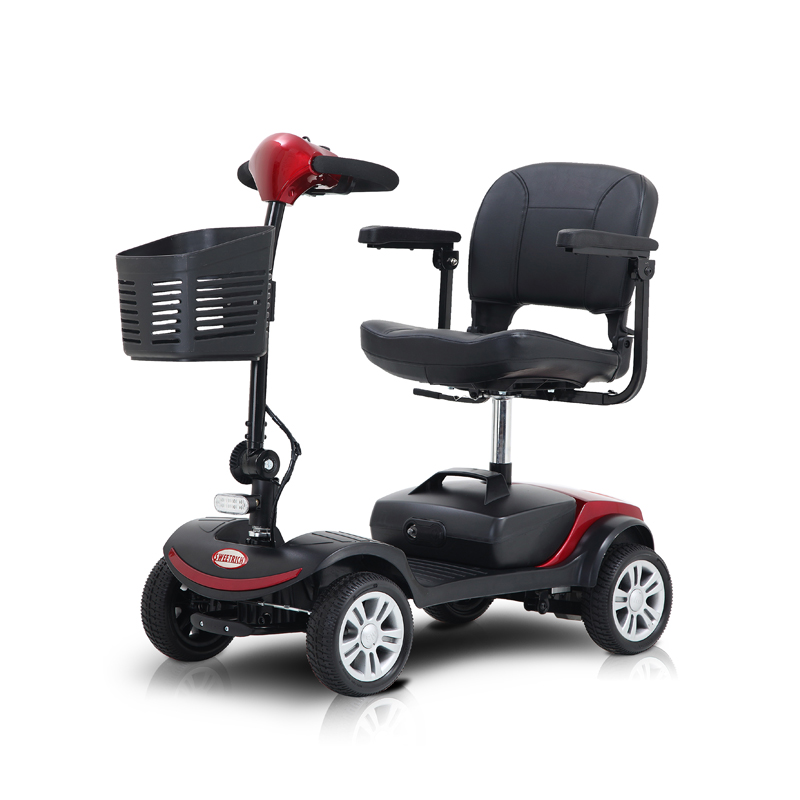
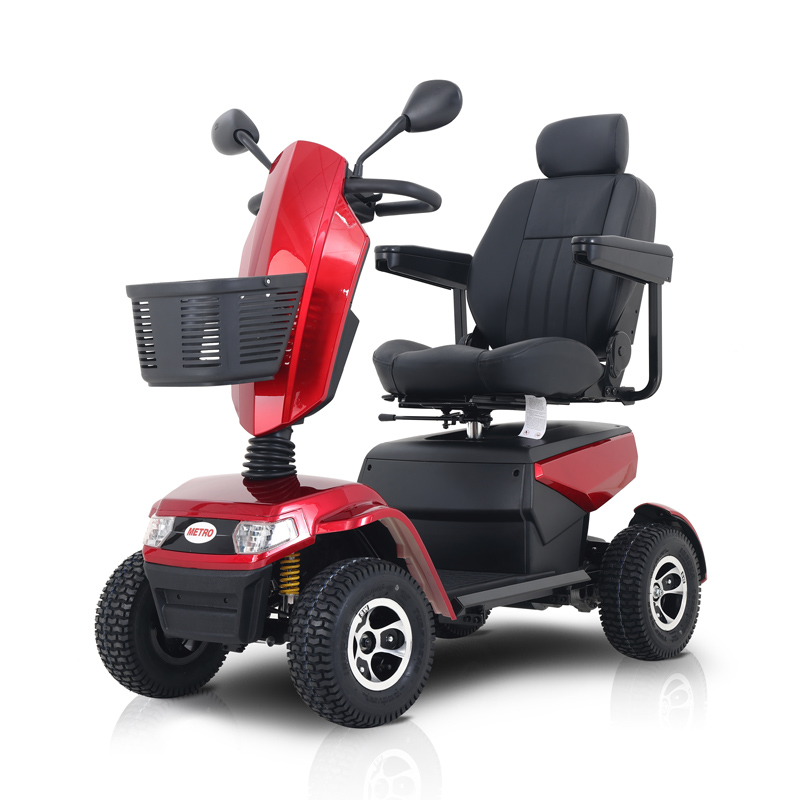
A four-wheel structure helps create a steadier base across those variations. Ground clearance reduces contact with small obstacles. Tire behavior shapes how the surface feels during movement. Suspension softens repeated impact.
None of these elements removes rough terrain. That isn't realistic.
What they do is reduce how strongly those conditions are felt during travel.
In everyday use, that difference often matters more than technical detail. A Outdoor 4 Wheel Scooter that feels steady across changing surfaces tends to fit into daily routines more naturally. A less predictable ride often requires more attention and effort.
Outdoor mobility, in the end, is less about ideal conditions and more about handling ordinary ones without making the journey feel complicated.