 info@sweetrich.cn
  +86-(0)512-82283871
Content
- 1 Seating That Respects the Body Over Time
- 2 Controls That Match Real Hand Strength and Coordination
- 3 Frame and Wheelbase Choices That Handle Everyday Surfaces
- 4 Braking That Feels Predictable in Any Condition
- 5 Lights That Extend Safe Travel Hours
- 6 Geometry and Sensors That Discourage Tipping
- 7 Putting the Pieces Together
- 8 Sweetrich Mobility
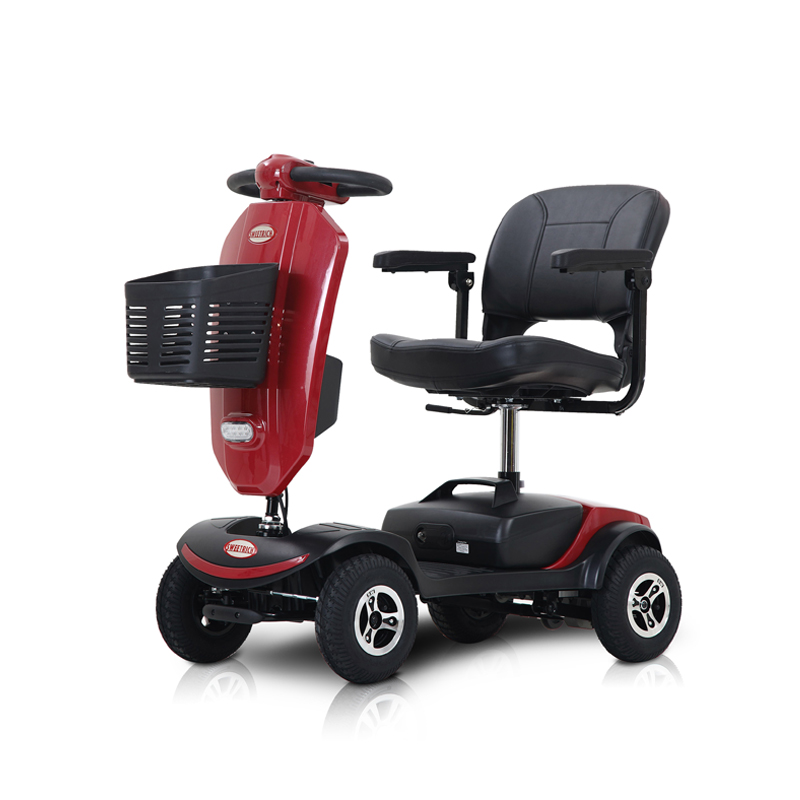
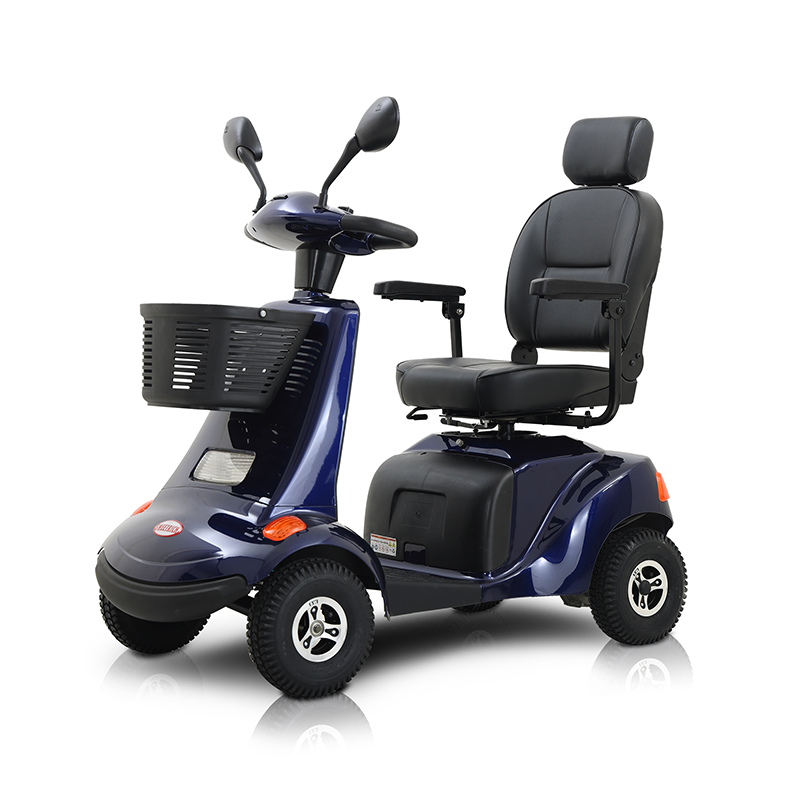
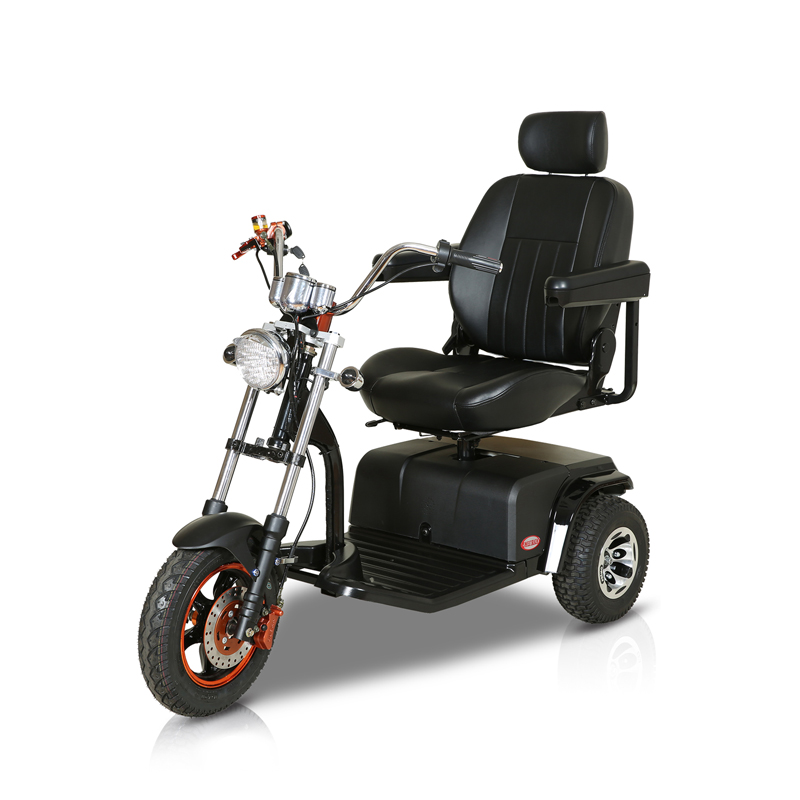
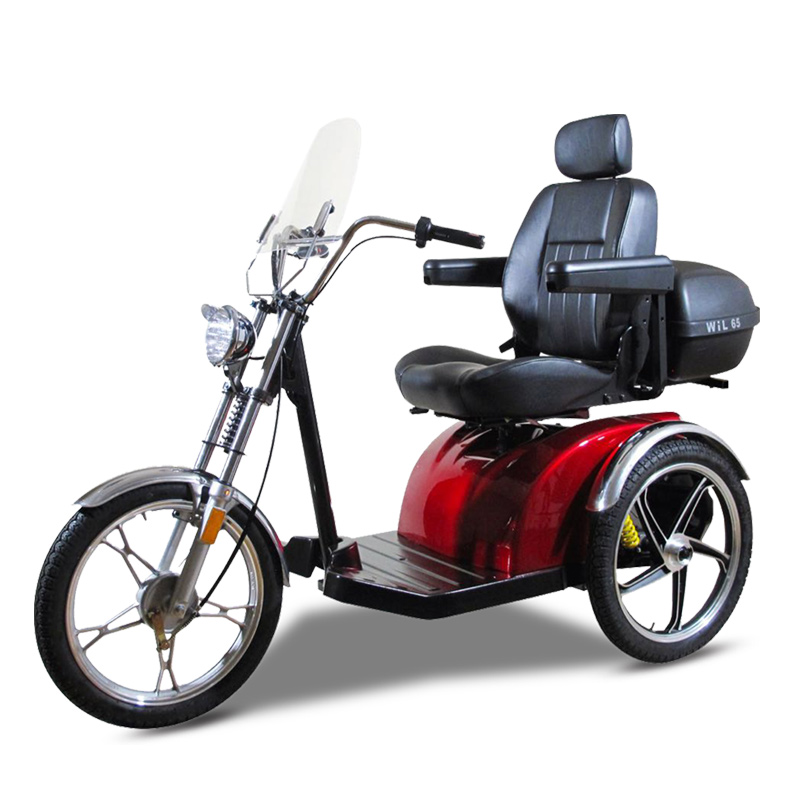
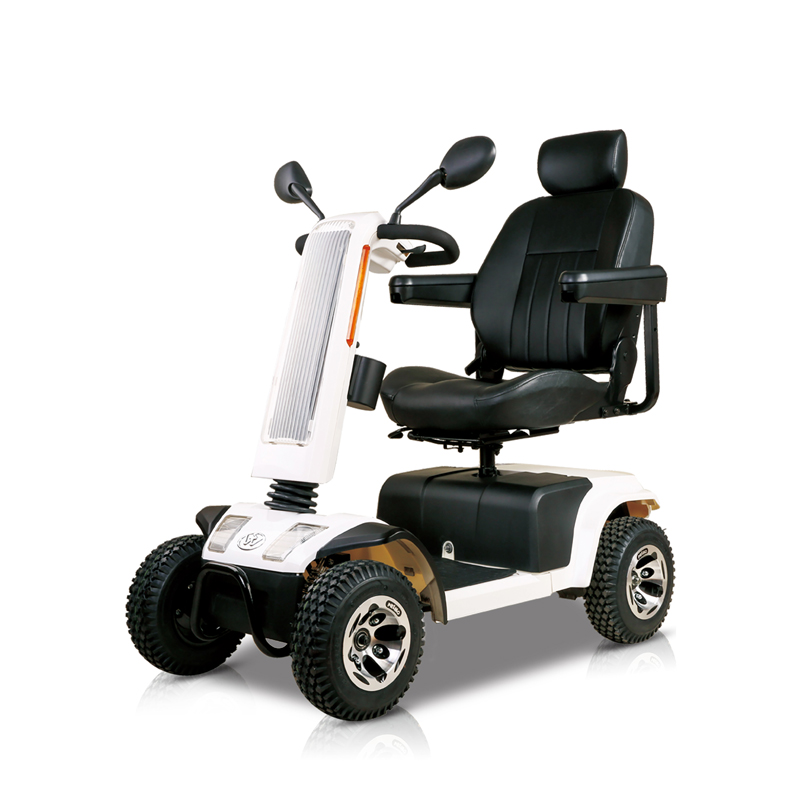
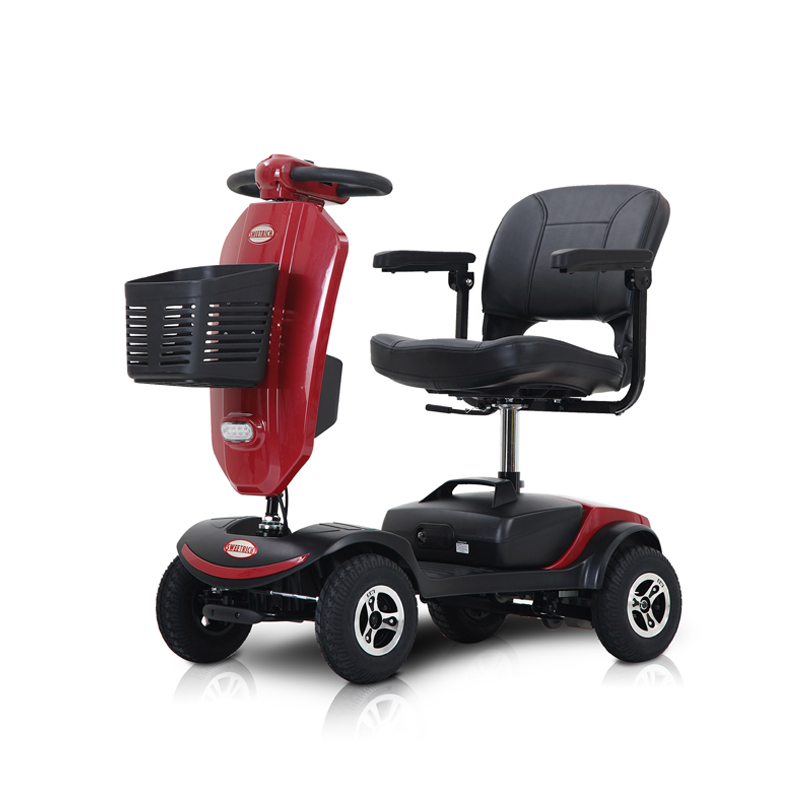
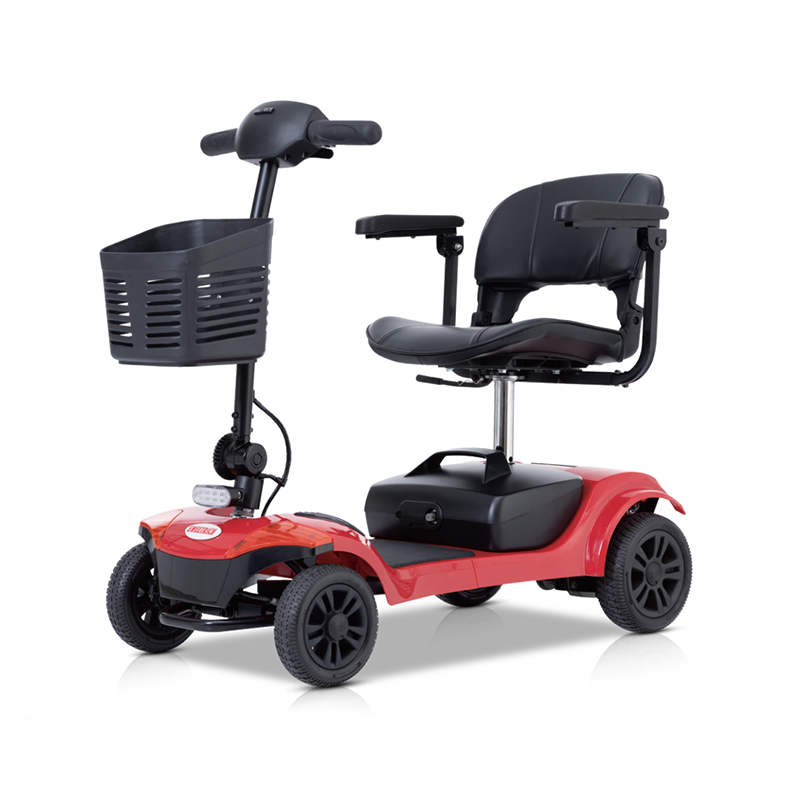
Mobility scooter give many older adults and individuals with walking limitations a practical way to move through daily life. Shopping trips, visits to neighbors, attendance at community events, short errands, or simply enjoying fresh air become realistic options again when a person no longer needs to rely solely on walking pace or the availability of someone to assist. The difference lies in how well the scooter matches real human needs during actual use rather than in theoretical situations.
Comfort during longer rides, ease of operation even on days when energy or hand strength is lower, stable behavior over changing ground, predictable stopping, adequate visibility in dim light, and built-in protection against tipping together determine whether a scooter feels like helpful equipment or like an additional burden. When these aspects receive careful attention, the vehicle supports independence instead of merely providing movement from one place to another.
Seating That Respects the Body Over Time
The place where a person sits for twenty minutes or two hours deserves thoughtful design. A seat shaped to follow the gentle S-curve of the spine helps keep the back in a position that avoids unnecessary strain. When the lower back receives steady contact and the upper back is allowed to rest without being forced forward, gradual discomfort develops more slowly.
Cushioning needs enough give to spread body weight across a wider area yet enough firmness to prevent sinking so deeply that posture collapses. Materials that slowly return to shape after compression maintain consistent support ride after ride. This balance reduces the localized pressure that often leads to numbness or soreness after extended sitting.
Air movement through the seat surface matters, particularly when temperatures rise or when clothing traps heat. Coverings that allow ventilation keep the seated area drier and cooler than solid, non-breathable surfaces would. Less trapped moisture means less irritation during rides that last through the warmest part of the day.
Height from the ground to the seat surface affects ease of getting on and off far more than many people expect before trying different models. A level that requires only a modest lift of the legs and a small bend at the hips suits a wider range of users than one that demands deep squatting or high stepping. Some scooters allow the seat itself to raise or lower a short distance or to tilt slightly forward or backward. Small adjustments like these let one person use the same vehicle comfortably on different days or let different household members share it without major compromise.
Armrests that sit at an appropriate height and angle give the shoulders and elbows a place to relax instead of staying tense for the entire ride. Padding on top prevents hard edges from pressing into forearms. Footrests wide enough to let feet rest flat and far enough apart to avoid a cramped feeling help circulation in the legs and reduce the chance of pins-and-needles sensations.
People frequently report that well-considered seating lets them stay out longer than they originally planned. A trip that might have been cut short after fifteen minutes because of back ache or hip pressure can stretch to forty-five minutes or an hour when the seat distributes load sensibly and allows natural posture. That extra time often translates into more conversations, more browsing in stores, more time spent in parks, or simply more moments of being part of daily life outside the home.
| Aspect | Before Good Seating | After Good Seating | Resulting Benefits |
|---|---|---|---|
| Typical trip duration | Cut short after ~15 minutes | Extended to 45 minutes or 1 hour | Longer time away from home |
| Main limiting factors | Back ache, hip pressure | Sensible load distribution, natural posture | Reduced physical discomfort |
| Practical outcomes | Limited activity | More conversations, store browsing, park time | Increased social engagement and daily participation |
Cleaning also influences long-term satisfaction. Surfaces that wipe down easily stay hygienic without requiring complicated disassembly. Removable, washable covers extend the usable life of the cushion while keeping it pleasant to sit on year after year.
Controls That Match Real Hand Strength and Coordination
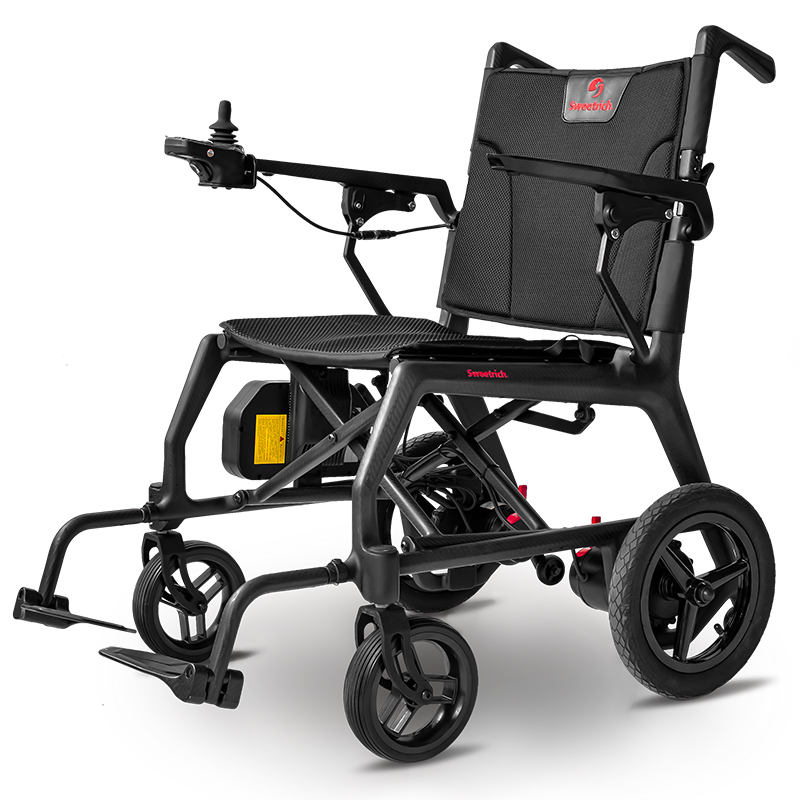
Controls should never demand more dexterity or force than a user can comfortably provide on an average day. A single handle that moves forward to go, backward to reverse, and side to side to steer follows the direction a hand naturally wants to push or pull. When the amount of pressure needed stays light yet definite, users with arthritis, reduced grip, or occasional tremor can still direct the scooter accurately.
Buttons or switches for lights, horn, power on/off, and speed selection cluster within easy finger reach. Distinct shapes or raised edges help identify each control by touch alone when looking down is inconvenient or when light is low. Placing frequently used items in the same general area reduces the need to hunt during travel.
A few speed settings let the rider choose a pace that feels appropriate to the surroundings. A very slow option helps in tight indoor hallways or crowded sidewalks. A moderate setting suits open pedestrian paths or quiet streets. Being able to change the range quickly prevents the scooter from feeling either too sluggish or too eager in different environments.
Clear, large readouts show battery charge and current speed without requiring sharp focus. Simple symbols or bars often communicate the information more quickly than detailed numbers, especially under sunlight or when the rider prefers not to take eyes off the path for long.
Many scooters include a feature that prevents movement unless the seat is occupied and the user is sitting fully back. Another common safeguard gradually reduces speed on downward slopes. These small additions lower the chance of unintended rolling without complicating normal operation.
People who try a scooter with straightforward controls usually need only a short practice period—often ten to twenty minutes in a safe open space—before they feel ready to handle routine trips. After that initial familiarization, the mental effort required to operate the vehicle drops significantly, leaving more attention for traffic, conversation, or scenery.
Frame and Wheelbase Choices That Handle Everyday Surfaces
The frame carries the battery, motor, seat, and rider, so it must remain rigid while still allowing reasonable ground clearance. Adequate clearance lets the scooter roll over small lips at doorways, shallow cracks in sidewalks, or low curbs without catching or jolting the rider excessively.
Wheels set farther apart side to side create a wider stance that resists tipping sideways during turns or when one wheel encounters a bump while the other stays level. Positioning heavy parts—especially the battery—low in the frame lowers the overall center of gravity, making the vehicle feel planted rather than top-heavy.
Some designs include basic suspension that compresses slightly over uneven ground. Even modest travel in the wheels or seat post smooths out repeated small bumps that would otherwise transmit directly to the spine and hips. The result is a ride that feels less fatiguing after thirty or forty minutes.
Tires with rounded profiles and appropriate tread grip pavement well and roll reasonably smoothly on harder packed dirt or gravel paths. They also provide a bit of forgiveness on slightly soft surfaces without sinking deeply.
Because scooters often spend time outdoors, frames and exposed parts receive coatings or treatments that resist corrosion from rain, morning dew, or road salt in winter. Sealed bearings and protected wiring help keep electrical components working reliably through changing seasons.
A stable chassis lets users venture onto surfaces they might otherwise avoid—uneven park walkways, gently sloped driveways, light grass, or older sidewalks with minor heaving. That expanded range turns previously inaccessible places into reachable destinations.
Braking That Feels Predictable in Any Condition
Stopping must happen smoothly and reliably whether the surface is dry concrete, damp asphalt, or lightly scattered gravel. Hand levers that require moderate squeeze strength work well for many users; foot pedals offer an alternative that some people find more intuitive.
Both systems connect to mechanisms that apply even pressure to the wheels. Consistent braking force across repeated uses prevents the sudden grab that can unsettle a rider or the weak fade that extends stopping distance too far.
A common convenience is automatic slowing or slight braking when the throttle is released. This feature holds the scooter steady on gentle inclines and makes brief pauses—waiting for a pedestrian or aligning with a curb—feel effortless.
Smooth modulation lets the rider slow gradually when approaching a turn or a doorway and stop more firmly when needed. That range of control builds confidence in busy areas where quick but controlled stops occur frequently.
Because brakes receive regular use, components are chosen and arranged so that wear happens gradually and remains visible during routine checks. Simple adjustments keep performance steady without requiring specialized tools or frequent service visits.
Lights That Extend Safe Travel Hours
Front lights bright enough to show pavement texture, small obstacles, and changes in level several paces ahead help avoid surprises after sunset or before sunrise. Rear lights make the scooter noticeable from behind so drivers and other pedestrians register its presence earlier.
Turn indicators that flash clearly communicate direction changes in shared spaces. A horn that produces a sharp but not harsh sound adds another layer of communication when approaching blind corners or crowded walkways.
| Feature | Purpose / Benefit |
|---|---|
| Front lights | Illuminate pavement texture, small obstacles, and level changes several paces ahead to prevent surprises in low-light conditions (dusk/dawn). |
| Rear lights | Increase visibility from behind so drivers and pedestrians notice the scooter earlier. |
| Turn indicators | Flash clearly to signal direction changes in shared spaces (sidewalks, paths, roads). |
| Horn | Emit a sharp but not harsh sound to alert others when approaching blind corners or crowded areas. |
Energy-efficient lighting elements provide illumination without draining the battery quickly. That efficiency means evening trips or early-morning outings do not force the rider to cut the journey short to preserve range.
Protective covers and sealed housings keep moisture and dust away from bulbs and wiring. Periodic wiping removes road film so output stays close to original levels.
With dependable lighting, users comfortably handle errands that run into dusk, attend evening gatherings at community centers, or enjoy lighted walking paths in parks during cooler months. The ability to move safely after daylight hours expands the practical calendar significantly.
Geometry and Sensors That Discourage Tipping
A wide wheelbase and low-slung heavy components create a vehicle that naturally resists leaning too far to one side. Rounded tire profiles and reasonable traction help the wheels stay planted during moderate turns or when crossing angled surfaces.
Some scooters add electronic monitoring that senses unusual tilt and reduces power to the higher-side wheel or applies light brake force to bring the vehicle back level. These systems act quickly enough to correct small imbalances before they grow into real risk.
Together, structural choices and occasional electronic assistance lower the chance of tipping during ordinary maneuvers—cornering on sidewalks, climbing shallow ramps, or passing over uneven ground. Riders who know the scooter will help catch minor errors move with noticeably greater assurance.
Tire pressure, wheel alignment, and basic cleanliness influence how well these safeguards perform. Regular visual inspection and occasional inflation checks keep everything working as intended.
Putting the Pieces Together
A scooter that combines comfortable seating, approachable controls, stable construction, dependable brakes, useful lighting, and thoughtful stability measures supports far more than basic transportation. It enables people to reclaim routines and pleasures that became difficult when walking distance or standing time shrank.
Short neighborhood loops become pleasant again. Longer outings to stores, libraries, senior centers, or green spaces feel achievable rather than daunting. Social invitations that once required elaborate planning or assistance become ordinary parts of the week.
Maintenance stays manageable—periodic charging, occasional cleaning, simple tire checks, battery monitoring—so the focus remains on living rather than on keeping equipment running. When design decisions consistently place real human needs first, a mobility scooter quietly becomes an extension of personal freedom instead of merely a machine.
Sweetrich Mobility
Sweetrich Mobility brings together practical engineering and a clear focus on real-world needs, offering scooters that blend thoughtful comfort features with dependable performance across everyday environments. By prioritizing ergonomic seating that eases prolonged use, intuitive controls accessible to varying abilities, stable frames suited to mixed surfaces, responsive braking for secure stops, effective lighting for extended hours, and balanced designs that enhance overall stability, the brand supports users in maintaining active routines with greater ease and assurance. This approach reflects a commitment to enabling independence through reliable, user-centered solutions that fit seamlessly into daily life, whether navigating local paths, community spaces, or longer outings. As more individuals seek ways to stay mobile and engaged, Sweetrich Mobility continues to provide options that quietly empower those journeys without unnecessary complexity.