 info@sweetrich.cn
  +86-(0)512-82283871
Content
- 1 Fundamental Adjustment Features for Scooter Seats
- 2 Materials and Construction Choices That Shape Seat Comfort in Electric Mobility Scooters
- 3 Supporting Different Rider Builds and Daily Routines
- 4 Practical Steps for Picking and Using Scooter Seats
- 5 Handling Common Seating Issues
- 6 New Directions in Mobility Scooter Seat Development
- 7 Sweetrich in Electric Mobility Scooters
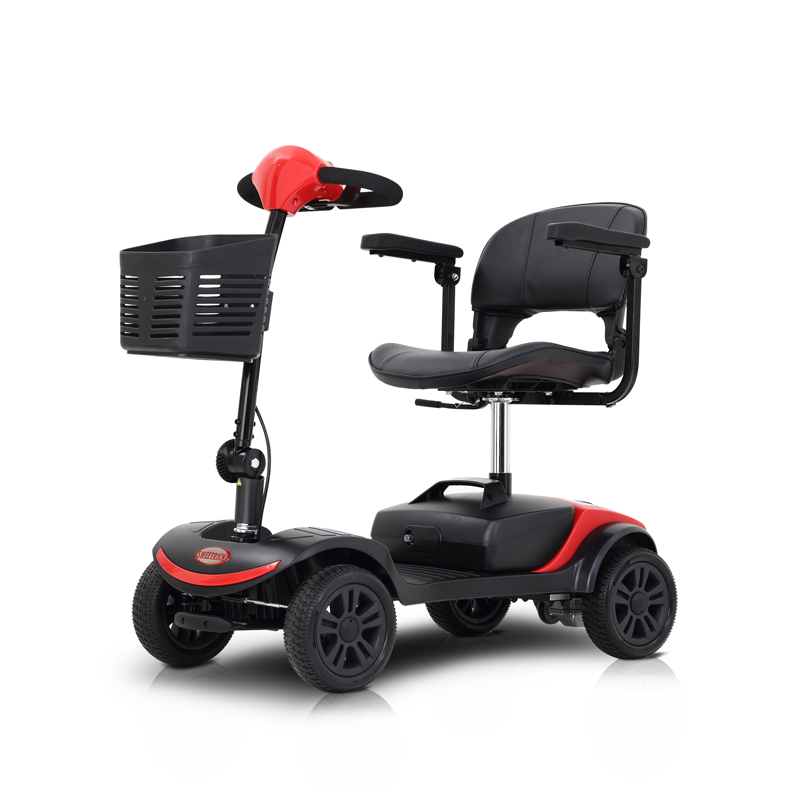
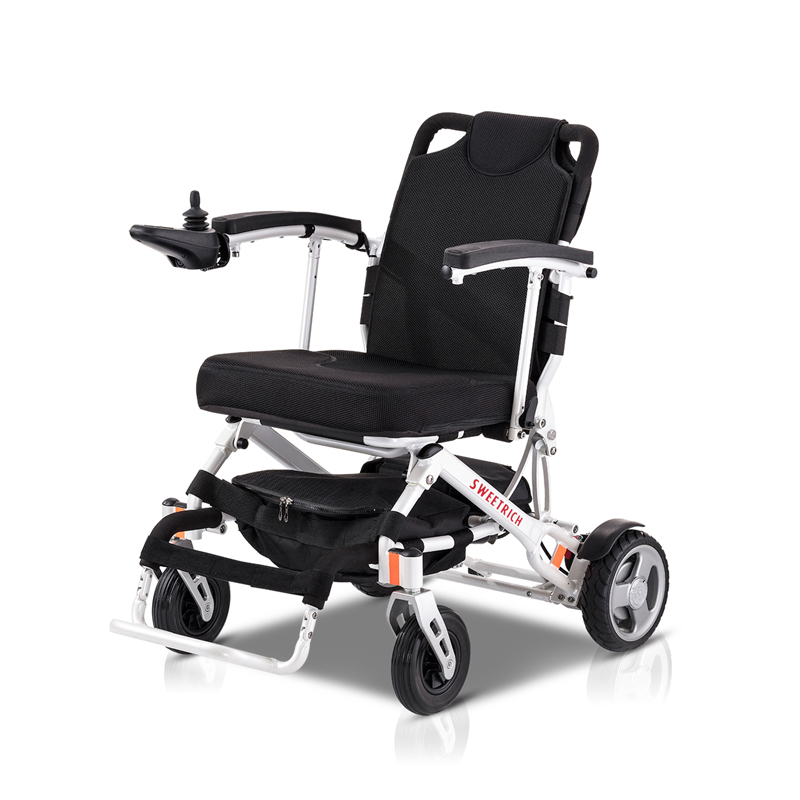
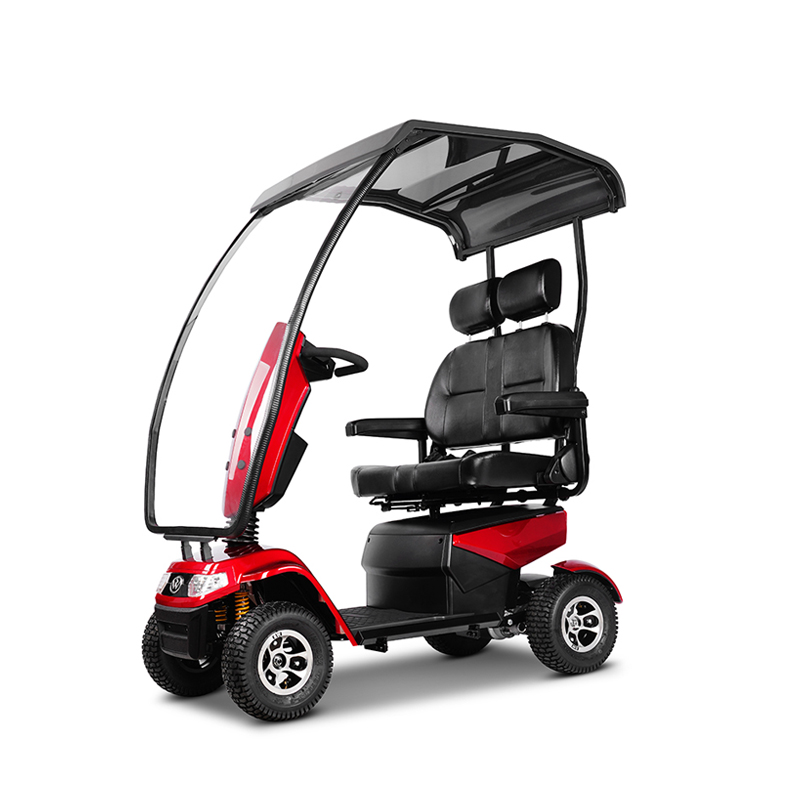
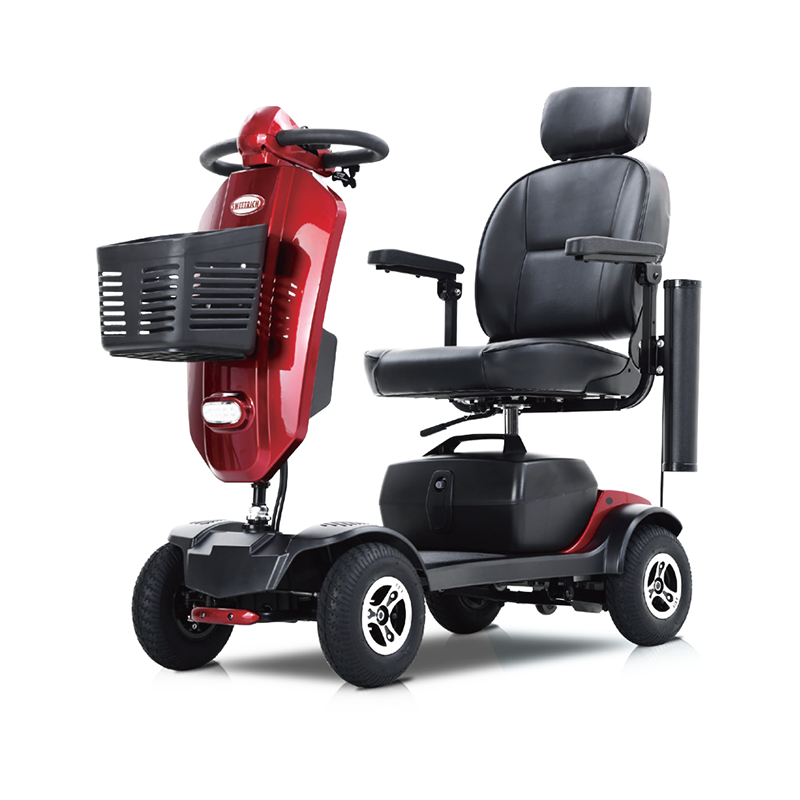
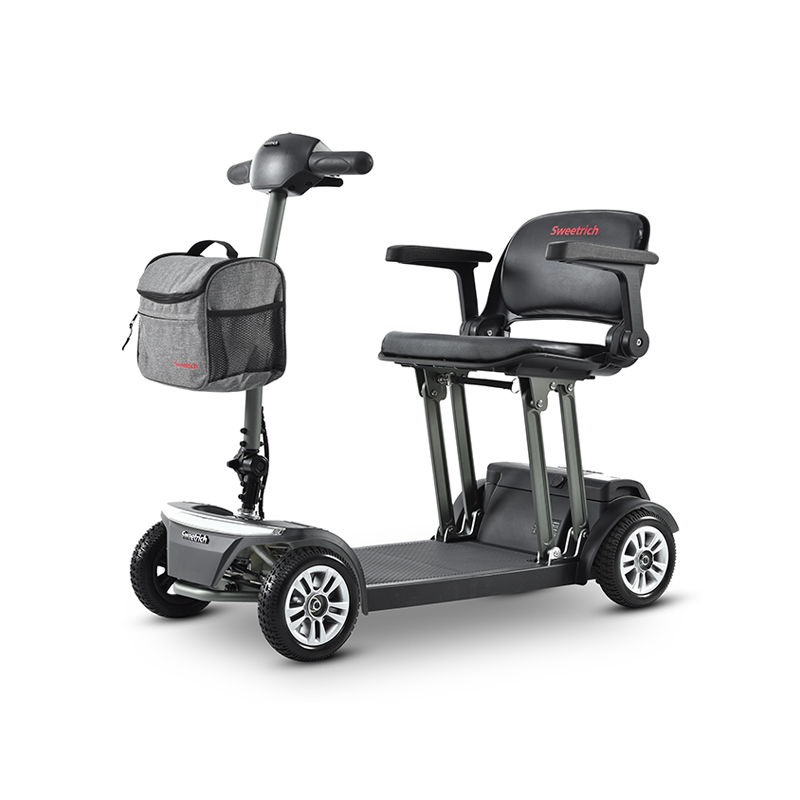
Electric mobility scooters represent a practical means of maintaining independence for individuals who face difficulties walking long distances, standing for extended periods, or navigating everyday environments without assistance. The seat stands out as one of the primary interfaces between rider and vehicle, directly affecting comfort during travel, posture while operating controls, confidence in maneuvering, and willingness to rely on the scooter for routine activities. A seating arrangement that feels supportive and natural to one person can produce localized pressure, muscle fatigue, restricted movement, or gradual discomfort for someone else. Riders differ in overall height, leg length relative to torso, pelvic width, shoulder breadth, spinal curvature, muscle distribution, joint mobility, weight distribution, and habitual sitting postures during motion. Adjustability provides a way to accommodate these variations by letting each rider modify essential seat dimensions and support features to align with their body structure and the particular demands of their typical journeys—short trips indoors, neighborhood tasks, longer community routes, or social visits—from a trusted Mobility Scooter Factory that prioritizes ergonomic design and user-centered innovation.
Comfort on a mobility scooter seat develops from more than initial cushioning or visual appeal. It emerges from the way the seat engages with the rider's anatomy and physiology during active riding, brief stops, mounting and dismounting, and exposure to outdoor conditions. The seat pan must carry pelvic and thigh weight without creating concentrated force under the sit bones or compressing tissue behind the knees, particularly when the scooter travels over small changes in surface level, gentle slopes, or textured pavement. The backrest should respect the natural inward curve of the lower spine and deliver even, gentle contact along the mid and upper back to discourage forward head positioning that commonly appears when focusing on steering, watching for obstacles, or reacting to surroundings. Cushioning layers need to compress sufficiently under body weight to cradle bony areas initially, yet retain adequate resilience to prevent the rider from sinking through to the firm base structure below. Surfaces that facilitate air circulation help manage heat and moisture buildup that occurs during outdoor use, especially in warmer temperatures, after physical effort involved in transfers, or when wearing layered clothing. The seat design should also allow small postural adjustments—through rotation for easier access, gentle rocking when paused, or minor angle shifts—to interrupt prolonged static positions that contribute to joint stiffness, reduced tissue circulation, and increasing unease over time.
Seating with fixed measurements restricts how effectively a scooter can serve different riders or adapt as a single rider's needs evolve. Without adjustment options, the seat might hold the thighs at an angle that strains hip flexors during forward movement, fail to contact the lower back adequately, position armrests too high relative to shoulder level, or press against the back of the knees when the rider leans toward the tiller. Adjustable mechanisms permit each user to configure the seat in harmony with their body and the postures required for safe, comfortable control. This flexibility proves valuable in family households where several members share one scooter, in community lending programs offering temporary access, or when an individual rider's physical condition, body composition, or daily activity patterns change gradually due to aging, health fluctuations, or shifts in routine.
Fundamental Adjustment Features for Scooter Seats
Seat height adjustment often forms the initial step toward establishing suitable riding alignment. Changing the elevation of the complete seat platform relative to the deck and footrest area helps position the thighs roughly horizontal, form a comfortable knee bend, and place both feet securely. Appropriate height supports pelvic neutrality, helps preserve the lower spine's natural curve, and reduces excessive forward or backward pelvic rotation that can heighten strain during starts, stops, turns, or travel over uneven ground. Taller riders frequently choose higher positions to achieve better forward sightlines over the steering tiller and controls while maintaining balanced knee and hip angles. Shorter riders usually select lower settings to keep feet firmly planted and avoid tension through the posterior thigh muscles from unsupported feet.
Seat depth adjustment alters the distance from the front edge of the sitting surface to the backrest. Correct depth ensures the lumbar region receives consistent backrest contact while leaving clearance behind the knees to limit pressure on major blood vessels and nerves in that area. Riders with longer femurs generally prefer increased depth so they can sit fully back against the support without sliding forward during acceleration, deceleration, or momentum shifts. Riders with shorter femurs often reduce depth to achieve complete back contact without the front edge pressing into sensitive tissue behind the knees.
Backrest recline adjustment tilts the back support from a more upright angle suited to active steering and environmental scanning to a moderately opened position appropriate for rest during pauses or casual conversation. A modest recline widens the hip angle, which can lessen intradiscal pressure in the lumbar region, reduce tension across posterior neck muscles, and decrease forward shoulder protraction that sometimes develops after extended focus on the path ahead.
Lumbar support adjustment repositions a contoured pad, shaped section, or movable element vertically along the backrest and, in some configurations, forward or backward to match the rider's specific degree and location of lumbar lordosis. Suitable placement helps sustain the spine's physiological S-curve, counters gravitational forces that encourage forward rounding, and decreases ongoing contraction in the lower back extensor muscles. Riders with deeper lower back curves may set the support higher or project it farther forward, whereas those with straighter lumbar profiles typically choose lower or less prominent placement.
Armrest adjustment—encompassing height, lateral spacing, forward reach, and occasionally pivot angle—positions the forearms so shoulders remain lowered and elbows maintain a relaxed bend during throttle control, steering inputs, or holding personal items. Properly adjusted armrests help unload the cervical spine and shoulder girdle, especially useful during longer rides or when repeated steering corrections occur. They also allow riders to modify their distance from the tiller without rounding the upper back.
Supplementary adjustment possibilities further personalize the experience. Seat pan tilt mechanisms introduce slight forward or backward angles to influence pelvic orientation and hip opening. Resistance controls for rocking or swivel functions let riders tune how readily the seat responds to small movements. Neck support adjustments in height and angle assist in keeping the head aligned with the thoracic spine, particularly during reclined rest or on surfaces that generate minor vibration. Lateral side supports or adjustable bolsters provide containment during turns or on inclined paths. In select designs, riders can alter cushion firmness through internal air chambers, mechanical tension devices, or interchangeable inserts to suit different ride lengths, terrain types, or individual preferences.
| Adjustment Feature | Primary Function / Benefit | Key Use Cases / Situations |
|---|---|---|
| Seat pan tilt | Introduces slight forward/backward angles to adjust pelvic orientation and hip opening | Improving posture, reducing pressure during long rides |
| Rocking / swivel resistance | Controls ease of small rocking or swiveling movements | Customizing seat response for comfort and stability |
| Neck support (height & angle) | Maintains head alignment with thoracic spine | Reclined rest, rides on uneven/vibrating surfaces |
| Lateral side supports / bolsters | Provides side containment and stability | Turns, inclined paths, preventing lateral shift |
| Cushion firmness adjustment | Modifies seat firmness via air chambers, tension devices, or interchangeable inserts | Varying ride lengths, terrain types, personal preference |
Materials and Construction Choices That Shape Seat Comfort in Electric Mobility Scooters
The materials and build details of a mobility scooter seat play a direct role in how the seat feels right away and how well it holds up through regular use. Cushioning usually comes in layers that combine different densities to balance softness with lasting shape. A firmer lower layer keeps the seat from flattening out permanently under repeated weight, while a softer upper layer gives way enough to mold around the pelvis and thighs at contact. Some cushion materials snap back to their original form soon after pressure lifts, delivering reliable support ride after ride. Other types hug body contours more closely for a cradling effect, though they can trap warmth during rides in sunny weather or after the rider has been active getting on board.
Extra features inside the cushion, like gel sections or air-filled pockets that the rider can adjust, let people fine-tune firmness in certain spots to ease pressure on sensitive areas. These additions help customize the feel without changing the whole seat.
Covering fabrics and how they handle air flow matter a great deal for comfort on longer trips. Open-cell foam structures, mesh panels, or coverings with small holes allow air to move freely, helping cool the skin and wick away sweat that builds up in warm conditions or after physical effort. Loosely woven textiles often do well at letting moisture escape too. Thicker or coated coverings can feel smooth and easy to wipe clean at the start, but without built-in ways for air to circulate they hold heat close to the body. Fabrics that pull moisture away from the skin and dry quickly tend to stay more comfortable than non-breathable options, and they clean up easily after dust from sidewalks, a bit of rain, or everyday spills.
The frame underneath the cushion and the way the seat attaches to the scooter affect steadiness, longevity, and how the ride feels over different ground. A solid frame keeps the seat shape consistent even when the rider shifts weight or the scooter rolls over small bumps. Parts of the backrest or base that bend a little can soften the jolt from cracks in pavement or low curbs, spreading the force so it does not hit the spine all at once. Built-in suspension elements—such as stretchy webbing strips, flexible bands, or small shock absorbers—add a layer of give that smooths out the motion when the scooter crosses uneven spots, climbs slight ramps, or turns corners.
These construction choices work hand in hand with the adjustable features already built into the seat. When the cushion feels firm, precise placement of the lower back support keeps pressure from building up against bony spots during hours of riding. A cushion that gives more under weight needs shaping that guides the body gently so the rider does not sink too deeply when leaning forward to steer or brake. Coverings that let air pass through make position changes—like swiveling to face someone or rocking slightly while waiting—feel fresher because airflow continues even as the rider moves.
Supporting Different Rider Builds and Daily Routines
Body height and the relative lengths of legs, torso, and arms create clear differences in what makes a seat comfortable on a mobility scooter. Riders with taller frames often need the seat raised so knees and hips stay in easy positions, the sitting surface extended to carry the full length of the thighs, and the backrest tall enough to reach toward the shoulders and neck. A movable neck rest helps keep the head level when the rider leans back briefly or when small vibrations come up from the wheels. Riders with shorter frames usually lower the seat to plant feet solidly, shorten the depth so the back stays in full contact, and drop armrests low enough to keep shoulders from hiking up.
The width across the hips and the rider's overall weight change how the seat pan needs to measure and how the cushion reacts when loaded. Wider hips call for a broader sitting area and armrests spaced apart to avoid pinching soft tissue on turns or when leaning sideways. Riders carrying more weight need cushioning built to handle heavier loads without losing shape quickly, frames strengthened to avoid slow sagging, and lower back support that holds steady instead of giving way inward. Riders with lighter weight sometimes choose cushions that compress more easily and include ways to dial back firmness so the seat does not feel too hard.
How people like to sit and move while riding varies from one person to the next. Riders who stay upright to watch busy paths or weave through indoor spaces benefit from firm lower back contact, a straight-up backrest, and a small forward angle on the seat that opens the hips comfortably. Others lean back a bit during quieter stretches or breaks and appreciate backrests that tilt through a useful range along with neck support to hold the head steady. Riders who shift often—to grab something from a basket, turn for a conversation, or slide off and on—value seats that swivel smoothly, rock gently when needed, and have backrests that flex with natural movement.
Age brings its own set of seating needs. Younger riders or those still growing need seats that scale up over time, starting lower and shorter then increasing as height changes. Cushions that support without being too rigid help build good sitting habits, and smooth, rounded edges cut down on scrapes during lively transfers. Older riders frequently raise the seat height to make standing up and getting on easier, add mild recline to take weight off sore joints, and look for big, simple controls that work with weaker hands or less precise grip. Bases that stay planted and coverings that handle sweat well add safety and ease during regular outings.
Riders living with lasting mobility challenges or certain health conditions see clear gains from seats that adjust readily. Controls that move with light touch reduce the effort needed for people with weaker hands or limited reach. Tailored support around the lower back and pelvis can ease ongoing ache or help with spine alignment issues. Wider seats and armrests that slide or lift make sliding over from a wheelchair or managing hip and knee limits simpler. Features that tilt the whole seat or shift its position let riders spread pressure differently and keep blood moving during rides that last longer.
Pregnancy shifts weight forward, increases belly space, and changes how the spine carries load. Seat depth that shortens as needed prevents the thighs from feeling squeezed. Lumbar support that moves up or down follows the changing curve in the lower back. A backrest that tilts back a little lightens the pull on the lumbar area, and fabrics that breathe well help with extra warmth and sweat.
Riders who stay active and move regularly often want seats that give solid, wakeful support on the go and switch to a gentler feel afterward. Ways to change cushion firmness let them adapt quickly. Surfaces that pull moisture away and shed heat keep the seat pleasant when the body runs warmer from activity or hot weather.
Practical Steps for Picking and Using Scooter Seats
Picking a scooter seat that adjusts well starts with looking at real daily patterns. For mixed indoor-outdoor trips on a regular basis, focus on seats that offer several ways to change—height up and down, depth front to back, backrest tilt, lower back pad position, and armrest placement. Trying the seat in settings close to actual use shows how it feels at and how far the adjustments reach in practice.
If the scooter gets passed between family members or caregivers, check each person's settings to make sure switching works without too much trouble. Look at whether controls stay within easy reach while sitting, without twisting far or stretching. Adjustments that glide smoothly and lock firmly build trust for everyday tweaks.
Coverings and cushions need to stand up to outdoor conditions. Fabrics should resist rubbing from clothes or baskets, handle a little dampness, and wipe clean after use. Cushion layers should bounce back after many hours of sitting. Knowing what kind of guarantee covers moving parts gives a sense of how long the seat should last with normal care.
In regular riding, start with a comfortable basic setup: feet flat on the platform, thighs level, knees bent easily, and the lower back resting against support. Adjust depth so nothing presses right behind the knees. Set the lumbar pad to fill the natural dip in the lower back. Position armrests so elbows sit relaxed and shoulders drop naturally.
During longer rides, change posture now and then—tilt forward a touch for busy sections that need focus, lean back moderately when pausing. Getting off to stretch legs and walk a short distance every so often helps avoid stiffness from staying in one spot. For scooters shared among users, jotting down favorite settings speeds up the switch.
Handling Common Seating Issues
Control layouts with too many levers or dials can confuse riders who have trouble with fine hand movements, see less clearly, or find new devices hard to learn. Seats that label controls plainly, group them logically, and limit options to the ones used often make things easier to handle.
Adjusting the seat day after day wears on slides, hinges, and locks over time. Frames and parts built with strong materials, added metal where it counts, and spots easy to reach for cleaning or light oiling hold up longer.
Sometimes the built-in adjustment range falls short for unusual body sizes. Checking size details before buying, plus adding simple helpers like raised foot platforms or extra pad layers, can fill in the difference.
Seats with lots of adjustments usually cost more upfront. Putting priority on the changes that fix the biggest comfort problems—lower back support, seat height, and depth—often brings the clearest relief without extra expense.
| Challenge | Practical Solution | Key Benefit / Outcome |
|---|---|---|
| Limited adjustment range for unusual body sizes | Check product size specifications before purchase; add simple accessories like raised foot platforms or extra cushion layers | Bridges gaps in fit, improves comfort and usability without needing a different model |
| Higher cost for seats with many adjustments | Prioritize high-impact features (lumbar support, seat height, seat depth) over less essential ones | Achieves significant comfort improvement at lower cost, focuses budget on what matters |
New Directions in Mobility Scooter Seat Development
Scooter seat design keeps moving toward setups that fit one rider more closely. Systems that sense posture shifts, map pressure across the cushion, and follow movement could one day suggest small tweaks or make them automatically. Materials that stiffen or soften on their own when held under weight for a while or when temperature rises might adjust firmness and shape without rider input.
Designers pay growing attention to using less new resources by choosing parts that repair easily, swap out when worn, or last through multiple cycles of use. Ideas that include everyone push for adjustment ranges that cover wider body types and controls simple enough for hands that tire quickly or eyes that see less sharply.
Linking seats to apps or small screens might let riders save their exact settings and pull them up fast, especially helpful when scooters get shared. Soft vibrations or timed notices could remind riders to shift position or take a brief stand-and-move break during the day.
Sweetrich in Electric Mobility Scooters
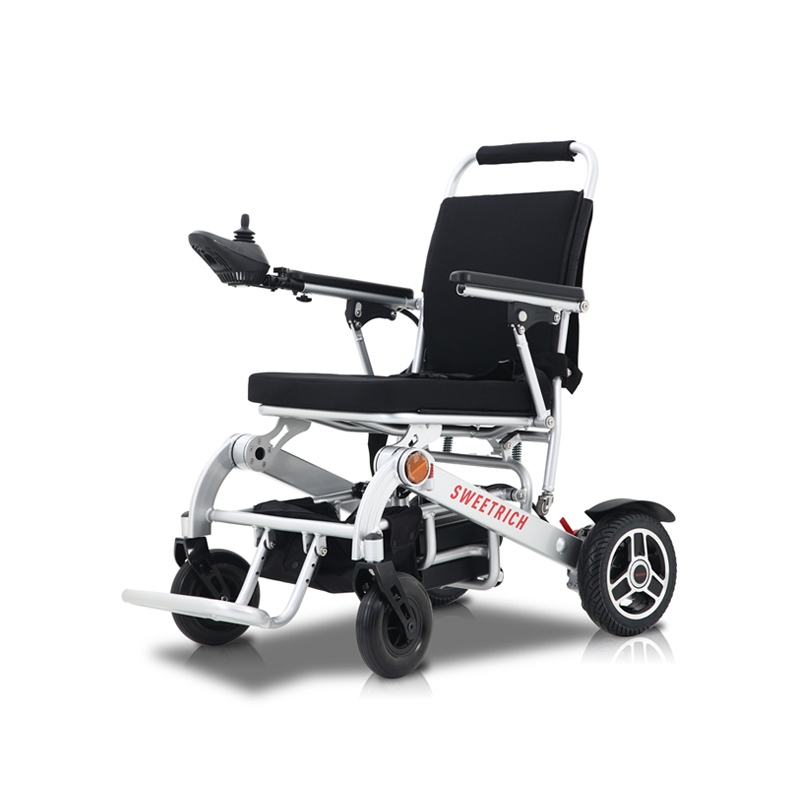
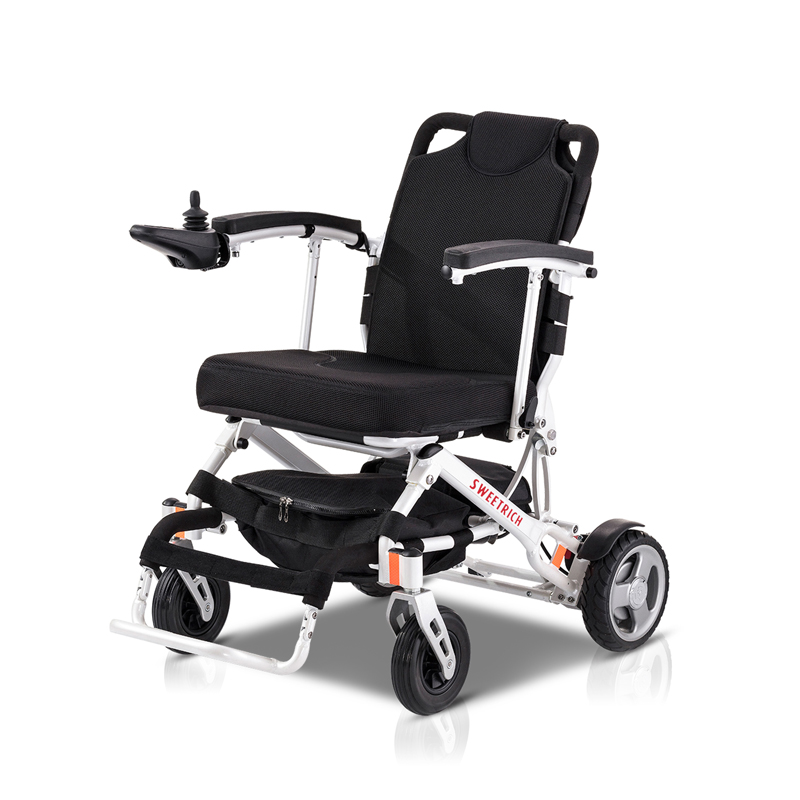
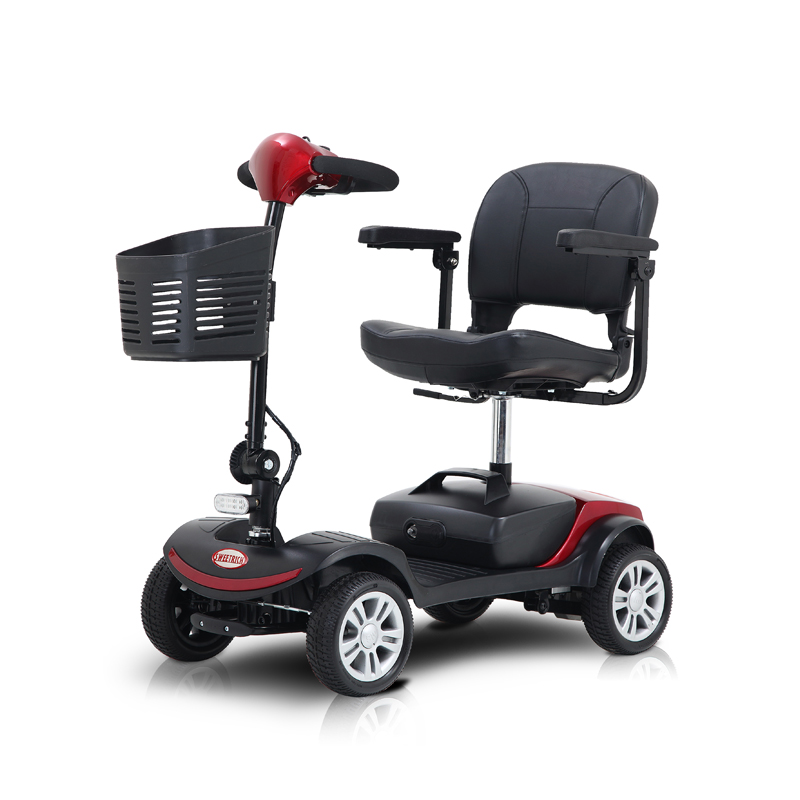
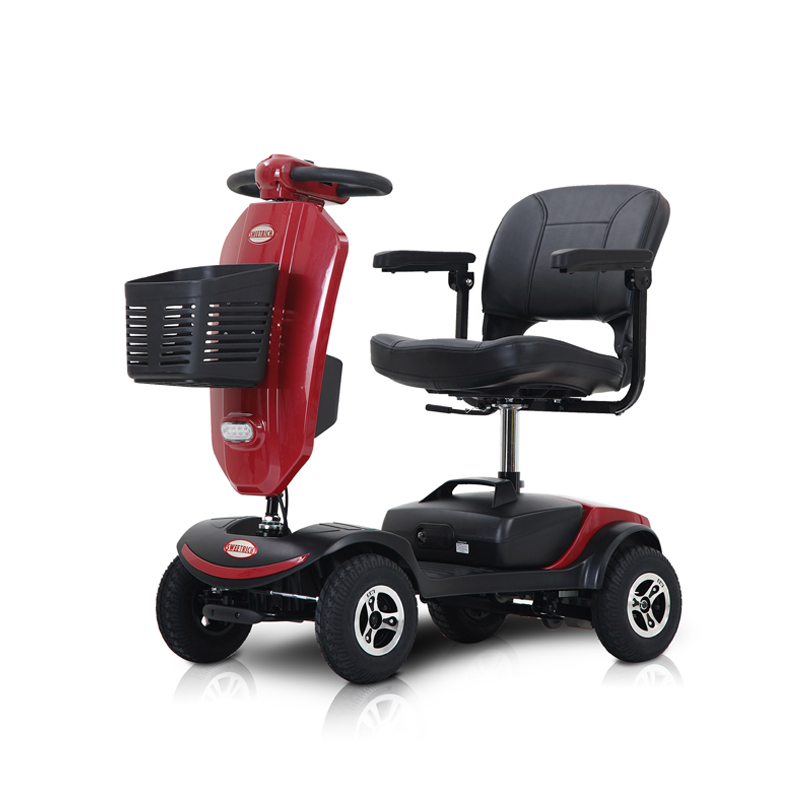
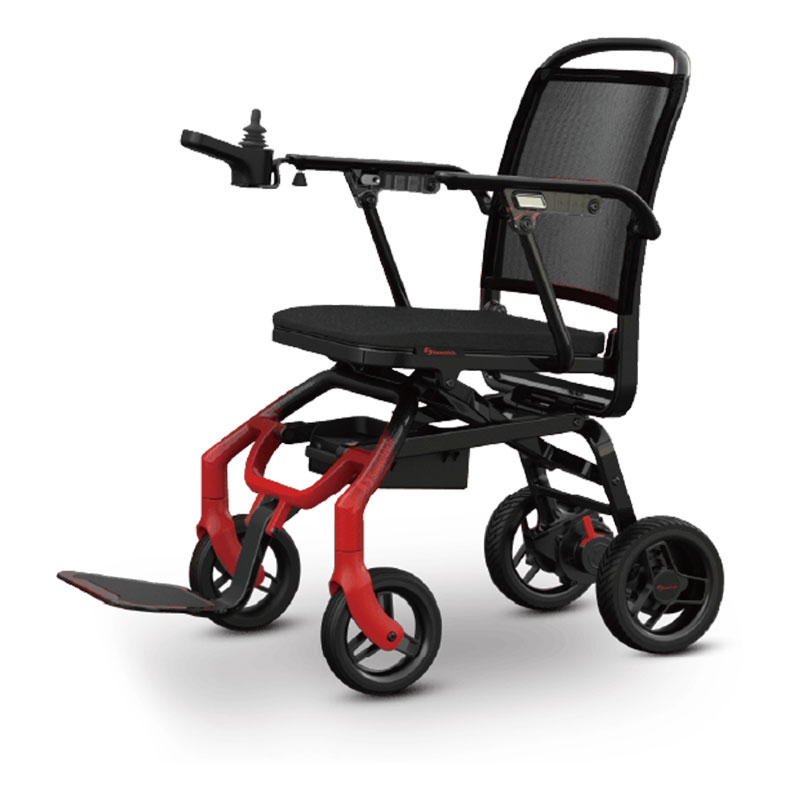
Sweetrich seating brings together thoughtful adjustability and genuine comfort to transform electric mobility scooters into dependable companions for riders of all kinds. By offering flexible control over seat height, depth, backrest tilt, lumbar positioning, armrest placement, and other key features, Sweetrich allows each user to create a personalized fit that respects differences in body dimensions, preferred sitting postures, age-related needs, daily routines, and individual health circumstances. The careful selection of cushioning layers, breathable coverings, ergonomic contours, and sturdy yet responsive construction works in harmony with these adjustments to distribute weight evenly, encourage natural spinal alignment, support healthy circulation, and maintain a pleasant temperature during rides.
When riders take time to choose wisely, set the seat correctly from the beginning, make small intentional changes during use, and provide basic ongoing care, Sweetrich seating delivers lasting benefits while extending its reliable performance through years of daily travel. As mobility scooter design continues to advance, the commitment within Sweetrich to individual tailoring and inclusive accessibility ensures that supportive, comfortable seating remains a practical reality for everyday independence and for the evolving requirements that come with different stages of life.