 info@sweetrich.cn
  +86-(0)512-82283871
Content
- 1 How Power Is Used During a Ride
- 2 Battery Type, Capacity, and Everyday Handling
- 3 Motor Operation and Electronic Control
- 4 Physical Build and Component Choices
- 5 Riding Techniques That Save Energy
- 6 Maintenance Steps That Keep Efficiency High
- 7 Effects of Weather, Terrain, and Surroundings
- 8 Ongoing Improvements in Scooter Design
- 9 Why choose Sweetrich
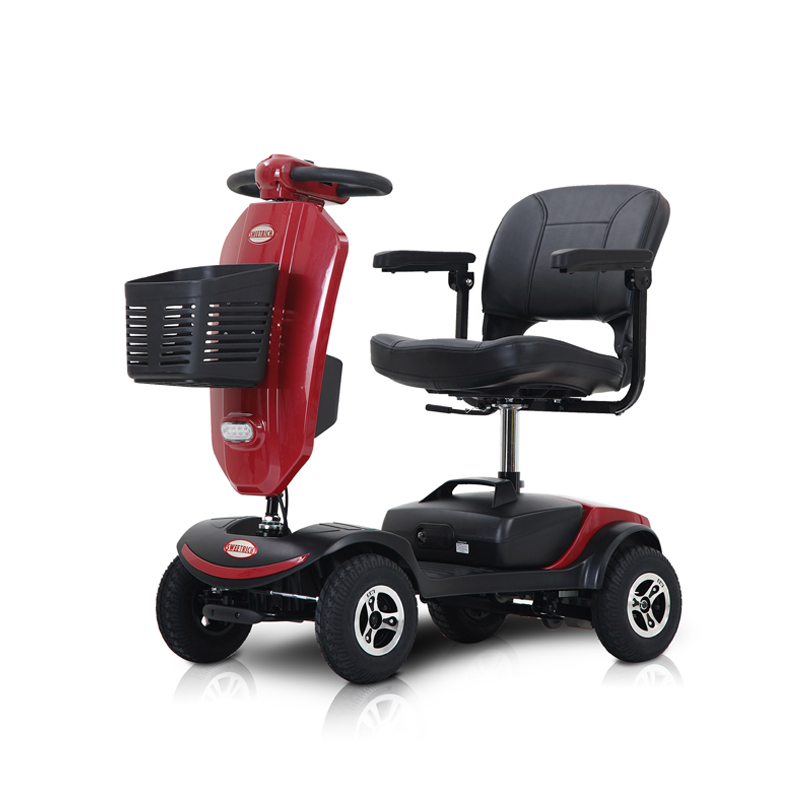
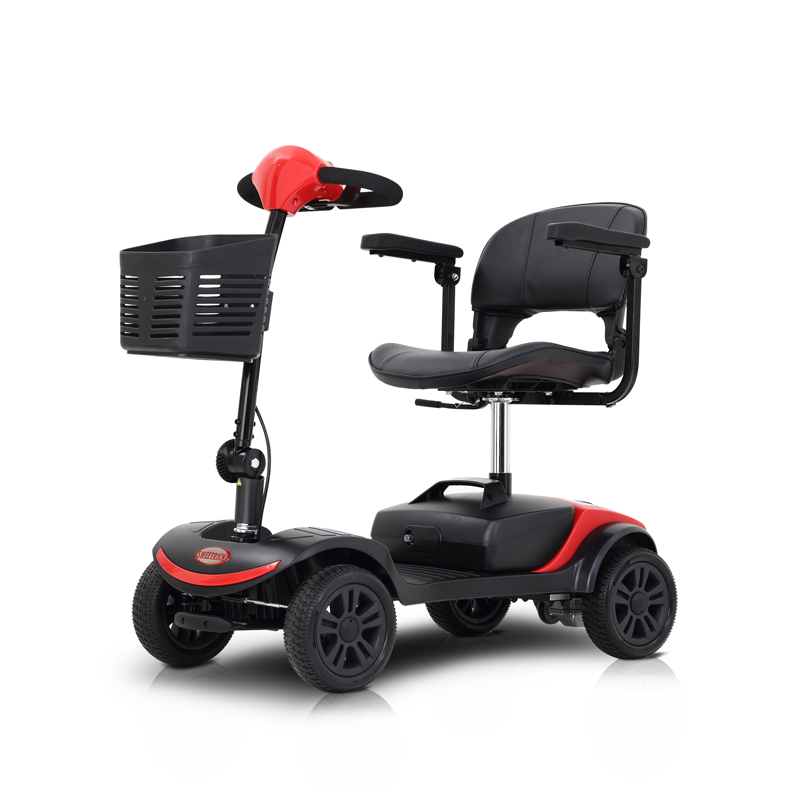
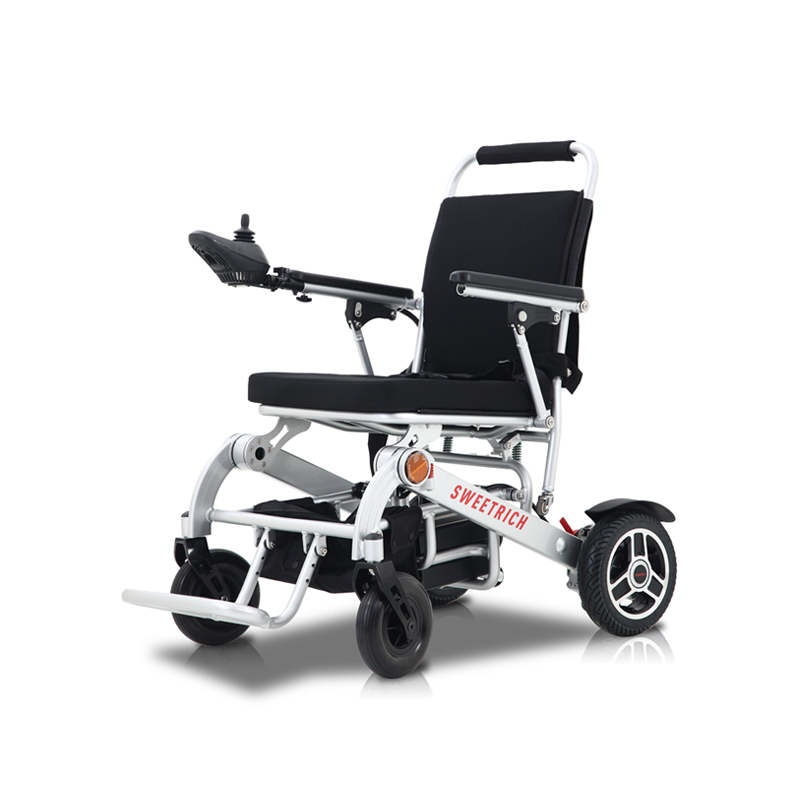
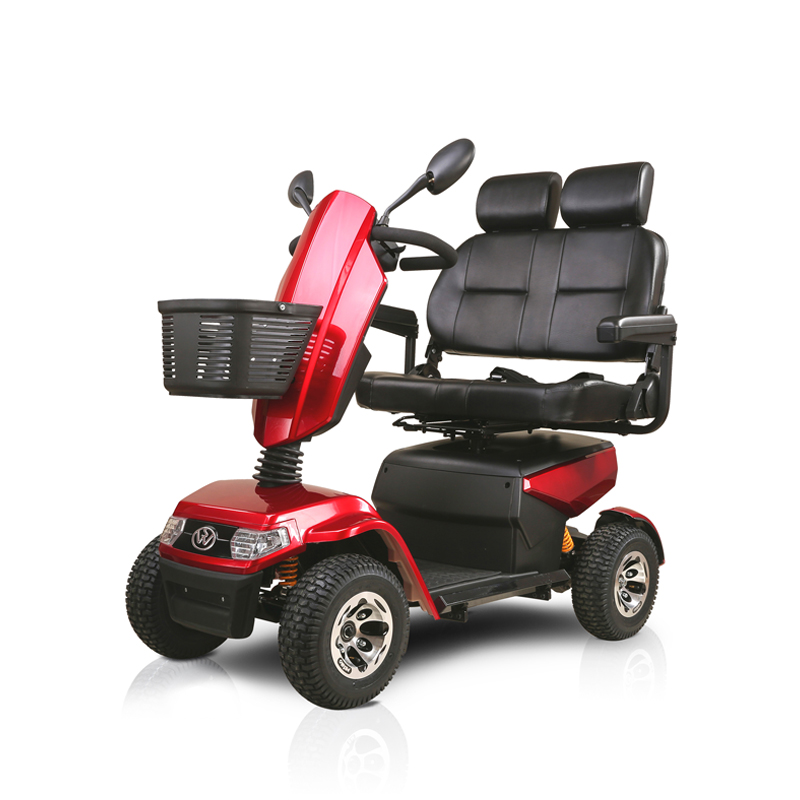
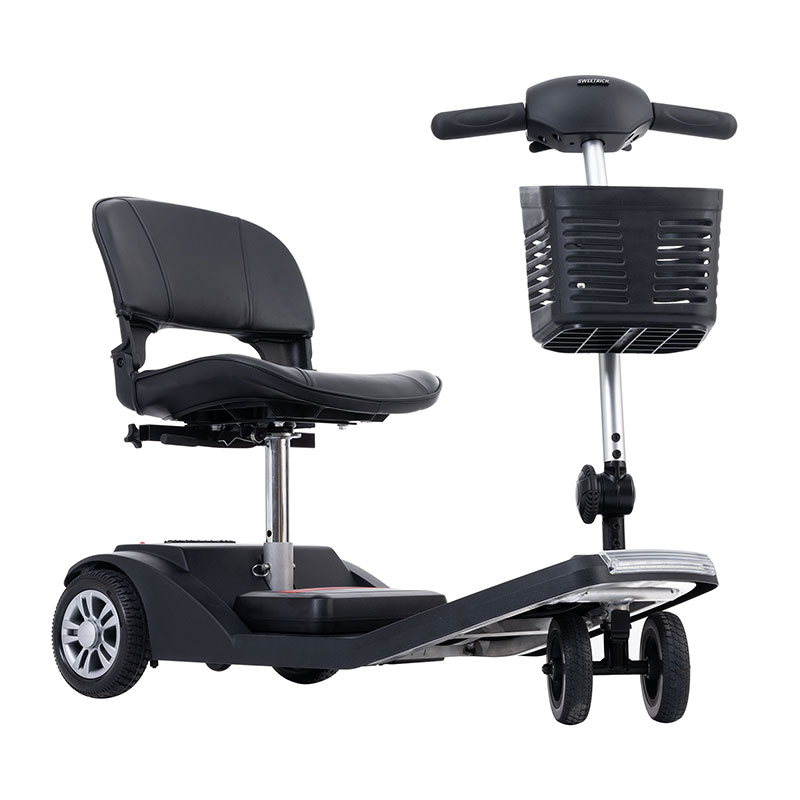
Electric mobility scooters give people a practical way to stay active and independent. They make it easier to run errands, visit neighbors, attend appointments, or enjoy time outdoors without depending on walking long distances or asking for rides. Mobility Scooter Factory plays an important role in this space by producing reliable models designed with everyday usability in mind. Because these scooters run on rechargeable batteries, how far they go on a single charge and how efficiently they use power become important considerations for daily users.
Energy efficiency shows how much of the battery's stored electricity actually turns into forward motion instead of being lost as heat or vibration. Range is the real-world distance the scooter can travel before the battery needs recharging. When both improve, users enjoy longer trips with less worry about sudden power loss, spend less time plugged in, and often find the battery holds its capacity longer over months and years.
Distance achieved varies from one ride to the next. A trip on flat sidewalks in mild weather might cover a good distance, while the same scooter on a hilly route or in cold temperatures might stop much sooner. Several factors working together determine actual performance.
How Power Is Used During a Ride
Every ride begins with energy stored in the battery. That energy moves through wires, passes through electronic controls, reaches the motor, and finally rotates the wheels. At each stage a portion becomes heat, sound, or other non-useful forms instead of propulsion.
The biggest demand comes from four main resistances:
- Rolling resistance created where tires touch the ground
- Air resistance that builds as speed increases
- Gravity acting against the scooter on any upward slope
- Inertia that must be overcome each time the scooter starts moving from a standstill
Smooth, level pavement keeps these forces relatively low and steady. Rough concrete, gravel paths, grass, sand, or noticeable inclines raise the total energy required. Quick starts, frequent stops, sudden turns, and higher speeds add extra bursts of demand.
Small electrical features such as front and rear lights, a horn, a speed or battery display, or a small fan for the rider draw current too. Although their consumption stays low compared with the motor, the total adds up during a full day of use.
Short rides that involve many starts use more power per mile than longer rides at steady pace. Recognizing personal riding patterns makes it easier to spot where energy can be saved.
Battery Type, Capacity, and Everyday Handling
The battery holds the energy supply, so its chemistry, size, and treatment directly affect both efficiency and distance.
Sealed lead-acid batteries continue to serve many scooters. They deliver dependable power at a lower purchase price. Their heavier weight means the scooter carries more mass from the beginning, which increases the power needed for every start and for maintaining speed.
Lithium-based batteries store more energy for each kilogram and weigh considerably less overall. Lower vehicle weight reduces rolling resistance and inertia demands, letting the same amount of stored power support longer travel. These batteries also lose less charge when the scooter sits unused for days or weeks.
Charging practices influence how long the battery keeps its full capacity. Charging after moderate use rather than waiting until the display shows very low levels reduces stress on the cells. Using the charger supplied with the scooter avoids mismatched voltage or current that can shorten life.
Temperature during charging, riding, and storage plays a large role. Moderate indoor conditions help the chemical reactions inside the battery work smoothly. Cold weather slows those reactions, temporarily cutting available capacity and shortening range until the battery warms up. High temperatures speed up aging and can reduce long-term storage ability.
| Temperature Condition | Effect on Battery Reactions | Impact on Capacity / Range | Long-Term Consequences | Recommended Action |
|---|---|---|---|---|
| Moderate indoor conditions | Chemical reactions work smoothly | Normal capacity and range | Supports battery health and longevity | Store and charge indoors at stable temps |
| Cold weather | Reactions slow down temporarily | Reduced available capacity, shorter range | Minimal if occasional; reversible when warmed | Warm battery before riding (gradual use) |
| High temperatures | Reactions speed up | Faster aging, reduced long-term storage ability | Accelerated degradation and capacity loss | Avoid prolonged exposure to heat; store in cool, shaded areas |
Capacity should fit typical daily needs. Enough stored energy covers normal routes with a comfortable margin. Too little capacity leads to frequent recharging; too much adds extra weight that raises consumption slightly.
Keeping battery connections clean prevents thin layers of corrosion that increase internal resistance and turn useful power into wasted heat. A quick visual check and gentle cleaning when needed keeps energy flowing efficiently.
Motor Operation and Electronic Control
The motor changes electrical current into wheel rotation. Its design and the way power reaches it affect how much energy becomes useful work.
Brushless motors appear in many scooters because they run smoothly with few internal parts that rub against each other. Less internal friction means a higher percentage of incoming electricity becomes torque instead of heat.
Electronic controllers decide precisely how much power goes to the motor at any moment. Smooth response to throttle pressure avoids sudden high-current spikes that drain the battery quickly. Some scooters offer selectable modes that intentionally reduce power output to favor distance over fast acceleration.
When regenerative braking is built in, easing off the throttle or traveling downhill sends a portion of the scooter’s kinetic energy back to the battery as a small charge. This recovery becomes noticeable in neighborhoods with gentle hills or places where stops happen often.
Strong torque at low speeds helps the scooter pull away from a standstill or handle slight inclines without pulling large amounts of current. Good low-end performance keeps demand even and prevents rapid battery drain.
Physical Build and Component Choices
The way the scooter is constructed sets a starting point for power needs.
Frame weight affects acceleration, cruising, and hill climbing. Lighter frames reduce the energy required to reach speed and to hold it against rolling and air resistance. Even distribution of weight across the wheels prevents one tire from dragging more than the others.
Tire pressure needs regular attention. Tires filled to the recommended level create the smallest possible contact patch with the ground, lowering rolling resistance. Tires that are too soft develop a larger patch, increasing friction and forcing the motor to work harder for the same forward progress.
Wheel diameter changes how the scooter deals with small cracks, pebbles, or uneven pavement. Larger wheels roll over these obstacles more smoothly, losing less energy to up-and-down movement.
Suspension keeps the wheels in steady contact with the surface. Well-tuned damping reduces bouncing that would otherwise require constant small throttle adjustments and waste power.
Body shape has a limited but real effect at typical scooter speeds. Smoother lines face slightly less air resistance during longer rides on open sidewalks or paths.
Carrying only necessary items keeps total weight low. Extra bags, groceries, or accessories add directly to propulsion demand and, in some cases, draw a bit of auxiliary power.
Riding Techniques That Save Energy
The person riding the scooter controls a large part of total consumption.
Using the throttle gently avoids sharp peaks in current draw. Gradual increases let the motor work in its efficient range.
Traveling at steady, moderate speed removes repeated acceleration phases that use extra power. Even pace reduces both air resistance and rolling losses compared with faster movement.
Choosing routes wisely saves energy. Smooth, level pavement requires less effort than broken sidewalks, gravel trails, or noticeable hills. When elevation change cannot be avoided, approaching slopes steadily rather than accelerating hard helps keep demand lower.
Carrying only what is needed reduces weight. Every extra kilogram increases the power required for starts and for maintaining speed.
Whenever traffic conditions allow, coasting toward a stop lets momentum carry the scooter without motor input. Looking ahead to lights, turns, or pedestrian crossings creates more chances to coast.
In colder months, planning shorter trips or allowing extra charging time accounts for the temporary reduction in battery output caused by low temperatures.
Maintenance Steps That Keep Efficiency High
Consistent care prevents small losses from growing into larger ones.
Battery terminals should be checked and cleaned whenever a thin film of corrosion appears. Clean, tight connections keep resistance low and let power reach the motor without waste.
Tire pressure belongs on a regular checklist. Proper inflation lowers rolling resistance, improves handling, and extends tire life.
Wheel bearings should turn freely. Occasional lubrication and inspection keep friction to a minimum.
Brakes need adjustment so pads do not drag when released. Even light contact creates constant resistance that consumes energy.
Wires and plugs throughout the scooter benefit from occasional tightening and visual inspection. Loose or corroded connections introduce voltage drops that reduce efficiency.
Professional service at recommended intervals checks internal components, adjusts the controller if needed, lubricates motor bearings, and verifies wiring condition.
Effects of Weather, Terrain, and Surroundings
Outside conditions change power needs ride by ride.
Smooth, hard surfaces allow the rolling resistance. Soft grass, loose gravel, sand, or cracked pavement demand noticeably more energy.
Uphill travel requires extra power to overcome gravity. Downhill sections can return a small amount of energy when regenerative braking is active.
Wind direction influences air resistance. A steady headwind increases drag, while a following breeze reduces it slightly.
Cold temperatures slow chemical reactions inside the battery, temporarily lowering available capacity. Warm weather supports better output but requires attention to avoid overheating during long rides in direct sunlight.
Wet pavement adds a thin layer of water resistance, though rider safety usually takes priority over the small efficiency difference.
Ongoing Improvements in Scooter Design
Designers keep working on ways to make scooters use power more effectively.
Battery development continues to increase stored energy per kilogram while improving cycle life.
Electronic controls become better at adjusting output based on real-time conditions such as slope, load, and speed.
Displays increasingly show estimated remaining range and current consumption rate, helping riders adjust habits during the ride.
Frame and component materials evolve toward lower weight while maintaining strength and stability.
Low-power electronics in lights, displays, and signals reduce background draw.
| Design Improvement | Key Feature / Advancement | Primary Benefit | User / Performance Impact |
|---|---|---|---|
| Advanced electronic controls | Real-time adjustment based on slope, load, speed | More precise and efficient power delivery | Smoother operation, reduced energy waste |
| Improved onboard displays | Shows estimated remaining range and consumption rate | Real-time feedback on battery usage | Helps riders adapt habits for better range management |
| Lighter frame & component materials | Evolution toward reduced weight with maintained strength | Lower overall scooter mass | Decreased energy required for movement and acceleration |
| Low-power electronics | Reduced draw in lights, displays, and signals | Minimized auxiliary power consumption | Less background drain, extended battery runtime |
Why choose Sweetrich
In choosing Sweetrich as the starting point for exploring energy efficiency and range optimization in electric mobility scooters, the focus falls on a provider known for its emphasis on practical, user-centered designs that balance performance with everyday usability.
Sweetrich's approach reinforces the idea that meaningful improvements in efficiency and range often come from consistent attention to fundamentals rather than complex overhauls, helping users achieve longer, more reliable travel while keeping operational demands manageable. This foundation makes it easier to apply the strategies outlined throughout the article, turning theoretical gains into tangible benefits for daily independence and confidence on the road.