 info@sweetrich.cn
  +86-(0)512-82283871
Content
- 1 Learning the Controls
- 2 Configurations Suited to Different Needs
- 3 Approaches to Selection
- 4 Attention to Seating and Cushions
- 5 Energy Supply and Management
- 6 Building Navigation Abilities
- 7 Fitting into Daily Activities
- 8 Care and Upkeep Routines
- 9 Travel Preparation
- 10 Additional Elements
- 11 Effects on Overall Health
- 12 Thoughts on Future Directions
- 13 Why Choose Sweetrich Electric Wheelchairs
Electric wheelchairs offer practical support for people experiencing mobility limitations. These devices help individuals move through daily environments with reduced physical strain. Users gain opportunities to handle tasks independently, whether shifting positions within living areas or joining activities in community settings. The motorized approach shifts attention toward destinations and interactions instead of effort spent on propulsion. Partnering with a trusted Wholesale Wheelchair Manufacturer ensures access to well-designed electric wheelchairs built for everyday reliability and comfort.
Construction of an electric wheelchair involves a solid frame that holds seating, wheels for movement, and a power system. Motors operate using energy stored in batteries kept in a dedicated pack. Recharging takes place by linking the system to a common electrical outlet whenever the chair sits idle. This process fits naturally into household schedules and keeps the device prepared for regular activities.
Individuals often notice changes in their routines after adopting electric wheelchairs. Simple actions like moving from one room to another require less energy, leaving reserves for conversations or personal interests. Eye-level positioning during interactions supports fuller engagement with family, friends, or colleagues. Support persons experience lighter demands, allowing relationships to center on shared time rather than physical help.
Learning the Controls
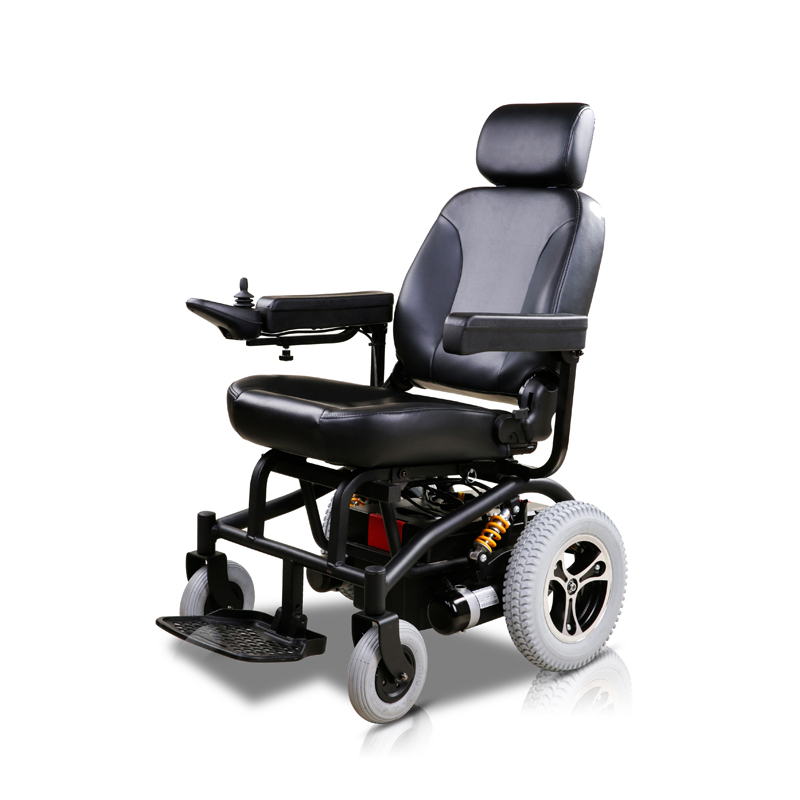
Controls on an electric wheelchair usually feature a joystick placed conveniently on an armrest. Light pressure directs motion—pushing ahead for forward travel, pulling back for reverse, and angling sideways for changes in direction. Some systems include a gentle sound during forward movement to confirm activation during early experiences. Time spent practicing in comfortable surroundings builds familiarity at an individual pace.
The arrangement allows hands to remain free for other purposes when the chair stays in place. Direction shifts happen through appropriate joystick guidance, aiding navigation in spaces with limited room. Repeated use leads to growing ease with the system. Variations in control sensitivity accommodate differences in strength or coordination, extending usability across various needs.
Indoor spaces demonstrate particular value. Narrow passages and furnished areas benefit from the capacity to adjust orientation smoothly. Efficient rotation supports access around objects or through openings. Reaching for items or taking part in room-based tasks proceeds with greater fluidity and less reliance on others.
| Indoor Use Benefits | Key Advantages |
|---|---|
| Narrow Passages & Furnished Areas | Smooth and easy orientation adjustment |
| Rotation in Tight Spaces | Efficient turning around objects and doors |
| Daily Room Tasks | Greater fluidity with less assistance needed |
Configurations Suited to Different Needs
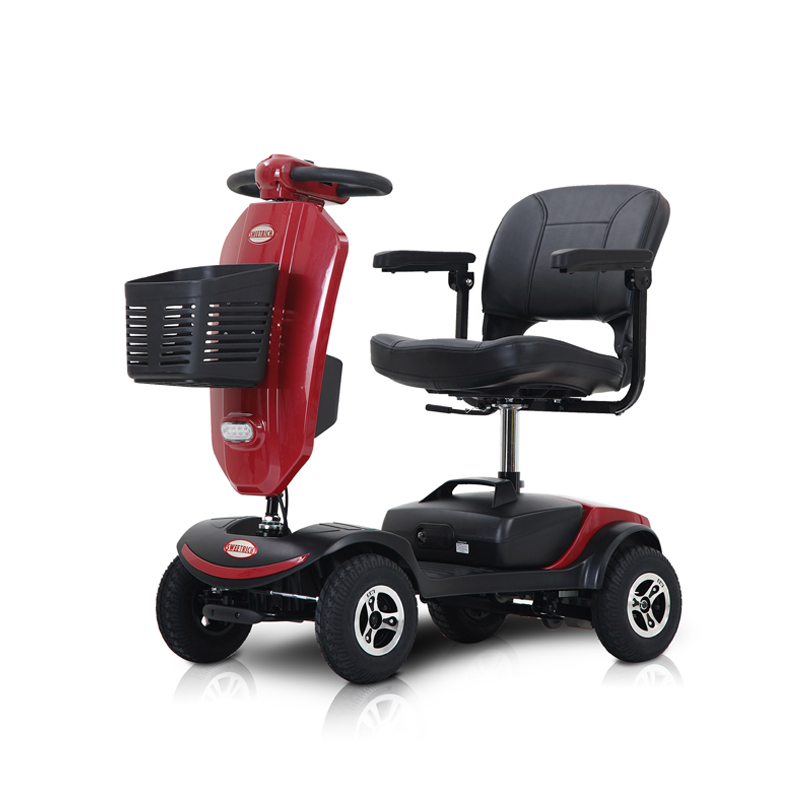
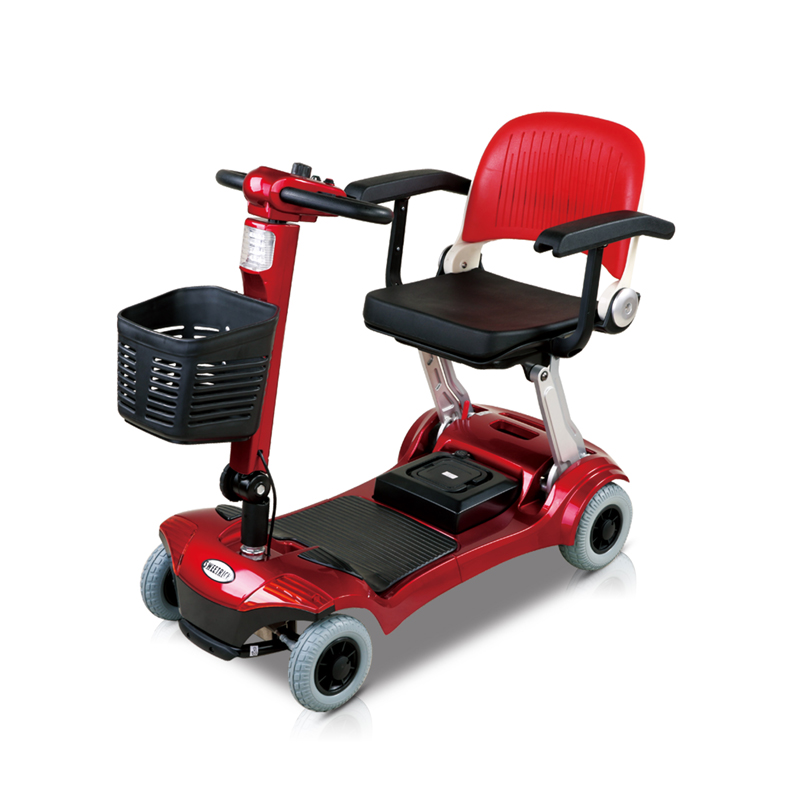
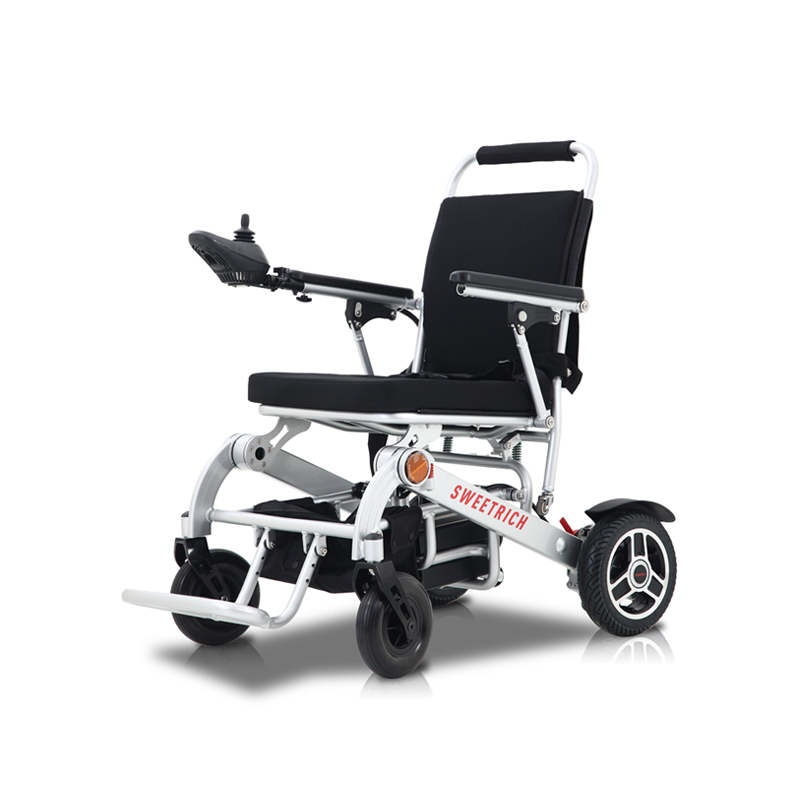
Electric wheelchairs appear in forms that relate to personal lifestyles and surroundings. Some versions focus on handling inside buildings, with attention to compact spaces. Other forms address combinations of indoor areas and outside paths, such as paved walkways or level ground. Designs that separate into parts facilitate movement between locations.
Placement of drive elements affects how the chair responds. Rear positioning contributes steadiness along straight lines and curves. Central arrangements assist with turns in smaller footprints. Forward placements can help approach changes in surface or obstacles. Choices connect to patterns of use, from primary indoor activity to travel involving varied locations.
Seating elements draw on materials that respond to body shapes. Foam options shape themselves to contours for even contact. Air systems employ sections that adjust under pressure, supporting comfort across time spent seated. Input from therapists guides selections according to individual height, weight distribution, and support preferences.
Positioning functions permit changes in angle for tilt or recline. Supports for legs raise when useful for circulation or comfort. These adjustments provide flexibility during different parts of the day, from meals to rest periods or transitions. Professional advice helps combine elements that fit unique situations.
Approaches to Selection
Selection of an electric wheelchair connects to daily patterns, home features, and planned activities. Conversations with healthcare team members, such as therapists, bring clarity on directions matching personal measurements and movement habits. Attention goes to doorway dimensions, floor coverings, and space for keeping the chair when not in motion.
Plans for travel shape considerations. Those who move between places examine how parts come apart or fold for vehicle fit. Compatibility with access equipment influences ease of loading and unloading. Experiences during trial periods in actual environments show how features work in context.
Financial planning covers the chair itself along with future care. Review of coverage through health plans, support initiatives, or local programs assists with resources. Awareness of service intervals supports choices that remain sustainable.
Testing in home layouts and nearby areas supplies direct feedback. Navigation of common routes reveals practical aspects. Adjustments made during trials toward selections that align with expectations and needs.
Attention to Seating and Cushions
Seating contributes notably to satisfaction. Foam cushions follow body lines to deliver steady distribution of weight. Air cushions use adaptable areas to handle pressure, helping with skin condition and blood flow. Evaluations take posture, specific sensitivities, and typical sitting duration into account when suggesting arrangements.
Seat measurements, such as depth and width, relate to stability and control access. Footrest locations match leg length for proper alignment. Armrests adjust in height to suit tasks. Additional back elements address particular needs in spinal or hip areas through tailored methods.
Monitoring cushion condition over periods helps retain advantages. Material responses to time and use may indicate when refreshing supports ongoing pressure care. Cleaning forms part of routine habits, promoting cleanliness and durability.
Energy Supply and Management
Batteries provide power for movement and operation. Linking to outlets during stationary times maintains availability. Displays indicate energy levels, assisting decisions about when to recharge. Regular habits of connection avoid pauses in activity.
Duration of battery service ties to how often the chair operates and care methods. Practices that prevent total discharge and follow interval suggestions extend usefulness. Technician checks at suggested times catch shifts in performance promptly.
Considerations for time away from home include backup approaches for power. Knowledge of connection steps increases confidence in new places. Such steps help maintain mobility during changes in routine.
Development of abilities with electric wheelchairs progresses step by step. Starting in open zones establishes coordination before entering tighter locations. Observation of surroundings at floor, mid, and higher levels supports obstacle management.
| Navigation Skill Development | Key Practices |
|---|---|
| Step-by-Step Progress | Build abilities gradually |
| Open Zones First | Establish coordination before tight spaces |
| Multi-Level Observation | Floor, mid, and higher levels for obstacle management |
Direction changes use controlled inputs to keep balance. Ongoing practice sharpens judgment of space and timing. Users frequently describe improved awareness from steady interaction.
Responses in the system, including stopping when the control releases, add protection. Features for stability aid during small height variations or slopes. Examination of guidance materials and training sessions strengthens techniques.
Planning paths considers ground conditions or inclines. Carrying needed supplies and staying alert promotes positive experiences. This method encourages movement while keeping safety in view.
Fitting into Daily Activities
Electric wheelchairs become part of multiple life areas. Modifications at home, like open pathways or adapted entries, increase independence. Kitchen elements such as reachable storage work together with the chair for food preparation or cleanup.
Workplaces or educational sites gain from access features and adjustable setups. The chair allows involvement in discussions and tasks without mobility restrictions.
Recreational chances grow in locations designed for wheeled access. Paths, gathering places, or programs open opportunities for engagement. Participation in interests adds to personal satisfaction.
Social moments proceed with more flexibility when movement barriers decrease. Meetings with others or group activities flow naturally. Attention stays on connections rather than logistics.
Care and Upkeep Routines
Ongoing attention helps electric wheelchairs function smoothly. Clearing particles from frames, wheels, and contact points avoids effects on performance. Review of wheel states keeps rolling even.
Electrical parts receive examination in planned visits. Links and working components undergo inspection to support operation. Adherence to time-based suggestions limits unexpected needs.
Safeguarding against temperatures or elements preserves systems. Storage choices and covers assist in maintaining condition across seasons. Personal routines often develop to care for function and look.
Travel Preparation
Travel with electric wheelchairs benefits from planning. Checking for access elements at destinations limits uncertainties. Providers of transport share steps for equipment, generally with advance information.
Designs that separate ease packing. Measures to protect during movement guard against impacts. Arrangement of suitable vehicles supports connections between points.
Power access at stopping places helps battery requirements. Extra connectors offer options. Knowledge of nearby assistance gives backup during longer stays.
Additional Elements
Items added to electric wheelchairs allow customization. Surfaces for holding objects assist with transport of belongings. Organization pockets keep items in reach. Lighting supports visibility in lower light.
Holders for communication tools place devices conveniently. Control options fit particular movement styles. Weather protections broaden time spent outside.
Choices in covering materials or appearances express preferences. These details add to feelings of personal connection with the device.
Effects on Overall Health
Use of electric wheelchairs can relate to physical ease and emotional state. Lower demands on joints and muscles leave capacity for chosen pursuits. Positioning that supports the body may reduce certain sensations of discomfort.
Increased involvement in social settings addresses possible feelings of separation. Connections in communities or families build relationships. Control over movement strengthens sense of self-reliance.
Reviews at intervals with professionals keep the chair matched to situations. Changes accommodate shifts in requirements or daily patterns.
Thoughts on Future Directions
Refinements in electric wheelchairs proceed through developments in construction, energy use, and control methods. Core aims of access and assistance stay steady. Networks in healthcare share information on changes suited to personal contexts.
Groups of users and support organizations enable sharing of perspectives. Those new to the process find guidance on decisions and handling.
Electric wheelchairs act as tools that open participation and direction in life. Careful fitting to circumstances creates steady assistance for routines and aims. Focus on understanding, operation, and maintenance contributes to lasting value.
Each experience with an electric wheelchair develops according to unique settings and goals. Consideration of details supports positive integration. The device can form a base for involvement in experiences that matter, promoting engagement in daily and broader aspects of living.
Why Choose Sweetrich Electric Wheelchairs
As individuals increasingly come to appreciate the freedom that enhanced mobility brings, Sweetrich Mobility stands ready to provide unwavering support throughout every user's journey toward regaining their independence. At the core of Sweetrich’s service philosophy lies a deep understanding of each user’s unique needs, guiding them toward electric wheelchair solutions that integrate seamlessly into their daily lives—from comfortable seating configurations to reliable control systems that are both responsive and intuitive, every detail is meticulously tailored to the individual. Whether navigating the familiar spaces of home or venturing out to explore new destinations, partnering with Sweetrich Mobility empowers users with the confidence to open doors to a more active and fully engaged life.
Through comprehensive professional guidance and continuous, attentive care, Sweetrich Mobility strives to elevate the electric wheelchair from a mere device into a trusted and loyal companion—enabling users to move forward with grace and dignity, and to embrace a world of possibilities that extends far beyond the boundaries of the wheelchair itself.