 info@sweetrich.cn
  +86-(0)512-82283871
Content
- 1 Approaches to Handling and Transporting Travel Models
- 2 Navigating Crowds and Confined Areas During Use
- 3 Incorporating Charging into Regular Care
- 4 Cleaning Procedures and Broader Maintenance Activities
- 5 Limiting Environmental Exposure for Component Protection
- 6 Considering Dimensions and Comfort Relative to Personal Routines
- 7 Aligning Weight Capacity with Actual Loads
- 8 Accounting for Budget in Decision Processes
- 9 Portability Aspects and Home Storage Arrangements
- 10 Weighing Multiple Elements When Selecting a Scooter
- 11 Attention to Operational Safety
- 12 Sustaining Ownership Through Component Attention
- 13 Adjusting to Variations in Season and Lifestyle
- 14 Social and Community Aspects Associated with Scooter Use
- 15 Embedding Maintenance Within Daily Patterns
- 16 Factoring Prospective Requirements into Early Evaluation
- 17 Practical Storage Solutions and Environmental Management
- 18 Developing Ease Through Progressive Familiarization
- 19 Wrapping Up Thoughts on Mobility Scooters
- 20 Sweetrich Mobility
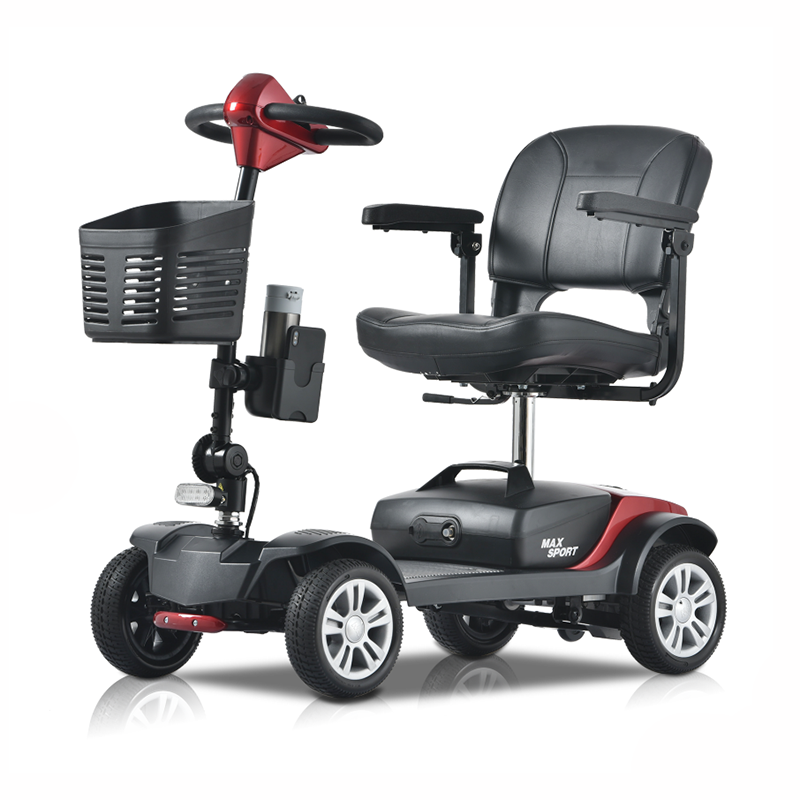
Mobility scooters provide a form of assistance for individuals who encounter difficulties with extended walking or prolonged standing. These electric vehicles can help with common tasks such as errands, social visits, or light outdoor activities. Many people integrate them into routines to sustain participation in daily life when mobility on foot becomes more challenging. Travel-oriented versions, including those available as a Wholesale Mobility Scooter, often draw interest due to features that facilitate movement away from home environments.
Approaches to Handling and Transporting Travel Models
Some mobility scooters feature constructions that allow for manageable lifting in various situations. This characteristic can simplify the task of moving the vehicle when preparing for trips or relocating it between storage and use. Placing the scooter into a car trunk or similar cargo space becomes part of the preparation for outings in many cases. At destinations, the frame dimensions of travel designs can support passage through locations with groups of people or areas offering restricted clearance.
Built-in storage elements on the scooter add practicality during rides. Baskets located in forward or rear positions create room for carrying bags, purchases, or other small belongings. This setup enables riders to keep hands available for steering and controls while proceeding along routes. Seating arrangements in different models also address the process of mounting and dismounting. Designs that permit individuals to handle these actions without assistance can foster greater independence across settings.
| Feature | Benefit |
|---|---|
| Built-in Storage Baskets | Forward or rear baskets provide space for bags, purchases, and small items |
| Hands-Free Operation | Keeps hands free for steering and controls during rides |
| Seating Design | Supports easy mounting and dismounting |
| Independent Transfers | Allows users to get on and off without assistance, promoting greater independence |
Operation in populated or narrow spaces often benefits from steering that responds to inputs and a frame that fits within available room. Travel models frequently adapt to conditions like store pathways, shared corridors, or waiting zones where minor course corrections help maintain flow. This responsiveness can contribute to steadier progress when surroundings include pedestrians or obstacles. Route planning that accounts for clearance can reduce the frequency of stops or reversals in active environments.
Incorporating Charging into Regular Care
Regular connection to a charger supports the power source in remaining available for scheduled activities. Many users attach the charger during periods of non-use, such as overnight, to allow time for completion before daytime needs arise. This pattern can help sustain battery condition through repeated cycles. Developing habits based on typical daily or weekly schedules assists in avoiding instances where charge levels drop during travel. Attention to these practices limits gradual reductions in performance that can occur from inconsistent routines.
Storage choices influence power retention as well. Keeping the scooter in an indoor space or garage when idle can reduce influences that cause ongoing drain. Factors such as temperature shifts or extended exposure to outdoor conditions sometimes contribute to efficiency changes, making sheltered placement a common consideration. Occasional visual examinations of the battery area for noticeable alterations can signal when additional review according to provided instructions may be useful.
Cleaning Procedures and Broader Maintenance Activities
Routine cleaning helps preserve both the visual condition and operational aspects of a mobility scooter. This task usually occurs with power disengaged to limit any effects on electrical sections. Application of mild soap combined with water via a soft cloth can address surface accumulations of dust or residue on the frame, seat, and wheel areas. Care is often taken to prevent water from reaching motors, connections, or control mechanisms directly, as moisture in those zones can to complications. Focus tends to fall on sections exposed during outdoor movement, with wiping performed after returns from sidewalks or paths.
Maintenance involves more than external surfaces and includes review of parts subject to wear in ordinary operation. On models with pneumatic tires, attention to inflation levels in accordance with guidance can affect smoothness and control. When tires display indications of surface changes or damage, timely replacement supports ongoing function. Wheels generally warrant periodic inspection for irregularities that arise from contact with varied surfaces. Noting and addressing these during regular checks can help contain small concerns before they influence mobility.
Battery attention fits within the same framework. Visual assessments for signs of age or capacity shifts accompany other reviews. Clearing connections of any buildup through suitable gentle methods maintains contact quality. Reference to instructions supplied with the vehicle guides the frequency of these steps, whether aligned with weekly patterns, monthly intervals, or specific observations. A consistent schedule reduces oversight amid other responsibilities.
Limiting Environmental Exposure for Component Protection
Contact with water, whether from weather, spills, or cleaning, can reach moving or electrical elements, so measures that restrict direct interaction support durability. Loose sand or comparable particles may also affect mechanisms if carried onto the scooter during rides. Placement in a garage or indoor area during non-use periods offers protection against these influences. This habit can contribute to steadier performance through different seasons and weather variations.
For those whose activities lean toward outdoor settings, models with frames or wheels suited to such conditions can pair with storage practices. Designs that accommodate surface transitions with reduced interruption may align with frequent external use, although sheltered storage continues to receive emphasis for component longevity. Temporary coverings provide short-term shielding when immediate indoor return is not possible, yet consistent sheltered placement remains central to care. Temperature moderation through indoor conditions can further limit effects on battery response.
Considering Dimensions and Comfort Relative to Personal Routines
Overall size affects how a mobility scooter fits within living and travel arrangements. Versions with expanded seating space can allow room for posture shifts on rides of different durations. People with larger frames may observe that proportionate seating contributes to a settled position when operating controls. Conversely, individuals facing limits on home storage or vehicle space often review more contained options that correspond to available areas.
Comfort in operation relates to how the scooter accommodates body proportions and typical ride lengths. Elements such as cushioning or support structures can lessen strain during extended periods, with preferences differing by user. Direct evaluation of various setups permits assessment of motion feel, control access, and seating balance. This examination can highlight aspects of stability and reach that shape satisfaction across repeated uses.
Aligning Weight Capacity with Actual Loads
Correspondence between a scooter's capacity rating and the total of rider weight plus items carried promotes predictable handling. When the rating accommodates real-world combinations, response on level ground, mild elevations, or transitions like curbs tends to remain consistent. Consideration of both personal weight and carried loads, including bags or accessories, informs this evaluation. A rating that includes allowance for typical additions can enhance stability across environments.
This element connects with primary usage contexts. Travel or indoor-focused designs may suit lighter combined loads, whereas models for more regular outdoor activity might manage additional weight while retaining control. Review of capacity details during comparison supports matching to daily patterns without mismatch in expectations.
Accounting for Budget in Decision Processes
Available financial means shape mobility scooter selections for numerous individuals. Options appear across varying price levels, enabling choices that reflect resources and anticipated frequency of application. Moderate allocations may address essential functions for infrequent or nearby activities, while plans involving more consistent or extended movement might direct resources toward supporting features. Weighing upfront costs alongside potential ongoing care or part replacements aids in decisions that hold over time.
Exploration of support avenues through health-related channels or assistance arrangements can ease acquisition when expenses are notable. Requirements for documentation of mobility circumstances differ by setting, so consultation with relevant professionals clarifies pathways. Comparison within practical budget boundaries leads to selections that balance utility and economic fit.
Portability Aspects and Home Storage Arrangements
Portability features matter for users who shift the scooter between sites on a recurring basis. Certain constructions permit folding or division into segments for separate handling, which can ease vehicle loading or home repositioning. Although assembled weight may register as noticeable in some cases, the advantage of placement near routine access points encourages incorporation into activities. Allocation of space in a garage, near entrances, or in protected zones keeps the vehicle reachable without obstructing household flow.
Residents of apartments or compact dwellings may favor configurations that collapse or occupy smaller footprints for indoor placement. Aids such as stands or mounts can organize areas while guarding against unintended contact. The handling involved in transport or storage integrates into broader patterns, so elements that moderate effort can affect sustained comfort with the model.
Weighing Multiple Elements When Selecting a Scooter
Selection draws together several characteristics rather than emphasizing one in isolation. Dimensions, seating comfort, capacity alignment, and transport ease each play a part in suitability for individual situations. A model that functions reasonably in mixed indoor and outdoor contexts supplies adaptability for routines that span settings. Steering ease in restricted areas combines with storage practicality to sustain application in daily contexts.
Distance coverage on a charge fluctuates according to surface type, load, and power state. Routines confined near home may align with moderate capabilities, while community travel of greater scope might favor arrangements that extend operational periods between charges. Initial practice in protected zones builds acquaintance with acceleration, direction changes, and stopping before wider use. This foundation can lessen hesitation when encountering novel paths or shared zones.
Attention to Operational Safety
Familiarity with control responses, including braking and directional adjustments, develops through initial sessions in low-risk locations. Lighting and reflective components on many scooters enhance noticeability in reduced visibility or mixed-traffic zones. Riders maintain awareness of nearby movement, especially on shared paths. Route choices that bypass sharp rises or irregular terrain when feasible contribute to even travel.
Knowledge of community features such as access ramps or reserved spaces broadens reachable locations. Advance review of transport regulations for scooters aids coordination when including the vehicle in travel. Basic supplies, including communication devices or elementary adjustment tools, add layers of readiness for unplanned events.
Sustaining Ownership Through Component Attention
With extended use, focus on replaceable elements helps retain dependability. Tires and wheels undergo review for patterns of change resulting from surface contact. Battery response may shift incrementally, underscoring the value of steady charging and storage methods throughout the ownership period. Service at suggested intervals by qualified personnel can manage adjustments beyond typical user tasks.
Records of care actions, such as cleaning sessions or inflation checks, assist in monitoring without depending entirely on recall. Such notes can streamline discussions with service providers. Users frequently find that steady patterns result in fewer disruptions, preserving the scooter's place in mobility routines.
Adjusting to Variations in Season and Lifestyle
Changes across seasons can modify usage and care emphasis. In drier or milder periods, outdoor movement may rise, calling for added notice to wheel condition and post-ride cleaning after dust or particle exposure. In cooler or damper intervals, restriction to drier surfaces and priority on indoor placement help shield parts from moisture or thermal influences. Routine modifications, including more regular power checks or path alterations, maintain function amid shifting conditions.
Shifts in activity patterns or residence setups may prompt reassessment of scooter fit over periods. A version suited to frequent travel might later correspond more closely to localized, home-based movement. Inclusion of prospective requirements alongside present ones in selection criteria can moderate the pace of future changes. Input from household members or support contacts sometimes informs these reviews through comments on handling or space use in common areas.
Social and Community Aspects Associated with Scooter Use
Access to a mobility scooter can enable involvement in gatherings, family activities, or informal excursions that might otherwise demand more coordination or reliance on others. The self-directed aspect of movement frequently links to continued social connection and engagement in surrounding life. Exchanges of observations among users in comparable positions can yield notes on path selection, storage methods, or care approaches refined through personal application.
Many public locations incorporate accommodations for wheeled devices, including broader passages or entry adaptations. Recognition of these supports smoother navigation with predictability. For those beginning scooter use, progression from brief outings to more involved ones can cultivate ease before addressing denser or lengthier scenarios.
Embedding Maintenance Within Daily Patterns
Integration of care steps into existing sequences lessens the sense of them as separate efforts. A surface wipe following arrival from activities can align with settling belongings. Charger attachment may coincide with end-of-day wind-down, while wheel or battery reviews fit within weekly household sequences. This blending sustains vehicle condition without demanding extended separate intervals.
Observation of spaces under the frame or near joints can uncover material buildup that might otherwise remain hidden. Careful clearance prevents interference with operation. Establishment of these patterns early often correlates with reduced interruptions during active periods.
Factoring Prospective Requirements into Early Evaluation
During assessment, some users incorporate how circumstances may develop. Models offering adjustment points or scope for limited changes can provide flexibility as conditions evolve. Transport characteristics retain relevance if movement frequency or living changes occur. Capacity ratings that allow buffer for variations or added loads create margin against immediate constraints.
| Aspect | Benefit |
|---|---|
| Future Needs Assessment | Users consider how personal circumstances may change over time |
| Adjustable Features | Models with adjustment points offer flexibility as needs evolve |
| Transport Characteristics | Portability remains relevant when movement frequency or living situations change |
| Weight Capacity Buffer | Ratings with extra margin accommodate variations or added loads |
Discussions with health or therapy professionals can illuminate fit and function details specific to mobility profiles. These conversations sometimes surface considerations not evident in general review, guiding closer correspondence between person and vehicle. Opportunity for trial at supply locations enables direct assessment of steering feel, seating, and handling prior to commitment.
Practical Storage Solutions and Environmental Management
Finding effective places to keep a mobility scooter helps protect its parts while making it simple to reach when needed. Homes that include a garage often set aside a corner or spot near an outlet so the scooter stays ready for use and stays away from weather or dust outside. In smaller living spaces without extra room, versions that fold down or take up less space fit inside closets or against a wall without getting in the way. Simple covers can offer short-term shielding if the scooter must wait a few minutes before moving indoors.
Setting up the storage area with enough space around it makes lifting or moving the scooter easier and lowers the chance of strain. Keeping pathways clear and adding good lighting nearby supports safer handling, especially when light levels drop in the evening or early morning. Over weeks and months, adjusting the setup according to how the scooter is actually used can make daily routines flow more smoothly within the available home space.
Developing Ease Through Progressive Familiarization
People who are just starting to use a mobility scooter often begin with brief trips along familiar paths before trying busier or new locations. Short practice sessions in a driveway, on calm sidewalks, or across open floor areas inside allow time to get used to how the controls feel and respond. This early phase frequently reveals which settings feel natural and helps build a calmer approach to steering and stopping.
Becoming more aware of the scooter's overall size improves the ability to judge gaps near doorways or in narrow spots. Repeated use usually leads to better instincts about space and motion, which makes it easier to weave the scooter into regular travel habits. Talking with others who use similar scooters can bring in fresh ideas for handling common challenges that come up in stores, sidewalks, or public areas.
Wrapping Up Thoughts on Mobility Scooters
Mobility scooters offer one way to support continued movement and personal independence when walking distances create difficulties. Paying attention to how easily the scooter lifts and stores, how the battery is kept charged, how surfaces stay clean, how the vehicle stays protected from the elements, how its size matches daily comfort needs, how its weight rating lines up with actual use, and how portable it feels even when heavier can all help match the right model to an individual's situation. Regular attention to care steps and a thoughtful choice process contribute to steady performance whether the scooter is used indoors, outdoors, or during short trips away from home. Bringing these different considerations together supports finding an option that fits existing habits and resources while helping with practical daily mobility.
Sweetrich Mobility
As an increasing number of people begin to integrate mobility scooters into their daily routines, the products offered by Sweetrich Mobility emerge as an ideal choice. They seamlessly blend users' specific requirements with a range of practical features—such as lightweight designs that facilitate easy handling, the convenience of fitting effortlessly into a car trunk, and agile maneuverability that remains unhindered even in crowded or confined spaces. Integrating a mobility scooter into daily life often entails a commitment to mindful charging habits, gentle cleaning methods, parking in sheltered locations—such as indoors or in a garage—and conducting regular checks on the wheels and battery condition; collectively, these meticulous maintenance practices ensure a smoother and more enjoyable experience for the user over the long term.
Whether a user's primary focus lies in the dimensions and comfort required for long-distance travel, a weight capacity suited to their specific needs, or the portability necessary for frequent travel, the choices available in this field invariably adapt and evolve alongside the user's changing circumstances and personal preferences.
Addressing these various considerations, Sweetrich Mobility offers a comprehensive set of recommendations designed to encourage users to adopt a thoughtful and deliberate approach—one that not only ensures seamless mobility within their home environment, community activities, and travel plans, but also serves to genuinely and sustainably uphold each user's independent lifestyle.