 info@sweetrich.cn
  +86-(0)512-82283871
Content
- 1 Why Folding Matters in Real Homes and Cities
- 2 Navigating the First and Last Parts of Any Trip
- 3 Comfort That Supports Longer Outings
- 4 Controls That Work With Different Hands and Bodies
- 5 Adapting the Scooter to Changing Days
- 6 Electronics That Stay in the Background
- 7 Weight, Strength, and Real-World Trade-offs
- 8 Durability That Lasts Through Seasons
- 9 Sustainability in Quiet Ways
- 10 A Typical Day With a Mobility Scooter
- 11 Challenges That Remain
- 12 Why Choose Sweetrich Mobility
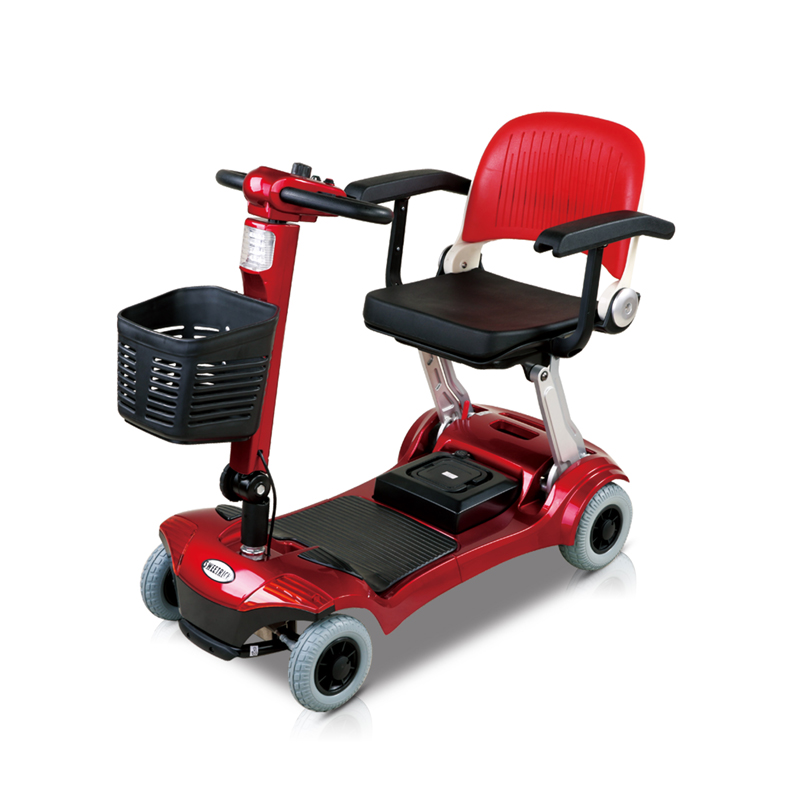
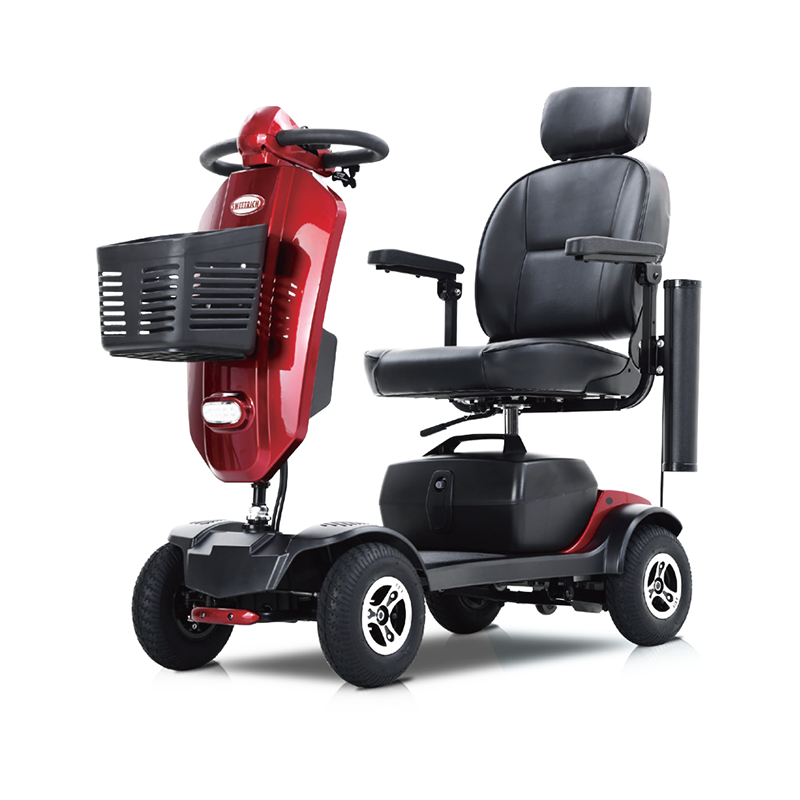
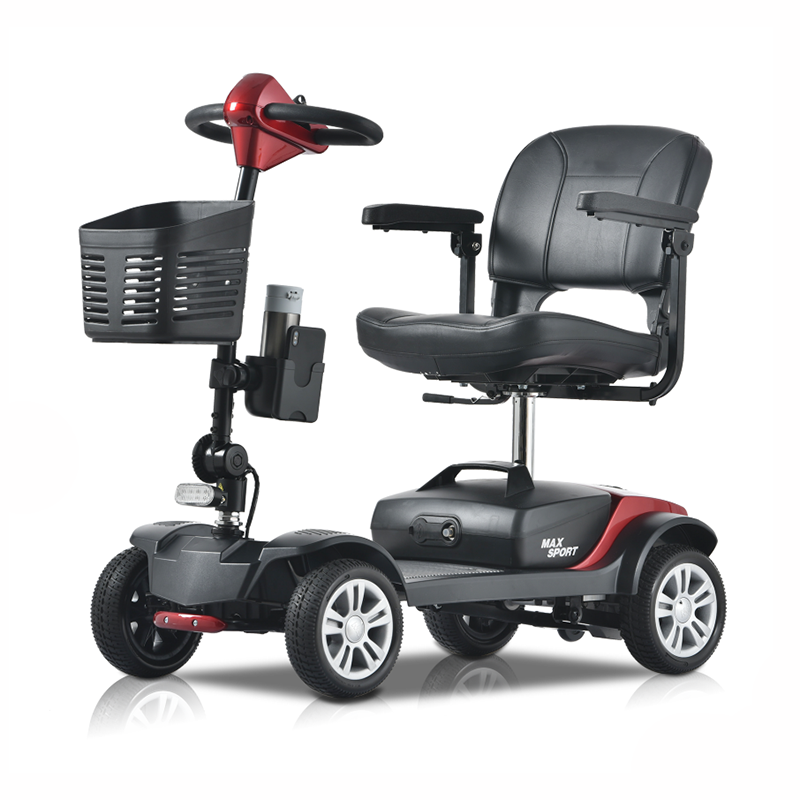
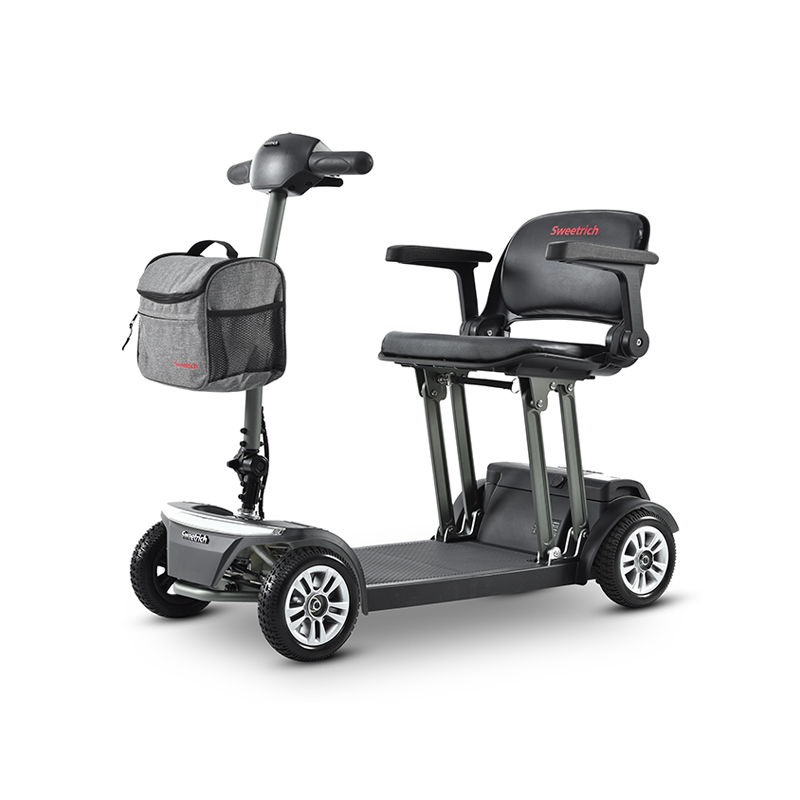
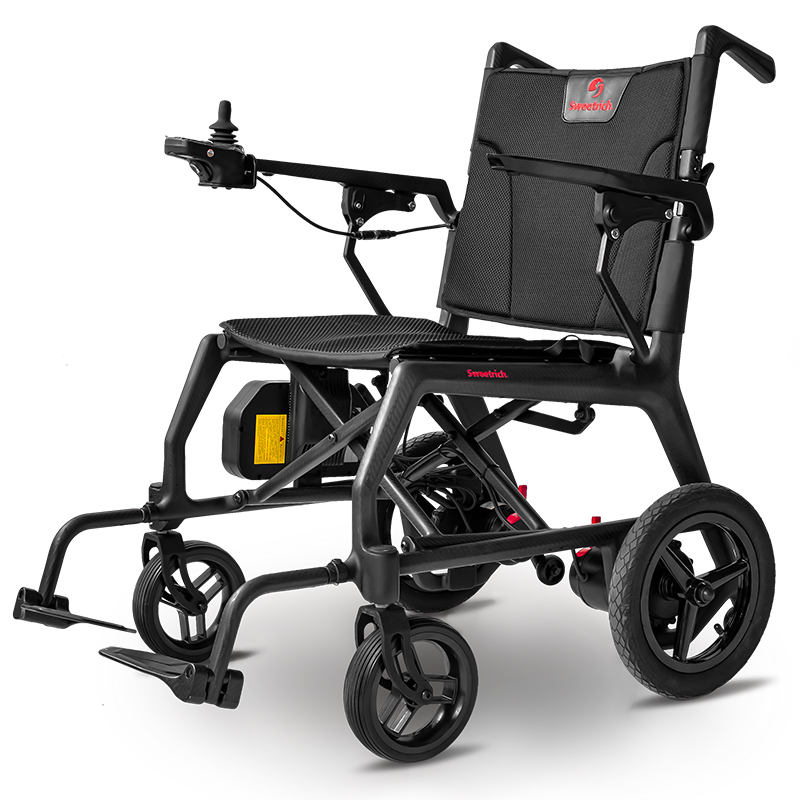
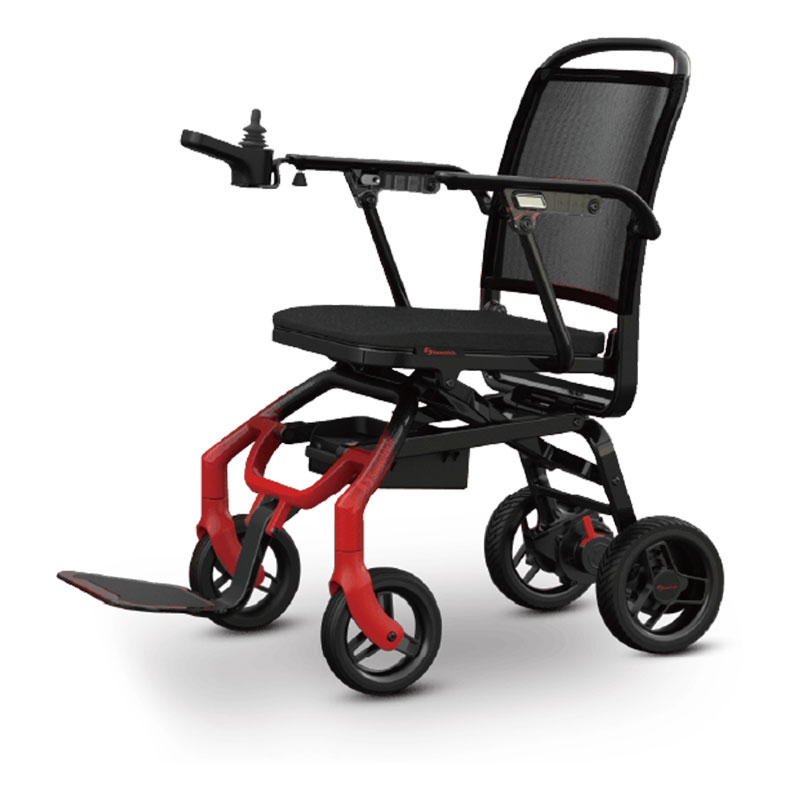
People move through their days in small steps that add up: a walk to the corner store, a trip on the bus to visit family, or simply crossing a parking lot after parking the car. For many, those steps become harder over time because of age, injury, or health changes. Personal mobility scooters step in as one way to keep those rhythms going without constant exhaustion or dependence on others. Behind these helpful devices, a Mobility Scooter Factory plays an important role by designing and producing reliable scooters that support everyday independence and make daily travel easier for many people.
These vehicles do not replace walking entirely. Instead, they fill in the gaps where distance or terrain starts to wear someone down. In busy neighborhoods, users roll along sidewalks at a pace that matches their energy, stopping to look at shop windows or chat with neighbors without worrying that the return journey will leave them too tired. The scooter becomes part of the background of life rather than the main event.
Designers who work on these vehicles spend time watching how people actually live. They notice the moment someone hesitates before lifting something into a car trunk or navigating a narrow doorway. Those small hesitations drive changes in how scooters are built—lighter frames, smoother folding actions, and controls that do not demand grip or reach.
Why Folding Matters in Real Homes and Cities
Living spaces come in all sizes, from spacious suburban houses to tiny urban apartments with limited closets. A scooter that stays unfolded all the time quickly becomes furniture that gets in the way. Folding designs change that equation by letting the vehicle shrink when not in use.
Imagine finishing a day of errands. Instead of leaving the scooter in the hallway or struggling to find parking space for it, the user collapses it down and tucks it beside the coat rack or slides it under a table. The action does not need to feel like wrestling with machinery. When hinges move freely and locks click into place with a simple motion, the whole process turns into something routine rather than a chore.
Public transit adds another layer. Boarding a bus or train with a full-sized scooter can turn into an awkward negotiation with drivers and fellow passengers. A version that folds compactly slips more easily into designated spots or even rides along in the lap if space allows. This opens doors for people who want to combine scooter travel with buses, trains, or rideshares without planning every detail in advance.
| Aspect | Key Point |
|---|---|
| Public Transit Use | Full-sized scooters can be difficult to board on buses or trains. |
| Compact Folding Design | Foldable scooters fit more easily in transit spaces. |
| Travel Flexibility | Enables combined travel with buses, trains, or rideshares. |
| User Convenience | Reduces planning stress and simplifies multi-mode trips. |
The challenge lies in making the fold strong enough for daily riding yet easy enough for hands that may not have full strength. Engineers test ideas by watching repeated actions in kitchens, hallways, and parking lots. They adjust pivot points and balance the weight so the scooter does not tip unexpectedly during the collapse or feel flimsy once opened again.
Cities build transit systems for long hauls, but the short stretches at the beginning and end often create the biggest headaches. Walking from the front door to the nearest stop can drain energy before the real journey even starts. The same happens on arrival—another stretch of pavement between the station and the actual destination.
Scooters help smooth those edges. A user rides from home to the transit stop, folds the vehicle for the main ride, then unfolds it again to cover the final blocks. Grocery trips become less daunting because the last leg to the store does not require saving strength for the walk back. Social visits feel possible again when the distance between bus stop and front porch no longer decides whether someone stays home.
In crowded downtown areas, the scooter's size lets riders slip through gaps that cars cannot enter. Sidewalks, pedestrian malls, and even some indoor shopping centers become accessible without the stress of finding parking or dealing with stairs. Over time, these small gains add up to a different relationship with the city—less isolation, more spontaneous decisions to head out.
Shared scooter programs in some places take advantage of compact designs too. Vehicles that fold neatly can stack or store efficiently between rides, encouraging higher use rates and less wasted space in public areas.
Comfort That Supports Longer Outings
Sitting in one position for any length of time brings its own discomfort, especially on uneven pavement or during stops and starts. Scooter seats and supports receive careful shaping so the body stays in a natural alignment rather than slumping forward or straining to reach controls.
Armrests and foot placements that adjust to different heights prevent pressure points from building up. A rider heading across town for a doctor appointment or lunch with friends can focus on the scenery or conversation instead of shifting constantly to ease sore spots. Suspension elements soften bumps from cracks in the sidewalk or slight inclines, turning what once felt jarring into something manageable.
Braking and steering respond in ways that feel predictable. Sudden stops or sharp turns lose their tension when the vehicle stays planted and the controls give clear feedback. Lighting helps during evening hours or in shaded areas, so visibility does not become another source of worry.
These details matter because comfort determines whether someone chooses to use the scooter for a quick errand or decides it is not worth the effort. When the ride feels supportive rather than punishing, outings stretch longer and happen more often.
Controls That Work With Different Hands and Bodies
Not every hand grips with the same strength or precision. Some users have limited dexterity from arthritis or neurological conditions. Control layouts that rely on simple motions—pushing a lever or pressing a large button—keep operation within reach for more people.
Handlebars that adjust in height and angle accommodate taller or shorter riders without forcing awkward postures. The interface avoids tiny switches or complex menus that require fine motor skills or good eyesight in bright sunlight. Instead, clear indicators and responsive feedback let users keep their eyes on the path ahead.
Stability during turns or when moving from pavement to a slight ramp comes from careful weight distribution and wheel placement. Riders gain confidence knowing the scooter will not tip unexpectedly on a crowned road or loose gravel. For indoor use, tighter turning circles allow weaving between furniture or display racks without constant backing up and repositioning.
These accessibility touches turn the scooter from a specialized tool into something closer to a natural extension of the body. Someone with reduced grip strength can still enjoy independence instead of waiting for assistance with every small task.
Adapting the Scooter to Changing Days
Days rarely follow the same pattern, and neither do the demands placed on a mobility scooter. One morning a rider might head out for a relaxed afternoon in the park where steady balance on grass and gentle slopes matters more than anything else. The next day could involve catching a flight, where every extra inch of bulk turns into a headache at check-in or in the car trunk.
Modular pieces help bridge those shifts. A seat cushion can swap out for something firmer on longer rides or softer when comfort comes first. Batteries that detach without fuss make charging as simple as plugging in a household appliance instead of dragging the whole vehicle near an outlet. Frame sections that adjust or break down let the scooter shrink to fit awkward storage spots in small homes or hotel rooms.
This kind of flexibility turns one scooter into a reliable partner across routines. Weekday trips to pick up prescriptions feel straightforward, while weekend rides along quieter paths stay enjoyable without constant worry about space or setup time. Clip-on baskets or lightweight covers slide into place when needed and come off just as easily, adding carrying room or protection from sudden rain without turning the scooter into a permanent storage cart.
Maintenance gains simplicity too. When sections come apart by hand or with basic household tools, a loose bolt or worn wheel tread no longer means a full workshop visit. Home adjustments or a quick stop at a neighborhood repair spot keep things running, and the scooter stays useful as living situations change—whether moving to a smaller apartment or traveling more often with family.
Even appearance plays a quiet role in daily confidence. Finishes and colors that feel personal rather than institutional help the scooter blend into someone's life like any other belonging. A choice of subtle tones or clean lines can ease the self-consciousness that sometimes comes with visible assistance in public spaces, letting the focus stay on the outing itself.
Electronics That Stay in the Background
Electronics have grown smaller and more efficient, so helpful touches no longer need to sit like afterthoughts on the handlebars or deck. Battery level alerts or gentle directional hints can hide inside the frame where they stay out of sight and out of the way, preserving clean lines and keeping overall handling light.
A simple indicator that lets a rider know power remains without constant checking gives peace during errands or visits. Basic prompts for turns or reminders about location can link quietly to a phone, offering reassurance on unfamiliar routes or when leaving the scooter parked for a while. None of it demands constant attention—the information appears when useful and fades otherwise.
Restraint matters here. The additions support the ride without pulling focus from the world around the rider. When motors and power delivery work efficiently, the structures holding everything together can stay lighter, which preserves the easy carry and quick setup that make daily use feel possible rather than burdensome.
Weight, Strength, and Real-World Trade-offs
Lifting a scooter into a car or up a few steps quickly reveals how much every bit of weight affects real life. Yet the frame still needs enough backbone to roll over curbs, absorb minor jolts, and stay composed under everyday loads without bending or wobbling during turns.
Certain metals and layered materials offer a practical middle ground. They create frames that look solid and feel dependable on the road while staying noticeably easier to manage by hand than heavier traditional builds. Designers trim material from areas that carry little stress and add reinforcement only where acceleration, braking, or impacts concentrate force.
Real testing copies ordinary moments—folding the scooter repeatedly in narrow entryways, rolling across cracked sidewalks, or pushing it manually when the battery dips low. Riders' stories often point to the exact instants when weight becomes obvious: hoisting it onto a bus, squeezing it into a closet, or guiding it through tight doorways. Those lived moments shape tweaks far more than controlled lab figures alone.
The aim stays grounded in trust. Riders want to lean into turns or cross wet pavement knowing the scooter will hold steady without second-guessing its strength. Simple structural shapes, like braced triangles or reinforced boxes, deliver the needed stiffness while keeping extra material to a minimum.
Durability That Lasts Through Seasons
Scooters sometimes wait outside through rain, baking sun, or freezing nights. Good seals around electrical parts, sheltered paths for wires, and protective coatings help the lighter construction hold up instead of gradually weakening or showing rust.
Connections between unlike materials require care because heat and cold make them expand and contract at different rates. Strong adhesives, well-placed fasteners, or combined joining methods keep joints secure through constant vibration from roads and repeated folding.
Everyday use uncovers details that lab benches often miss—a handle that grips well in dry weather but turns slippery when damp with rain or sweat, or cushioning that slowly flattens after months of daily sitting. Small adjustments based on those real observations keep performance steady without piling on extra weight or complicated fixes.
Sustainability in Quiet Ways
Lighter scooters tend to draw less energy during use, and their compact folded shape makes them practical for programs where one vehicle moves between several riders instead of sitting unused for long stretches. Cutting back on short car trips for nearby tasks can ease neighborhood traffic and parking shortages in modest but meaningful ways.
Production choices that reduce scrap or make component recycling easier fit into broader efforts to think ahead about resources. When repairs stay straightforward thanks to separable parts, a scooter can serve effectively for more years before needing replacement.
Riders sometimes discover unexpected side benefits. With less physical drain from movement, they head out more readily for coffee with friends or gentle walks mixed with scooter segments. These patterns quietly support staying active and connected without pushing anyone toward exhausting routines.
A Typical Day With a Mobility Scooter
Mornings often start beside the door with a few familiar motions to unfold the scooter and tweak the seat or handles for the hours ahead. A softer cushion might go on for a day with more sitting, while the ride to the nearest transit stop rolls smoothly enough to let the rider notice birds or neighborhood chatter instead of bracing for fatigue.
| Aspect | Key Point |
|---|---|
| Daily Preparation | Morning routine includes unfolding the scooter and adjusting seat or handles. |
| Comfort Adjustment | Riders may add a softer cushion for longer sitting periods. |
| Smooth Travel | Stable ride allows users to relax and notice surroundings instead of fatigue. |
| Everyday Convenience | Simple adjustments support comfortable daily mobility. |
Once at the destination, unfolding opens possibilities again—wandering through shops at an easy pace, joining friends at an outdoor table, or taking care of errands that used to require careful energy budgeting or extra hands. The trip home follows a similar rhythm: folding at the transit point and a short final leg that ends with the scooter tucked away neatly.
Caregivers and family members frequently notice their own backs and shoulders thank them when loading or storing feels less like a workout. Quick decisions to step out for bread or fresh air stop feeling like major productions.
Week after week, these ordinary freedoms build on each other. Riders describe feeling more part of their surroundings and less defined by what they cannot do. The scooter itself recedes into the background, becoming simply the thing that lets life proceed in its normal, unremarkable flow.
Challenges That Remain
Even well-considered designs run into limits. Rough paths or sharp inclines can still test the edges of capability. Older buildings with narrow entrances or crowded layouts sometimes resist even compact models. Rules around transit boarding or sidewalk use differ from place to place, leaving occasional uncertainty about what counts as acceptable.
Power duration shifts with hills, added weight, or cold weather, so longer outings call for a bit of forethought. Maintenance, though eased by separable parts, still asks for regular attention to keep everything responsive and safe.
Ongoing work listens closely to these sticking points. Tweaks to balance, surface protection, or control feel address recurring feedback without claiming to fix every scenario for every rider.
Why Choose Sweetrich Mobility
As personal mobility devices continue to evolve—transcending their origins as mere modes of transport to become indispensable aids that quietly empower everyday freedom—their true differentiating value has come into sharp focus. This value lies in the meticulous thoughtfulness of their design: how comprehensively they are engineered to integrate seamlessly into real human lives. They must be lightweight and portable, ensuring effortless handling; stable and reliable, instilling confidence in the rider; and flexible and adaptable, capable of meeting the ever-changing demands of modern living.
Sweetrich Mobility distinguishes itself in this field precisely because the design of its mobility scooters reflects a profound insight into these everyday realities. In confined spaces, convenient folding mechanisms offer users a sense of ease; intuitive control interfaces demonstrate a thoughtful sensitivity, fully respecting the needs of users with varying physical capabilities; and a structural design that marries durability with lightweight agility empowers users with absolute confidence—whether navigating bustling city streets or the narrow corridors of their own homes.
Choosing Sweetrich means acquiring a mobility device that is far more than a simple means of getting from A to B; it is a partner that empowers you to embrace a more independent and relaxed pace of life. It operates quietly in the background, allowing you to focus your full attention on the richness of living itself—savoring every moment of life's splendor through every smooth and enjoyable journey.