 info@sweetrich.cn
  +86-(0)512-82283871
Content
- 1 Making Space for Life at Home and on the Move
- 2 Bridging the Short Parts of Any Journey
- 3 Comfort During Time Spent Riding
- 4 Controls That Suit Different Hands
- 5 Adjusting to Different Kinds of Days
- 6 Electronics That Remain in the Background
- 7 Weight and Strength in Everyday Use
- 8 Holding Up Through Changing Conditions
- 9 Quiet Contributions to Resource Use
- 10 A Day in the Life with a Travel Scooter
- 11 Limits That Still Exist
- 12 Moving Forward with Real Needs in Mind
- 13 Sweetrich Mobility
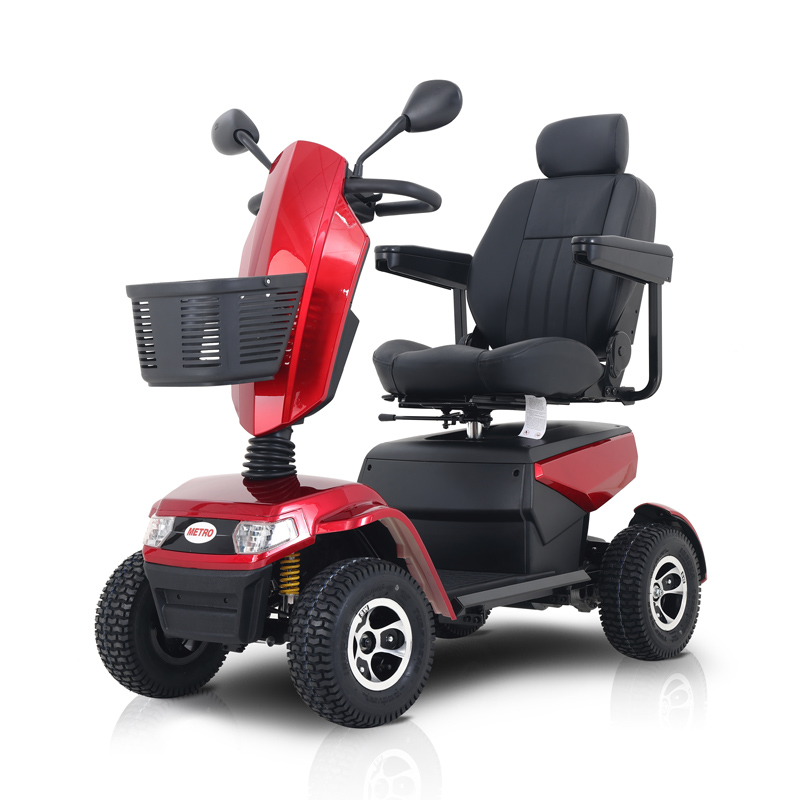
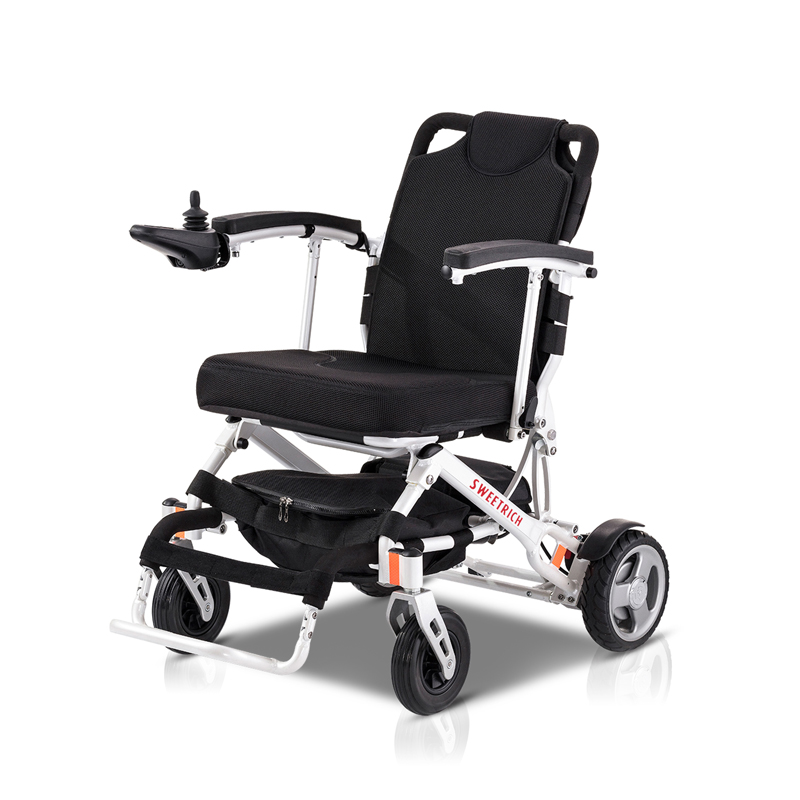
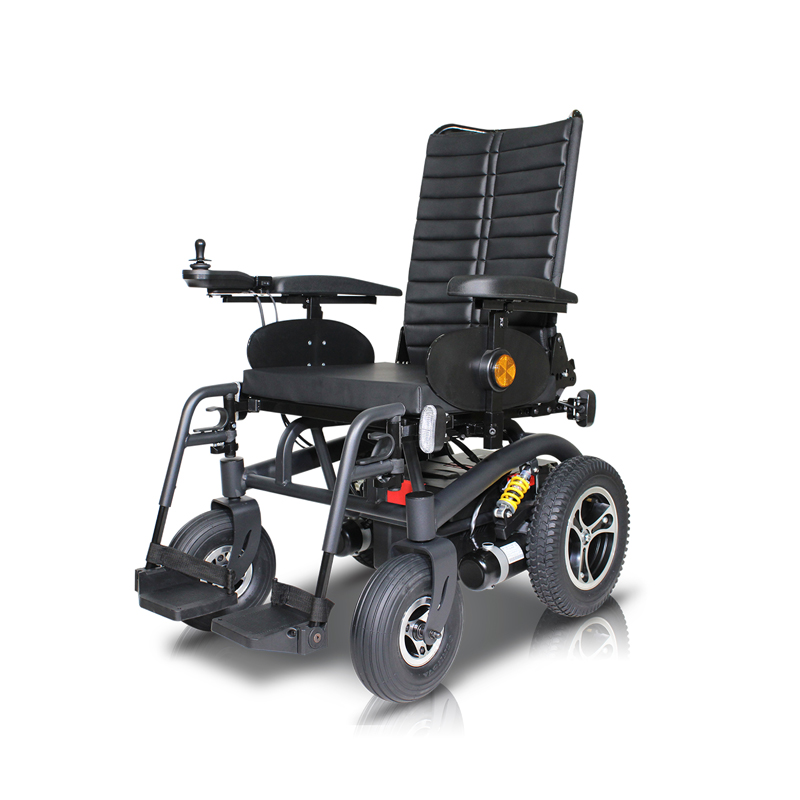
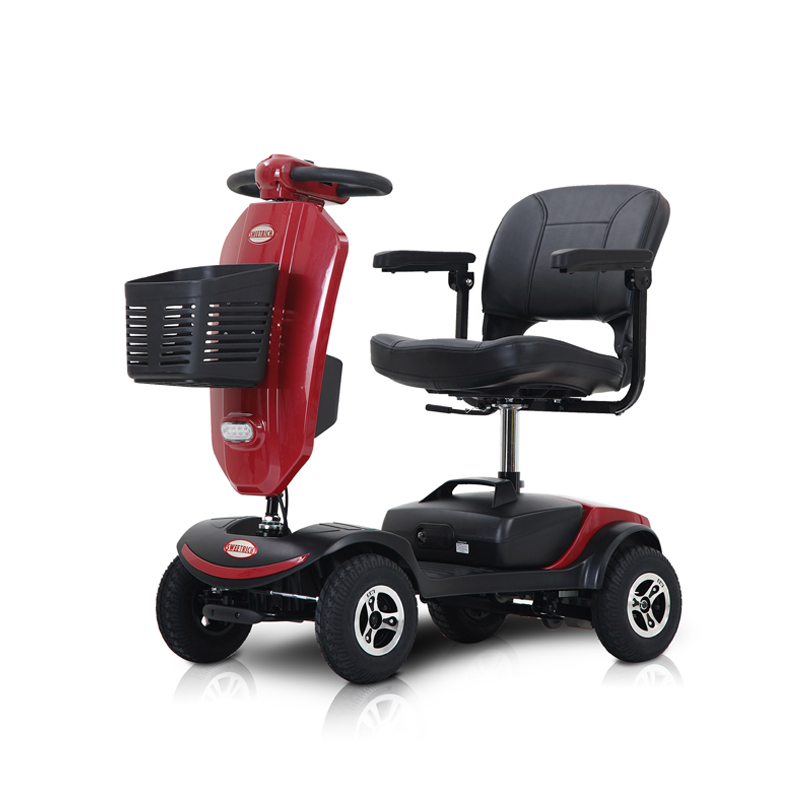
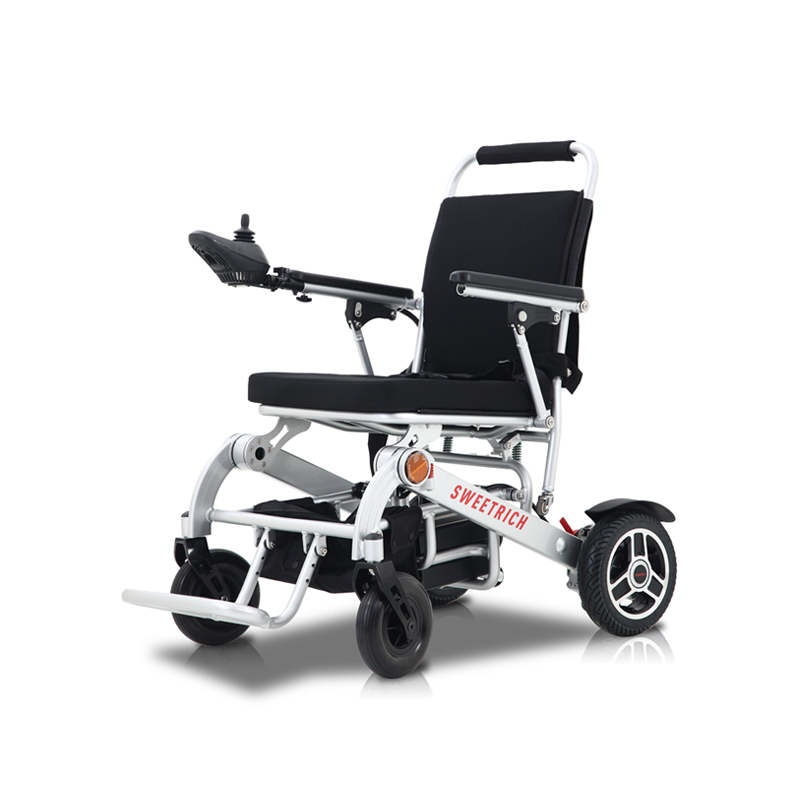
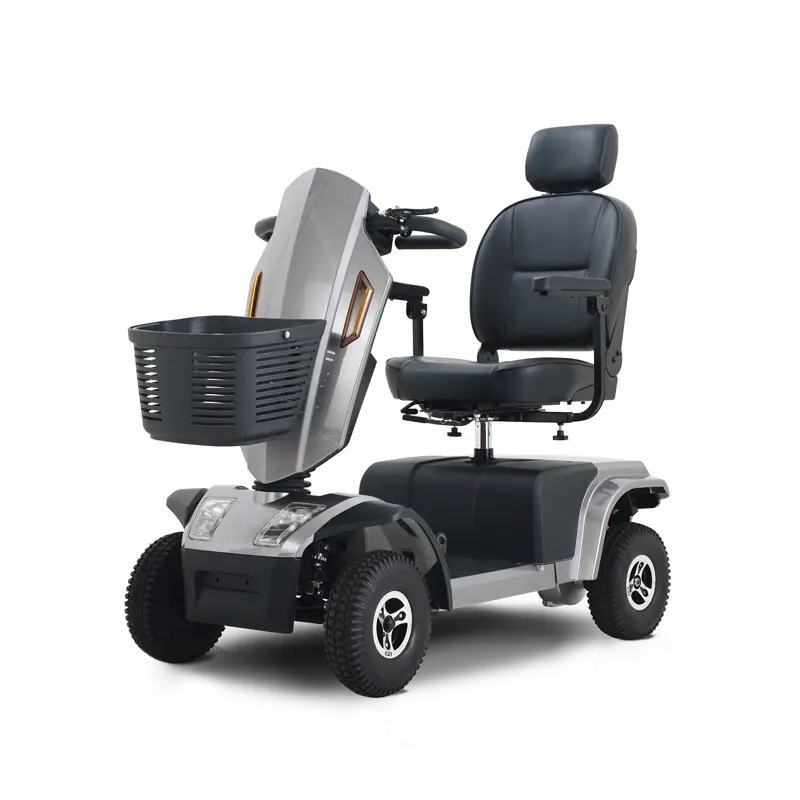
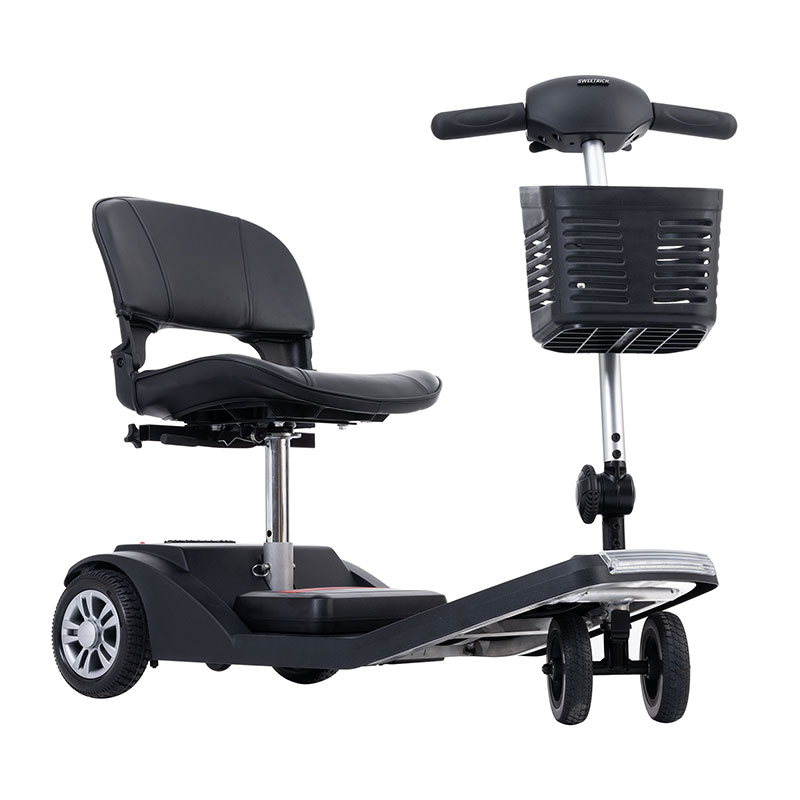
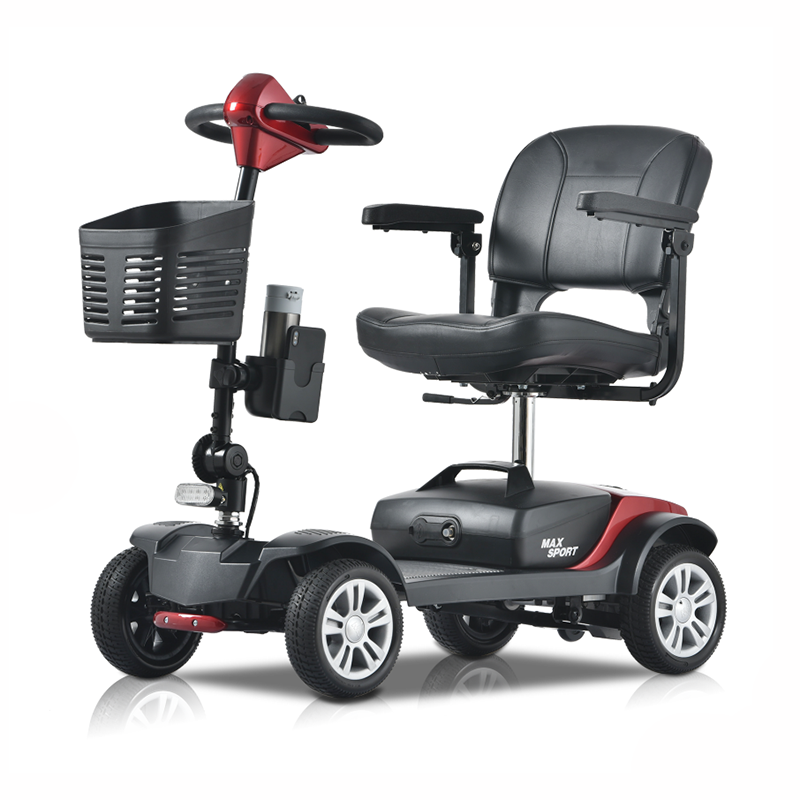
Days are built from small movements — stepping out for milk, catching a bus to see family, or walking across a parking lot after arriving somewhere. For many, those ordinary distances grow harder with time because of age, recovery from an injury, or shifts in health. Travel-friendly mobility scooters offer one way to keep those rhythms going without turning every short trip into a test of endurance or a request for help from others. Behind many of these practical solutions, the Wholesale Travel Scooter market helps bring lightweight and portable designs to a wider range of people who rely on them for everyday mobility.
These scooters do not take the place of walking. They step in where distance or surface conditions start to drain energy. In neighborhood streets, riders move at their own pace, pausing to look in shop windows or exchange greetings without the return journey hanging over them like a weight. The scooter settles into the background of the day instead of becoming the main concern.
People who shape these vehicles spend time noticing real habits. They see the pause before someone lifts luggage into a car or threads through a tight doorway. Those small hesitations shape decisions about weight, how the scooter collapses, and controls that work with hands that may not grip or reach as they once did. The goal is a scooter that feels useful rather than like another piece of equipment to manage.
Making Space for Life at Home and on the Move
Homes differ greatly. Some have room to spare while others, especially in cities, offer little extra space for storage. A scooter that stays in riding form can quickly claim space in hallways or entryways and disrupt the flow of daily movement. Designs that shrink noticeably when not needed help solve that problem.
Picture the end of errands. Instead of propping the scooter in a busy spot or hunting for storage, the rider reduces its size and tucks it beside coats or slides it under a piece of furniture. The collapsing action works when it flows without struggle. When latches release smoothly and lock securely, the task turns into something routine rather than a separate chore.
Public transit adds its own layer. Bringing a larger scooter onto a bus or train sometimes means negotiating space with drivers and passengers. A version that reduces in size fits more easily into designated spots or travels as a manageable item. This opens possibilities for combining scooter use with buses, trains, or shared rides without mapping out every detail ahead of time.
The balance involves keeping the structure sound for riding while making the size reduction gentle enough for hands with less strength. Repeated watching in ordinary places — home entries, narrow passages, vehicle loading areas — leads to small adjustments in how weight sits and how parts connect. The scooter stays steady on the road yet easier to prepare for transport or storage.
Bridging the Short Parts of Any Journey
Transit systems often focus on longer distances, leaving the beginning and ending segments as sources of fatigue. Walking from the front door to a stop, or from arrival to the final destination, can use up energy before the main part of the trip even starts.
Travel-friendly mobility scooters ease those stretches. A rider covers the approach to transit at a comfortable speed, reduces the scooter for the longer leg, then opens it again for the remaining distance. Grocery runs feel less tiring when the walk from the stop to the store does not require saving strength for the way back. Visits with friends or family become more doable when the gap between bus stop and doorstep no longer decides the plan.
In busy downtown areas, the scooter's size lets riders pass through openings that cars cannot enter. Sidewalks, pedestrian zones, and some indoor retail spaces grow more accessible without the added worry of parking or stairs. With repeated use, these small changes create a different feeling toward the city — less held back, more room for deciding to head out on the spur of the moment.
Some community programs use compact scooters for shared access. Designs that reduce neatly support efficient storage between riders and may help reduce unused space in public areas.
Comfort During Time Spent Riding
Sitting for any stretch brings its own discomfort, especially over uneven pavement or with frequent stops. Seating and supports receive attention so the body can rest in a more natural position rather than leaning forward or reaching awkwardly.
Adjustable elements for arms and feet help avoid pressure building in one spot. Someone traveling for an appointment or meeting friends can pay attention to the view or conversation instead of shifting constantly to relieve sore areas. Responses to surface changes soften jolts from cracks or gentle rises, turning what once felt harsh into something more even.
| Feature | Benefit | User Experience |
|---|---|---|
| Adjustable arm and foot supports | Reduces pressure on specific areas | Allows comfortable positioning during longer rides |
| Balanced seating design | Helps prevent discomfort from prolonged sitting | Users focus on travel rather than shifting positions |
| Surface response system | Softens shocks from cracks or uneven paths | Provides smoother and more stable movement |
Steering and stopping give consistent feedback. Quick halts or direction changes lose some tension when the vehicle stays grounded and the controls respond clearly. Lighting assists in lower light or shared traffic areas so visibility does not add another concern.
These elements matter because comfort influences whether a rider chooses the scooter for a quick errand or decides the effort outweighs the gain. When the ride supports rather than drains, outings tend to last longer and occur more regularly.
Controls That Suit Different Hands
Not every hand holds with the same strength or accuracy. Some users manage reduced dexterity because of arthritis or other conditions. Control layouts that use simple actions — moving a lever or pressing a larger button — keep operation within reach for more people.
Handlebars that change in height and angle fit riders of different sizes without forcing uncomfortable positions. Interfaces avoid small switches or layered options that need fine coordination or clear vision in bright light. Clear signals and direct feedback let the eyes stay on the path.
Stability during turns or surface changes comes from thoughtful weight placement and wheel contact. Riders build confidence that the scooter will behave predictably on crowned roads or light gravel. In indoor spaces, smaller turning space helps move around furniture or displays with fewer reversals.
These touches move the scooter closer to feeling like part of the body rather than a separate tool. Someone with weaker grip can keep a measure of independence in small tasks instead of asking for help each time.
Adjusting to Different Kinds of Days
Daily routines shift, and so do the needs placed on a scooter. One day may call for steady handling on grass or gentle slopes during a park visit. Another may require minimal size for fitting into a car or luggage during travel.
Elements that allow adjustment help meet those changes. Seating that swaps for different support, power units that separate for charging, and sections that reconfigure or shrink let the scooter adapt without needing multiple devices.
This adaptability turns one scooter into a steady option across routines. Regular trips to the pharmacy stay simple while weekend rides on quieter paths remain enjoyable without ongoing concern about bulk or setup. Add-ons that attach or detach easily — carrying containers or protective covers — add function when needed and remove without permanent extra size.
Maintenance gains ease when connections release with basic tools or by hand. A loose fitting or worn surface can receive attention at home or a local shop without full disassembly. Over years, this helps the scooter remain useful as living situations or activity levels change, whether moving to smaller quarters or traveling more with family.
Appearance also plays a quiet part in confidence. Finishes and colors that feel personal rather than clinical help the scooter blend into daily life like any other item. Subtle choices in tone or line can reduce any self-consciousness about using visible assistance in public, keeping attention on the activity itself.
Electronics That Remain in the Background
Electronics have become smaller, allowing helpful features to fit inside the structure rather than sit visibly on top. Indicators for energy level or simple direction cues can stay hidden, preserving clean lines and light handling.
A straightforward alert about remaining power or basic prompts for location can connect quietly to a phone, offering reassurance on unfamiliar routes or when the scooter sits parked for a time. The information appears when useful and steps back otherwise, avoiding constant distraction.
Restraint in features matters. Additions work when they support movement without competing for attention from the surroundings. Efficient propulsion and energy systems allow the holding structures to stay lighter, which helps keep carrying and setup feeling manageable for daily routines.
Weight and Strength in Everyday Use
Lifting a scooter into a car or managing a few steps quickly shows how much weight affects real moments. Yet the frame still needs enough substance to handle curbs, surface variations, and typical loads without flexing or losing composure during motion.
Material choices often combine strength with lower density to produce frames that look solid on the road while remaining noticeably easier to handle by hand than heavier options from earlier times. Designers remove material from areas carrying little load and add support where forces from starting, stopping, or contact gather.
Testing in conditions that mirror daily life — repeated size reduction in tight entries, rolling across pavement seams, or pushing manually when energy is low — gathers useful feedback. Rider experiences often highlight exact moments when weight draws attention: transferring onto transit, fitting into limited storage, or guiding through narrow openings. Those lived accounts shape adjustments more than controlled settings alone.
The central aim centers on trust. Riders want to enter turns or cross damp surfaces knowing the scooter will respond without raising doubts about its hold. Geometric forms, such as braced triangles or enclosed sections, provide stiffness with limited extra material.
| Design Focus | Key Idea | Result for Riders |
|---|---|---|
| Stability in movement | Reliable response during turns and wet surfaces | Greater riding confidence |
| Structural geometry | Use of braced triangles and enclosed sections | Strong frame with efficient material use |
| Balanced construction | Stiffness without unnecessary weight | Stable handling and smoother control |
Holding Up Through Changing Conditions
Scooters sometimes sit outside through rain, heat, or cold spells. Protective seals around electrical areas, guided routes for connections, and surface treatments help lighter builds endure rather than weaken or show corrosion gradually.
Joints using different materials need care because temperature changes cause varying expansion. Secure bonding, placed fasteners, or combined methods keep alignment steady amid vibration from roads and repeated size reduction.
Daily use reveals details that controlled tests may miss — a grip that holds in dry air but changes with moisture or sweat, or cushioning that compresses slowly after months of sitting. Small refinements based on those observations help maintain performance without adding noticeable weight or complicated steps.
Quiet Contributions to Resource Use
Lighter scooters often correspond with moderated energy needs while moving. Compact reduced forms support programs where vehicles pass between users rather than remain idle. Reducing some short car trips for nearby tasks can ease neighborhood traffic and parking pressure in gradual ways.
Production decisions that limit waste or ease component recovery fit with longer-term resource awareness. When servicing stays accessible through separable parts, scooters can continue providing service across more years before replacement enters consideration.
Riders sometimes notice side effects. With less effort in movement, they step out more readily for coffee with friends or combine walking segments with scooter use. These patterns support staying active and connected in ways that suit individual capacity rather than demanding high intensity.
A Day in the Life with a Travel Scooter
Mornings frequently begin near the door with familiar motions to open the scooter and adjust seating or grips for the hours ahead. A choice of support might suit a day with more sitting while travel to the nearest connection point proceeds evenly enough to let the rider notice birdsong or neighborhood sounds instead of bracing against fatigue.
At the destination, opening the scooter again creates space for moving through shops at an unhurried pace, sitting with friends outdoors, or handling tasks that once needed careful energy planning or extra hands. The return mirrors the outbound pattern: reduction at the connection and a short final leg that ends with the scooter stored neatly.
Family members or caregivers often remark that their own bodies feel less strained when loading or storing feels controlled rather than laborious. Quick decisions to head out for bread or air no longer feel like organized productions.
Week after week, these small freedoms layer together. Riders speak of feeling more connected to their surroundings and less defined by limitations. The scooter fades into the background, becoming simply the means that allows ordinary life to continue in its usual flow.
Limits That Still Exist
Even careful designs meet boundaries. Certain outdoor surfaces or inclines test the edges of performance. Older buildings with narrow entrances or crowded layouts can challenge even reduced profiles. Guidelines for transit use or pathway access vary by location, sometimes leaving questions about suitable application.
Energy availability changes with terrain, added load, or weather, so longer activity benefits from some planning. Servicing, though helped by separable parts, still requires regular attention to keep everything responsive.
Ongoing development pays attention to these points of friction. Adjustments in weight distribution, surface protection, or control response address recurring feedback without suggesting solutions for every situation or every rider.
Moving Forward with Real Needs in Mind
New ways of shaping internal structures open possibilities for refining weight relationships while surfaces keep necessary resilience. Components that settle more deeply may reduce the need for outer enclosures.
Adaptation could expand gradually through elements that offer adjustment ranges with limited added complexity. Urban layouts that weave small-mobility options into walking routes and transit stops might position scooters as natural connections rather than separate solutions.
Ultimately, choosing a travel mobility scooter is about allowing daily travel to effortlessly return to its natural rhythm. Guided by this philosophy, Sweetrich Mobility is dedicated to crafting designs that seamlessly blend portability, comfort, and reliable performance—without ever imposing an unnecessary burden on the user's daily life. Rather than asking individuals to accommodate or adapt to a device, we aim to provide a mobility scooter that integrates seamlessly into everyday journeys—whether it be a brief stroll through the neighborhood or an extended excursion with family.
Through thoughtful engineering and a meticulous consideration of real-world usage scenarios, Sweetrich Mobility remains committed to a simple yet profound objective: to empower more people to step forward with confidence and freedom as they journey through the vibrant lives they are building.
Sweetrich Mobility
Choosing a travel mobility scooter ultimately becomes a decision about how easily everyday movement can return to its natural rhythm. Sweetrich Mobility reflects this idea by focusing on designs that balance portability, comfort, and dependable performance without complicating the user's routine. Rather than asking people to adapt their lives around a device, the goal is to provide a scooter that fits quietly into daily travel, whether that means a short neighborhood trip or a longer outing with family. Through thoughtful engineering and attention to real-world use, Sweetrich Mobility continues to support a simple but meaningful outcome: helping more people move forward with confidence and freedom in the journeys that shape their days.