 info@sweetrich.cn
  +86-(0)512-82283871
Content
- 1 How Tread Patterns Increase Grip and Reduce Slip
- 2 Wear Resistance and Longer Tire Life
- 3 Improved Stability During Turns and on Slopes
- 4 Drainage and Self-Cleaning Properties
- 5 Balancing Tread Depth with Portability
- 6 Real-World Surfaces Where Tread Makes a Difference
- 7 Maintenance Tips to Preserve Tread Performance
- 8 Why choose Sweetrich?
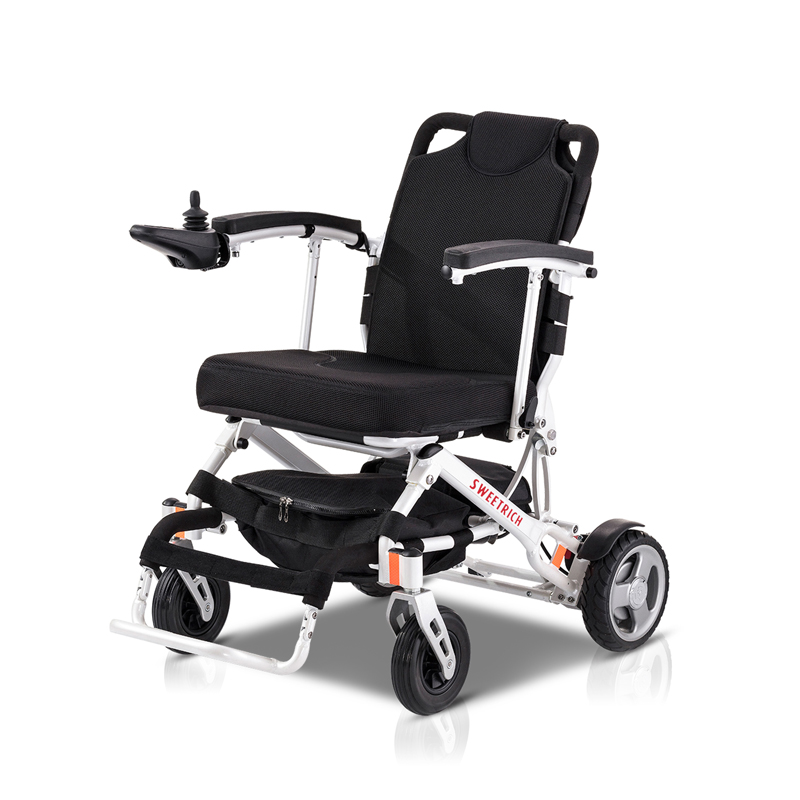
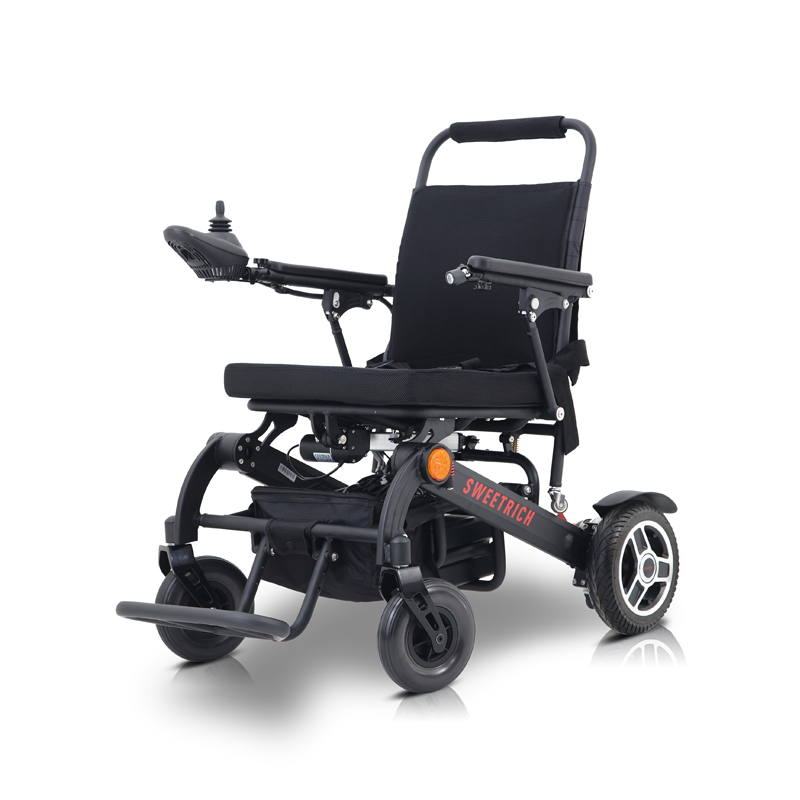
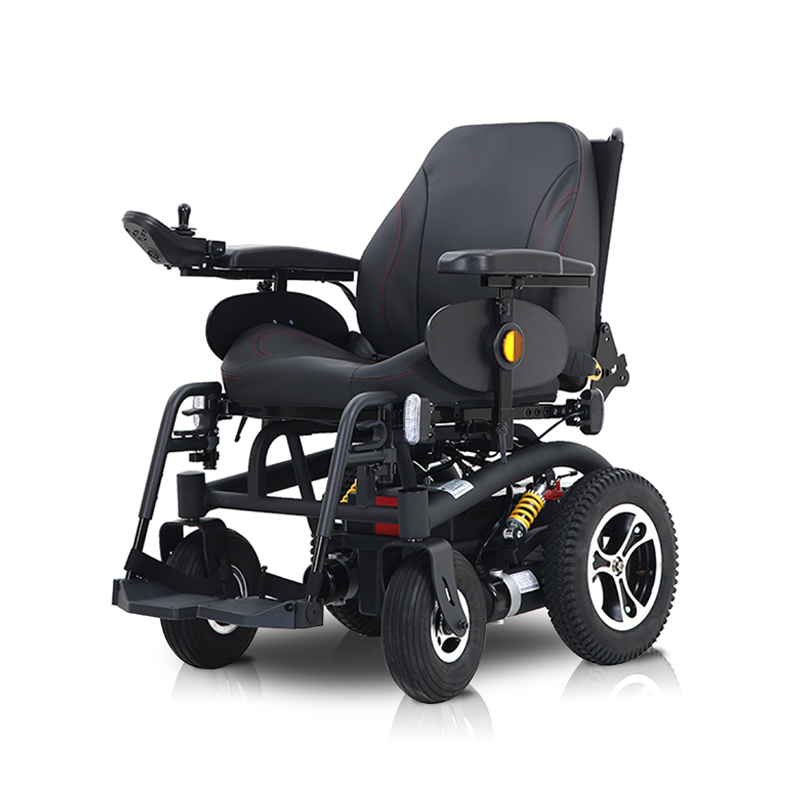
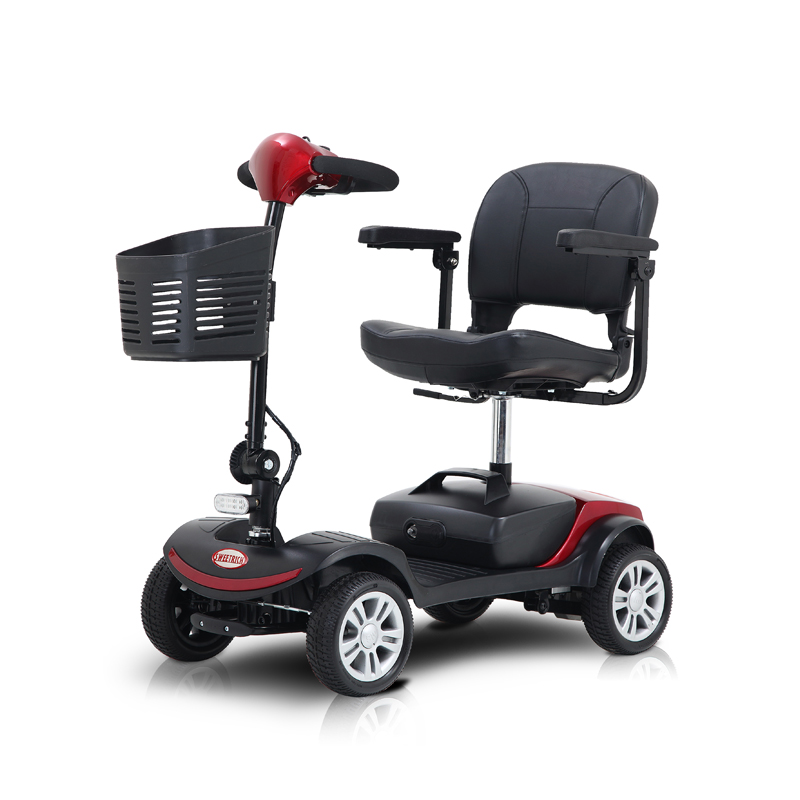
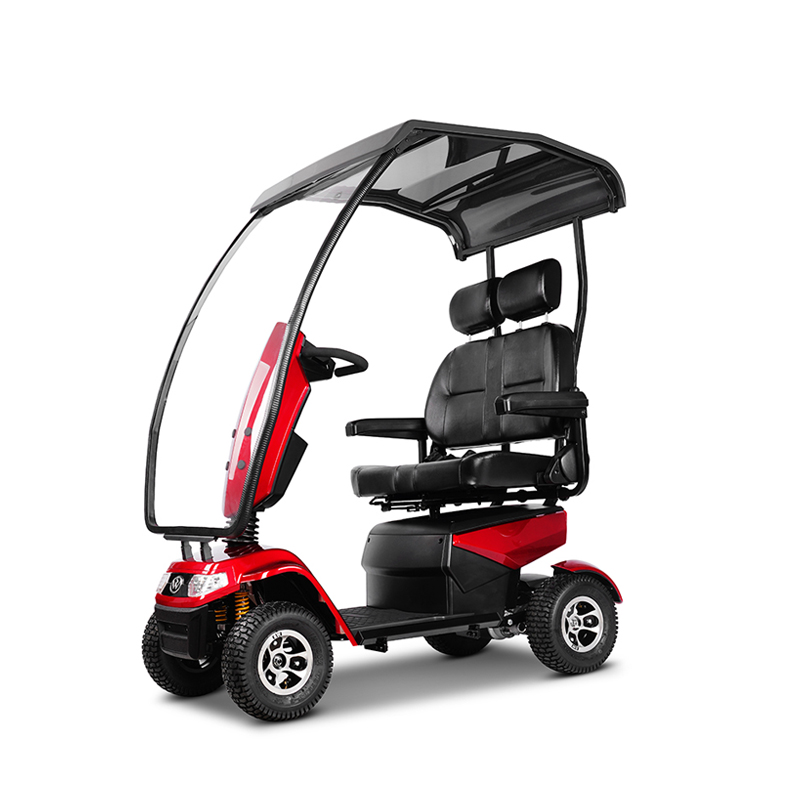
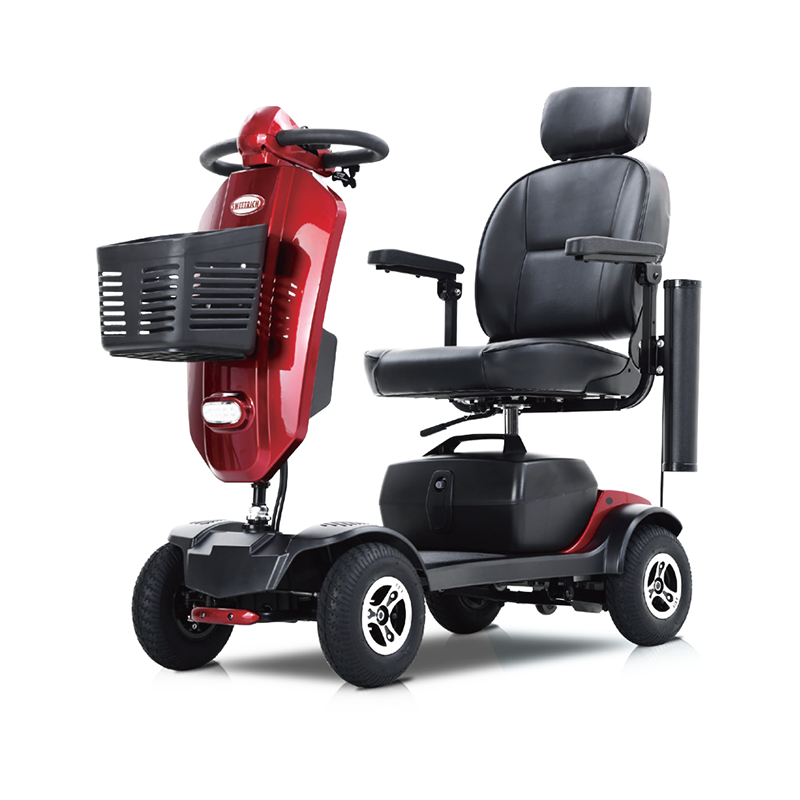
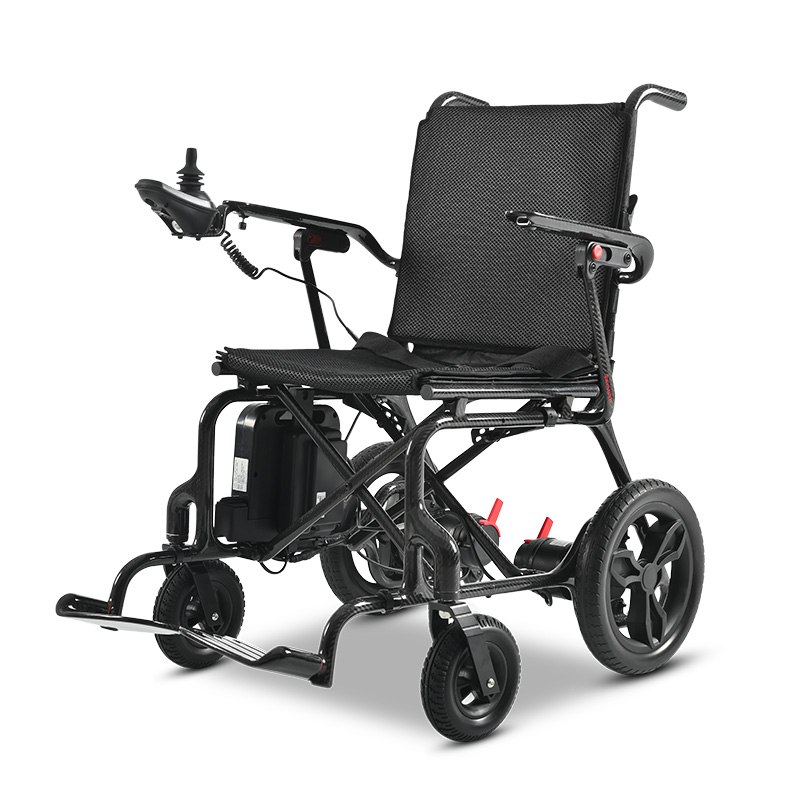
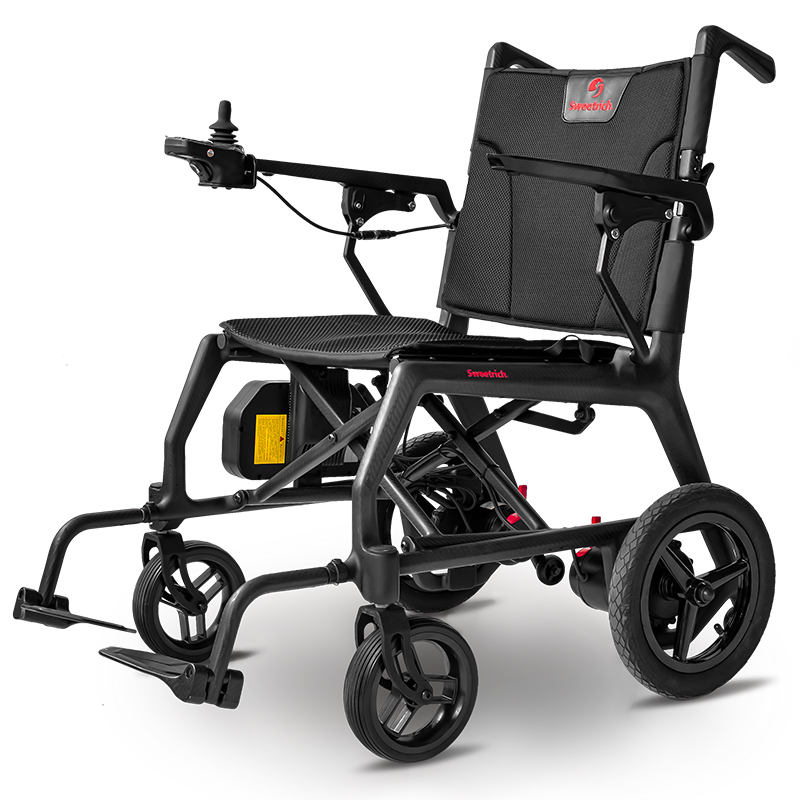
The tread pattern found on portable Power Wheelchair tires plays a practical role in daily mobility. Thoughtful grooves, blocks, and channels etched into the rubber help the chair stay predictable on indoor floors, wet sidewalks, parking lots, and light outdoor paths. These patterns contribute to grip, longevity, and overall control without adding unnecessary weight or complexity to a lightweight travel chair.
How Tread Patterns Increase Grip and Reduce Slip
When a tire touches the ground, friction determines how confidently the wheelchair accelerates, steers, and stops. A smooth tire offers limited contact points, especially once the surface becomes damp or dusty. Raised tread blocks and siping (tiny slits in the rubber) break the water film on wet floors and tiles, letting the tire reach the surface underneath. This simple mechanism noticeably reduces the chance of wheels spinning in place when starting on a slick ramp or crossing a recently mopped hallway.
On outdoor concrete or asphalt, the same grooves channel away small amounts of water and debris. The result is more consistent contact pressure across the tire, which translates into straighter tracking and easier steering corrections.
Wear Resistance and Longer Tire Life
Portable Power Wheelchairs often travel several miles per day across varied surfaces. Without a tread pattern, the rubber would wear flat in the center fairly quickly, creating a polished surface that slips more easily over time. The raised sections of a tread pattern distribute pressure and heat more evenly. As one area of rubber wears, surrounding blocks continue to carry load, effectively slowing overall abrasion.
Deep grooves also act as wear indicators. When the tread depth approaches 2–3 mm (depending on the manufacturer's recommendation), users receive a clear visual signal that replacement time is near. This built-in cue helps prevent the sudden loss of traction that can occur with completely smooth tires.
Improved Stability During Turns and on Slopes
Turning and climbing gentle inclines place lateral and forward forces on tires. Carefully placed lateral grooves and shoulder blocks help resist side-to-side sliding, especially on polished indoor floors or when crossing a sloped driveway. The pattern keeps the contact patch predictable, so the wheelchair responds the same way whether the user is making a slow turn in a grocery aisle or navigating a sidewalk curb cut.
Drainage and Self-Cleaning Properties
Small stones, sand, and leaf debris are common on outdoor paths. Open groove designs allow these particles to work their way out instead of becoming embedded in the rubber. On indoor carpets, the same channels help release lint and dust instead of packing it into the tire surface, maintaining consistent rolling resistance over time.
Balancing Tread Depth with Portability
Because portable Power Wheelchairs are designed to fold and fit into car trunks, manufacturers avoid overly aggressive off-road style treads that would add weight and bulk. Instead, they use medium-depth, multi-directional patterns that provide meaningful grip on typical urban and household surfaces while keeping the folded package compact and the overall chair light enough for one person to lift.
Real-World Surfaces Where Tread Makes a Difference
- Wet ceramic tiles in shopping centers and medical buildings
- Painted concrete parking garage floors
- Textured outdoor sidewalks and brick walkways
- Transition strips between carpet and hard flooring
- Light rain on residential driveways
On these everyday surfaces, even modest tread depth can prevent the small slips that erode confidence and to compensatory posture changes that cause discomfort over time.
| Surface Type | Importance of Tread |
|---|---|
| Wet ceramic tiles (shopping centers/medical buildings) | Prevents slips on smooth, slippery surfaces |
| Painted concrete parking garage floors | Provides grip on slick, painted surfaces |
| Textured outdoor sidewalks & brick walkways | Enhances stability on uneven terrain |
| Transition strips (carpet to hard flooring) | Reduces risk when crossing different materials |
| Light rain on residential driveways | Prevents slipping on damp, slippery driveways |
Maintenance Tips to Preserve Tread Performance
- Keep recommended tire pressure (usually printed on the sidewall) to ensure even wear.
- Rotate tires front-to-back every few months on models that allow it.
- Clean grooves periodically with a stiff brush to remove packed debris.
- Inspect tread depth regularly, especially before longer trips.
Why choose Sweetrich?
The tread pattern of portable electric wheelchair tires significantly improves safety, handling, and lifespan. These tread patterns help users reduce accidental slippage and enhance handling stability by increasing friction, dispersing wear, and clearing water and debris, making daily mobility easier and more comfortable.
When selecting or maintaining a portable electric wheelchair, monitoring tire tread condition is one of the simplest ways to ensure wheelchair performance and user peace of mind. This is also one of the reasons why many users choose Sweetrich: every Sweetrich portable electric wheelchair leaves the factory equipped with carefully designed medium-depth treads that balance grip on real-world surfaces with the lightweight, foldable structure needed for everyday use. Sweetrich tires use a durable rubber compound and easy-to-check wear indicators to provide consistent traction and a longer lifespan suitable for various indoor and outdoor surfaces.