 info@sweetrich.cn
  +86-(0)512-82283871
Content
- 1 The quiet-speed paradox
- 2 Battery swapping as social infrastructure
- 3 Software that plans for the unexpected
- 4 Training the vehicle to see invisible obstacles
- 5 Economics of smaller fleets, higher utilisation
- 6 Regulatory sandboxes that move at walking pace
- 7 Circular maintenance keeps vehicles on the road longer
- 8 Energy justice in charging infrastructure
- 9 Scaling sideways before scaling up
- 10 Sweetrich Mobility
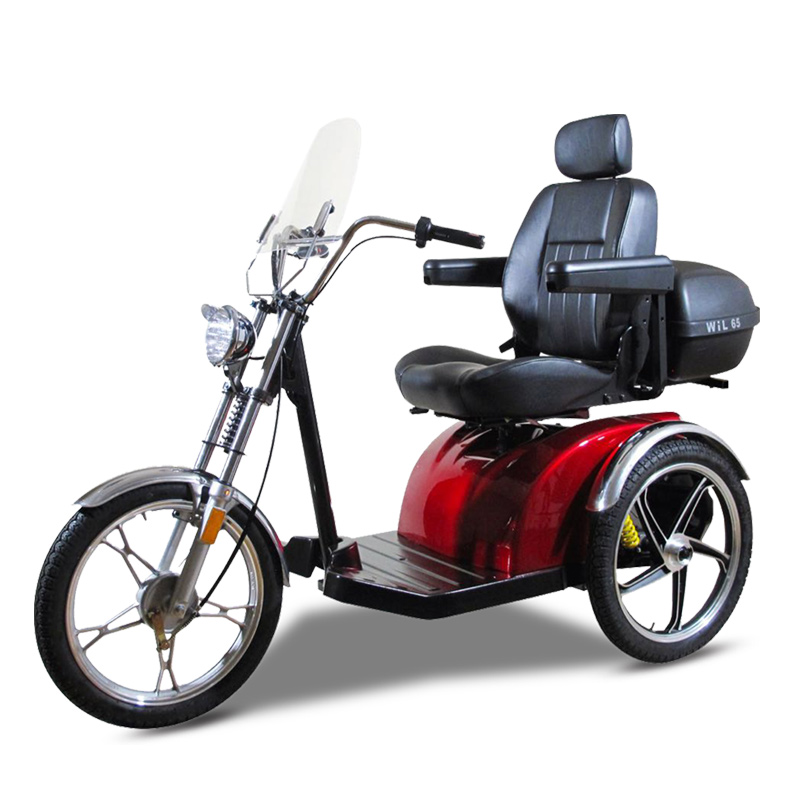
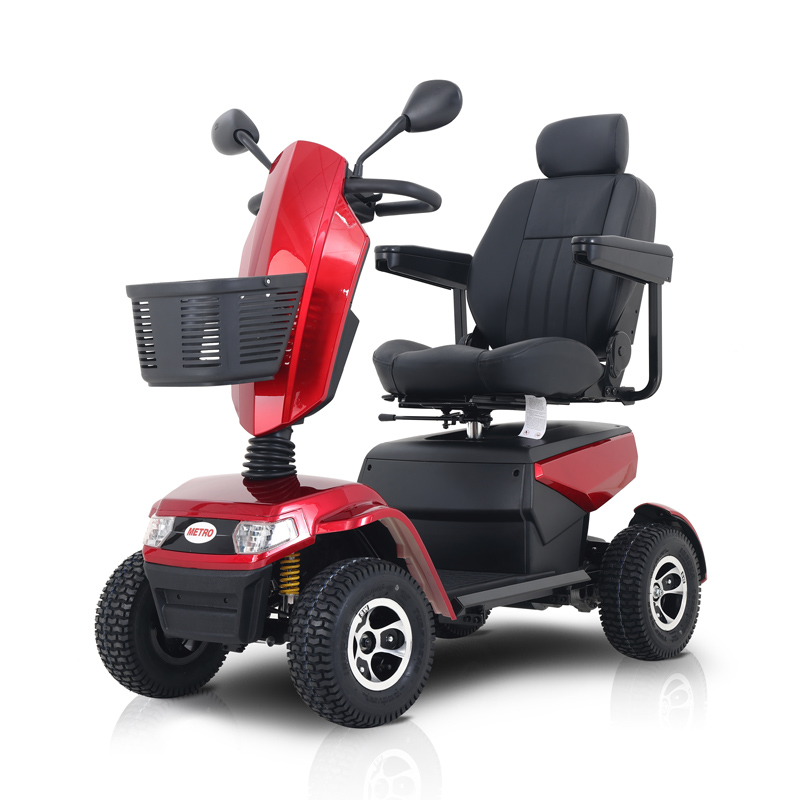
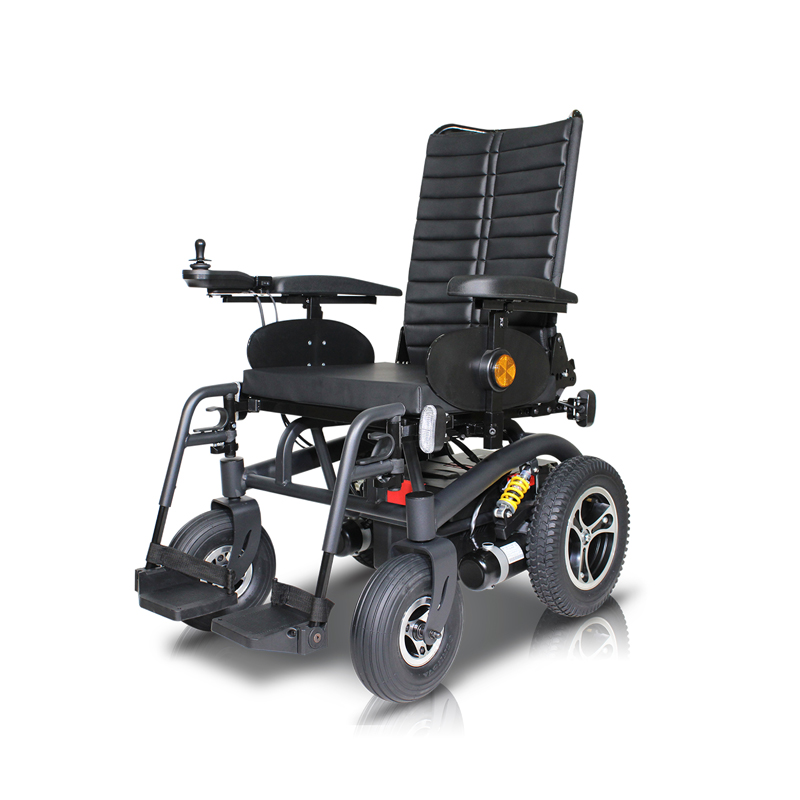
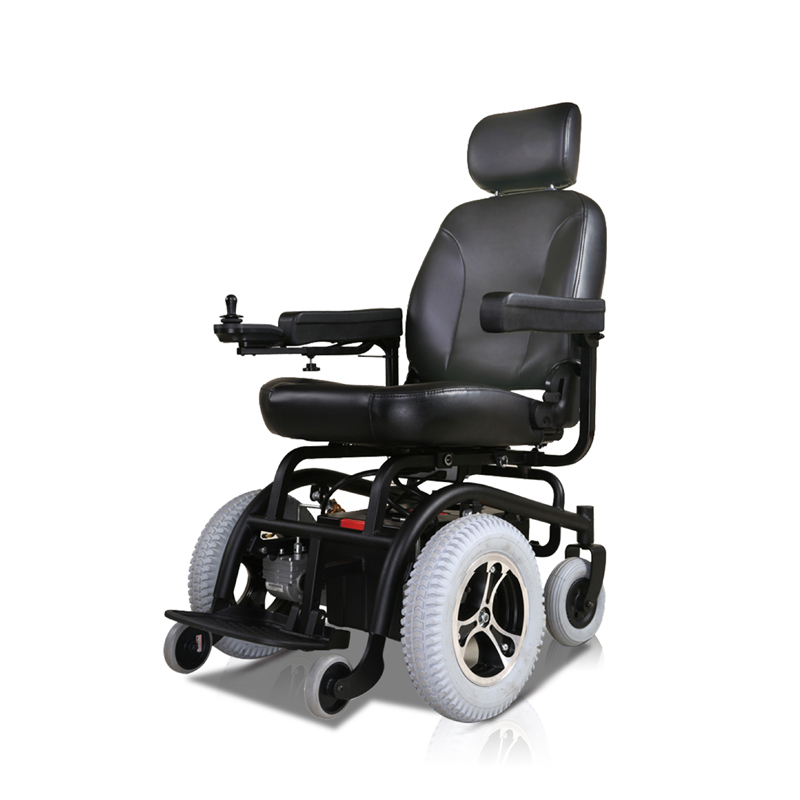
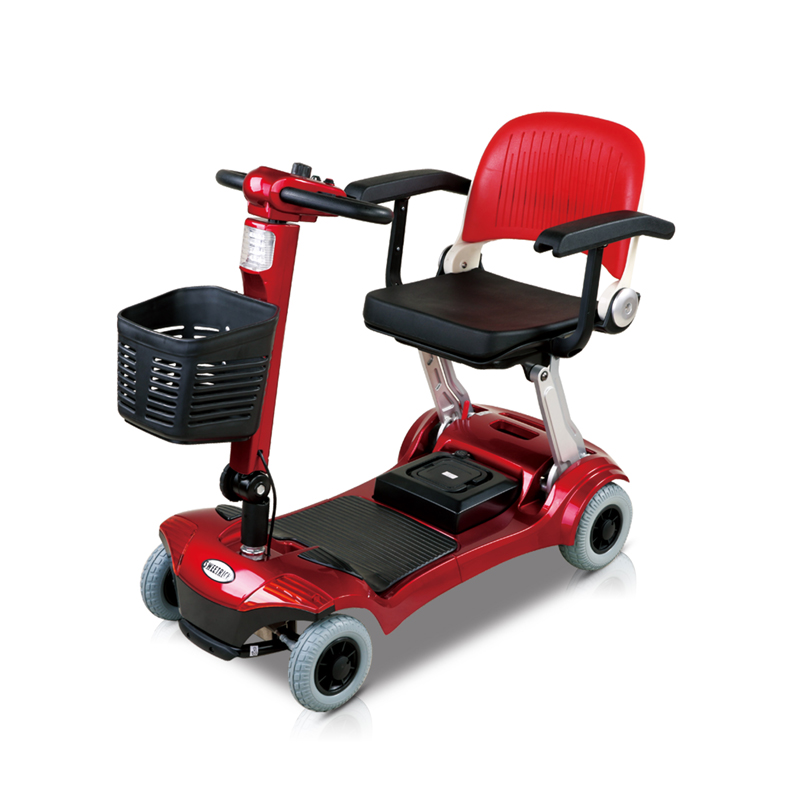
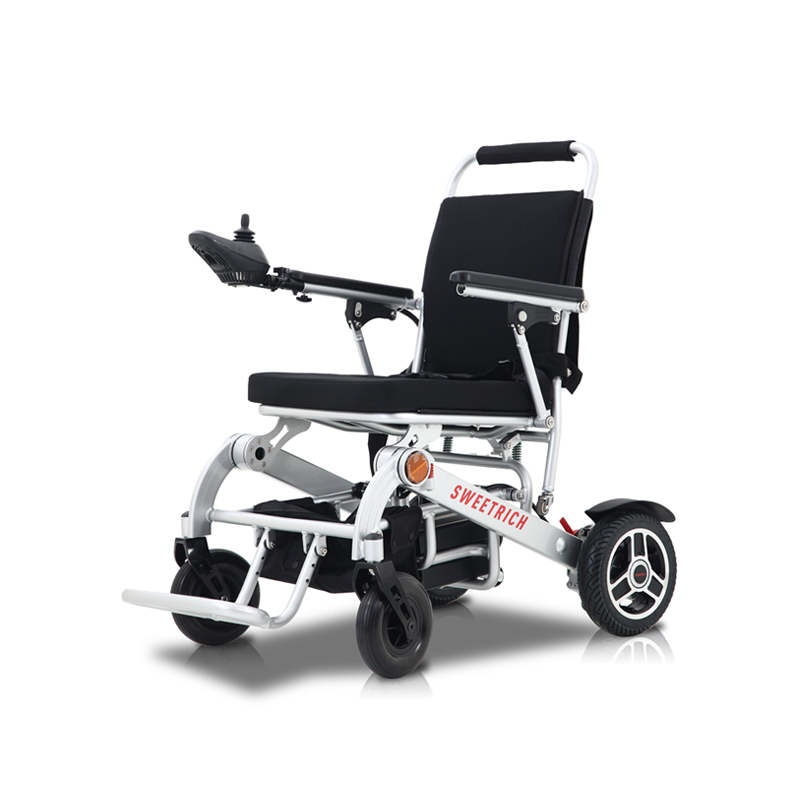
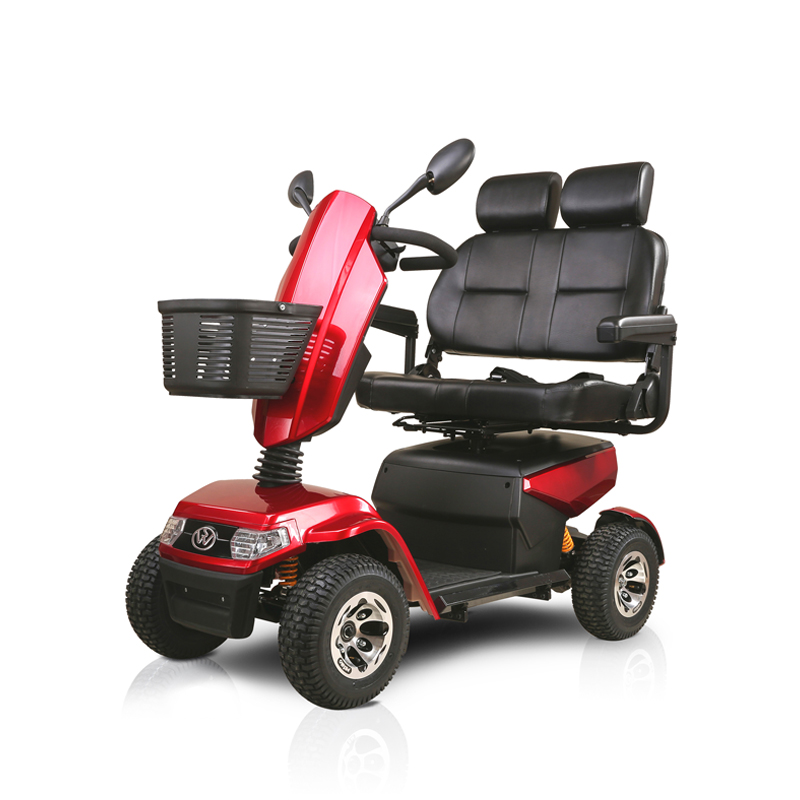
Electric mobility vehicles have moved past the early-adopter phase. Battery-powered shuttles, adaptive three-wheelers, low-floor cargo bikes and voice-guided sidewalk pods now share space with pedestrians, buses and delivery vans. The next chapter is not about adding more vehicles; it is about making each kilometre useful to people who were left out of the last transport revolution. Inclusive transportation starts from the premise that a twelve-year-old on the way to school, a wheelchair commuter, a parent with a toddler and a pensioner with low vision should all be able to complete the same errand on the same rainy Tuesday without negotiating separate systems. Electric drive trains, modular vehicle architecture and cloud-based fleet orchestration give designers the freedom to meet those needs in ways that combustion platforms never allowed, a shift that begins inside every Mobility Scooter Factory where frames are welded low, batteries are set between the axles, and the question on the assembly line is whether a rollator can roll straight aboard.
From universal design to personal calibration Universal design once meant building a ramp at the side entrance. Today it means embedding adjustability into the vehicle skeleton. An electric skateboard chassis places the battery between the axles, leaving the upper frame open for snap-on bodies: a high-roof cabin with an induction hearing loop for passengers with cochlear implants, a flat loading deck that drops to curb height for roll-on wheelchairs, or a modular box that switches from chilled produce to folded wheelchairs within the same shift. Because the electric drivetrain removes the transmission tunnel, the step-free interior is achieved without raising the overall height. The floor remains below thirty centimetres above the pavement, a threshold that allows people with limited knee flexion to pivot sideways into the seat.
Personal calibration goes further. A user app stores preferences such as seat firmness, voice volume, contrast colour on the digital handrail and deceleration profile. Near-field communication recognises the passenger at the boarding zone and instructs the vehicle to deploy a mini-ramp, retract armrests or switch the information display to large font before the doors open. The calibration data sit on an open-source structure so that when the person later boards a different vehicle in a neighbouring city the same comfort settings travel with the encrypted token. The result is inclusion that feels like continuity instead of special service.
The quiet-speed paradox
Electric motors reduce noise, but they also reduce acoustic cues that visually impaired pedestrians rely on. Rather than adding artificial engine roar, several projects separate the concept of alert from nuisance. A directional speaker mounted under the front bumper projects a short, location-specific chime only when the vehicle detects a pedestrian within a calibrated arc ahead of the bumper.
The beam fades within three metres to the side, so residents on the upper floors of an apartment do not hear the same repetitive sound every thirty seconds. Inside the cabin, the same awareness logic is reversed: bone-conduction panels in the seat backs allow deaf or hard-of-hearing passengers to receive stop announcements through gentle vibration patterns on the shoulder blade, leaving ear canals open to ambient sound. These micro-adaptations recognise that inclusion is not only about getting on; it is about knowing what is happening while you ride and when you step off.
Range anxiety is discussed less in the context of inclusive transport, yet it weighs heavily on users who cannot afford to wait forty minutes at a fast charger. Swapping stations the size of two parking bays now sit next to libraries, mosques and neighbourhood clinics. Instead of a single heavy pack, the vehicle carries two or three briefcase-size modules that slide out on waist-high drawers. A person with limited grip strength can pull a module onto a trolley and insert a fresh one without lifting more than five kilograms.
The station floor is level with the vehicle sill, eliminating the trip hazard common in drive-over pits. Because the swap takes ninety seconds, parents with children or escorts accompanying elderly riders do not face the dilemma of leaving vulnerable passengers alone in the cabin while the driver queues for a plug. The social dividend is subtle but significant: the local clinic uses the same drawers to store medical cold-chain boxes, turning the battery swap station into a micro-logistics hub after the morning commute peak.
Software that plans for the unexpected
Inclusive routing software assumes that the passenger may need to double back for a forgotten walking frame, or that the driver may have to pause for five minutes while a deaf user types instructions on a tablet in the partition. Machine-learning models trained on anonymised trip data factor these probabilities into headway management. If three adaptive vehicles on the same corridor are forecast to arrive at a transfer point within a two-minute window, the algorithm slows one of them by twenty seconds so that a mother with a pram does not have to choose between missing the connection or sprinting across an unsignalised crossing.
The optimisation target is not speed; it is the reduction of stressful events per journey. Operators report that when inclusive unpredictability is baked into the schedule, on-time performance across the entire route actually improves because fewer exceptional interventions are required later.
Training the vehicle to see invisible obstacles
Standard obstacle-detection models recognise cars, cyclists and pedestrians. Inclusive perception adds four new classes: white cane, guide dog, rollator and toddler-height silhouette. Training data are collected during accompanied rides where volunteers with different assistive devices agree to carry low-power Bluetooth beacons. The beacons do not control the vehicle; they merely label the video feed so that engineers can verify that the neural network correctly identifies a cane tip protruding from behind a parked van.
| Aspect | Details | Purpose |
|---|---|---|
| Standard detection | Cars, cyclists, pedestrians | Basic obstacle recognition |
| Inclusive perception | Adds white cane, guide dog, rollator, toddler silhouette | Expands safety coverage for vulnerable users |
| Training data | Collected during accompanied rides with volunteers | Labels video feed for network verification |
| Beacons | Low-power Bluetooth devices | Ensure accurate identification without controlling vehicle |
Over time the beacon becomes redundant because the model learns the visual signature of reflective tape on the cane shaft or the curved aluminium profile of a walker. The outcome is a vehicle that gives a wider berth to a rollator user on a cracked sidewalk and that slows earlier when a toddler breaks away from a hand at a kindergarten gate.
Economics of smaller fleets, higher utilisation
Electric mobility vehicles designed for inclusion tend to carry six to ten seats instead of forty. Critics argue that this raises cost per passenger kilometre. The counter-argument lies in utilisation curvature. A low-floor adaptive minibus that completes fourteen journeys per day on a fixed loop, then switches to on-demand errands for seniors between lunch and dinner, records a higher percentage of paid seat-kilometres than a conventional bus that makes only three peak-hour trips and sits idle midday.
Battery cost curves make the smaller vehicle financially viable because energy expenditure is directly proportional to distance, not to the number of cold starts. Insurance underwriters also note that vehicles limited to fifty kilometres per hour and geofenced to quiet streets generate fewer severe claims, allowing community transport providers to self-insure through cooperative pools. The result is a business model where inclusion is not a charitable add-on but a pathway to asset efficiency.
Regulatory sandboxes that move at walking pace
Policy makers face a dilemma: write rules now and risk stifling innovation, or wait and risk public backlash when an untested concept causes harm. Several jurisdictions have adopted a walking-pace sandbox. An operator receives a twelve-month licence limited to streets with posted speeds of thirty kilometres per hour and to hours when schools are in session.
The vehicle must be accompanied by a safety steward who walks behind at normal pedestrian pace. This seemingly conservative requirement forces engineers to refine sensor tuning, braking jerk and audio cues until the system is acceptable to the very users it intends to serve: parents who push strollers, residents who walk dogs, seniors who use shopping trolleys as walking support. After twelve months the data set includes thousands of naturally occurring interactions, giving regulators confidence to raise the speed limit or relax the walking steward. Inclusion is thus baked into the evidence base rather than bolted on after the fact.
Circular maintenance keeps vehicles on the road longer
Inclusive design fails if the vehicle is withdrawn for six weeks while a cracked plastic skirt is shipped overseas for repair. Circular maintenance brings refurbishment loops into the neighbourhood. A light-assembly micro-factory operating in a twenty-foot container can vacuum-form replacement body panels from recycled agricultural plastic film collected locally.
Three-dimensional printers extrude polyurethane armrests using pellets made from shredded kick-scooter decks. The electric drivetrain is designed for slide-out sub-assembly: motor, inverter and single-speed gearbox arrive as a sealed cartridge that can be swapped in fifteen minutes using a hand winch bolted to the workshop wall. Because inclusive vehicles tend to be lighter, a floor jack rated for conventional cars is not required; a mechanic with a strained shoulder can still complete the exchange. Keeping the workshop within walking distance of the route means that users see rapid response when a side panel is scraped or a sensor bracket is bent, reinforcing trust that the service is permanent, not experimental.
Energy justice in charging infrastructure
Inclusive transport is only half the equation if the electricity source is unreliable or unaffordable. Community energy cooperatives install rooftop photovoltaic canopies above the swapping station. The canopy is sized to meet average daily demand, but surplus midday power is stored in retired e-mobility batteries that no longer meet automotive standards yet retain sixty percent capacity. These second-life packs sit on racks beneath the swapping drawers, stabilising voltage and providing backup during evening peak when the grid is strained.
Users who return spent modules receive a credit on the mobility wallet that can be used for future trips or for household electricity. The linkage between transport and domestic energy creates a constituency that advocates for fair tariff structures, ensuring that low-income neighbourhoods are not priced out of the very system designed to serve them.
| Feature | Description | Benefit |
|---|---|---|
| Module return | Users return spent modules | Receive credit on mobility wallet |
| Credit usage | Can be applied to trips or household electricity | Supports flexible use of resources |
| Social impact | Encourages participation | Promotes fair tariffs for low-income neighborhoods |
Scaling sideways before scaling up
Megacities dominate headlines, yet the majority of trips shorter than five kilometres take place in towns below a few hundred thousand residents. These places often lack the capital depth for metro rail or battery-electric bus fleets. Inclusive electric mobility vehicles scale sideways: one neighbourhood introduces three shared pods, another adds two, and soon a mesh covers the entire urban area without requiring a single ten-million-dollar piece of infrastructure. The sideways approach respects the financial rhythm of smaller councils that balance budgets annually. Each new vehicle plugs into the existing swapping station, energy cooperative and maintenance container, so marginal cost falls as local familiarity rises. Inclusion is not delayed until federal subsidies arrive; it begins with the vehicle and compounds from there.
Sweetrich Mobility
Sweetrich Mobility welds every inclusive feature—such as a curb-level floor, directional cues, and a replaceable battery drawer—to a single steel frame and includes an open-source calibration key, allowing any community to adjust seat firmness, brake pressure, or ramp speed without permission.
In this sense, Sweetrich Mobility is less a brand and more a living repository of yet-to-be-realized mobility solutions, a rolling invitation to continuously improve mobility until people no longer need to worry about transportation systems.