 info@sweetrich.cn
  +86-(0)512-82283871
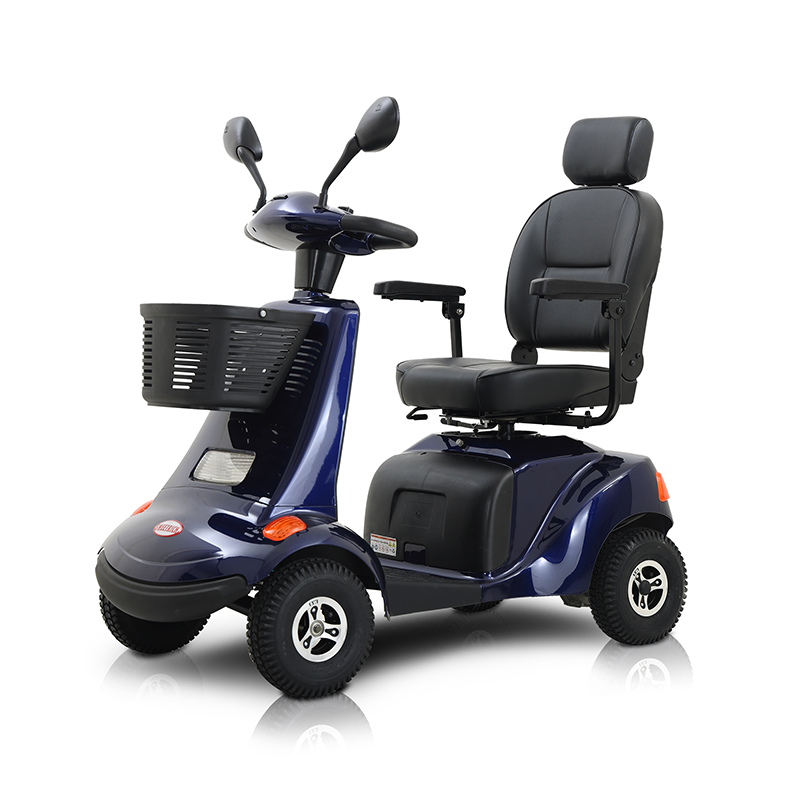
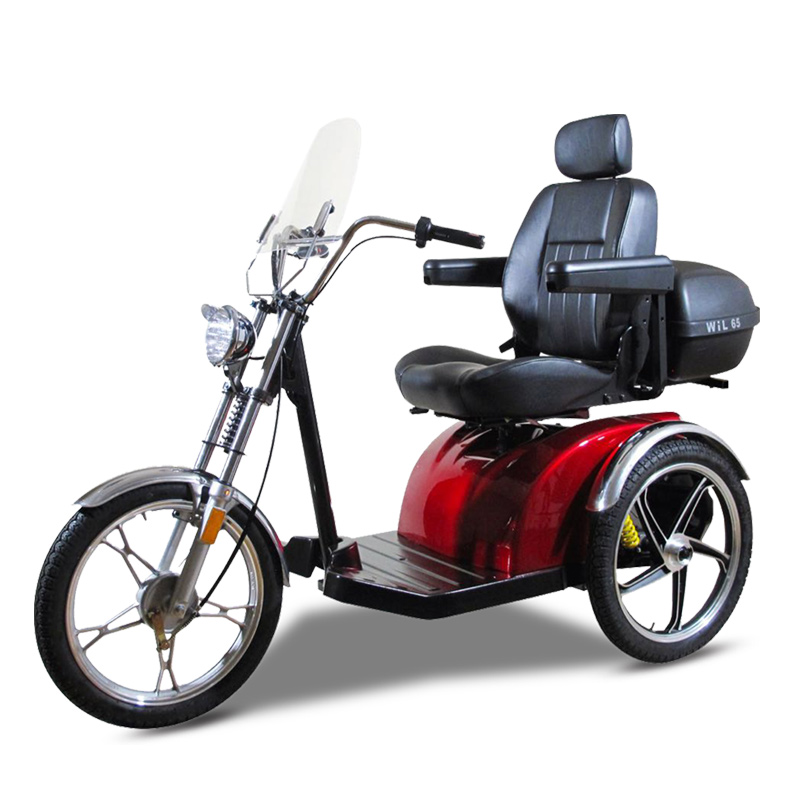
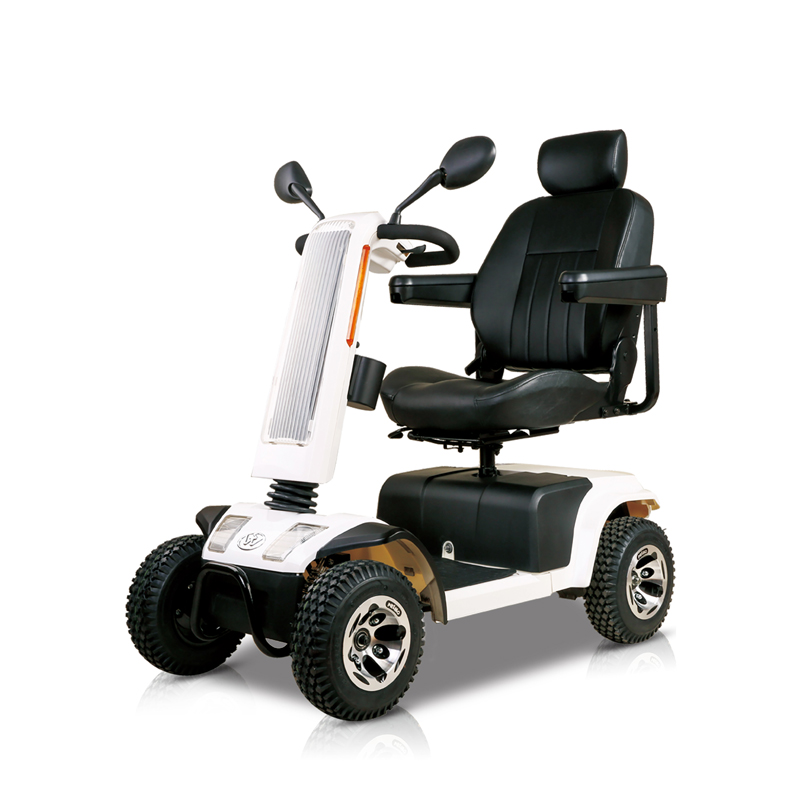
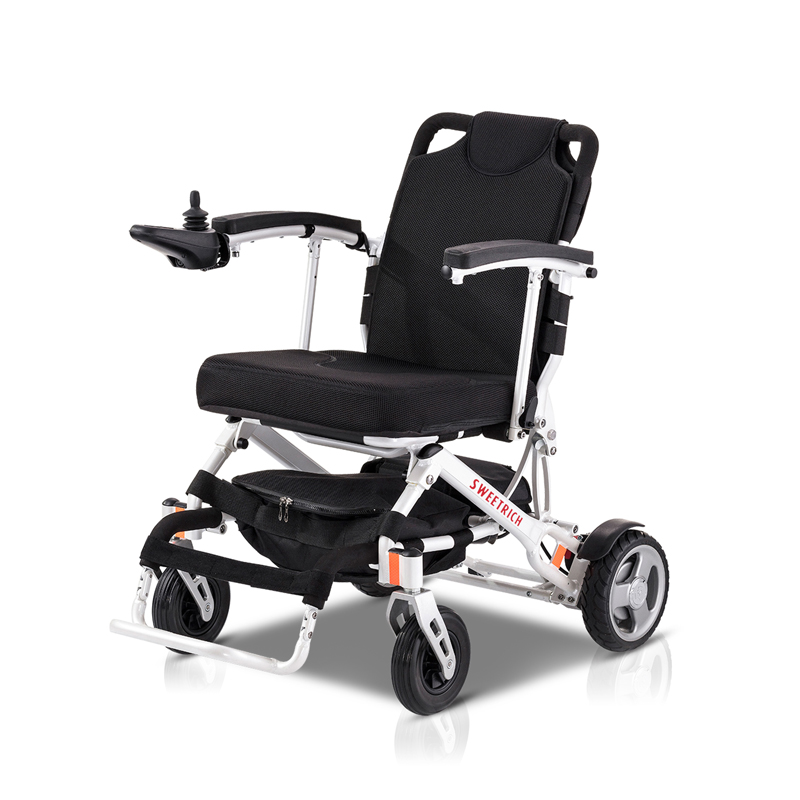
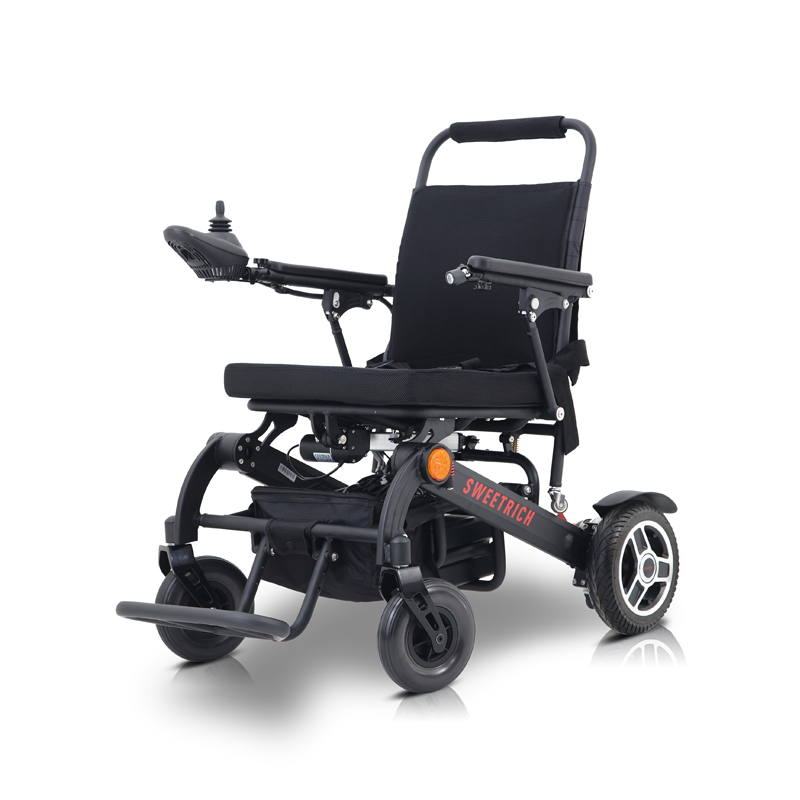
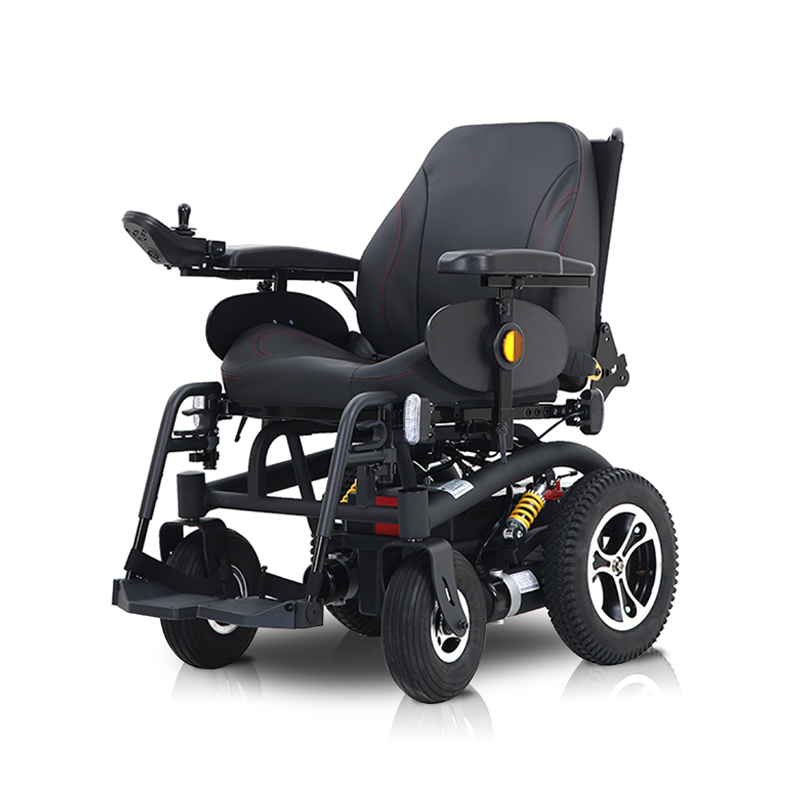
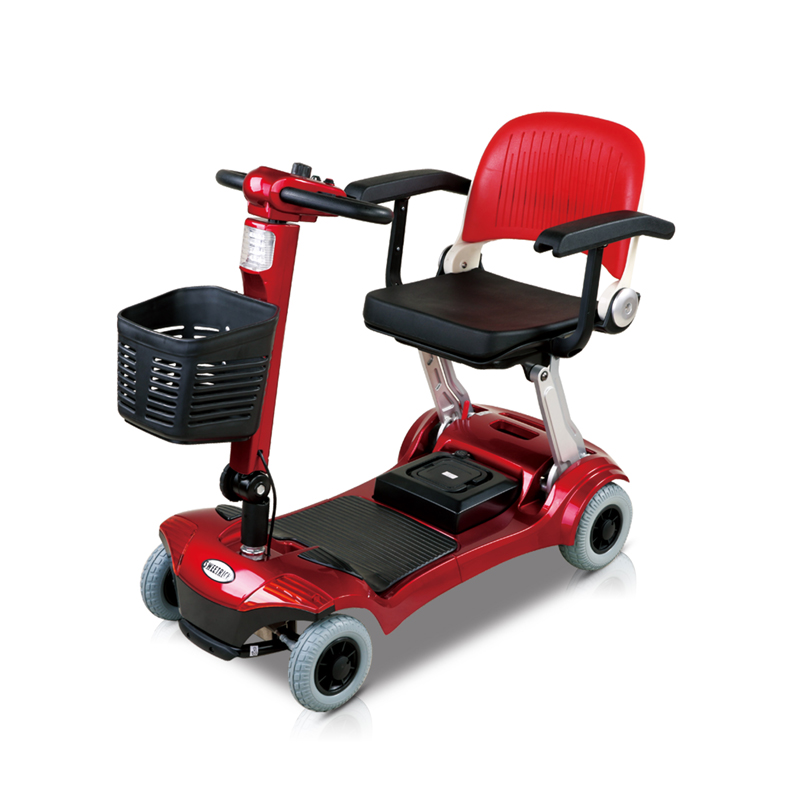
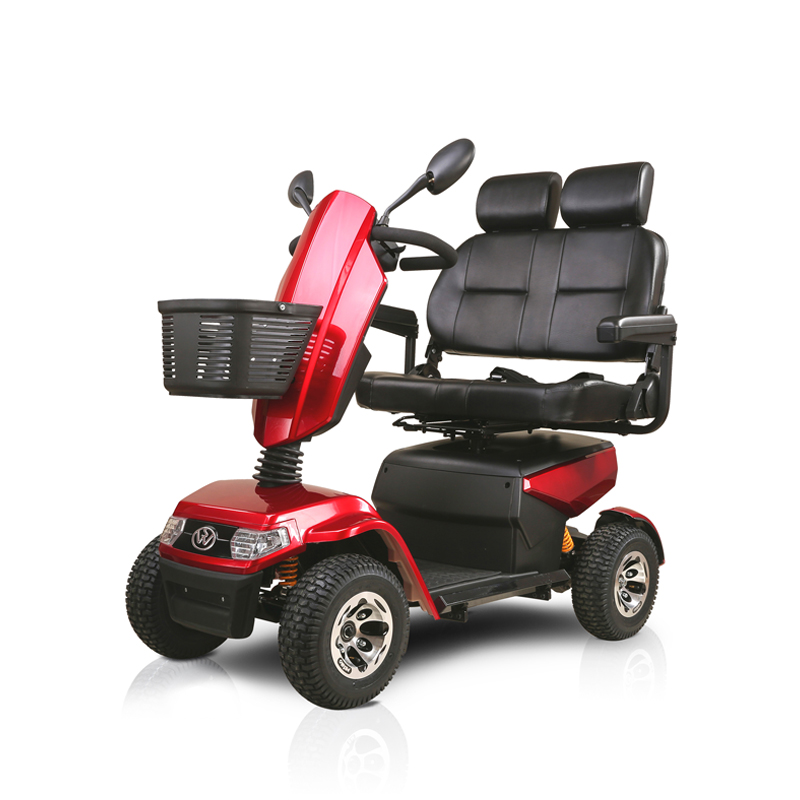
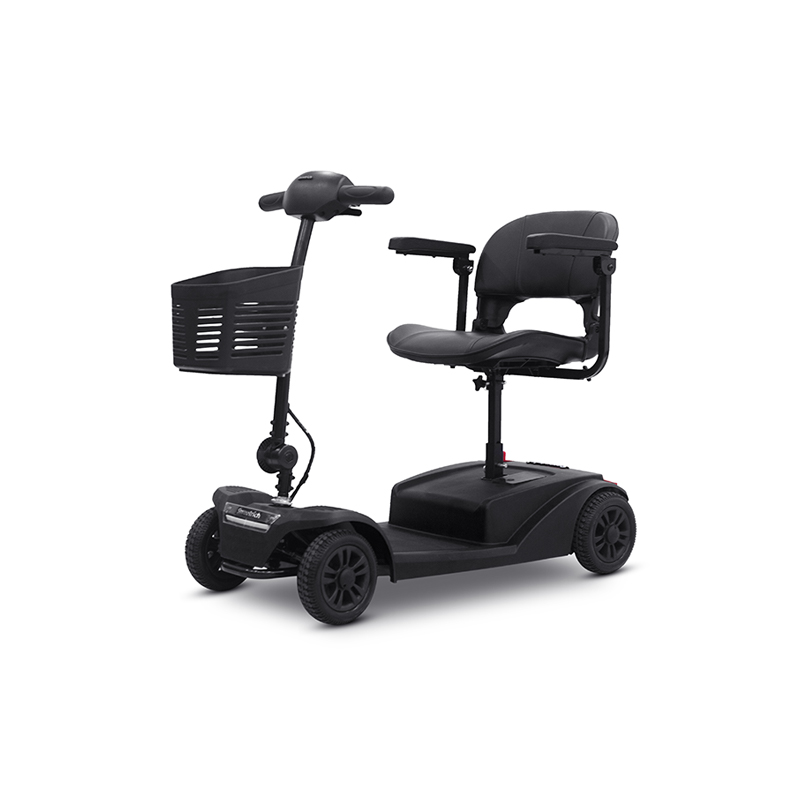
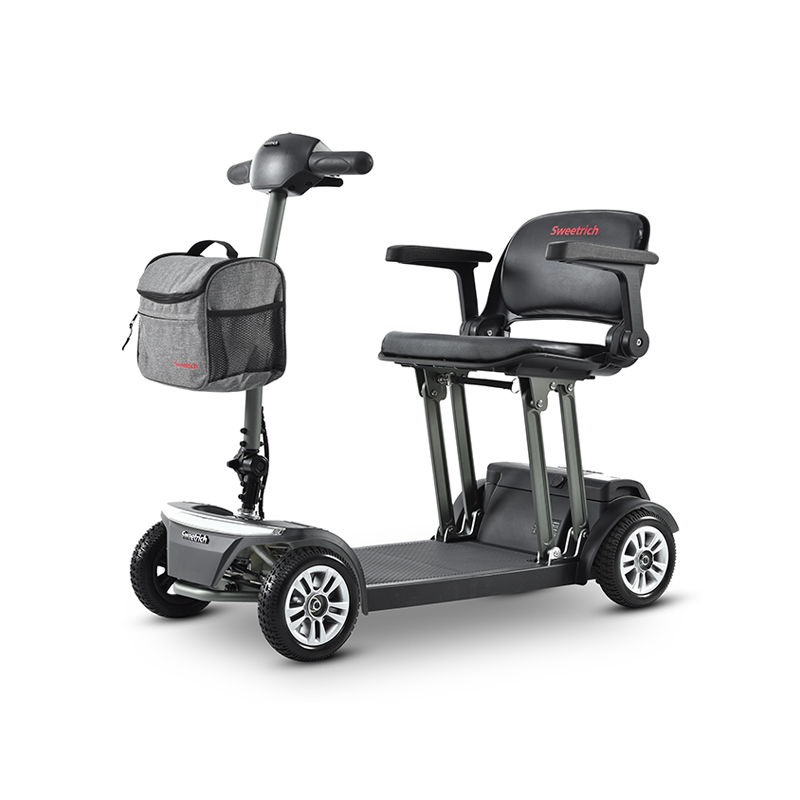
An Elderly Motorized Scooter offers seniors a dependable way to handle daily movements, whether heading to nearby shops, attending appointments, or enjoying time outdoors. These devices blend ease of use with functional design, providing sufficient speed for urban navigation while remaining simple to operate and store. By examining aspects such as tire care, battery management, portability features, overall construction, safety elements, and purchase costs, individuals can choose a scooter that supports their routines and promotes continued independence effectively.
Tire condition requires ongoing monitoring to ensure reliable performance. Solid tires, common on many models, resist punctures and demand little routine care, but they can form flat spots or show wear from long periods of inactivity or regular travel. An easy detection method involves riding the scooter briefly outside and listening for a repeated thumping sound, which usually points to uneven tire surfaces that benefit from replacement. Maintaining proper tire state delivers smoother rides, improved stability, and fewer vibrations across different paths.
Battery capacity shapes practical daily use. Travel range per charge varies with elements like ground type, total weight, and climate. Selecting a scooter with battery strength matched to common activities reduces the need for frequent recharges and allows for unplanned outings. Many designs include batteries that detach for indoor charging convenience, along with displays showing current levels. Regular charging habits, such as connecting after each use, help sustain battery performance and extend its overall duration.
Portability features attract users with compact living spaces or vehicle travel needs. Models that fold reduce to a smaller size suitable for trunks or storage areas, often through straightforward mechanisms. Some versions separate into lighter sections without tools, aiding handling for users or helpers. Lower weight construction simplifies transfers, supporting visits to family, medical facilities, or recreational sites without complications.
| Aspect | Optimized Focus | Practical Benefit |
|---|---|---|
| Battery Capacity | Range varies by terrain, load, and climate | Supports daily errands and flexible outings |
| Charging Method | Removable batteries for indoor charging | Convenient for apartments or shared spaces |
| Battery Monitoring | Clear level display | Helps plan trips and avoid power loss |
| Charging Habits | Regular charging after use | Maintains long-term battery health |
| Folding Design | Compact fold for storage or car trunks | Saves space and eases transport |
| Modular Portability | Tool-free disassembly into light parts | Easier lifting for users or helpers |
| Lightweight Build | Reduced overall weight | Simplifies travel to appointments or visits |
Build quality determines lasting dependability. Strong frames manage routine outdoor exposure, while supportive seats and flexible adjustments suit longer sessions comfortably. Handy extras like storage baskets, attachment points, or weather guards enable safe transport of groceries, supplies, or personal items. Including these practical additions eases everyday errands and broadens activity options.
Safety aspects foster secure operation. Quick-response brakes, illumination for front and rear, and reflective markings increase awareness in varied conditions. Speed adjustment options allow alignment with environments, from crowded sidewalks to quieter routes, and balance aids like anti-tip supports enhance steadiness during turns or slopes. Building familiarity through initial practice in open areas develops assurance and encourages careful use.
Cost factors assist in finding suitable options within financial plans. New units present a range of prices based on materials, battery systems, and added capabilities. Models offering extended range or improved seating comfort generally appear at higher levels, whereas simpler functional designs provide accessible entry points. Used scooters obtained from medical equipment providers or mobility outlets serve as budget-friendly choices. Close review of pre-owned models—checking battery vitality, tire appearance, and operational smoothness—ensures solid performance at lower investment.
Primary usage settings influence model preferences. Flat city pavements work well with agile designs featuring smaller turning circles, while residential areas with driveways or mild outdoor surfaces favor units with robust motors and enhanced traction tires. Combined indoor-outdoor functionality widens scope, permitting effortless shifts between living spaces, retail locations, or local gathering spots. Identifying typical travel patterns early streamlines the selection process.
Comfort attributes enhance ride satisfaction. Seats adjustable for height or tilt, cushioned arm supports, and control positions within easy reach accommodate different physiques and limit tiredness. Pivoting seat designs facilitate boarding and exiting, especially valuable for those with reduced mobility. Hands-on testing, when offered, discloses personal fit and aids in maintaining relaxed alignment.
Standard upkeep preserves functionality. Beyond tire assessments, simple actions cover wiping exterior surfaces, confirming brake effectiveness, and keeping the scooter sheltered from dampness. Manufacturers often include straightforward care directions, and regional service points manage detailed repairs. Applying these steps consistently avoids small problems and supports extended reliability.
Daily life improvements form a central advantage. Elderly Motorized Scooters open pathways to self-managed tasks, from keeping schedules to discovering surroundings or meeting friends. Individuals commonly regain involvement in shopping centers, wellness visits, or calm drives, nurturing self-reliance and positive outlook. The devices aid mild exercise by promoting movement balanced with rest, fitting broader health practices.
Involving relatives or assistants in reviews adds valuable perspectives. Combined trials or conversations highlight preferences and resolve logistical questions. Advice from mobility professionals delivers suggestions customized to body conditions or home arrangements, matching selections to existing and upcoming demands.
Enhancements through attachments refine usability. Side mirrors widen field of view, alert sounds notify others, and protective shields broaden operation across weather types. Neat storage areas maintain items within reach, adjusting to seasonal or purpose-driven requirements.
Area weather guides component decisions. Finished surfaces withstand rain or sunlight exposure, complemented by covers for inactive times. Suitable placement routines reinforce these qualities for ongoing condition.
Aid initiatives or policy coverage sometimes lighten purchase loads. Researching area offerings or eligibility details increases availability for those who qualify.
Trial sessions or temporary use periods supply authentic insights. Prolonged interaction exposes handling traits and verifies suitability for regular situations prior to decision.
User accounts regularly note intuitive operation, steady function, and recovered autonomy as key gains. Ordinary joys—solo travels to preferred places—return to focus with reliable assistance.
Further utilities such as connectable carriers boost capacity for larger loads, helpful for market trips or gear movement. Control angle changes fit diverse reach distances, easing effort on extended rides.
Measured speed increases and limits encourage prudence in common areas. Sound signals and direction indicators share plans clearly with nearby people or traffic.
Setup zones account for charging spots and floor guards against brought-in dirt. Outdoor protections curb accumulation of particles or seasonal matter.
Introductory materials from providers introduce functions and recommended approaches. Handbooks function as handy sources for addressing frequent matters alone.
Groups oriented toward mobility regularly trade suggestions and plan joint events, forming supportive links.
Changing circumstances accommodate through modifiable setups. Variations in physical state or settings gain from adjustable seating, handles, or fitting points.
Information screens on some units show battery details or pace clearly. Notification features highlight care needs ahead of time.
| Feature Area | Optimized Description | User Benefit |
|---|---|---|
| Load Expansion | Connectable carriers for extra cargo | Easier shopping and gear transport |
| Control Adjustment | Adjustable control angles | Reduced reach effort on long rides |
| Speed Control | Managed acceleration and speed limits | Safer use in shared areas |
| Signals & Alerts | Horns and turn indicators | Clear communication with others |
| Charging & Storage | Dedicated charging areas, floor guards | Cleaner spaces and safer charging |
| Environmental Protection | Covers against dust and debris | Lower maintenance needs |
| User Guidance | Intro guides and manuals | Faster learning and self-support |
Elderly Motorized Scooter functions as a steady companion for fuller living. Stressing tire attention, battery fit, movement ease, safety inclusion, and expense planning points to a model providing ongoing comfort and effectiveness. Steady maintenance together with suited attributes positions the device as a trusted enabler for individual pursuits, bonds, and day-to-day ventures, granting seniors improved mobility, security, and contentment through the years.
Choosing and maintaining an electric mobility scooter suitable for seniors requires careful consideration of practical features such as tire maintenance, battery performance, portability, safety, and cost—all of which contribute to greater independence and enjoyment in daily life. With its unwavering commitment to quality and thoughtful design, Sweetrich helps seniors confidently, comfortably, and independently complete their daily activities, perfectly demonstrating how a well-chosen electric mobility scooter can significantly improve mobility and overall health.