 info@sweetrich.cn
 +86-(0)512-82283871

Buying mobility scooters in bulk sounds straightforward until you're staring at a warehouse full of the wrong models. Distributors, wholesalers, healthcare equipment retailers—they all want purchasing efficiency and a competitive product portfolio. But large orders mean serious inventory investment, quality risks, delivery commitments. Pick the wrong supplier or model and you're looking at customer complaints, surprise costs, slow-moving stock.
Before you commit, run through these seven checks. They won't eliminate every risk, but they'll keep you from making the expensive mistakes.
Verify Product Specifications and Target Market Demand
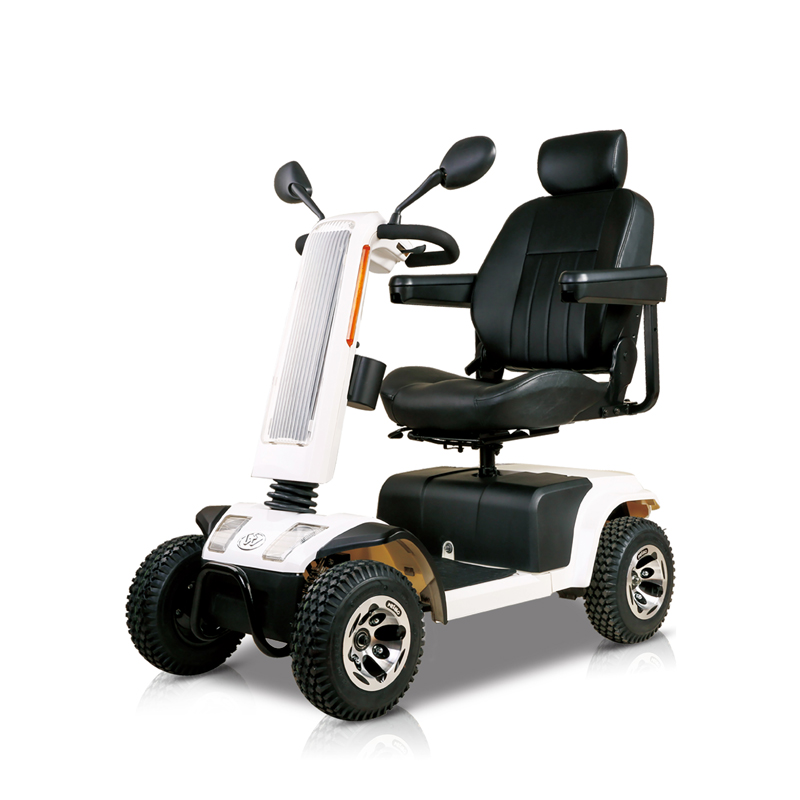
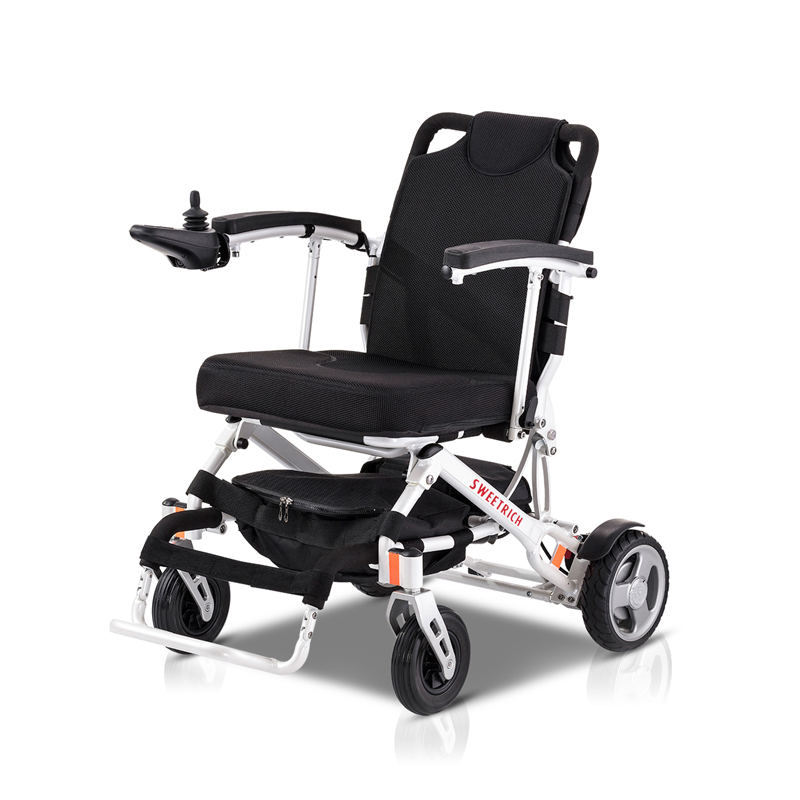
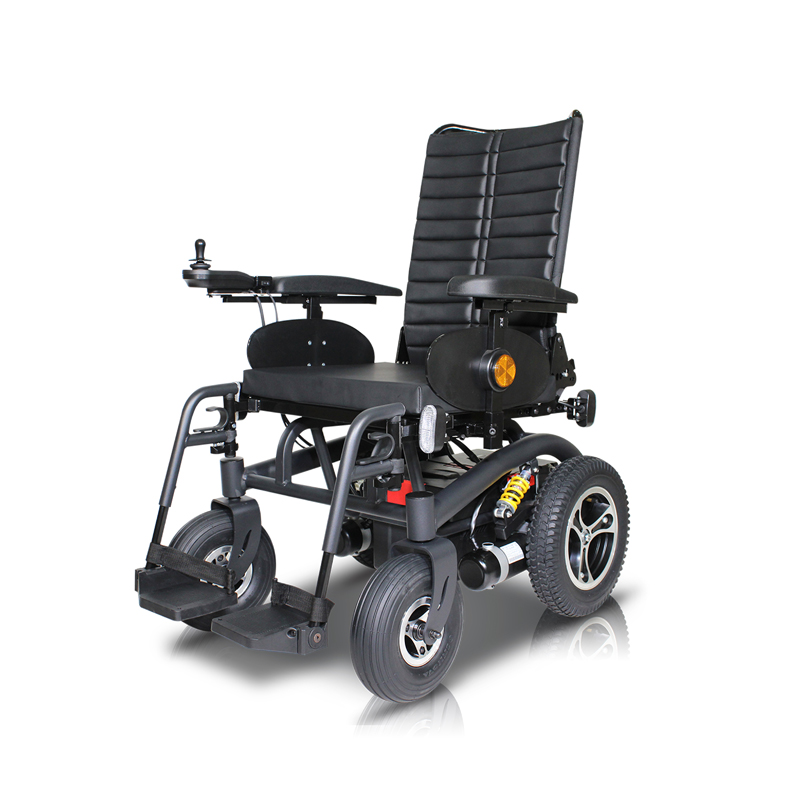
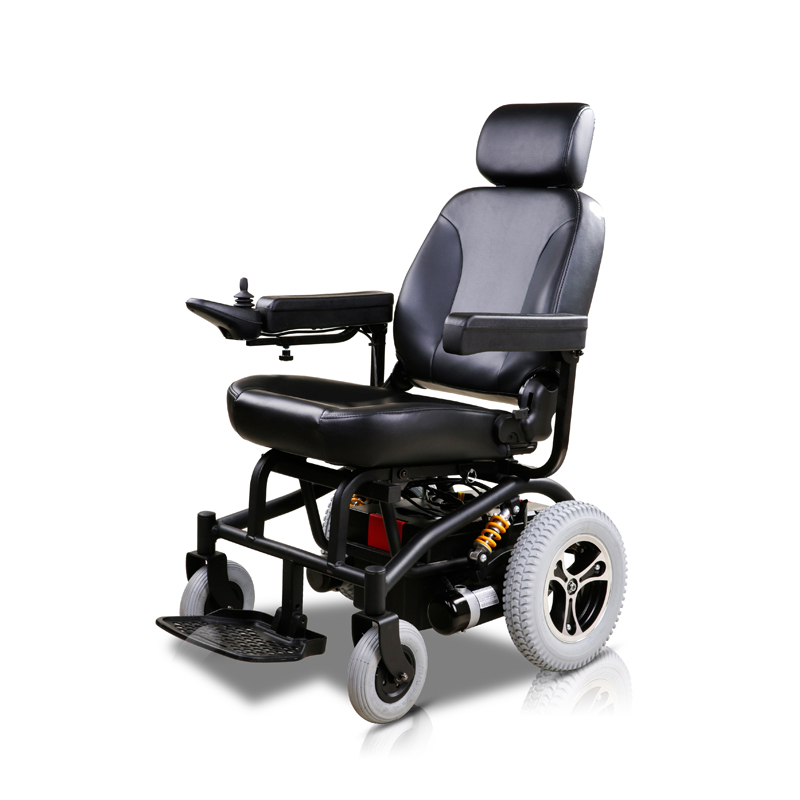
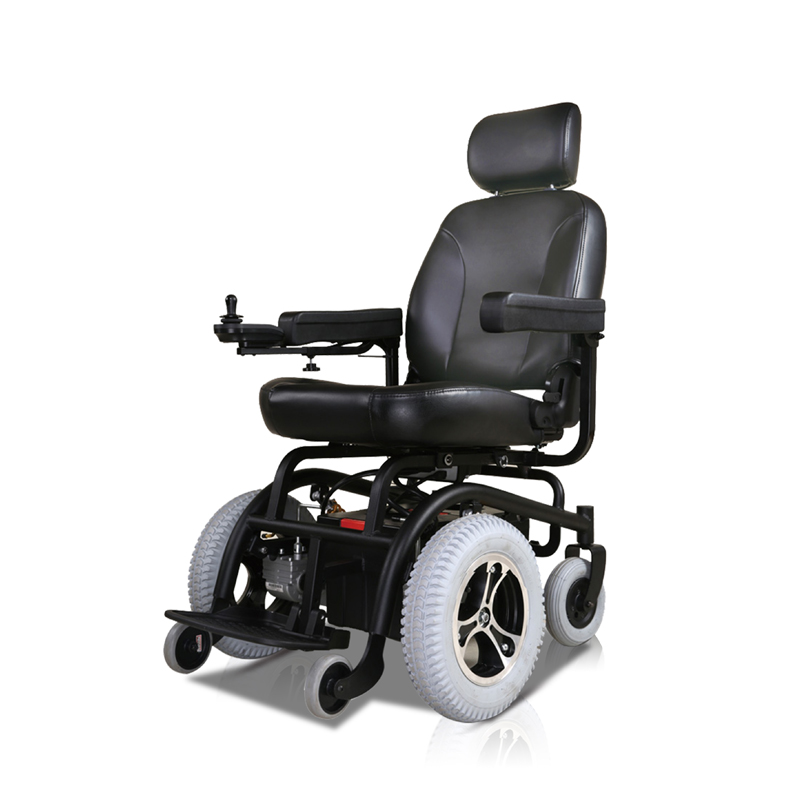
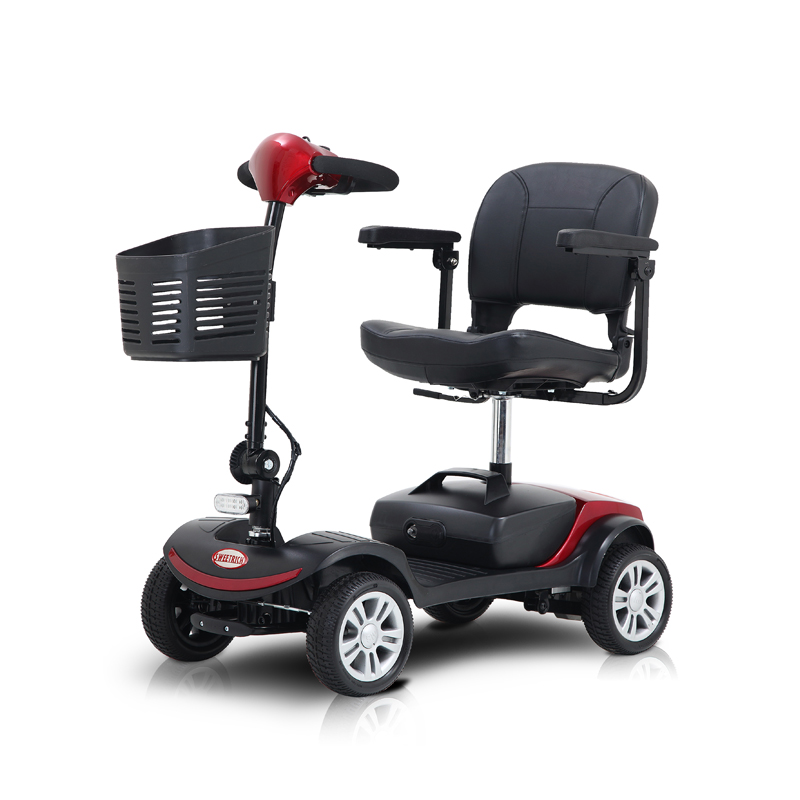
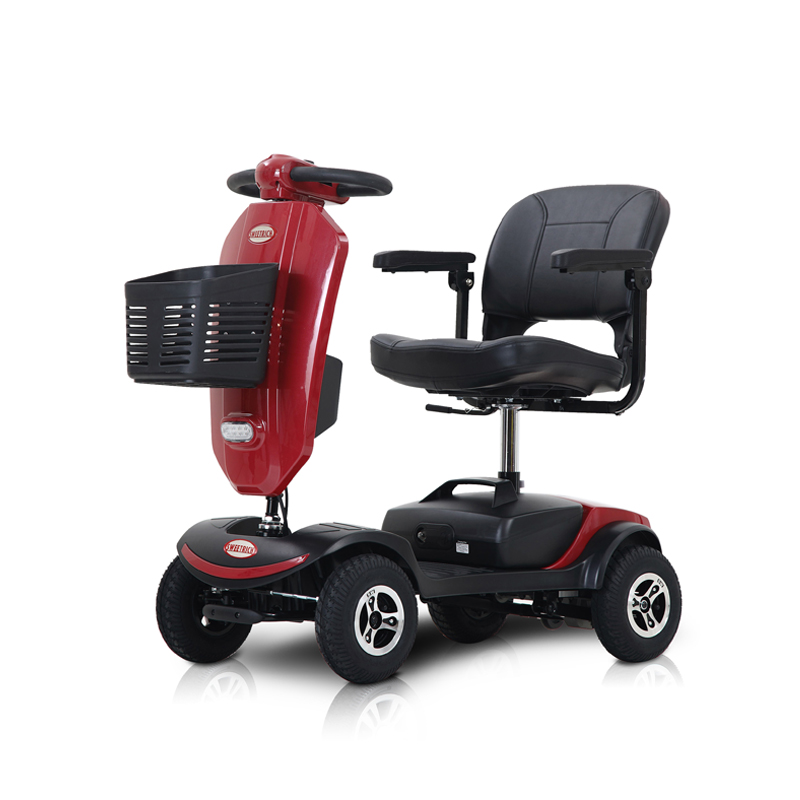
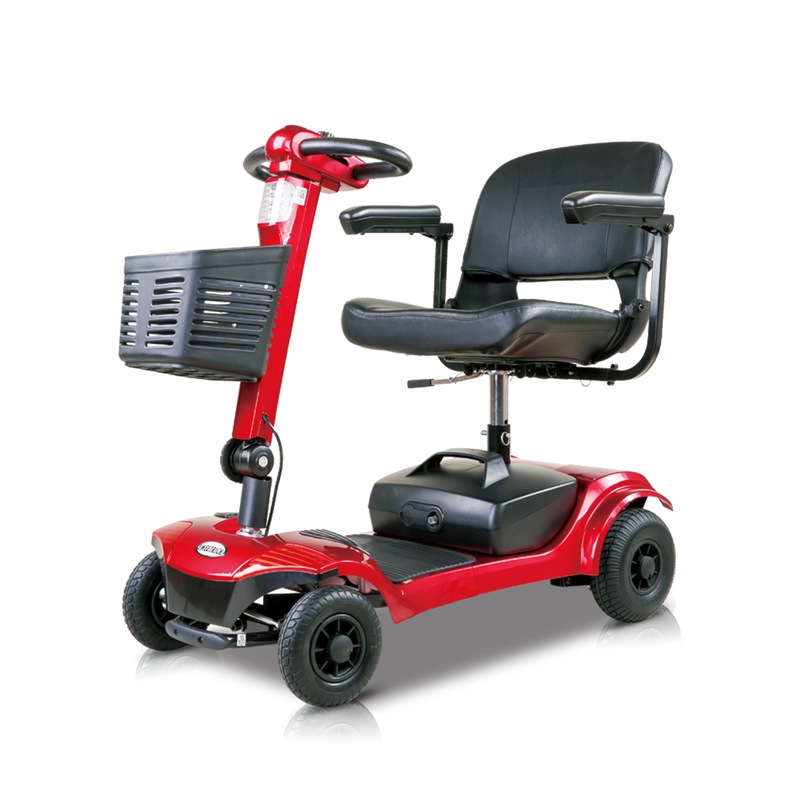
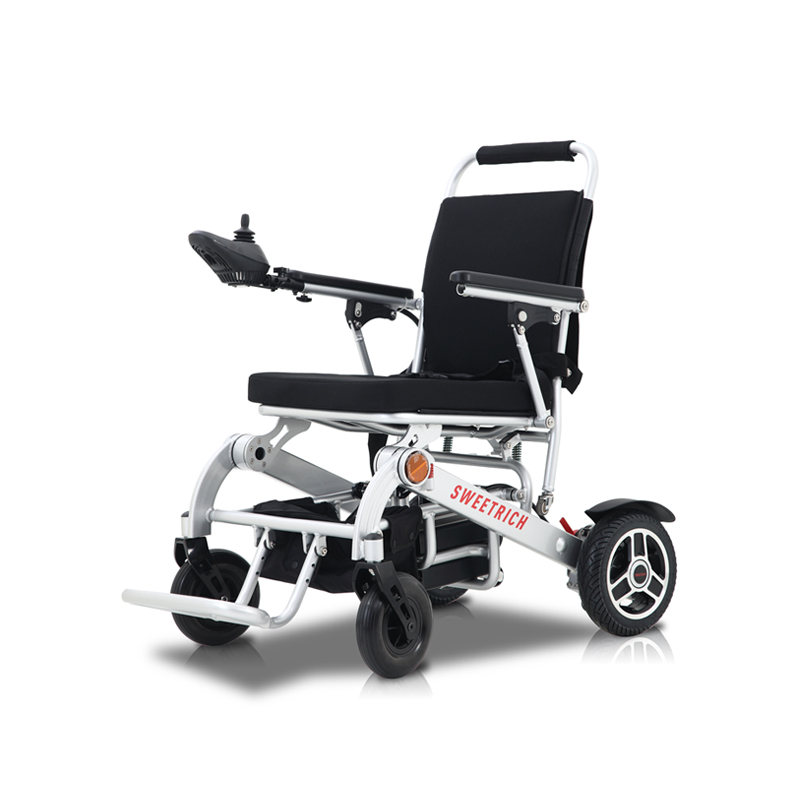
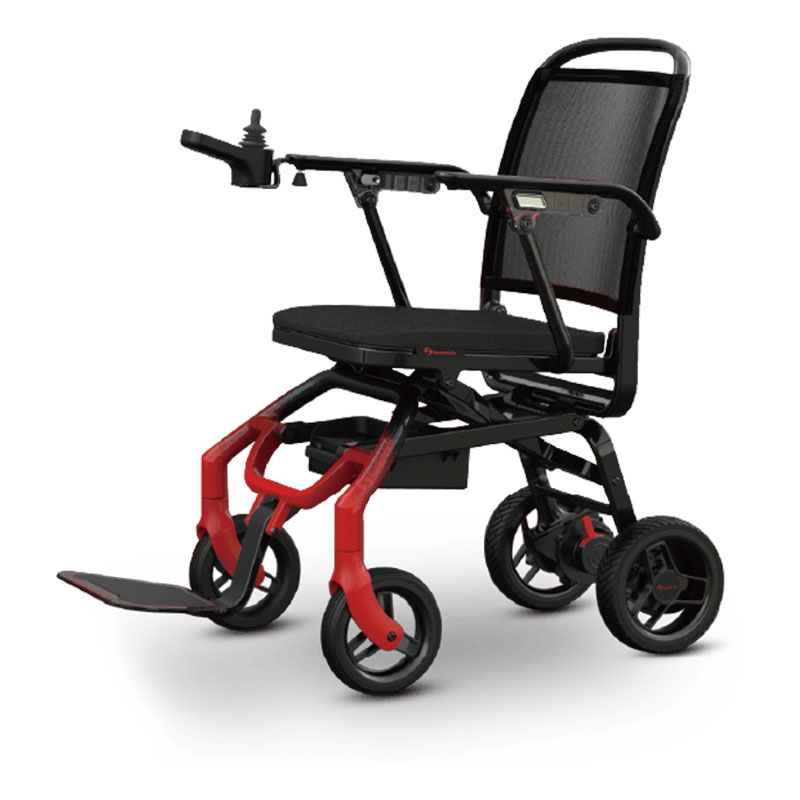
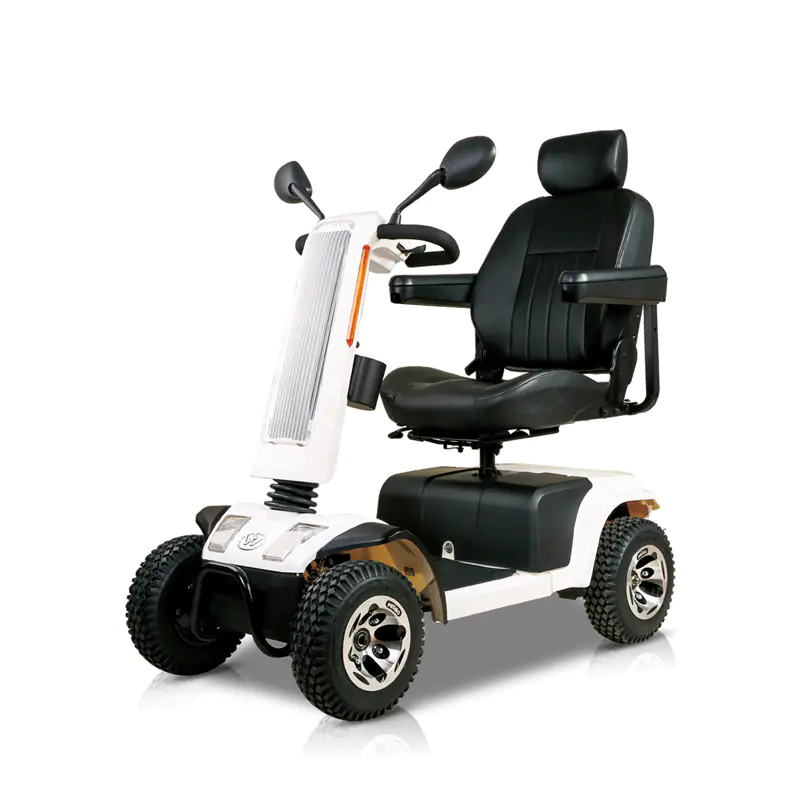
Start with your customers. Who are you actually serving? Some markets want compact folding scooters. Others need standard four-wheel models or heavy-duty units with higher weight capacities. Review key specs: user weight, driving range, top speed, turning radius, ground clearance, overall dimensions. Do these match the intended operating environment and local requirements?
Market research matters too. Sales records, retailer feedback, competitor offerings, customer inquiries—they tell you which configurations actually sell. A focused product selection cuts excess inventory and makes purchasing decisions simpler. Don't stock what looks cool on a spec sheet. Stock what moves.
Check Product Quality and Safety Documentation
Scooters support everyday movement. Reliability and safe operation should be central to supplier evaluation. Ask manufacturers about quality control procedures: incoming component inspections, assembly checks, braking tests, final product inspections. Request relevant test reports and certificates. Verify they apply to the exact model you're buying.
Depending on the destination market and product classification, applicable requirements may cover electrical safety, batteries, labeling, product conformity. Importers should confirm these before ordering. Evaluate a sample or arrange an independent pre-shipment inspection whenever possible. A supplier's general quality certificate doesn't prove every product meets all applicable safety requirements. It just doesn't.
Compare Wholesale Pricing and Total Landed Cost
Shipping, import duties, inspection expenses, warranty claims, spare parts—they all shift the real number per scooter. Compare quotations using equivalent product specs and clearly defined delivery terms.
| Cost factor | What to verify | Why it matters |
|---|---|---|
| Unit price | Model configuration and included accessories | Determines the initial purchasing cost |
| Minimum order quantity | Requirements per model or configuration | Affects inventory investment |
| Freight and insurance | Shipping terms and destination charges | Influences landed cost |
| Import duties | Applicable tariffs and taxes | Affects total procurement expenses |
| Warranty | Coverage and claim procedures | Helps estimate service costs |
| Spare parts | Prices and availability | Supports long-term maintenance |
Calculate expected landed cost per unit before setting wholesale prices or estimating margins. That gives you a realistic basis for comparing suppliers.
Evaluate Manufacturing Capacity and Delivery Reliability
Can the supplier actually deliver on time? Delayed shipments create stock shortages, disrupt promotions, strain retailer relationships. Ask about monthly production capacity, standard Delivery cycle, component sourcing, procedures for managing unexpected disruptions. Can the factory handle repeat orders as you grow?
For large purchases, request a written production schedule. Order confirmation, manufacturing, inspection, shipment milestones—all in writing. Also useful: whether the supplier manufactures in-house or relies on external assembly partners. That tells you something about production control and potential supply chain risks.
Review Battery Performance and Spare Parts Availability
Battery specs affect driving range, charging convenience, maintenance requirements, product suitability. Compare battery chemistry, rated capacity, charging time, replacement cost, warranty coverage. Advertised driving range needs careful evaluation—real-world performance depends on rider weight, terrain, temperature, speed, battery condition. Ask how range figures are tested and documented.
Spare parts matter just as much. Check availability of batteries, chargers, tires, controllers, other model-specific components. A supplier that provides compatible replacement parts and technical documentation helps distributors reduce service delays and keep customers happy after the sale.
Confirm Warranty Terms and After-Sales Support
Bulk purchasing increases the financial impact of defects. Before signing anything, clarify how the supplier handles defective units, warranty claims, repairs, replacement parts. Get written details: warranty duration, exclusions, required claim evidence, response times, responsibility for shipping costs. Determine whether technical assistance is available and whether the manufacturer provides user manuals and troubleshooting instructions. Establish a clear communication channel for quality complaints and urgent questions. Reliable after-sales support helps manage customer expectations and protect your reputation. Evaluate these arrangements alongside product price and production capacity—not after the fact.
Test Samples and Place a Trial Order Before Scaling Up
Catalogs and quotations can't show manufacturing consistency. Test a sample. Assess assembly quality, comfort, controls, folding mechanisms, packaging, overall usability. For larger orders, consider an independent inspection before shipment. Define acceptance criteria in advance: specs, visible defects, packaging requirements, required documentation.
A practical purchasing process:
- Shortlist manufacturers that meet your product and market requirements.
- Request samples, quotations, relevant technical documents.
- Verify product quality and applicable compliance requirements.
- Place a manageable trial order when commercially feasible.
- Review delivery performance, defect rates, supplier communication.
- Confirm corrective actions before increasing order volumes.
That approach gives you evidence of supplier performance before committing substantial working capital to inventory.
Build a More Reliable Bulk Purchasing Strategy
Before you buy mobility scooter units in bulk, assess product suitability, quality documentation, total landed cost, manufacturing capacity, battery support, warranty terms, sample performance. Each factor contributes to long-term commercial value.
A structured supplier evaluation process helps control inventory risks, improve cost forecasting, maintain a consistent customer experience. After delivery, keep monitoring defect rates, sales performance, warranty claims, replenishment Delivery cycle. That tells you whether your supplier remains right for future orders—or whether it's time to look elsewhere.