 info@sweetrich.cn
 +86-(0)512-82283871

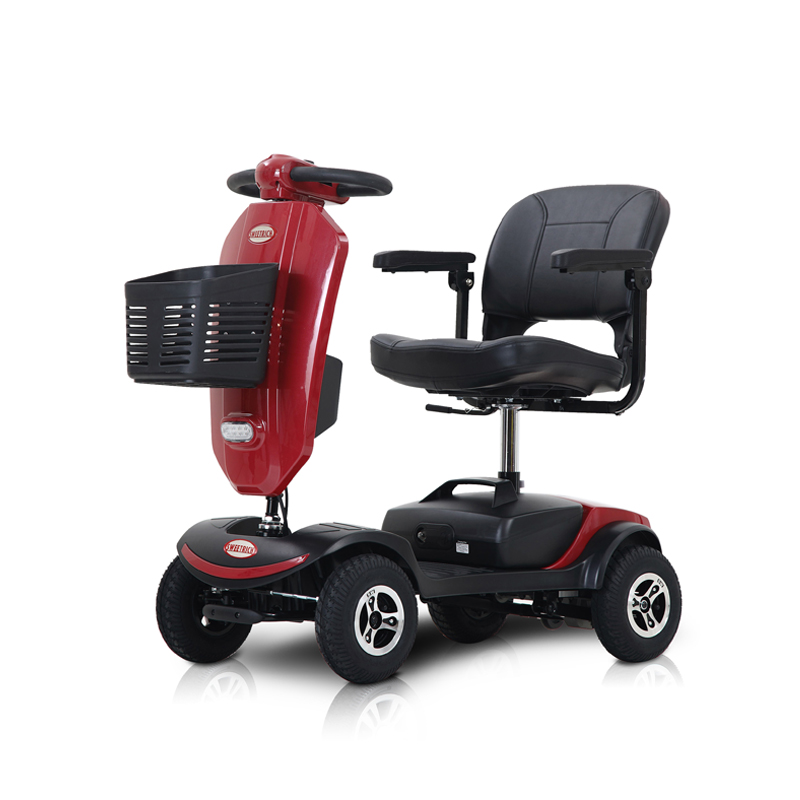
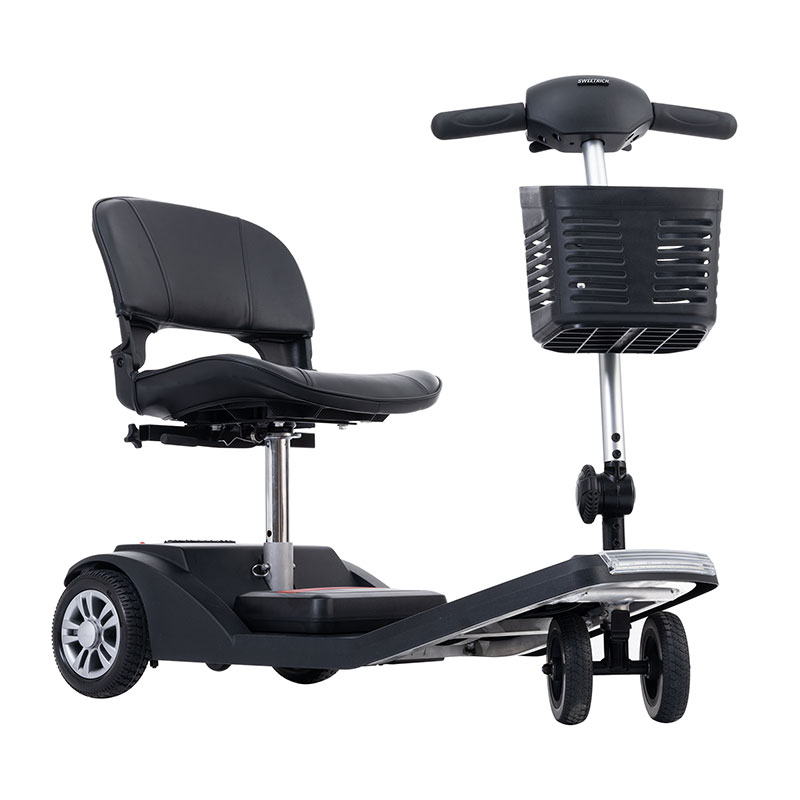
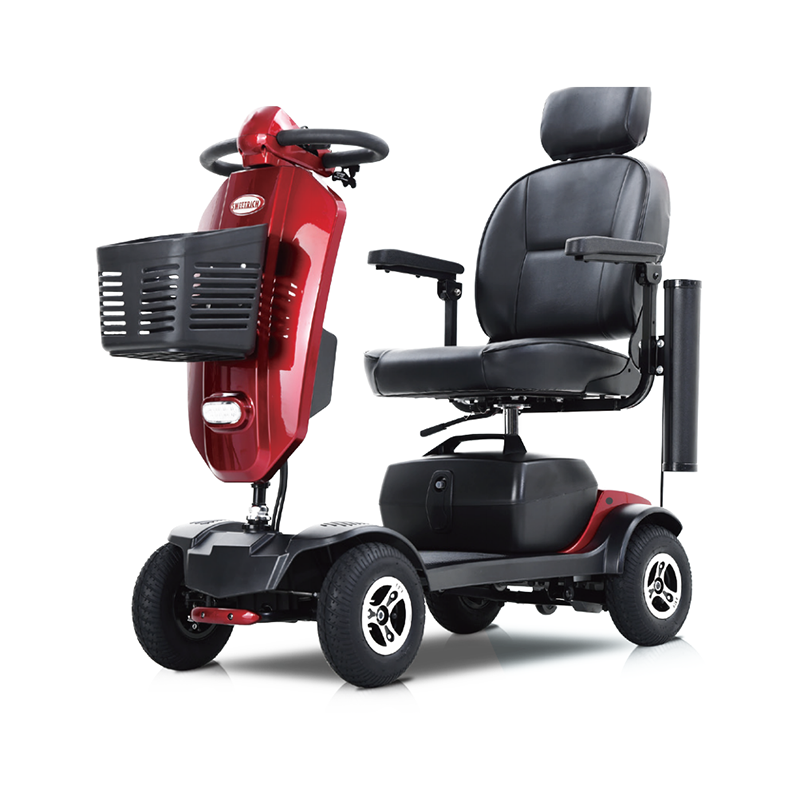
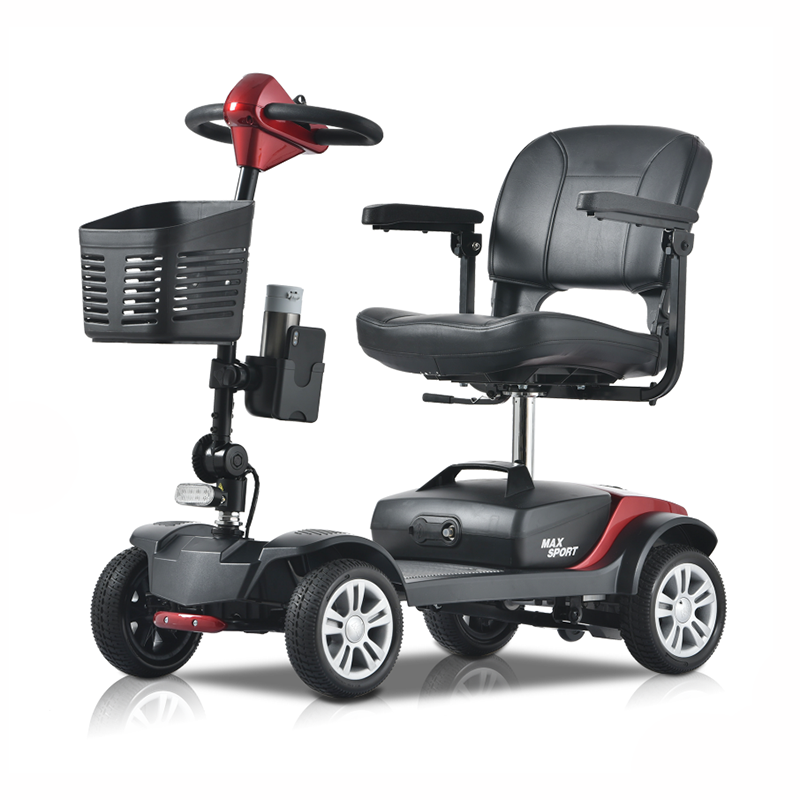
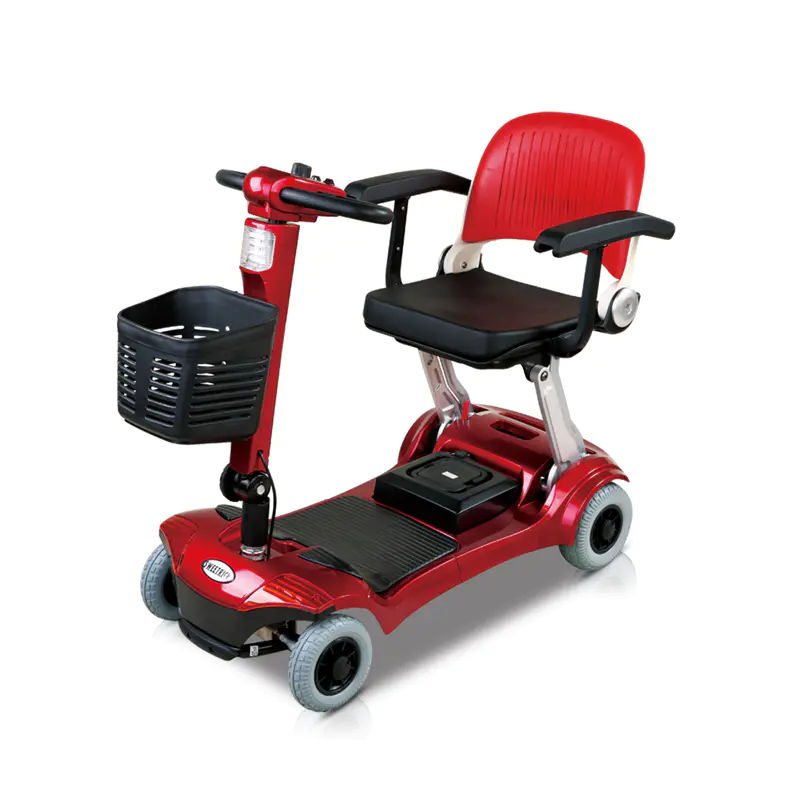
A light foldable mobility scooter fills a real need. Easy to haul around, stores small, works day to day. But for distributors, picking the right model comes down to juggling three things—weight, battery range, durability. And they don't always play nice together.
A scooter that's easy to lift probably has different structural or battery specs than some heavier tank built for outdoor abuse. Know the trade-offs and you can match products to what customers actually want. Here's how to think it through.
How Does Scooter Weight Affect Portability?
Weight matters. Lighter means easier transport, easier storage, easier handling—especially for people who drive a lot or need help lifting the thing. Manufacturers cut weight with aluminum alloy frames, compact parts, removable batteries. Fine. But total weight has to be weighed against structural strength and max user capacity.
Here's something distributors miss: total weight and heaviest removable component aren't the same number. A scooter marketed as "lightweight" can still be a pain to lift if the battery or folded frame stays heavy.
When comparing products, look at:
- Total weight, battery included.
- Weight of removable components.
- Folded dimensions and folding procedure.
- Maximum user weight capacity.
- Frame material and structural design.
Get a sample. Really. It's the only way to know if the folding mechanism is actually convenient and whether the scooter is manageable in real transport.
How Does Battery Range Compare Across Lightweight Models?
Range decides how far someone gets before hunting for a charger. For shopping, social visits, local trips—decent range makes a difference.
Lightweight scooters usually run compact battery systems to keep weight down. Bigger batteries mean more energy but more weight, and portability suffers. Lithium-ion is common here because of its energy-to-weight thing. Still, performance depends on the whole system—battery capacity, motor efficiency, controller settings, conditions on the ground.
Compare battery specs. Ask how the manufacturer measured advertised range. Rider weight, road surfaces, temperature, speed, battery age—all of it changes real-world numbers. A longer advertised range shouldn't win the decision by itself. What matters is how customers use the scooter and whether charging is easy to find.
Does a Lightweight Design Affect Durability?
Durability matters if you want fewer warranty claims and a brand that doesn't get dragged online. Cutting weight helps portability. But the frame, folding joints, wheels, electrical bits—they still have to survive regular use.
Aluminum alloy frames balance low weight and structural performance reasonably well. Real durability depends on alloy choice, frame geometry, joint construction, manufacturing quality, how loads distribute. Watch the folding hinges and locking mechanisms closely. Those parts move constantly and have to stay locked when the scooter's unfolded and ready to ride.
Before picking a supplier, ask about frame load testing, folding-cycle testing, braking performance, final inspections. Request test reports. Make sure they cover the exact model you're buying—not some cousin in the catalog.
Comparing Weight, Battery Range, and Durability
Common trade-offs, roughly:
| Evaluation factor | Lightweight design | Larger or heavier design | What distributors should verify |
|---|---|---|---|
| Product weight | Easier to transport and store | May require more lifting effort | Total and component weights |
| Battery range | May use a smaller battery | May accommodate greater battery capacity | Tested range and battery specifications |
| Frame durability | Depends on materials and engineering | May allow a more substantial frame | Load capacity and test results |
| Folding convenience | Often prioritizes compact storage | May have fewer portability features | Folded size and locking mechanism |
| Maintenance | Depends on component quality | Depends on design and usage | Parts availability and warranty |
Actual performance varies by model. Use verified specs when comparing quotes. The goal is finding a workable balance of portability, range, and reliability for your customer group.
Which Customers Benefit Most From Lightweight Folding Scooters?
Know your customers or you'll stock the wrong stuff. Travel-focused buyers want compact folding, removable batteries, easy vehicle storage. Older adults care about seating comfort, simple controls, easy on and off. Frequent outdoor users need stronger tires, decent ground clearance, range for longer trips. Maybe a higher weight capacity too.
Look at local transport habits, storage conditions, budgets, access to maintenance. Customer feedback and sales records tell you which specs deserve priority—if you actually read them.
How Can Distributors Evaluate Manufacturers?
Catalog prices only get you so far. Product consistency, production capacity, quality control, after-sales support—these affect whether the scooter sells and stays sold.
Before a wholesale order:
- Product verification: Samples, technical specs, test reports.
- Manufacturing capability: Production capacity, Delivery cycle, inspection procedures.
- Customization: Branding, colors, accessories, packaging options.
- Total procurement cost: Freight, import duties, inspections, spare parts, possible warranty expenses.
- After-sales support: Warranty coverage, technical help, replacement part availability.
Selling internationally? Verify safety, labeling, battery transport, conformity requirements for the destination market. Documentation needs to match the exact model and market. A trial order lets you check quality, packaging, delivery, supplier communication before going big.
Choosing the Right Model for Your Business
The right light foldable scooter depends on the balance your customers need—portability, range, durability.
Travel markets? Manageable weight, compact folded size, easy battery removal. Everyday mobility? Comfort, structural performance, realistic range. Multiple customer groups? A focused portfolio with clearly different specs beats a warehouse full of lookalikes.
After launch, watch customer feedback, return rates, warranty claims, spare parts demand. Those numbers tell you what to fix and which manufacturers actually deliver. A product range that works starts with verified specs, honest expectations, and a supplier who can keep quality steady as volumes climb.