 info@sweetrich.cn
  +86-(0)512-82283871
Content
- 1 Why the Battery Matters So Much
- 2 Lead-Acid Batteries – The Long-Standing Option
- 3 Nickel-Metal Hydride Batteries – Balanced Performance
- 4 Lithium-Ion Batteries – Light and Long-Range
- 5 Gel and Absorbed Glass Mat Batteries – Built for Tough Conditions
- 6 Everyday Care That Keeps Batteries Reliable
- 7 Influences on Real-World Battery Performance
- 8 Looking Ahead at Battery Developments
- 9 Sweetrich Mobility
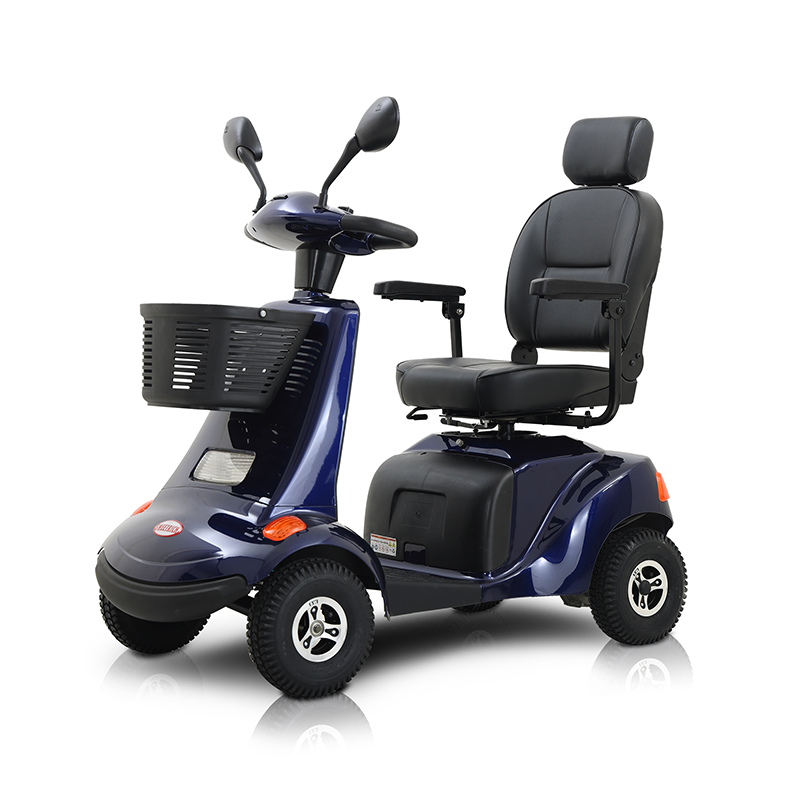
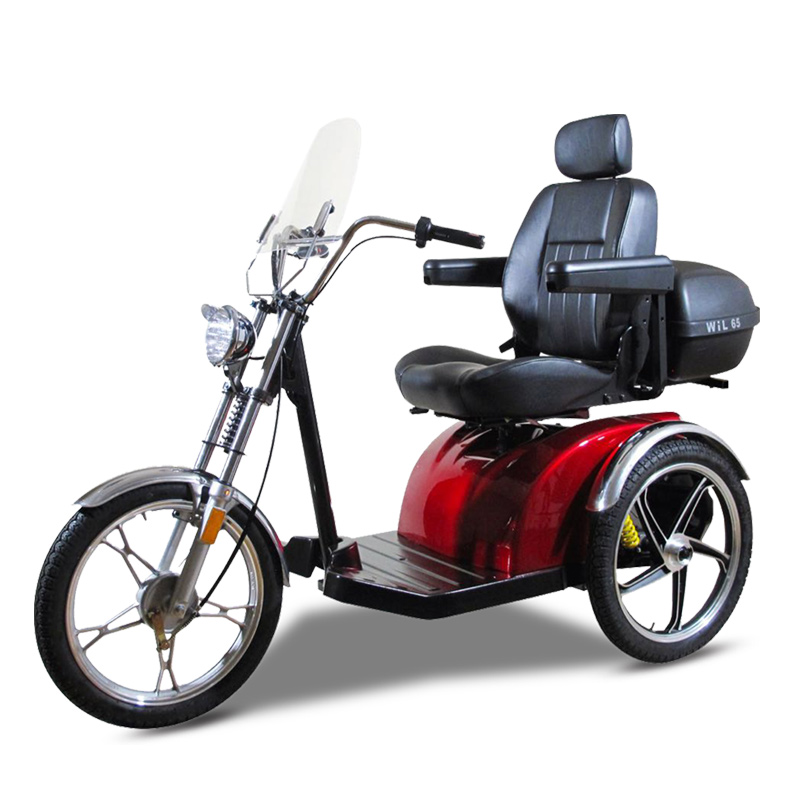
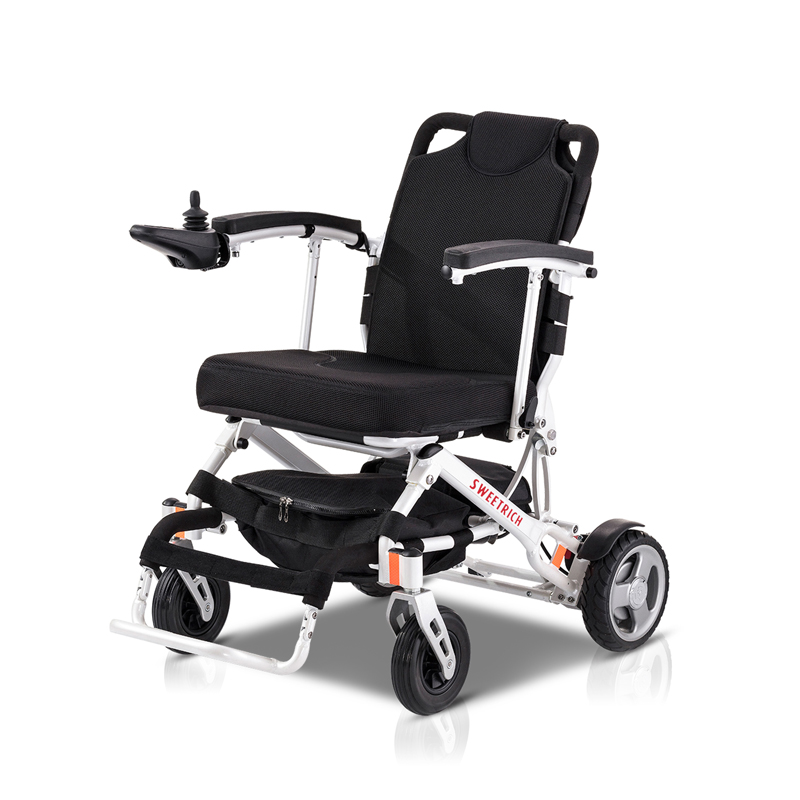
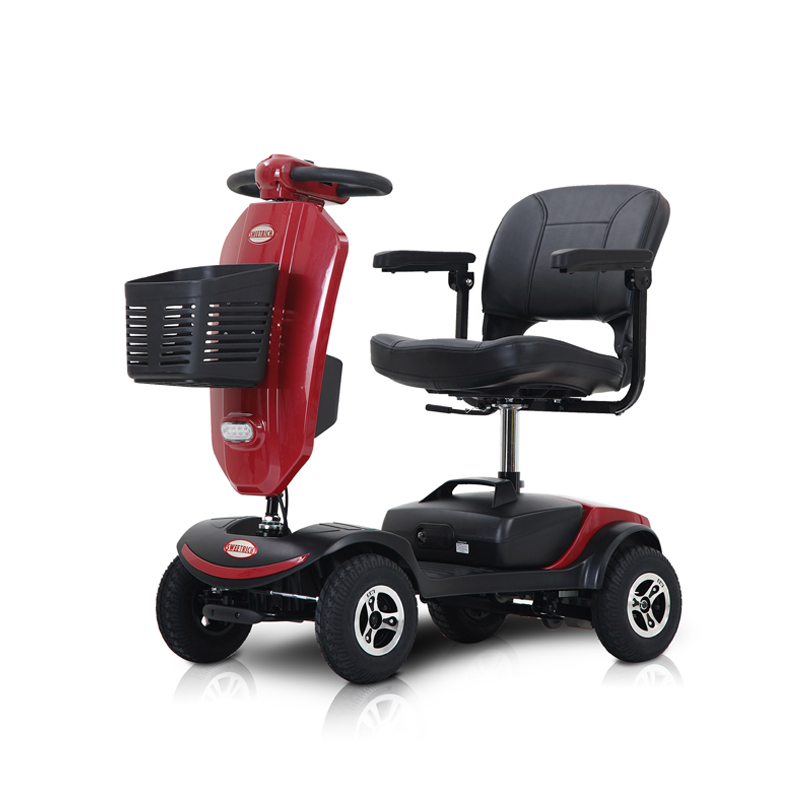
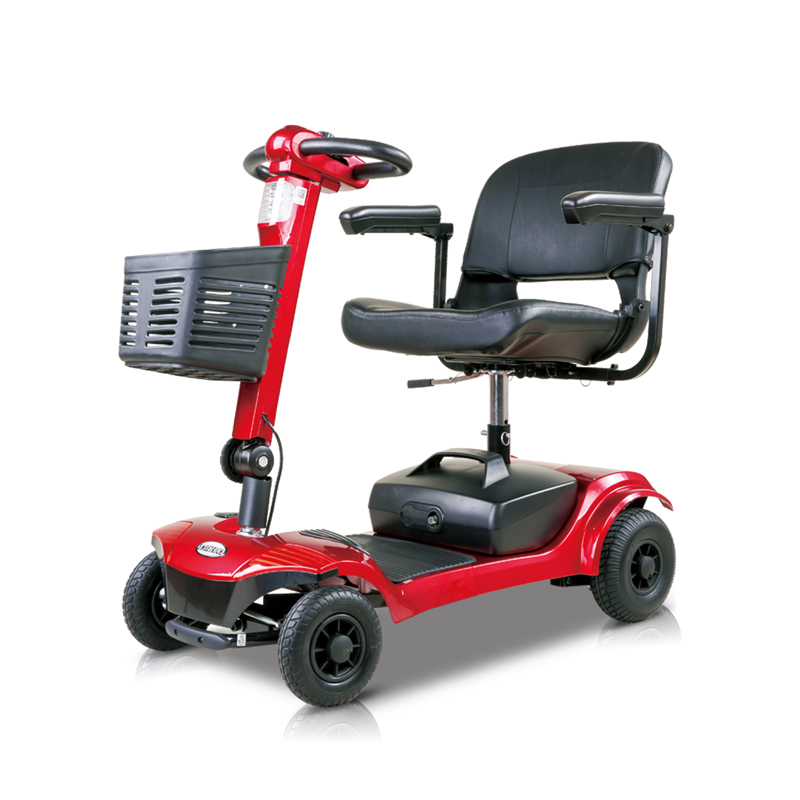
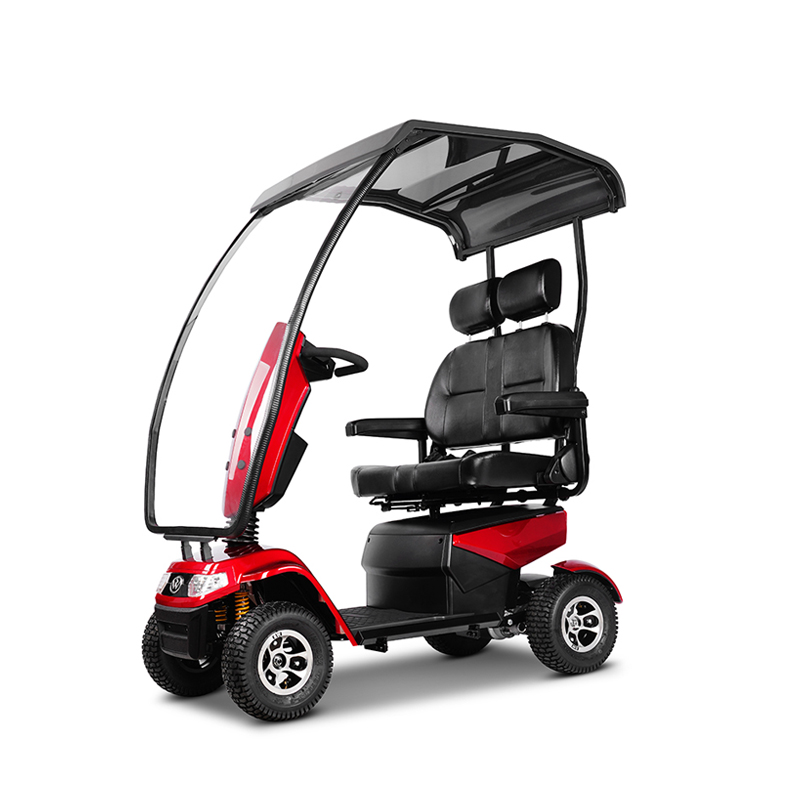
Electric mobility scooters give many people a practical way to stay independent. They help individuals who have difficulty walking long distances, tire quickly, or recover from injury move freely around the home, neighborhood, local shops, or parks. The Sweetrich Wholesale Mobility Scooter exemplifies this freedom, offering reliable performance tailored to everyday needs. The battery sits at the center of every scooter's performance. It supplies the energy that turns the motor, controls speed, and determines how far the scooter can go before needing a recharge. Battery choice affects weight, ride comfort, charging routine, and how long the scooter remains dependable. Advances in battery design continue to make scooters lighter, more reliable, and easier to live with.
Why the Battery Matters So Much
A mobility scooter moves when electrical current flows from the battery pack to the motor. The pack connects to a controller that manages power delivery based on throttle input. Press the throttle gently and the scooter creeps forward; push harder and it accelerates. Some models use two motors—one for each rear wheel—for better traction on uneven ground or slight slopes. When the rider eases off the throttle or presses the brake lever, the controller reduces or reverses current, slowing the scooter. In certain designs, a portion of the braking energy flows back into the battery, adding a small amount of range.
| Component/Feature | Description |
|---|---|
| Power Source | Battery pack supplies electrical current to the motor |
| Power Management | Controller regulates power delivery based on throttle input |
| Throttle Operation | Gentle press → slow creep forward Harder press → faster acceleration |
| Motor Configuration | Some models use dual motors (one per rear wheel) for improved traction on uneven ground or slopes |
| Braking/Deceleration | Easing off throttle or pressing brake lever → controller reduces or reverses current to slow the scooter |
| Regenerative Braking | In certain designs, a portion of braking energy is fed back into the battery, slightly extending range |
The battery pack contains several cells wired together. Series connections increase voltage, which influences top speed and climbing ability. Parallel connections increase capacity, measured in ampere-hours, which sets the distance the scooter can travel on a full charge. A pack with higher capacity lets the rider cover longer routes—perhaps a trip to the grocery store and back, or a leisurely park outing—without worrying about running out of power. Higher voltage packs deliver stronger torque, making hills and ramps feel less challenging.
Battery placement affects balance and handling. Most scooters position the pack low in the frame or under the seat. A low center of gravity keeps the scooter stable during turns, stops, and starts. Sealed compartments protect the cells from dust, light rain, and accidental spills. Weight remains a practical concern. Heavier batteries make the scooter feel more planted but harder to lift into a car trunk or maneuver through doorways. Lighter packs improve portability without sacrificing too much range.
Lead-Acid Batteries – The Long-Standing Option
Lead-acid batteries power a large share of mobility scooters. They consist of plates submerged in sulfuric acid electrolyte. Chemical reactions between the plates and acid generate electricity during use. When charging, the reactions reverse, restoring the plates.
Sealed lead-acid batteries prevent leaks by using absorbed glass mat or gelled electrolyte. These versions charge indoors safely without special ventilation. Lead-acid batteries deliver steady power even as they approach empty, and they handle occasional deep discharges without immediate harm. They cost less than other types and replacement packs remain widely available.
Weight stands out as the main limitation. Lead-acid packs add noticeable mass, which can make the scooter feel less nimble on grass, gravel, or carpet. Charging takes several hours, and incomplete charges over time to sulfation—hardened sulfate crystals that reduce capacity. Despite these drawbacks, lead-acid batteries remain a sensible choice for riders whose daily routines involve short distances on smooth surfaces.
Nickel-Metal Hydride Batteries – Balanced Performance
Nickel-metal hydride batteries use a hydrogen-absorbing alloy for one electrode and nickel hydroxide for the other, with an alkaline electrolyte. They store more energy per unit of weight than lead-acid, giving scooters longer range from a similar-sized pack. They weigh less overall, which improves handling and makes lifting the scooter easier.
These batteries tolerate temperature swings reasonably well and provide consistent power output during a ride. They last through more charge cycles than lead-acid before capacity drops noticeably. Charging follows a straightforward routine, and they produce less heat than some alternatives during use.
Cost sits higher than lead-acid, and self-discharge happens faster than in lithium-based packs. Scooters left idle for weeks may need a quick charge before use. Memory effect can reduce usable capacity if the battery is repeatedly recharged before fully emptying. For riders who want a middle ground between affordability and range, nickel-metal hydride offers a practical compromise.
Lithium-Ion Batteries – Light and Long-Range
Lithium-ion batteries appear in many newer scooters. They move lithium ions between electrodes during charge and discharge, delivering high energy density in a compact package. A lithium-ion pack of similar physical size to a lead-acid pack often provides double or triple the range.
These batteries charge quickly—typically a few hours rather than overnight—and maintain strong output until near depletion. Weight savings make the scooter easier to maneuver and transport. Built-in management circuits balance cells, monitor temperature, and prevent overcharge or deep discharge. These safeguards extend life and reduce safety concerns.
Initial cost runs higher than lead-acid or nickel-metal hydride. Cold weather reduces available range, and high temperatures shorten lifespan. Physical shocks or punctures require careful handling. Riders who value longer trips, faster recharges, and lighter weight often find lithium-ion worth the investment.
| Aspect | Lithium-Ion Battery Characteristics |
|---|---|
| Initial Cost | Higher than lead-acid or NiMH |
| Cold Weather | Reduces available range |
| High Temperatures | Shortens lifespan |
| Physical Damage | Sensitive to shocks and punctures (requires careful handling) |
| Main Advantages | Longer range • Faster charging • Lighter weight |
| Best For | Riders prioritizing longer trips, quick recharges, and reduced weight |
Gel and Absorbed Glass Mat Batteries – Built for Tough Conditions
Gel batteries modify lead-acid chemistry by adding silica to gel the electrolyte. Absorbed glass mat batteries hold the electrolyte in a fiberglass separator. Both designs eliminate liquid spillage and resist vibration damage.
They perform reliably on bumpy sidewalks, cracked pavement, or light off-road paths. Gel and AGM batteries tolerate deep discharges well and resist sulfation when left uncharged for short periods. They maintain stable voltage during use, giving smooth acceleration and consistent speed.
Energy density remains lower than lithium-ion, so range falls short for the same weight. Charging takes longer, and they cost more than standard lead-acid. Riders who frequently encounter uneven surfaces or variable weather often prefer these rugged options.
Everyday Care That Keeps Batteries Reliable
Good habits extend battery life across all types. Clean terminals regularly—wipe with a baking soda solution if corrosion appears, then rinse and dry. Tighten connections to prevent power loss from resistance.
Lead-acid batteries (non-sealed) need occasional distilled water top-ups to keep plates covered. Sealed versions require no fluid checks. Charge fully after each ride to avoid sulfation.
Nickel-metal hydride batteries benefit from an occasional full discharge followed by a complete charge to minimize memory effect. Store at partial charge in a cool place.
Lithium-ion batteries do not need fluid maintenance. Avoid storing them fully charged or fully empty for long periods. Keep them at 50–80% charge for daily use and storage. Protect from heat or cold.
Gel and AGM batteries charge slowly with the correct charger to prevent overheating. Use only compatible equipment.
General practices include matching the charger to the battery type, storing scooters in dry, moderate-temperature locations, and checking range regularly. When distance per charge falls noticeably, measure voltage or seek professional advice to determine replacement timing.
Influences on Real-World Battery Performance
Temperature affects every battery. Cold slows reactions, cutting range and power. Heat speeds aging, reducing total cycles. Store and charge in moderate conditions whenever possible.
Charge patterns matter. Frequent full discharges stress cells more than partial cycles. Use the original or correctly rated charger to avoid overvoltage.
Riding style and terrain play a role. Hills, heavy loads, or rough surfaces drain batteries faster. Smooth, flat routes preserve capacity.
Long storage requires attention. Batteries lose charge gradually when idle. Periodic top-ups keep them ready.
Charger quality and wiring condition influence efficiency. Loose connections create heat and waste power. Clean, secure systems deliver energy to the motor.
Looking Ahead at Battery Developments
Battery technology keeps moving forward. Solid-state designs replace liquid electrolytes with solid materials, increasing energy density and improving safety. They charge quicker and endure more cycles.
Faster charging methods deliver significant energy in short windows, convenient for users who need midday top-ups. Wireless charging pads in garages or parking areas eliminate cables.
Recycling recovers valuable materials from old batteries, reducing environmental impact and supply needs. Chemistries that use more abundant elements help lower costs.
Solar-assisted systems add small panels on scooters or charging stations, providing incremental energy during outdoor use. This extends range in sunny regions.
Lighter enclosures using advanced materials reduce pack weight without compromising protection. Smarter monitoring gives riders accurate range estimates adjusted for real-time conditions.
Sweetrich Mobility
When selecting a mobility scooter that truly aligns with your needs for independence, reliability, and everyday practicality, Sweetrich stands out as an exceptional choice. Their models emphasize user-friendly features like easy disassembly for transport, sturdy yet portable frames, comfortable seating, and robust performance on varied terrains, all backed by rigorous certifications and a commitment to enhancing dignity and freedom for seniors and those with mobility challenges.
By choosing Sweetrich, riders gain not just a scooter, but a thoughtfully engineered companion that supports confident, comfortable exploration—whether around the home, neighborhood, or beyond—while embracing the evolving innovations in battery efficiency and design for years of dependable use.