 info@sweetrich.cn
  +86-(0)512-82283871
Content
- 1 How Does Wheel Configuration Affect Balance And Control
- 2 What Makes Foldable 4 Wheel Scooter Suitable For Storage Needs
- 3 Why Portable 3 Wheel Scooter Focuses On Lightweight Mobility
- 4 How Does Folding Mechanism Influence Travel Convenience
- 5 What Role Does Weight Play In Storage And Transport
- 6 How Do Surface And Tire Design Affect Travel Experience
- 7 Which Scooter Type Fits Different Travel Scenarios
- 8 How Does Storage Space Influence Final Choice
- 9 Design Trends In Modern Portable Scooter Structures
- 10 How Does Overall Usage Environment Shape Final Decision
Compact mobility tools have become more common in daily transport because storage space keeps getting more limited in homes, vehicles, and travel situations. Folding structures appear in many designs, mainly because movement needs do not always match available storage space.
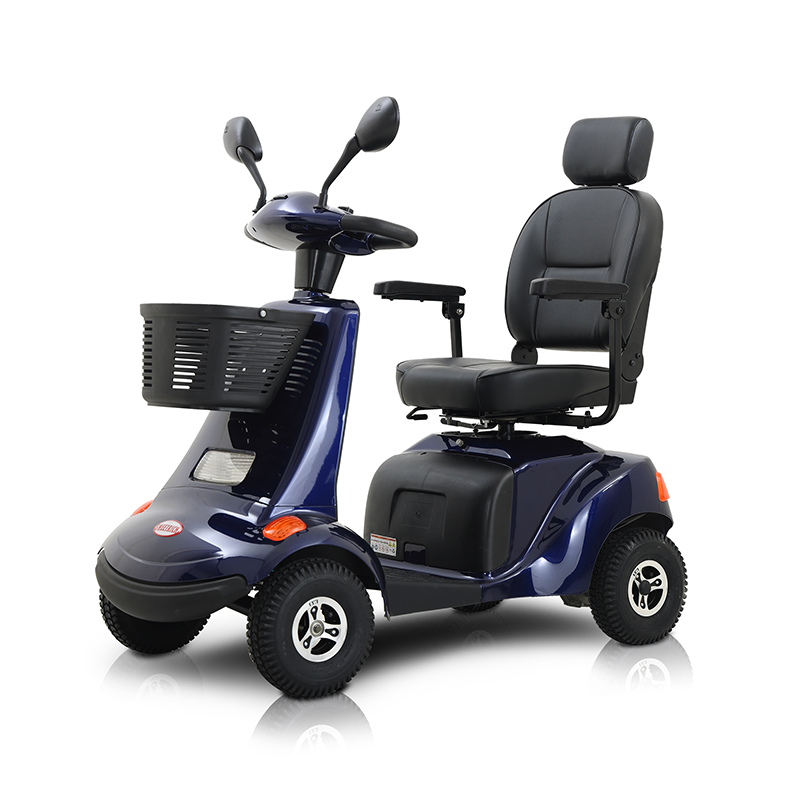
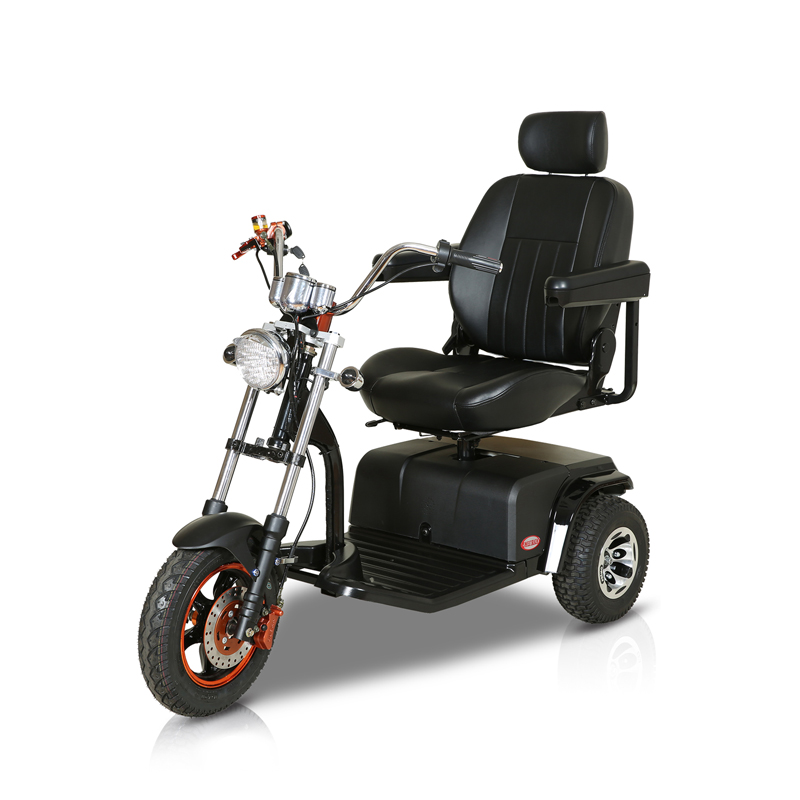
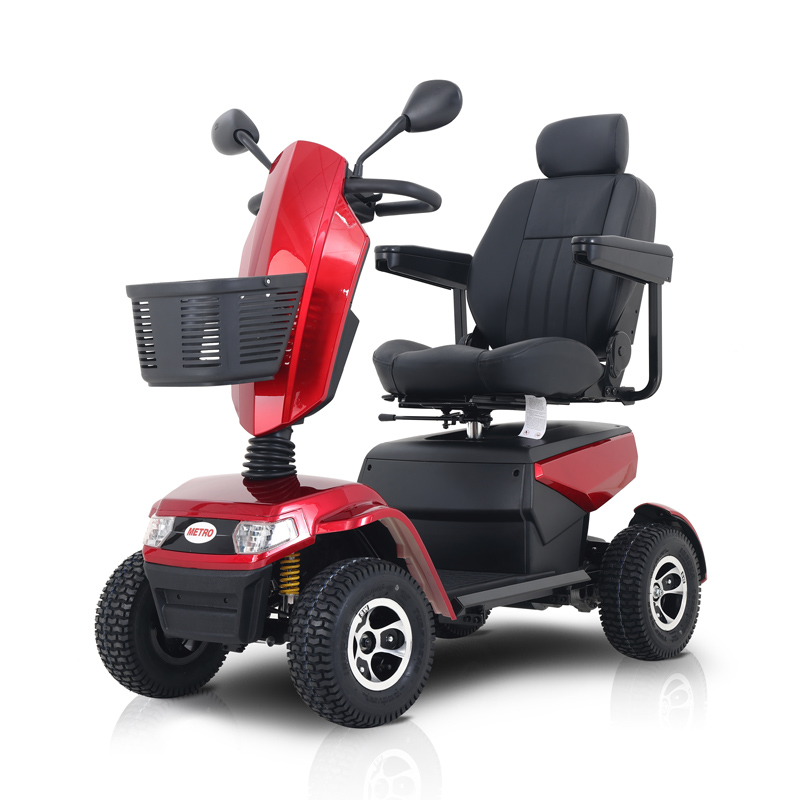
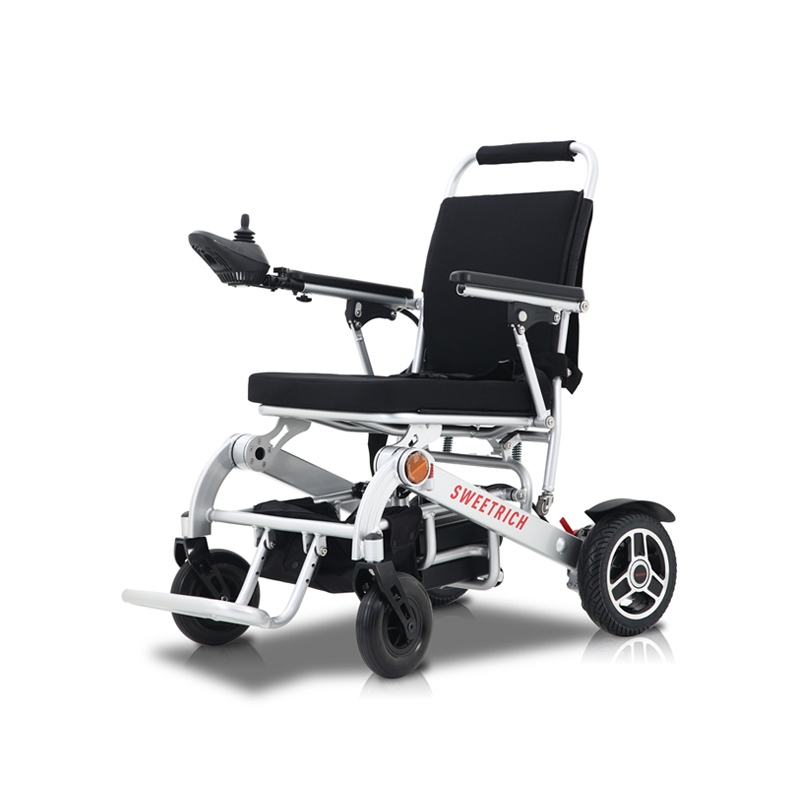
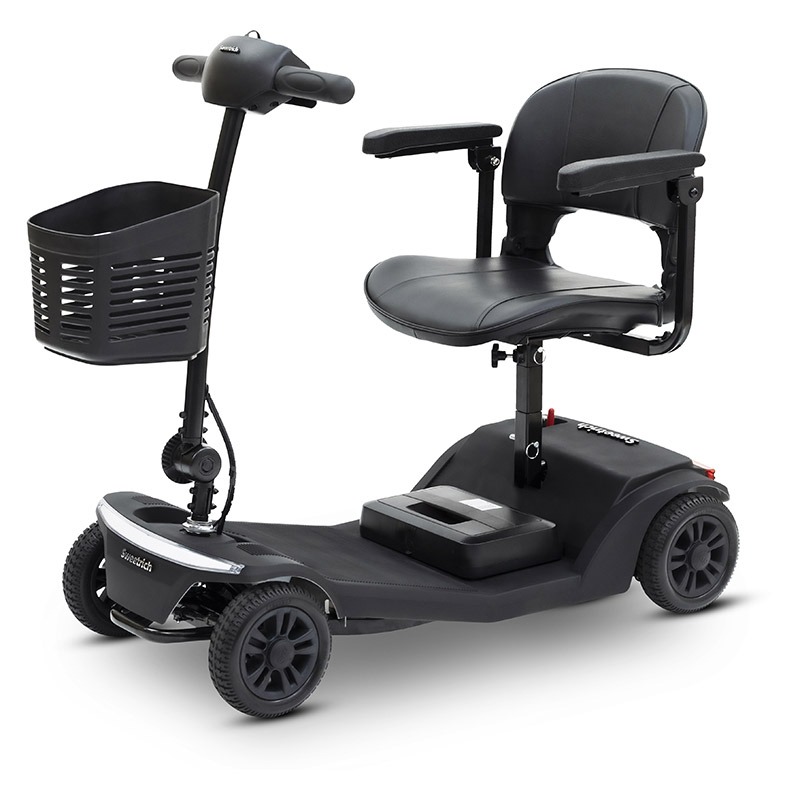
Foldable 4 Wheel Scooter and Portable 3 Wheel Scooter sit in the same category of travel-friendly mobility, yet they do not feel the same in use. One carries more structure under the frame, the other reduces parts to stay lighter and easier to move. Both try to solve the same problem in different ways.
Storage in real life is not only about putting something away. It also involves how the item behaves before and after storage. Whether lifting feels smooth, whether folding feels simple, and whether the shape fits into available space without adjustment.
In many situations, priorities shift depending on environment:
- some cases need steady movement on different surfaces
- some situations focus on easy lifting and transport
- some users deal with tight storage spaces
- some routines involve frequent folding and unfolding
- some conditions require both indoor and outdoor use
Because of that, comparison between these two scooter structures often depends on daily routine instead of a single design feature.
How Does Wheel Configuration Affect Balance And Control
Wheel layout quietly shapes how movement feels. It does not only affect stability, it also changes how direction control behaves in different environments.
A four wheel structure spreads contact points more evenly. When movement starts, the frame tends to feel grounded, especially during straight travel. Slight surface changes are absorbed more gradually because weight is distributed across more points.
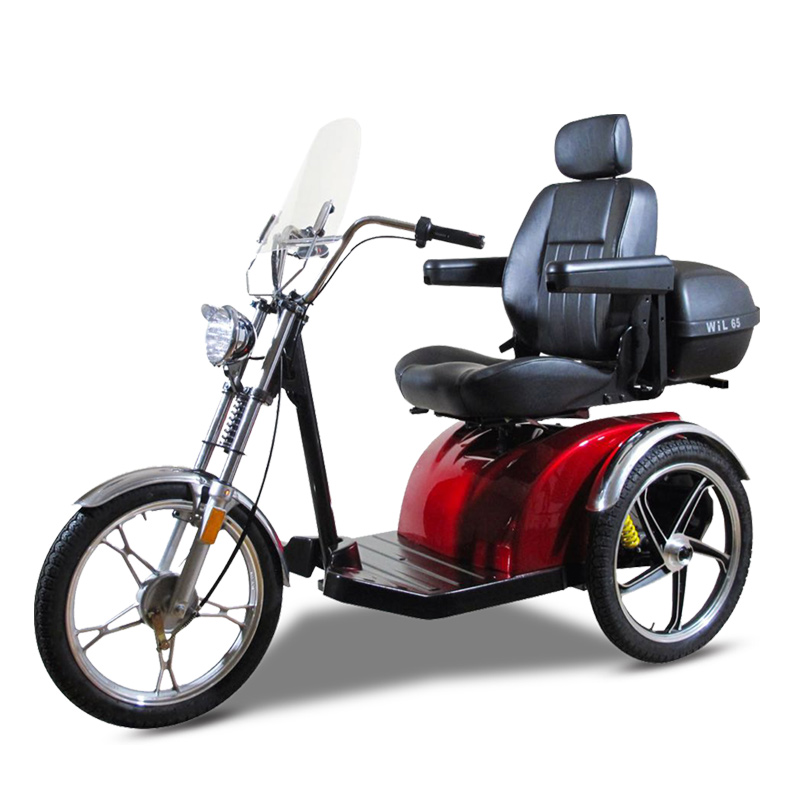
A three wheel structure behaves differently. With fewer contact points, turning feels lighter and quicker. Narrow paths or indoor areas become easier to navigate since direction change requires less resistance from the frame.
The contrast is not about better or worse, more about direction of design thinking:
- four wheel layout supports steady forward movement
- three wheel layout supports easier turning response
- wider base reduces side shift during motion
- narrower base increases agility in tight spaces
- stability and flexibility appear in different balance points
What Makes Foldable 4 Wheel Scooter Suitable For Storage Needs
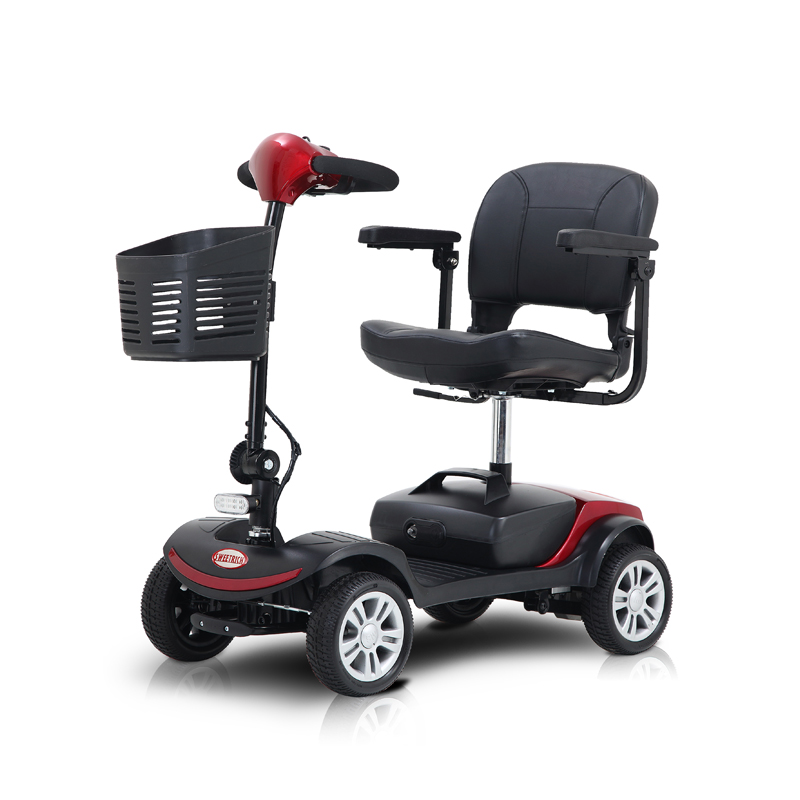
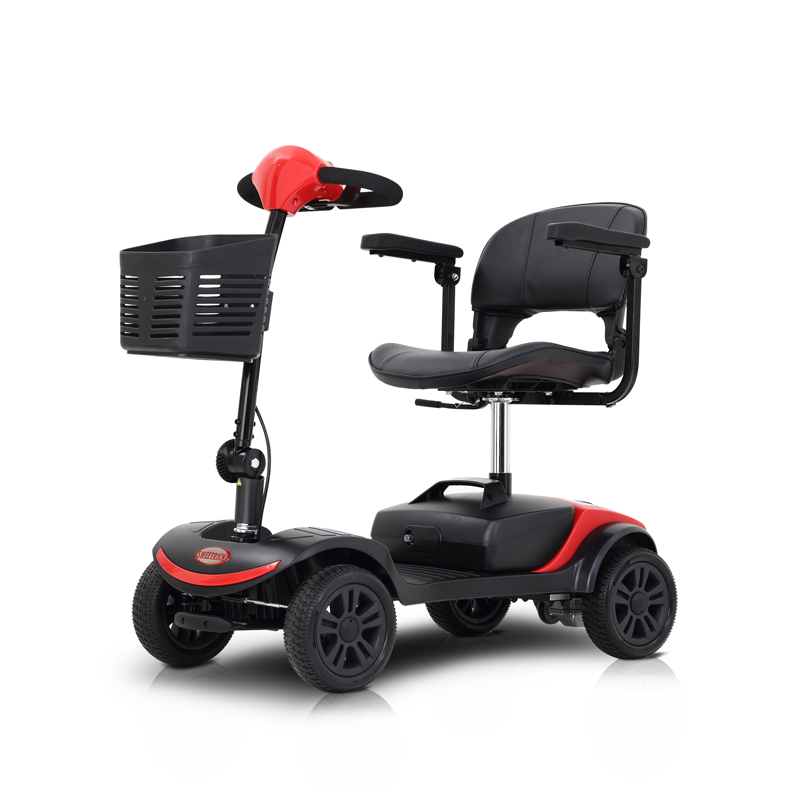
Foldable 4 Wheel Scooter design focuses on keeping structure stability while still allowing the frame to compress into a smaller shape. Folding does not remove the four wheel base, it simply changes how the structure is held when not in motion.
Once folded, the scooter becomes easier to place in storage areas that are not large enough for full-size form. Vehicle trunks, storage corners, or indoor spaces can usually accommodate it after folding, depending on available layout.
What stands out is not only folding itself, but how the frame stays balanced after it is folded. A stable folded position makes it easier to lift and reposition without extra support.
Typical characteristics include:
- folding frame that reduces occupied space
- stable structure even in folded condition
- manageable shape for transport storage
- balanced weight distribution during lifting
- suitability for mixed indoor and outdoor environments
In many cases, this type of structure fits situations where stability during use still matters even when storage convenience is required.
Why Portable 3 Wheel Scooter Focuses On Lightweight Mobility
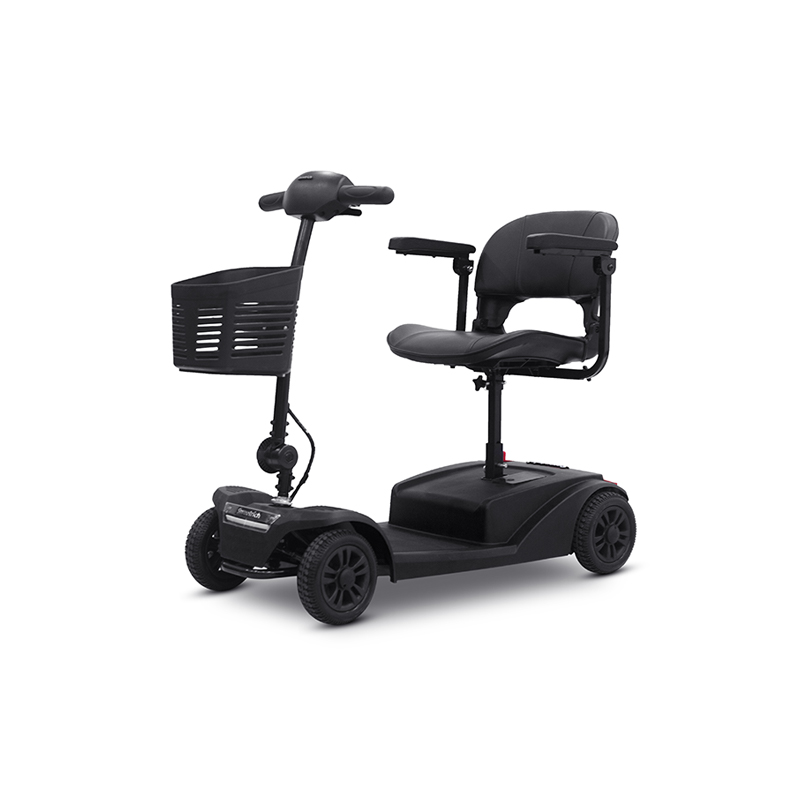
Portable 3 Wheel Scooter design often moves in a different direction. Instead of maintaining more contact points, the structure reduces one wheel to simplify frame handling and improve portability.
Less structural weight often makes lifting easier, especially when repeated movement is involved. Carrying the scooter through short transitions, vehicle loading, or indoor storage becomes less demanding.
Turning behavior also changes noticeably. With a smaller base, movement in narrow spaces feels more responsive. Indoor layouts with tighter pathways often suit this structure more naturally.
Common tendencies include:
- lighter frame for easier handling during transport
- compact folding size in many designs
- flexible movement in limited space areas
- simpler storage in indoor environments
- quicker transition between folded and active states
Even with these advantages, stability still depends on surface conditions and user handling, which means environment plays a large role in overall experience.
How Does Folding Mechanism Influence Travel Convenience
Folding design affects how quickly a scooter can shift between use and storage. In daily travel situations, repeated folding becomes part of the routine, so simplicity often matters more than complexity of structure.
A smoother folding system reduces time spent preparing for movement or storage. Locking points also influence how secure the structure feels once folded, especially during transport.
In practice, convenience usually depends on a few simple elements:
- number of steps needed to fold
- clarity of locking and release points
- stability after folding
- ease of carrying once folded
- compatibility with storage spaces
When folding feels natural, transitions between movement and storage become less noticeable in daily routine.
What Role Does Weight Play In Storage And Transport
Weight influences nearly every stage of handling. From lifting into storage to moving between locations, even small differences in structure weight can change how effort is experienced.
Heavier structures often feel more grounded during use, while lighter structures reduce effort during transport. Neither direction solves every situation alone, since storage conditions and usage frequency also play a role.
Weight becomes especially noticeable during repeated handling:
- lifting into storage spaces
- carrying during short travel transitions
- placing into vehicle compartments
- adjusting position in limited space
- moving between indoor and outdoor areas
Storage behavior is closely linked with weight, folding shape, and frame balance, all working together rather than separately.
| Aspect | Foldable 4 Wheel Scooter | Portable 3 Wheel Scooter |
|---|---|---|
| Stability Feel | More grounded during motion | Lighter directional change |
| Portability | Moderate lifting effort | Easier carrying handling |
| Folded Size | Wider folded shape | More compact structure |
| Turning Behavior | Steadier movement line | Easier tight-space control |
| Usage Direction | Stability-oriented use | Portability-oriented use |
How Do Surface And Tire Design Affect Travel Experience
Movement comfort is not only decided by frame structure. What touches the ground also shapes how the whole scooter feels during use. Surface condition, tire width, and contact behavior all work together in a quiet way that becomes noticeable only after repeated travel.
A four wheel structure often spreads contact pressure more evenly. When the surface is slightly uneven, movement tends to feel steadier because weight is distributed across more points. That creates a calmer ride feel, especially during longer use on mixed ground conditions.
A three wheel structure behaves differently. With fewer contact points, motion feels lighter, and direction changes happen with less resistance. On smoother indoor surfaces, this can feel easier to handle, especially in narrow passage areas where space is limited.
Tire design also influences comfort. Wider contact can soften small surface changes, while narrower contact feels more responsive to steering input. Neither approach removes surface influence completely, yet each responds in a different way.
Common surface-related differences:
- wider contact improves steady movement feel
- narrower structure improves steering response
- uneven ground affects balance in different ways
- indoor surfaces support smoother turning behavior
- outdoor surfaces highlight stability differences
Which Scooter Type Fits Different Travel Scenarios
Travel use rarely follows a single pattern. Some situations involve short indoor movement, others involve longer transitions between locations. Storage needs also change depending on where the scooter is used and stored.
Foldable 4 Wheel Scooter often fits environments where stability during movement remains important. It can feel more controlled on longer paths or mixed surfaces where balance matters during continuous motion.
Portable 3 Wheel Scooter often suits situations where space is limited and movement happens in shorter intervals. Indoor navigation, quick transitions, and frequent handling tend to match its lighter structure.
Different usage patterns tend to highlight different strengths:
- compact indoor travel situations
- repeated lifting during daily routines
- mixed surface movement during longer travel
- storage in limited space environments
- frequent folding and unfolding cycles
Choice often depends less on design category and more on how travel routines actually look in daily life.
How Does Storage Space Influence Final Choice
Storage conditions often decide how practical a scooter feels in long-term use. Even a well-designed structure can become inconvenient if it does not fit available space properly.
Folded shape becomes a key factor. A four wheel structure may fold into a wider form due to its base design, while a three wheel structure often compresses into a more compact shape. That difference affects how easily each one fits into tight storage areas.
Vehicle storage, home storage, and temporary storage during travel all bring different constraints. Some spaces allow horizontal placement, others require vertical adjustment or lifting into higher positions.
Storage-related considerations often include:
- available space in vehicle compartments
- indoor corner or closet size limitations
- frequency of storing and retrieving
- ease of lifting into storage positions
- compatibility with travel packing routines
When storage space is limited, compact folded shape becomes more noticeable in daily handling. When space is less restricted, stability during use can take higher priority.
Design Trends In Modern Portable Scooter Structures
Recent mobility design direction tends to move toward simpler frame structures that can adapt to different environments without requiring complex handling. Folding systems have become more refined, focusing on smoother transitions between use and storage.
Material selection also plays a role in shaping overall experience. Lightweight structures are often combined with stable frames to balance portability and durability. Instead of increasing complexity, many designs reduce unnecessary parts to improve handling efficiency.
A few visible design tendencies include:
- simplified folding mechanisms for quicker handling
- reduced frame weight for easier transport
- compact folded shapes for storage flexibility
- balanced structure for mixed environment use
- focus on practical movement over complex structure
Foldable 4 Wheel Scooter and Portable 3 Wheel Scooter both reflect this direction in different ways. One leans toward steady structure with folding ability, the other toward lighter movement and easier handling.
How Does Overall Usage Environment Shape Final Decision
Environment often becomes the final factor when choosing between the two scooter types.
Indoor-focused environments tend to highlight turning ability and compact movement. Outdoor or mixed environments tend to highlight stability and surface adaptation. Storage environment also influences how often folding and lifting occur.
When all factors combine, decision usually forms around daily rhythm rather than isolated features:
- frequency of travel and transport
- available storage space at home or vehicle
- surface types commonly encountered
- need for repeated folding cycles
- balance between stability and portability
Both scooter types serve different movement styles. One aligns more with steady travel behavior, while the other supports flexible handling in tighter spaces.
Foldable 4 Wheel Scooter and Portable 3 Wheel Scooter represent two practical approaches to the same challenge of compact mobility. One carries a structure that leans toward balance during movement, the other reduces weight and size for easier handling in storage and transport.
Neither direction replaces the other. Instead, each fits different travel routines shaped by space, movement frequency, and handling preference. The difference becomes clearer when viewed through daily use rather than specification alone, where storage space, lifting effort, and surface behavior all interact in real conditions.