 info@sweetrich.cn
  +86-(0)512-82283871
Content
- 1 How Do Anti Slip Tires Improve Urban Riding Experience
- 2 Which Road Conditions Affect Portable 3 Wheel Scooter Performance
- 3 How Does Tire Design Work With Scooter Structure
- 4 Why Is Tire Maintenance Important For Daily Travel
- 5 How Does A Travel 3 Wheel Scooter Adapt To Different Urban Routes
- 6 What Should Be Considered Before Choosing Scooter Tires
- 7 How Can Tire Choice Support Comfortable Urban Mobility
Urban travel rarely stays on one clean surface for long. A short trip may move from smooth pavement to brick paths, then across painted crossings or slightly uneven corners near shops, parks, and residential streets. Each change under the wheels affects how the scooter feels in motion.
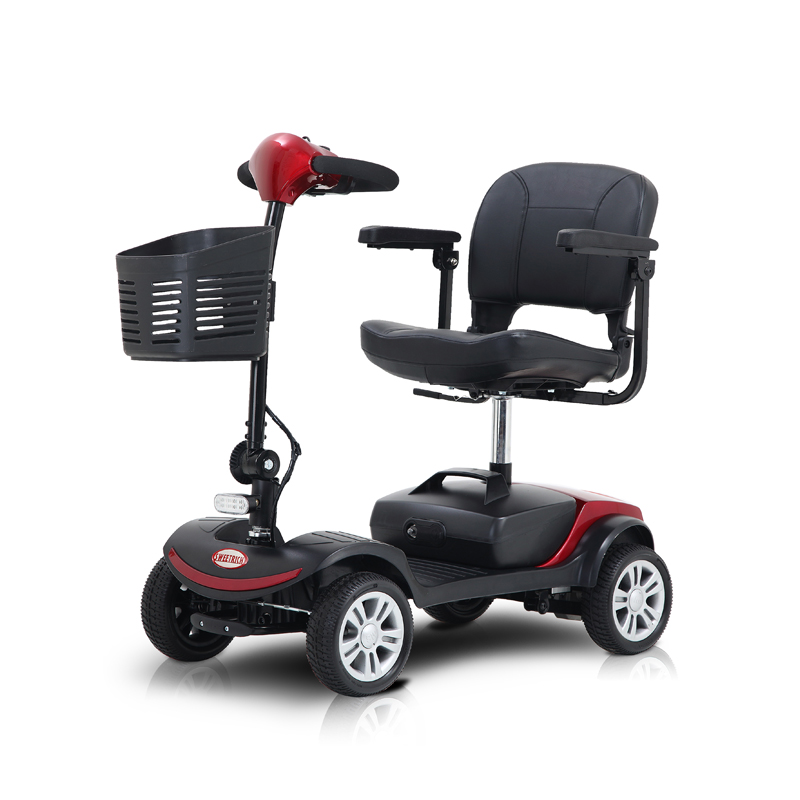
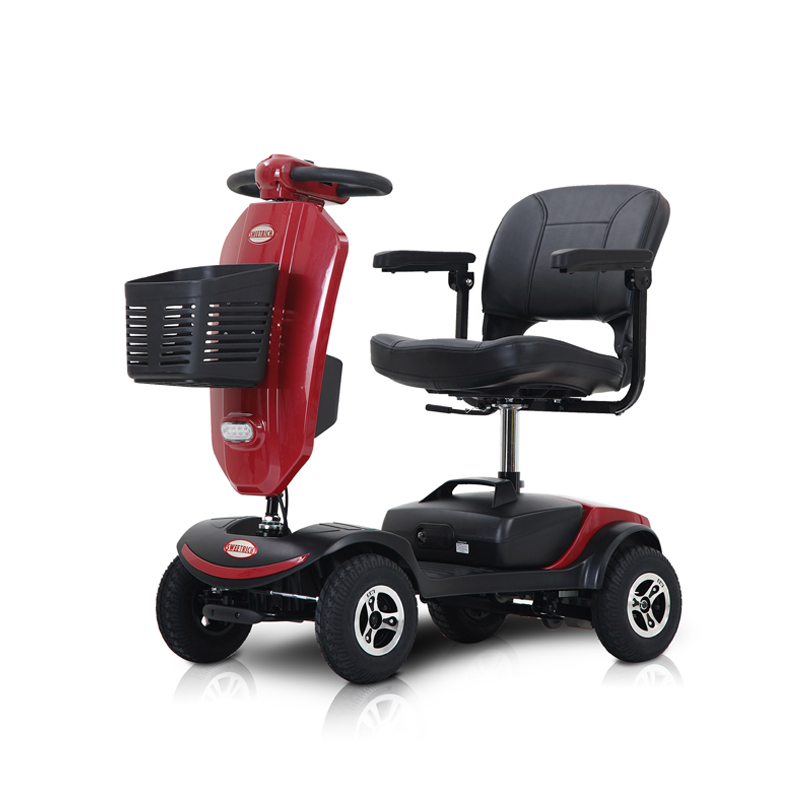
For a Portable 3 Wheel Scooter, tires are the only point touching the road. Steering, slowing down, and turning all depend on that contact. A small change in surface texture can alter how the scooter responds, especially when riding through places with mixed road conditions.
Control on city roads comes from several parts working together. Wheel position, rider balance, steering movement, and tire condition all influence the way the scooter behaves during a trip. Anti slip tires help that system stay more connected to the ground, which makes daily riding feel more settled.
A few details usually shape how the scooter handles:
- Contact between tire and road
- Surface condition
- Steering response
- Riding balance
- Daily tire care
Tire selection is not only about appearance or size. Road texture, common travel routes, and daily use habits all affect which tire design feels right for ordinary riding.
How Do Anti Slip Tires Improve Urban Riding Experience
City roads change often, and tire design needs to follow those changes. Anti slip tires are made to keep a steadier link with the road surface, so movement feels less abrupt when the scooter starts, turns, or slows down.
Dry pavement usually feels stable, although even dry roads may include slight changes in texture. Grooves or patterned surfaces on the tire help maintain contact as the scooter moves through those small shifts.
Roads can also become damp after rain or cleaning. In that situation, tire grip matters more because the surface may feel different from usual. A tire that keeps firmer contact can help the scooter stay more predictable during ordinary travel.
Several everyday movements benefit from stronger road contact.
- Starting from a stop
- Turning at corners
- Slowing near crossings
- Moving across mixed pavement
- Riding over gentle slopes
Anti slip patterns support these movements by spreading contact across the tire surface. Instead of depending on one small spot, the tire keeps working with the road in a steadier way.
Most urban travel involves frequent turning, stopping, and adjusting speed. A tire that responds in a clear and familiar way often makes those changes feel easier to handle.
Comfort is connected with predictability. When the scooter moves in a steadier rhythm, the rider can focus more on the route and less on correcting balance.
Which Road Conditions Affect Portable 3 Wheel Scooter Performance
Road conditions vary from street to street, and that variation often shows up during everyday riding. A Portable 3 Wheel Scooter may move across several surface types in one short trip, so tire performance needs to match more than one environment.
Smooth sidewalks usually allow stable movement with little interruption. Brick paths create a different feeling because the small gaps between bricks can bring light vibration into the ride.
Painted crossings also matter. Their surface often feels less steady than regular pavement, especially when moisture is present.
Gentle slopes change how weight moves across the scooter. Tires need to stay in contact with the ground while the rider adjusts direction and speed.
Uneven paths appear often in urban areas. Repair lines, tree roots, and small surface changes all influence how the scooter rolls forward.
| Road Surface | Riding Characteristic | Tire Requirement |
|---|---|---|
| Smooth pavement | Steady movement | Even road contact |
| Brick surface | Light vibration | Flexible grip |
| Painted crossing | Lower surface friction | Stable traction |
| Gentle slope | Ongoing steering adjustment | Balanced tire support |
| Uneven path | Frequent surface changes | Consistent ground contact |
City travel usually means moving between these surfaces in the same outing. A tire that keeps a stable feel across changing roads can make daily use easier to manage.
How Does Tire Design Work With Scooter Structure
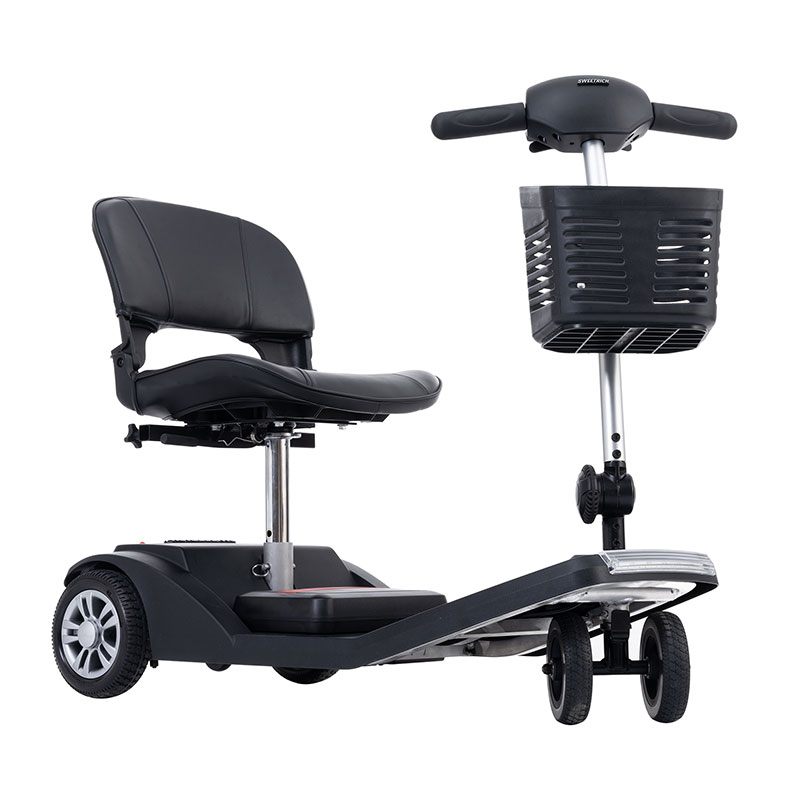
Tires do not work alone. Their effect depends on how they fit with wheel layout, steering, weight balance, and the rest of the scooter structure.
A three-wheel scooter distributes movement differently from other travel equipment. That structure changes how the front and rear wheels share the road, making tire contact part of the whole riding system.
Steering response also depends on the tires. When the front wheel changes direction, the tires guide that movement across the road surface. Stable contact helps the scooter feel smoother during turns and direction changes.
Weight balance plays a role as well. Carrying personal items, moving up slight slopes, or crossing uneven ground shifts pressure from one wheel to another. Tires respond to those changes during the ride.
Air pressure and tire condition also shape daily use. A tire in suitable condition keeps a more even contact area with the road, which supports steadier handling during regular travel.
Looking at the scooter as one connected system usually gives a clearer picture than focusing on one part alone. Tires, steering, and wheel position all influence control together.
Why Is Tire Maintenance Important For Daily Travel
Tires change a little with every trip. Different road surfaces, weather shifts, and simple daily use all leave a mark on how a scooter feels on the move. Regular care helps that feeling stay steady instead of slowly becoming uneven.
Maintenance does not need to take much time. A quick look before heading out, or another check after returning home, can catch small changes before they turn into bigger trouble.
A few basic habits are often enough:
- Look for visible damage on the tire surface
- Keep the wheel area clear of grit and small debris
- Notice any change in how the scooter feels while moving
- Store the scooter in a dry and suitable place when not in use
Dust, small stones, and other loose road material tend to gather around the wheels during outdoor travel. Cleaning that area helps the tire keep proper contact with the road.
Wear also matters. Once the surface pattern begins to fade, grip can feel different on sidewalks, crossings, and uneven paths. A regular glance at tire condition gives the rider a better idea of when attention is needed.
Storage plays a part too. A scooter left in a poor location for long periods may lose some of the tire condition it had during normal use. Dry storage and careful handling usually help keep the ride more consistent.
For daily mobility, tire care is part of keeping the scooter ready for the next trip. Small habits often do more than complicated checks done too late.
How Does A Travel 3 Wheel Scooter Adapt To Different Urban Routes
Urban travel rarely follows one kind of road all the way through. A person may use a scooter for shopping streets, neighborhood paths, parks, or indoor spaces, and each place can feel a little different under the wheels.
A Travel 3 Wheel Scooter is often used in situations where movement between different places matters. That kind of use calls for a scooter that can handle changes in surface, space, and direction without feeling awkward.
Shopping areas may have smooth pavement along with crowded walking zones. Residential streets may bring narrow turns, gentle slopes, or repaired sections of road. Parks can add another layer of change with paths that feel softer or less even than regular sidewalks.
Tire performance becomes part of how the scooter handles those shifts.
Common travel situations include:
- Moving along sidewalks
- Crossing parking areas
- Riding through community spaces
- Entering indoor locations
- Traveling on shared paths
Each route asks for a slightly different riding style. Smooth ground may let the scooter glide more easily, while uneven areas usually need slower movement and a little more attention from the rider.
Portable design also shapes daily travel. A scooter that is easier to move from place to place gives more room for short trips, errands, and routine outings.
Tires support that flexibility by helping the scooter stay in contact with different surfaces. When the tire design fits everyday travel conditions, each part of the route tends to feel more manageable.
What Should Be Considered Before Choosing Scooter Tires
Choosing tires starts with looking at the places where the scooter will actually be used. A tire that feels fine on one surface may behave differently on another, so the rider's normal route usually gives the clearest clue.
Urban travel often means changing ground conditions in the same outing. Sidewalks, roads, indoor floors, and outdoor paths may all appear during one day.
Several points are often worth checking:
- Common road types
- Weather conditions
- Riding frequency
- Comfort expectations
- Maintenance needs
The surface pattern on a tire influences contact with the road. Different patterns create different feelings when turning, stopping, or moving across mixed surfaces.
Material also changes the ride. Some tires feel softer, while others are built around firmer road contact. The better choice depends on the route, the travel pattern, and what feels natural to the rider.
Comfort and control usually need to stay in balance. A tire that handles small surface changes smoothly can make the ride feel easier, while stable contact helps the scooter react in a calmer way.
Tire size and condition should also match the scooter structure. When the parts fit together properly, the scooter usually moves in a more natural way during daily use.
Choosing tires is a practical decision. Looking at real travel habits often gives a clearer answer than choosing by appearance alone.
How Can Tire Choice Support Comfortable Urban Mobility
Comfort on city roads comes from many small parts working together. Scooter structure, steering response, wheel arrangement, and tire design all affect how the ride feels during everyday travel.
Anti slip tires help maintain contact with changing road surfaces, which can make movement feel smoother across different parts of the route. From sidewalks to shared paths, steady tire performance helps the scooter react in a more predictable way.
A Portable 3 Wheel Scooter needs to handle daily situations rather than only one kind of road. Routes may change from day to day, so adaptability becomes part of normal use.
A Travel 3 Wheel Scooter also benefits from careful tire selection because travel often includes different places and surface conditions. When tire choice matches those conditions, the ride usually feels easier to manage.
Good tire selection is a mix of road contact, comfort, care, and travel habit. Looking at those parts together can help create a more natural riding experience in everyday urban movement.