 info@sweetrich.cn
 +86-(0)512-82283871

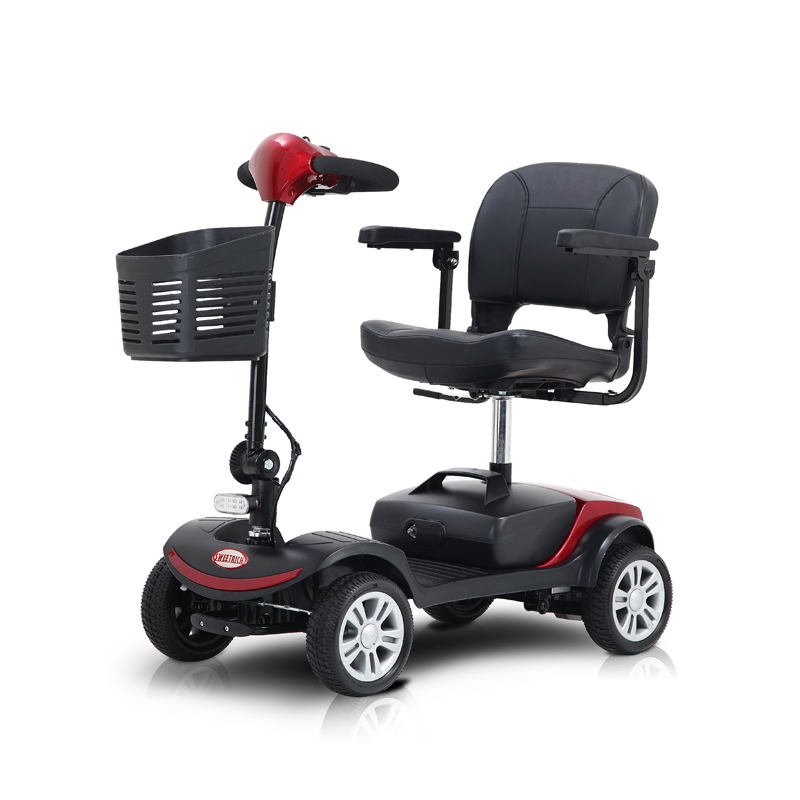
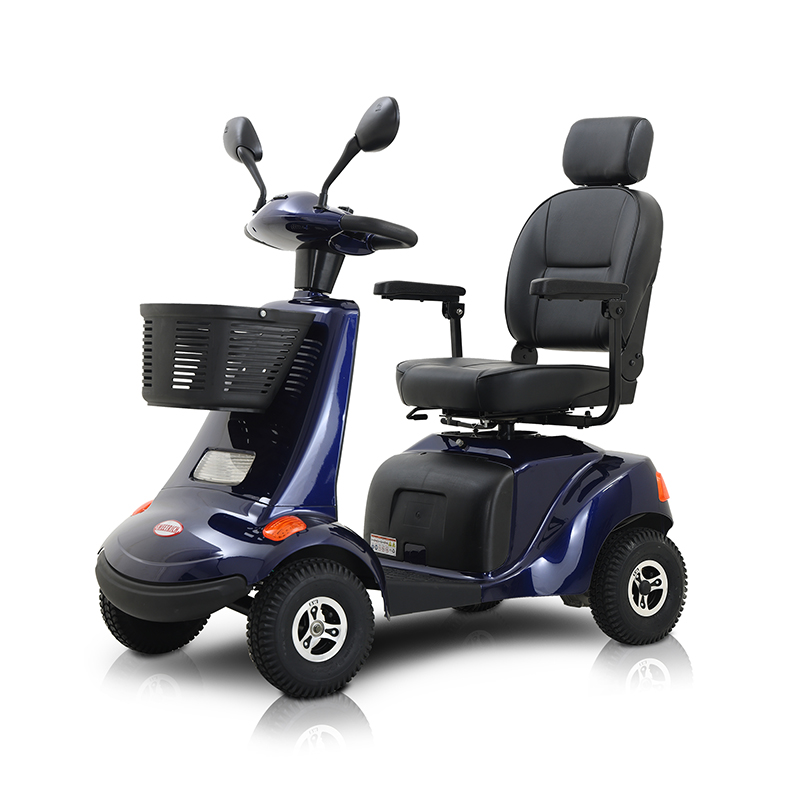
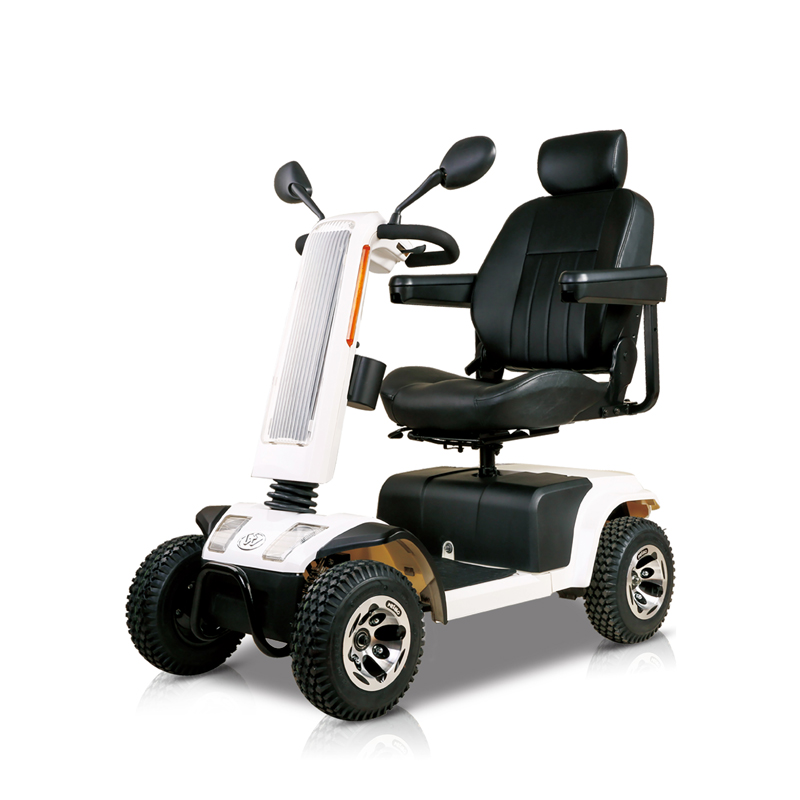
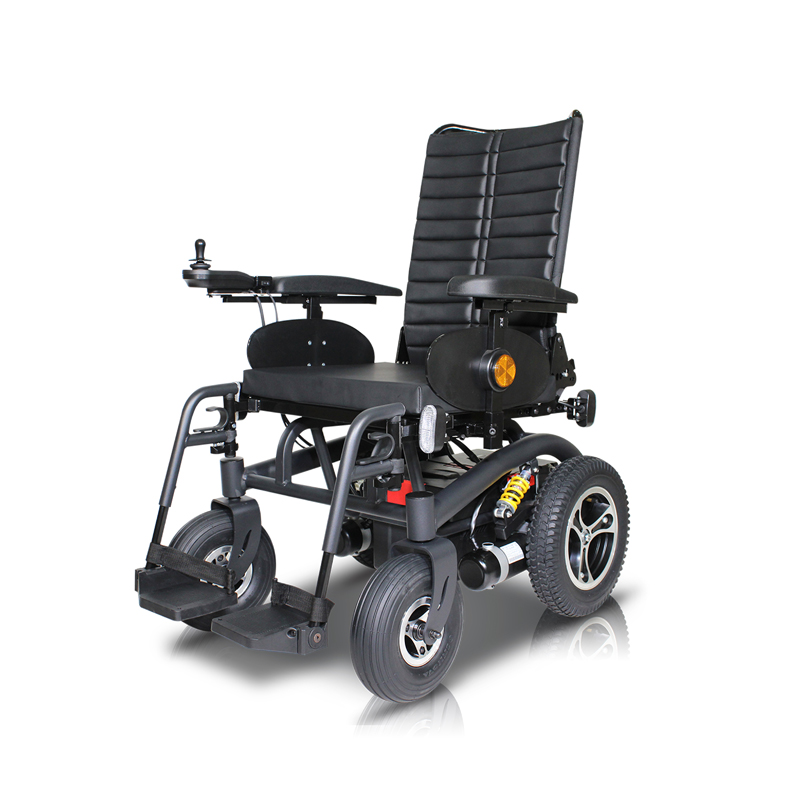
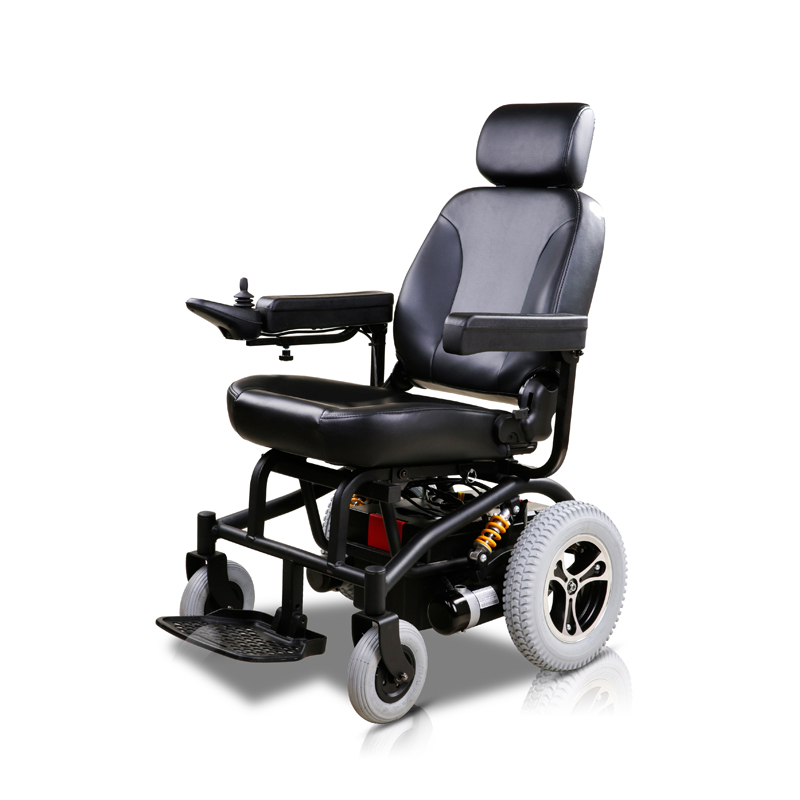
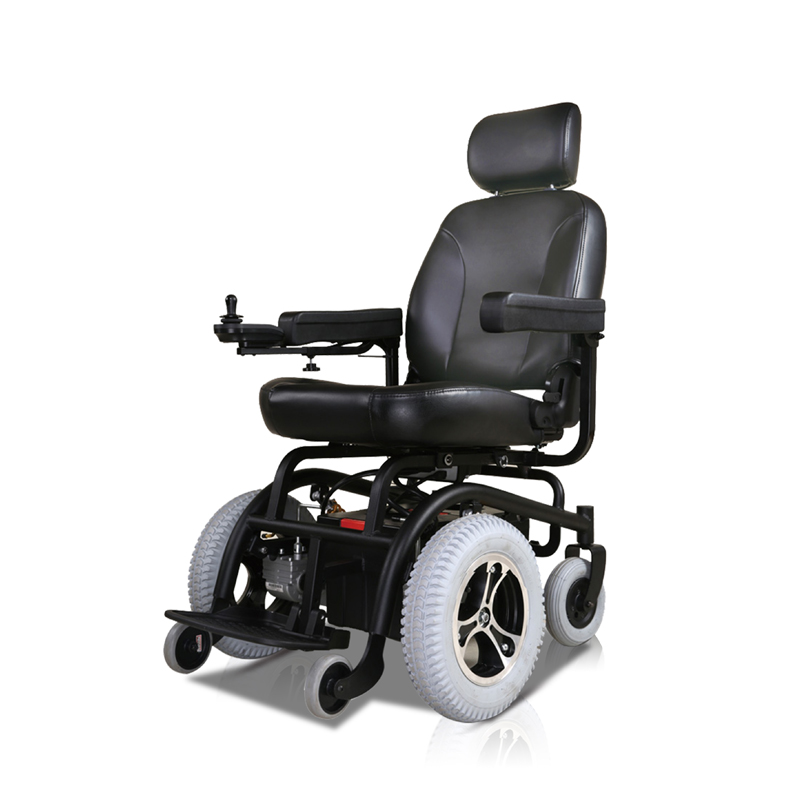
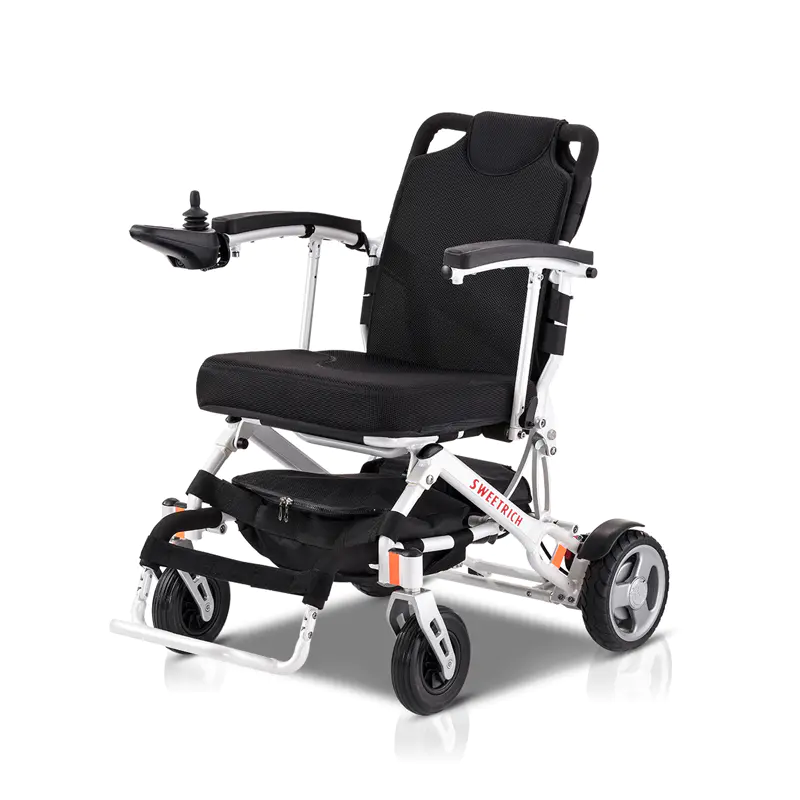
Getting an electric travel wheelchair onto a plane is rarely as simple as folding it up and rolling it to check-in. Portability and battery performance matter, sure, but for flying users the battery paperwork can decide whether the trip happens at all. Airlines and aviation authorities treat lithium-ion and other battery types differently, and those rules shift between carriers and countries. Manufacturers need to deal with this early—not after the frame is welded and the battery box is molded. Capacity, how the pack comes out, electrical protection, labels, documents: any one of those can trip up acceptance. A sensible Electric Travel Wheelchair design makes compliance information easy to find and safe handling hard to get wrong.
Understand Airline Battery Requirements Before Product Design
Battery rules come down to chemistry, watt-hour (Wh) rating, installation method, and how the pack travels. Requirements vary by jurisdiction and airline, so one design won't satisfy every carrier.
For lithium-ion packs:
Wh=Voltage (V)×Capacity (Ah)
A 24 V, 10 Ah battery works out to 240 Wh. That number isn't trivia—aviation rules use watt-hour thresholds to decide transport conditions. Widely applied international guidance puts specific approval, protection, and handling requirements on lithium-ion batteries installed in or associated with mobility aids. Spare packs usually face stricter carriage conditions than installed ones. Check current requirements with aviation authorities and airlines before freezing the specs.
Select Battery Capacity With Air Transport in Mind
Capacity drives range, weight, and charging frequency. More capacity can stretch distance but adds weight and transport complications. Look at the intended user and typical travel patterns before choosing a configuration. A compact travel wheelchair often does better with a pack that balances usable range, manageable weight, and clear compliance paperwork.
Battery specs should cover chemistry, rated voltage, capacity in Ah, total energy in Wh, manufacturer and model ID, relevant safety test documents, and instructions for removal, installation, and transport. Keep the configuration consistent across batches. If a supplier swaps the model or cell layout, reassess documentation and transport suitability.
Design Removable Batteries for Safe Handling
A removable pack can make air travel prep easier, but the design has to prevent accidental disconnection, damage, or short circuits. The compartment should hold the battery securely during normal use. Protect connectors from impact, moisture, and accidental contact with conductive objects. Give clear instructions for safe removal and terminal protection.
Can users or airline staff spot the battery quickly? Accessible placement, obvious release mechanisms, and durable labels simplify inspection. Removability alone doesn't guarantee acceptance—capacity, protection, documentation, and approval requirements still apply.
Build Electrical Protection Into the Battery System
Airline handling means loading, unloading, storage, and movement through airport facilities. The electrical system should prevent unintended activation and reduce short-circuit or thermal risks.
Useful measures include an accessible power isolation switch, protection against accidental motor activation, secure connectors with insulated terminals, a battery management system (BMS) monitoring voltage, current, and temperature, overcurrent/overcharge/short-circuit protection, and a robust enclosure protecting cells from vibration and impact. The wheelchair should also have a practical way to disengage the drive for manual handling. Instructions need to explain how to power down and secure moving parts before transport.
Make the Wheelchair Compact Without Compromising Safety
Airline-oriented wheelchairs often fold or break down. But compactness shouldn't weaken the frame or expose electrical components. Evaluate folding joints, battery mounting points, cable routing, and connector protection through repeated-use and durability testing. The battery should stay put during normal operation, even on rough surfaces. Weight distribution matters too—a removable pack simplifies handling, but its position affects balance and stability. Validation should include load testing and operational checks with the battery installed and removed.
Prepare Clear Labels and Technical Documentation
Incomplete battery information causes travel delays. It's that simple. Provide durable labels and documents that let airline staff identify the battery and understand handling procedures without having to guess.
| Design area | Manufacturer requirement | Practical purpose |
|---|---|---|
| Battery rating | Clearly state voltage, Ah, and Wh | Supports airline assessment |
| Battery access | Provide a secure, accessible compartment | Simplifies inspection and removal |
| Electrical protection | Include BMS and circuit protection | Reduces electrical risks |
| Terminal protection | Prevent accidental short circuits | Supports safe handling |
| Product labeling | Use durable, legible identification | Improves battery recognition |
| Documentation | Provide test records and handling instructions | Supports transport review |
Chemistry, voltage, Ah capacity, Wh rating, model number, removal instructions—all of it belongs on the label or in the paperwork. Keep applicable battery test records on file, including UN 38.3 summaries for lithium batteries where required.
Validate Compliance With Airlines and Relevant Authorities
Airline compatibility is a verification process, not a marketing claim. Requirements change, airline procedures change. Carriers may ask for advance notice, battery details, technical documents, or specific preparation steps before they'll accept a mobility device.
Review current guidance from aviation authorities. Talk to airlines serving your target markets. Where necessary, get dangerous-goods advice to confirm packaging, removal, terminal protection, and loading procedures. And keep installed batteries separate from spare batteries in your thinking—watt-hour thresholds for spares aren't universal limits for every wheelchair configuration.
Establish a Repeatable Testing and Quality Control Process
Battery compliance has to stay consistent through mass production. A design that passes initial testing can become non-compliant if a later batch uses a different battery, connector, charger, or control system without proper evaluation.
Set up incoming inspections for batteries and electronics. Verify supplier documentation. Conduct functional checks on completed wheelchairs. Testing should cover charging behavior, battery retention, power isolation, electrical protection, folding mechanisms, and operating performance. Any change to capacity, cell type, enclosure, or electrical configuration should trigger a documented engineering review—no exceptions.
Design an Electric Travel Wheelchair for Safer International Travel
Designing for airline use means coordinated decisions about battery capacity, removable components, electrical protection, structural durability, labeling, and documentation. Bring battery suppliers, engineering, compliance specialists, and distributors in early. Before launching, verify battery specs, keep test records, and confirm handling procedures with target airlines. Clear instructions and consistent production controls reduce uncertainty during air travel. That's how manufacturers develop portable wheelchairs that meet practical user needs while supporting safer, more predictable international transportation.