 info@sweetrich.cn
  +86-(0)512-82283871
Content
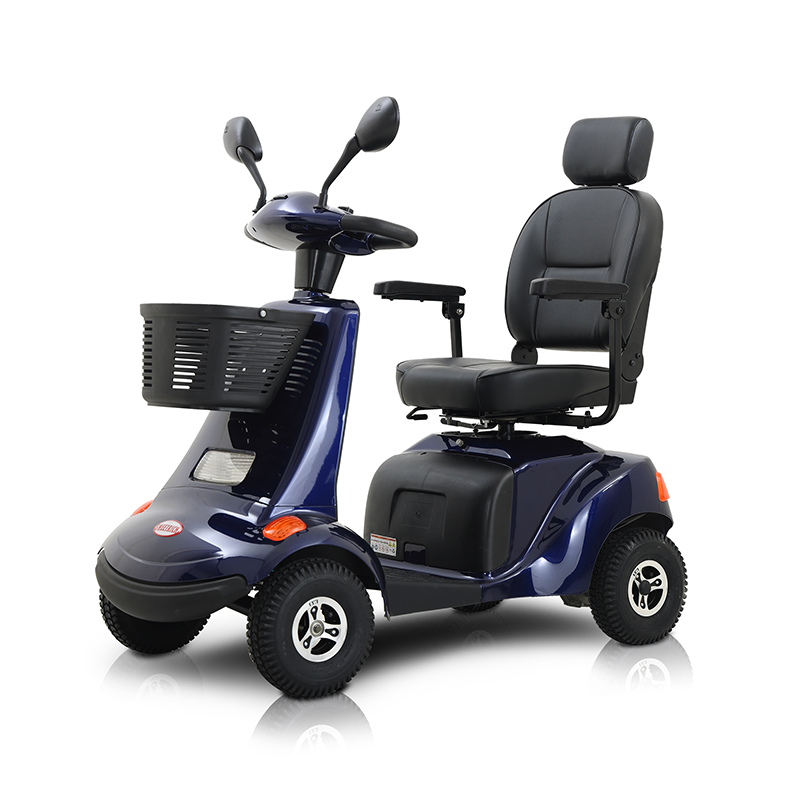
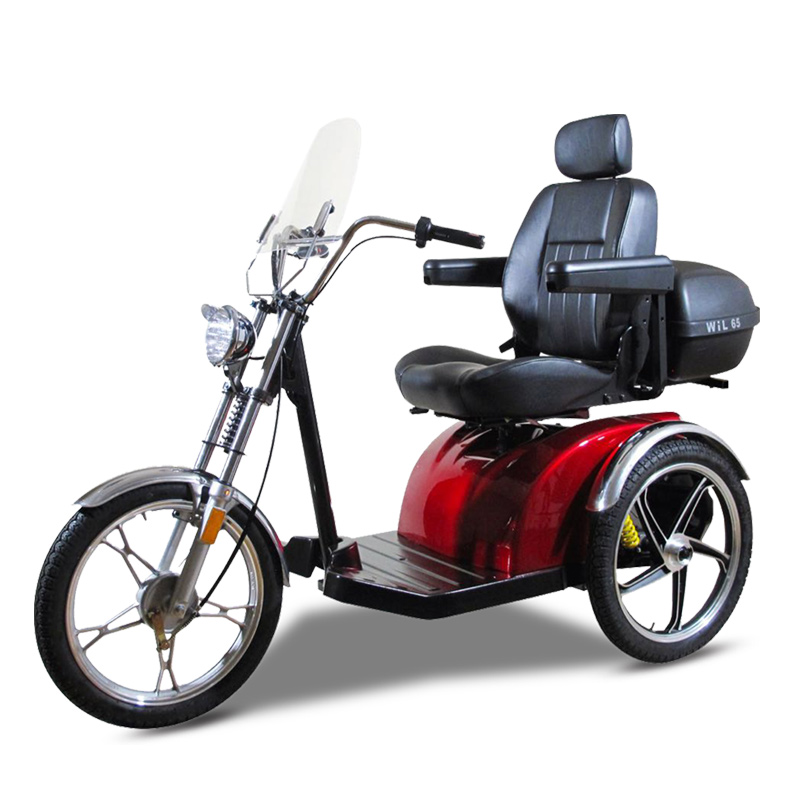
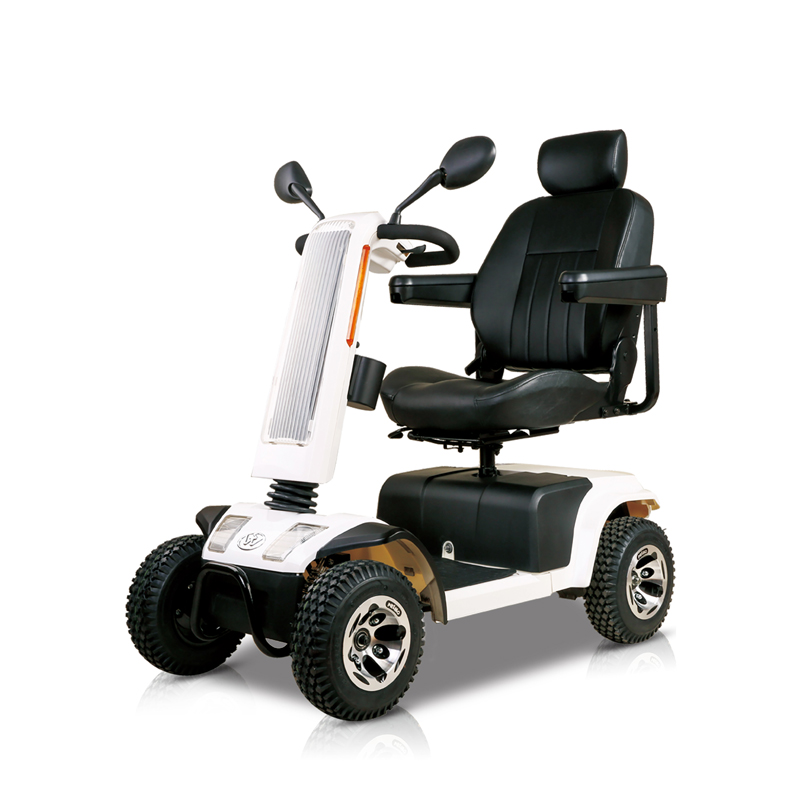
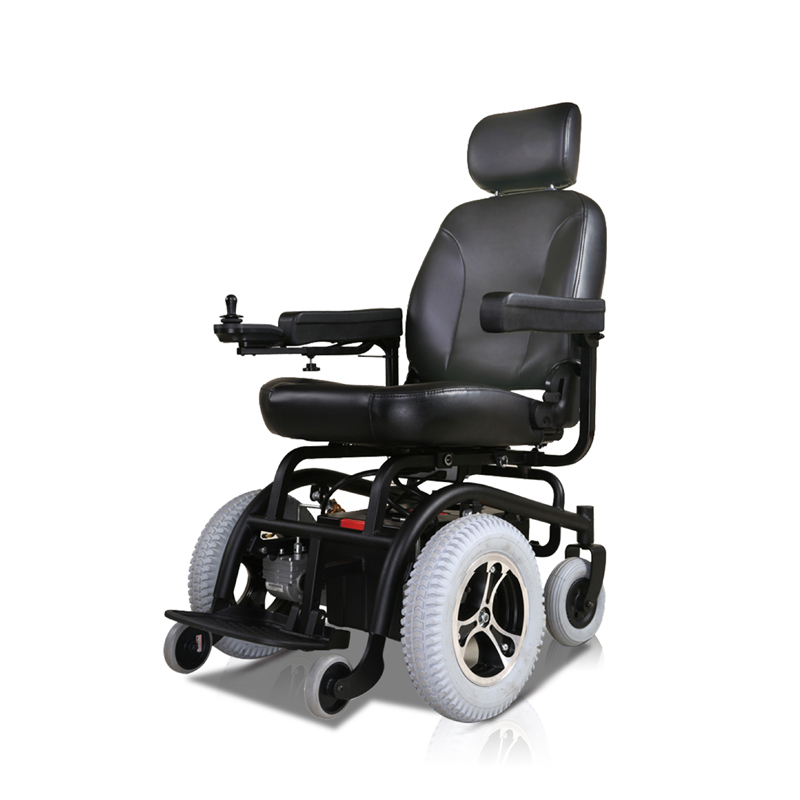
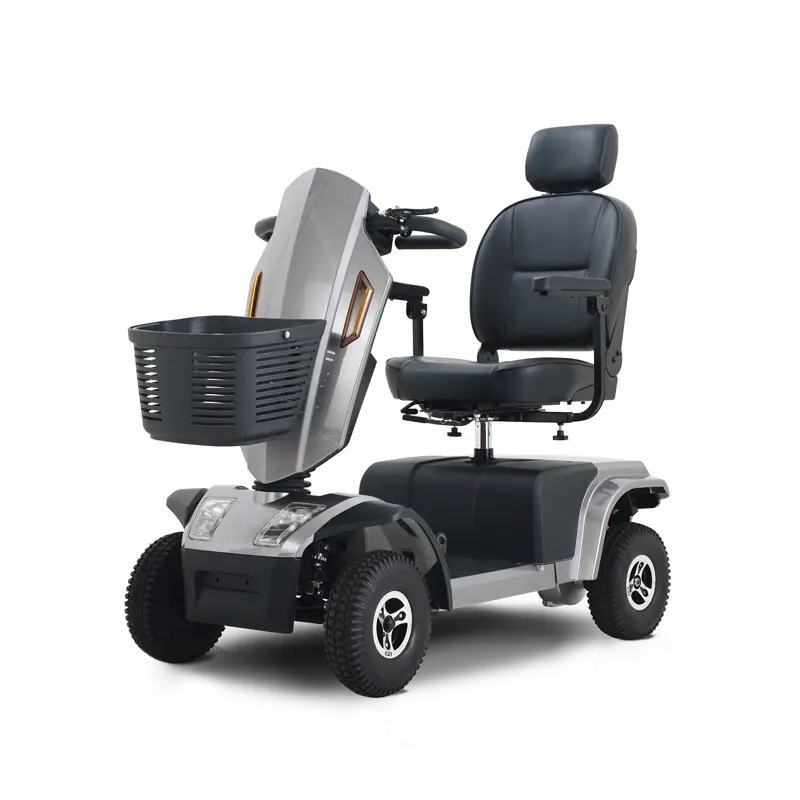
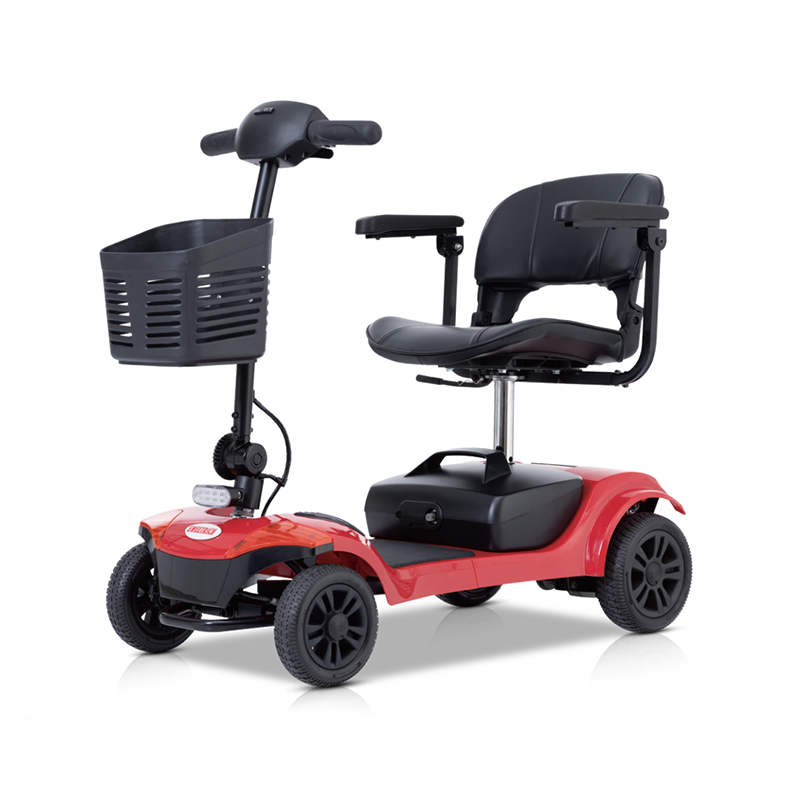
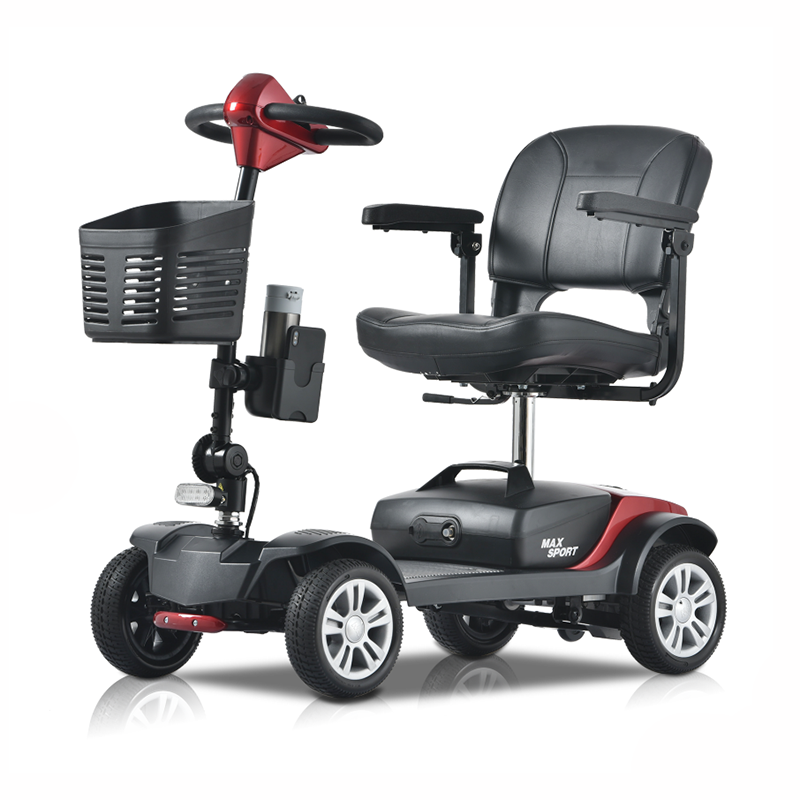
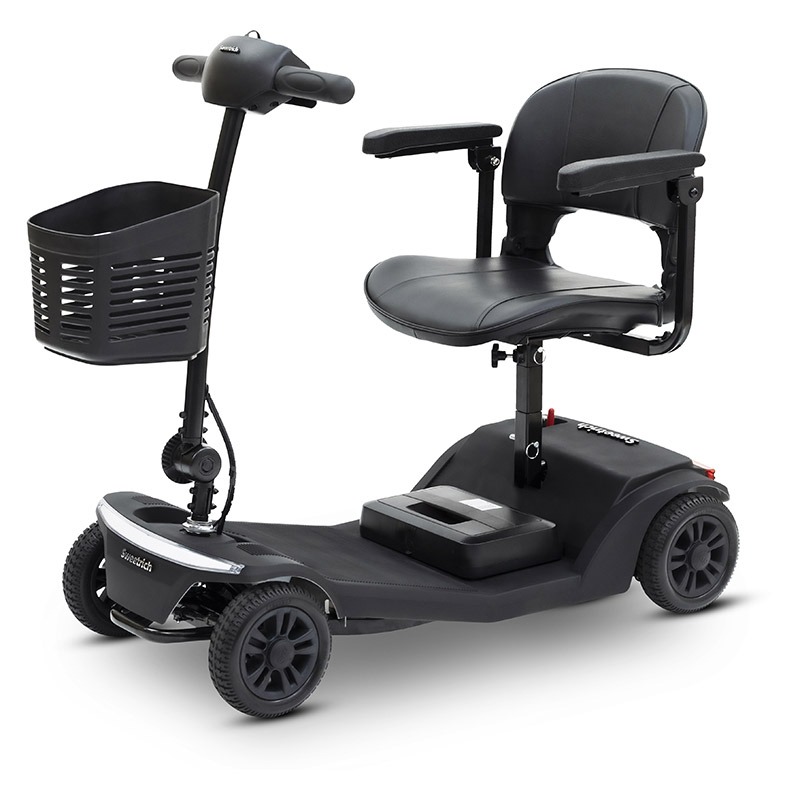
Mobility scooters open up the world for many people who find walking long distances difficult. They make it possible to spend time outside—visiting local shops, enjoying a park, or simply getting fresh air—without constant fatigue. When a scooter is used outdoors regularly, it meets rain, sunshine, wind, dust, and shifting temperatures. A thoughtful weather-resistant design helps the Wholesale Mobility Scooter stay dependable through these everyday conditions.
Building a Solid Foundation
The frame is the backbone of any mobility scooter. Outdoor models often use steel tubing or aluminum sections treated to resist rust. A baked-on powder coat or similar finish creates a tough skin that shrugs off moisture and minor scratches from bushes or parking bumps.
Plastic shrouds and panels cover much of the body. These are molded from compounds that hold their color and flexibility under sunlight. Sloped surfaces let rain run off instead of sitting in pockets where it could seep inside over time.
Higher ground clearance is a frequent feature on outdoor-oriented scooters. It keeps the underside away from shallow puddles and loose gravel, sparing motors and wiring from constant splashes. A simple bash plate underneath adds extra shielding on rougher paths.
Welds and fasteners receive sealant or covers at critical points. This small step stops water from working its way into joints that would otherwise corrode quietly over seasons of use. The overall structure balances sturdiness with manageable weight, making the scooter easy to steer on sidewalks or gentle trails.
Keeping the User Comfortable
Outdoor riding means dealing with whatever the day brings, so seating design matters. Cushions wrapped in water-repellent fabric bead up light rain and dry quickly afterward. Mesh panels or perforated materials let air circulate on warmer days while still blocking moisture.
Armrests and back supports use padding that retains shape after getting damp. Adjustable angles allow users to find a position that blocks wind or sun glare. Footplates have textured surfaces that provide grip even when wet from morning dew or a passing sprinkle.
The tiller—the steering column—carries controls within easy reach. Grips molded from soft rubber stay tacky in cold or heat and don’t become slippery when hands are damp. Buttons are large enough to press with light gloves, and key switches often sit under small flip covers to keep rain out.
Storage baskets up front or under the seat usually include drain holes and flexible liners. This setup keeps carried items reasonably dry and prevents water from pooling inside the basket after a shower.
Protecting Power and Electronics
Batteries and motors are the heart of the scooter, and outdoor use demands extra care for them. Batteries sit inside ventilated boxes sealed against direct water. Small vents allow heat to escape while blocking raindrops and road spray.
Wiring runs through flexible loom tubing that resists cuts and moisture. Connections use plug ends with rubber collars that squeeze tight when mated, forming a reliable barrier. Circuit boards often receive a thin protective coating during assembly to guard against condensation on cooler mornings.
Motors are housed in casings with gasketed lids. These keep out dust kicked up on dry paths and light water from wet ones. Cooling fins on the outside dissipate heat without needing open holes that would invite debris.
Lights—headlights, tail lights, and turn signals—use sealed units or LED clusters that rarely fail from moisture. Reflective tape on the body adds visibility when batteries are conserved. Charging sockets hide behind spring-loaded caps that snap shut when the plug is removed.
Speed controllers and throttle sensors sit in protected areas. Membrane covers over potentiometers let them work smoothly even if a few drops land on the tiller during a ride.
Wheels and Ride Quality
Good traction is essential when surfaces turn damp or loose. Pneumatic tires with moderate tread push water aside and hold grip on wet pavement. Inner liners help resist punctures from thorns or sharp stones common on park paths.
Some outdoor scooters use solid tires that never go flat and tolerate temperature swings without pressure changes. Wider rear wheels improve stability when the ground is soft after rain.
Simple suspension—coil springs over the front wheel or rubber bump stops at the rear—takes the edge off bumps and potholes. This smoothing effect becomes more noticeable on paths worn by weather. Sealed bearings in the hubs keep out grit and water, staying smooth with minimal care.
Brakes, usually drum style inside the rear wheels, work reliably when wet because they are shielded from direct exposure. Electronic braking assistance gently slows the scooter on downhill stretches, conserving battery and adding control.
| Feature | Benefits |
|---|---|
| Pneumatic Tires | Good traction on wet surfaces; moderate tread displaces water; puncture-resistant liners |
| Solid Tires | No flats; stable in temperature changes |
| Wider Rear Wheels | Enhanced stability on soft or uneven ground |
| Simple Suspension | Absorbs bumps and potholes; smoother ride on weather-worn paths |
| Sealed Bearings | Resist grit and water; low maintenance |
| Drum Brakes | Reliable performance when wet; shielded design |
| Electronic Braking | Gentle downhill control; conserves battery |
Helpful Add-Ons
Many outdoor scooters accept accessories that extend weather protection. A clip-on canopy offers shade on bright days and deflects light rain. Clear plastic wind screens attach to the front to cut wind chill without blocking the view ahead.
Leg aprons or side panels zip on for cooler or wetter outings. They tuck away neatly when the weather improves. Waterproof basket covers or small dry bags keep groceries or personal items protected.
Rear-view mirrors with anti-mist coating stay clear in humid conditions. A tall safety flag on a flexible pole increases visibility to drivers and cyclists sharing the path. Horn buttons remain easy to reach under a canopy or screen.
Breathable full-body covers fit over the entire scooter for longer outdoor parking. They block sun fading and bird droppings while letting trapped moisture evaporate.
Day-to-Day Care
Simple routines keep a weather-resistant scooter performing well. A quick rinse with a hose after salty roads or muddy paths removes corrosive residue. Mild soap and a soft brush clean body panels without scratching finishes.
Checking rubber seals around battery boxes and control areas once in a while ensures they still compress properly. A thin layer of silicone spray keeps them supple. Wiping battery terminals prevents buildup that could affect charging.
Tire tread and pressure deserve occasional glances—cold weather can drop pressure, affecting range and handling. Cleaning mud from wheel wells prevents it from hardening and rubbing against moving parts.
Indoor storage when possible shields the scooter from prolonged sun or heavy downpours. A garage corner or covered porch works well. If outside storage is necessary, a fitted breathable cover protects without trapping condensation.
Charging in a dry spot extends battery life. Letting the scooter air-dry after a wet ride stops water from sitting in crevices. Annual professional checks catch wiring wear or bearing play before they become problems.
Adapting to Different Regions
Every area has its own weather quirks that affect how a mobility scooter holds up. People near the coast deal with salty air that speeds up rust, so they tend to wash their scooters more frequently and prefer models with extra-protected bolts and fittings. In hot, dry places like deserts, intense sun and blowing sand are the main issues—strong UV-resistant panels and tightly sealed boxes keep dust from getting into motors or controls.
Regions with clear-cut seasons need versatile setups. Air-filled tires give better cushioning and traction on warm, dry roads, while a tough overall build prevents parts from cracking when temperatures drop. City riders face road grime, pothole splashes from traffic, and occasional curbs, so underbody guards and easy-to-clean surfaces make a real difference.
Out in the countryside, paths can turn muddy after rain or include gravel sections. Scooters with a bit more height from the ground and solid frames glide over these without scraping or getting stuck. No matter the location, choosing features that match the usual local conditions leads to fewer headaches and more enjoyable rides.
Staying Safe When Weather Changes
Good weather resistance goes hand in hand with safety. Brakes that respond predictably on wet surfaces and lights that cut through fog or dusk keep things under control when visibility is low. Tires with decent tread hold the line on slippery leaves or damp pavement, cutting down on unexpected slides.
A balanced frame and low center of gravity help the scooter stay steady on uneven ground that rain or frost can make worse. Small anti-tip wheels at the back give extra confidence when rolling over sloped entrances or driveways after a shower.
A loud horn and working turn signals let others know your intentions on shared paths. Reflective strips or panels make the scooter easier to spot in dim or misty conditions.
Riders play a big part too—slowing down when the surface feels slick, keeping simple rain gear handy, and picking routes with possible shelter stops all add to peace of mind on longer trips.
| Safety Feature | Benefits in Changing Weather |
|---|---|
| Reliable Brakes | Predictable stopping on wet surfaces |
| Effective Lights | Improved visibility in fog or dusk |
| Treaded Tires | Better grip on slippery leaves or damp pavement; reduces slides |
| Balanced Frame & Low Center | Stability on uneven or frost-affected ground |
| Anti-Tip Wheels | Added confidence on sloped or wet entrances/driveways |
| Horn & Turn Signals | Clear communication of intentions on shared paths |
| Reflective Strips/Panels | Easier to spot in dim or misty conditions |
| Rider Practices | Slow down on slick surfaces; carry rain gear; plan sheltered routes |
What's Coming Next
Engineers keep improving outdoor mobility scooters in practical ways. New lightweight composites offer the same toughness with less overall weight, making them easier to handle. Tighter seals and smarter covers could cut down on cleaning and upkeep.
Built-in sensors might notice cold weather draining the battery faster or detect slippery conditions and suggest gentler speeds. Quick-swap attachments—such as summer shades or winter wind blocks—could let users adjust for the season without much effort.
Eco-friendly materials like recycled frames and durable, sustainable seat covers fit larger environmental goals. Small solar panels on canopies could top up batteries during sunny outings.
Hands-free or voice controls would simplify operation when wearing thick gloves. Systems that feel the ground and adjust power or suspension on the fly promise smoother, more comfortable rides ahead.
Sweetrich Mobility Scooter
A carefully crafted weather-resistant design transforms the Sweetrich mobility scooter into a dependable partner for outdoor adventures. With its robust frame, shielded electronics, comfortable all-weather seating, reliable wheels, and thoughtful accessories, Sweetrich handles daily exposure to rain, sun, wind, and temperature shifts without missing a beat. Simple regular maintenance and practical riding habits keep it performing strongly year after year. The result is greater independence and confidence for users to explore parks, neighborhoods, and local spots freely, enjoying fresh air and mobility no matter what the weather brings.