 info@sweetrich.cn
  +86-(0)512-82283871
Content
- 1 What the Frame Actually Does
- 2 Different Approaches to Building Frames
- 3 Keeping the Chair Balanced and Secure
- 4 Creating a Comfortable Ride
- 5 Choosing Materials for the Frame
- 6 Details That Make a Difference in Design
- 7 Caring for the Frame Over Time
- 8 Where Frame Design Is Heading
- 9 Everyday Examples of Frame Effects
- 10 Matching Frames to Personal Needs
- 11 How the Frame Works with Other Parts
- 12 Ongoing Challenges and Practical Solutions
- 13 Wider Benefits of Thoughtful Frame Design
- 14 Why choose Sweetrich
Electric wheelchairs have changed how many people move through their days. As a Wholesale Wheelchair Manufacturer, companies like those specializing in mobility solutions offer ways to handle errands, visit friends, or simply enjoy time outdoors without relying heavily on assistance. Behind the motors, batteries, and controls lies a less obvious but vital part: the frame. This structure carries everything and shapes the entire experience of using the chair.
The frame decides whether the ride feels steady on a sloped driveway or wobbly on a cracked sidewalk. It also affects how tired a person feels after several hours of use—whether their back aches, their shoulders tense up, or the journey remains pleasant. Small details in how the frame is built can make a real difference in safety and daily ease.
What the Frame Actually Does
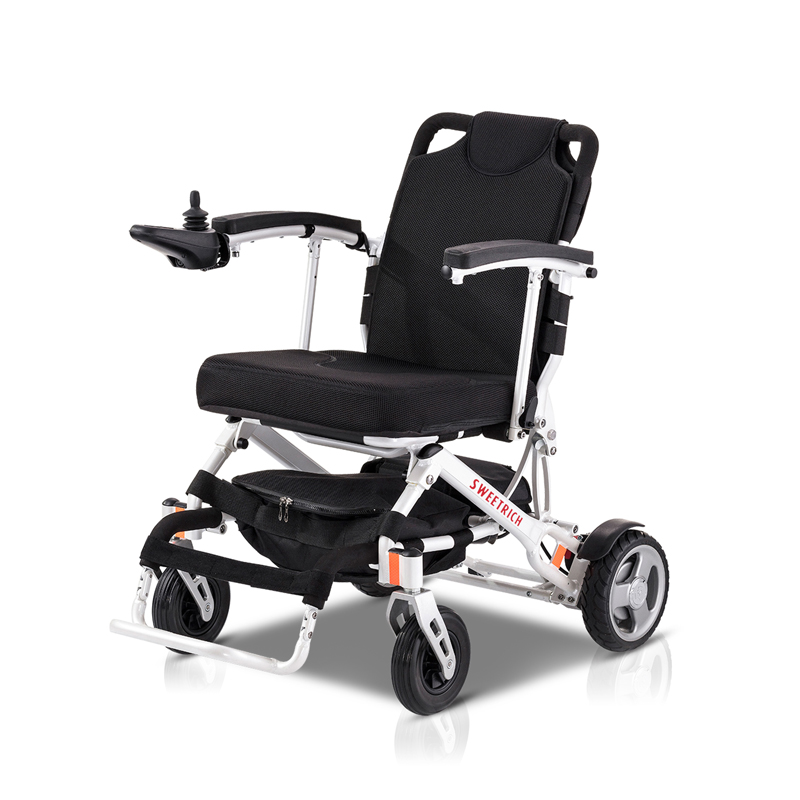
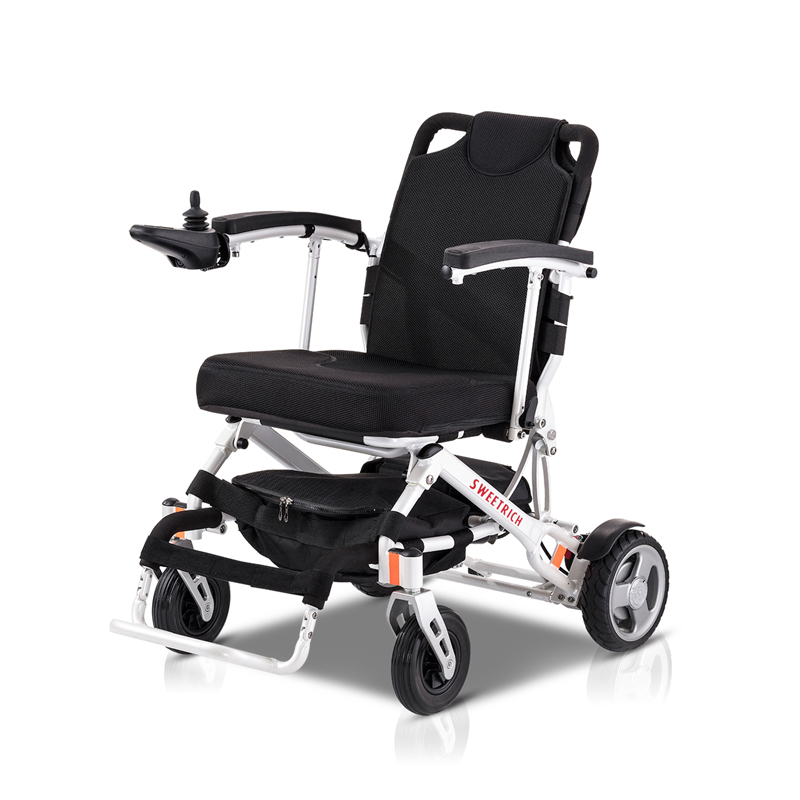
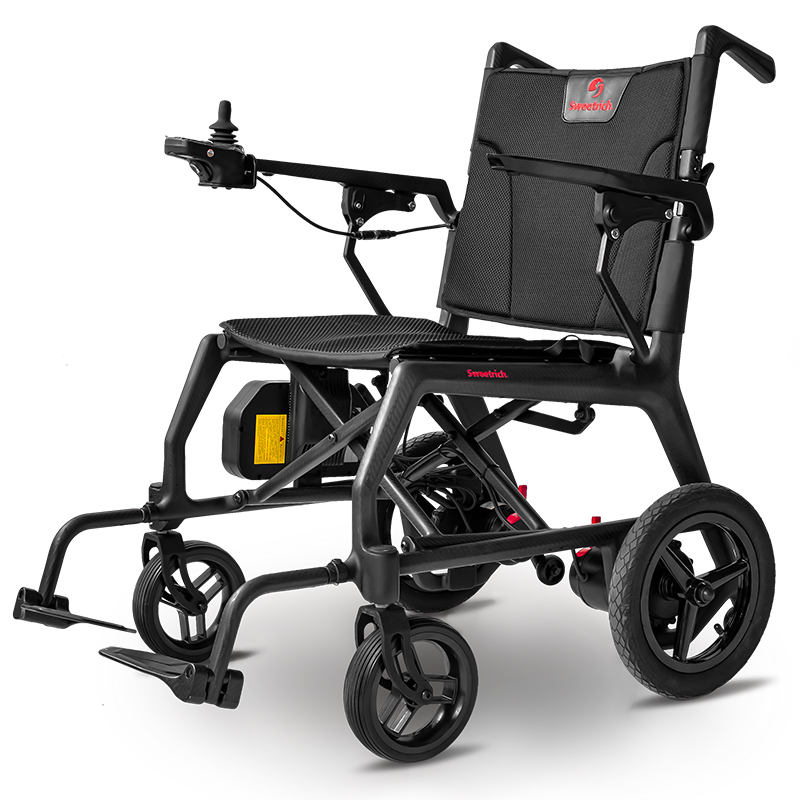
Think of the frame as the skeleton of the wheelchair. It supports the seat, holds the wheels in place, carries the weight of batteries and motors, and attaches armrests and footrests. Every time the chair starts, stops, turns, or rolls over a bump, forces travel through this structure.
A well-made frame spreads those forces evenly so the chair stays predictable. If weight sits too far forward or backward, the chair might pull to one side or feel tippy. If the structure bends too much under load, steering can become vague. On the other hand, a frame that absorbs some road shock without losing firmness can smooth out the ride considerably.
Over months and years of regular use, these qualities add up. A steady, comfortable chair encourages people to go farther and stay out longer. One that feels unsteady or jarring can limit activities and increase fatigue.
Different Approaches to Building Frames
Designers use several basic layouts, each suited to particular patterns of use.
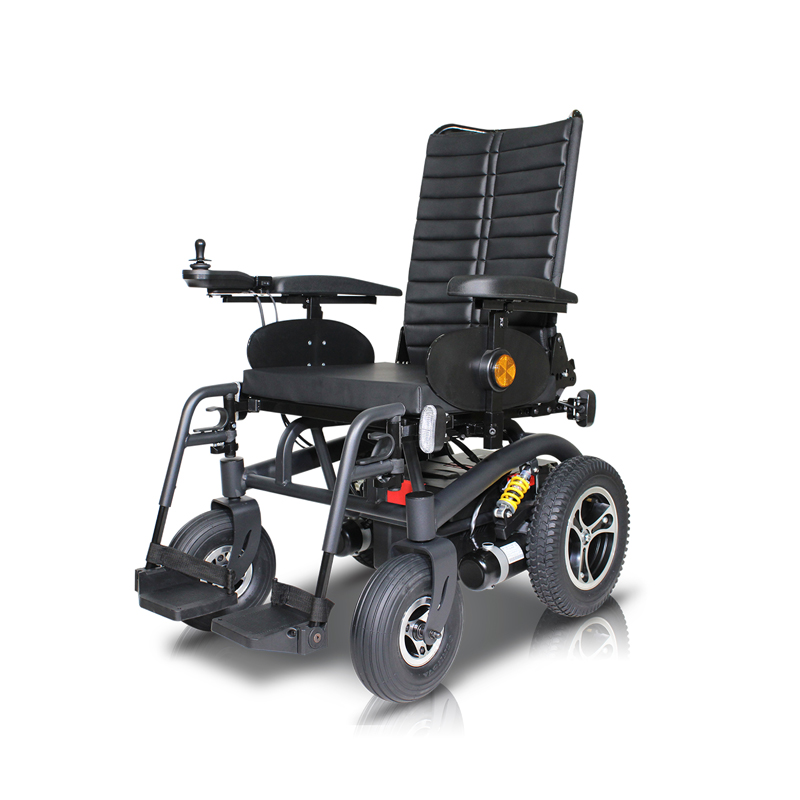
One common approach builds the frame as a single solid unit with no folding joints. This creates a strong, unified structure that transfers power efficiently from the motors to the wheels. The absence of hinges means fewer places for looseness to develop over time. People who cover longer distances or travel over varied surfaces often notice the firm, connected feel this style provides.
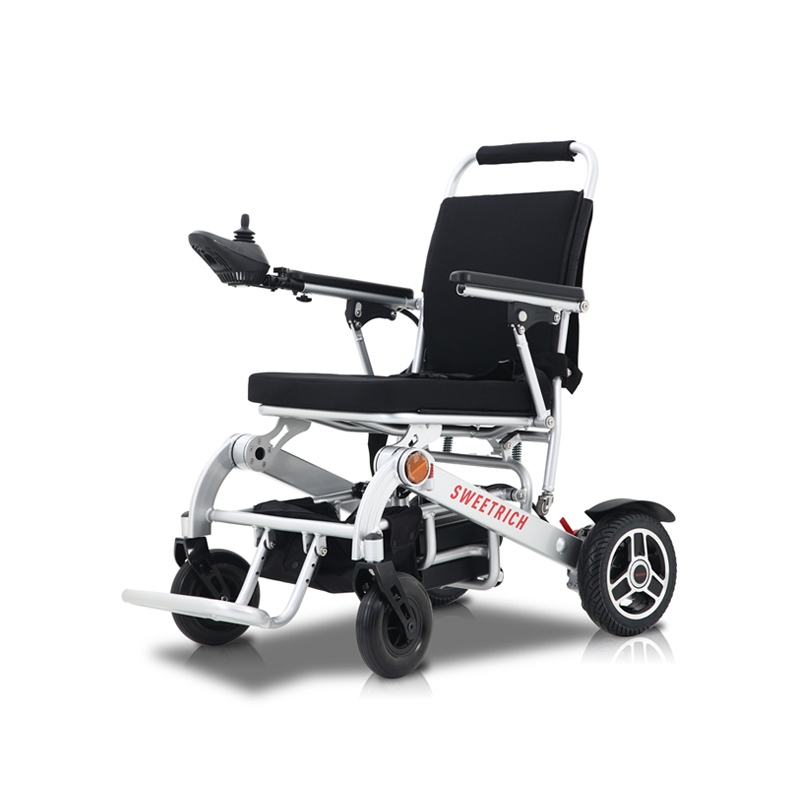
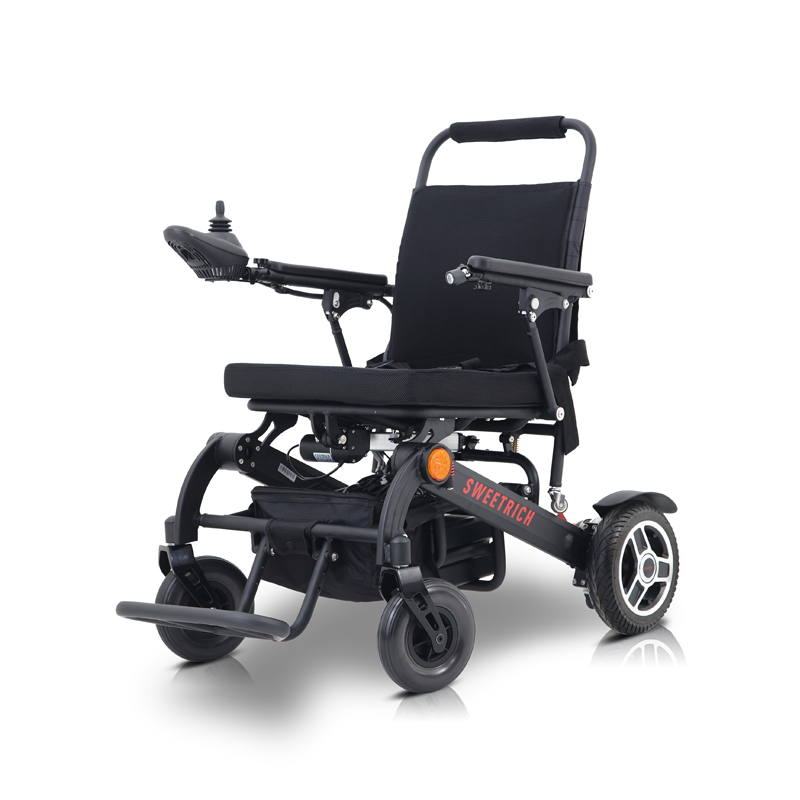
Another layout includes carefully engineered joints that let the entire chair fold for easier storage or vehicle loading. The folding feature adds convenience for anyone who regularly transports the chair. Strong locking parts ensure the frame becomes rigid again once unfolded. The added joints require occasional attention, but good construction keeps the chair reliable.
A third style uses interchangeable sections. Parts of the frame can be lengthened, shortened, or swapped to adjust wheel spacing or seat position. This flexibility helps when body size changes or when specific postural support becomes necessary.
Some designs mix these ideas—perhaps a solid central section combined with foldable sides. The choice usually reflects daily habits: frequent car travel might favor folding capability, while extensive outdoor use might lean toward unbroken strength.
Keeping the Chair Balanced and Secure
Balance matters greatly for safety. No one wants to worry about tipping while turning a corner or climbing a ramp.
Frame layout influences balance in several direct ways. Placing heavier parts low in the structure keeps the overall center of gravity closer to the ground. A lower center makes the chair resist tipping better when the surface tilts or when weight shifts during movement.
Increasing the side-to-side distance between wheels widens the base of support. A wider base helps the chair stay upright during sideways leans, such as when turning sharply or crossing a sloped surface.
Diagonal braces and cross members stiffen the frame against twisting. When one wheel drops into a dip or rises over a ridge, these reinforcements limit how much the seat tilts. Small wheels or extensions at the rear can catch the chair if the front lifts unexpectedly on a steep incline.
During regular rolling, the frame needs to hold wheel alignment steadily. If it flexes excessively, traction can vary and the chair may drift. Controlled stiffness keeps the path straight and responses predictable.
Together, these elements create a sense of security. Users can concentrate on where they are going rather than constantly adjusting for instability.
Creating a Comfortable Ride
Comfort goes beyond padding. It includes how the body is held and how movement feels over time.
Frames that curve gently or allow adjustable mounting points help position the seat and backrest in line with natural body angles. Proper alignment spreads body weight more evenly and reduces pressure on any single spot. Small shifts in angle can ease lower back tension or prevent legs from feeling numb.
Road and motor vibrations travel up through the wheels and frame. Structures that include some planned flexibility or isolating connections can soak up much of this energy. The result is less shaking and buzzing reaching the seat, which makes longer trips far less tiring.
Even weight placement affects effort. When mass is centered properly, the chair turns and tracks with light joystick inputs. Uneven distribution forces constant small corrections, wearing on arms and shoulders.
Many chairs offer tilt or recline options. The frame must support these movements smoothly without upsetting balance. Being able to change position occasionally improves blood flow and reduces stiffness.
A comfortable frame encourages activity. When riding feels easy on the body, people naturally use the chair more and explore wider surroundings.
Choosing Materials for the Frame
The substances used to build frames affect weight, strength, and feel.
Aluminum tubing provides good strength without excessive mass and resists rust from rain or cleaning. It has a natural slight give that helps soften impacts. Chairs built this way often handle nimbly.
Steel offers great durability and is common where extra robustness is helpful. The added weight can contribute to a lower center of gravity. Protective finishes keep the surface smooth and resistant to corrosion.
Composite materials combine fibers and resins to achieve high strength at low weight. They resist repeated bending stress well and can be shaped into supportive curves. Vibration damping tends to be effective with these materials.
Each option involves trade-offs. Lighter materials ease transport and reduce power draw. Heavier ones may add inherent stability. Designers select based on intended daily conditions.
Details That Make a Difference in Design
Successful frames come from attention to many practical points.
Overall proportions draw from common body measurements so the chair fits a broad range of users. Adjustable attachment spots allow personalization for height or leg length.
Engineers study where stresses concentrate and add material or bracing exactly where needed. This keeps the structure strong without unnecessary bulk.
Batteries and wiring need secure housing that does not shift balance. Running cables inside frame tubes protects them and keeps the appearance clean.
Entry height affects how easily someone moves into or out of the seat. Ground clearance must be enough to avoid catching on thresholds or uneven paths.
Manufacturing processes increasingly consider environmental impact, choosing recyclable substances and efficient production steps.
Extensive real-world trials confirm that the design works under actual daily conditions. Input from users often leads to small but valuable improvements.
Caring for the Frame Over Time
Simple regular care keeps a frame performing well for years.
Looking over the structure periodically spots loose bolts or surface wear early. Tightening connections restores original firmness.
Washing away dirt, salt, or debris prevents gradual damage, especially for chairs used outside. Gentle cleaning preserves protective coatings.
Moving joints on folding or adjustable models benefit from occasional lubrication to stay smooth.
Checking that wheels remain properly aligned prevents pulling or uneven wear. Minor adjustments can restore straight tracking.
When something feels off—unusual noises or shifts—professional inspection can address deeper issues like bent sections.
Keeping notes on maintenance helps spot patterns and plan ahead. Consistent attention protects both safety and comfort.
Where Frame Design Is Heading
New ideas continue to improve frames.
Better alloys and forming methods create structures that are both lighter and tougher. Custom shaping becomes easier without driving up cost.
Built-in sensors may one day monitor stress or alignment and alert users to potential problems early.
Materials that adjust their properties slightly under different loads remain an interesting area of study.
Close cooperation between designers, users, and health professionals keeps progress focused on real needs.
| Trend | Description |
|---|---|
| Lighter & Tougher Structures | Advanced alloys and forming methods create frames that are lighter yet stronger. |
| Cost-Effective Customization | Easier custom shaping without significantly increasing costs. |
| Built-In Sensors | Sensors to monitor stress or alignment, alerting users to issues early. |
| Adaptive Materials | Materials that slightly adjust properties under varying loads (ongoing research). |
| Collaborative Design | Close cooperation between designers, users, and health professionals to address real needs. |
Everyday Examples of Frame Effects
Inside homes or offices, shorter, more compact frames shine. They turn tightly around furniture while staying quiet on hard floors.
Outdoor paths with roots or gravel reward wider, more forgiving structures. Controlled flexibility smooths the ride without sacrificing control.
Community events or shopping trips benefit from frames that respond quickly yet hold steady at moderate speeds.
Regular vehicle transport highlights the value of secure folding systems that reassemble solidly.
These situations show how matching frame traits to routines improves the overall experience.
Matching Frames to Personal Needs
Different people notice frame qualities in their own ways.
Those with less arm strength often prefer lighter overall construction for easier control.
Users on rougher surfaces value vibration control and firm traction.
Anyone sitting for long stretches appreciates postural support and position options.
Thinking through daily patterns helps choose a frame that fits smoothly into life.
How the Frame Works with Other Parts
The frame connects to wheels, seating, and controls in important ways.
Strong wheel mounts keep alignment and transmit drive force effectively.
Seating attachments spread body weight properly across the structure.
Control placement affects reach and visibility during use.
When all parts fit together thoughtfully, the chair feels unified and intuitive.
Ongoing Challenges and Practical Solutions
Finding the right balance between light weight and toughness remains a key task. Clever joint designs and material combinations help.
Keeping costs reasonable while maintaining quality drives efficient building methods.
Ensuring long-term resistance to daily stresses guides material research.
Solutions grow from continued observation and testing.
| Challenge | Practical Solutions |
|---|---|
| Balancing Light Weight & Toughness | Clever joint designs and material combinations. |
| Keeping Costs Reasonable | Efficient manufacturing methods while maintaining quality. |
| Long-Term Durability | Material research focused on resistance to daily stresses. |
| Overall Progress | Continued observation, testing, and real-world feedback. |
Wider Benefits of Thoughtful Frame Design
Good frames support more than just movement. They encourage better posture and reduce secondary strain.
Reliable stability builds confidence for social and physical engagement.
Comfortable travel expands personal range and independence.
These broader effects underline how central the frame truly is.
Why choose Sweetrich
The frame of an electric wheelchair serves as far more than a simple structural base—it acts as the quiet foundation that shapes every aspect of the user’s daily mobility. Through thoughtful choices in layout, materials, and detailing, Sweetrich has consistently prioritized designs that deliver reliable stability and genuine comfort.
By focusing on balanced weight distribution, controlled flexibility, and durable construction, Sweetrich frames help users navigate varied environments with confidence while minimizing physical fatigue over long periods. This commitment to practical, user-centered engineering allows individuals to focus less on the challenges of movement and more on living fully, turning powered mobility into a seamless and empowering part of everyday life.