 info@sweetrich.cn
 +86-(0)512-82283871

For people who rely on mobility scooters, travelling is rarely just about the journey. There's the car transfer, the airport check-in, the hotel room with barely enough space to turn around, the quick trip through a crowded shopping center. A folding mobility scooter eases some of that by taking up less space when it's not being ridden. It also gives manufacturers and distributors more to work with when serving customers who travel regularly. But a folding frame by itself doesn't make a product travel-ready. Weight, battery design, folding operation, durability—these all have to pull in the same direction.
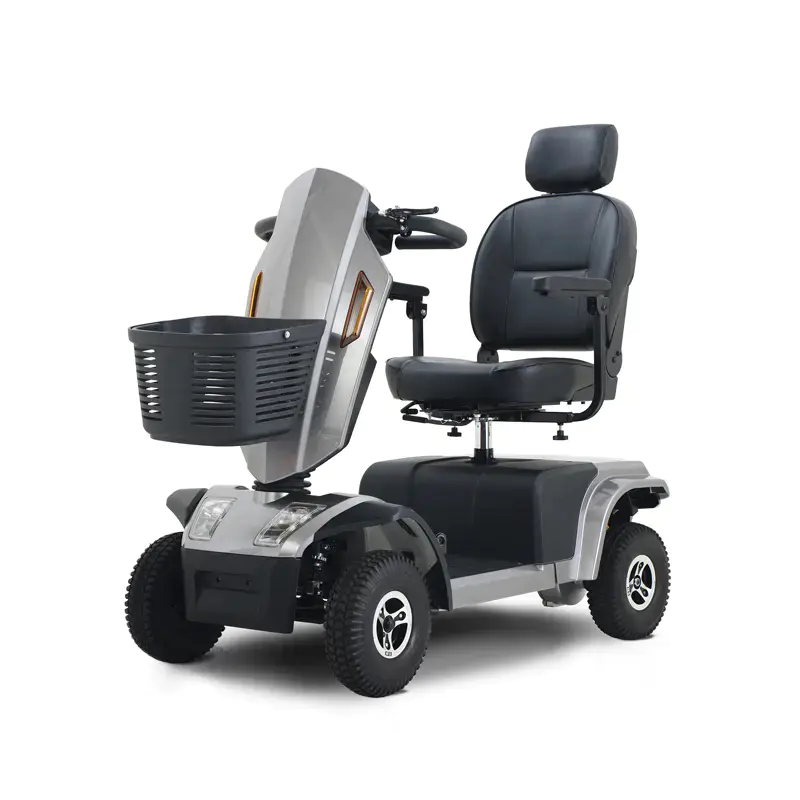
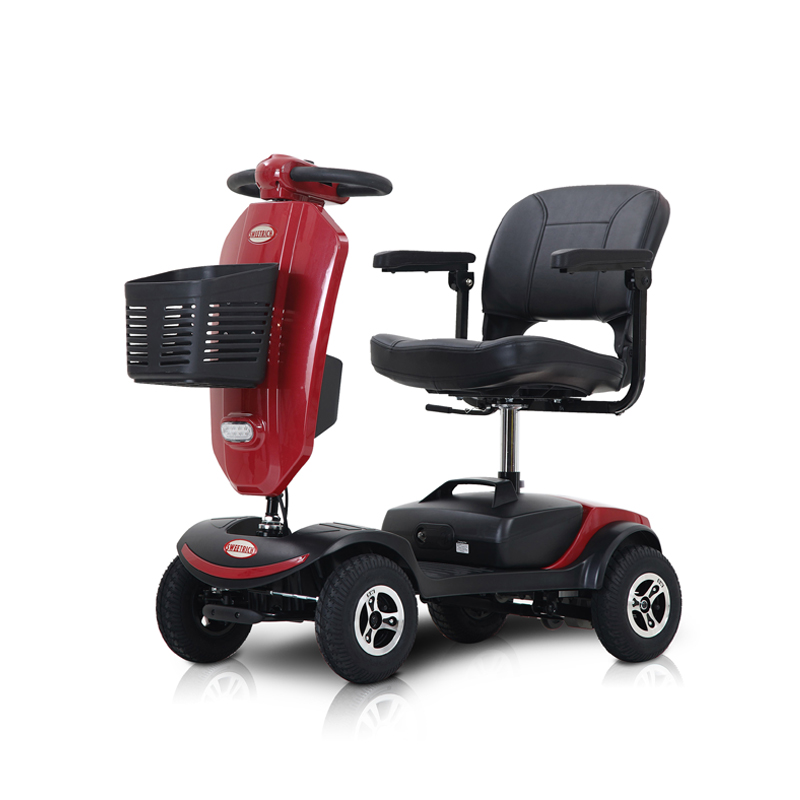
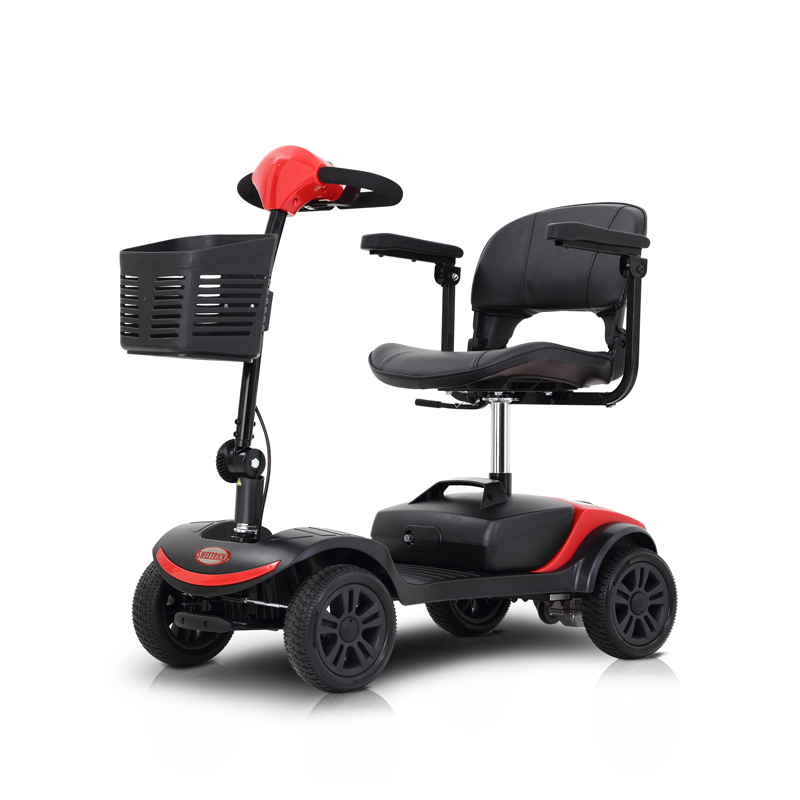
Compact Folding Design Simplifies Transportation and Storage
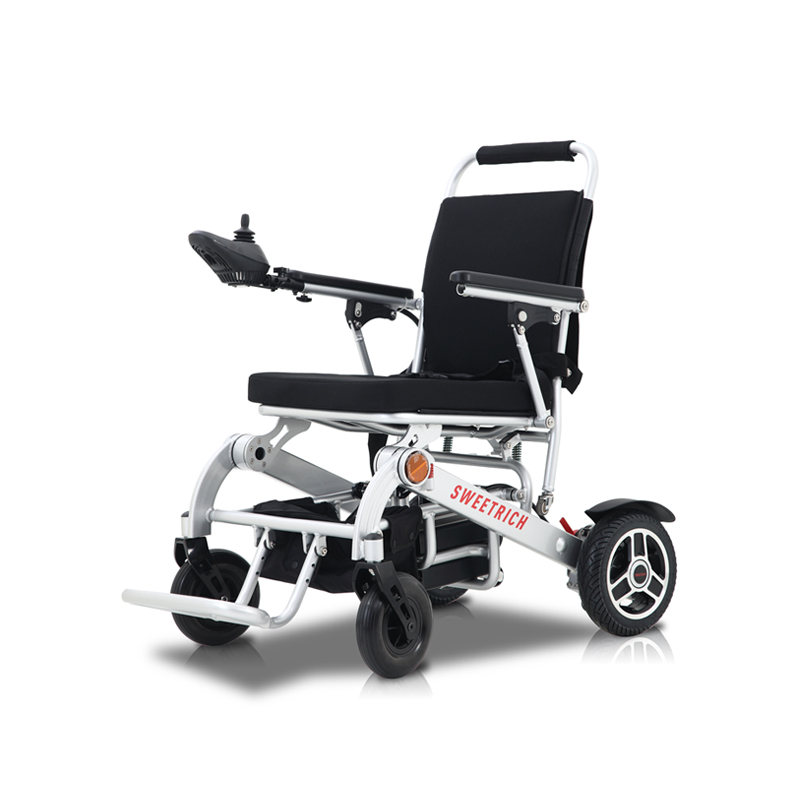
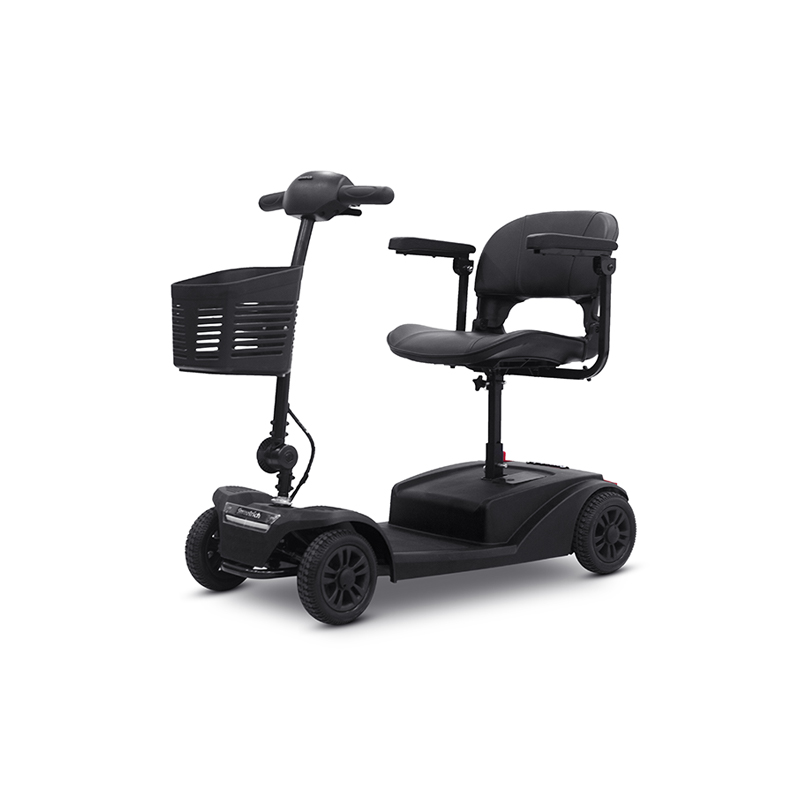
A folding scooter fits in a car trunk or a small space at home or in a hotel. How it folds varies, though. Some use a manual locking mechanism. Others fold automatically. Detachable designs split the scooter into smaller sections.
Each arrangement has practical differences worth noting:
- Manual folding: Straightforward mechanical system, generally fewer electronic components. The user needs enough strength to operate it.
- Automatic folding: Reduces physical effort, which may help users with limited mobility. The extra motor and controls mean more components to maintain.
- Detachable design: Individual sections are easier to lift and store, though reassembly takes extra effort.
The number of steps matters in everyday use. A scooter that technically folds but demands awkward movements or considerable force isn't particularly convenient. Manufacturers need to think about who will operate the mechanism, not just how compact the finished product looks.
Lightweight Construction Reduces Lifting Difficulties
Weight becomes noticeable when a scooter has to be loaded into a vehicle or moved between storage areas. Aluminum alloy is common for scooter frames because it keeps weight manageable while providing structural strength.
There's a trade-off, of course. Making the frame lighter shouldn't leave folding joints, steering column, seat supports, or wheel connections vulnerable to repeated stress. Those parts carry loads during riding and handling, and they need to stay secure after regular folding.
When comparing products, check the actual net weight rather than relying on vague "lightweight" descriptions. User weight is another figure worth examining. Some models have removable batteries or detachable sections, which can make lifting the scooter in parts easier.
Battery Design Supports International Travel Planning
Battery arrangements can affect whether a mobility scooter is accepted for air travel. Lithium-ion batteries are widely used in portable models because they offer relatively high energy density without excessive weight.
No single airline policy applies everywhere. Battery capacity, configuration, labeling, transport documents—all of it may be relevant. Some airlines require passengers to obtain approval in advance or provide battery details before departure. A removable battery can simplify handling in certain situations, but it doesn't automatically guarantee the scooter will be accepted on a flight.
For manufacturers selling internationally, clear battery specifications and charging instructions should come with the product. The battery compartment also needs to protect electrical connections during normal use and transportation. Buyers should check the relevant airline requirements before making travel arrangements—airline staff aren't always familiar with the rules, so it helps to have documentation ready.
Durable Components Improve Reliability Across Different Environments
A travel scooter may see smooth airport floors, hotel pathways, shopping areas, outdoor sidewalks. It also gets folded, loaded, transported, and unfolded repeatedly. All of that puts demands on its construction.
Some components deserve particular attention:
- Reinforced folding joints and secure locking mechanisms.
- Tires suited to the surfaces where the scooter will be used.
- Reliable brakes and stable steering.
- Protected electrical connectors and battery compartments.
- Corrosion-resistant materials for the expected environmental conditions.
A scooter may feel sturdy during a brief demonstration but show weaknesses after repeated use. Folding-cycle tests, load tests, vibration assessments help manufacturers identify problems with joints and connections before production units reach distributors.
Compare Portability Features Across Mobility Scooter Designs
| Design feature | Portability benefit | Key consideration |
|---|---|---|
| Compact folding frame | Reduces storage dimensions | Folding stability and ease of operation |
| Lightweight frame | Makes lifting easier | Strength and load |
| Removable battery | Supports flexible handling | Airline and transport restrictions |
| Automatic folding | Reduces manual effort | Added weight and maintenance |
| Detachable components | Allows smaller lifting sections | Reassembly time and complexity |
| Compact tires and wheels | Helps reduce overall size | Ride comfort and surface suitability |
Not every scooter needs all these features. Someone who finds manual folding difficult may prefer an automatic system. Another user may choose a simpler design with fewer electrical components. The intended customer group should guide these decisions.
Local Regulations and Certification Affect Global Market Access
A scooter sold in several countries may need to meet different requirements for electrical safety, battery documentation, electromagnetic compatibility, labeling, mobility equipment. Requirements vary by destination, so manufacturers should check the relevant rules before preparing a product for export. Depending on the market and scooter configuration, testing or documentation may be required for electrical components and batteries. One certification shouldn't be assumed to cover every destination.
Instructions are another part of market preparation. Users need clear guidance on folding and unfolding the scooter, removing and charging the battery, carrying out routine maintenance. For international distribution, manuals should be available in the languages used by the target markets.
After-Sales Support Strengthens International Distribution
Replacement parts can become a concern once a scooter has been sold overseas. Batteries, tires, chargers, controllers, other components may eventually need attention. When these parts are hard to obtain, even a relatively minor fault can leave the scooter unusable. Distributors should discuss spare-parts availability, warranty coverage, repair procedures, technical support with manufacturers before placing orders. Standardized components make servicing easier across different regions. For individual buyers, the availability of local repair services is worth checking before choosing a model.
Develop a Mobility Travel Scooter for Practical Global Use
A folding mobility scooter needs to be manageable when stored and transported without becoming difficult to ride. Reducing weight or folded dimensions is useful, but not at the expense of frame strength, battery safety, or ease of operation.
For manufacturers and distributors, product development involves balancing these requirements with local regulations and after-sales arrangements. A scooter that folds conveniently, handles regular use, and has suitable replacement parts is better equipped to serve customers across different markets.