 info@sweetrich.cn
  +86-(0)512-82283871
Content
- 1 Learning to Operate the Chair Step by Step
- 2 Choosing the Control System That Fits
- 3 Paying Attention to Weight Capacity
- 4 Considering Size, Fit, and Real-World Fit
- 5 Battery Care and Regular Charging Habits
- 6 Lightweight Models vs. Heavy-Duty Designs
- 7 Gaining Confidence Through Ongoing Practice
- 8 Maintenance Practices That Extend Service
- 9 Fitting the Wheelchair Seamlessly into Daily Life
- 10 Moving Forward with Quiet Assurance
- 11 Sweetrich Electric Wheelchair
Electric wheelchairs give people with mobility limitations a dependable way to handle daily activities with greater freedom and confidence. When chosen thoughtfully and used with care, these devices make it possible to complete errands, spend time with family or friends, attend medical appointments, enjoy outdoor areas, or move around the home without always needing someone else's help. The foundation of comfortable and safe use starts with a few essential preparation steps that focus on both personal safety and the chair's readiness. Wholesale Wheelchair Manufacturer facilities play a key role in this process by producing reliable models designed with everyday user needs in mind, ensuring consistent quality and thoughtful features across the supply chain.
First, the power switch gets turned on to activate the system. Right after that, the seat belt should be fastened securely. This straightforward action holds the user firmly in place, lowering the chance of sliding during starts, stops, turns, or movement over uneven ground. A properly secured belt works as a basic but valuable safety feature, helping avoid discomfort or falls that could happen if the body shifts unexpectedly.
Once the chair is powered and the belt is in place, checking the battery charge level comes next. Making sure the battery has enough power prevents running out midway through an outing. For individuals who depend on the wheelchair every day, plugging it into the charger each evening usually brings the battery back to full capacity by morning. Building this regular charging habit helps keep the battery in good condition and ensures the chair stays available when needed. Following the maintenance guidance that comes with the device protects the motor, wheels, frame, wiring, and other parts so the chair continues working reliably over time.
Learning to Operate the Chair Step by Step
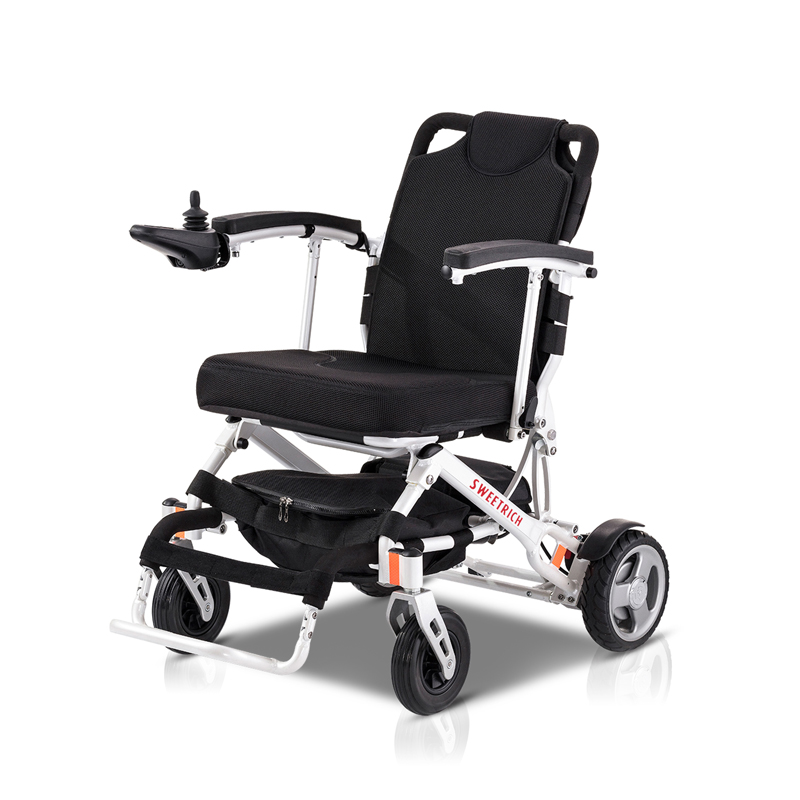
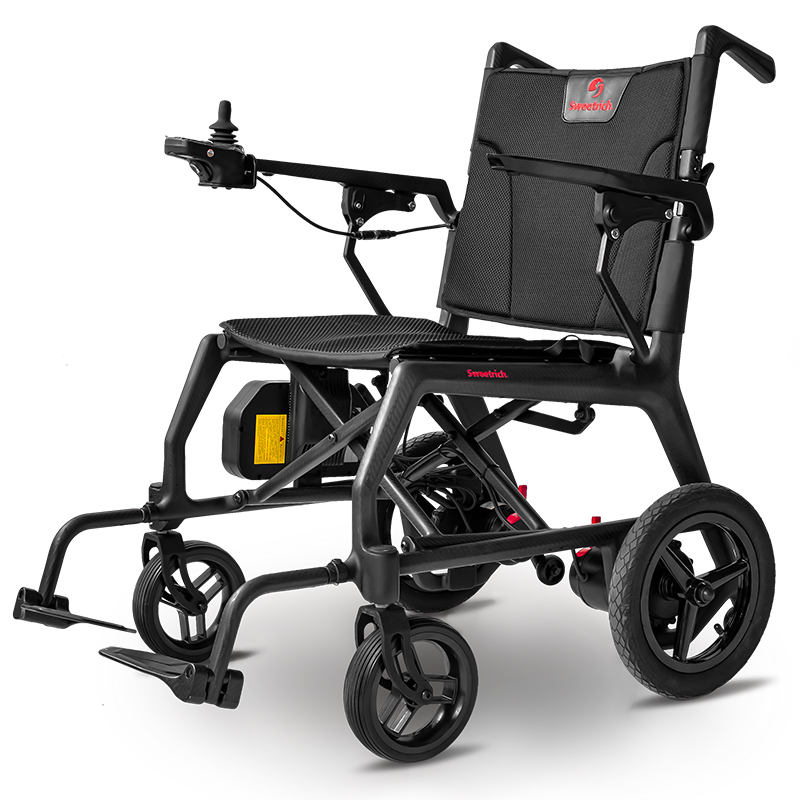
Getting comfortable operating an electric wheelchair involves a handful of simple actions that become second nature after practice. After the initial setup—power on, belt fastened, battery checked—the user rests a hand on the main control, typically a joystick attached to one armrest. Pushing the joystick forward gently starts the chair moving straight ahead. Applying a bit more pressure increases speed gradually, while easing off slows the chair down in a controlled way. Letting go of the joystick completely brings the chair to a smooth stop.
To turn, the user tilts the joystick left or right while moving forward or backward. Pushing the joystick fully to one side without forward pressure lets the chair spin in place. Moving backward works the same way: pulling the joystick toward the body engages reverse motion. Many chairs make a faint click or soft sound when the joystick registers input, giving a clear sign that the command has been accepted.
Practice works in an open, empty space at first. Moving straight forward and backward, making wide turns, and stopping at specific spots helps the user understand how the chair reacts to small movements. Gradually adding gentle slopes shows how the chair behaves on inclines and declines. Moving on to narrower areas—doorways, hallways, thresholds—builds skill in tighter spaces. Repeated short practice sessions in familiar places turn these movements into automatic habits, so attention can shift from operating the controls to the purpose of the trip.
Safety stays important at every step. Keeping a clear view ahead helps spot obstacles early. Moving at moderate speeds in areas shared with others gives time to respond to sudden changes. Using a quiet verbal warning, a small bell, or eye contact when approaching people helps avoid surprises. Checking battery level and surroundings from time to time during longer trips adds another layer of caution.
Choosing the Control System That Fits
The control system plays a major role in how easily and accurately the wheelchair responds to the user. Armrest-mounted joysticks appear often because they place the control within comfortable reach and let the user make small directional changes with little effort. The joystick converts gentle pressure in any direction into matching chair movement, providing smooth and responsive handling for many people.
Other control options exist to meet different physical abilities. Push-button systems use separate switches for forward, reverse, left, and right. These discrete inputs work well for individuals who find a continuous joystick hard to manage. Breath-operated controls—often called sip-and-puff—use air movement through a tube. Blowing into the tube signals one direction while sipping signals the opposite. This approach suits people with very limited arm or hand function but good breath control. Head arrays or chin-controlled joysticks offer similar benefits for those who can move their head more easily than their hands.
| Control Type | How It Works | Best Suited For | Key Advantage |
|---|---|---|---|
| Push-button systems | Separate switches for forward, reverse, left, right | Users who struggle with continuous joystick control | Discrete, simple inputs; no sustained pressure needed |
| Sip-and-puff (breath-operated) | Blow into tube for one direction; sip for opposite | Limited arm/hand function but good breath control | Hands-free; uses reliable breath movement |
| Head array / chin-controlled joystick | Head or chin movement tilts or presses joystick | Better head/neck mobility than hand/arm function | Hands-free; leverages natural head motion |
The size and weight of the chair affect how the controls feel during use. Smaller, lighter chairs usually have compact controls positioned close to the body, reducing the reach needed. Larger chairs may feature adjustable armrests or movable mounting points to keep controls within easy range. Trying several different control styles during the selection process helps determine which one feels natural and reliable for the user's particular situation.
Paying Attention to Weight Capacity
Weight capacity ranks among the important factors when picking an electric wheelchair. Every model lists a load that includes the user plus any items carried regularly—bags, medical supplies, outerwear, or personal belongings. Staying within that limit protects the frame, motor, drivetrain, and battery from unnecessary stress.
Before deciding on a chair, knowing personal weight along with typical carried items sets a clear baseline. Choosing a model with a capacity that leaves some margin above actual usage provides a safety cushion and often leads to smoother performance in everyday conditions. Going over the stated limit repeatedly can cause slower speeds, shorter range, faster wear on parts, overheating, or breakdowns.
Battery life and motor durability depend heavily on staying within the recommended load. Continuous overloading creates extra heat and strain, which shortens component life. Keeping within the guidelines helps the chair deliver steady performance year after year.
Considering Size, Fit, and Real-World Fit
The physical size of the wheelchair affects how well it works in everyday spaces. Narrower models pass through standard doorways and move around furniture in smaller rooms more easily. Wider chairs offer extra seating comfort and side-to-side stability but need more clearance in hallways and around obstacles. Measuring key areas—door widths, turning space in bathrooms or kitchens, hallway dimensions—helps identify the right size range.
Seat height and the range of adjustment also matter for comfort and accessibility. Chairs that allow seat height changes make it easier to line up with tables, counters, beds, or car seats. Higher seats sometimes simplify transfers to standing positions or other surfaces, while lower seats can provide better stability on uneven ground. Trying different seat heights in actual environments shows which range supports daily tasks best.
The length of the wheelbase and the overall footprint influence how the chair handles. Shorter wheelbases allow tighter turns, helpful indoors. Longer wheelbases improve straight-line stability and performance on outdoor paths. Balancing these traits against the main places the chair will be used—home, community areas, workplaces—ensures practical performance in different settings.
Battery Care and Regular Charging Habits
The state of the battery determines both how far the wheelchair travels on a single charge and how reliably it performs day after day. Forming the habit of plugging in the chair after normal daily use keeps the power reserve topped up and ready. Charging overnight usually matches well with ordinary schedules. Steering clear of letting the battery run completely flat as often as possible helps it hold its capacity longer.
A good number of chairs have straightforward battery gauges that let the user see the remaining charge at a glance and plan ahead. Keeping the chair and its charger in room-temperature surroundings helps protect battery efficiency. Exposure to very hot or very cold conditions can reduce available power for a time or cause steady decline. Making sure charger plugs and sockets stay clean and free of damage ensures steady energy delivery. Observing the specific instructions for whatever battery chemistry is installed—sealed lead-acid, gel cell, or lithium—supports even, dependable operation across many months and years.
Lightweight Models vs. Heavy-Duty Designs
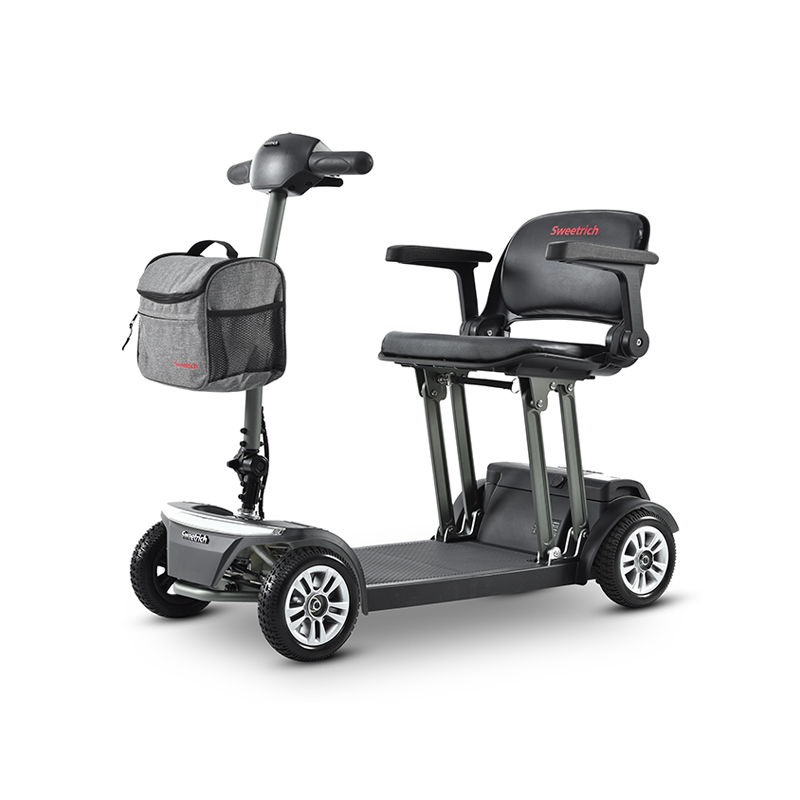
Electric wheelchairs are built in different ways to answer varied lifestyles and surroundings. Lightweight versions put emphasis on simple handling and compact storage. Many of these chairs fold down or break apart into pieces that slide easily into a car trunk or fit in a closet corner.
| Model Type | Main Focus | Key Features / Design Characteristics | Practical Benefits / Best Suited For |
|---|---|---|---|
| Lightweight versions | Simple handling & compact storage | Foldable frame or disassembles into sections | Easy loading into car trunks, fits in small closets or limited storage spaces |
| Heavy-duty versions | (Not covered in detail in text) | Thicker frames, stronger motors, higher load capacity | Greater durability and stability on uneven terrain (implied contrast) |
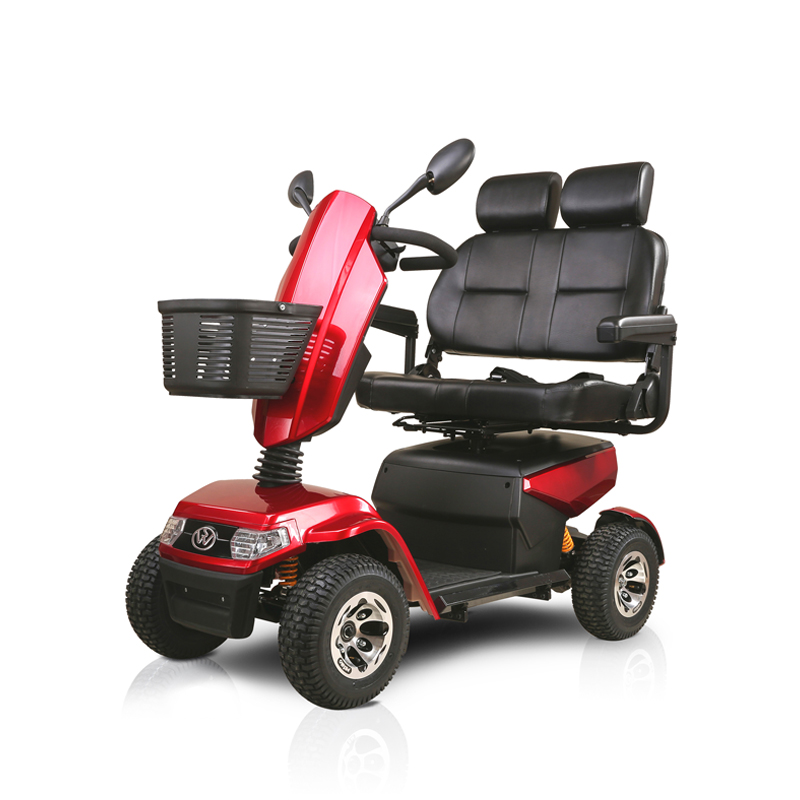
They move comfortably across level indoor flooring and smooth paved walkways. Heavy-duty versions use thicker frames, more robust motors, and higher load limits for people who require additional strength or who regularly cross uneven ground. These models give greater toughness and steadiness but carry extra weight and sometimes need more effort when lifting or stowing them. Picking between a lightweight and a heavy-duty chair comes down to the main types of surfaces used, how often the chair travels by vehicle, and the user's individual physical situation.
Gaining Confidence Through Ongoing Practice
Skill improves steadily when practice happens regularly and builds layer by layer. Beginning in a large, uncluttered space lets the user concentrate on straight-line driving forward and backward, gentle sweeping turns, and stopping exactly where intended. Working on smooth starts and gentle stops sharpens judgment of timing and distance. Slowly bringing in gentle hills and changes in surface texture develops comfort across different conditions.
Taking the practice outside the safe zone—through doorways, over small thresholds, into elevators, along sidewalks—turns learned movements into real-world habits. Brief outings in places already known build ease little by little. As familiarity grows, longer journeys and routes with more turns or obstacles become practical. Continued practice also shows whether any small changes to seat position, control placement, or driving style would make the chair feel even more natural as needs evolve.
Maintenance Practices That Extend Service
Life Consistent attention keeps an electric wheelchair operating smoothly and quietly. Wiping the frame, seat fabric, and wheels clears away dust, grit, and spills that could gum up moving parts or cause discomfort. Checking tire air pressure and looking at tread depth helps the chair roll evenly and takes some load off the motor. Looking over wiring, plug connections, and control components for any looseness or fraying spots problems before they turn into bigger headaches. Arranging periodic visits with a qualified technician uncovers issues early. Service professionals can measure battery condition, apply lubricant where needed, and test the electrical circuits. Sticking to the suggested maintenance timetable lengthens the time the chair remains dependable and reduces the likelihood of surprise breakdowns.
Fitting the Wheelchair Seamlessly into Daily Life
An electric wheelchair settles into everyday living when it helps rather than gets in the way. Keeping commonly reached-for items—phone, water bottle, keys—within easy arm's length from the seated position cuts down on extra reaching or transfers. Mapping out routes that use existing ramps, dropped curbs, or wider sidewalks makes getting from place to place feel effortless.
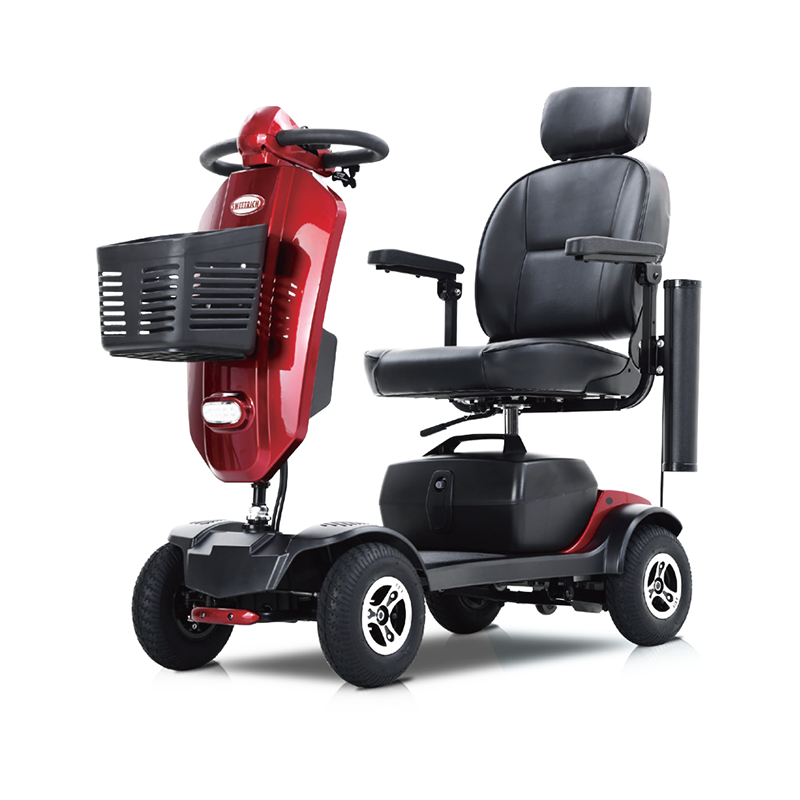
Attaching small baskets or pouches organizes belongings and keeps them right where they are needed. Minor tweaks around the home—moving a chair or table a few inches for better clearance, adding slim transition strips at doorways, or selecting garments that drape comfortably while seated—often make the day flow more smoothly. These small adjustments gradually shift the wheelchair from feeling like an added piece of equipment to becoming simply part of how a person moves through their own space.
Moving Forward with Quiet Assurance
Electric wheelchairs stand as steady companions that help individuals hold onto independence even when circumstances change. Selecting the right model, operating it attentively, and caring for it consistently free up mental and physical energy for relationships, hobbies, and personal priorities instead of wrestling with movement limitations.
When the chair is well matched to the user's body, home, and daily patterns, ordinary participation in life remains open and achievable, quietly strengthening self-reliance, closeness with others, and overall sense of well-being year after year.
Sweetrich Electric Wheelchair
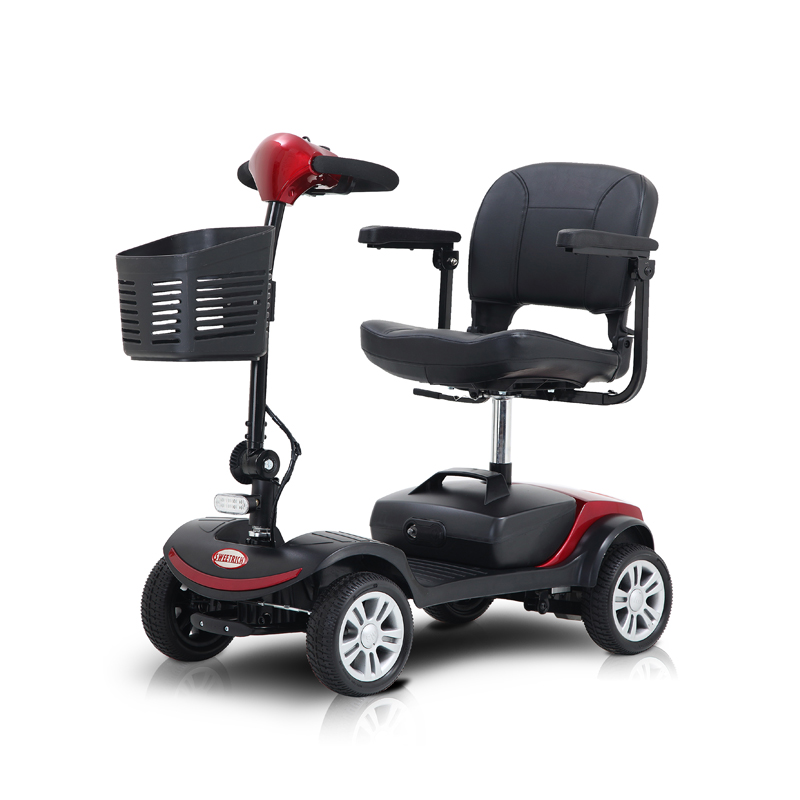
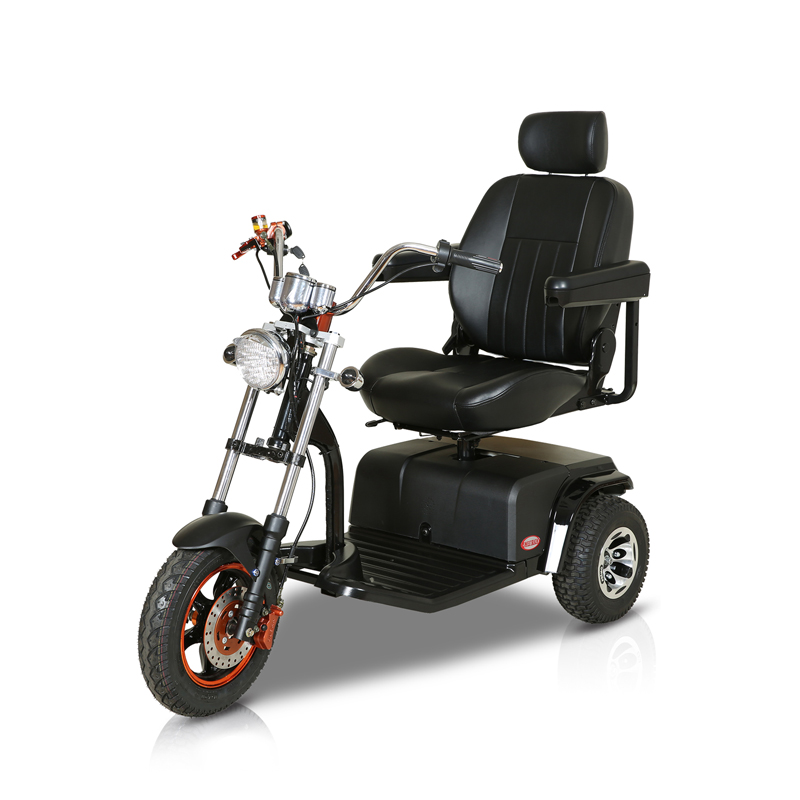
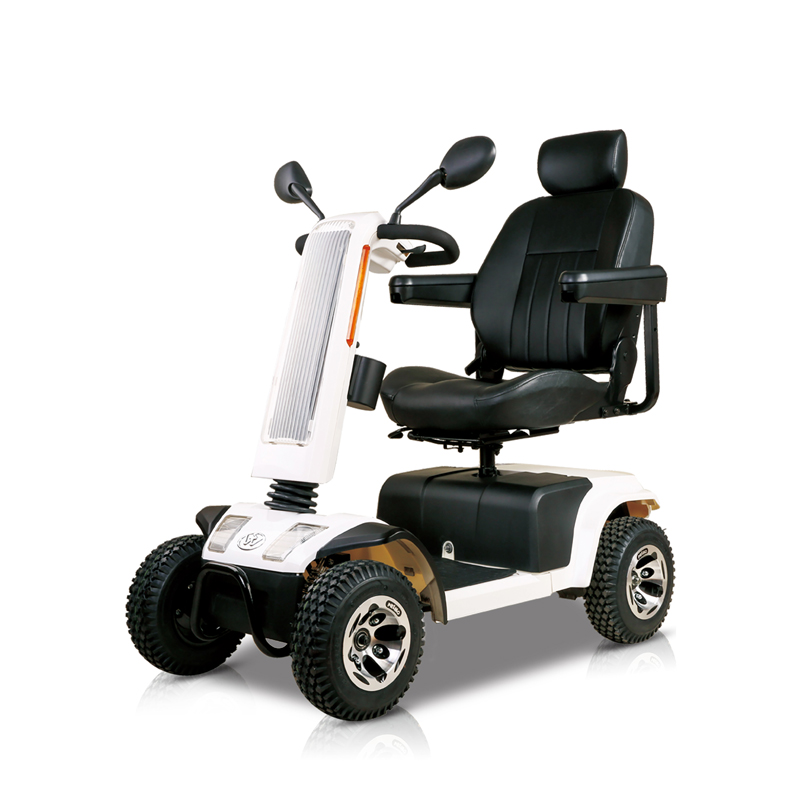
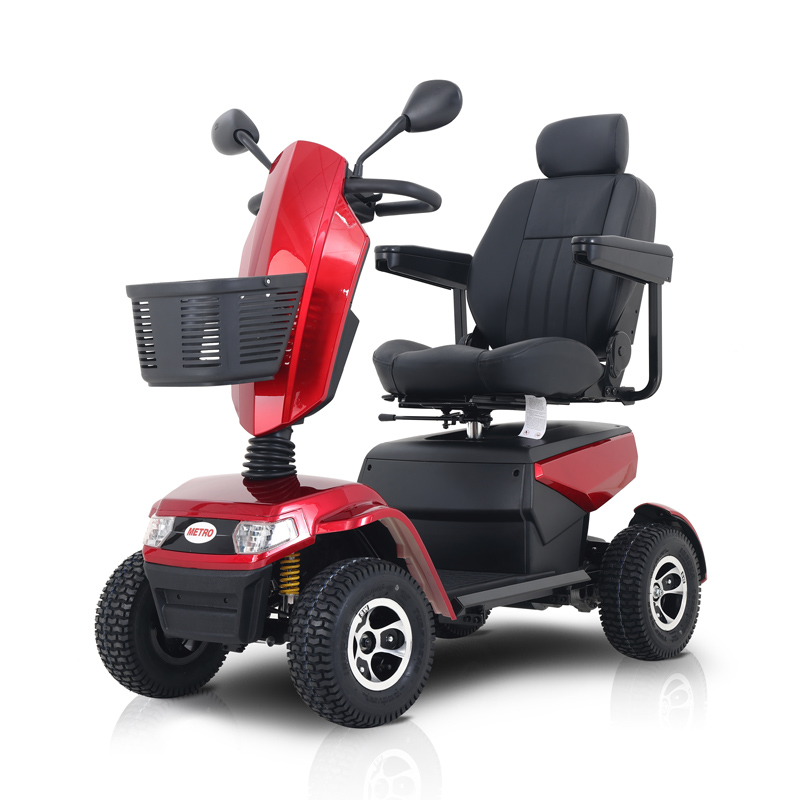
Sweetrich electric wheelchairs become a steady companion for those who choose to keep moving forward on their own terms. Each gentle push of the joystick carries a rider past familiar storefronts, down shaded paths to a favorite bench, or straight to the door of a friend's home without a second thought about distance or effort. The chair's quiet hum blends into the rhythm of the day—never overpowering conversation, never drawing attention away from the small, ordinary moments that matter: sharing coffee on a patio, watching grandchildren play, or simply feeling the warmth of afternoon light on the face.
Sweetrich builds that understated reliability so the focus stays exactly where it belongs: on living fully present, connected, and unhurried, letting every journey feel like a continuation of the life already being lived.