 info@sweetrich.cn
  +86-(0)512-82283871
Content
- 1 How Seat Design Influences Rider Comfort
- 2 How Suspension Affects Ride Quality
- 3 How Wheel Size and Tire Type Impact the Ride
- 4 How Handlebar and Steering Design Affect Control
- 5 Where Terrain Affects Scooter Comfort
- 6 How Seat Adjustability Affects Long-Term Comfort
- 7 How Vibration and Noise Transfer Through the Scooter
- 8 How Medium Mobility Scooter Options Compare in Design
- 9 What to Consider When Evaluating Scooter Comfort
A mobility scooter serves a straightforward purpose — helping people get around without the physical strain that walking might involve. But the actual experience of riding one goes well beyond simply moving from point A to point B. Comfort shapes how long someone can stay seated, how far they're willing to travel, and how they feel once they've arrived.
When comfort falls short, the scooter turns into a source of frustration rather than convenience. A rider who feels every bump in the pavement or fights an uncomfortable seat won't want to stay on the scooter for long stretches. The practical value of the device drops fast once the ride itself becomes unpleasant.
Extended use asks for attention across several design areas. Seating shapes posture and how weight gets distributed. Suspension determines how much shock actually reaches the body. Handlebar position affects arm and back comfort. Together, these factors define what the overall ride actually feels like.
Understanding these comfort factors helps buyers make better choices. A scooter that appears well suited to someone's needs on paper may feel entirely different after a few minutes of actual use.
How Seat Design Influences Rider Comfort
The seat is the primary point of contact between rider and scooter, so its shape, dimensions and materials play a direct role in how comfortable the ride feels.
Seat shape affects how weight spreads across the body. A seat that fits the rider distributes that weight evenly, while a poor fit creates pressure points that grow uncomfortable the longer the ride goes on. The contour of the seat pan matters quite a bit for comfort over longer sessions.
Padding shapes how much pressure the rider actually feels. Denser padding gives firmer support; softer padding gives a more cushioned feel. Which one works better depends on body weight and personal preference rather than any single correct answer.
Back support plays into posture and fatigue as well. Adequate support helps a rider sit upright, while insufficient support encourages slouching — something that builds into real back fatigue over a longer ride.
A few seat-related details worth considering:
- Seat width and depth relative to body size
- Padding material and its density
- Backrest height and angle
- Seat surface finish and breathability
Seat height and angle also shape leg positioning. Too low, and knees end up under strain. Too high, and reaching the ground becomes difficult. The right height and angle let legs settle into a genuinely comfortable position throughout the ride.
How Suspension Affects Ride Quality
Surfaces aren't always smooth, even on well-kept paths — cracks, joints, and uneven patches show up regularly. Suspension is what absorbs the shock from these irregularities before it ever reaches the rider.
Movement over bumps and cracks travels through the scooter's structure one way or another. Without suspension, the rider feels each bump directly and fully. With effective suspension, much of that energy gets absorbed along the way instead.
Suspension design shapes how much vibration actually reaches the rider. Some systems rely on springs to absorb impact; others use more layered arrangements with multiple components working together.
Different surface conditions test suspension in different ways. Small cracks and joints call for a fine, responsive suspension setup. Larger bumps need more travel and stronger energy absorption to handle properly.
Vibration matters more over longer rides than people tend to expect. Small vibrations barely noticeable at the outset can accumulate and wear on comfort over time. A suspension system that keeps vibration in check helps maintain comfort through extended use.
How Wheel Size and Tire Type Impact the Ride
Wheels and tires determine how the scooter actually interacts with the ground beneath it. Larger wheels tend to deliver a smoother ride overall, since they roll over obstacles with less disruption.
Wheel size changes how obstacles get handled. A larger wheel climbs over a crack or small bump with noticeably less jolt than a smaller wheel would — a difference that becomes especially clear on uneven ground.
Tire composition affects how much road feel actually reaches the rider. Softer tires absorb more shock but tend to wear down faster; harder tires last longer but transmit more vibration through to the seat.
Tire pressure factors into rolling resistance and shock absorption as well. Getting pressure right balances rolling efficiency against cushioning, and the correct pressure depends on tire type and rider weight together.
Key wheel and tire factors worth checking:
- Diameter relative to the surfaces typically ridden on
- Tire material and tread design
- Recommended operating pressure
- Durability and wear characteristics
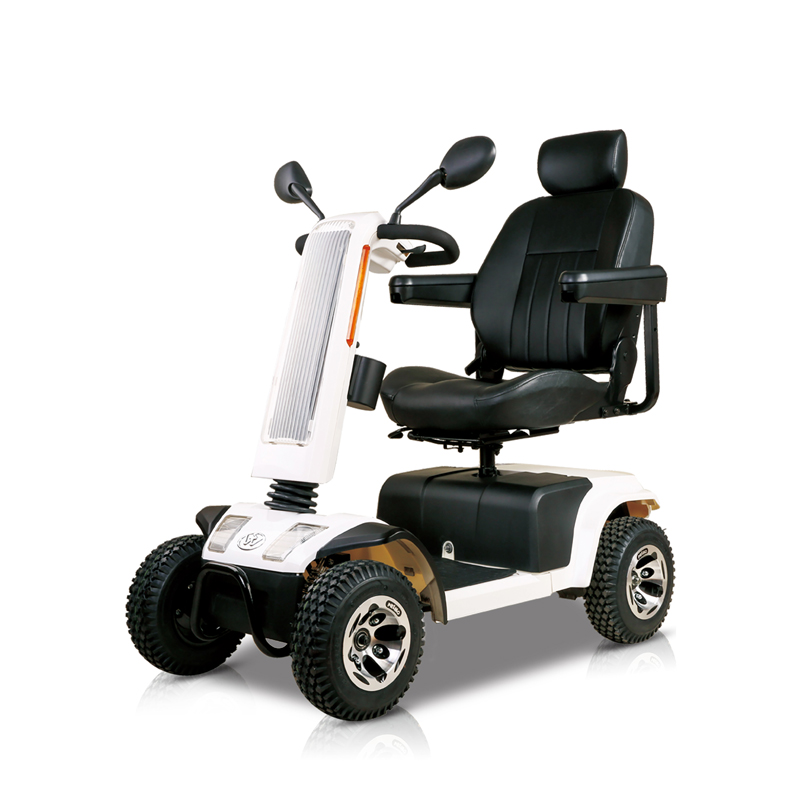
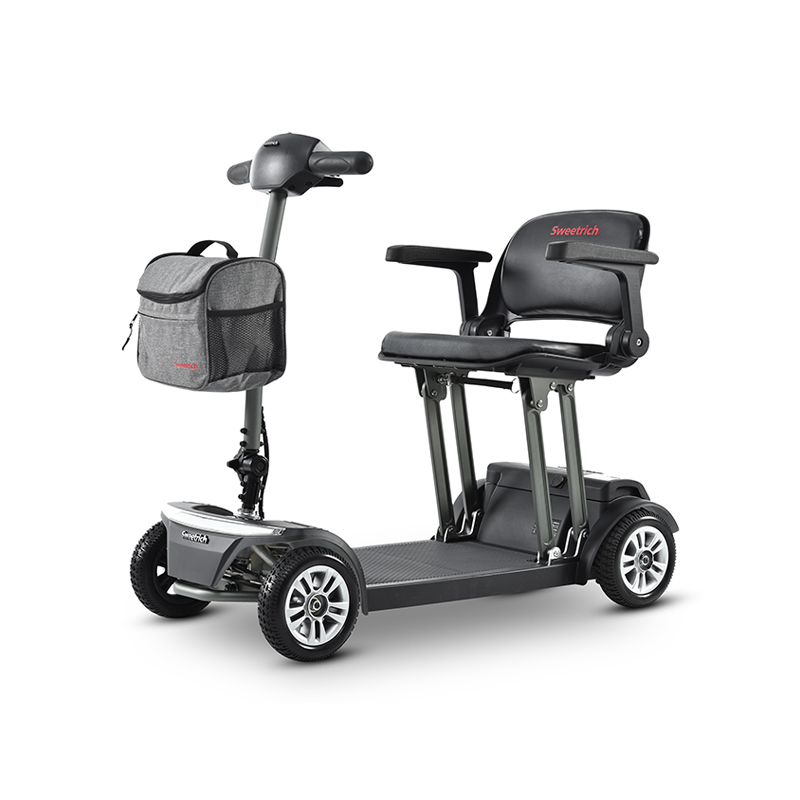
A heavy duty 4 wheel scooter typically uses larger wheels than smaller mobility devices tend to. That larger wheel size helps the scooter manage its additional weight capacity while still keeping the ride comfortable.
How Handlebar and Steering Design Affect Control
Handlebar position shapes arm and shoulder comfort throughout a ride. Handlebars set too far forward strain the arms; set too close, they force a cramped riding position instead.
Steering effort affects how easily the scooter turns. Too much resistance causes arm fatigue over time; too little can feel twitchy and harder to control precisely. The right balance really depends on the individual rider's arm strength and coordination.
Handlebar height should match a rider's natural arm position — when arms hang relaxed, hands should land comfortably on the grips without reaching or hunching. A mismatch here tends to create discomfort that builds gradually over a ride rather than showing up right away.
Grip shape and size matter for hand comfort too. Grips that fit the hand properly cut down on fatigue, while grips too large or too small force an awkward hold that tires the hand faster.
| Factor | Effect on Comfort |
|---|---|
| Handlebar height | Affects arm and shoulder position |
| Steering effort | Affects arm fatigue during longer rides |
| Grip size | Affects hand comfort and control |
| Handlebar width | Affects shoulder position |
Where Terrain Affects Scooter Comfort
Surfaces don't stay consistent for long. One stretch might be smooth pavement, the next might turn to gravel or cracked concrete, and each transition changes what the rider actually feels. How well a scooter adapts to these shifts largely determines whether the ride stays comfortable or turns into a bumpy ordeal.
On smooth pavement, things are pretty straightforward — the scooter rolls evenly, vibration stays minimal, and long stretches at this kind of surface tend to feel effortless.
Rough terrain is where suspension and wheel design actually get tested. Cracks, bumps, and uneven patches all send energy up through the scooter's frame.
Curbs and ramps bring their own challenge. As the scooter's angle shifts going up or down, the rider's body naturally shifts too. When that transition is smooth, it barely registers. When it's abrupt, it jars the whole body.
A few things shape how surface conditions translate into comfort:
- Vibration frequency and amplitude
- Shock loading from impacts
- Stability on uneven ground
- Noise from tire contact
How Seat Adjustability Affects Long-Term Comfort
Height adjustment is a good example — someone with longer legs needs to sit higher, someone shorter needs the opposite, and being able to dial that in makes a real difference in how natural the leg position feels.
Seat angle plays into this too. Even a slight tilt changes how weight settles across the hips, which can ease pressure points that would otherwise build up over a longer ride.
Armrests matter for arm and shoulder comfort specifically. Being able to shift them up, down, forward, or back lets a rider settle into something that actually feels relaxed rather than forced.
Handlebar tilt rounds this out — get the angle right, and it takes a good deal of strain off the wrists and forearms.
Worth keeping an eye on when it comes to adjustability:
- Seat height
- Seat angle
- Armrest position
- Handlebar tilt
- Backrest angle
The more adjustment points a scooter offers, the wider the range of riders who can actually find their sweet spot. That's part of why a Heavy Duty 4 Wheel Scooter built with several adjustment features tends to suit a broader group of users.
How Vibration and Noise Transfer Through the Scooter
Motors, wheels, and suspension components all generate some degree of vibration on their own, and how much of that reaches the rider comes down almost entirely to design quality.
Road noise adds another layer to the experience. Tire contact with the ground produces sound that contributes to how the ride feels overall, and while more noise often points to more vibration, that correlation isn't absolute.
Dampening comes down to materials and structural choices working together — the frame, the seat mounting, the suspension components all play a role in how much vibration ultimately makes it through to the rider.
At the end of the day, a scooter that runs quietly and smoothly just feels more refined. That kind of polish makes the whole riding experience noticeably more pleasant.
How Medium Mobility Scooter Options Compare in Design
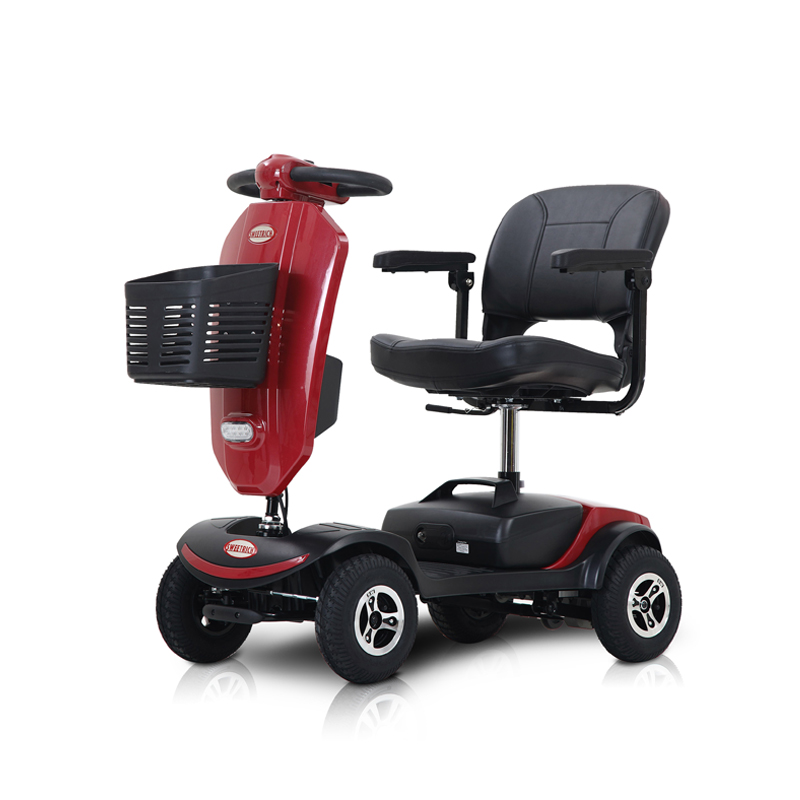
A Medium Mobility Scooter deals with many of the same comfort questions as its heavy duty counterpart — seating, suspension response, ease of control — just scaled to a different set of needs.
The core difference comes down to size and capacity. Medium scooters generally carry less weight and take up a smaller footprint, and that smaller scale ripples outward into wheel size, suspension travel, and seat width.
Comfort features shift accordingly across the two categories. Heavy duty models tend to come with larger seats and more suspension travel built in, while medium models often keep things simpler — a reflection of what each is actually designed to do.
| Feature | Heavy Duty 4 Wheel Scooter | Medium Mobility Scooter |
|---|---|---|
| Wheel size | Larger for better handling | Smaller for compactness |
| Suspension | More travel and adjustment | Simpler design |
| Seat dimensions | Wider and deeper for larger users | Moderate size |
| Weight capacity | Higher for heavier loads | Lower for lighter loads |
| Adjustability | Extensive options | Limited range |
Heavy duty scooters lean toward weight capacity and stability as their main priorities. Medium scooters lean toward staying compact and easy to maneuver. Both take comfort seriously — they just approach it from different starting points.
What to Consider When Evaluating Scooter Comfort
A handful of factors tend to shape how comfortable any given scooter actually feels once it's in daily use, and thinking through each one helps match the right scooter to the right rider.
- Intended use environment. Smooth indoor floors ask for something different than varied outdoor terrain.
- Rider body dimensions and weight. The scooter has to genuinely fit the person using it — a seat that's too small or too large won't offer real support no matter how good the padding is.
- Typical ride duration and distance. Someone taking short trips around the house doesn't need the same level of seating and suspension refinement as someone spending hours outdoors on the scooter.
- Surface conditions in the riding area. Smoother environments can get by with simpler suspension; rougher ones demand something more capable.
- Personal comfort preferences. Firm versus soft seating, upright versus slightly reclined posture — these come down to individual taste more than any objective standard.
- Adjustability range available. More adjustment options generally mean a better shot at finding an ideal position, though the actual range needed depends on the rider.
- Access for maintenance of comfort components. Seats, suspension, and similar parts need servicing eventually, and easy access just makes that upkeep less of a hassle down the line.