 info@sweetrich.cn
  +86-(0)512-82283871
Content
- 1 Electric Wheelchairs versus Mobility Scooters: Core Differences
- 2 Foldable and Portable Mobility Solutions
- 3 Lightweight Frames and Material Advances
- 4 Ergonomic Seating and Posture Support
- 5 Battery and Power Management Developments
- 6 Terrain Capability and Wheel Configurations
- 7 Safety Features That Matter in Daily Use
- 8 Maintenance and Long-Term Ownership
- 9 Choosing the Right Vehicle for the Lifestyle
- 10 Future Directions Worth Watching
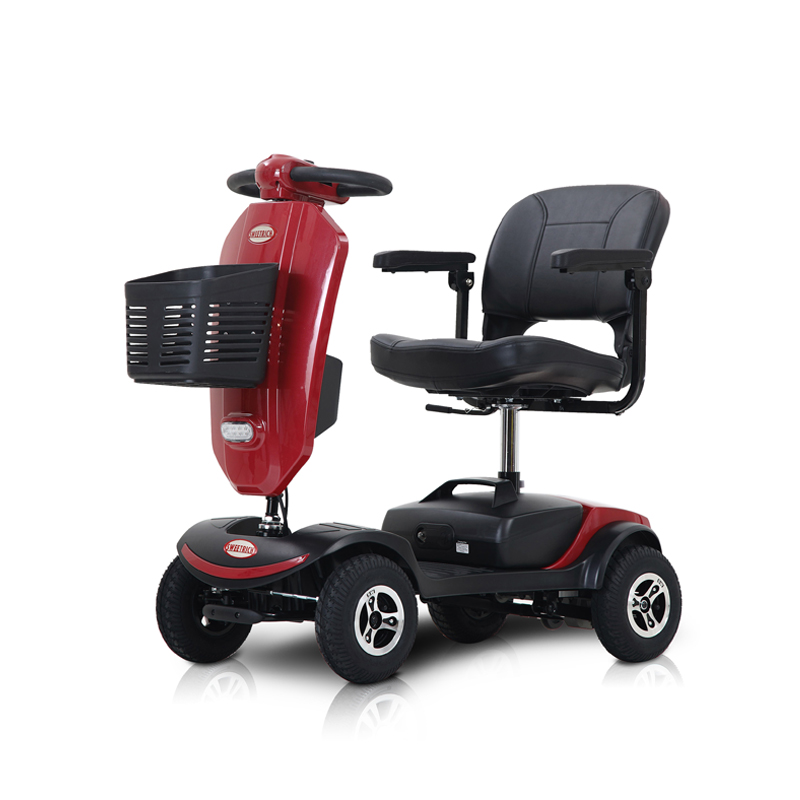
Personal mobility vehicles have expanded far beyond traditional wheelchairs. Today, people who need help covering distances can choose from electric wheelchairs, Wholesale Mobility Scooter, compact foldable models, and lightweight manual options. Each type serves different daily routines, environments, and personal preferences. This article examines the practical differences between these vehicles and the features that matter in real life.
Electric Wheelchairs versus Mobility Scooters: Core Differences
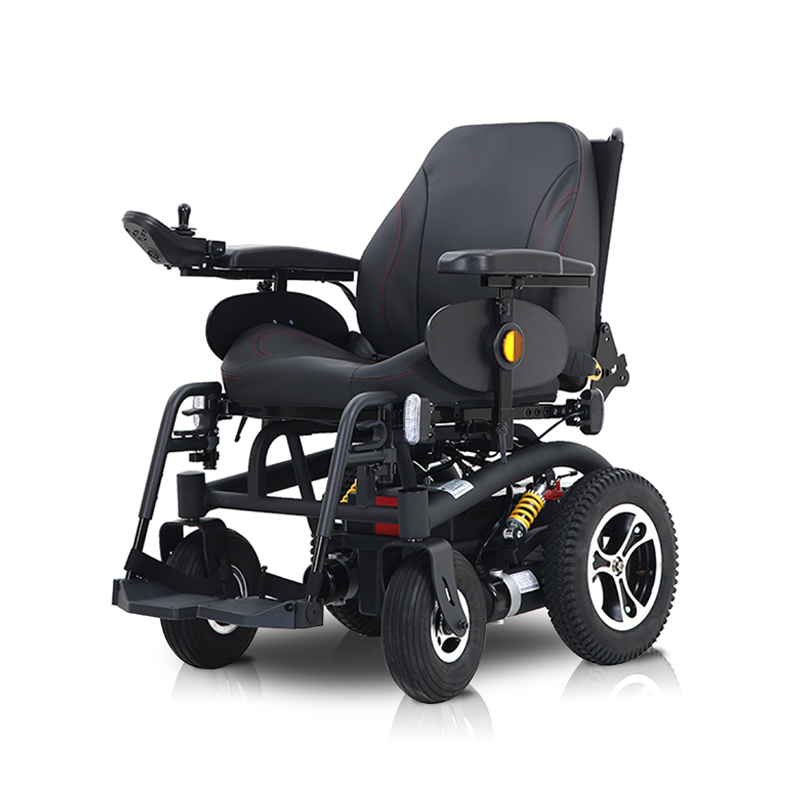
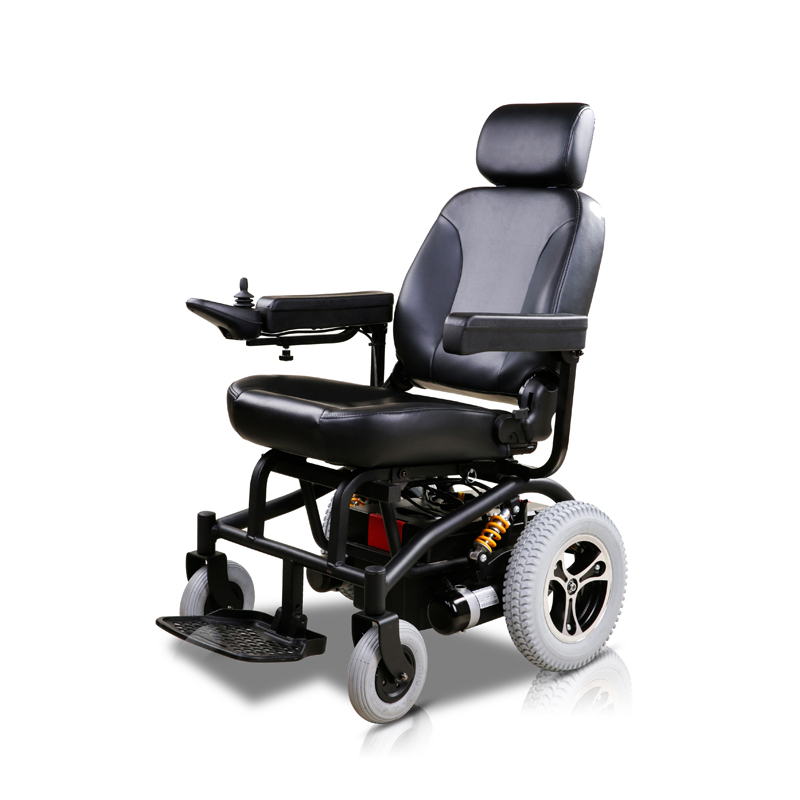
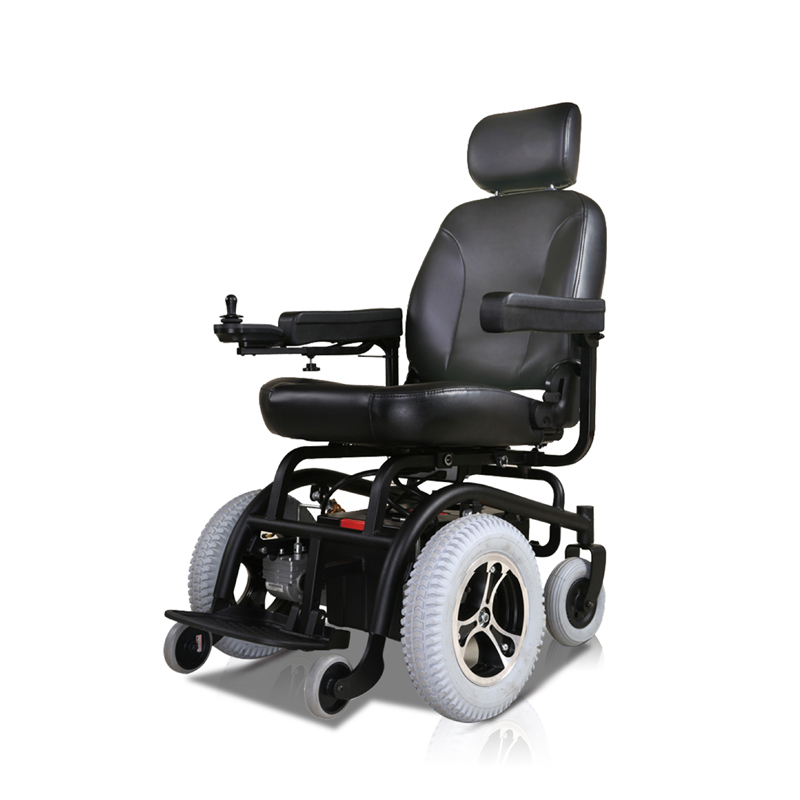
Electric Wheelchairs (Power Chairs)
- Controlled by a small joystick or alternative input (sip-and-puff, head array, etc.).
- Four or six wheels with a focus on stability and tight turning in indoor spaces.
- Seat is usually over the drive wheels, creating a compact footprint.
- Designed for users who need full-time seated support or have limited arm strength.
- Typical speed range: 4–8 km/h indoors, some outdoor models reach 12–15 km/h.
- Battery range per charge: 15–40 km depending on terrain and user weight.
- Weight of the device itself: 45–120 kg; mid-wheel-drive models often around 80–100 kg.
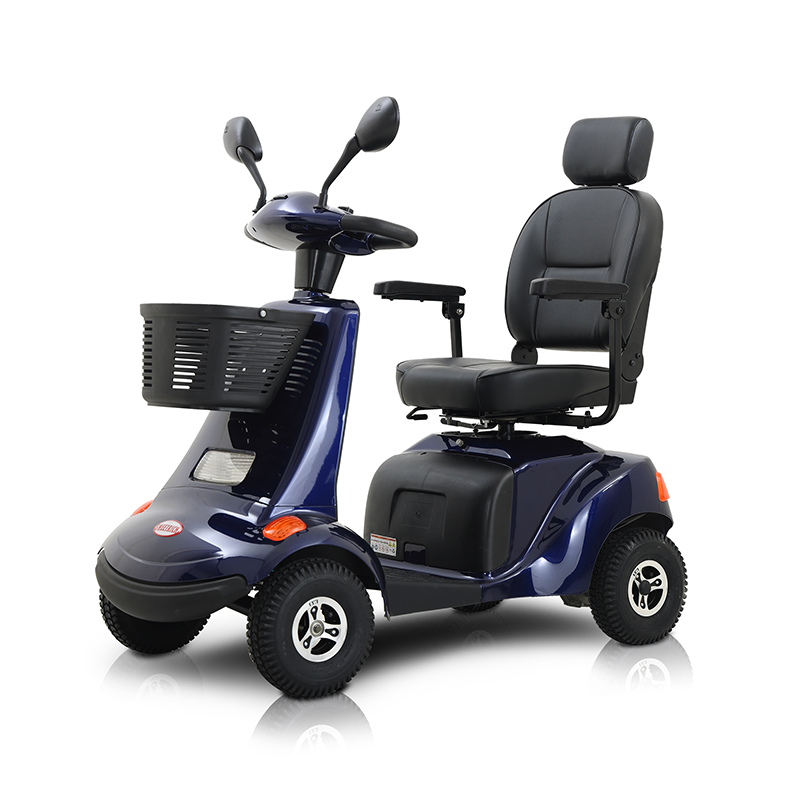
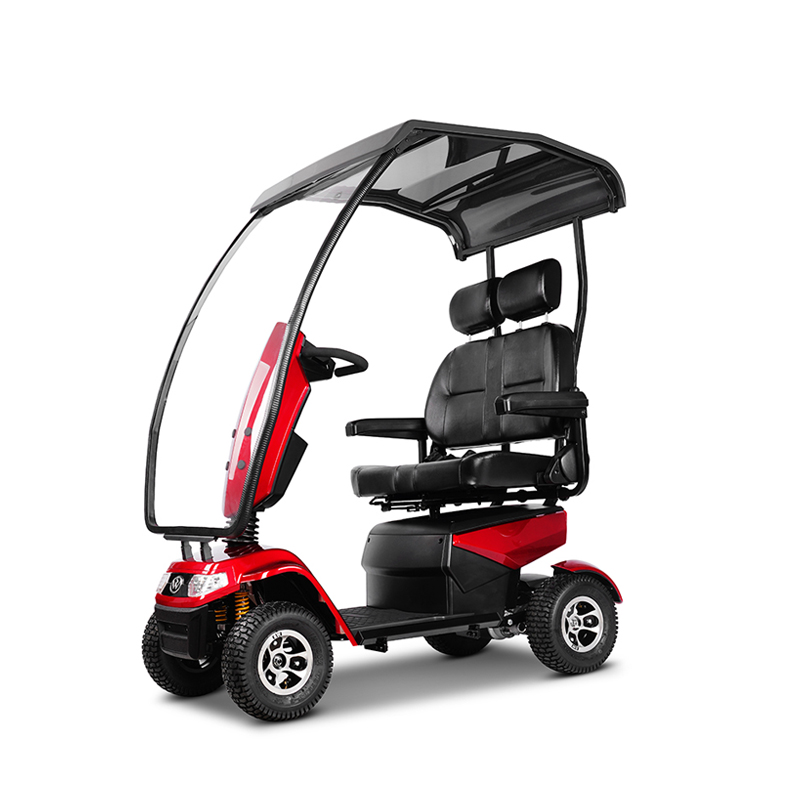
Mobility Scooters
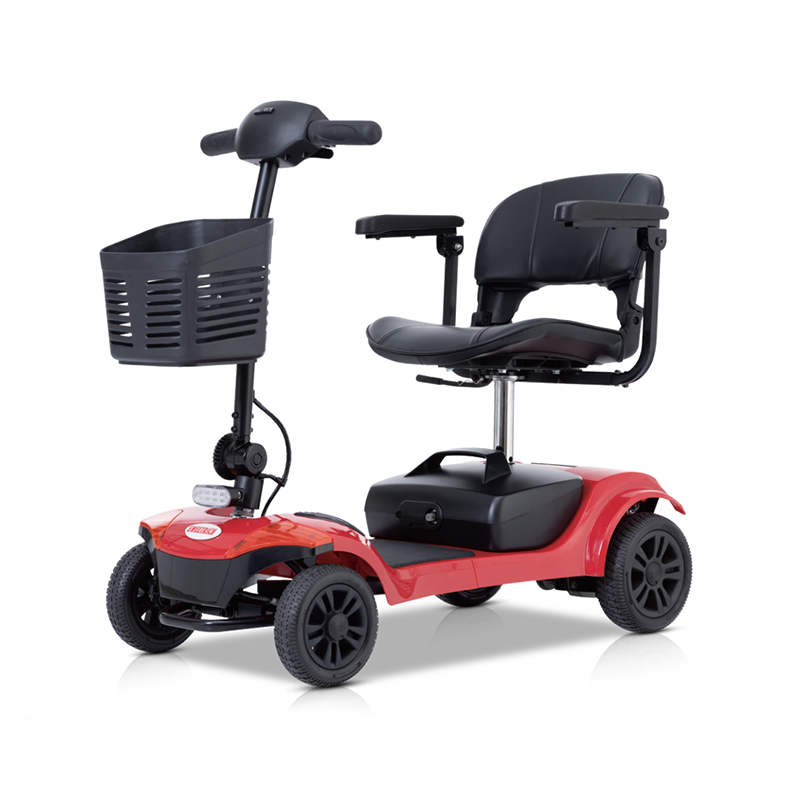
- Steering handled by bicycle-style handlebars or tiller.
- Usually three or four wheels, with a longer wheelbase for smoother ride on pavement.
- Seat is positioned behind the tiller, similar to a small cart.
- Intended primarily for users who can sit upright without extensive back or lateral support and who have sufficient arm and hand function.
- Typical speed range: 6–15 km/h; some larger models reach 20 km/h on flat ground.
- Battery range per charge: 20–60 km in real-world mixed use.
- Weight of the device: 60–150 kg; four-wheel heavy-duty versions sit at the upper end.
In practice, an electric wheelchair excels inside homes, offices, and medical buildings where doorways are narrow and turns are frequent. A mobility scooter shines on shopping-center floors, sidewalks, and gentle outdoor paths where its longer base and larger batteries give a smoother, longer ride.
Foldable and Portable Mobility Solutions
Travel and small living spaces have driven demand for devices that collapse quickly.
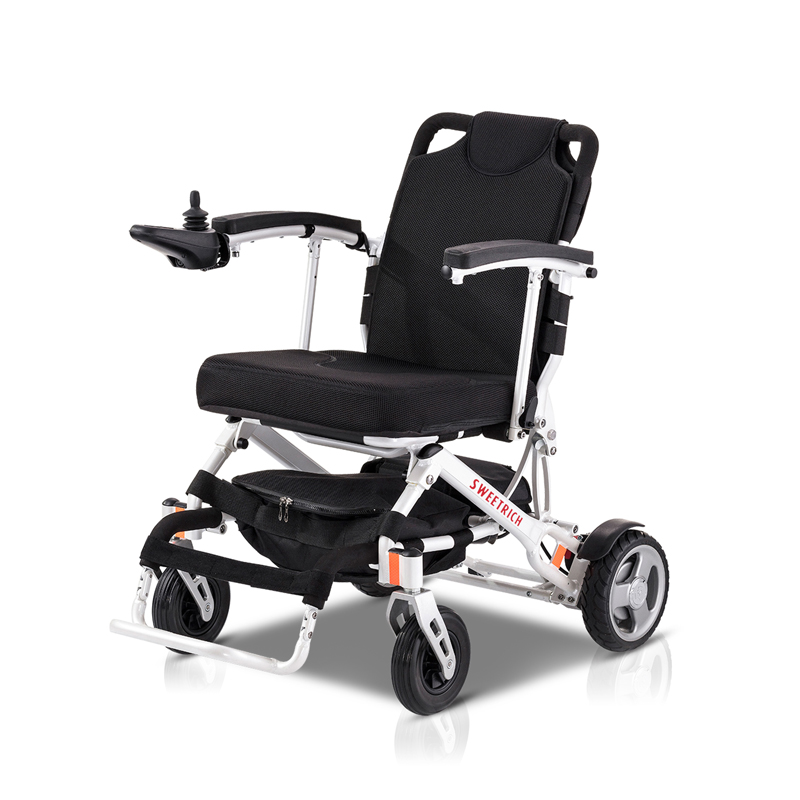
Folding Power Wheelchairs
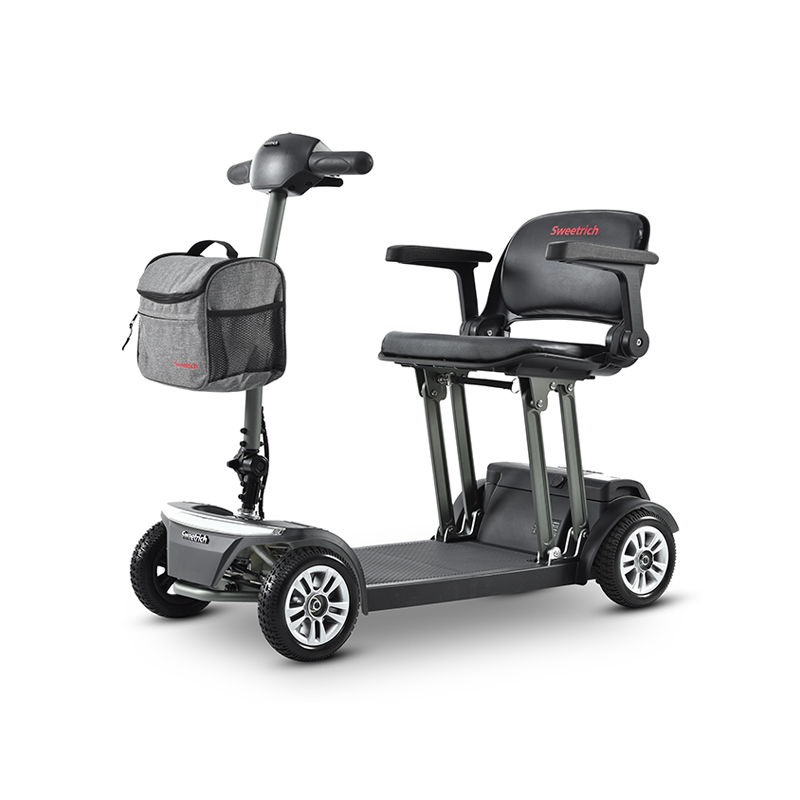
- Many newer models fold to the size of a large suitcase in under 15 seconds.
- Total weight usually 20–35 kg thanks to lithium batteries and carbon or aircraft-grade aluminum frames.
- Battery packs are often removable and airline-approved (under 300 Wh).
- Ideal for car boots, train travel, or apartments with limited storage.
- Trade-off: slightly smaller wheels and lower ground clearance than full-size power chairs, so rough terrain remains challenging.
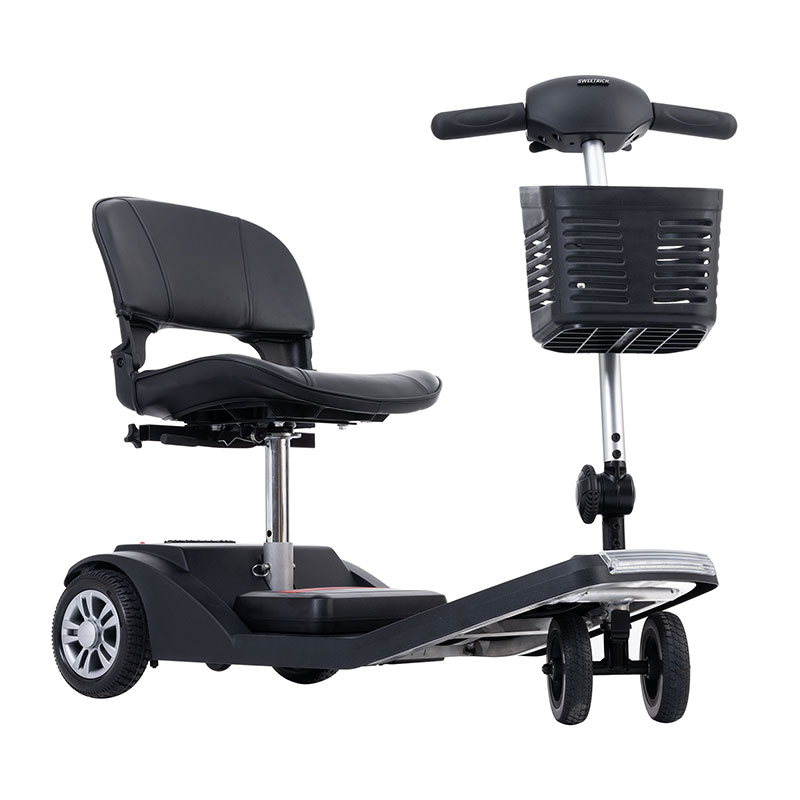
Travel Scooters
- Separate into four or five pieces (heaviest piece usually 12–20 kg).
- Designed for car travel and occasional flights.
- Three-wheel versions offer tighter turning for indoor use; four-wheel versions give more stability outdoors.
- Range is typically shorter than full-size scooters (15–30 km) because of smaller batteries.
Ultra-Light Manual Wheelchairs
- Rigid or folding frames made from titanium or high-end aluminum can weigh as little as 6–9 kg.
- Quick-release wheels and fold-down backrests reduce size for transport.
The key advantage of all portable options is spontaneity: a weekend trip or a visit to a relative no longer requires days of planning and specialized transport.
Lightweight Frames and Material Advances
Weight directly affects how far someone can go and how easily the device fits into daily life.
Common Frame Materials Today
- Aircraft-grade aluminum: balances cost, strength, and weight (most folding power chairs).
- Carbon fiber: used in premium folding models
- Titanium: found in high-end active manual chairs; corrosion-resistant and extremely strong for the weight.
- Magnesium alloys: emerging in some seat frames and components for further weight savings.
Every kilogram removed translates into longer battery life for power chairs, less effort for attendants lifting into cars, and reduced shipping cost for manufacturers and users alike.
| Topic | Key Points | Optimized Summary |
|---|---|---|
| Lightweight Frames and Material Advances | Weight affects range, portability, and daily use | Lighter frames improve battery life, ease of transport, and reduce costs |
| Common Frame Materials | Aluminum: balance of strength, weight, and costCarbon fiber: premium folding modelsTitanium: high-end manual chairs, corrosion-resistantMagnesium alloys: emerging lightweight option | Material choice balances strength, weight, and durability for different mobility vehicles |
Ergonomic Seating and Posture Support
Comfort over hours—depends on the seat system more than the wheels.
Important Seating Features
- Pressure-relieving cushions: gel, foam, or air-cell designs that reduce risk of skin breakdown.
- Adjustable seat depth and backrest angle to match individual leg and trunk length.
- Tilt-in-space and recline functions that shift body weight without changing the hip/knee angle
- Lateral trunk supports and headrests that can be added or removed as needs change.
- Breathable, moisture-wicking cover materials for temperature control.
A properly fitted seat can delay fatigue, prevent pain, and allow the user to stay active longer.
Battery and Power Management Developments
Real-world range depends on more than the manufacturer's brochure.
Current Battery Reality
- Lithium-ion has replaced almost all lead-acid batteries in new models because of weight savings and longer lifespan.
- Smart battery management systems protect against deep discharge and show accurate remaining range.
Regenerative Braking
Some power chairs and larger scooters recapture energy when slowing downhill, adding a few extra kilometers on rolling terrain.
Solar and Accessory Charging
Flexible solar panels that clip to the backrest are available for users who spend long days outdoors.
Terrain Capability and Wheel Configurations
Not all mobility vehicles are equal on uneven ground.
- Mid-wheel drive power chairs: tightest turning circle, indoors, but can struggle on thick carpet or grass.
- Rear-wheel drive: traditional car-like feel, good on straight outdoor paths, larger turning radius.
- Front-wheel drive: pulls over obstacles more easily, helpful on curbs and rough sidewalks.
- All-terrain scooters with larger pneumatic tires and increased ground clearance handle gravel, grass, and light trails.
Choosing the right drive system prevents the frustration of being stuck a few meters from a destination.
Safety Features That Matter in Daily Use
- Anti-tip wheels (standard on almost all power chairs).
- Automatic speed reduction on slopes.
- Electromagnetic brakes that engage instantly when the joystick is released.
- Seat belts and adjustable armrests that lock securely.
- LED lighting packages and reflectors for dusk or low-light conditions.
- Horn and indicator options on scooters for road and pavement sharing.
These elements reduce small accidents and give confidence in crowded or unfamiliar places.
Maintenance and Long-Term Ownership
A mobility vehicle is a daily necessity, so downtime matters.
Easy-Maintenance Design Elements
- Tool-free battery removal.
- Puncture-proof or quick-change tires.
- Washable seat covers.
- Clear diagnostic displays that show simple error codes.
Regular tire pressure checks and an annual service keep devices running smoothly for 5–8 years or longer.
| Topic | Key Points | Summary |
|---|---|---|
| Maintenance & Ownership | Easy-maintenance features, diagnostic displays | Regular checks and annual service extend device lifespan |
Choosing the Right Vehicle for the Lifestyle
The choice comes from matching the device to actual routines:
- Apartment living with frequent public transport → folding power wheelchair or travel scooter.
- Suburban house with driveway and occasional shopping trips → full-size four-wheel scooter.
- Active user who plays sport or works → lightweight rigid manual chair with power-assist wheels.
- Long outdoor days at markets or parks → scooter with large batteries and comfortable captain’s seat.
- Frequent air travel → airline-compliant folding model under 25 kg total.
Testing several types for a few days each—many dealers now offer trial periods—reveals preferences that specifications alone cannot predict.
Future Directions Worth Watching
- Swappable battery stations similar to e-bike networks.
- Greater integration of smartphone apps for route planning and remote diagnostics.
- Lighter, stronger composite materials continuing to drop total weight.
- Improved weather protection (built-in rain covers, heated seats).
- Modular platforms where the same base can accept different seats, wheels, or power systems as needs change over years.
Personal mobility devices have evolved into multifunctional tools adapted to real life, rather than forcing users to adapt to rigid devices. From compact, folding electric wheelchairs that easily fit in a car trunk to rugged, durable mobility scooters capable of handling extended outdoor activities; from ultralight manual frames to intelligent battery systems, today's choices allow people to find the balance between range, comfort, portability, and independence according to their needs. Sweetrich translates these needs into reliable, well-designed vehicles, driving this progress and remaining a steadfast contributor to this endeavor.