 info@sweetrich.cn
  +86-(0)512-82283871
Content
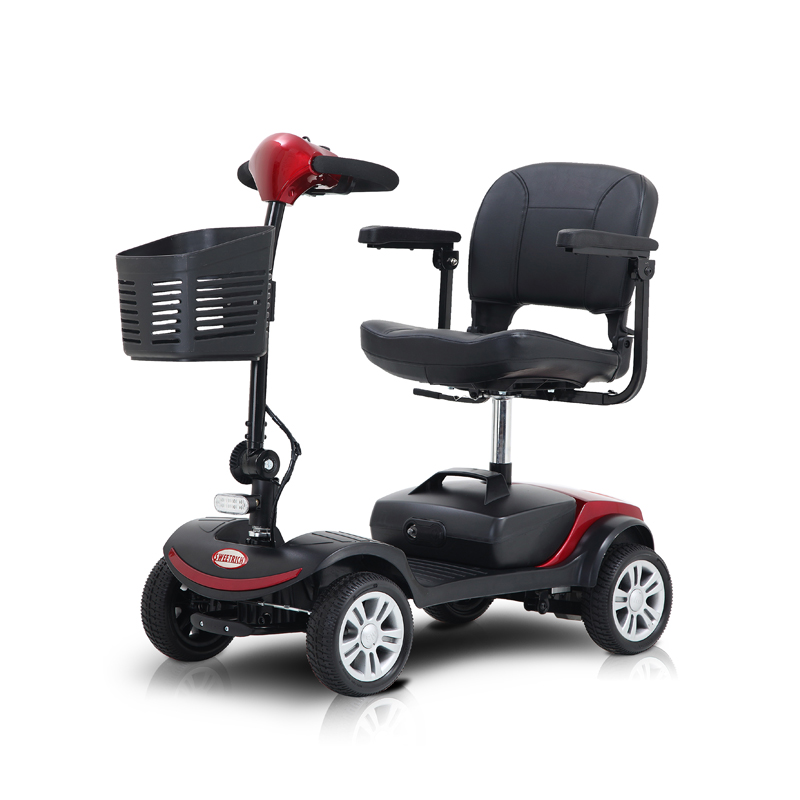
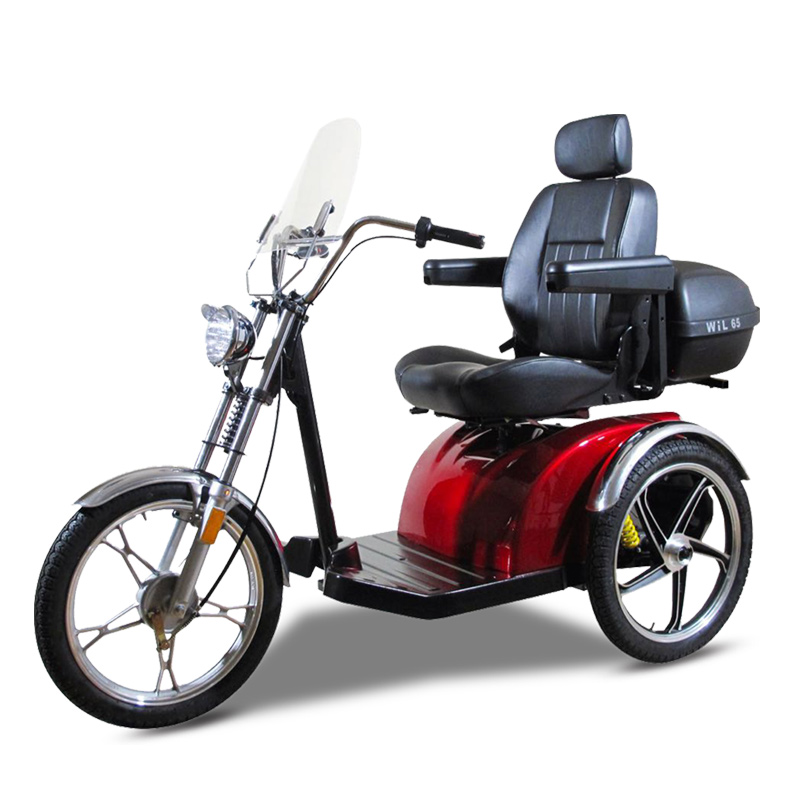
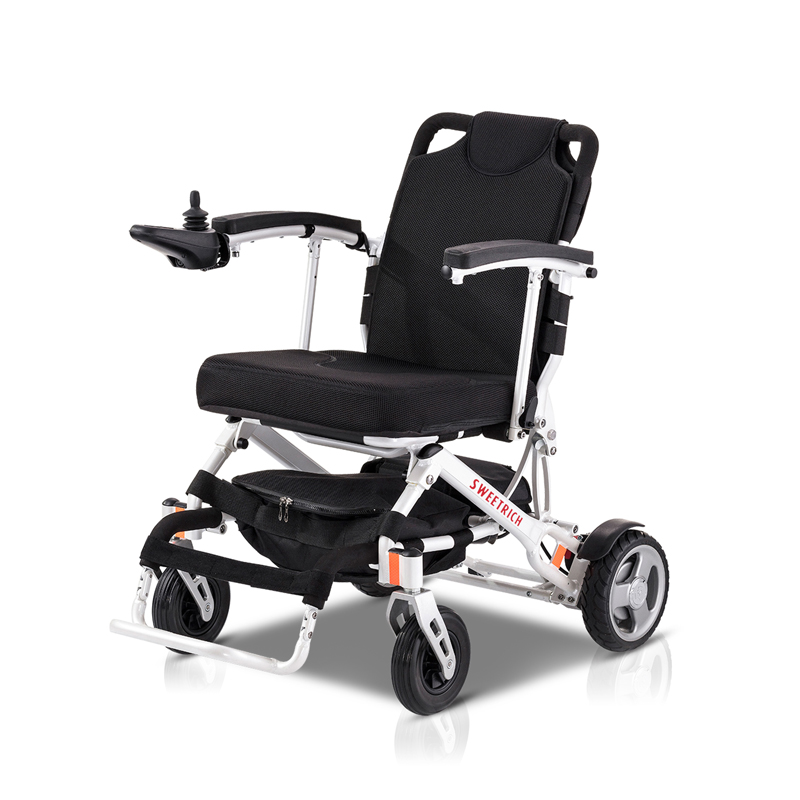
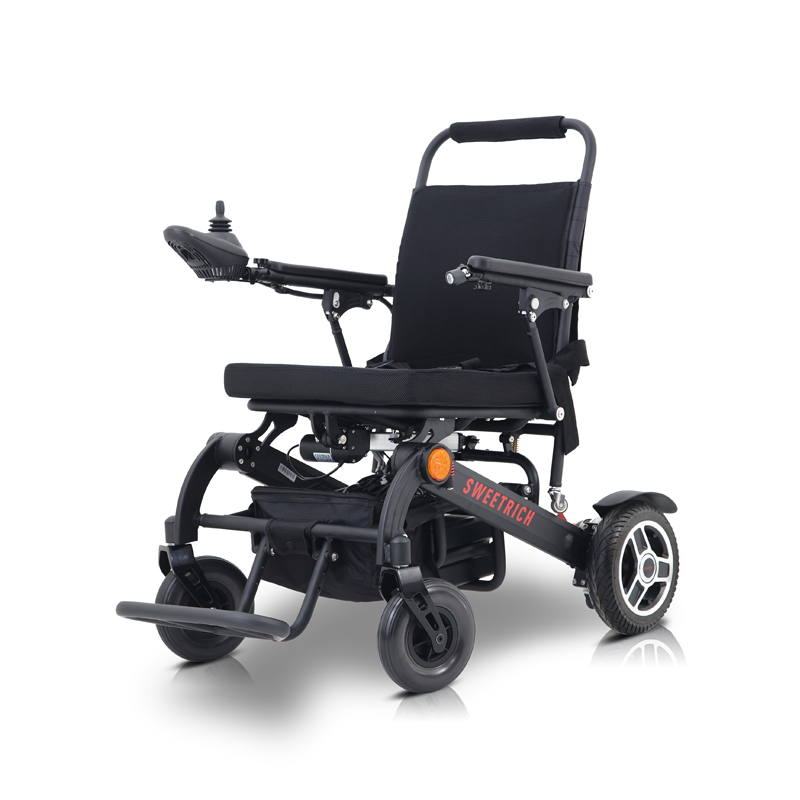
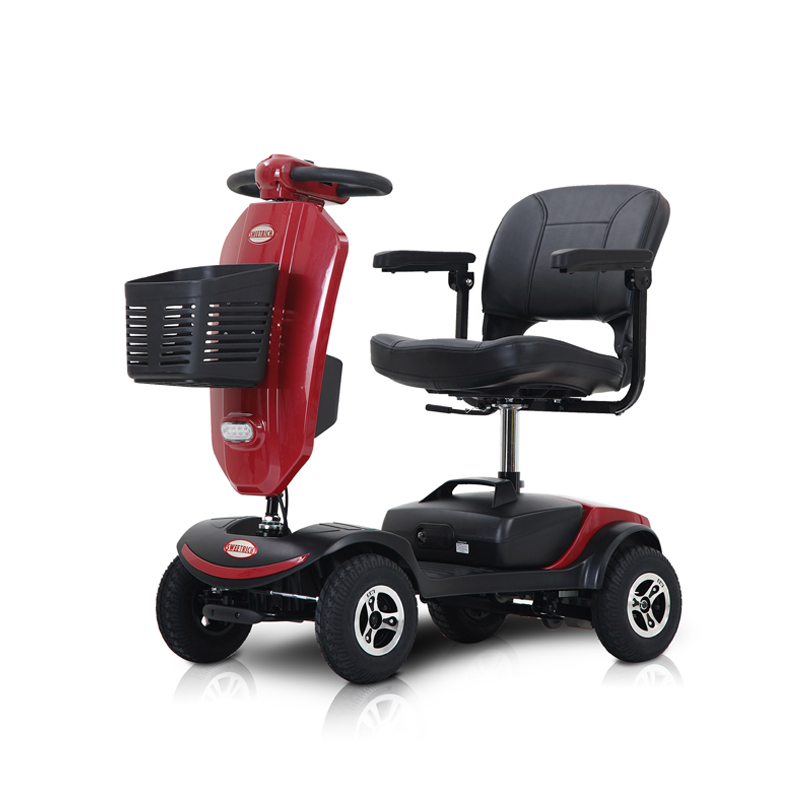
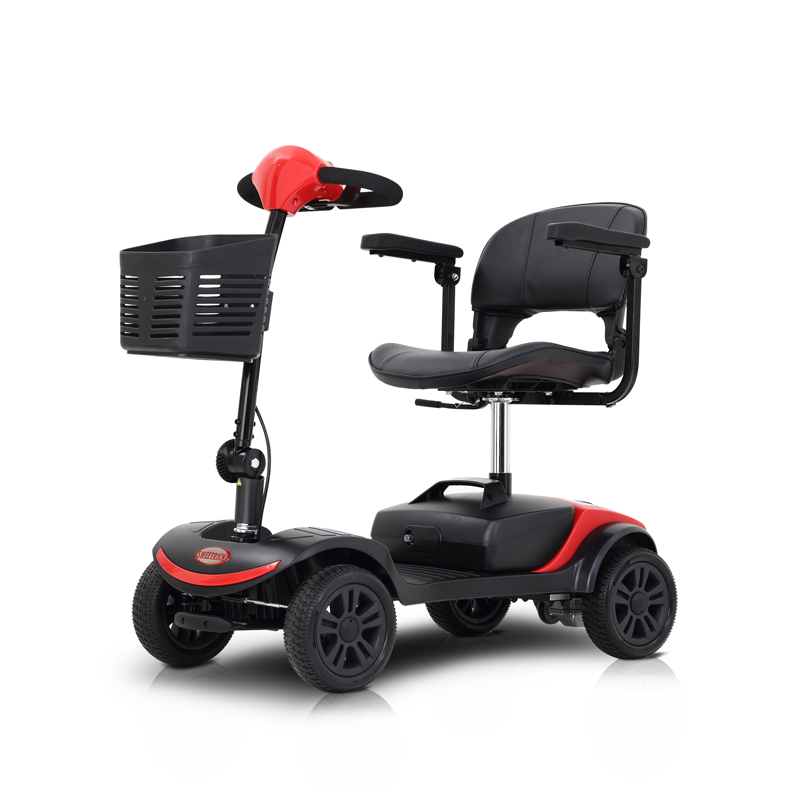
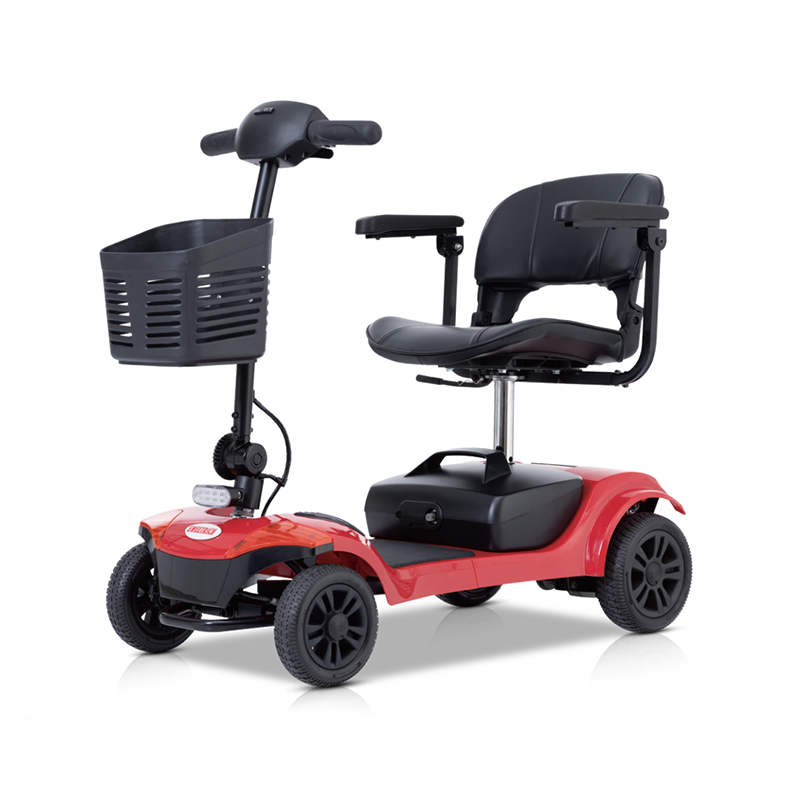
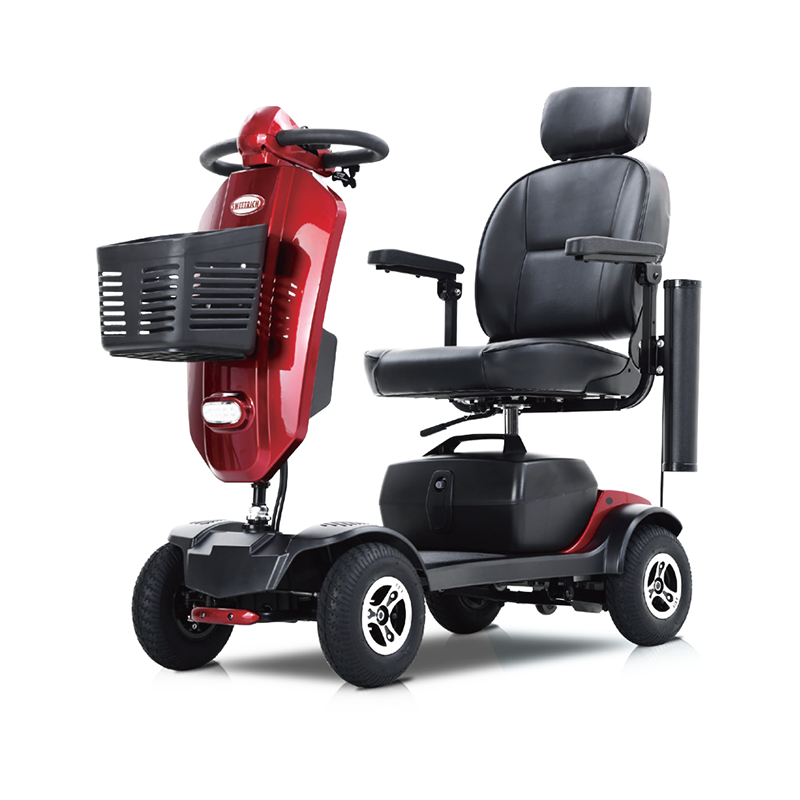
Electric scooters have settled into everyday life for a growing number of riders. They make short trips quicker, cut down on parking hassles, and let people move through neighborhoods without relying on cars. The quiet hum of the motor, the ease of plugging in at home, and the simple push-off start appeal to commuters, students, and anyone looking for an uncomplicated way to get around.Sweetrich Wholesale Portable Scooter offers reliable options in this space, supporting both folding and non-folding designs. Within this category, the choice often narrows to folding or non-folding designs. Folding scooters collapse for carrying and storage; non-folding ones stay rigid for a steadier ride. Each style reflects different priorities in how the scooter is built and used.
Riders pick based on their routines. Someone who takes the train partway to work values a scooter that folds small enough to carry onboard. Another person who rides several miles on local roads prefers the solid feel of a fixed frame. Both types share the same basic parts—an electric motor, battery, throttle, and brakes—but the frame construction changes everything from weight to handling.
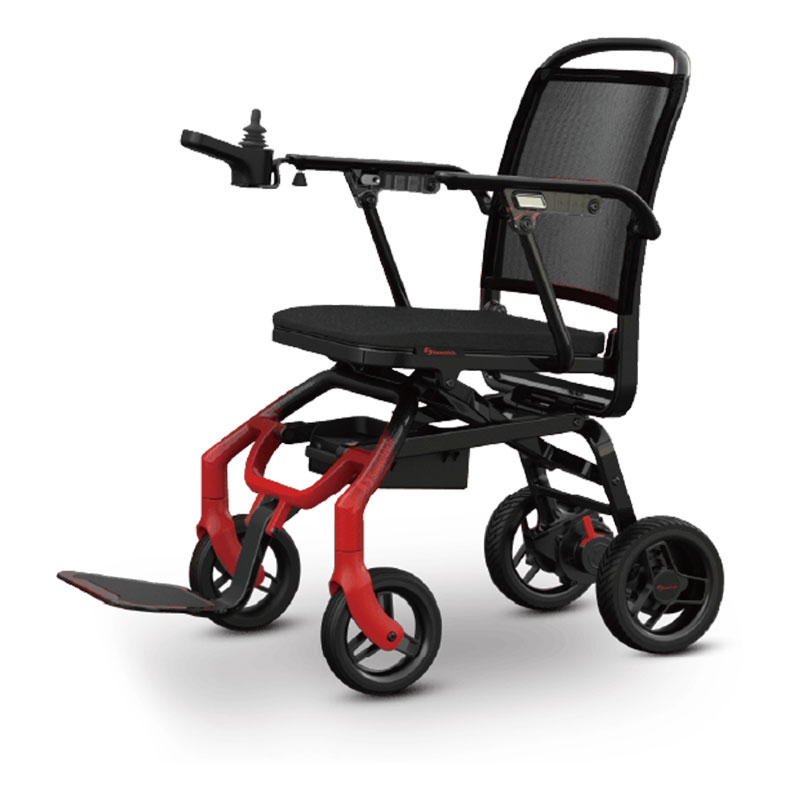
A folding electric scooter has a joint or hinge built into the stem or deck. Pull a lever or release a latch, and the handlebar drops down parallel to the base. Some designs also let the deck bend slightly or the front wheel tuck closer. When locked open, the mechanism holds firm for riding; when closed, the whole unit shrinks to a fraction of its full length.
This setup shines for people who mix scooting with other travel. Ride to the bus stop, fold the scooter, step on board, then unfold at the destination. It fits beside a café table or in a hallway closet. Carrying it upstairs or onto a train becomes doable for many adults. The folded shape often includes a strap or clip so the handlebar and deck stay together while lifted.
The trade-off is added parts. Hinges, pins, and latches take stress every time the scooter opens or closes. Designers reinforce these spots with sturdy materials, but the joint still introduces a point that can wear or collect grit. Riders learn to keep it clean and check the lock regularly. Over time, a small amount of play might appear, though proper care keeps it minimal.
To make folding scooters easy to lift, frames use lighter metals. This choice keeps the total weight reasonable but limits how large the battery or motor can be. The result is a scooter built for convenience and short-to-medium distances rather than all-day range.
The Appeal of a Fixed Frame
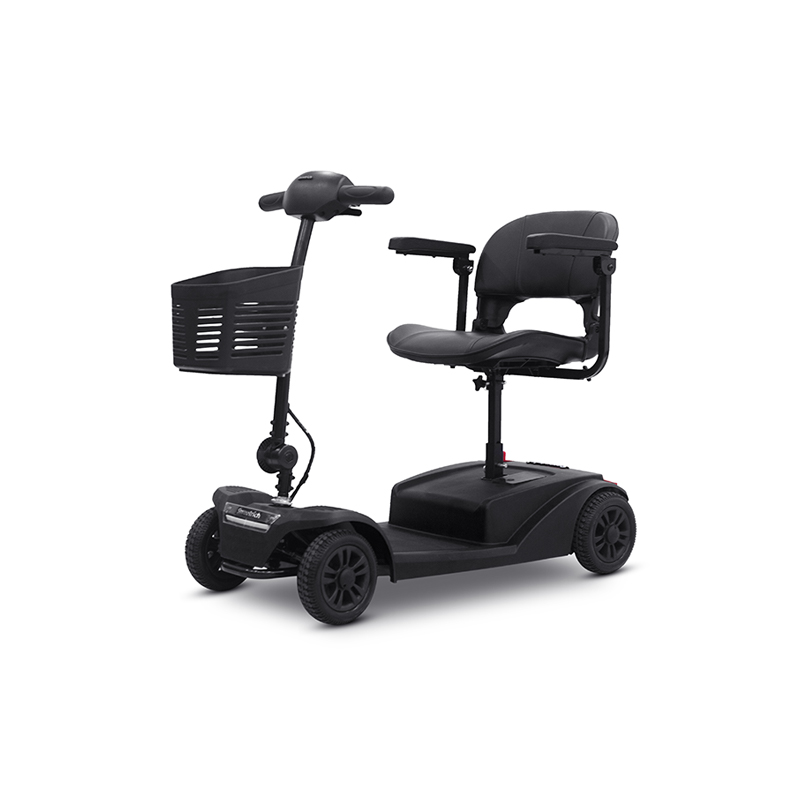
Non-folding electric scooters have a one-piece construction. The stem rises straight from the deck without breaks. No hinges mean no folding, but also no extra moving parts in the main structure.
The solid build gives a direct, connected feel. Power from the motor reaches the wheels without interruption. Riders sense the road clearly and maintain control on turns or quick stops. The frame supports wider bases and larger wheels, adding balance for longer outings. Attachments like baskets or seats bolt on securely.
Storage takes more space. The scooter stands upright in a corner or garage but does not squeeze into tiny gaps. Lifting the full length feels heavier, especially through doorways or up steps. For riders who leave it outside or have a dedicated spot, this rarely becomes an issue.
The unbroken frame allows bigger components. Batteries fit deeper in the deck for extended travel on one charge. Motors can deliver steady pull on hills. These options suit people who ride farther or carry loads without frequent stops.
How the Ride Feels Different
Comfort on the move comes from stability and smoothness. Non-folding scooters usually provide a calmer experience. The rigid structure cuts down on wobble, and room for bigger wheels softens bumps. Riders cover uneven sidewalks or gravel paths with less jolt.
Folding scooters rely on smaller wheels to stay compact when closed. Those wheels transmit more of the road's texture. Air-filled tires or simple springs help, but the ride stays firmer over cracks or potholes. The hinge area can add a faint rattle if not perfectly snug.
Handling follows the same pattern. Non-folding models inspire confidence at moderate speeds or in curves. The lower stance and wider deck keep balance easy. Folding scooters handle well on flat, smooth surfaces but ask for gentler inputs when the path gets rough.
Weather brings out the contrast. Wet conditions make grip important, and a fixed frame offers clearer feedback. Folding scooters perform fine in dry weather but encourage slower paces when rain leaves puddles or slick spots. Brakes on both types stop reliably, yet the overall sensation shapes how far and fast riders feel comfortable going.
| Aspect | Non-Folding Scooters | Folding Scooters |
|---|---|---|
| Stability & Smoothness | Rigid structure reduces wobble; larger wheels absorb bumps better | Smaller wheels transmit more road texture; firmer ride over cracks/potholes |
| Ride Comfort | Calmer experience; less jolt on uneven surfaces (sidewalks, gravel) | Potential faint rattle from hinge; improved by air-filled tires or springs |
| Handling | Confident at moderate speeds and curves; lower stance, wider deck for easy balance | Excellent on flat/smooth surfaces; requires gentler inputs on rough paths |
| Weather Performance | Better grip and feedback in wet conditions; encourages confident riding | Good in dry weather; slower paces recommended in rain/puddles for safety |
| Brakes & Overall Feel | Reliable stopping; supports longer/faster rides comfortably | Reliable stopping; ride sensation limits speed/distance in challenging conditions |
How Long Each Style Lasts
Reliability over months and years depends on wear points. Non-folding scooters have fewer places for looseness to develop. The continuous frame takes daily stress without fatigue at joints. Parts stay bolted tight, and cleaning stays simple—wipe the deck, check the wheels.
Folding scooters need extra care around the hinge. Opening and closing hundreds of times puts load on pins and latches. Grit from roads can work into crevices if not rinsed off. Users who wipe the joint after wet rides and add occasional lubricant keep things smooth longer. Good construction means the mechanism holds up for regular use.
Component placement matters too. Non-folding designs tuck batteries low and protected. Folding models arrange parts to clear the hinge, sometimes leaving them a bit more open to knocks. Covers and guards help, but careful riding extends life.
Fixes reflect the design. Tightening a loose screw on a non-folding scooter is quick. Adjusting or replacing a hinge part on a folding model might take a little more time. Both benefit from routine tire and brake checks to avoid bigger issues.
What They Cost to Buy and Run
Upfront price varies. Folding scooters generally cost more because of the extra engineering in the folding system. Strong hinges, secure latches, and thorough testing add to the build expense.
Non-folding scooters skip that complexity, so the price often comes in lower. The savings make them approachable for riders watching budgets. The money left over can buy accessories or a spare charger.
Running costs stay similar—electricity for charging and occasional parts. Lighter folding models might use a bit less power per mile. Non-folding ones with bigger batteries cover more ground before plugging in. Maintenance leans cheaper for non-folding with fewer moving pieces, though folding scooters remain reasonable with basic attention.
Value depends on use. A folding scooter earns its price for daily carrying. A non-folding one delivers steady service for regular longer rides. Well-kept scooters of either kind hold decent resale.
Where Each Fits Best in Daily Life
Real routines show the strengths. Folding scooters match city living—ride to the subway, fold and board, unfold and finish the trip. They slide under office desks or stand in apartment hallways. Students carry them between classes; workers bring them inside buildings.
Non-folding scooters suit open neighborhoods or suburban errands. The smooth ride handles park paths or trips to local shops. Adding a basket turns them into practical carriers for groceries or gear. Leisure riders enjoy covering distance without interruption.
Some people use both for different days—a folding one for busy commutes, a non-folding for weekend outings. Others find middle-ground designs that fold partially.
Safety habits apply to both. Lights, bells, and brakes come standard. The ride feel influences how riders share roads with cars and pedestrians.
Thinking About the Bigger Picture
Both styles help cut down on car use for short trips. Folding scooters pair well with buses and trains, shrinking overall travel impact. Non-folding ones replace longer drives, saving fuel.
Build materials affect the footprint. Light alloys in folding frames reduce energy needed to move. Recycled content shows up more often. Battery programs handle end-of-life recycling.
Simple upkeep—clean hinges or check tires—keeps scooters running longer and cuts waste.
| Aspect | Folding Scooters | Non-Folding Scooters | General Benefits |
|---|---|---|---|
| Trip Type Reduction | Ideal for short trips + public transport integration | Replaces longer car drives | Reduces overall car use and fuel consumption |
| Materials & Weight | Lightweight alloys reduce energy to move | Varies, often heavier | Increasing use of recycled content |
| End-of-Life | Battery recycling programs | Battery recycling programs | Proper disposal reduces environmental impact |
| Maintenance & Longevity | Simple upkeep (e.g., clean hinges, check tires) extends lifespan | Simple tire checks and basic maintenance | Reduces waste by prolonging scooter life |
What Might Come Next
Designers keep improving each type. Folding systems get smoother and tougher with better alloys. Non-folding frames add modular sections for easy part swaps.
Battery progress helps both—smaller, denser packs fit folding limits while stretching non-folding distance. App features for diagnostics or route tips appear across models.
Ideas blend the two: partial folding for easier storage without full hinges. Better cushioning smooths compact rides.
The goal stays balancing daily convenience with reliable performance.
Why choose Sweetrich as your portable scooter brand
In the evolving world of electric scooters, where portability, reliability, and everyday practicality shape rider satisfaction, choosing a dependable manufacturer plays a key role in the overall experience.
Sweetrich emerges as a solid option for many buyers and distributors due to its focused approach to balancing design trade-offs in both folding and non-folding models. The company emphasizes sturdy construction, thoughtful weight distribution, and user-friendly features that enhance stability without sacrificing convenience, resulting in scooters that handle daily commutes, urban navigation, and leisure rides with confidence. Sweetrich also provides versatile options for customization, efficient supply chain support, and a commitment to durable materials and sustainable practices that maintain performance over time.