 info@sweetrich.cn
  +86-(0)512-82283871
Content
- 1 What Does Ergonomic Design Mean in a Travel Scooter
- 2 How Does Seat Position Affect Everyday Comfort
- 3 Why Does Easy Entry Matter for Older Riders
- 4 How Should Controls Fit the User
- 5 What Role Does Visibility Play in Human Centered Design
- 6 Why Do Foot Space And Leg Clearance Matter
- 7 How Can Folding Design Support Easier Handling
- 8 Why Can Human Centered Design Reduce Unnecessary Actions
- 9 Which Features Should Manufacturers Evaluate Together
Travel can place mobility equipment in situations that are different from everyday trips around the home or neighborhood. A rider may need to sit down after walking through a station, adjust position before moving again, or operate the controls while surrounded by luggage and other people. Small design details can become noticeable when the same actions are repeated during a journey.
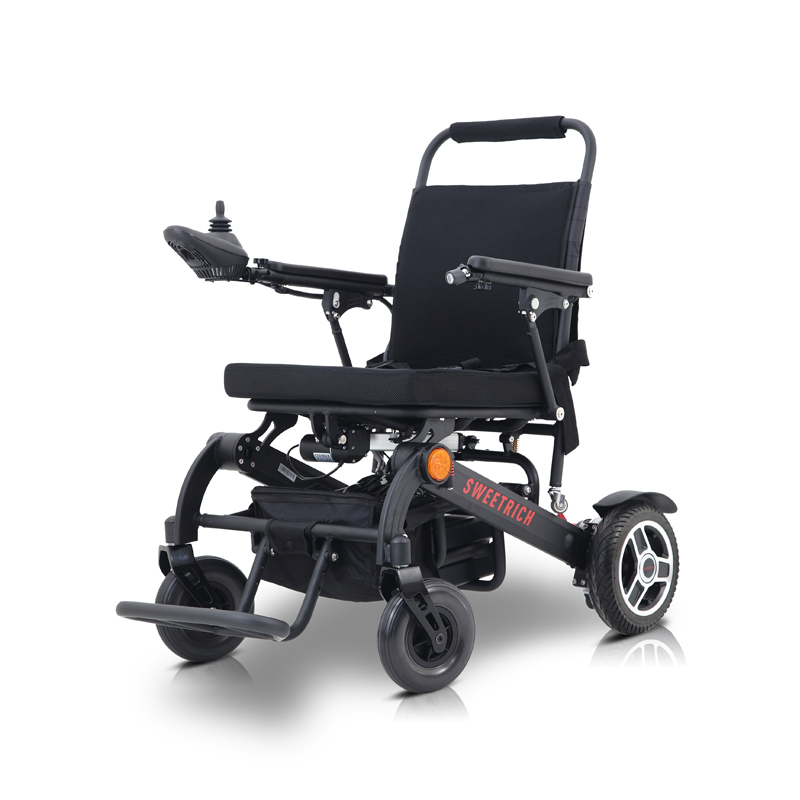
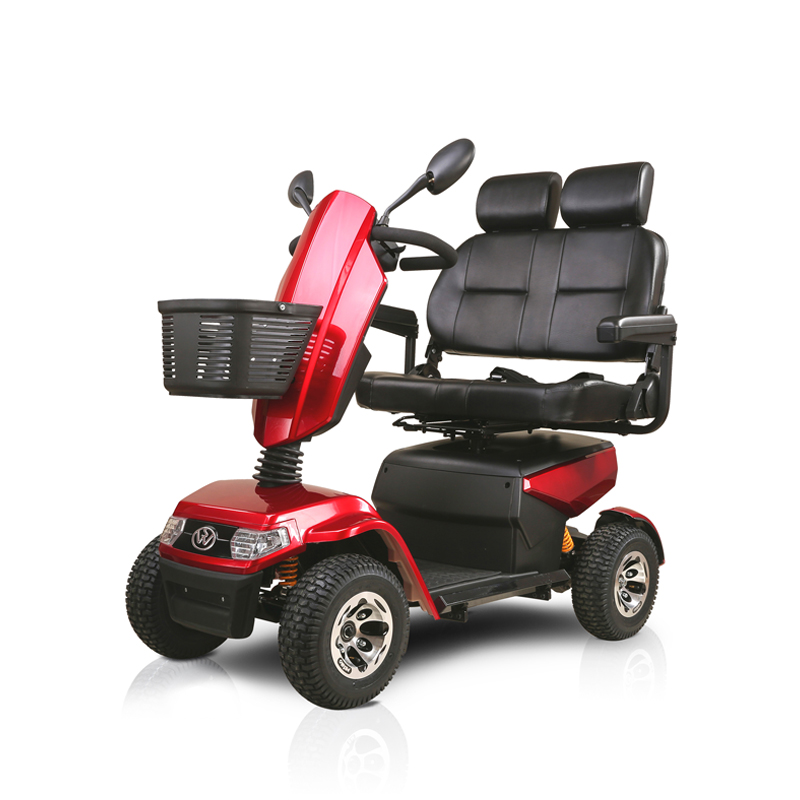
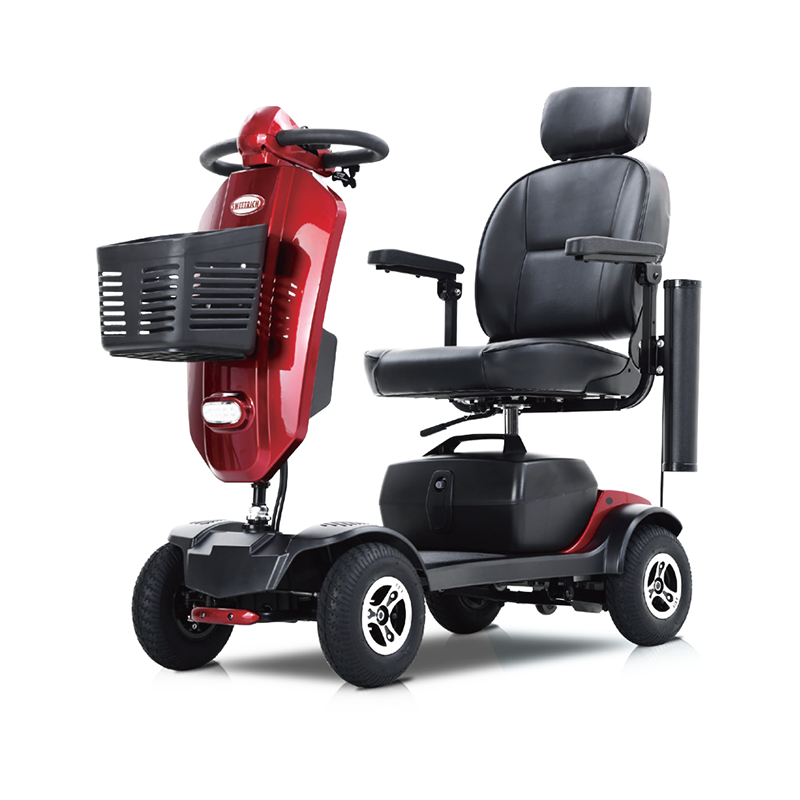
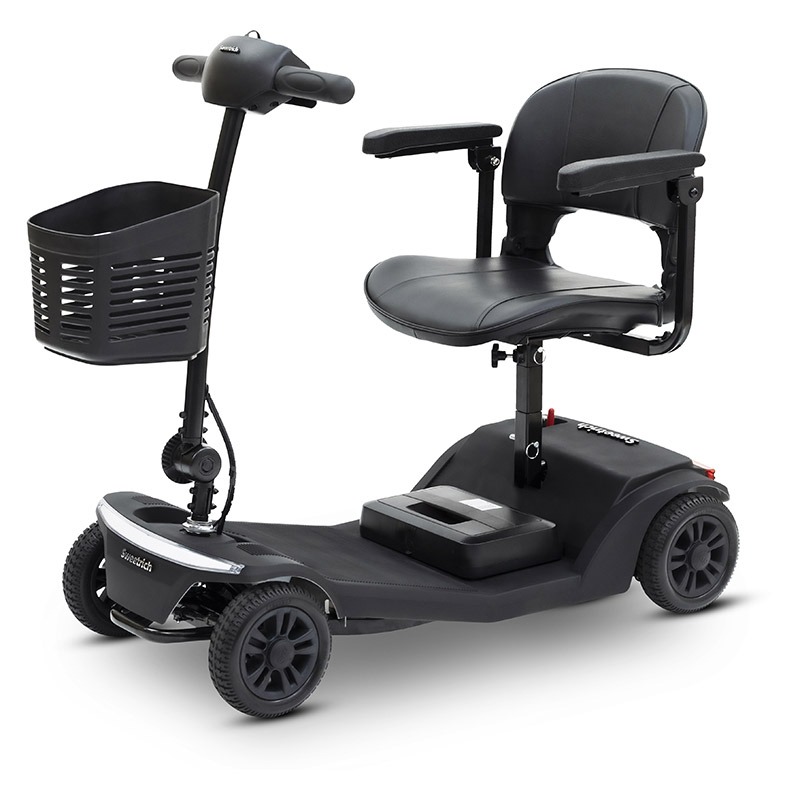
For a Travel Scooter for Seniors, ergonomic design is closely related to how naturally a person can interact with the vehicle. Seat height, handle position, foot space, control layout, and entry space all influence movement. A compact body may be useful for travel, yet a smaller structure should still leave enough room for normal body movement.
Human-centered design starts with the rider rather than the frame. Instead of asking only how a component can fit into a smaller structure, designers can consider how a person's hands, legs, back, and feet move before, during, and after each action. Such thinking can make everyday operation feel less demanding without adding unnecessary features.
What Does Ergonomic Design Mean in a Travel Scooter
Ergonomic design is sometimes associated only with a comfortable seat. In practice, comfort comes from the relationship between several parts. A rider needs to reach the controls without stretching too far, place the feet naturally, enter and leave the seat without awkward movement, and maintain a reasonable sitting position while traveling.
Travel creates another layer of demand. A scooter may be used for a short ride, parked, folded, opened again, and used shortly afterward. Each change requires interaction with the structure. A handle that is easy to reach, a seat that allows simple entry, or a folding point placed within a natural hand position can make such transitions easier.
Body movement provides useful guidance during design. Reaching forward moves the shoulder and arm, while turning the body changes the position of the hips and legs. Bending down requires another kind of movement altogether. A design that repeatedly asks for unnecessary bending or stretching can become tiring during a long day of travel.
Several areas deserve attention together:
- Seat position and entry height
- Distance between the rider and controls
- Foot placement and leg clearance
- Handle and grip position
- Visibility of basic operating information
- Access to folding points
None of the features needs to work alone. Their relationship determines how naturally the scooter fits the rider.
How Does Seat Position Affect Everyday Comfort
Seat position has a direct effect on how a rider enters, sits, moves, and leaves. A seat that sits too low can make standing up harder for some users, while a position that is too high may require greater effort when placing the feet on the ground.
Seat depth matters as well. A deep seat can provide more support, though excessive depth may prevent shorter users from placing their backs comfortably against the seat. A shallower position may leave more leg movement, yet insufficient support can affect posture.
Backrest angle also changes the sitting experience. A rider who sits upright needs a different support position from someone who prefers a more relaxed posture. Adjustable elements can offer useful flexibility, although adjustment should remain simple enough for everyday use.
Seat placement also needs to match the control area. When controls sit too far away, the rider may lean forward to reach them. When controls are positioned too close, the arms may remain in an unnatural position. A suitable distance allows the hands to rest near the controls while keeping the shoulders relatively relaxed.
Seat design can therefore be viewed as part of a larger operating area rather than an isolated comfort feature. Cushioning, height, back support, leg position, and control reach all influence one another.
Why Does Easy Entry Matter for Older Riders
Getting onto a scooter can involve more movement than the ride itself. A rider approaches from the side, turns toward the seat, places the feet, lowers the body, and settles into position. Each step becomes easier when the surrounding structure leaves enough room for natural movement.
A clear entry area can help reduce unnecessary turning. Seat edges, arm supports, and foot platforms should not create obstacles around the point where a rider needs to sit down. A person should be able to approach the seat without having to work around several parts at once.
Arm supports can affect entry as well. Fixed structures may provide useful support during riding, yet their position can make side entry less convenient. Designers therefore need to consider when an arm support should remain in place and when it should move out of the way.
Foot placement deserves equal attention. Once seated, the rider needs enough room to bring both feet into a natural position. Crowded foot space can force the knees upward or make the legs turn inward, changing the overall sitting posture.
A practical entry area usually considers:
| Area | Design Question |
|---|---|
| Seat edge | Can the rider approach without obstruction? |
| Arm support | Does its position leave enough entry space? |
| Foot area | Can the feet settle naturally after sitting? |
| Seat height | Is standing and sitting reasonably manageable? |
| Nearby controls | Can the rider enter without catching or pressing them? |
Looking at the complete entry movement can reveal problems that may not be visible when each component is inspected separately.
How Should Controls Fit the User
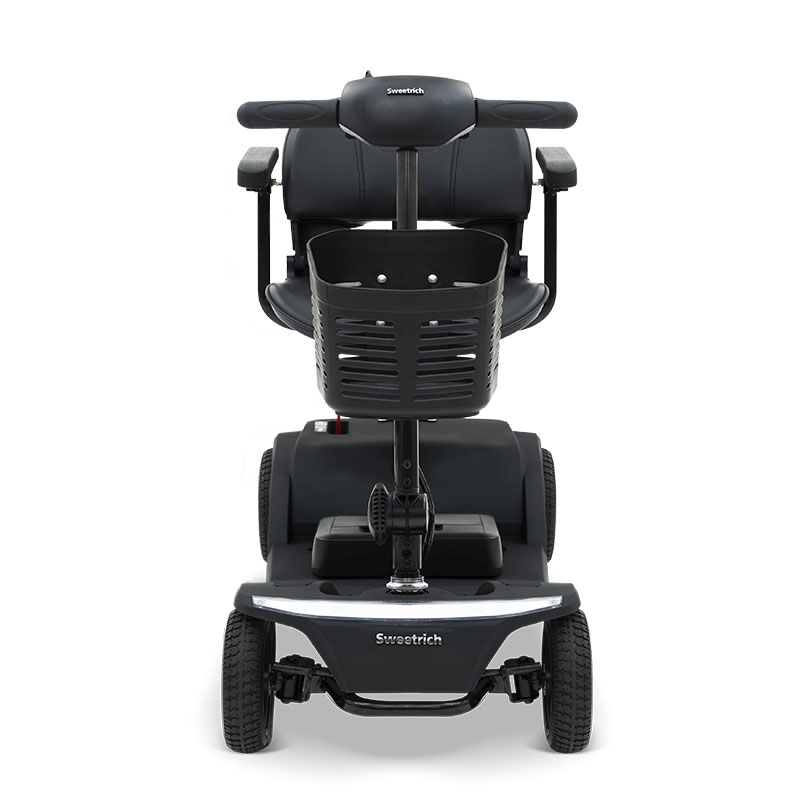
Control placement is closely connected with arm movement. A rider should not need to reach far forward simply to make a normal adjustment. Excessive reach can change shoulder position and cause the upper body to lean away from a comfortable sitting posture.
Grip shape also matters. Hands naturally change position during longer periods of use, so a rigid or poorly positioned grip can become uncomfortable. A useful handle arrangement gives the rider a stable place to hold without requiring excessive wrist movement.
Control layout should remain easy to recognize. Frequently used functions need to be distinguishable from less common controls, especially when the rider is dealing with unfamiliar surroundings during travel. Clear spacing can help prevent accidental contact between nearby controls.
A Travel Scooter for Seniors can benefit from controls positioned according to natural hand movement rather than simply being placed wherever the frame provides available space. Designers can consider where the hands rest in a relaxed sitting position, then position commonly used controls within a comfortable reach.
What Role Does Visibility Play in Human Centered Design
Good operation depends partly on what a rider can see. Important information should be positioned where it can be viewed without forcing the head and upper body into an uncomfortable angle.
Visibility becomes relevant when lighting, surrounding movement, or travel conditions change. A display that is difficult to read may require repeated head movement, while unclear symbols can make a rider pause to identify the correct control.
Simple visual organization can reduce unnecessary searching. Controls with clear shapes, readable markings, and sensible spacing are easier to distinguish during ordinary use.
Human-centered design is therefore not limited to physical comfort. It also concerns how easily a person can recognize what to touch, where to place the hands, and what each control does. A scooter that communicates clearly through its physical layout can make routine operation feel more natural.
Why Do Foot Space And Leg Clearance Matter
Foot space can be easy to overlook when a scooter is designed around a compact body. Once a rider sits down, however, available room around the feet and knees affects how naturally the body can settle.
A narrow foot area may cause the feet to turn inward or force the knees into an uncomfortable position. Too much unused space can make the vehicle larger without providing a clear benefit. Finding a sensible balance requires looking at how the rider actually sits rather than judging the floor area by appearance alone.
Leg clearance also needs to work with the front structure. Wheels, steering parts, and other components occupy space around the lower body, so their position can affect how easily a rider changes foot position. During a longer outing, being able to move the feet slightly can make the sitting experience feel less restricted.
Seat position and foot placement are closely connected. Moving the seat forward changes knee space, while moving it backward can affect reach to the controls. A small change in one area may therefore influence several parts of the riding position.
For a travel scooter, compact construction should leave enough usable space around the rider. A smaller folded form has little value during normal riding when the seated position feels cramped or forces unnecessary body movement.
How Can Folding Design Support Easier Handling
Folding is usually discussed as a storage feature, though it also involves human movement. A rider or caregiver may need to reach a release point, move part of the frame, lower a seat, or secure the folded structure. Each action should suit a natural hand position.
A folding point placed too low may require repeated bending. A release mechanism positioned behind the frame can make the user twist the body to reach it. Such details may seem minor during product development, yet they become noticeable when the folding process is performed regularly.
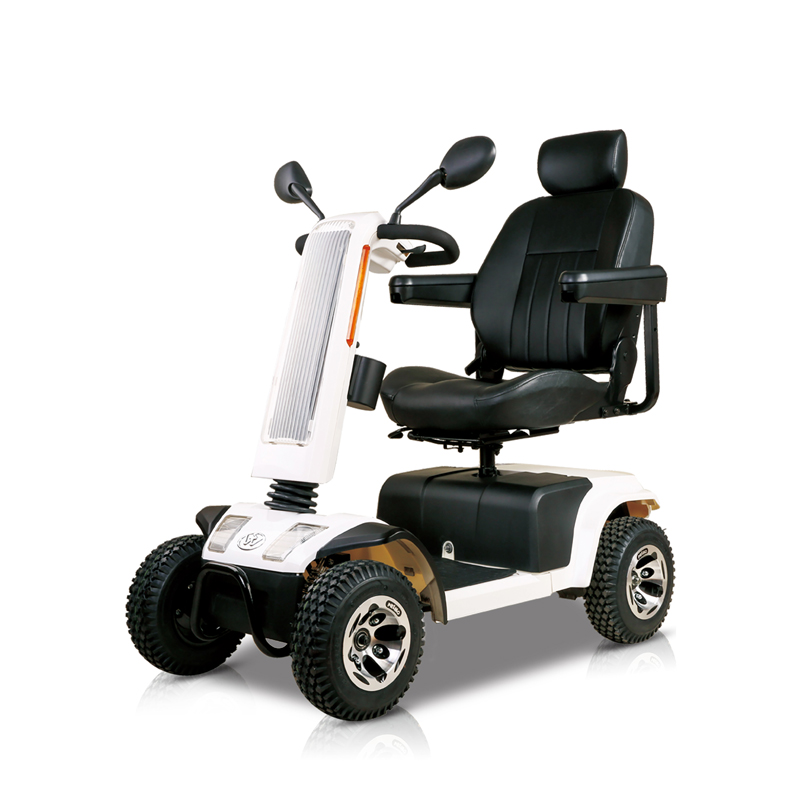
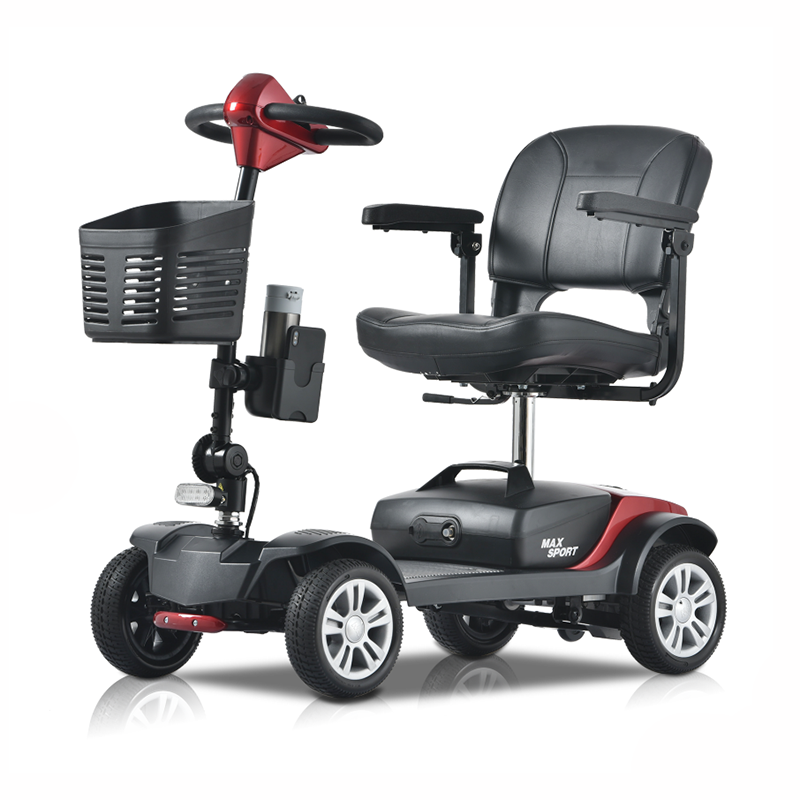
A Foldable 4 Wheel Scooter designs need to consider how the rider interacts with the frame before and after folding. Four wheels create a stable riding base, while the folding structure needs to move through a controlled path. Handles, release points, and moving sections should remain accessible without forcing the user into awkward positions.
A sensible folding process can follow a simple sequence:
- Reach a clearly positioned release area
- Move the intended section without excessive force
- Allow the seat and frame to follow their planned path
- Secure the folded structure
- Leave commonly handled parts easy to access
Folding should not require the user to fight against the frame. A smooth movement path and clear hand positions can make the process easier to understand.
Why Can Human Centered Design Reduce Unnecessary Actions
Good ergonomic design often becomes visible through the actions it removes. A rider should not need to bend down several times to make ordinary adjustments, nor should a person have to move one part repeatedly before another component can be reached.
Reducing unnecessary actions does not mean removing every manual control. Some actions are necessary for safe and controlled operation. The goal is to make required movements clear and place them where the body can perform them naturally.
For example, a control that sits within easy reach can prevent repeated leaning. A seat that allows straightforward entry can reduce extra turning. A folding point near a comfortable hand position can avoid unnecessary bending.
Small improvements can work together. A seat, foot platform, handle, and control panel may each seem acceptable when inspected alone. Once combined, their positions determine whether the rider needs to stretch, twist, or reposition the body during ordinary use.
Human-centered design therefore benefits from observing the complete movement rather than checking individual components in isolation.
Which Features Should Manufacturers Evaluate Together
Manufacturers can gain a clearer picture by examining several parts as one user area. Seat height should be considered alongside entry space, while seat position needs to match control reach and leg clearance.
Folding design belongs in the same discussion for travel-oriented equipment. A structure may work comfortably during riding and still require an awkward movement when being folded. Reviewing both states helps reveal whether the design remains practical throughout a journey.
A useful evaluation can follow the rider's normal sequence:
- Approach the scooter
- Enter the seat
- Place the feet
- Reach the controls
- Adjust position when needed
- Leave the seat
- Prepare the frame for folding
Watching each step can reveal where unnecessary reaching, bending, turning, or repositioning occurs.
A Travel Scooter for Seniors design can benefit from such a user‑focused approach. The purpose is not to add features for their own sake, nor is it simply to make the frame smaller. A thoughtful layout gives the rider a clearer relationship with the seat, controls, foot area, and folding structure.
Ergonomic design works quietly when the parts are positioned well. A rider can sit without excessive adjustment, reach the controls without stretching, place the feet without crowding, and prepare the scooter for storage without a complicated series of movements.
For manufacturers, such details provide useful direction during product development. Looking at the human movement can help guide decisions about frame proportions, seat placement, control location, and folding access. A Foldable 4 Wheel Scooter can remain compact for travel while still giving the rider enough room to interact with the structure in a natural way.
The broader design idea is simple: equipment should fit the way people move. When everyday actions require fewer awkward adjustments, travel becomes easier to manage without relying on unnecessary features or complicated operation.