 info@sweetrich.cn
 +86-(0)512-82283871

Content
- 1 A compact design makes navigation easier
- 2 Dimensions that actually fit doorways and corridors
- 3 Stable handling on indoor flooring
- 4 Adjustable speed and responsive braking
- 5 Comfortable seating and controls that make sense
- 6 Battery performance and practical storage
- 7 How to choose the right three-wheel mobility scooter for indoors
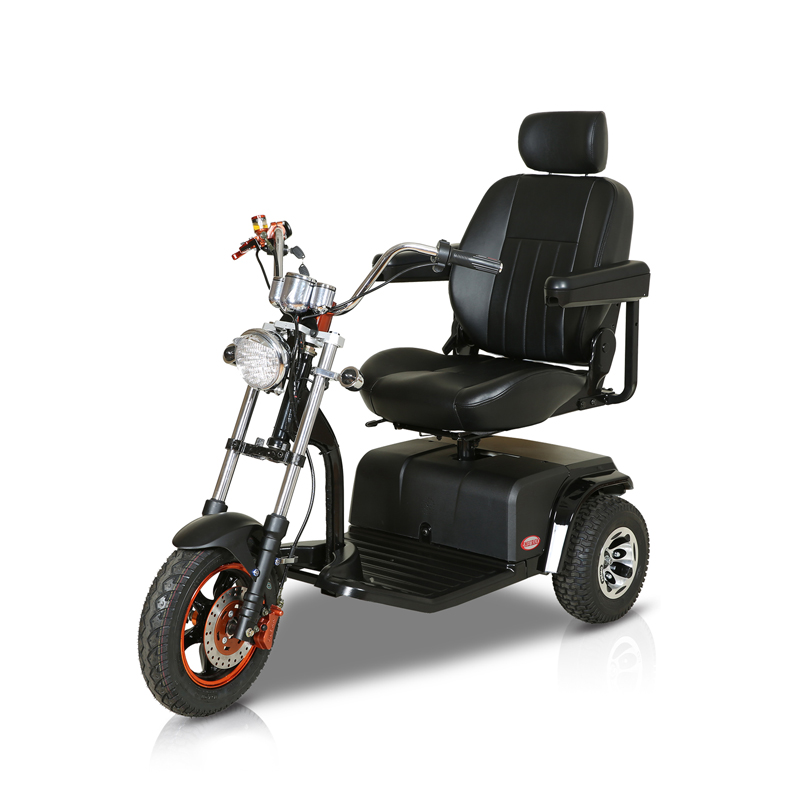
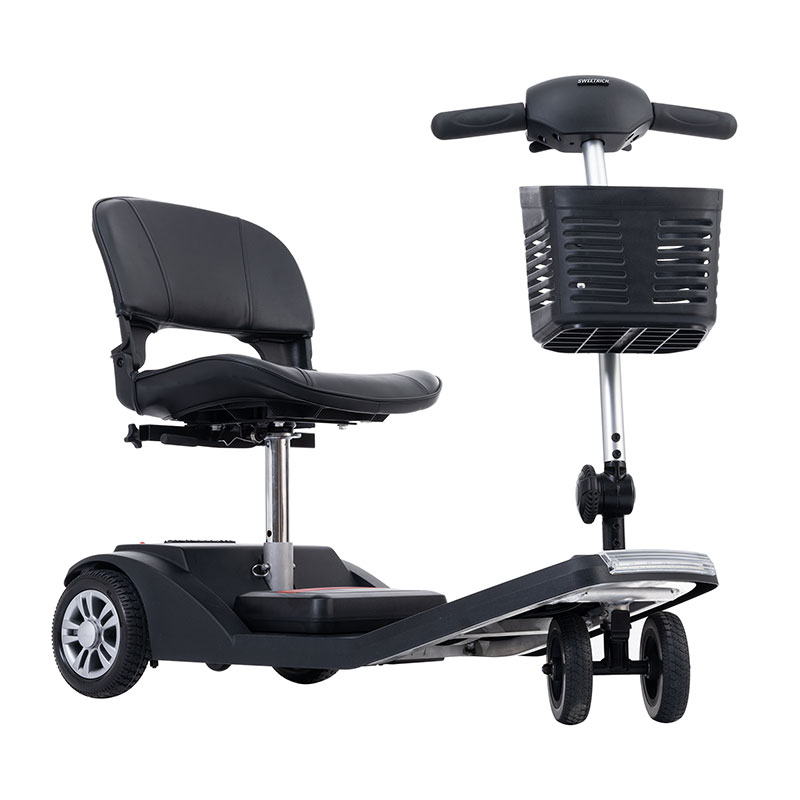
Picking a mobility scooter for indoors means weighing maneuverability, size, safety, and how comfortable you'll be day to day. A three-wheel mobility scooter often works well in homes, apartments, shopping malls, and other indoor spots because that single front wheel can swing through a tighter turn than some four-wheel rivals.
That said, not every three-wheel scooter is cut out for tight spaces. Doorway widths, how your corridors are laid out, the floors you roll over, and what the user actually needs all decide whether a given model is going to work safely inside. Once you understand those factors, it's easier to land on a scooter that lets someone move around on their own without giving up stability or comfort.
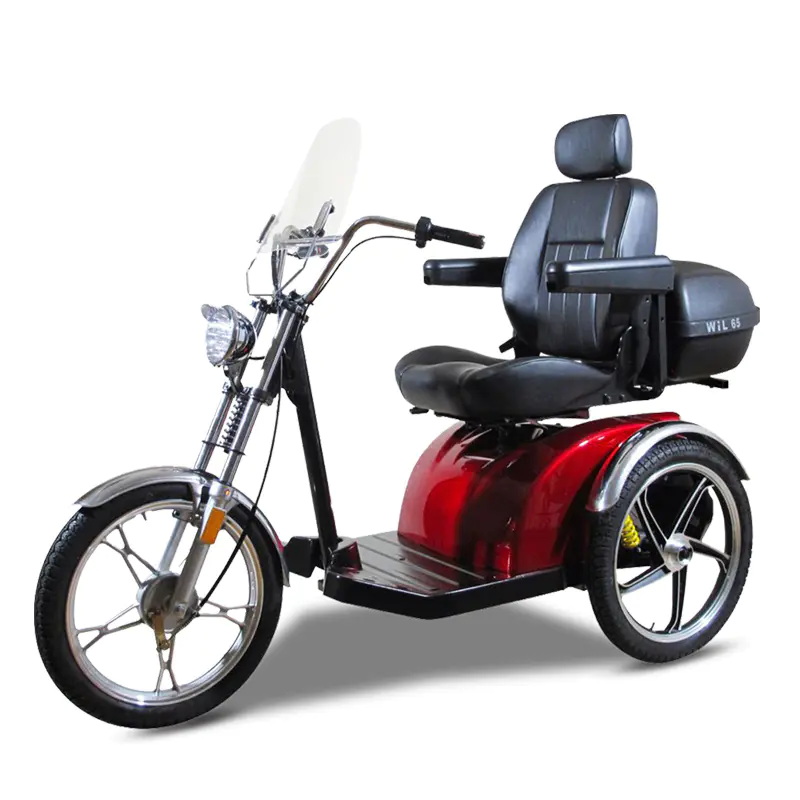
One of the selling points of a three-wheel mobility scooter is how it handles. With just one wheel up front, plenty of models can pivot through spaces that'd give a bulkier unit pause, which makes it easier to thread between furniture, slip down narrow hallways, and weave through crowded indoor areas.
That comes in handy if you're in an apartment or a home where floor space is at a premium. It also helps when you're working your way down store aisles or ducking around indoor obstacles.
But here's the catch: three wheels don't automatically mean a tiny turning circle. Overall length, how the handlebar's set up, the steering geometry, and the wheelbase all play a part. Look at the manufacturer's specs, and if you can, try the scooter out somewhere that feels like your place.
Dimensions that actually fit doorways and corridors
A scooter has to physically fit through the spaces you'll use it in. Even a nimble model is useless if it's too wide for your doors or can't turn around once it's inside a room.
Before you decide, measure the narrowest doorway, hallway, and entry point along your route. Don't forget elevator doors, bathroom access, and how much room you need to pull up to a table or chair.
| Indoor requirement | What to check | Why it matters |
|---|---|---|
| Doorway access | Scooter width vs. clear opening width | Keeps you from getting stuck or scraping the frame |
| Corridor navigation | Overall length and turning radius | Decides how easily it can change direction |
| Furniture clearance | Steering sweep and front-end size | Helps you get around chairs, tables, and other clutter |
| Elevator access | Door size and cabin room | Makes sure you can get in, turn if needed, and get out |
| Storage | Overall dimensions and turning bits | Makes parking easier in tight living spaces |
Leave yourself extra clearance wherever you can. You need room to steer, reposition, and avoid brushing walls or furniture.
Stable handling on indoor flooring
Indoor surfaces tend to be pretty smooth—hardwood, tile, laminate, low-pile carpet. A three-wheel scooter handles these fine when the tires, suspension, and ground clearance match the job.
Still, stability deserves a hard look. Three-wheel rigs generally have less side-to-side stability than four-wheel setups, especially when you whip a sharp turn or roll across uneven ground. Slow down when turning, and don't saw at the steering.
Carpet edges, door thresholds, loose rugs, cables, and floor transitions all throw off handling too. Roll up loose mats from your regular route where you can, and check any changes in floor level against what the scooter can handle.
If you're dealing with wonky thresholds a lot or want more stability, a four-wheel scooter may be the better call. The decision should take into account the user's balance, steering ability, and where they'll actually be riding.
Adjustable speed and responsive braking
Driving indoors means controlling your speed precisely. A scooter that zips along makes it tough to thread tight corners or stop short near other people.
When you're kicking the tires, look for adjustable speed settings that let you crawl along in tight spots. Smooth acceleration and brakes that behave predictably matter too, whether you're crossing a room, going down a hall, or sharing space with others.
Electromagnetic brakes are common on powered scooters, but check how this specific model stops. Some scooters act differently on slopes or if the power cuts out.
Practice starting, stopping, reversing, and turning in an open area before you tackle narrow indoor spaces. Keep space from others and skip sharp turns at speed—that cuts down on collisions and tipping.
Comfortable seating and controls that make sense
Indoor use means lots of short trips, starts, and stops through the day. Seat comfort, how the steering feels, and whether you can actually reach the controls all shape the experience.
Things that matter: a seat that fits, a backrest that supports you, armrests you can adjust where they're offered, and handlebars you can reach without stretching. The tiller should move with the hand strength and coordination the user has.
Control layouts vary from model to model. Check whether the throttle, speed dial, horn, and the rest are easy to grasp and use.
A comfortable scooter also has to let you sit down and stand up safely. Think about seat height, foot platform room, and whether the armrests or seat adjust to fit.
Folks with limited hand function, vision issues, balance problems, or other specific needs may want to talk to an occupational therapist or a qualified mobility specialist before pulling the trigger.
Battery performance and practical storage
Indoor runs might be short, but you still need a battery you can count on day to day. Compare the manufacturer's stated range with what you actually plan to do, and remember real range shifts with rider weight, terrain, battery condition, temperature, and how you drive.
A removable battery or a compact design makes storage and charging easier, depending on the model. Just remove the battery the way the instructions say.
Charge it somewhere with decent ventilation and a compatible outlet. Keep batteries and chargers away from moisture, and follow the charging and storage steps the manual spells out.
If you're in an apartment, also check that you can park the scooter without blocking hallways, fire exits, or other shared routes.
How to choose the right three-wheel mobility scooter for indoors
What works comes down to the user's needs and the actual layout of the space. Before you buy, line up the scooter's width, length, turning radius, top speed, braking, weight capacity, and expected battery range.
If at all possible, try it out in a real indoor setting. Practice going through doorways, turning around furniture, stopping near obstacles, and pulling up to a chair. Make sure the user feels in control and has enough clearance.
When the dimensions and handling fit the space, a three-wheel mobility scooter can be a solid pick for getting around indoors. Choose the right model, give the user a bit of training, and pay attention to the floors, and it'll make moving through the home and other accessible indoor spaces a lot easier.