 info@sweetrich.cn
 +86-(0)512-82283871

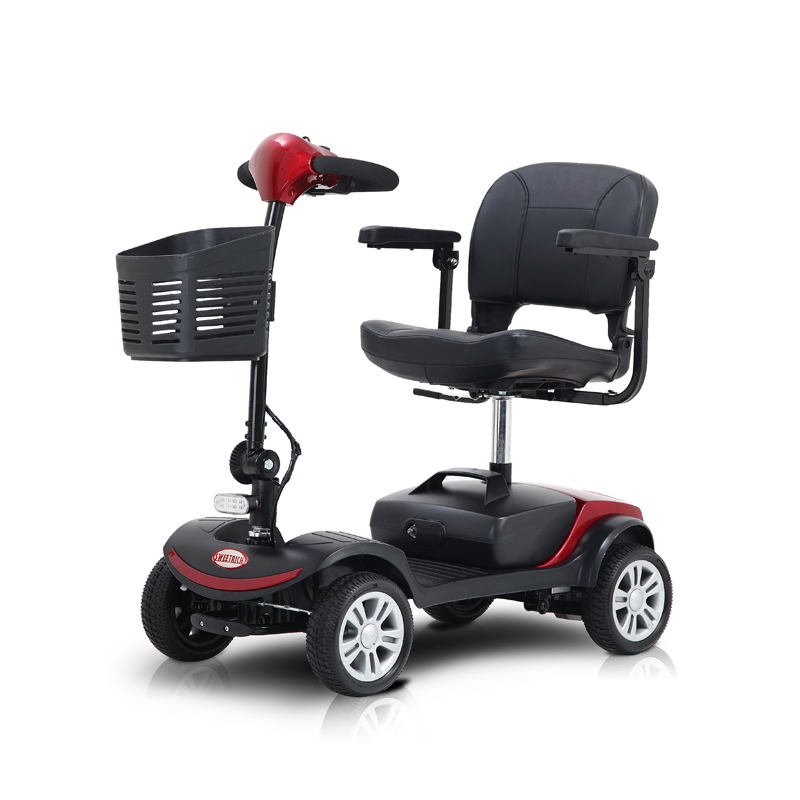
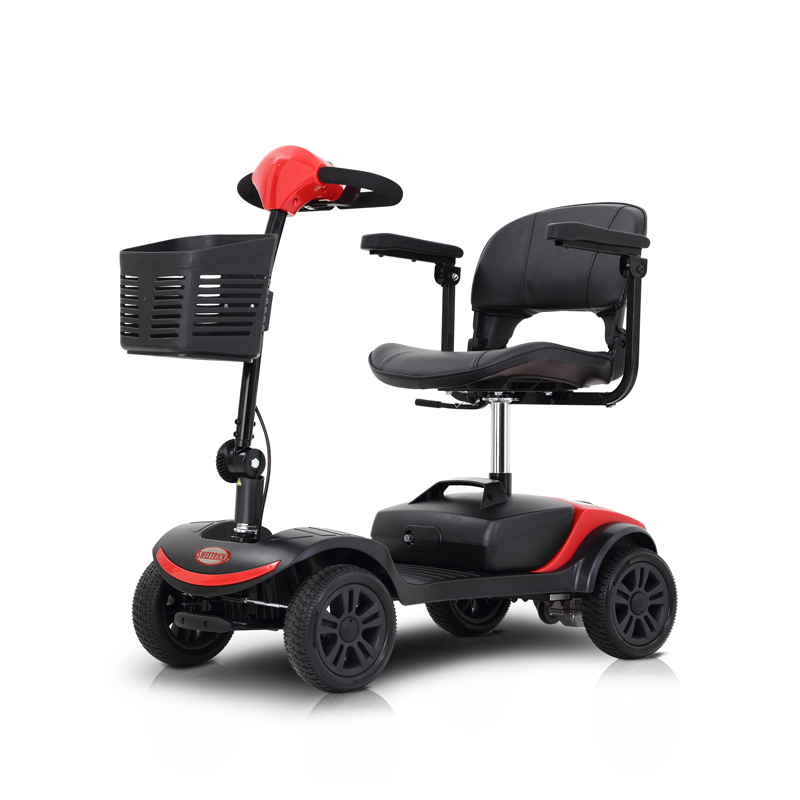
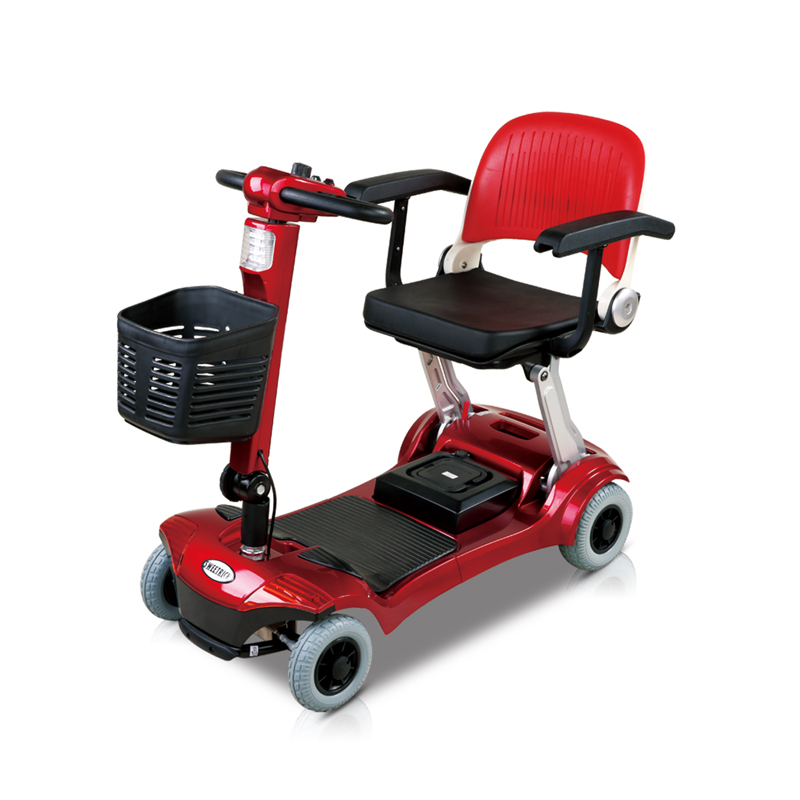
Indoor retail stores, hospitals, rehab centers, other healthcare facilities—they all need mobility solutions that let users move through tight spaces without frustration. A three-wheel mobility scooter often comes up in these conversations because its front-wheel setup can deliver a tighter turning radius and better maneuverability in the right layout.
But indoor suitability goes well beyond wheel configuration. Overall dimensions, turning performance, braking systems, seat design, speed control, floor conditions—all of it shapes how well a scooter actually works in a busy commercial or healthcare setting. Facility managers, distributors, buyers should weigh these factors before deciding whether a Three-Wheel Mobility Scooter fits their operation.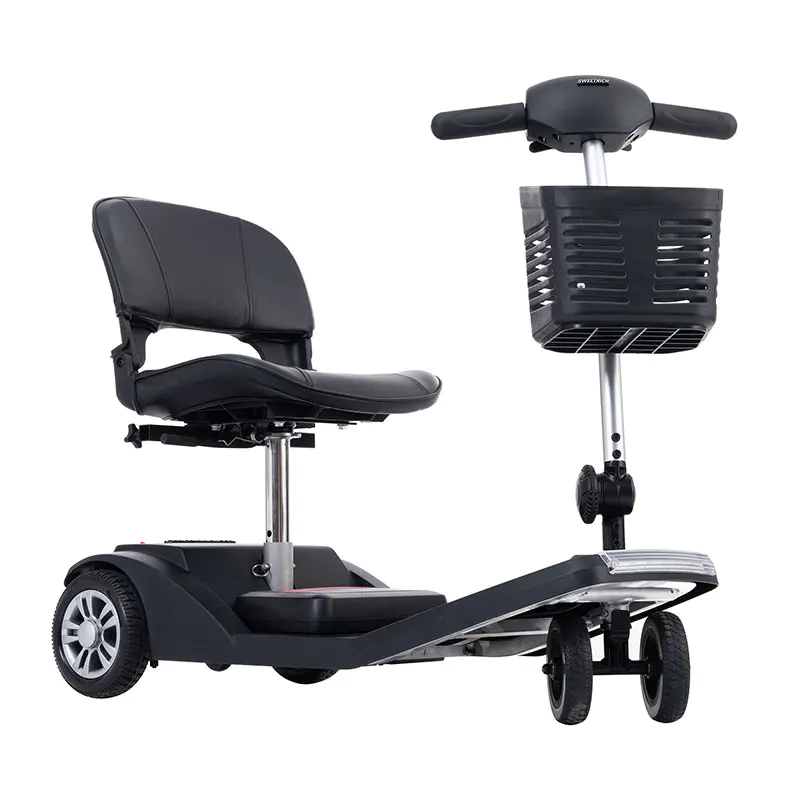
Compact Design Supports Movement Through Narrow Indoor Spaces
The main selling point of three-wheel scooters is maneuverability. Many models use a single front wheel, which allows a relatively compact steering arrangement. Navigation gets easier in retail aisles, corridors, waiting areas, spaces with limited clearance.
For indoor use, buyers should evaluate:
- Overall vehicle width and length.
- Turning radius and steering response.
- Ground clearance and wheelbase.
- Handlebar or tiller adjustment.
- Clearance around shelves, doors, furniture.
A compact frame helps in crowded environments, but the actual turning radius varies by model. Facility managers should measure important routes and test representative scooters in the intended space before placing bulk orders. What works in a showroom may not work in a cramped aisle.
Maneuverability Helps Users Navigate Retail Environments
Retail environments are packed with narrow aisles, display stands, checkout counters, constantly shifting pedestrian traffic. A scooter with responsive steering and a suitable turning radius helps users move through these areas with less hassle.
Three-wheel configurations offer advantages when making tight turns, especially in stores with carefully planned layouts. Steering stability and turning technique still matter, though. Sharp turns at higher speeds increase the risk of instability, particularly with a heavier load or uneven flooring.
Manufacturers can improve indoor usability through controlled acceleration, adjustable speed settings, responsive steering, suitable tire selection. Retail operators should maintain sufficient aisle width and turning clearance for mobility devices.
Healthcare Facilities Require Stability and Predictable Operation
Hospitals and rehab facilities have different requirements from retail stores. Corridors may be wider, but they're also filled with medical equipment, patient beds, service carts, frequent pedestrian movement.
Predictable braking and low-speed control become especially important. A scooter should let users approach reception desks, waiting areas, treatment departments without abrupt acceleration or difficult steering.
Three-wheel models suit certain users who can operate controls safely and maintain appropriate balance. Some users benefit more from the additional stability of a four-wheel configuration. Healthcare providers should consider individual mobility assessments, transfer ability, posture, coordination, intended route before recommending a particular design.
Compare Three-Wheel and Four-Wheel Scooters for Indoor Use
| Evaluation factor | Three-wheel scooter | Four-wheel scooter |
|---|---|---|
| Turning maneuverability | Often offers a tighter turning radius | Generally requires more turning space |
| Indoor navigation | Suitable for many compact layouts | Suitable for wider corridors and open areas |
| Stability characteristics | Requires attention during sharp turns | Typically offers a wider support base |
| Frame configuration | Often has a compact front steering arrangement | Uses two front and two rear wheels |
| User suitability | Depends on balance and operating ability | May suit users prioritizing additional stability |
These are general tendencies. Actual performance depends on wheelbase, steering geometry, tire dimensions, suspension, speed, overall chassis construction.
Low-Speed Controls and Braking Improve Indoor Safety
Indoor scooters operate near pedestrians and obstacles constantly. Smooth acceleration and reliable braking aren't optional.
Modern models may include adjustable speed controls, electromagnetic braking, responsive throttle systems. Lower speed settings help users navigate crowded spaces; predictable braking supports controlled stops near doors, counters, waiting areas.
Other useful safety features:
- Front and rear lighting where appropriate.
- Audible warning signals.
- Stable tiller and handlebar controls.
- Anti-tip components where specified.
- Clear battery and system status indicators.
Manufacturers should test braking response and stability under specified loading conditions. Buyers should review operating slopes and recommended surface conditions. Electronic safety features can't compensate for unsuitable driving behavior or inadequate facility access.
Seat Comfort and Ergonomic Controls Support Extended Indoor Use
Retail visits and healthcare appointments can involve extended periods of mobility. Seat comfort, back support, control accessibility influence whether users find a scooter practical for everyday use.
Important considerations: adjustable tillers, supportive seats, accessible armrests, suitable foot platforms, intuitive control layouts. Some models offer swivel seats to simplify transfers—though the mechanism must lock securely during operation.
Seat dimensions should match the user's body measurements. Buyers should also consider weight capacity and ease of getting on and off.
For healthcare applications, individual assessment matters particularly when users have postural limitations, reduced hand strength, difficulty transferring independently.
Floor Compatibility and Maintenance Affect Daily Performance
Indoor retail and healthcare facilities commonly use tile, polished concrete, vinyl, other smooth flooring. Scooter tires should provide suitable traction without excessive vibration or marking floors.
Tire condition, inflation pressure for pneumatic designs, wheel alignment, brake adjustment all affect performance. Facility operators should establish routine inspection procedures covering tires, steering, brakes, battery condition, electrical connections.
For distributors supplying multiple facilities, spare-parts availability and service response time deserve consideration. A scooter that's easy to maintain reduces downtime and supports more consistent service.
Select a Three-Wheel Mobility Scooter Based on Facility Requirements
A Three-Wheel Mobility Scooter can meet many indoor retail and healthcare mobility needs when dimensions, turning performance, controls, safety features match the environment. Maneuverability may be especially useful in compact retail layouts and selected indoor corridors.
It's not automatically the right option for every user or facility, though. Buyers should assess route dimensions, pedestrian traffic, floor conditions, user capabilities, stability requirements before selecting a model. Testing the scooter in the actual operating environment provides valuable evidence of suitability and helps organizations make more informed purchasing decisions.