 info@sweetrich.cn
  +86-(0)512-82283871
Content
- 1 Why Does Proper Storage Matter for a Mobility Scooter?
- 2 Where Is a Suitable Place to Store It?
- 3 How Should the Scooter Be Prepared Before Storage?
- 4 What Should You Know About Battery Storage?
- 5 How Can Tires and Moving Parts Be Protected During Storage?
- 6 How Should Folding or Removable Parts Be Stored?
- 7 What Storage Conditions Should China Mobility Scooter Manufacturers Consider?
- 8 What Should Be Checked After Long Term Storage?
- 9 How Can Storage Be Made Easier for Regular Use?
A mobility scooter often sits still longer than it runs, especially when someone uses it only for weekend errands or seasonal outings. Every hour it spends parked, the frame, tires, controls, and battery are all quietly reacting to whatever surrounds them. Dust wipes away easily enough, but moisture, heat, sunlight, and awkward positioning tend to leave marks that show up later, sometimes weeks after the scooter was tucked away.
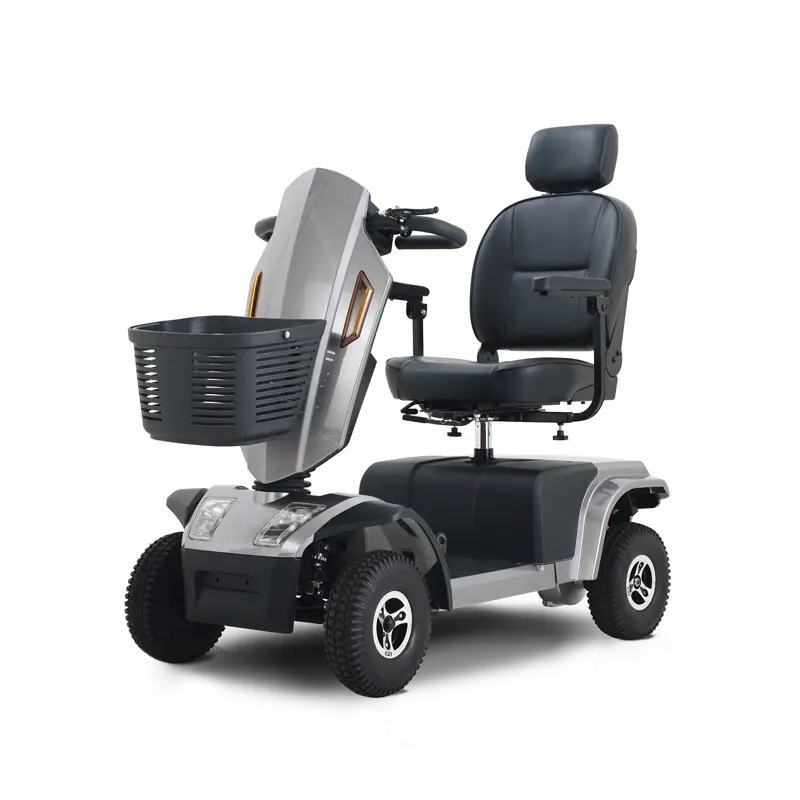
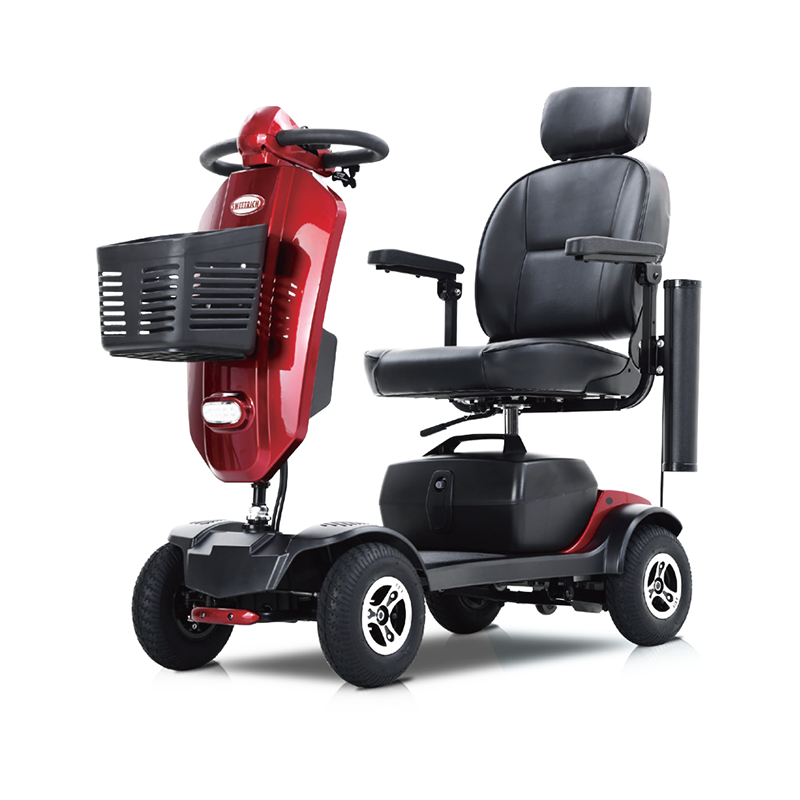
For a medium mobility scooter, storage isn't just picking an empty spot near the door. Where it sits, how it's cleaned beforehand, and what condition it's in before parking all shape how smoothly it starts up again the next time it's needed.
Why Does Proper Storage Matter for a Mobility Scooter?
Parking a scooter for a night or two rarely calls for much thought. A longer stretch — say, over a rainy month or during a trip away from home — is different, because the vehicle sits exposed to whatever the room throws at it for much longer.
Dust settles into gaps around the controls and moving joints. Moisture lingers on metal surfaces after a damp cleaning cloth or a humid afternoon. Sunlight streaming through a window can gradually dull a seat cover or make plastic trim brittle over time.
A few conditions tend to matter more than people expect:
- Keeping the scooter away from unnecessary dampness, whether from a leaky pipe or a laundry room nearby.
- Avoiding spots close to heaters, stoves, or anything that produces steady warmth.
- Reducing direct sun exposure, particularly near south‑facing windows or open patios.
- Leaving room around the scooter so someone can actually inspect it without shifting boxes first.
- Keeping the storage corner reasonably clean so dust doesn't build up around sensitive parts.
Where Is a Suitable Place to Store It?
An indoor room, an enclosed garage, or any covered space that stays dry tends to work well. What matters more than square footage is a flat floor and freedom from water leaks, dust buildup, or clutter that forces awkward maneuvering.
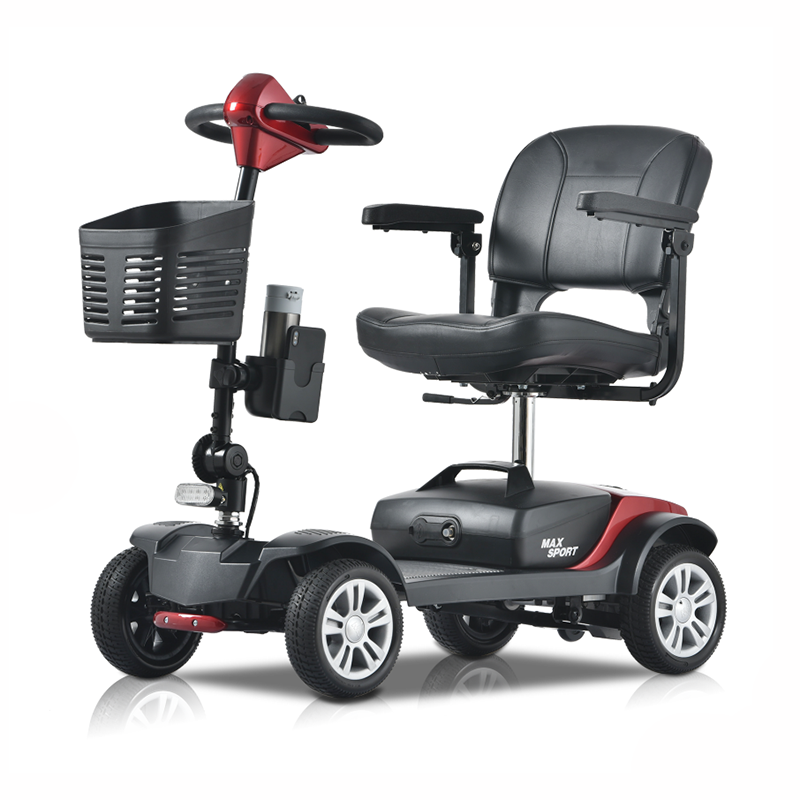
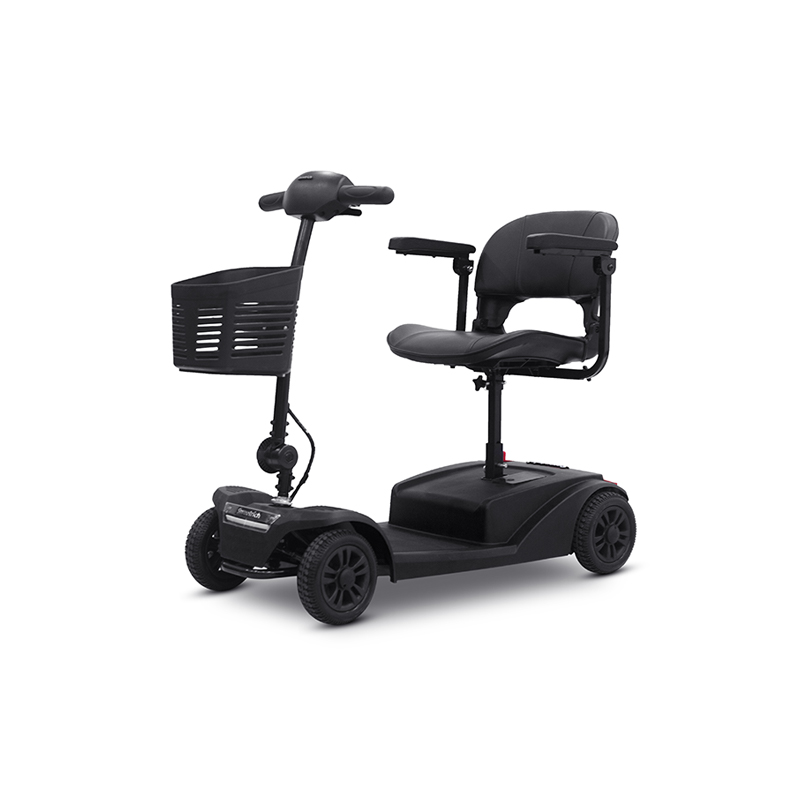
In apartments or smaller homes, positioning becomes a practical puzzle. Parking a scooter right beside a hallway or blocking a doorway creates friction every time someone needs to pass through. A folding model can usually be tucked into a closet or against a wall once collapsed, while a fixed‑frame design often needs a more settled spot near an entryway or a corner of a garage.
Storing a scooter outdoors calls for more care. A breathable cover helps block rain and sun, but a cover that seals in moisture — like a heavy plastic tarp — can trap damp air against the frame and cause problems that are harder to notice until they've already set in.
It also helps if the storage spot stays easy to walk up to. A scooter pushed behind stacked furniture or boxes tends to get forgotten, and small issues like a soft tire or a loose bolt can go unnoticed for longer than they should.
How Should the Scooter Be Prepared Before Storage?
Rolling a scooter straight into storage after a muddy trip to the garden or a rainy grocery run skips a step that matters. A short look‑over before parking it can catch dirt, dampness, or a loose part before it becomes a bigger issue.
A few areas deserve a closer look each time:
- Exterior surfaces — wipe down the body, wheels, seat, and underside where mud and grit tend to collect.
- Tires — check for cracks, flat spots, or uneven wear before setting the scooter down for a while.
- Controls — handles, switches, and dials should be free of grime or moisture that could interfere with their movement.
- Folding points — hinges and joints work better when they're not caked with dirt before storage.
- Removable parts — baskets, cushions, or other detachable pieces should go somewhere they won't get lost or dirty.
- Charging connection — the port, cable, and charger should stay dry and free from bent cables or pinched connectors.
A quick wipe‑down before storage keeps grime from sitting against surfaces for weeks at a time. There's no need to take the scooter apart for storage unless the manufacturer's instructions call for it specifically.
What Should You Know About Battery Storage?
The battery deserves its own attention, separate from the rest of the scooter, because a parked vehicle can still be affected by how its power system is handled. Storage guidance can differ depending on battery type and scooter design, so checking the manufacturer's recommendations before a long stretch of downtime is worth the few minutes it takes.
Before storing the scooter for a while, it helps to confirm:
- Whether the battery should stay installed or be removed for storage.
- Whether a charge is recommended before an extended period without use.
- Where the charger should sit — ideally somewhere dry and out of the way.
- Whether the battery needs occasional attention, like a periodic charge, during storage.
- Whether the storage spot stays protected from water exposure and heat buildup.
The charger and its cable need a proper spot too. A cable coiled too tightly around other objects can be awkward to use later, and a charger left on a damp garage floor is exposed to risks that a dry shelf simply avoids.
Once the battery and charging setup are sorted, it's worth glancing at the mechanical side — tires, wheels, joints, and any removable parts can sit under pressure even while the scooter isn't moving, so their condition during storage shouldn't be an afterthought.
How Can Tires and Moving Parts Be Protected During Storage?
A parked scooter still carries its own weight, so the wheels and tires remain under pressure even when there is no movement. Leaving the vehicle in one position for a long period can also make small changes harder to notice.
Before storage, inspect the tires for cracks, cuts, unusual wear, or visible damage. The wheels should sit properly on the floor, and the scooter should not lean because of an uneven surface.
Moving parts need a simple visual check as well. Folding joints, steering components, and other areas that move during normal operation should be free from dirt and moisture. Applying any lubricant should only be done when the product instructions allow it, since different components may require different care.
A clean and dry storage area also helps. Dirt around a joint can become harder to remove after sitting for a long time, while moisture trapped near metal parts may affect their condition.
| Storage Area | What to Check | Practical Approach |
|---|---|---|
| Tires | Cracks, damage, visible wear | Keep the scooter on a suitable surface |
| Wheels | Position and stability | Avoid uneven floors |
| Folding joints | Dirt and moisture | Clean before storage |
| Steering parts | Visible damage or stiffness | Check movement before parking |
| Moving connections | Loose or dirty areas | Follow the product care instructions |
How Should Folding or Removable Parts Be Stored?
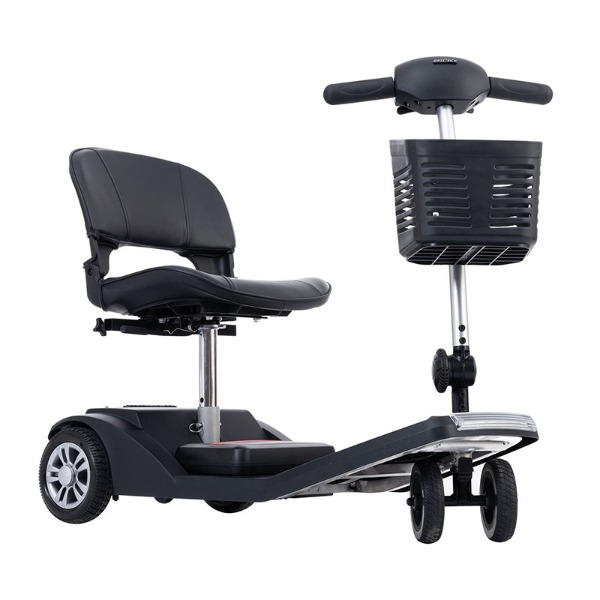
Some scooters are designed with folding frames, removable seats, detachable batteries, or other parts that can be taken off for transport and storage. Removing a component may save space, yet it also creates another storage task.
A detachable part should have a clean and dry place where it will not be pressed under heavy objects. Small components are easier to lose when they are placed randomly around a storage room, so keeping related parts together can make later use less troublesome.
For a folding scooter, the folding position also deserves attention. The frame should be folded only according to the intended method. Forcing a joint or leaving cables squeezed between moving sections can create problems when the vehicle is opened again.
A simple storage routine can help:
- Put removable parts in a fixed location.
- Keep cables away from sharp edges.
- Avoid placing heavy objects on seats or body panels.
- Keep small accessories together with the scooter.
- Leave folding joints free from unnecessary pressure.
Such habits are especially useful when the vehicle is stored and taken out repeatedly rather than placed away for a single long period.
What Storage Conditions Should China Mobility Scooter Manufacturers Consider?
For China Mobility Scooter Manufacturers, storage conditions are also connected with how a vehicle is prepared before shipment, kept in a warehouse, or handled during different stages of production. A scooter may move through several storage areas before reaching its final user, so basic protection needs to remain consistent.
Temperature, humidity, dust, sunlight, and physical pressure can all affect stored equipment. The exact requirements depend on the scooter design and the materials used, which is why general storage advice should not replace product‑specific instructions.
Warehouse handling can also influence the condition of a finished unit. Avoiding unnecessary stacking pressure, keeping packaging intact, and leaving suitable space for inspection can reduce avoidable handling problems.
For manufacturers, several areas deserve attention:
- Packaging condition: damaged or open packaging can expose components to dust and moisture.
- Warehouse environment: damp areas and strong heat sources should be avoided.
- Positioning: vehicles should remain stable during storage and movement.
- Component management: detachable parts and accessories need clear handling procedures.
- Inspection: stored units should be checked before they move to the next stage.
The same principle applies outside the factory. A well‑prepared product can still be affected by poor storage after delivery, so storage instructions should be clear enough for different users and environments.
What Should Be Checked After Long Term Storage?
Begin with the exterior. Look for dust, moisture marks, damaged covers, loose fittings, or changes around the wheels. Check the seat and controls as well.
The battery and charger need attention before operation. Follow the relevant charging instructions rather than assuming that the stored battery can be used immediately. Any unusual smell, visible damage, leakage, or abnormal condition should be treated as a reason to stop and seek appropriate service.
Next, check basic movement. The steering should respond normally, the wheels should turn as intended, and the brakes should function correctly. Folding sections and removable parts should also be returned to their normal positions.
A practical check can follow this order:
- Inspect the body and seat.
- Check tires and wheels.
- Examine cables, controls, and connections.
- Check the battery and charging equipment.
- Confirm that removable parts are fitted correctly.
- Test basic movement in a safe area before regular use.
Small problems are easier to deal with when they are noticed before the scooter is taken onto a busy road or used for a longer trip.
How Can Storage Be Made Easier for Regular Use?
Storage works better when it fits the way the scooter is actually used. A vehicle that goes out every day does not need the same routine as one that remains parked for long periods.
For regular use, keeping a clear parking position can make daily handling easier. The charger, keys, removable parts, and basic cleaning supplies can stay in nearby designated places. Such an arrangement reduces unnecessary movement and makes quick checks part of the normal routine.
Longer storage calls for more preparation. Before parking the scooter, cleaning, checking the battery, protecting the tires, and choosing a dry location can all help reduce problems during the idle period.
China Mobility Scooter Manufacturers can also take everyday storage habits into account when preparing product instructions. Clear information about battery care, folding parts, charging equipment, and suitable storage conditions can help reduce confusion after delivery.
For users of a Medium Mobility Scooter, good storage does not depend on complicated procedures. A suitable location, clean components, careful battery handling, and a basic inspection before and after storage can become a practical part of normal ownership. Storage then becomes less of an afterthought and more of a simple maintenance habit.