 info@sweetrich.cn
  +86-(0)512-82283871
Electric wheelchairs have significantly impacted the mobility industry, offering individuals with limited mobility a way to regain independence and engage in daily activities. The electric wheelchair market has seen rapid growth in recent years, with continuous advancements in technology and design that enhance safety, comfort, and accessibility.
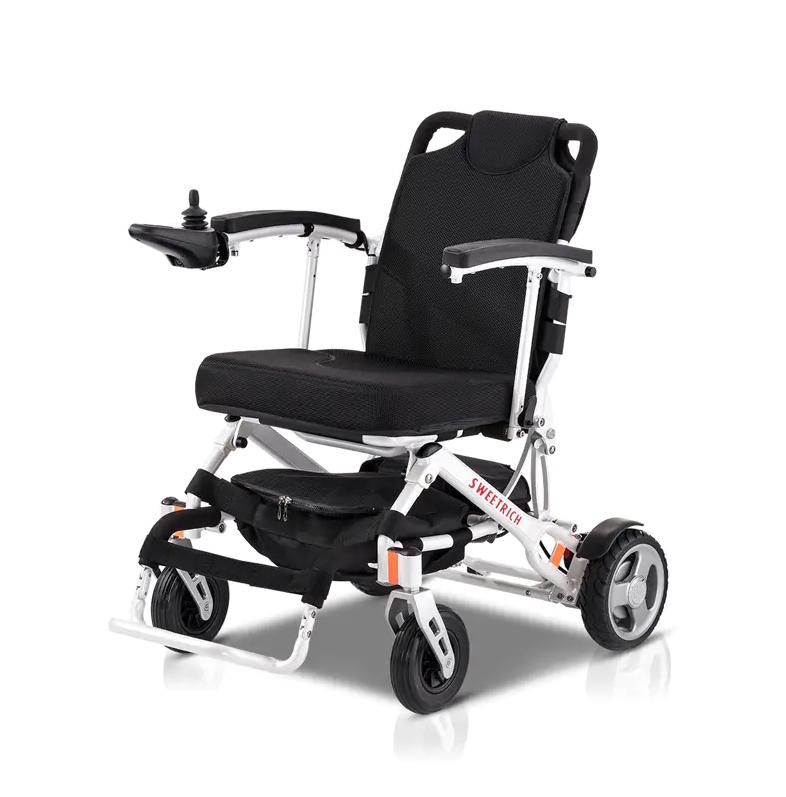
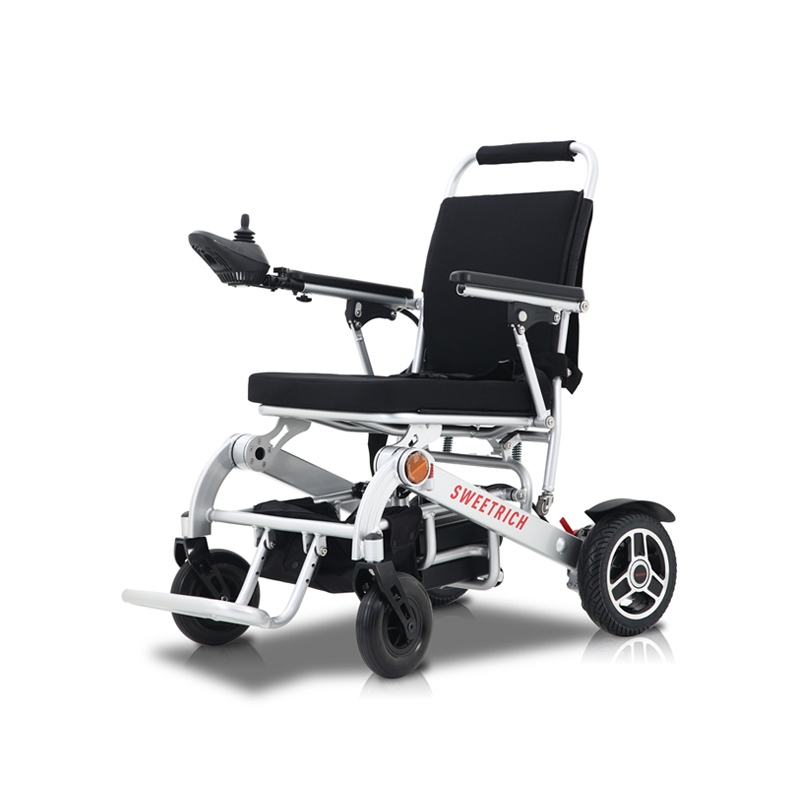
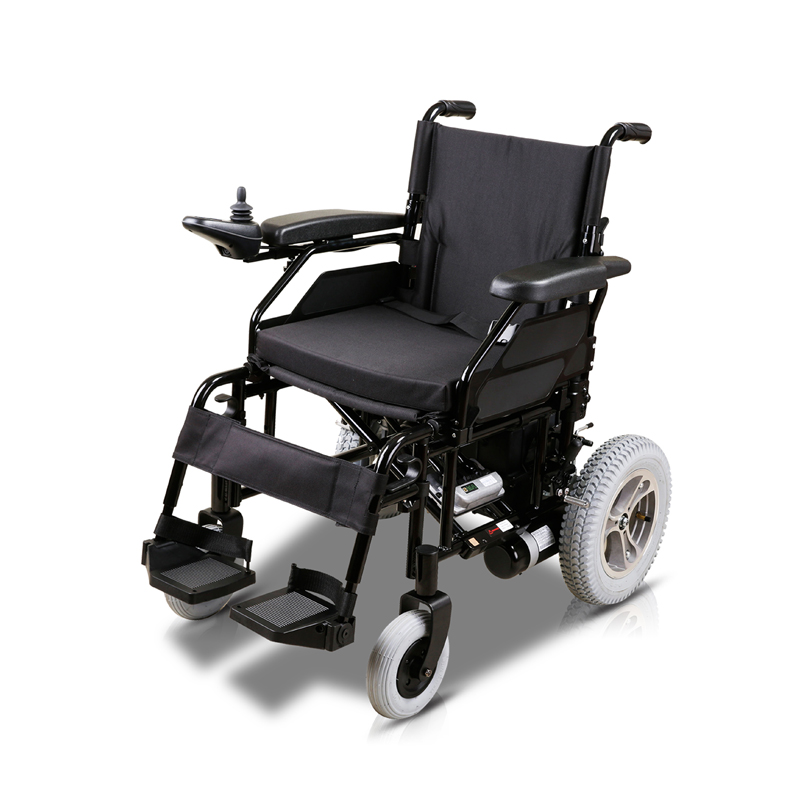
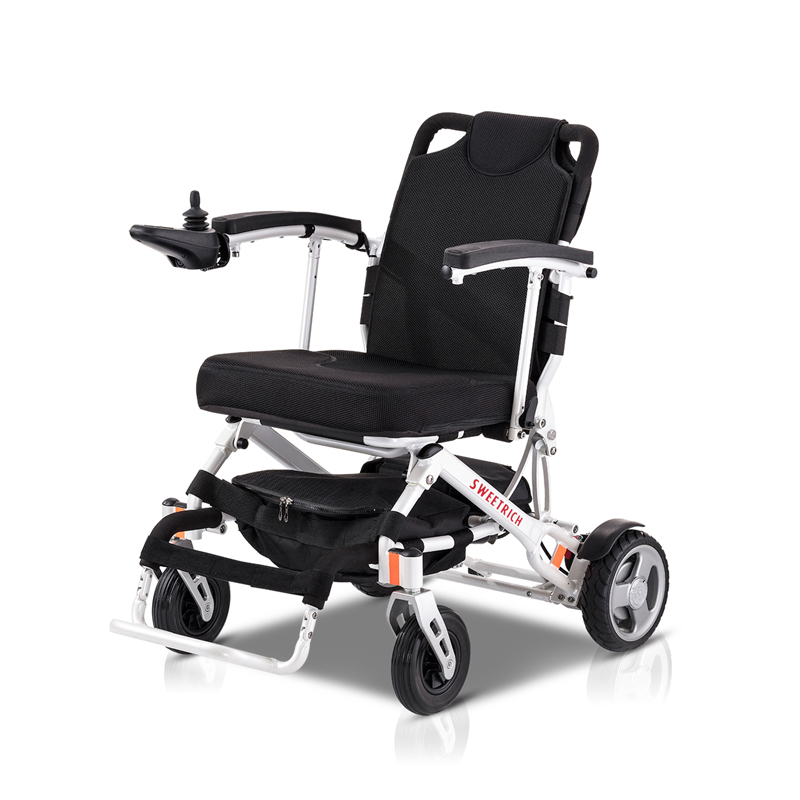
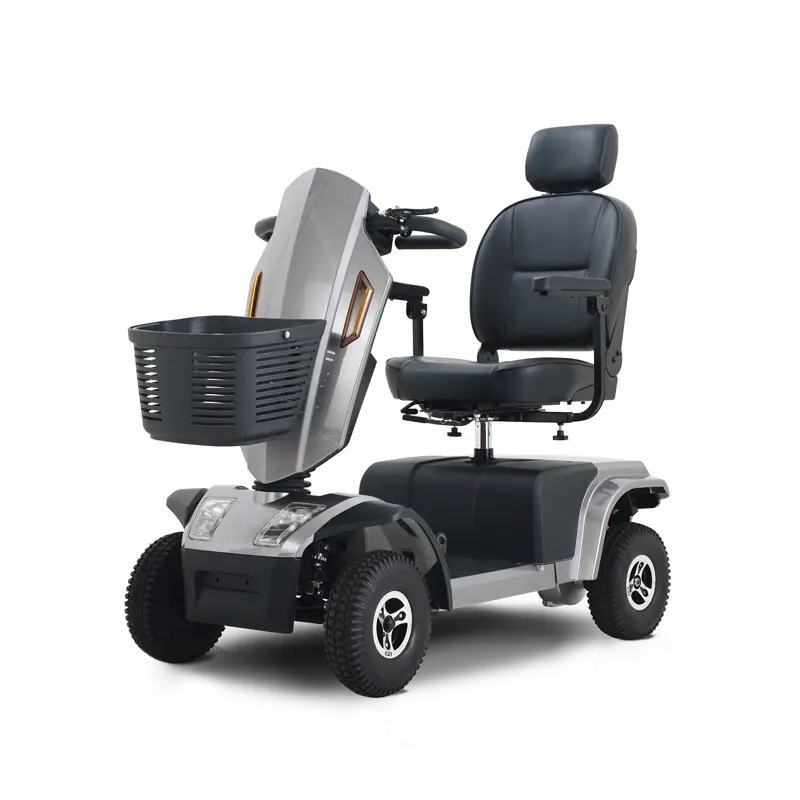
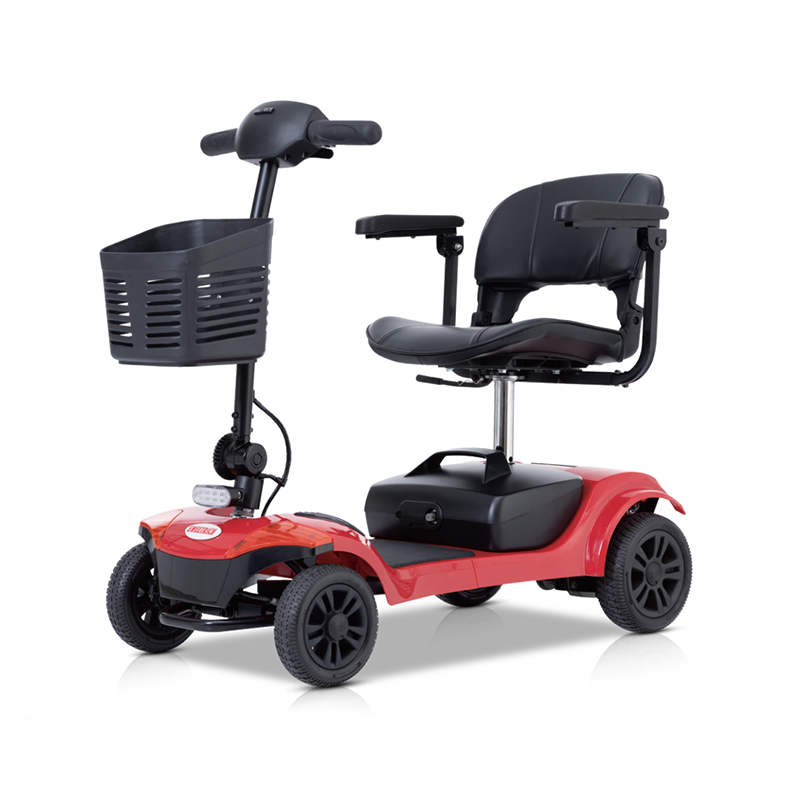
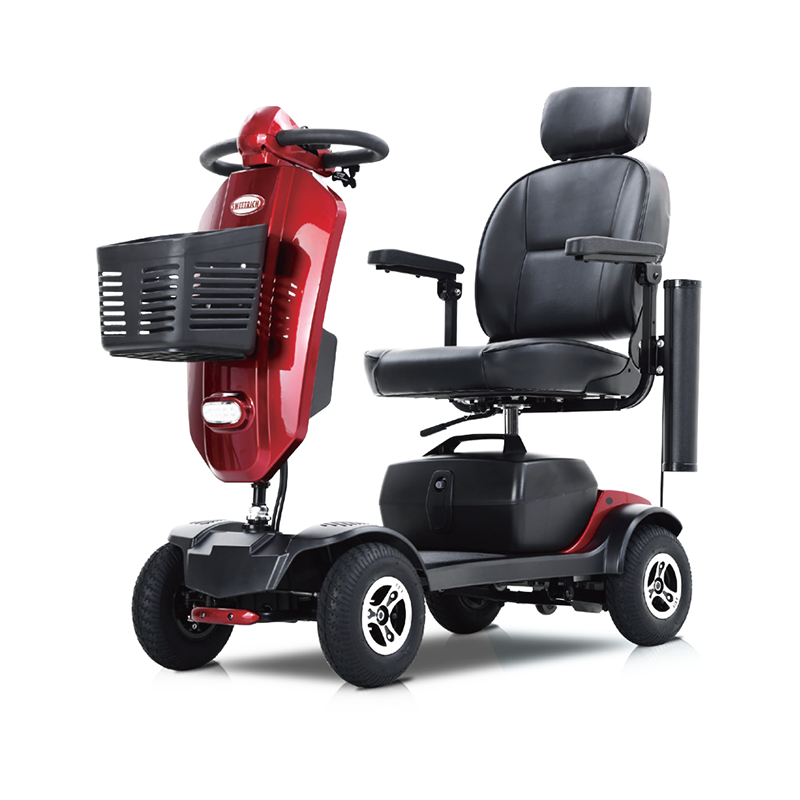
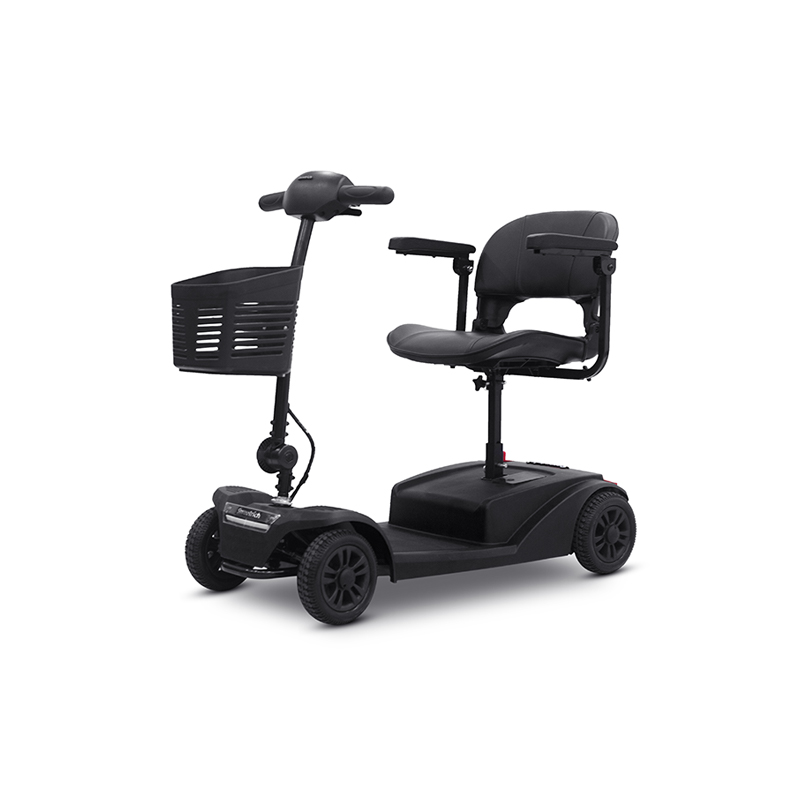
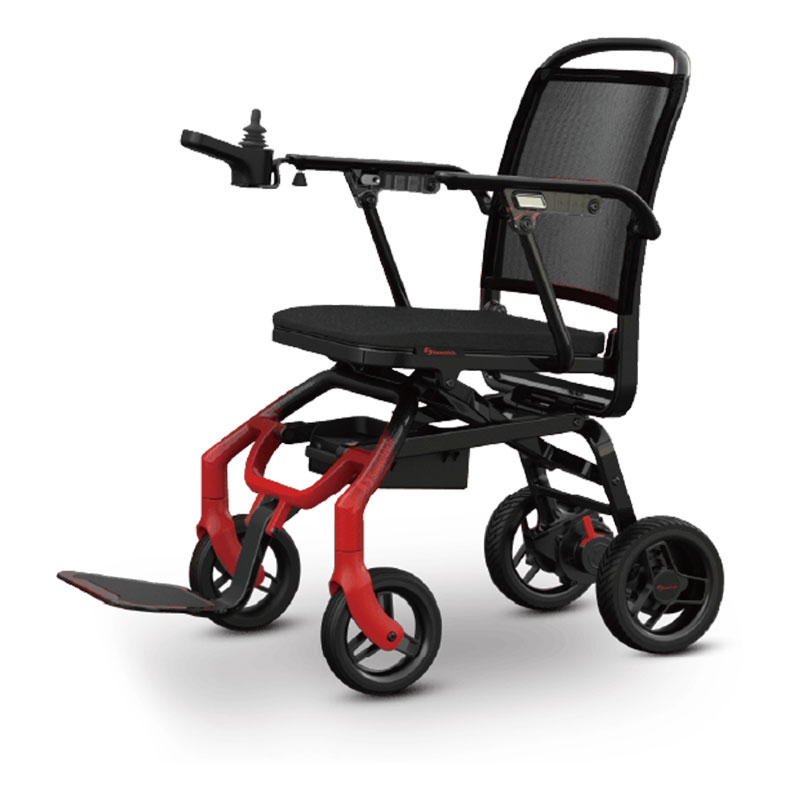
The electric wheelchair industry serves a wide range of users, including those with temporary injuries and individuals with permanent disabilities. These wheelchairs are powered by electricity and feature rechargeable batteries, making them a reliable and convenient transportation option. They come in various designs and sizes, with features such as adjustable seat height, armrests, and footrests, allowing users to customize the chair to meet their specific needs.
One of the primary advantages of electric wheelchairs is the independence they provide. With the ability to move around without assistance, individuals can engage in everyday activities, such as grocery shopping, visiting friends and family, or simply taking a walk around the neighborhood. This independence can enhance overall quality of life and improve mental well-being, as users are less dependent on others for basic mobility.
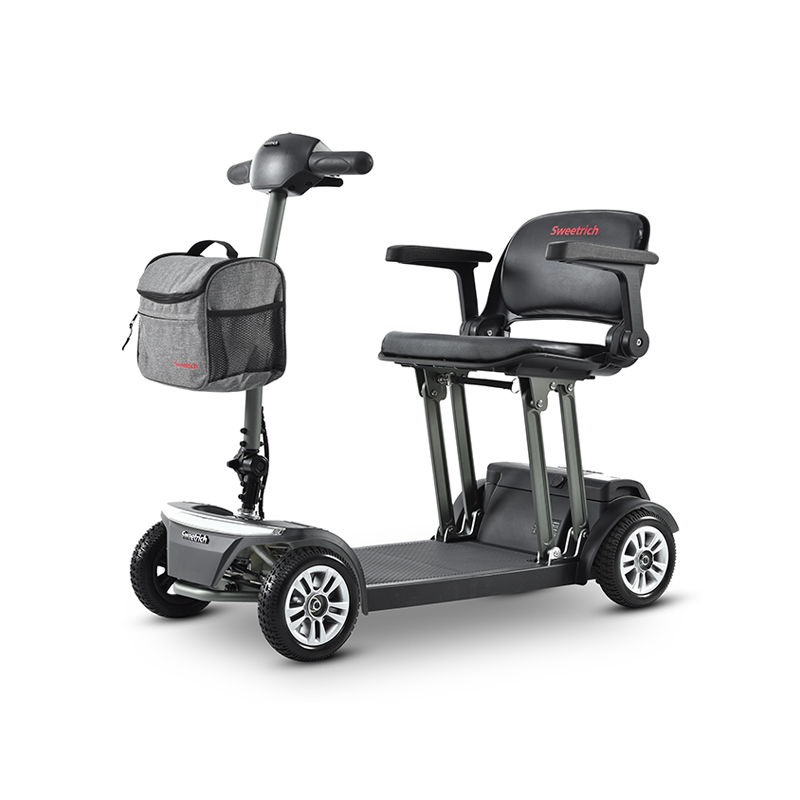
The electric wheelchair industry continues to evolve, with manufacturers dedicating resources to research and development to create innovative designs and features. For instance, many electric wheelchairs now include sensors and cameras that help with obstacle avoidance, enhancing safety in public areas. Additionally, some models are designed to fold, making them easier to transport and store, offering greater flexibility and convenience.
Despite the many benefits, electric wheelchairs can be costly, with prices ranging from several hundred to a few thousand dollars. Fortunately, many insurance plans and government programs offer financial assistance, making these mobility aids more accessible to those in need.
Another challenge within the electric wheelchair industry is the lack of accessibility in some public spaces. Many buildings and outdoor areas are not designed to accommodate wheelchair users, which can limit access to certain locations. However, advocacy groups and government organizations are working to improve accessibility, with regulations such as the Americans with Disabilities Act (ADA) aiming to make public spaces more inclusive for individuals with disabilities.