 info@sweetrich.cn
 +86-(0)512-82283871

An Electric Lightweight Scooter may look convenient in a product listing, but carrying it up a flight of stairs or riding it over a rough road can tell a different story. For daily commuters, weight is only part of the decision. Battery range, motor output, braking, folding design, and riding comfort all affect whether a scooter works well outside the showroom.
The right choice depends largely on where and how often it will be used. Someone combining scooter travel with public transport has different priorities from a rider covering hilly streets every day.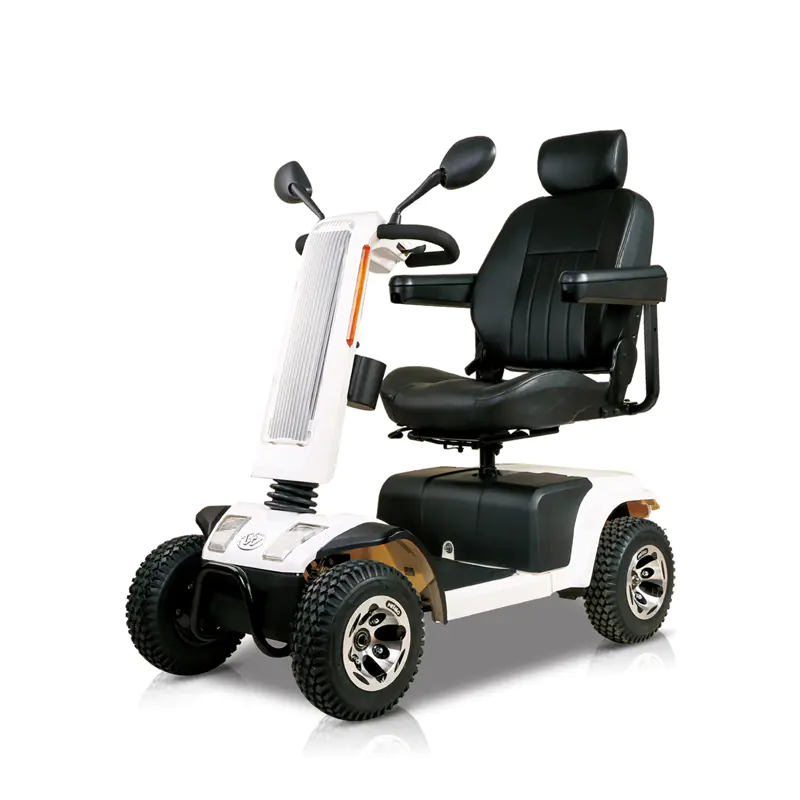
Overall Weight and Everyday Portability
A few kilograms can make a noticeable difference when a scooter has to be carried regularly. Frame material, battery size, motor, wheels, and folding hardware all contribute to its total weight.
Aluminum alloy is widely used because it offers a reasonable balance between weight and structural strength. Buyers should check the actual net weight rather than relying on descriptions such as "ultralight." It is also worth finding out whether the advertised figure includes the battery and accessories.
The folded size matters just as much. Check how easily the latch operates and whether the scooter can be carried comfortably once folded. A compact design is particularly useful for commuters storing their scooter under a desk or taking it onto public transport.
Battery Capacity and Realistic Riding Range
Battery capacity gives an indication of how much energy a scooter can store. Specifications usually show voltage and capacity in ampere-hours (Ah) or watt-hours (Wh). Wh is generally more useful when comparing batteries with different voltage ratings.
Published range figures are not guaranteed distances. Rider weight, speed, road gradient, temperature, tire pressure, and frequent braking all affect energy consumption. A scooter advertised with a long range may cover considerably less distance on a hilly route or during stop-and-go commuting.
Compare the expected range with the actual daily journey, including the return trip. Charging time and replacement battery availability are worth checking too. Use the charger specified by the manufacturer rather than an unapproved alternative.
Motor Power and Performance on Different Routes
Motor output affects how quickly a scooter accelerates and how well it maintains speed on an incline. Pay attention to continuous rated power as well as peak power. Peak output alone does not show what the motor can deliver during sustained riding.
A relatively modest motor may be adequate on flat roads. Regular hill climbs or heavier loads place greater demands on the motor and its thermal management. Local restrictions on motor power and maximum speed also vary, so check the rules that apply where the scooter will be ridden.
Braking, Lighting, and Structural Safety
Brakes deserve more attention than their appearance on a specification sheet might suggest. Scooters may use drum brakes, disc brakes, electronic braking, or a combination of systems. Stopping performance also depends on tire grip, rider weight, brake adjustment, and road conditions.
Check the lights and reflectors as well. Front and rear lighting, side visibility, and a bell or horn can help other road users notice the scooter, particularly in poor lighting.
The frame and folding mechanism need a close inspection. Pay particular attention to the handlebar stem, latch, deck, and wheel attachment points, which experience repeated loads during use. Check the stated load limit and look for documentation of relevant battery and electrical safety testing. A helmet and suitable protective equipment are still necessary.
Ride Comfort, Tires, and Suspension
Small wheels can make uneven roads feel harsher than expected. Tire construction and size affect grip, rolling resistance, and vibration.
Pneumatic tires provide some cushioning but need regular pressure checks and can puncture. Solid tires avoid punctures, although they generally transmit more road vibration to the rider.
Suspension may make rough routes easier to handle, but it adds weight and mechanical parts that require maintenance. Before purchasing, consider the roads the scooter will actually travel on. Handlebar height, deck space, and standing position are also worth checking during a test ride.
Compare Key Specifications Before Buying
Rather than focusing on one headline figure, compare the specifications together.
| Feature | What to compare | Why it matters |
|---|---|---|
| Net weight | Actual scooter weight | Carrying and storage |
| Folded size | Length, width, and height | Transport and compact storage |
| Battery | Voltage, Wh, charging time | Range and charging routine |
| Motor | Continuous power and torque | Acceleration and hill performance |
| Brakes | Brake type and stopping response | Control and safety |
| Tires | Pneumatic or solid; tire size | Grip, comfort, and maintenance |
| Load rating | Maximum permitted rider/load | Structural suitability |
Warranty, Service, and Long-Term Ownership Costs
The purchase price does not cover everything that may be needed later. Battery, motor, controller, and frame warranties can have different coverage periods and conditions. Check these separately rather than assuming the entire scooter has one warranty.
Replacement parts also matter. Batteries, tires, brake pads, and chargers may eventually need attention. For fleet operators, spare-part availability and repair response times can affect how long scooters remain out of service. Ask suppliers about inspection procedures, battery handling, and fault diagnosis before placing a larger order.
Match the Scooter to the Intended Journey
A commuter who carries a scooter onto a train will probably care more about folded size and weight than someone riding directly from home to work. On hilly routes, motor output, braking, and actual battery range become more relevant.
There is no single specification that suits every rider. Compare the scooter against the route, storage arrangements, expected load, and local regulations. Build quality and after-sales support deserve attention too, particularly when the scooter will be used every day.