 info@sweetrich.cn
  +86-(0)512-82283871
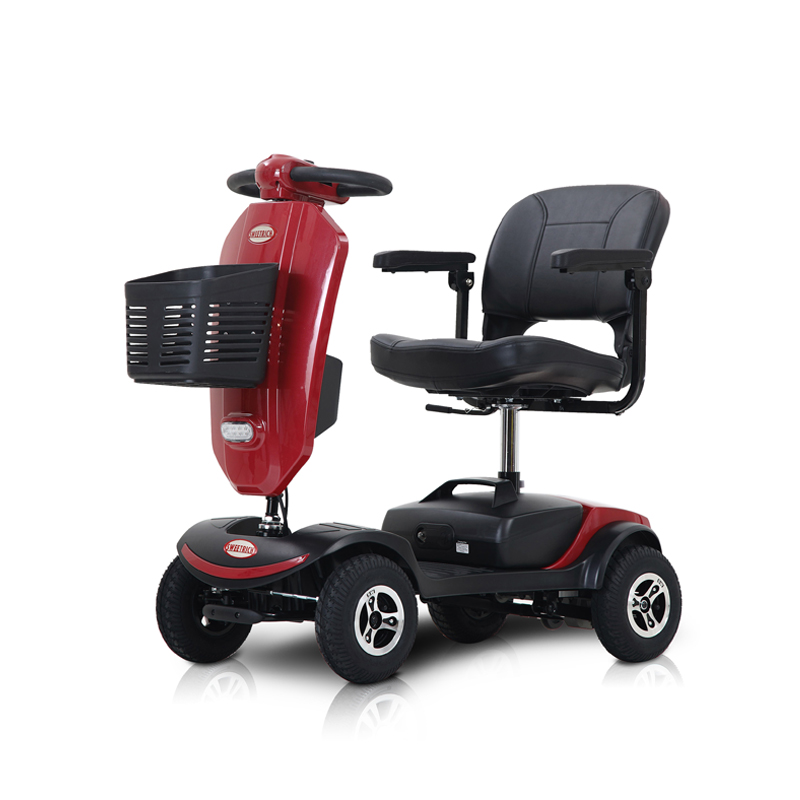
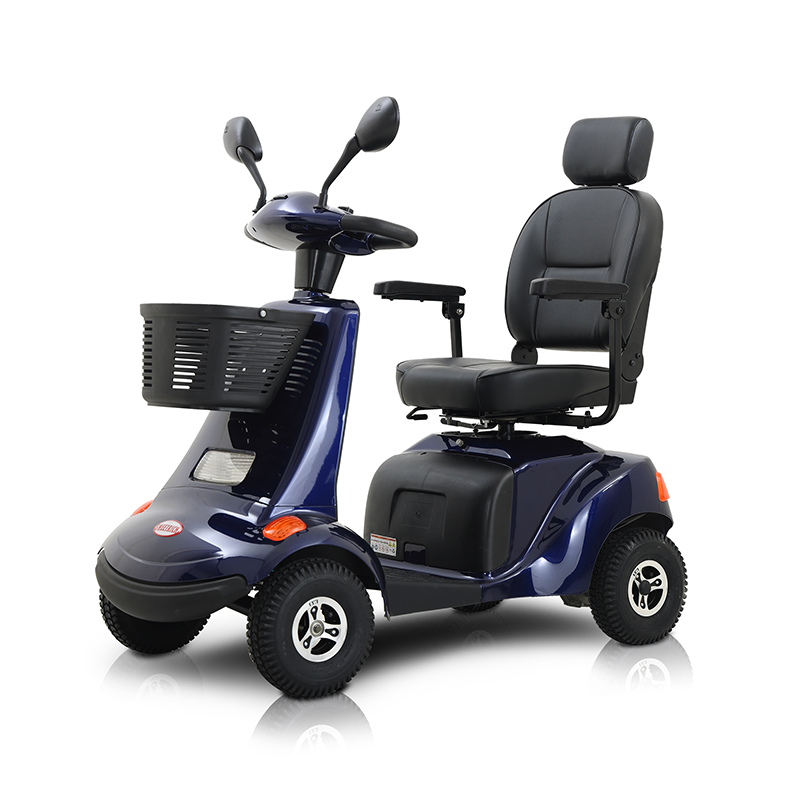
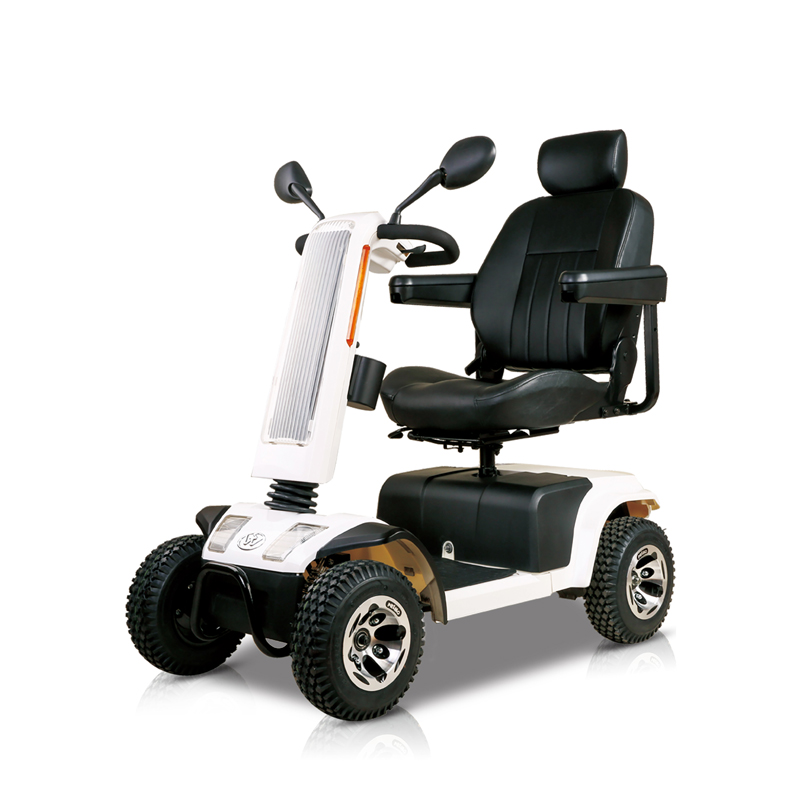
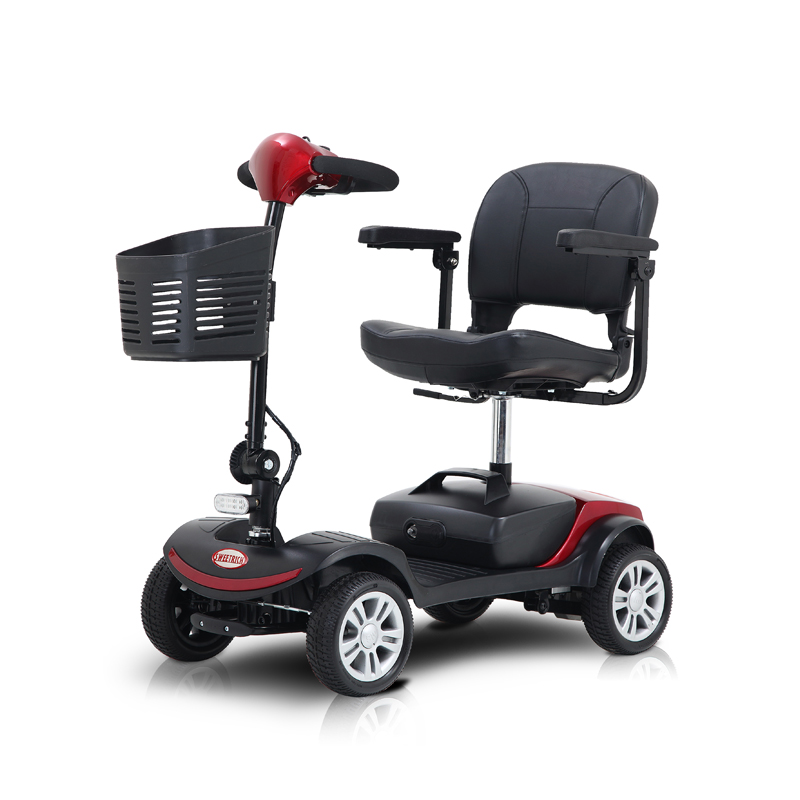
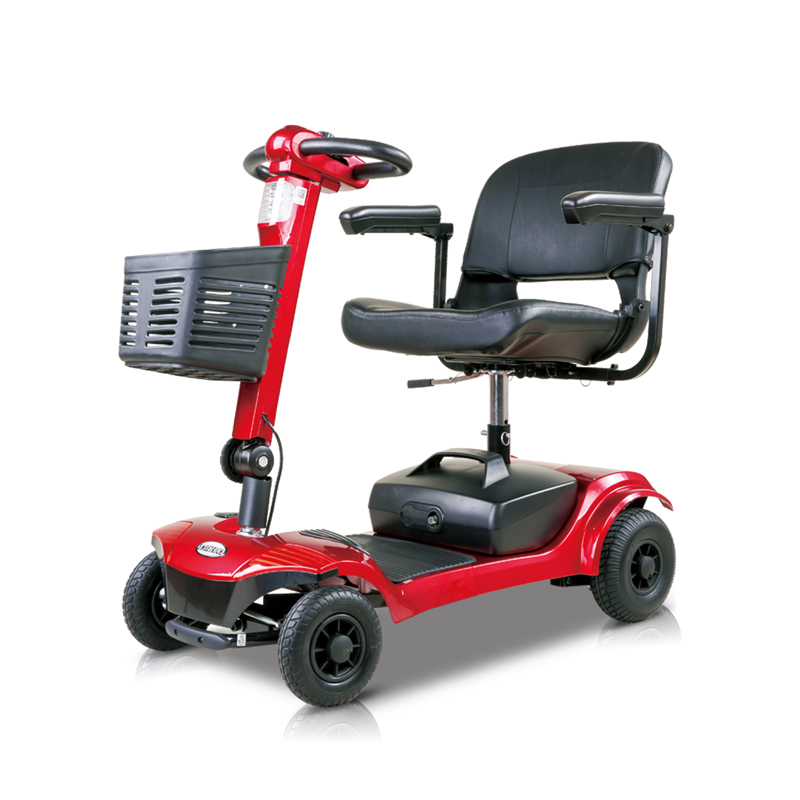
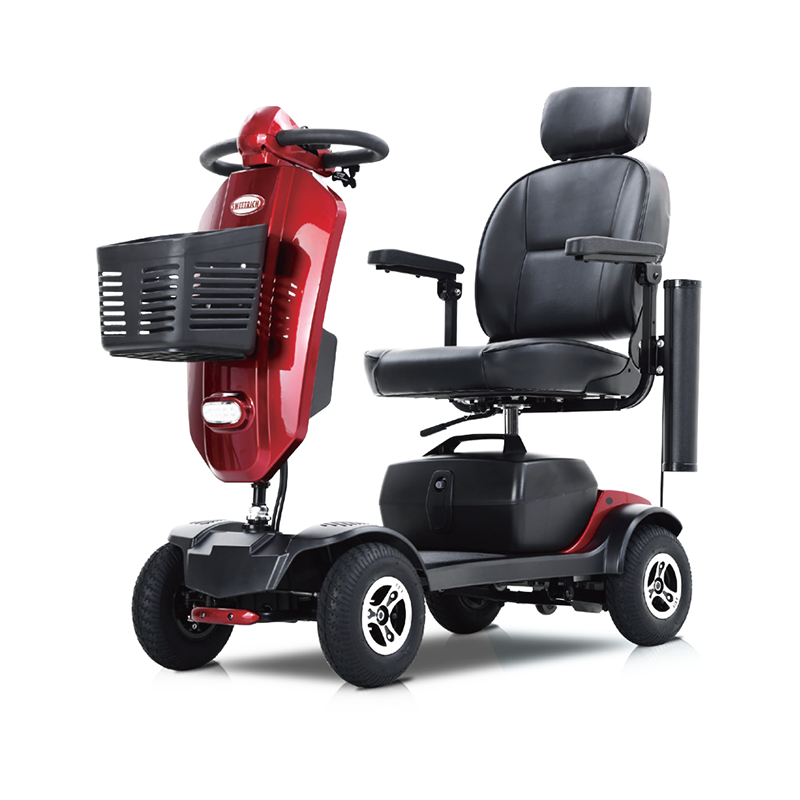
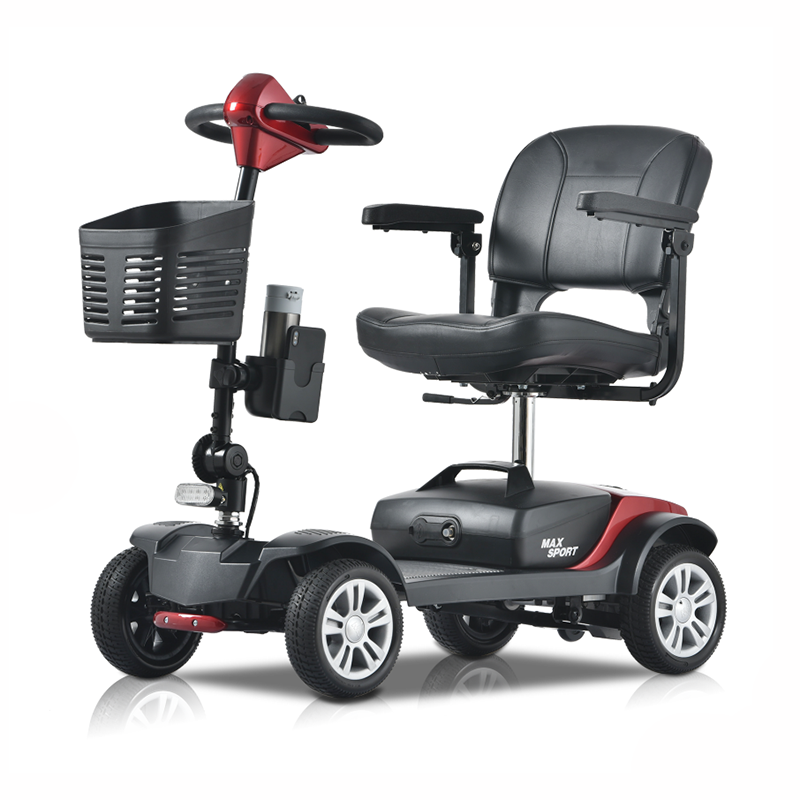
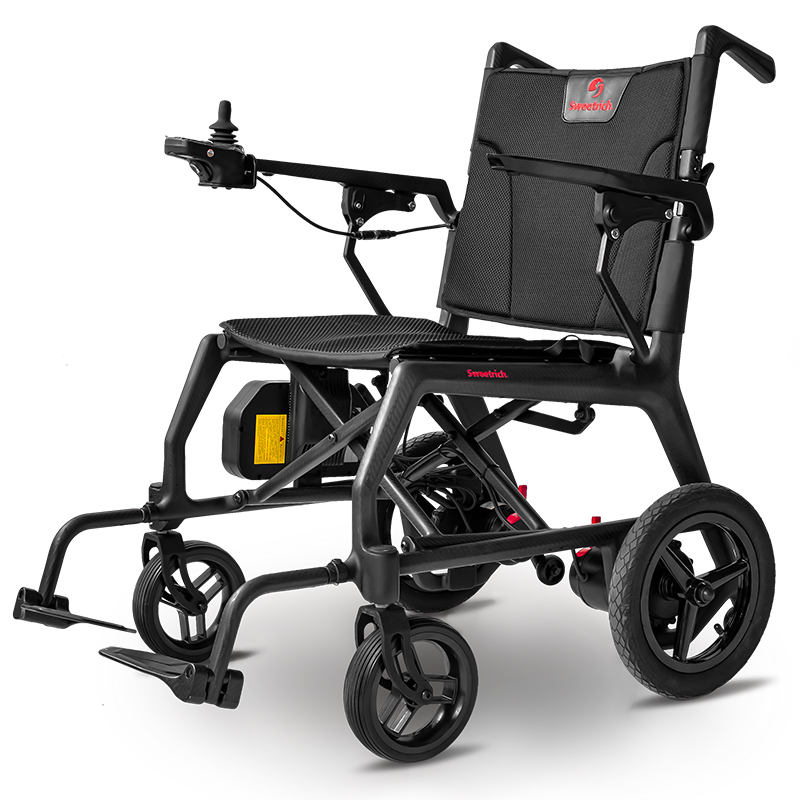
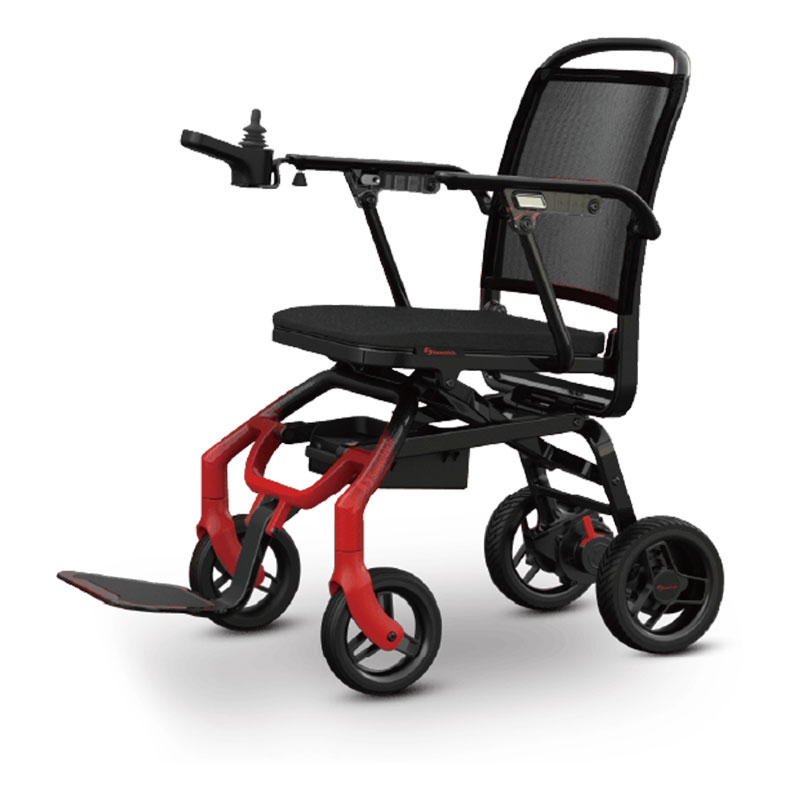
As cities adapt to increasing numbers of older residents, Wholesale Lightweight Scooter are gaining prominence as effective tools for short-distance travel. These scooters deliver a combination of ease of handling, safety features, and adaptability that suits urban settings. Supported by strategic urban design and appropriate policies, they form part of comprehensive mobility options that prioritize accessibility and sustainability. This alignment helps seniors retain autonomy, engage with their surroundings, and manage daily tasks with greater convenience.
Lightweight scooters offer practical benefits for older adults navigating city life. Their manageable size simplifies storage in homes or vehicles, and thoughtful seating along with intuitive controls ensure comfortable operation. Seniors can rely on them for visits to local shops, recreational areas, or health services, lessening the need for larger transport modes. This capability supports self-sufficiency, allowing continued access to community resources and social connections. Wholesale channels play a key role by supplying models that cater to senior requirements, responding to demographic trends with designs focused on usability and dependability.
How Urban Infrastructure Supports Lightweight Scooters for Seniors
Urban infrastructure plays a key role in making lightweight scooters a practical and safe option for older adults. Well-designed city features create an environment that encourages confident usage and seamless integration into daily routines.
Key infrastructure elements that enhance scooter effectiveness include:
- Smooth walkways and even surfaces: These reduce bumps and vibrations, providing a comfortable and stable ride.
- Dedicated routes or shared mobility lanes: Separated paths minimize conflicts with pedestrians or vehicles, improving safety.
- Accessible charging locations: Conveniently placed stations allow easy recharging during outings, extending travel range without worry.
- Clear signage and markings: Visible indicators guide users along safe paths and highlight scooter-friendly areas.
Additional supportive features further elevate the experience:
- Navigation assistance and apps: Digital tools help plan routes and avoid obstacles in real time.
- Traffic awareness systems: Alerts or smart signals increase visibility and caution around intersections.
- Adequate street lighting: Well-lit paths extend usable hours into evenings, adding security for senior riders.
Together, these components help lightweight scooters blend naturally into everyday travel patterns. They address common barriers—such as uneven terrain or limited range—and promote dependable mobility. Cities that invest in these upgrades not only boost general accessibility but also position lightweight scooters as a reliable choice for short urban journeys among older adults.
Policy initiatives also drive scooter integration for seniors. Efforts centered on inclusive planning, accessibility guidelines, and promotion of environmentally friendly transport options stimulate adoption. Frameworks that emphasize reduced barriers and cleaner travel alternatives highlight scooters for nearby trips. Wholesale providers adapt by delivering products that incorporate safety elements, robust construction, and efficient performance, in line with policy directions and user priorities. These combined actions cultivate settings where lightweight scooters enhance senior transportation choices.
Safety and user comfort form foundational aspects of scooter designs aimed at older adults. Attributes including stable bases, flexible seating positions, simple operation interfaces, and equilibrium aids promote secure riding. When matched with city layouts featuring protected zones and distinct pathways, these qualities provide consistent mobility support. Older adults gain from equipment and environments designed with their considerations in mind, facilitating assured travel within urban areas.
| Aspect | Scooter Design Features | Urban Environment Support | Benefits for Older Adults |
|---|---|---|---|
| Stability | Stable bases, equilibrium aids | Protected zones, distinct pathways | Secure riding, reduced risk of tipping |
| Seating Comfort | Flexible/adjustable seating positions | Smooth surfaces, accessible routes | Relaxed posture, less fatigue |
| Ease of Operation | Simple interfaces, intuitive controls | Clear signage, dedicated lanes | Confident handling, independent use |
| Overall Safety & Support | Combination of design and infrastructure | Barrier-free layouts, lighting | Assured travel, greater mobility freedom |
Technological enhancements add to scooter convenience. Positioning systems, application links, and tracking functions assist in route organization and supervision for riders or supporters. Urban networks with coordinated charging and information-driven management systems complement these tools, incorporating scooters into interconnected transport frameworks. This interplay between product features and city resources bolsters senior mobility while contributing to wider ecological objectives.
Environmental and practical advantages encourage the shift toward lightweight scooters. Transferring brief journeys from automobiles to scooters alleviates traffic pressure and reduces pollutants, aiding healthier city atmospheres. Designs with effective power usage, lasting components, and straightforward care requirements correspond with conservation efforts. Wholesale availability of these scooters assists urban areas in pursuing green targets alongside fulfilling mobility demands for aging populations.
Societal impacts reach further as scooter use grows among seniors. Enhanced movement options encourage regular activity, combat seclusion, and support wellness through consistent engagement. Welcoming transport arrangements facilitate involvement in neighborhood functions, amenities, and interactions, enriching everyday living. Urban developers who account for scooter compatibility construct spaces that serve multiple generations effectively.
Addressing Challenges in Lightweight Scooter Adoption for Seniors
While lightweight scooters offer significant potential for urban senior mobility, certain obstacles can slow widespread use. Coordinated efforts among suppliers, planners, and officials help overcome these through consistent strategies and community involvement.
Key challenges include:
- Varying infrastructure quality across districts: Some areas may have smooth paths and charging points, while others lack updates, creating uneven access and safety concerns.
- Need for user familiarization: Older adults may require time and guidance to become comfortable with scooter operation, controls, and safe riding practices.
Solutions through collaborative approaches:
- Unified guidelines: Standardized rules for infrastructure and scooter design ensure consistency across neighborhoods, reducing disparities.
- Educational outreach: Programs, workshops, and resources teach safe usage, building confidence and encouraging adoption among seniors.
- Direct input from older adults: Gathering feedback from users helps refine scooter features and urban facilities, to practical, ongoing improvements.
These coordinated steps address barriers effectively, paving the way for broader integration of lightweight scooters into city mobility systems and supporting inclusive environments for aging residents.
Supply considerations emphasize delivering quality at reasonable levels. Strong materials and optimized manufacturing processes enable broad distribution without compromising standards. Alliances with municipal projects permit adaptations to regional factors, such as surface types or seasonal conditions.
Prospects for scooter and urban evolution suggest ongoing improvements. Progress in construction techniques, energy storage, and integration features will elevate capabilities, while infrastructure expansions accommodate rising demand. These pathways solidify lightweight scooters within comprehensive mobility structures.
Why choose Sweetrich
In essence, wholesale lightweight scooters equip older adults with valuable urban travel resources, reinforced by complementary infrastructure and policies. This coordinated method advances personal freedom, protection, and environmental responsibility, altering community interactions for seniors. Cities implementing these elements develop more accommodating and effective transport systems, providing lasting value to inhabitants across age groups and nurturing dynamic, interconnected urban communities.
Sweetrich stands out as a committed manufacturer in this space, dedicated to crafting lightweight scooters that prioritize safety, comfort, and efficiency for older adults. Through innovative features, reliable construction, and alignment with sustainable urban goals, Sweetrich helps empower seniors to navigate cities independently, fostering greater autonomy, community engagement, and overall well-being.