 info@sweetrich.cn
  +86-(0)512-82283871
Content
- 1 What Makes a Medium Mobility Scooter Different From Smaller Models
- 2 How Does Power Affect Everyday Mobility
- 3 Why Does Portability Matter for Daily Use
- 4 How Can Medium Size Support Both Indoor and Outdoor Travel
- 5 What Role Does Folding Play in Mobility Scooter Design
- 6 Which Features Affect the Balance Between Power and Portability
- 7 How Does User Routine Influence Scooter Selection
- 8 What Trade Offs Should Be Considered Before Choosing a Medium Scooter
- 9 How Can Manufacturers Improve the Balance Between Power and Portability
- 10 Why Is the Balance Between Power and Portability Becoming More Important
Mobility needs can change from one day to another. A person may spend the morning moving around the house, visit a nearby shop later, then travel along a paved outdoor path in the afternoon. A scooter designed only for very small indoor spaces may feel limited outside, while a larger frame can create storage and transport concerns at home.
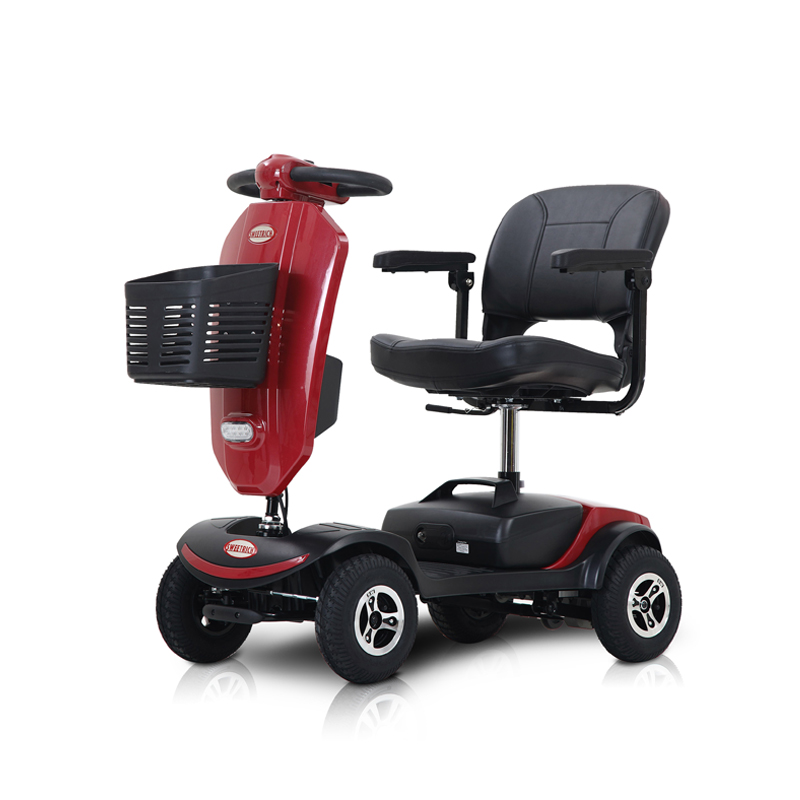
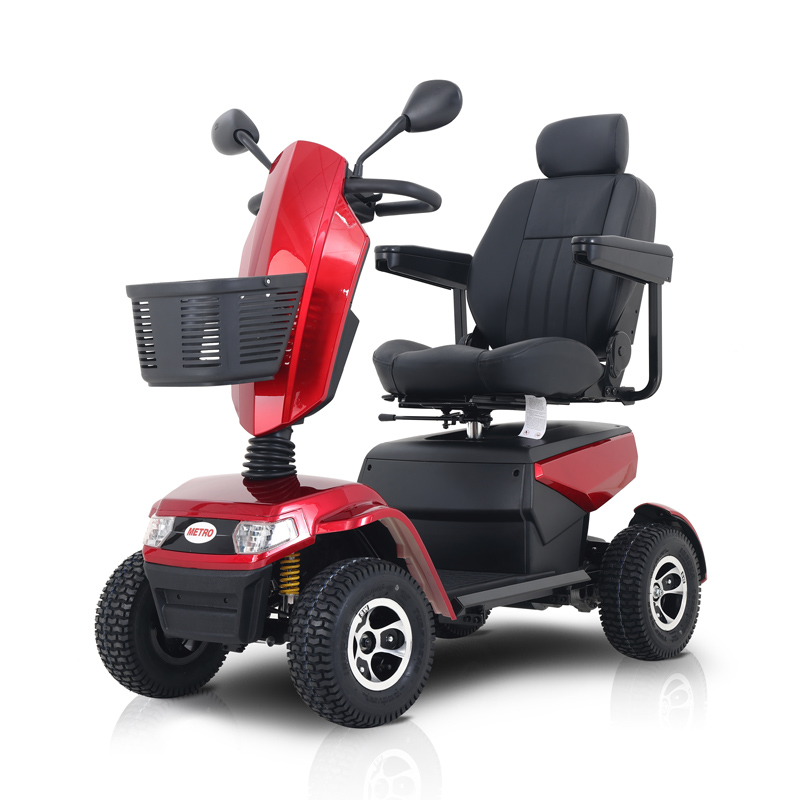
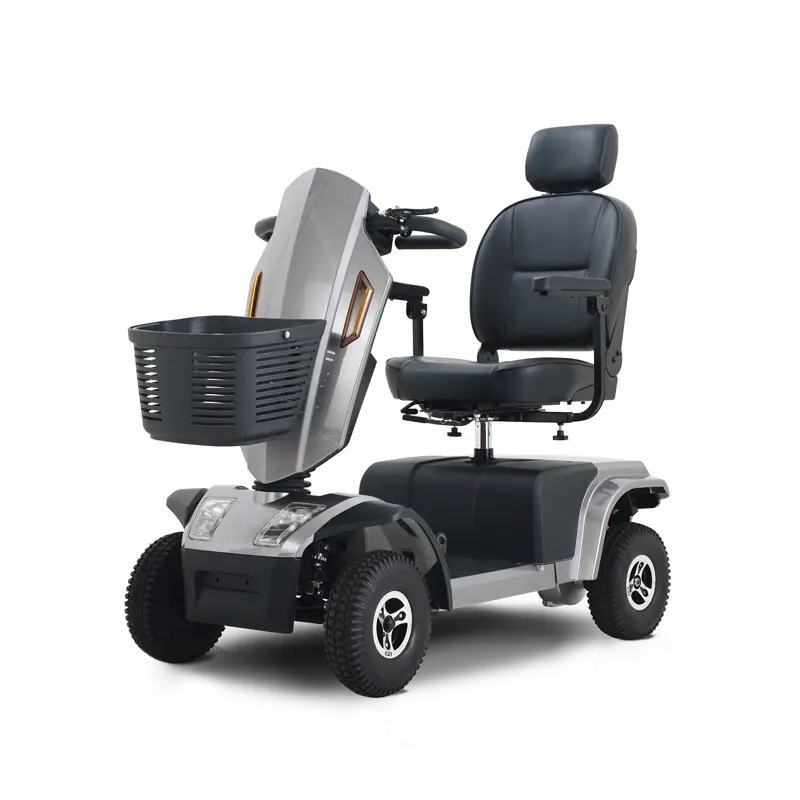
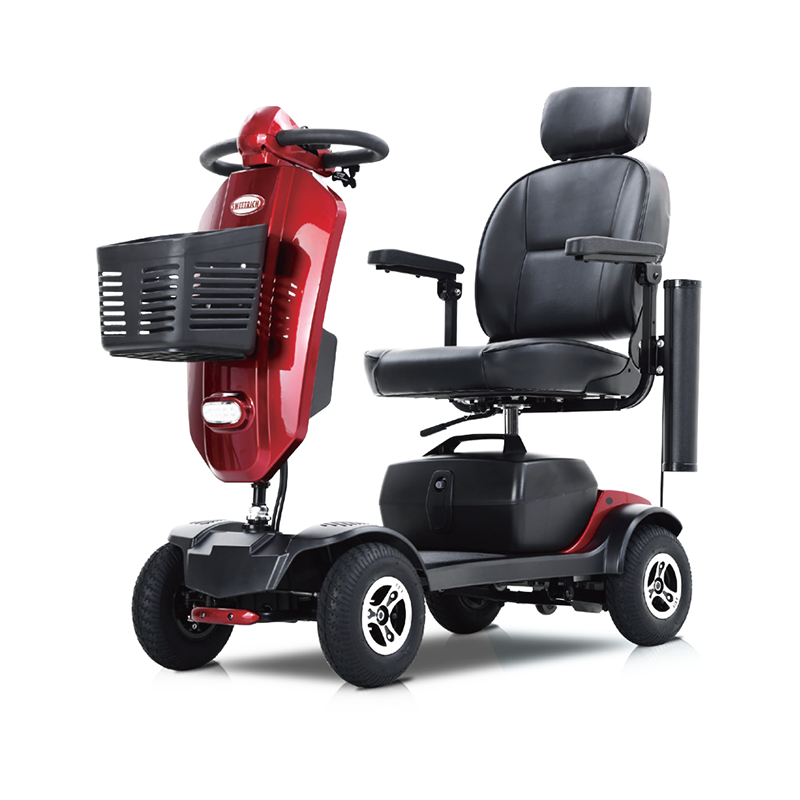
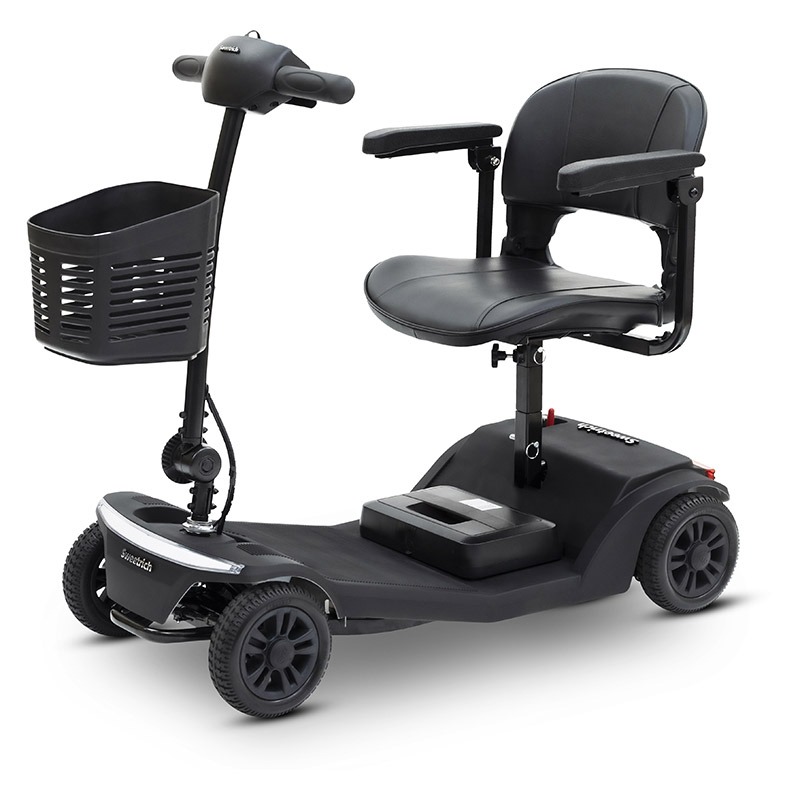
A Medium Mobility Scooter sits between those two use patterns. Its frame can provide more room and support than a compact travel model while remaining easier to handle than a large outdoor machine. Such a design is useful for people whose daily routine does not stay in one environment.
Size affects more than appearance. A wider frame can provide additional room around the seat and controls, while a longer wheelbase may influence how the scooter moves across uneven ground. At the same time, every increase in frame size creates another question about turning space, storage, lifting, or vehicle transport.
Daily habits therefore matter when considering mobility equipment. Someone who spends nearly all of the time inside a home may have different requirements from a person who regularly travels between a house, shopping area, community facility, and outdoor walkway.
A practical middle ground can involve several considerations:
- Enough space for comfortable seating
- A frame that remains manageable around common indoor areas
- Suitable driving ability for routine outdoor trips
- Storage that does not require a large dedicated area
- Handling that fits the user's physical ability
Such factors show why scooter selection is not simply a matter of choosing a larger or smaller frame. The useful size depends on where the scooter will actually be used.
What Makes a Medium Mobility Scooter Different From Smaller Models
Smaller mobility scooters are often designed around easy movement in limited spaces. A compact frame can pass through narrow areas and may be easier to store. Smaller wheels and a short body can also make turning more convenient in rooms, corridors, and other restricted areas.
A Medium Mobility Scooter generally allows more space for structural components. Battery placement, seating, wheels, and supporting parts can be arranged with fewer restrictions than on a very compact frame. More room can help create a stable driving position without making the entire vehicle difficult to manage.
Frame size also affects how a scooter responds to different surfaces. Indoor floors are usually relatively smooth, while outdoor paths may contain small changes in height, joints, rough patches, or sloping sections. A medium frame can offer a different level of support when moving between those environments.
Storage remains part of the decision. A scooter that fits comfortably through a doorway may still require considerable floor space once parked. Measuring the storage area before choosing a model can prevent an otherwise useful scooter from becoming difficult to keep at home.
Turning space deserves similar attention. A medium frame may need more room to change direction than a compact model. Such a difference is not necessarily a problem when the intended route includes open walkways, shopping areas, or outdoor paths. Problems arise when the scooter is expected to perform the same way in a small room and on an open road.
For that reason, frame dimensions should be considered together with the user's normal route rather than viewed as an isolated specification.
How Does Power Affect Everyday Mobility
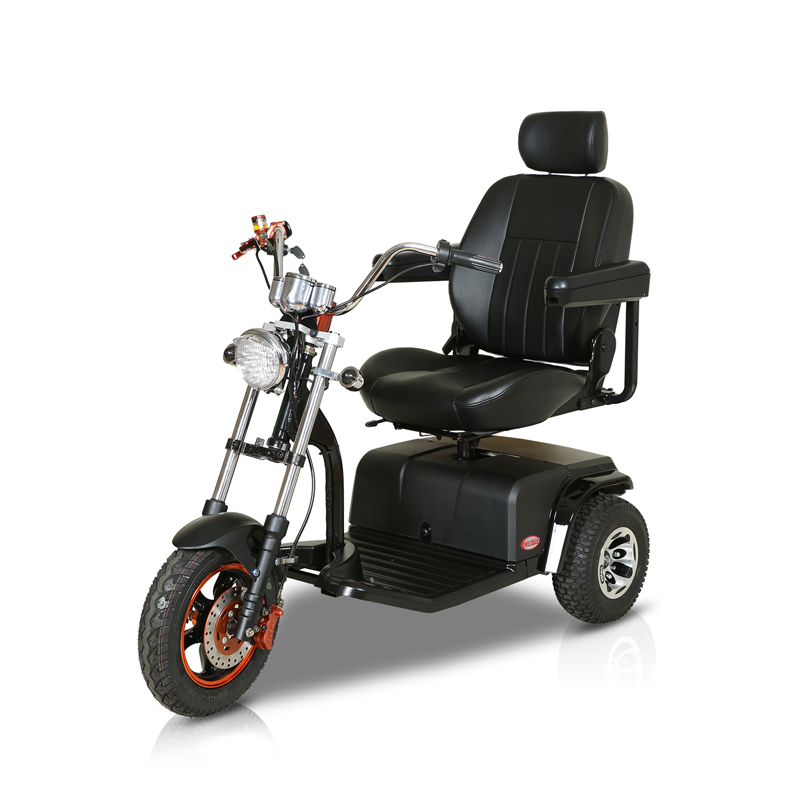
Driving power becomes more noticeable when a scooter moves beyond smooth indoor flooring. Outdoor paths may include gentle slopes, rough sections, changes in surface texture, or longer stretches where steady movement is needed. A suitable motor and battery arrangement can help the scooter maintain usable movement under normal conditions.
Power does not simply mean faster travel. For everyday mobility, steady movement can be more useful than high speed. A scooter needs to respond appropriately when starting, slowing, changing direction, or moving across a gradual incline.
Weight also enters the equation. A heavier frame may require more energy to move, while a lighter structure can be easier to transport. Motor size, battery arrangement, frame material, and wheel design therefore influence one another.
| Usage Condition | Main Requirement | Design Consideration |
|---|---|---|
| Indoor movement | Easy turning | Manageable frame size |
| Smooth outdoor paths | Steady travel | Balanced motor and battery |
| Gentle slopes | Consistent movement | Suitable driving power |
| Mixed indoor and outdoor use | Versatility | Compromise between size and power |
| Vehicle transport | Easy handling | Weight and folding or disassembly |
Why Does Portability Matter for Daily Use
Portability becomes important whenever a scooter needs to move beyond its normal parking area. A user may need to place it inside a vehicle, move it into a storage room, or adjust its position at home. Handling becomes easier when the frame, folding points, and weight distribution work together.
Weight is only one part of portability. A scooter can have a manageable overall weight and still feel awkward when lifted because the heavier components are concentrated at one end. Balanced weight distribution can make carrying and repositioning more predictable.
Folding also changes storage requirements. A folded structure occupies less floor space and can make vehicle transport more practical. Yet a folding mechanism needs to work with the frame rather than simply being added to it. Frequent folding places repeated movement around joints and connection points, so the structure needs to remain stable during ordinary use.
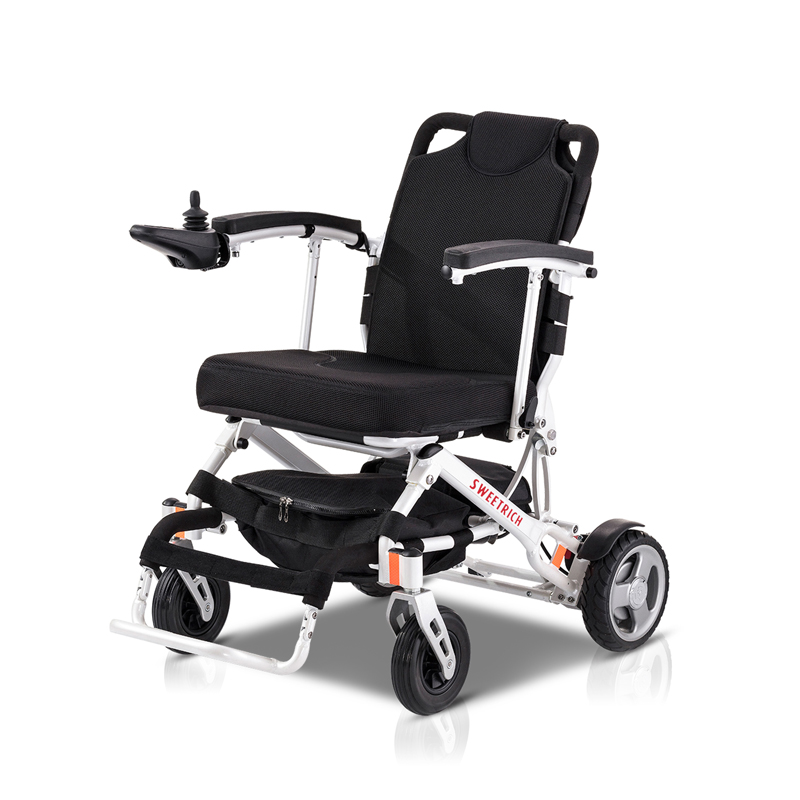
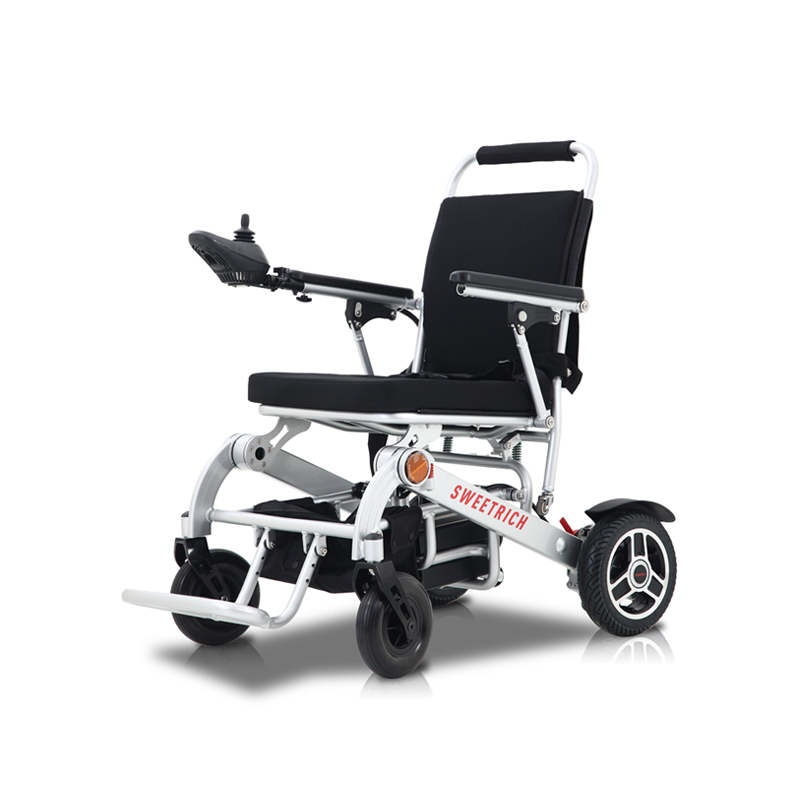
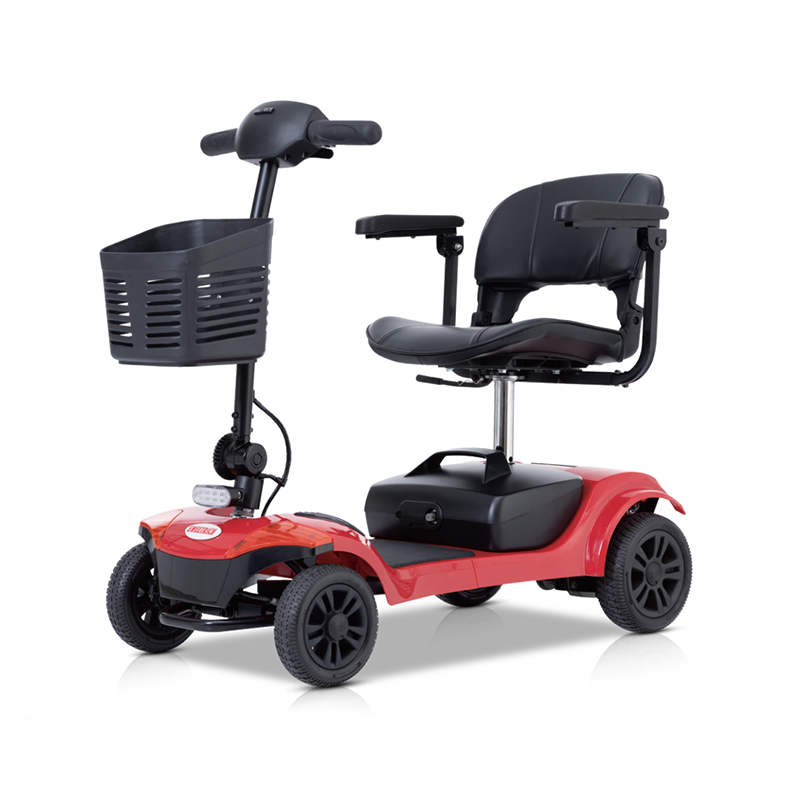
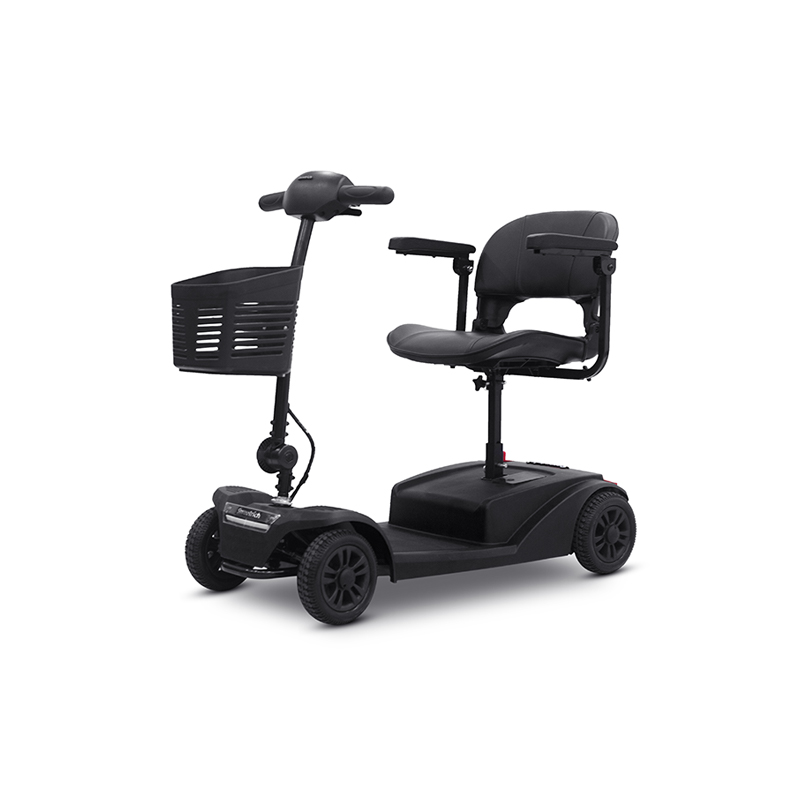
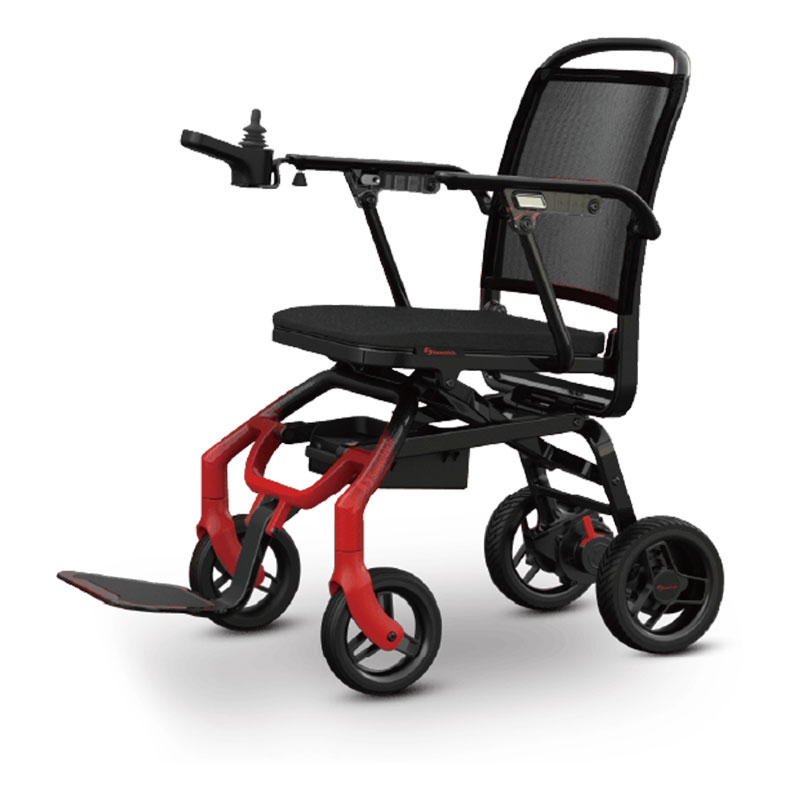
For an Elderly Electric Folding Scooter, portability often becomes part of the daily routine rather than an occasional feature. Folding may be useful when a scooter is shared between home storage and vehicle transport, while a simple frame may suit someone who rarely needs to move the scooter.
Practical handling can involve several small actions:
- Moving the scooter into a storage position
- Folding the frame when transport is required
- Positioning the scooter inside a vehicle
- Taking the scooter out without excessive effort
- Preparing the frame again before use
A portable design needs to make those actions reasonably straightforward. Too many complicated steps can reduce the value of a folding structure, especially for users who need to handle the scooter regularly.
How Can Medium Size Support Both Indoor and Outdoor Travel
A medium frame is often considered when one scooter needs to serve several environments. Indoor use calls for manageable turning and reasonable clearance around doors and furniture. Outdoor travel brings different concerns, including surface changes, longer routes, and occasional slopes.
Finding a workable balance involves accepting that no single frame size behaves identically everywhere. A compact scooter may turn more easily inside a narrow room, while a medium structure can provide additional support once the route moves outdoors.
Seat position can influence the experience as well. Adequate seating space helps maintain a natural posture during longer trips, while handlebar or steering placement needs to remain within comfortable reach. Wheel arrangement and frame length can affect how easily the scooter changes direction.
Storage should not be overlooked. A medium scooter may fit well in a garage, entry area, or storage room, while a smaller apartment may require a folding design or another space‑saving approach.
Mixed‑use travel is where the balance becomes clearer. A person may not need a large outdoor scooter for occasional outside trips, yet a very compact model may not provide the handling or support expected from regular outdoor use. A medium design can occupy the space between those two needs, provided its size and weight suit the user's actual routine.
What Role Does Folding Play in Mobility Scooter Design
Folding has become an important consideration when a mobility scooter needs to move between different places. A scooter may spend part of its time at home and later travel in a vehicle, so storage and transport become part of everyday use rather than occasional concerns.
A folding structure can reduce the space needed when a scooter is parked or transported. The benefit depends on how easily the frame can be folded, carried, and returned to its normal position. A complicated folding process may create unnecessary effort, especially when the scooter needs to be moved regularly.
For an Elderly Electric Folding Scooter, folding design also needs to work with the rest of the frame. A compact folded shape does not automatically mean convenient handling. Weight distribution, grip position, wheel placement, and frame balance can all affect how the scooter feels during lifting or repositioning.
Several practical points deserve attention:
- Folding should require a clear and manageable sequence.
- Connection areas need to remain stable during normal riding.
- The folded frame should be practical for available storage space.
- Lifting points should match the natural position of the hands.
- Reopening the scooter should not require complicated adjustments.
A folding mechanism also needs to coexist with the power system and seating structure. Batteries and motors add weight to the frame, so their position can influence how easy the scooter is to carry. Good folding design is therefore closely connected with the overall structure rather than being an independent feature.
Which Features Affect the Balance Between Power and Portability
Power and portability depend on several parts working together. Changing one component can affect the overall handling of the scooter. A larger battery may support longer routine travel, for example, while adding weight that makes transportation less convenient.
Frame construction has a similar effect. A sturdy frame needs to support the rider during movement, while unnecessary material can make storage and lifting harder. Manufacturers therefore need to consider strength, weight, and frame shape at the same stage of development.
Wheel size can influence outdoor handling and indoor movement. Larger wheels may make changes in ground texture easier to manage, while smaller wheels can support a more compact structure. Neither approach fits every travel environment.
Seat design contributes to the balance as well. A wider or more supportive seat can improve comfort during longer trips, although it may require additional frame space. Steering components need to remain accessible without making the front section too large for indoor movement.
Battery placement deserves attention because it can influence weight distribution. A scooter that carries much of its weight toward one side may feel different when lifted or moved. Even distribution can make repositioning easier and may also affect how the scooter behaves during ordinary travel.
Portability and power can therefore be viewed as a connected group of design choices rather than two separate features.
How Does User Routine Influence Scooter Selection
A scooter should fit the way it will be used. Daily routines can vary greatly, even among people living in similar environments. Some users may travel mainly around a residential area, while others may combine indoor movement with outdoor shopping or community activities.
Short local trips place more attention on easy handling and storage. Regular outdoor travel may require greater attention to driving stability, surface conditions, and battery use. Vehicle‑assisted travel introduces another set of concerns because the scooter needs to be moved into and out of a vehicle.
A Medium Mobility Scooter can suit mixed routines when its dimensions remain manageable and its driving ability matches the routes involved. Such a choice can reduce the need to switch between different types of mobility equipment for separate parts of the day.
Before selecting a scooter, users can consider questions such as:
- Where will the scooter normally be stored?
- Will it pass comfortably through the home's main entrances?
- Are outdoor routes smooth, uneven, flat, or sloped?
- Will a vehicle be used for longer trips?
- Does another person need to help with lifting?
- How often will folding or disassembly be required?
Answering those questions can make the selection process more practical. A scooter that looks suitable on paper may not fit well into a home or transport routine once real handling requirements are considered.
What Trade Offs Should Be Considered Before Choosing a Medium Scooter
A medium‑sized frame can provide a useful compromise, although compromises still exist. More frame space can support a comfortable seating position and outdoor handling, while the added size may require more room for storage.
Higher driving capability can also bring additional weight through the motor, battery, frame, or wheels. A user who regularly transports the scooter should therefore consider carrying and loading requirements alongside driving performance.
Folding creates another balance. A folding structure can make transport easier, yet additional moving parts may require regular inspection and careful handling. The frame needs to remain secure during normal riding while still allowing the user to fold it when needed.
The following trade‑offs are worth considering:
- Power and weight
More driving capability can require heavier components, which may affect portability. - Frame size and turning space
A larger frame can provide more room while requiring more space for direction changes. - Folding and structural design
Folding can reduce storage needs, although the mechanism needs to remain practical for regular use. - Battery capacity and handling
A larger energy storage system can support longer journeys while adding weight. - Outdoor ability and indoor convenience
Features that help on outdoor routes may make the scooter less compact inside a home.
A sensible choice depends on which trade‑offs fit the user's routine. There is little value in carrying a large frame for routes that never require it, just as a highly compact scooter may become inconvenient when outdoor travel forms a regular part of daily life.
How Can Manufacturers Improve the Balance Between Power and Portability
Manufacturers can approach the balance by looking at the scooter as a complete system. Reducing weight in one area may create another problem when the structure, battery, or seating arrangement no longer works well together.
Frame design is one area where careful planning can make a difference. Material should serve a clear structural purpose, while unnecessary bulk can be avoided. Weight distribution should receive attention at the same time, especially around the battery and motor.
Folding design can follow a similar approach. Instead of treating folding as an added function, designers can consider storage, carrying, riding, and unfolding from the beginning. Such planning can make the transition between folded and open positions more natural.
Battery placement can also be coordinated with the frame. Keeping heavy components in suitable positions may improve handling when the scooter is moved manually. Wheel placement, seat position, and steering structure can then be arranged around that weight distribution.
For mixed‑use mobility equipment, useful development areas include:
- Practical frame dimensions
- Manageable overall weight
- Balanced component placement
- Simple folding movement
- Comfortable seating space
- Suitable outdoor handling
- Reasonable indoor maneuverability
A balanced design does not require every feature to be pushed toward one direction. Instead, each part needs to support the same general use pattern.
Why Is the Balance Between Power and Portability Becoming More Important
Mobility scooters are increasingly considered as part of everyday transportation rather than equipment used in only one setting. A normal day may involve movement inside a home, travel along local paths, visits to nearby facilities, and transport by vehicle.
Such routines create a demand for equipment that can move between environments without becoming difficult to store or handle. A Medium Mobility Scooter represents one approach to that need, combining a moderate frame with driving capability suited to routine travel.
An Elderly Electric Folding Scooter follows a related idea from another direction, placing greater attention on folding and transport. Both designs show how mobility equipment is being shaped around practical daily tasks rather than a single operating environment.
Power, portability, storage, and handling are closely connected. Increasing one characteristic can influence another, so product development needs to consider the entire user journey from storage to travel and back again.
For users, the useful balance comes from matching the scooter with actual surroundings. Home layout, outdoor routes, transport habits, storage space, and physical handling requirements all have a place in that decision. A medium design can provide a workable option for people who need more outdoor capability than a compact scooter while still wanting a frame that remains manageable for everyday storage and transport.