 info@sweetrich.cn
  +86-(0)512-82283871
Content
- 1 How Are Home Mobility Needs Quietly Changing in Everyday Life?
- 2 What Types of Mobility Scooters Naturally Fit Home Environments?
- 3 How Do China Mobility Scooter Manufacturers Shape Home-Oriented Designs?
- 4 Why Do Size and Storage Become Important in Home Use?
- 5 How Does Control Simplicity Affect Daily Home Movement?
- 6 How Does Battery Use Fit Into Home-Based Daily Routines?
- 7 How Does Comfort Influence Repeated Daily Use at Home?
- 8 What Safety Factors Matter in Shared Living Environments?
- 9 How Do China Mobility Scooter Manufacturers Influence Everyday Home Design Choices?
- 10 What Kind of Maintenance Fits Naturally Into Home Use?
- 11 How Does the Home Environment Shape Real Usage Patterns?
- 12 What Are the Practical Limits in Everyday Home Mobility Use?
- 13 How Do Users Gradually Adapt to Mobility Scooters Over Time?
- 14 What Direction Is Home Mobility Design Moving Toward?
How Are Home Mobility Needs Quietly Changing in Everyday Life?
In many homes, movement is not something people usually think about. It is just part of daily routine—walking to another room, stepping outside for a short errand, or moving around shared spaces. These actions are small, but they happen many times in a day.
Over time, the feeling behind these short trips can change. Not suddenly, but in a slow and subtle way. A path that once felt simple may start to require a bit more attention or rest in between. This is often when people begin to notice that home movement is not only about distance, but also about repetition.
In this kind of daily setting, compact mobility support starts to appear more naturally in conversation. It is not about replacing walking, but about making repeated short movement less tiring. This is also where China Mobility Scooter Manufacturers become relevant, because many of these products are shaped around real home environments rather than abstract use cases.
The important shift here is not technology itself, but how people live. When daily routines stay the same but physical comfort changes slightly, mobility tools begin to fit into the background of everyday life.
What Types of Mobility Scooters Naturally Fit Home Environments?
Homes are not open spaces. There are narrow corridors, furniture corners, doorways, and different room layouts. Because of this, not every mobility tool fits naturally into indoor movement.
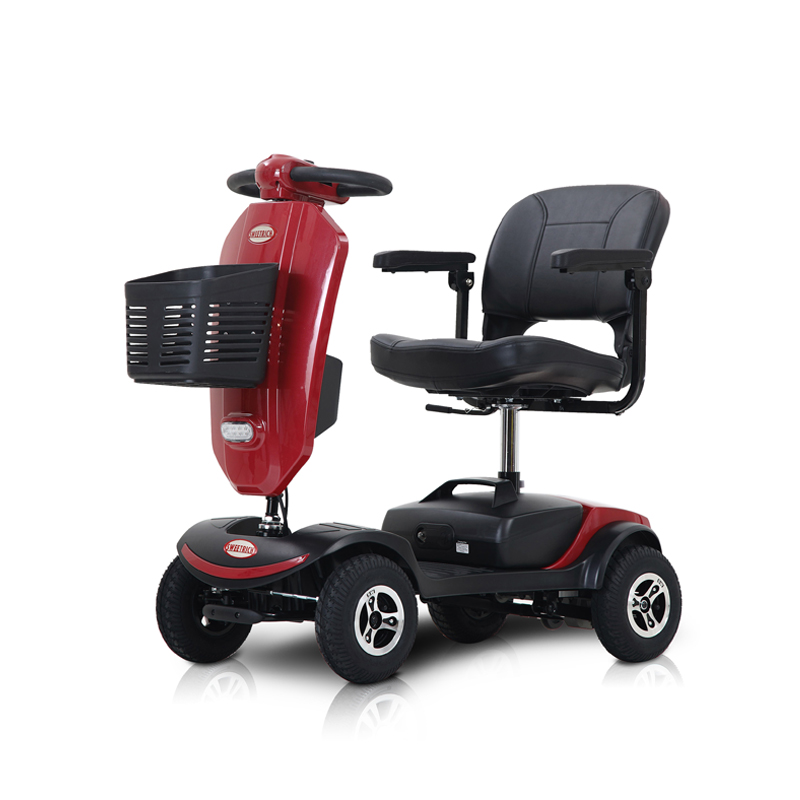
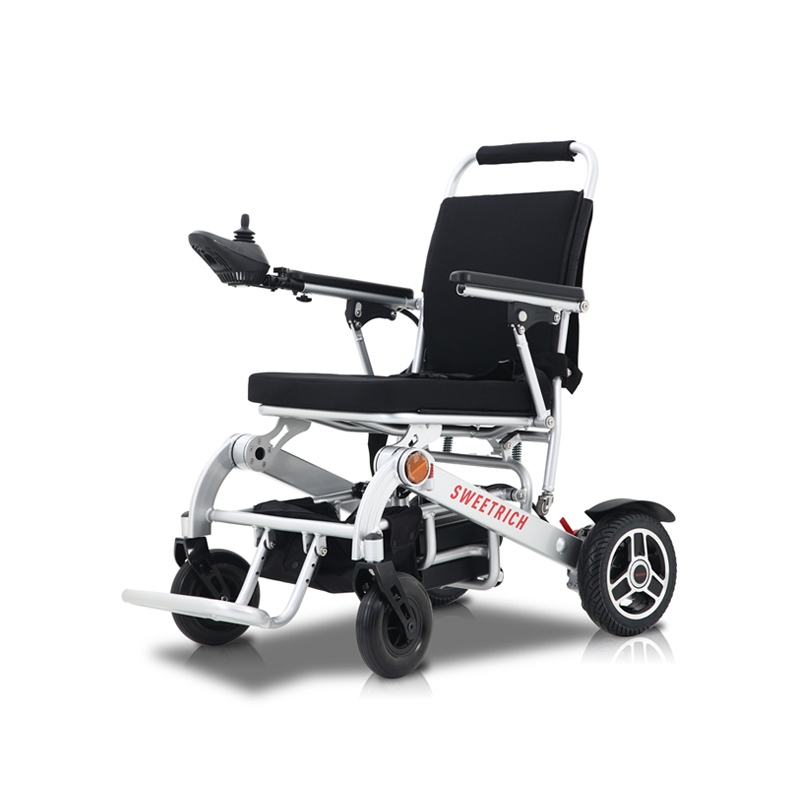
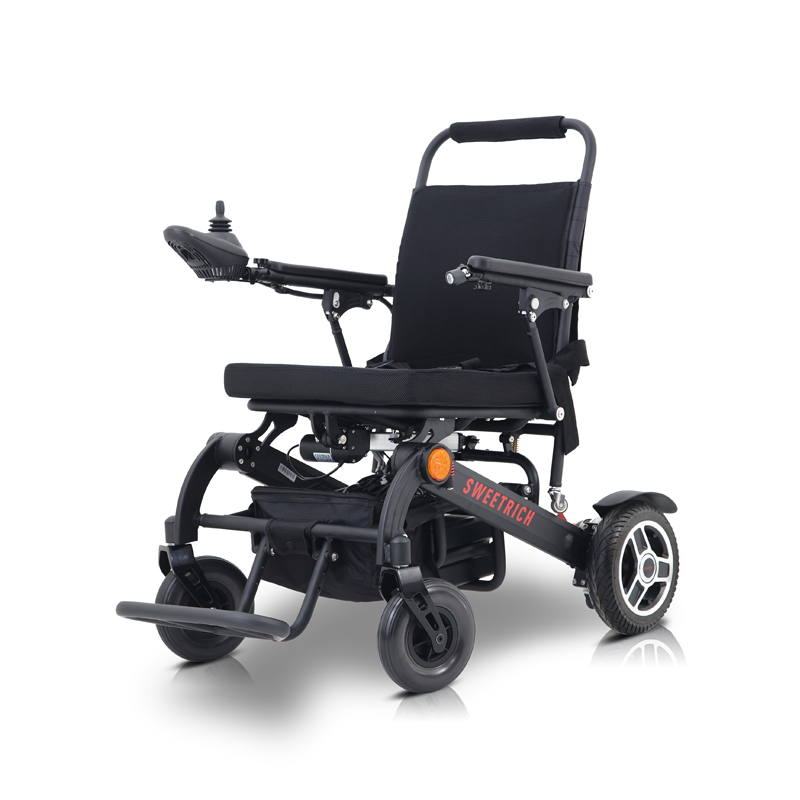
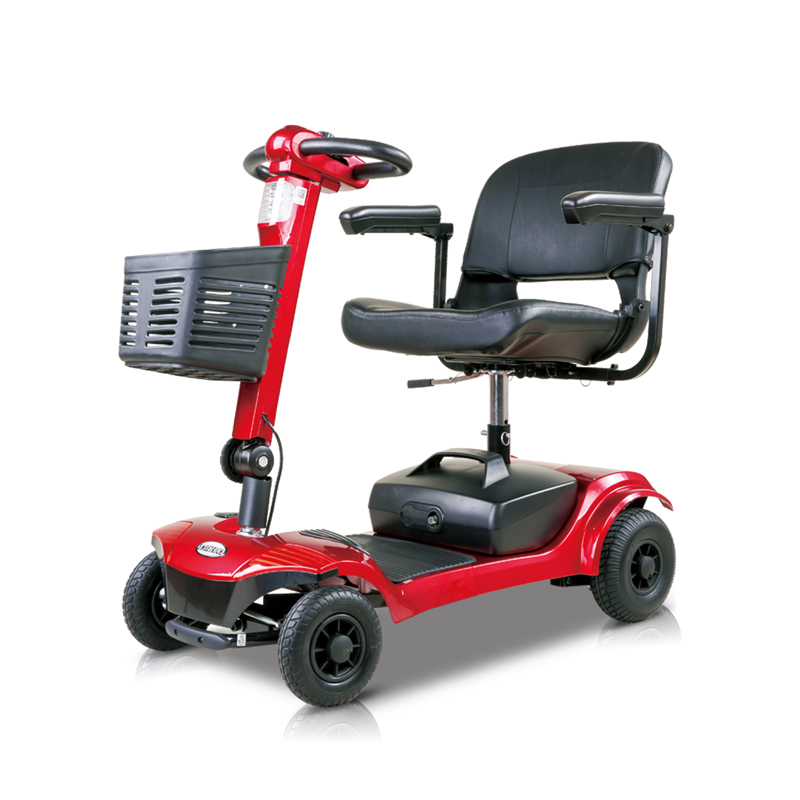
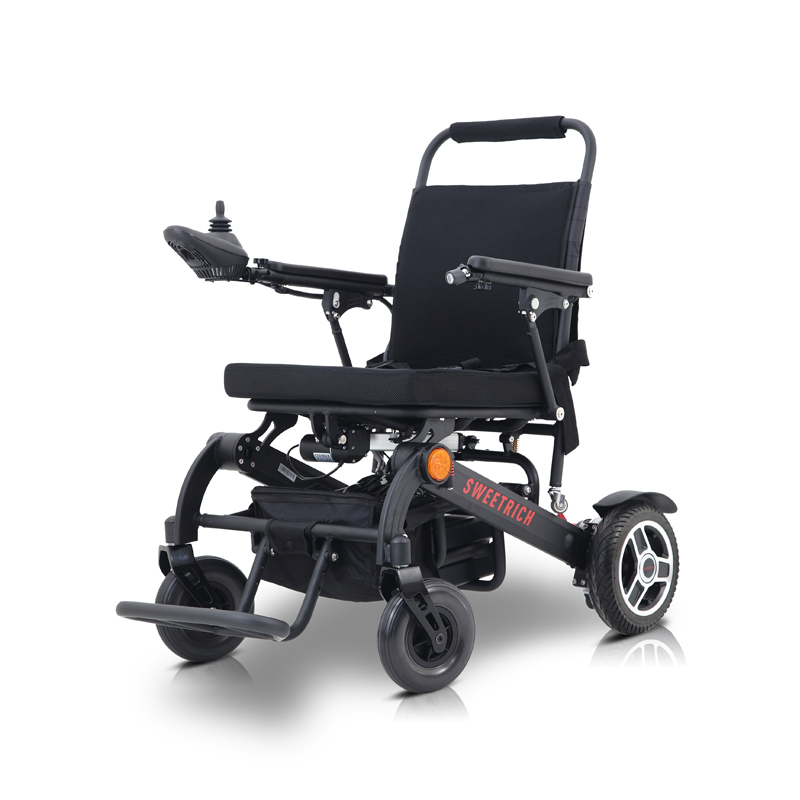
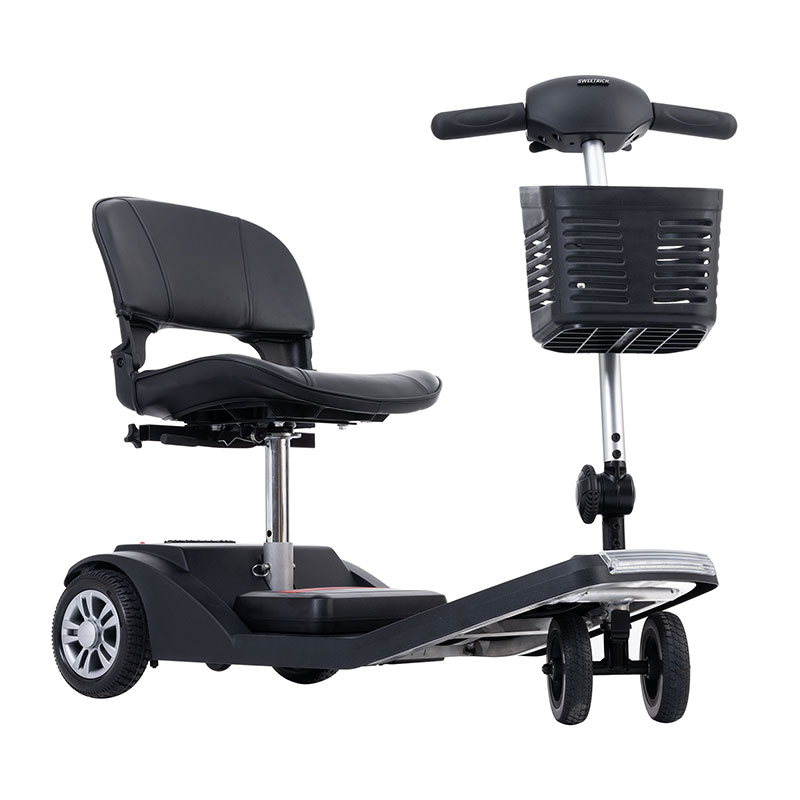
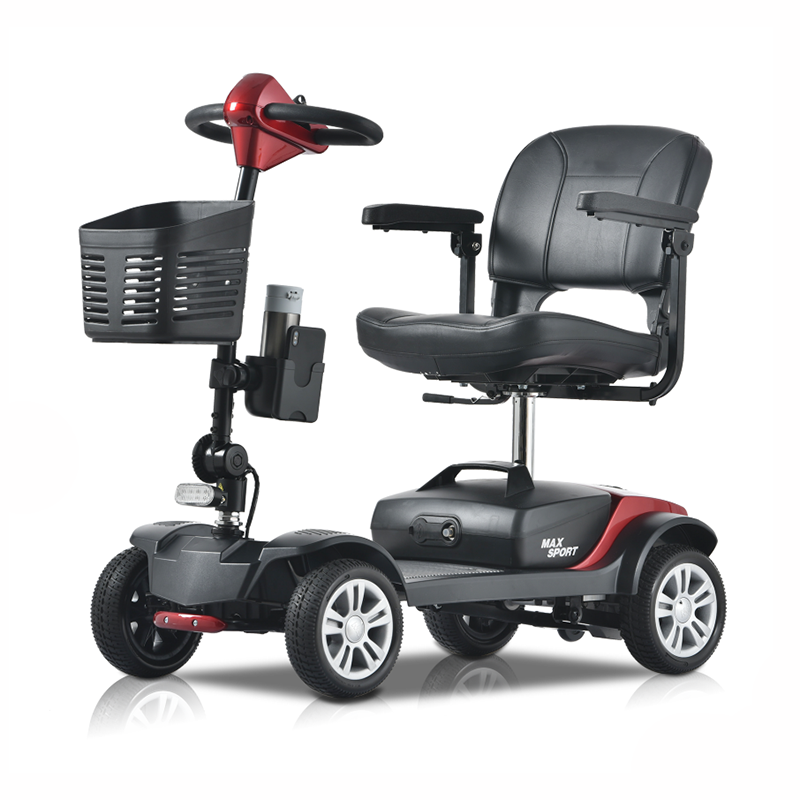
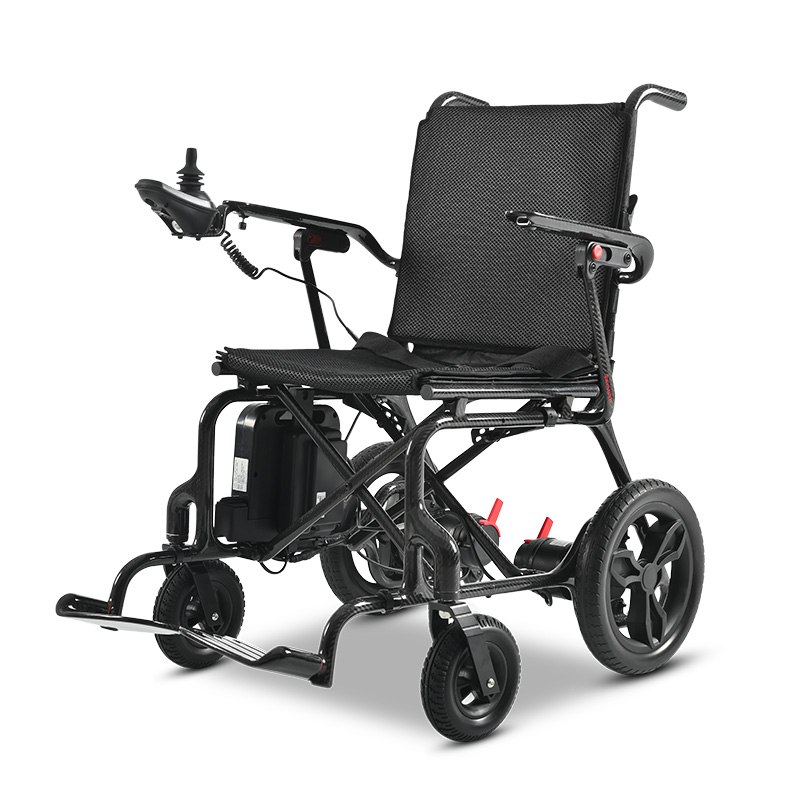
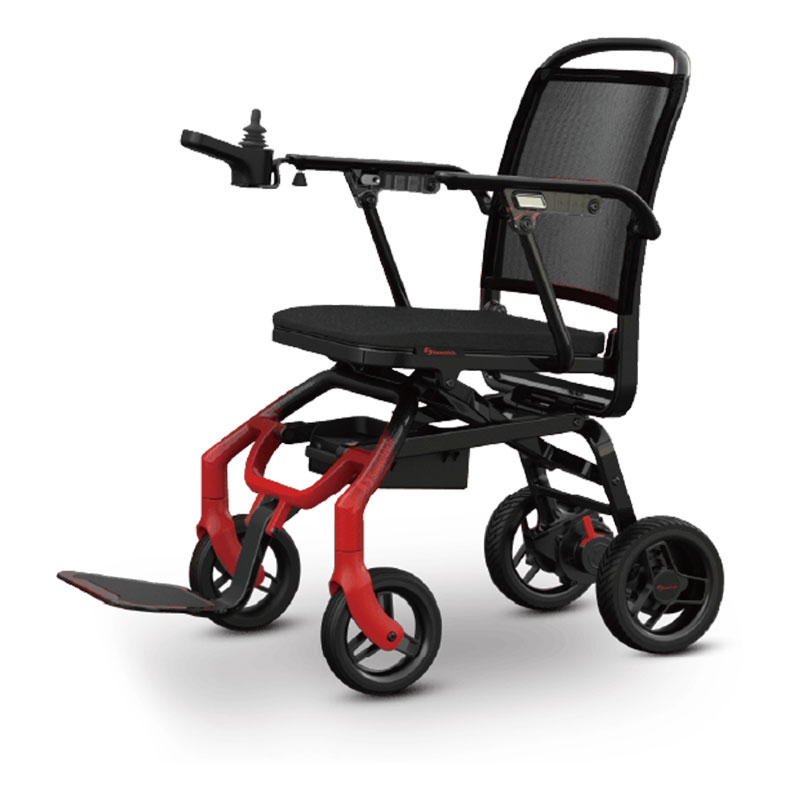
In practice, smaller and more compact designs are often easier to manage inside the home. Folding structures are also common, especially where storage space is limited. The idea is simple: when not in use, the device should not take over living space.
Many home movement follows a familiar pattern:
- Short trips between rooms
- Movement from indoor space to nearby outdoor area
- Repeated small errands during the day
- Turning and adjusting direction in narrow passages
A simple comparison helps show how structure affects daily use:
| Structure Type | How It Feels in Home Use | Practical Role |
|---|---|---|
| Compact Design | Easier turning in tight areas | Indoor movement support |
| Folding Design | Can be stored in small space | Daily storage convenience |
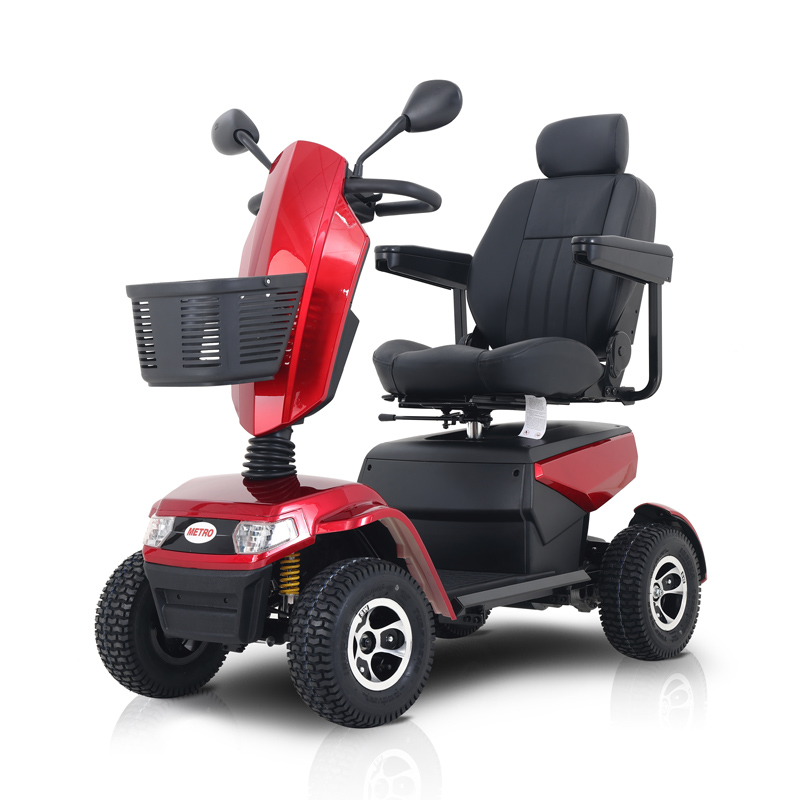
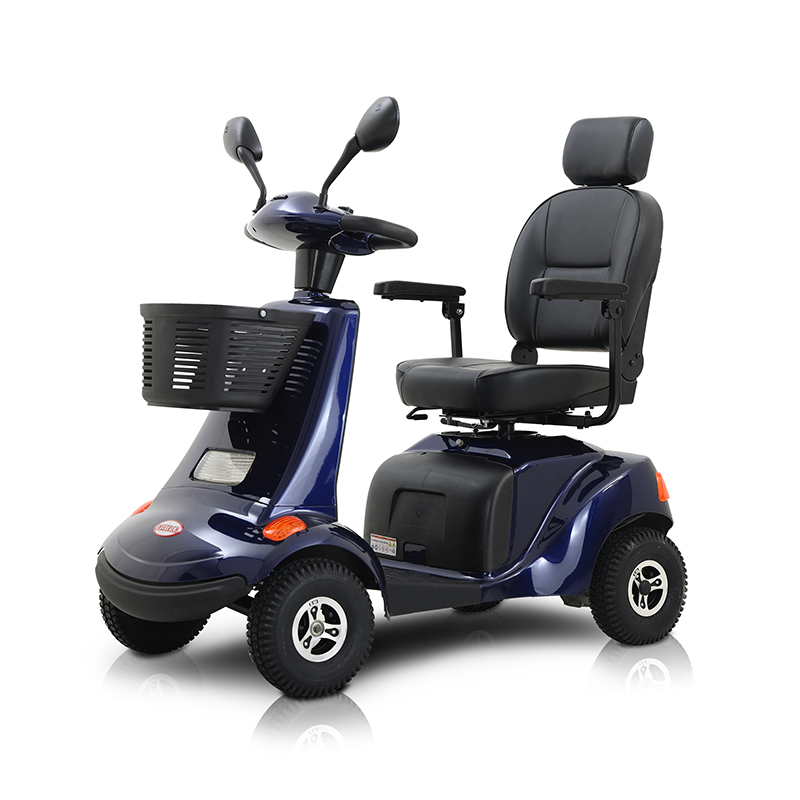
| Standard Frame | More stable outdoors | Short trips outside home |
How Do China Mobility Scooter Manufacturers Shape Home-Oriented Designs?
When looking at how these mobility tools are developed, the starting point is usually daily life rather than technical detail. Home use is very different from open-road movement, so the design direction naturally changes.
China Mobility Scooter Manufacturers often focus on how people actually move inside homes. This includes narrow spaces, frequent short trips, and simple handling needs.
In real design thinking, a few patterns appear often:
- Controls are kept simple so they can be used without learning complex steps
- Movement is adjusted to feel steady at low speed
- Turning ability is designed for tight indoor corners
- Folding or compact structure is included for easier storage
Homes are not fixed environments. Furniture can shift, space can be limited, and movement paths are not always straight. Because of this, designs tend to stay flexible rather than overly specialized.
The goal is not to create something complicated, but something that quietly fits into daily movement without requiring changes in lifestyle.
Why Do Size and Storage Become Important in Home Use?
Space inside a home is always shared with daily living. Chairs, tables, walking paths, and storage areas all compete for the same area. When a mobility tool is introduced, it needs to fit into that environment without creating disruption.
Size becomes important for this reason. A device that is too large can feel difficult to place or move inside the home. Folding ability helps reduce this pressure by allowing the device to become smaller when not in use.
In everyday situations, size affects:
- Movement through doorways and hallways
- Turning inside small rooms
- Placement near living areas
- Storage in limited space
When storage is simple, the device becomes part of routine movement rather than something that needs planning. If storage feels complicated, usage naturally becomes less frequent.
How Does Control Simplicity Affect Daily Home Movement?
Inside a home, movement is usually slow and careful. There are furniture edges, narrow spaces, and shared areas where people may be walking at the same time. Because of this, control behavior matters more than speed.
Small adjustments guide direction, while gentle pressure affects movement speed. The response is designed to feel steady rather than sudden.
In daily use, this helps in simple but important ways:
- Turning without sharp movement in narrow areas
- Adjusting speed when passing through shared space
- Stopping in a controlled and predictable way
- Moving smoothly around indoor objects
Control simplicity reduces mental effort. Instead of thinking about how to operate the device, attention stays on where to go next.
How Does Battery Use Fit Into Home-Based Daily Routines?
Battery use in home environments is usually part of a quiet routine. It is not something that requires constant attention, but it does need regular habits.
Charging often happens when the device is not being used. It may be placed in a corner of the home where it does not interrupt daily movement. The process is usually simple and repeated in the same way.
In daily life, this often looks like:
- Charging after several short trips
- Keeping the device ready for repeated use
- Placing it back in the same charging spot
- Checking basic readiness before going out
There is no need for detailed management. It becomes part of home rhythm, similar to other everyday devices that are used and recharged regularly.
How Does Comfort Influence Repeated Daily Use at Home?
Comfort is not about luxury features. In home use, it is more about reducing small physical effort that builds up over repeated movement.
A comfortable seat helps maintain posture during short trips. Handle position affects how the arms feel during steering. Even small differences in structure can change how tiring repeated movement feels.
On indoor surfaces, smoother movement helps reduce strain. When the device responds gently, daily travel feels less disruptive, especially when it happens many times in a day.
Comfort here is closely connected to repetition. One trip may feel simple, but many small trips together make comfort more noticeable.
Homes are shared spaces. People move in different directions, objects are not always fixed, and pathways can change throughout the day. Because of this, safety depends heavily on steady movement.
In daily use, safety usually comes down to simple habits:
- Moving slowly near furniture and corners
- Keeping distance from people in shared spaces
- Avoiding sudden changes in direction
- Staying aware of surroundings during movement
The goal is not complexity. It is stability. Predictable movement reduces small risks that can appear in narrow or busy indoor areas.
How Do China Mobility Scooter Manufacturers Influence Everyday Home Design Choices?
Many mobility scooters used at home are not designed starting from "features", but from very ordinary daily movement. Walking from one room to another, stepping out for a short errand, turning in a narrow hallway—these are simple actions, but they repeat a lot in a day. When repetition meets limited energy, design direction naturally shifts.
China Mobility Scooter Manufacturers usually work around these small patterns. Instead of building something complex, the focus is closer to how people actually move inside real houses. That means the scooter has to behave calmly in tight spaces, turn without feeling awkward, and move at a pace that matches indoor environments.
In many cases, it is not about "use cases" in theory, but situations like:
- Passing between furniture without rearranging the room
- Moving from a bedroom to a living area without effort buildup
- Going from inside the house to a nearby outdoor space for a short time
So the design ends up being shaped by daily friction points rather than technical ambition. What matters is whether it fits into a normal day without asking the user to change habits.
What Kind of Maintenance Fits Naturally Into Home Use?
Maintenance sounds like a separate task, but in real home use it rarely works that way. It is usually mixed into normal handling. Nothing feels scheduled or formal.
After going outside, it is often just a quick wipe. Dust on wheels or light marks are removed without much thought. Folding joints may be looked at while putting the scooter away, but not in a technical sense—more like a quick visual check.
Charging is even simpler. It becomes part of the same place and time every day. The scooter goes back to a corner, gets plugged in, and stays there until the next use. After a while, this stops feeling like "maintenance" and becomes part of how the house is arranged.
Common habits that quietly form:
- Parking it in the same spot every time
- Plugging in without planning ahead
- Glancing at basic readiness before going out
- Keeping the storage area clear enough to move it easily
There is no special routine. It just blends into how the home already functions.
How Does the Home Environment Shape Real Usage Patterns?
Homes don't follow a fixed pattern. Even two similar apartments can feel different once furniture and daily habits are inside them. That directly affects how a scooter is used.
In tighter homes, movement is usually short and frequent. A few meters here, a turn there, then stopping again. In more open layouts, movement might stretch a bit further, but it still stays within short-distance behavior.
Daily use often looks like:
- Moving between rooms during small tasks
- Short trips to the door or outside area
- Navigating around furniture that changes position
- Turning in narrow passages without much space
Storage is also part of this pattern. Some keep it near the entrance, others in a corner where it does not block walking paths. The choice is less about planning and more about "where it fits without being in the way".
China Mobility Scooter Manufacturers often design with this unpredictability in mind, because real homes are not fixed environments.
What Are the Practical Limits in Everyday Home Mobility Use?
Even when a scooter works well indoors, there are limits that come from the environment itself, not the device.
Flat floors inside the home usually feel easy to handle. But once the surface becomes uneven or cluttered, movement needs more attention. Narrow corners also require slower steering, especially in small rooms.
Outside the home, conditions matter even more. Smooth paths feel comfortable, but rough ground or unstable surfaces change how it behaves.
Typical limitations include:
- Tight spaces that require careful turning
- Uneven ground that reduces smooth movement
- Longer travel that doesn't match short-use design
- Outdoor conditions that affect stability and comfort
These are not unexpected issues. They simply define where the scooter fits naturally in daily life.
How Do Users Gradually Adapt to Mobility Scooters Over Time?
After some time, repetition takes over. The same actions are done again and again, and they slowly stop feeling new. Turning becomes familiar, folding becomes routine, and even small adjustments are no longer consciously noticed.
What often changes quietly over time:
- Short trips feel less like effort
- Indoor movement becomes more relaxed
- The scooter stops feeling like a "device" and becomes part of routine
- Daily planning adjusts slightly around easier movement
It is not a sudden shift. It builds through repeated ordinary use.
What Direction Is Home Mobility Design Moving Toward?
Home mobility design does not change in dramatic steps. It moves in small adjustments based on how people actually live.
One clear direction is simplicity. Folding systems are being made easier to handle without extra steps. Control response is shaped to feel steady rather than sensitive. Storage is also considered more carefully because many homes have limited space.
China Mobility Scooter Manufacturers continue working around these everyday conditions—tight rooms, short trips, shared spaces, and repeated movement patterns.
At the center of it, the scooter is not meant to replace walking or change lifestyle structure. It simply sits inside daily movement, helping with the parts that repeat too often or feel slightly tiring.
In many homes, movement is made of small, repeated actions. Nothing feels large on its own, but together they shape the rhythm of the day. A scooter designed for this kind of life does not stand out—it simply fits in, handling short trips quietly as part of everyday movement.