 info@sweetrich.cn
  +86-(0)512-82283871
Content
- 1 What Makes Portable 3 Wheel Scooter Suitable for Indoor Use
- 2 How Portable 3 Wheel Scooter Affects Daily Movement Flow
- 3 Where Portable 3 Wheel Scooter Is Commonly Used Indoors
- 4 How Structural Design Influences Comfort Performance
- 5 What Role China Mobility Scooter Manufacturers Play in Design Development
- 6 How Indoor Environment Conditions Affect Scooter Experience
- 7 How Indoor Movement Slowly Builds Its Own Rhythm
- 8 How Tight Spaces Change the Feeling of Direction Control
- 9 How Indoor Surfaces Quietly Influence Movement Feel
- 10 How Repeated Paths Shape Daily Indoor Behavior
- 11 How Steering Response Affects Comfort During Slow Movement
- 12 How Simplicity in Structure Supports Everyday Use
- 13 How Indoor Comfort Develops Gradually Instead of Suddenly
Indoor movement often looks simple from outside, yet actual use inside rooms, corridors, and shared spaces tends to involve frequent turning, short stops, and repeated adjustment of direction. Space inside buildings is usually limited in different ways, and even a small change in furniture placement can affect how movement flows from one area to another.
Comfort in this environment is not only related to how far movement goes, but more about how smoothly direction changes can happen without extra effort. When indoor travel happens many times during a day, small resistance in turning or balance shifts can gradually become noticeable.
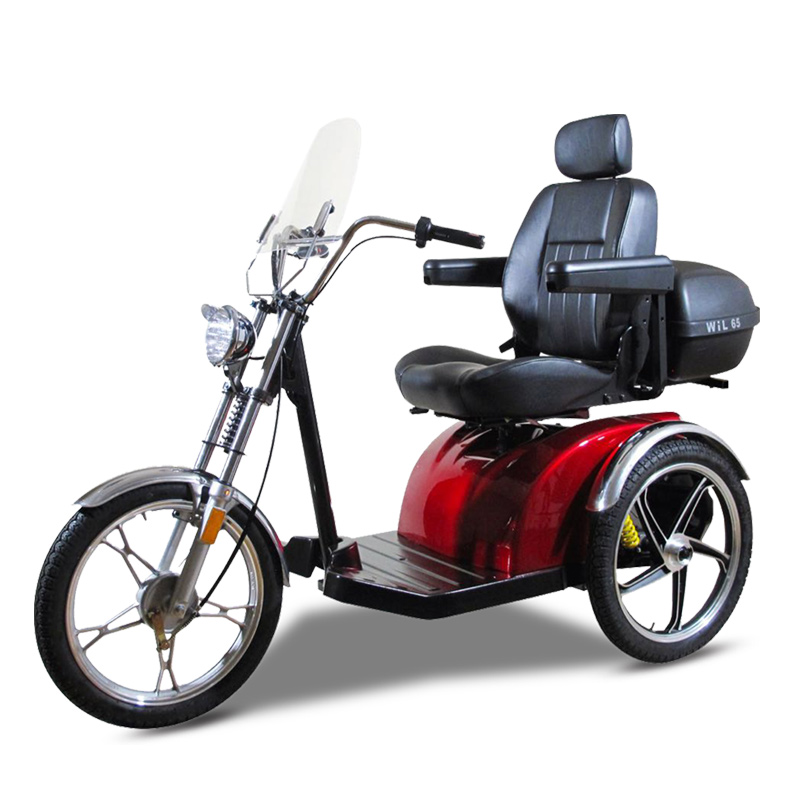
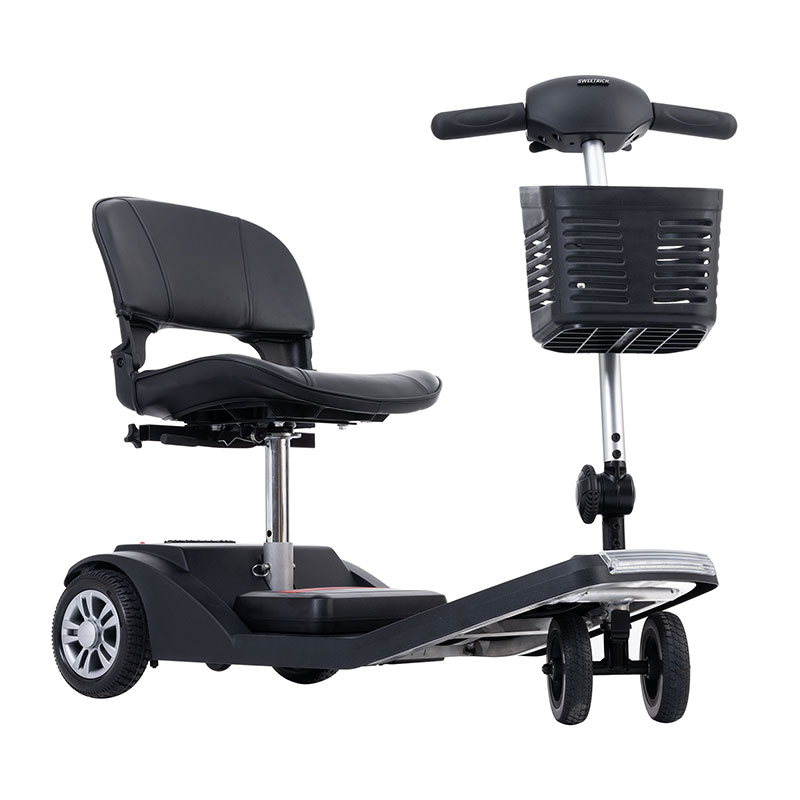
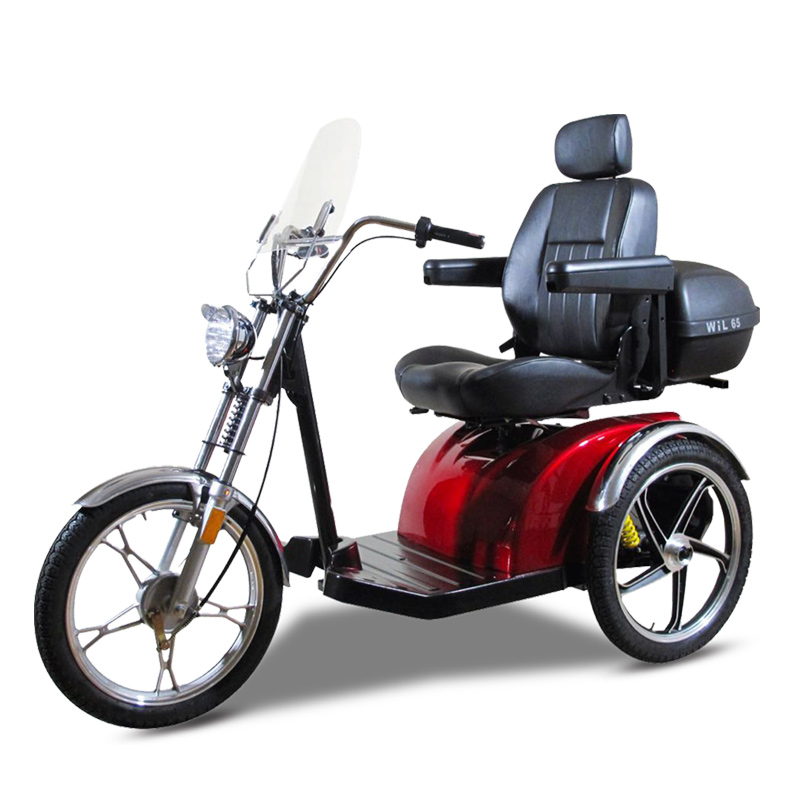
Portable 3 Wheel Scooter appears in such conditions as a compact mobility option that follows indoor space patterns rather than open outdoor movement. Its structure fits situations where travel distance is short, yet directional change happens again and again across rooms and corridors.
What Makes Portable 3 Wheel Scooter Suitable for Indoor Use
Indoor spaces rarely allow straight, uninterrupted movement. A person may move from a room into a corridor, then turn into another area, and adjust direction again within a short distance. These repeated changes shape a movement pattern that is different from open environments.
Portable 3 Wheel Scooter is often associated with a compact frame that allows closer handling in narrow indoor paths. Instead of requiring wide turning space, movement can respond to smaller directional input, which becomes useful in places where furniture or walls reduce available space.
| Movement Aspect | Indoor Walking Pattern | Portable 3 Wheel Scooter Behavior |
|---|---|---|
| Turning space | Depends on free room area | Reduced turning requirement |
| Direction change | Requires full step adjustment | Adjusted through handle control |
| Repetition across rooms | Physical effort accumulates | Movement remains continuous |
| Narrow passages | Slower pace often needed | More consistent passage flow |
In many indoor situations, the difference is not about speed, but about how easily direction can be adjusted when space becomes tight or uneven.
How Portable 3 Wheel Scooter Affects Daily Movement Flow
Indoor movement usually happens in short segments rather than long continuous paths. A typical sequence may involve moving between rooms, adjusting direction near corners, pausing briefly, then continuing again toward another point. Over time, this creates a repeated pattern of small directional changes.
Portable 3 Wheel Scooter interacts with this pattern by reducing the need for repeated stepping adjustments during short travel segments. Movement becomes more centered around steering control instead of full body effort for each change in direction.
In practice, indoor travel starts to feel less fragmented, especially when moving between connected spaces where paths are frequently repeated throughout the day.
Where Portable 3 Wheel Scooter Is Commonly Used Indoors
Indoor mobility challenges appear more clearly in certain environments where space is limited and movement paths repeat often. These situations are not defined by distance, but by layout complexity and frequency of directional change.
Typical indoor environments include:
- residential areas with multiple connected rooms
- indoor corridors where turning points appear frequently
- shared spaces with narrow walking passages
- areas where seating and standing transitions happen often
- compact layouts with limited open floor space
In each of these environments, movement tends to rely more on directional control than continuous walking distance.
How Structural Design Influences Comfort Performance
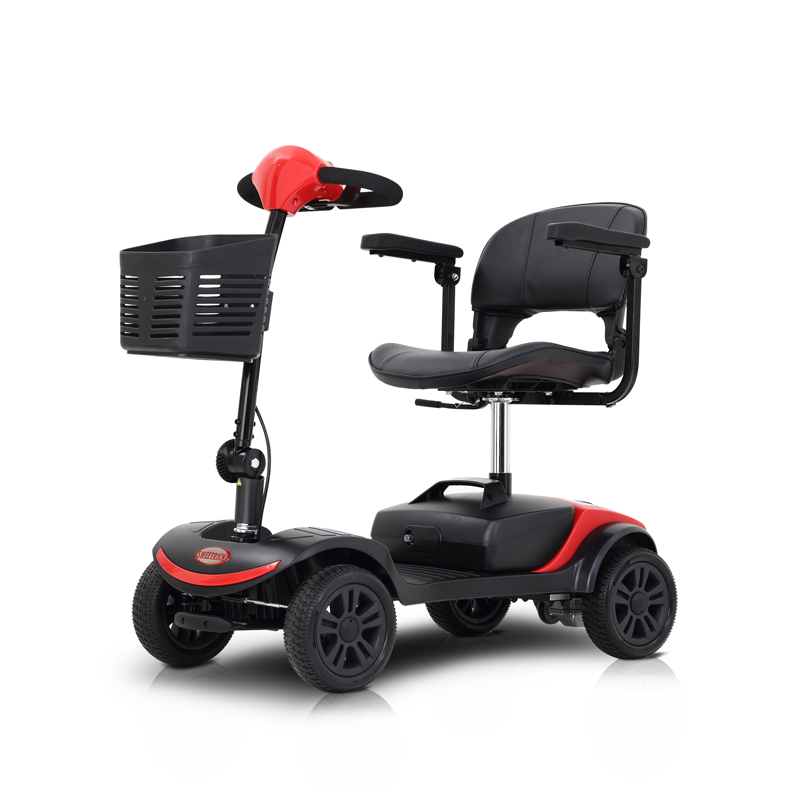
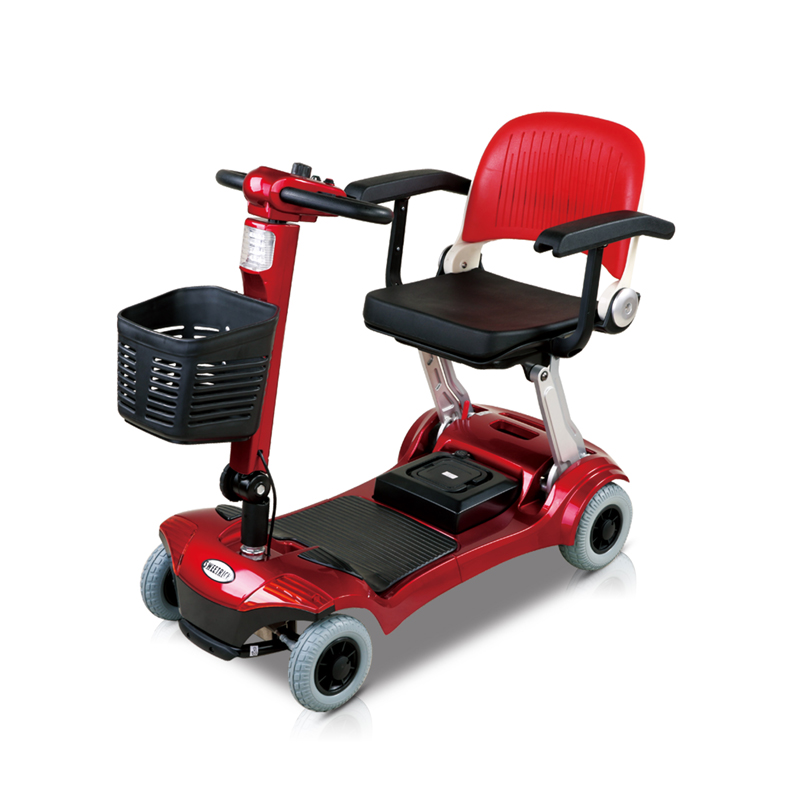
The way a mobility device behaves indoors depends closely on how its structure interacts with space. Portable 3 Wheel Scooter usually follows a compact arrangement that supports movement within limited turning radius conditions, which becomes relevant in narrow indoor paths.
Wheel positioning plays an important role in how turning feels during use. A balanced arrangement allows direction to shift without requiring wide movement arcs. Frame design also affects how stability is maintained when movement slows down in tighter spaces.
Indoor flooring differences between rooms may also influence how smooth movement feels, especially when surfaces change slightly from one area to another. A stable structure helps reduce noticeable variation during these transitions.
What Role China Mobility Scooter Manufacturers Play in Design Development
China Mobility Scooter Manufacturers are often involved in shaping how compact mobility solutions adapt to indoor environments. Focus in production usually includes structural simplicity, controlled assembly consistency, and adjustment of movement response for confined spaces.
Design considerations often come from real indoor usage behavior, where repeated turning, short-distance movement, and narrow passage navigation are common. Instead of emphasizing appearance alone, attention is placed on how the structure behaves during repeated indoor cycles.
Material selection and frame balance are adjusted to support steady movement under frequent directional changes, especially in environments where space remains limited throughout the day.
How Indoor Environment Conditions Affect Scooter Experience
Indoor conditions influence movement behavior even when the device itself does not change. Floor surfaces vary between rooms, corridor width shifts across layouts, and lighting conditions can affect visual awareness during navigation.
Furniture placement also plays a role in how paths are formed, often requiring small adjustments in direction during movement. Over time, repeated use creates familiar routes inside indoor spaces, where movement becomes more predictable based on daily habits.
Portable 3 Wheel Scooter interacts with these conditions by supporting consistent directional response during repeated indoor travel patterns.
How Indoor Movement Slowly Builds Its Own Rhythm
Indoor movement rarely feels random once it becomes part of daily routine. Walking from one room to another, passing through the same corridor, turning around the same corners, all of these actions start to repeat in a quiet cycle that often goes unnoticed.
With time, these repeated paths form a kind of internal rhythm inside the space. Not something planned, more like something that grows naturally from habit and layout together. Portable 3 Wheel Scooter tends to blend into this rhythm because movement no longer relies only on repeated stepping effort. Direction changes become more controlled through steering, while forward motion stays steady across short distances.
What often gets noticed in long-term use is not a dramatic change, but a softer shift in how movement feels across familiar indoor routes. The same space starts to feel easier to pass through, not because the space changes, but because the way of moving inside it becomes less fragmented.
How Tight Spaces Change the Feeling of Direction Control
Inside buildings, narrow passages and close corners shape movement more than distance does. A short corridor with two or three turns can require more attention than a longer open path. Each direction change adds a small layer of effort that accumulates during daily movement.
Portable 3 Wheel Scooter responds to these situations through compact turning behavior. Instead of requiring wide movement space, direction can be adjusted in smaller arcs. That difference becomes more noticeable in areas where furniture edges, door frames, or tight junctions limit free movement.
In practice, turning does not feel like a separate action. It becomes part of the same flow as forward movement, especially in spaces that are used repeatedly every day.
How Indoor Surfaces Quietly Influence Movement Feel
Floor surfaces inside buildings are not always consistent. One area may feel smoother under motion, while another introduces a slight difference in resistance. Even when these changes are small, they still affect how movement is experienced over time.
Portable 3 Wheel Scooter interacts with these variations through wheel contact and weight distribution. When crossing from one room to another, movement may feel slightly different for a moment, then quickly returns to a stable rhythm once the surface becomes familiar again.
In long-term use, these differences are often not consciously noticed anymore. They become part of background sensation rather than something that interrupts movement.
How Repeated Paths Shape Daily Indoor Behavior
Many indoor spaces naturally guide movement into repeated paths. People tend to use the same doorways, the same corridors, and the same room connections again and again. Over time, these repeated routes form a predictable pattern inside the building.
Portable 3 Wheel Scooter fits into this pattern because movement becomes easier to manage along familiar directions. Instead of constantly adjusting to new paths, users begin to rely on known routes that require less attention during travel.
Common repeated indoor movement patterns often include:
- movement between resting area and functional rooms
- short transitions through shared corridors
- repeated trips between connected indoor zones
- frequent turning near consistent corners
- back-and-forth movement inside compact layouts
As these patterns repeat, movement feels less like a set of separate actions and more like a continuous loop inside the space.
How Steering Response Affects Comfort During Slow Movement
Indoor mobility is usually not about speed. It is about control, especially when moving slowly through tight spaces where precision matters more than pace.
Portable 3 Wheel Scooter relies on steering response that reacts directly to small input changes. This becomes important when navigating near obstacles or adjusting direction inside narrow areas. Movement feels more connected to intention rather than effort.
Over time, users often develop an understanding of how the scooter responds in different indoor situations. That understanding does not come from instruction, but from repeated interaction with the same environments, where movement gradually becomes more predictable.
How Simplicity in Structure Supports Everyday Use
Indoor environments already contain many visual and physical elements. Furniture, walls, lighting changes, and space variations all require attention during movement. Because of that, mobility tools that stay structurally simple tend to integrate more easily into daily routines.
Portable 3 Wheel Scooter generally follows a compact and straightforward structure. Movement is guided through direct steering input, without requiring complex adjustments during short indoor travel. This simplicity reduces mental load during navigation, especially in environments where attention is already divided between multiple small obstacles.
In repeated use, simplicity becomes more noticeable not as a design feature, but as a feeling of ease during movement across familiar indoor paths.
How Indoor Comfort Develops Gradually Instead of Suddenly
Comfort inside indoor mobility does not appear in a single moment. It develops slowly through repetition, familiarity, and reduced effort during movement.
At the beginning, indoor navigation may feel like a series of separate adjustments. Over time, those adjustments become less noticeable. Turning, stopping, and continuing begin to feel like parts of one continuous motion rather than isolated actions.
Portable 3 Wheel Scooter contributes to this gradual shift by maintaining consistent movement behavior across repeated indoor use. The environment stays the same, yet the experience of moving through it becomes smoother simply because the process becomes familiar.
Indoor mobility comfort is not defined by one single factor. It is shaped by space layout, movement repetition, surface variation, and how direction changes are handled during daily use. All these small elements combine quietly inside everyday environments.
Portable 3 Wheel Scooter sits within this context as a compact mobility option that adapts to repeated indoor patterns and limited space conditions. Over time, its presence becomes less about individual movement actions and more about how daily routes inside familiar spaces start to feel more continuous and less interrupted.