 info@sweetrich.cn
  +86-(0)512-82283871
Content
- 1 When Do Daily Routes Call for an Outdoor 4 Wheel Scooter?
- 2 When Does Four Wheel Stability Matter More Than Compact Design?
- 3 When Does an Outdoor 4 Wheel Scooter Make More Sense Than a Medium Mobility Scooter?
- 4 When Should Users Consider Road Conditions Before Choosing a Scooter
- 5 When Does User Comfort Become a Key Factor in Outdoor Mobility
- 6 When Are Maintenance and Storage Conditions Important for Outdoor Use
- 7 When Is Choosing an Outdoor 4 Wheel Scooter a Practical Decision
Daily mobility needs tie pretty closely to living environments, travel habits, and the places someone actually needs to reach. A scooter used mainly inside a home follows a different set of requirements than one navigating sidewalks, community roads, shopping areas, or outdoor public spaces. Finding the right mobility solution really comes down to understanding the conditions of regular movement, rather than just comparing product shapes or general features on a spec sheet.
Outdoor travel tends to bring changing surfaces and less predictable surroundings into the picture. Pavement conditions, how long a route runs, turning areas, and weather exposure can all shift riding comfort and control. For someone spending more time outside, stability starts to matter quite a bit, simply because outdoor movement calls for a structure that can adapt as conditions shift throughout the day.
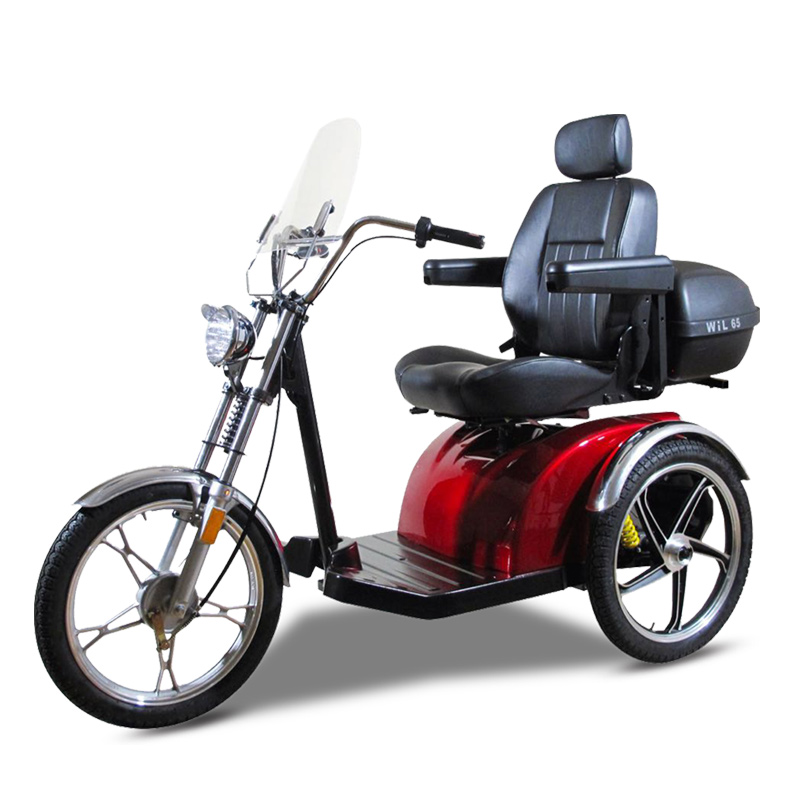
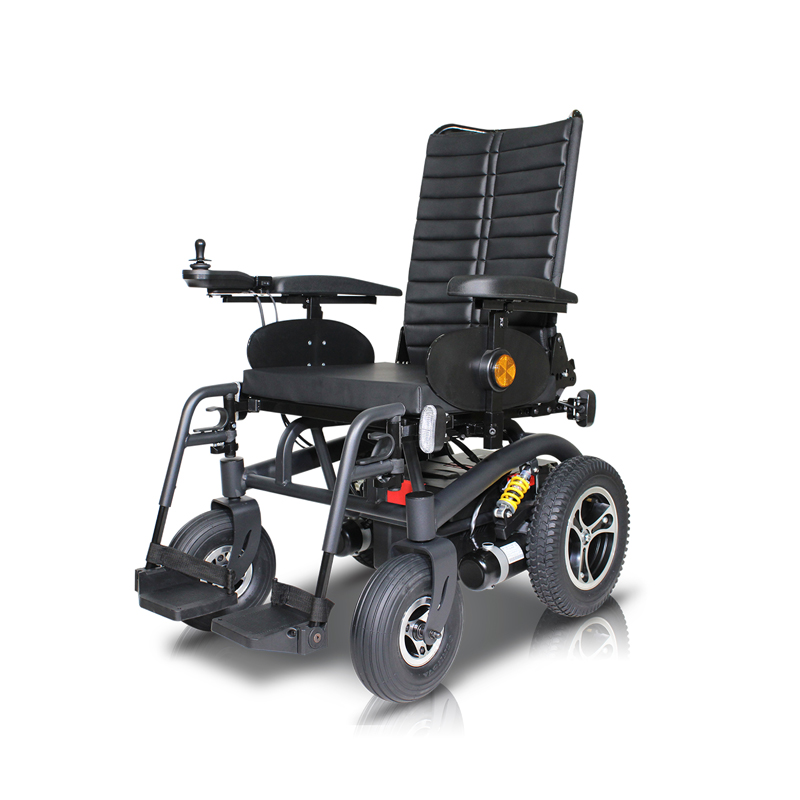
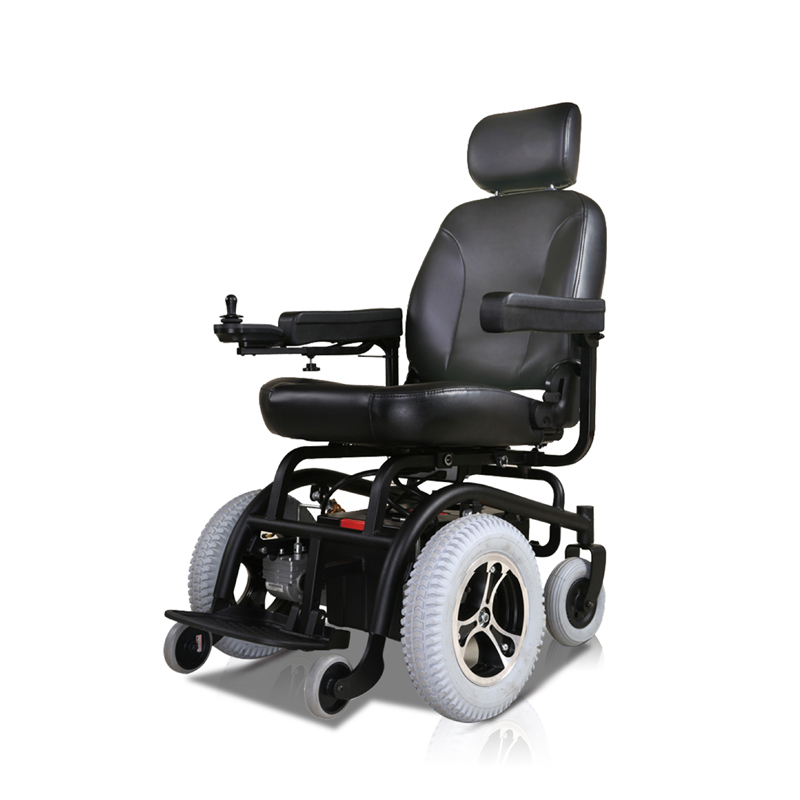
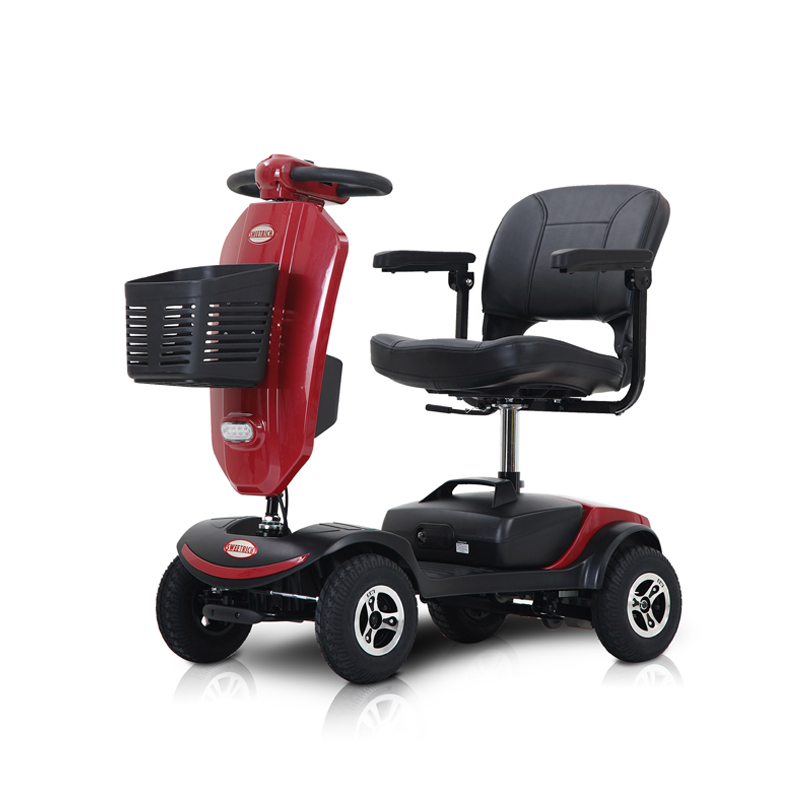
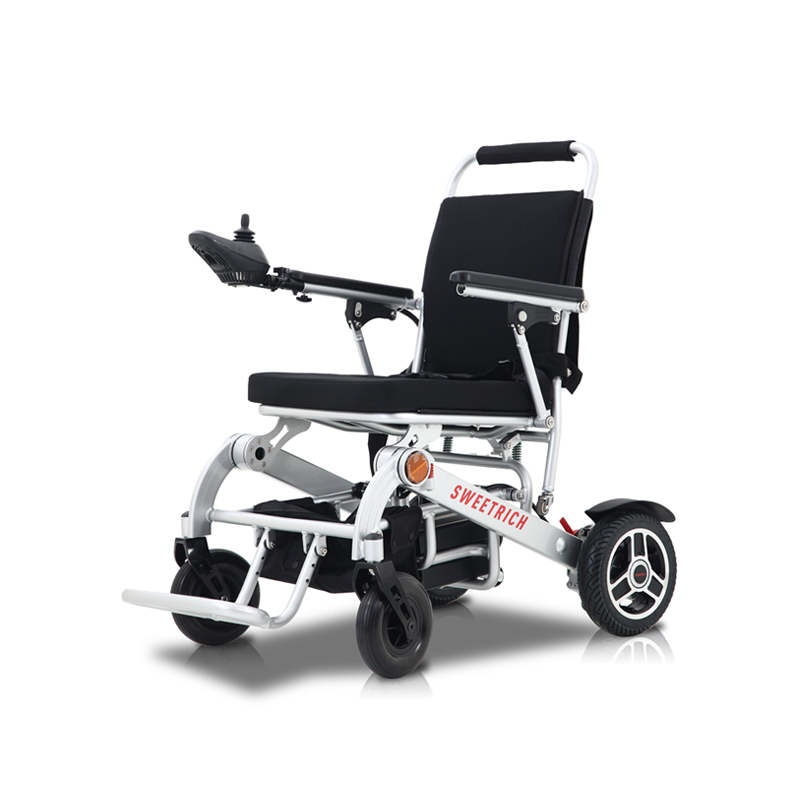
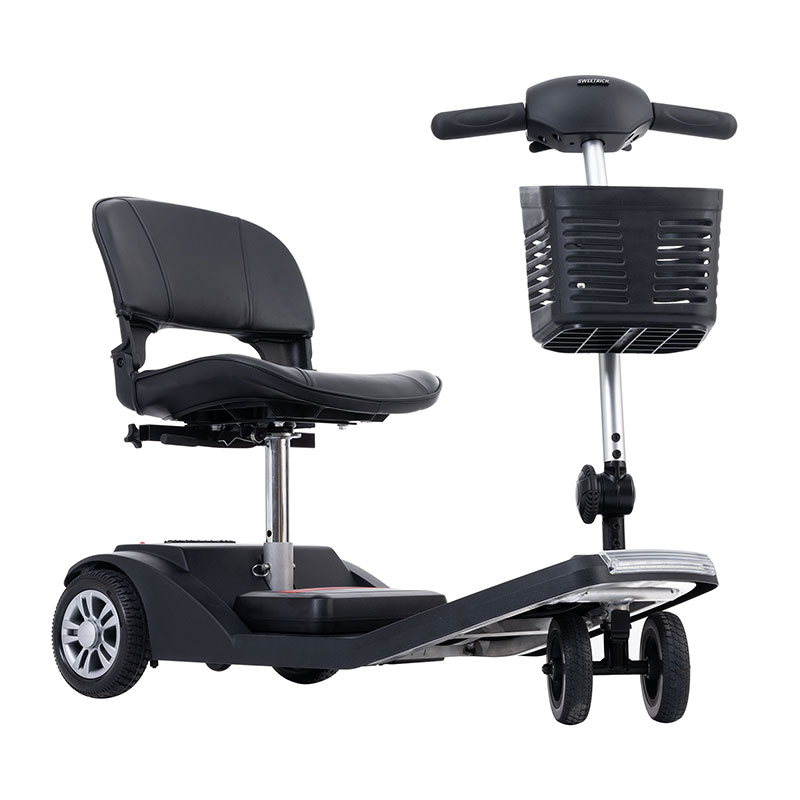
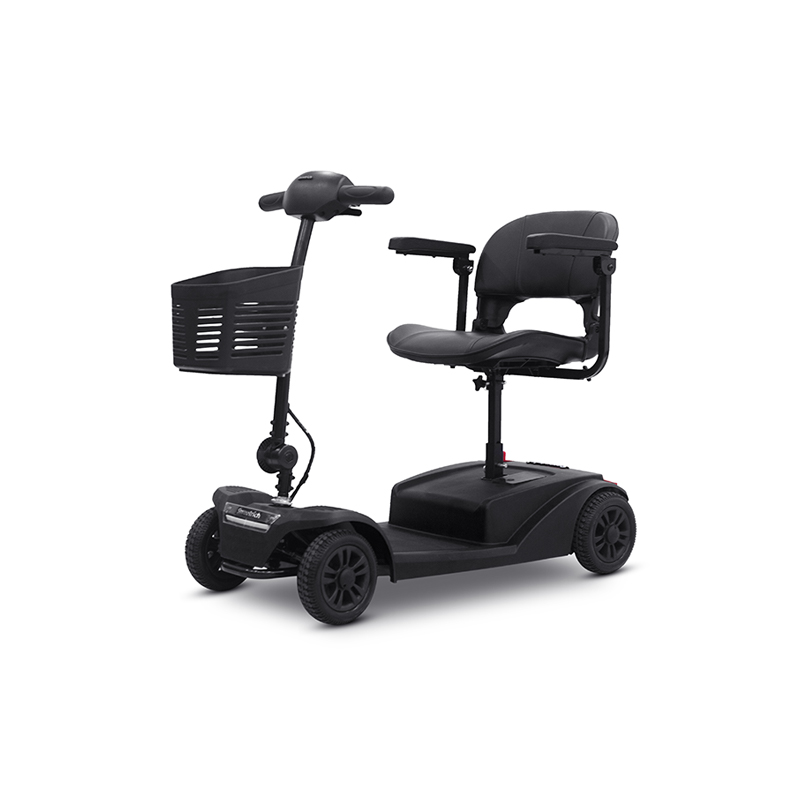
An Outdoor 4 Wheel Scooter tends to come up when outdoor stability turns into a regular requirement rather than an occasional concern. The four-wheel structure adds support during movement, helping the scooter stay balanced across different surfaces. That said, choosing one still comes down to personal routines — how often someone travels, where the scooter gets stored, and what kinds of places actually get visited.
A mobility choice that actually works tends to come from matching the scooter to real-life activities — daily errands, neighborhood travel, outdoor visits, or getting out into the community.
When Do Daily Routes Call for an Outdoor 4 Wheel Scooter?
The kind of route someone travels every day often decides whether an outdoor-focused scooter makes sense. Indoor movement usually happens on flat, controlled surfaces, while outdoor travel can bring uneven pavement, small slopes, narrow paths, and shifting ground conditions into play. Those differences shape how stable and comfortable a scooter feels during regular, everyday use.
An outdoor four-wheel structure tends to become a practical option once daily activities regularly stretch beyond the home environment — especially when routes include:
- Residential streets and community paths
- Outdoor shopping areas
- Parks and open spaces
- Mixed pavement conditions
| Travel Situation | Related Considerations |
|---|---|
| Regular outdoor movement | Stability and handling |
| Uneven walking surfaces | Balanced support during travel |
| Longer outdoor activities | Riding comfort and control |
| Mixed indoor and outdoor use | Flexible mobility needs |
Choosing an outdoor scooter isn't just about where it can physically go — it's also about how naturally it slots into everyday routines without becoming a hassle.
When Does Four Wheel Stability Matter More Than Compact Design?
Compact mobility designs work well in situations where storage space and indoor movement are the main concern. Smaller structures tend to fit narrow spaces more easily, which suits users whose activities stay mostly inside buildings or within short-distance locations.
Outdoor environments bring a different set of priorities into focus. Stability tends to stand out more once routes involve surface changes, wider outdoor spaces, or longer stretches of movement. A four-wheel layout gives a broader support base, which helps maintain balance across varying ground conditions.
A few situations where stability tends to get more attention:
- Moving through uneven outdoor paths
- Traveling through public areas with frequent direction changes
- Spending extended time outside during daily activities
Compact design and outdoor stability really answer different needs rather than competing head-to-head. A smaller structure is built around easier handling in tight spaces, while a four-wheel design leans more toward steady movement across outdoor environments.
When Does an Outdoor 4 Wheel Scooter Make More Sense Than a Medium Mobility Scooter?
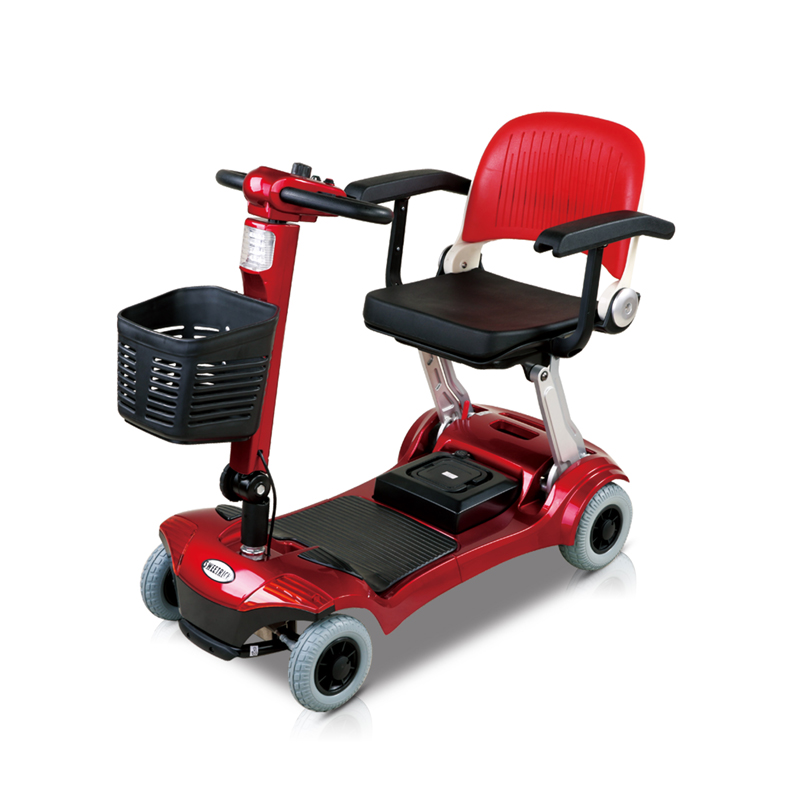
A Medium Mobility Scooter often gets picked for situations calling for a balance between indoor convenience and outdoor capability. It handles regular activities well in environments that don't demand a heavier outdoor-oriented structure.
An outdoor four-wheel design tends to become more suitable once outdoor routes take up a bigger share of daily movement. Regular travel across community roads, shopping areas, or uneven surfaces tends to create more demand for stability and comfort than lighter indoor-focused use would.
The choice usually comes down to a handful of practical factors:
- How often outdoor travel actually happens
- Whether routes involve varying surface conditions
- How much storage space is realistically available
- Whether the scooter's mainly for short trips or more regular daily activities
Different mobility patterns call for different approaches. Someone whose movement stays mostly indoors might value compact handling above all else, while someone spending more time outside tends to focus more on steady operation and how well the scooter adapts to outdoor conditions.
When Should Users Consider Road Conditions Before Choosing a Scooter
Outdoor routes often decide whether a scooter feels suitable in daily use, sometimes even more than range or appearance. A path that looks short on a map may include uneven pavement, curb cuts, narrow turns, or surfaces that change from one section to another, and those small details can shape the whole riding experience.
Some daily routes stay fairly predictable, while others move through mixed environments such as neighborhood walkways, shop entrances, public squares, or parking areas. In those settings, a scooter needs to stay steady while crossing from one surface to another, especially where the ground is not completely level.
A practical choice usually starts with a simple look at common routes:
- Are daily paths smooth or uneven
- Are there frequent ramps, slopes, or curb transitions
- Does travel happen in open outdoor areas or tighter spaces
- Is movement limited to short trips, or does it repeat through the day
An Outdoor 4 Wheel Scooter often makes more sense when outdoor surfaces become part of normal movement rather than an occasional change. Four wheels give the scooter a broader base, which can support steadier travel when ground conditions vary. That does not mean every outdoor route requires the same model, though it does mean road conditions should be checked before making a choice.
A scooter that fits the route can make movement feel more natural, since the rider spends less energy compensating for surface changes and more attention can stay on the trip itself.
When Does User Comfort Become a Key Factor in Outdoor Mobility
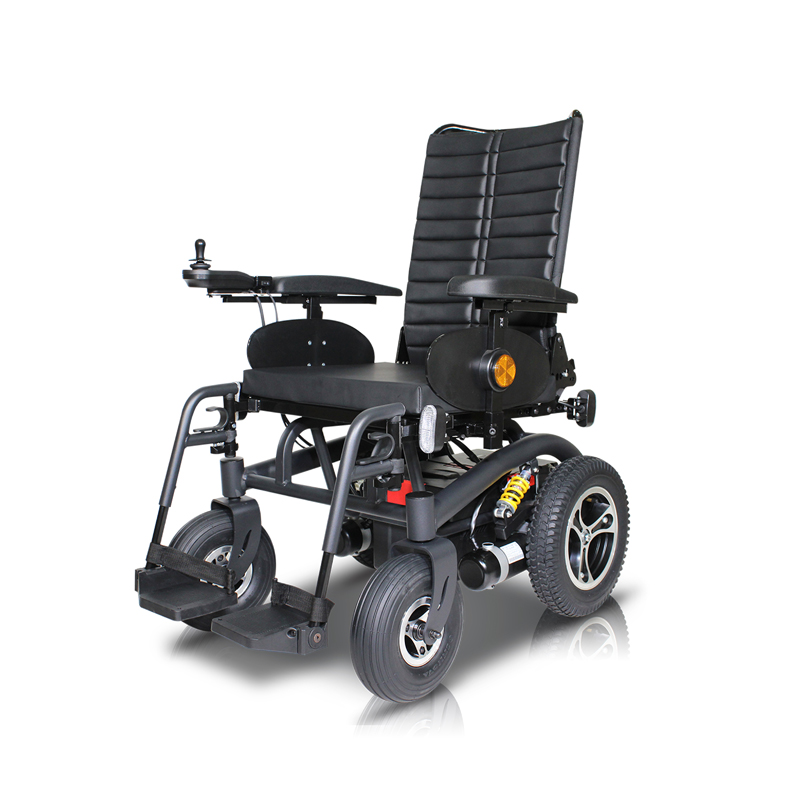
Outdoor use often involves more than just getting from one point to another. Waiting outside a store, crossing a community path, or spending extra time in open spaces can all make comfort part of the mobility decision. Seat shape, control placement, and steady motion start to matter more when the scooter becomes part of an everyday routine.
Comfort is usually felt through several practical details:
- Seating that supports a natural posture during travel
- Controls that stay easy to reach without awkward movement
- Smooth handling that reduces strain across longer outings
A scooter can look suitable on paper and still feel tiring in real use if the seating position does not match the rider’s habits or if the controls require too much adjustment. For that reason, comfort should be considered together with route type and travel frequency rather than treated as a separate feature.
An Outdoor 4 Wheel Scooter can suit daily mobility well when its structure supports a steady ride and the user’s routine includes longer periods outdoors. In such cases, comfort is not only about softness or seat size, since it also comes from the way the scooter handles movement over time.
When Are Maintenance and Storage Conditions Important for Outdoor Use
Outdoor mobility does not end once the trip is finished. Storage conditions and maintenance habits also shape how practical a scooter feels over the long run. A scooter used outside on a regular basis may face dust, moisture, weather changes, and general wear that indoor use may not create as quickly.
Where the scooter stays after each trip matters quite a lot. Some homes offer indoor parking space, while others rely on shared storage areas or sheltered outdoor spots. Each situation creates a different level of exposure, which affects cleaning habits and care routines.
| Maintenance Area | Practical Focus |
|---|---|
| Storage Space | Keep the scooter in a dry and safe place |
| Cleaning | Remove dirt after outdoor travel |
| Charging Habits | Follow a regular charging routine |
| Routine Checks | Look over key parts before frequent use |
Outdoor use can also influence how often checks are needed. Wheels, seating, controls, and battery condition may need closer attention when the scooter travels through changing environments on a regular basis. That does not make outdoor mobility difficult, though it does mean long-term use works better when basic care is part of the routine.
Storage conditions deserve attention for another reason: a scooter that is easy to place after use tends to fit daily life more smoothly. If storage requires too much effort, the scooter may gradually feel less convenient, even when the ride itself is comfortable. A practical mobility choice usually includes both the ride and everything that happens around it.
When Is Choosing an Outdoor 4 Wheel Scooter a Practical Decision
A decision becomes practical when the scooter matches normal travel habits instead of occasional situations. Outdoor routes, repeated use, changing surfaces, and comfort during longer outings all point toward a design that supports stable movement beyond indoor spaces.
An Outdoor 4 Wheel Scooter is often suitable when daily routines include regular trips through community paths, shopping areas, or outdoor public spaces. Four-wheel support helps the scooter stay balanced in places where the ground may not stay uniform, which can make movement feel steadier during routine travel.
A Medium Mobility Scooter may still fit users who need something between indoor convenience and outdoor capability. That type of scooter can work well for short trips, lighter use, or mixed travel needs where storage space and portability remain important. The better option depends on how much time is spent outside, how varied the routes are, and how much stability matters during the day.
A few questions often help narrow the choice:
- Does outdoor travel happen every day or only now and then
- Are routes usually smooth, or do they include uneven sections
- Is the scooter needed for short errands or longer routines
- Is storage easy, or does the scooter need to fit into a limited space
When those questions point toward regular outdoor movement and steady handling, a four-wheel design becomes easier to justify. When routes remain light and the scooter only supports occasional trips, a smaller or medium-sized model may be enough.