 info@sweetrich.cn
  +86-(0)512-82283871
Content
- 1 What Makes a Three-Wheel Scooter Require More Attention to Stability
- 2 How Armrest Adjustment Supports Proper Posture and Stability
- 3 What Adjustability Options Are Available on Travel Scooters
- 4 How Armrest Positioning Affects Riding Posture and Fatigue
- 5 What Role China Mobility Scooter Manufacturers Play in Adjustability Design
- 6 How Should Armrests Be Adjusted for the Rider
- 7 Why Armrest Adjustment Matters Alongside Other Comfort Features
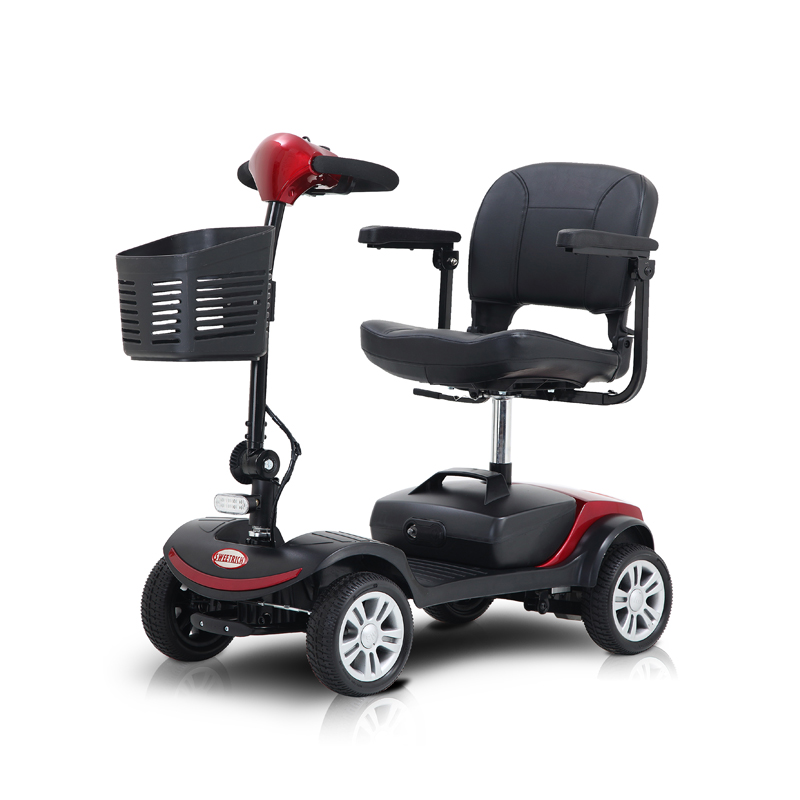
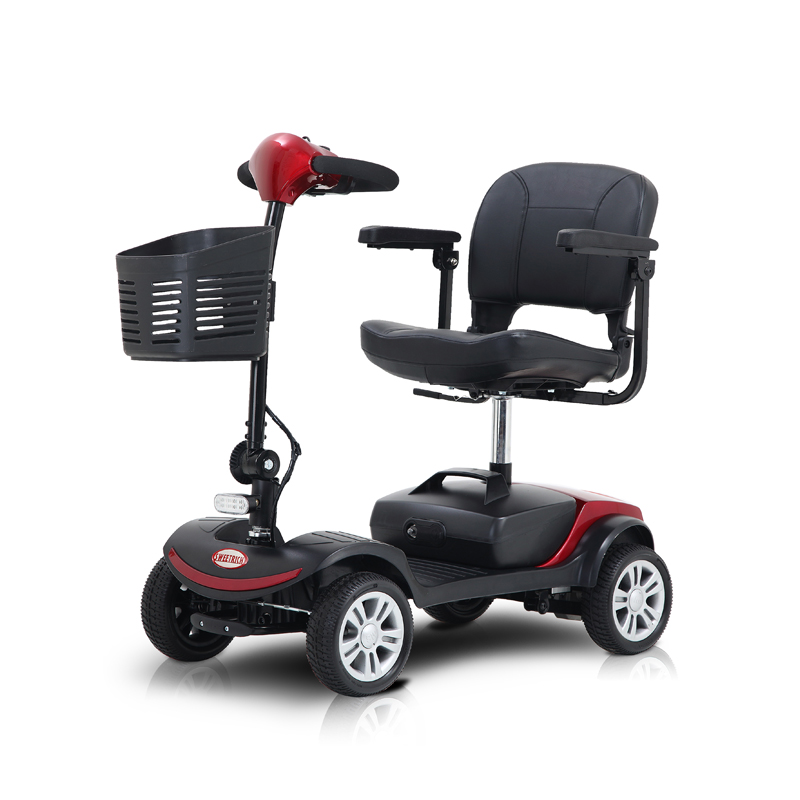
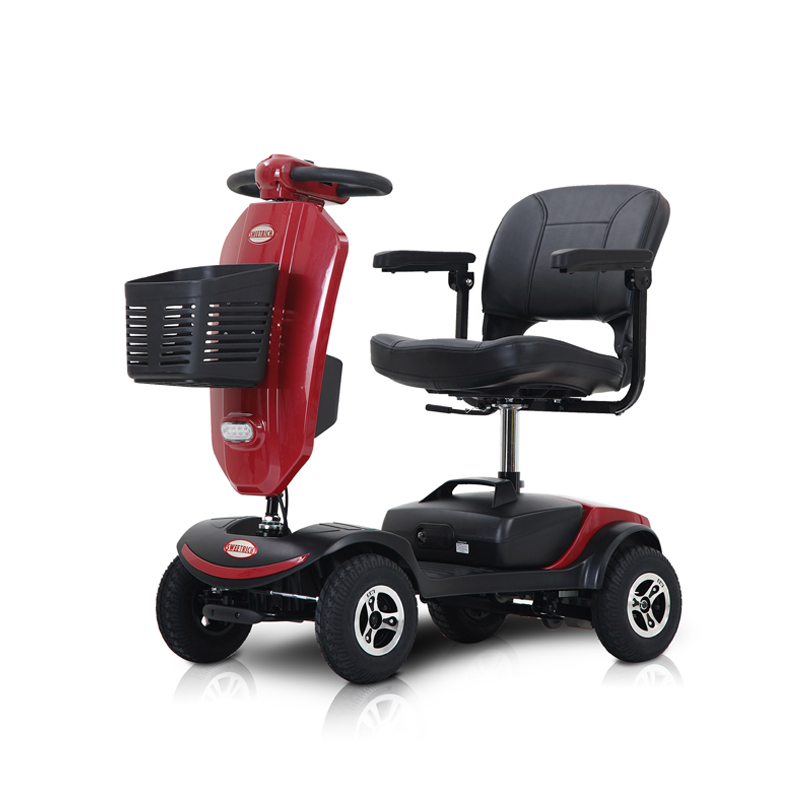
A Travel 3 Wheel Scooter rider who feels planted and secure moves through turns and stops without hesitation. That confidence translates directly into safer operation and more comfortable rides. Instability, by contrast, forces constant adjustments and breeds wariness. The armrests serve as a key contact point between rider and machine, shaping how weight transfers and how the body responds to changes in direction or surface.
Longer outings amplify the importance of good support. A trip to the corner store demands little from a rider. An hour-long journey through a park or along a riverside path places greater demands on posture and endurance. The armrest helps maintain position over time, allowing the rider to focus on the environment rather than on staying seated.
What Makes a Three-Wheel Scooter Require More Attention to Stability
The three-wheel layout delivers agility. That same narrow wheelbase reduces lateral stability. Leaning into a turn or braking suddenly shifts the rider's weight, and the scooter responds with a corresponding shift in balance.
Independent suspension mitigates some of the jolts from rough pavement. It keeps the wheels planted and absorbs bumps that would otherwise unsettle the scooter. What suspension cannot address is upper body stability. The rider still needs some external reference point to stay centered. Armrests provide that reference.
How Armrest Adjustment Supports Proper Posture and Stability
Correct armrest height aligns the shoulders and keeps the spine straight. Arms that rest at the proper level do not pull the rider forward or push them backward. A setting that deviates from that ideal introduces a subtle but persistent imbalance. The rider leans slightly forward or slumps back, and the scooter's handling responds to that shift.
Width adjustment shapes how the torso sits between the armrests. Too narrow a setting pinches and crowds. Too wide a gap spreads the arms and pulls the shoulders outward. The correct width cradles the torso without forcing any lean to one side. That centred position directly supports the scooter's lateral stability during turns.
Armrest adjustment also affects how the rider braces against the scooter when cornering. A stable arm position gives the rider a fixed point to push against. Without that fixed point, the rider's upper body shifts with the centrifugal force of the turn, and the scooter tilts more than necessary.
What Adjustability Options Are Available on Travel Scooters
Height adjustability stands out as the common feature. The mechanism raises or lowers the armrest to suit the rider's seated shoulder level. Width adjustability addresses the distance between the two armrests, accommodating different body frames without pinching or spreading.
Multi-directional adjustment adds angle and depth control. The armrest surface tilts to match the natural angle of the forearm. The depth positions the armrest forward or backward to support the forearm without crowding the rider. Each adjustment layer allows a more precise fit.
| Adjustment Type | What It Changes | Effect on Rider |
|---|---|---|
| Height adjustment | Vertical position of armrest | Aligns arms with shoulders |
| Width adjustment | Horizontal spacing of armrests | Supports torso without pinching |
| Angle adjustment | Tilt of armrest surface | Matches natural arm position |
| Depth adjustment | Forward/back position | Supports forearm placement |
Manufacturers design these adjustments to accommodate different riders without requiring tools. A few minutes spent setting the armrests correctly can transform how the scooter feels during operation. The correct fit reduces fatigue, improves control, and supports a more stable ride.
How Armrest Positioning Affects Riding Posture and Fatigue
Armrests that sit at the correct height encourage an upright posture. The spine stays straight, the shoulders remain relaxed, and the weight distributes evenly across the seat. That posture reduces strain on the lower back and hips during extended rides.
A rider who slouches or leans to one side places uneven pressure on the spine. That pressure builds over time and causes discomfort. The discomfort distracts from the ride and may cut outings short. Proper armrest positioning prevents slouching by providing a stable reference point that keeps the upper body aligned.
The connection between comfort and longer outings is straightforward. A ride that feels good encourages the rider to go further. A ride that causes discomfort makes the rider want to stop. Armrests that support proper posture extend the range of comfortable travel.
What Role China Mobility Scooter Manufacturers Play in Adjustability Design
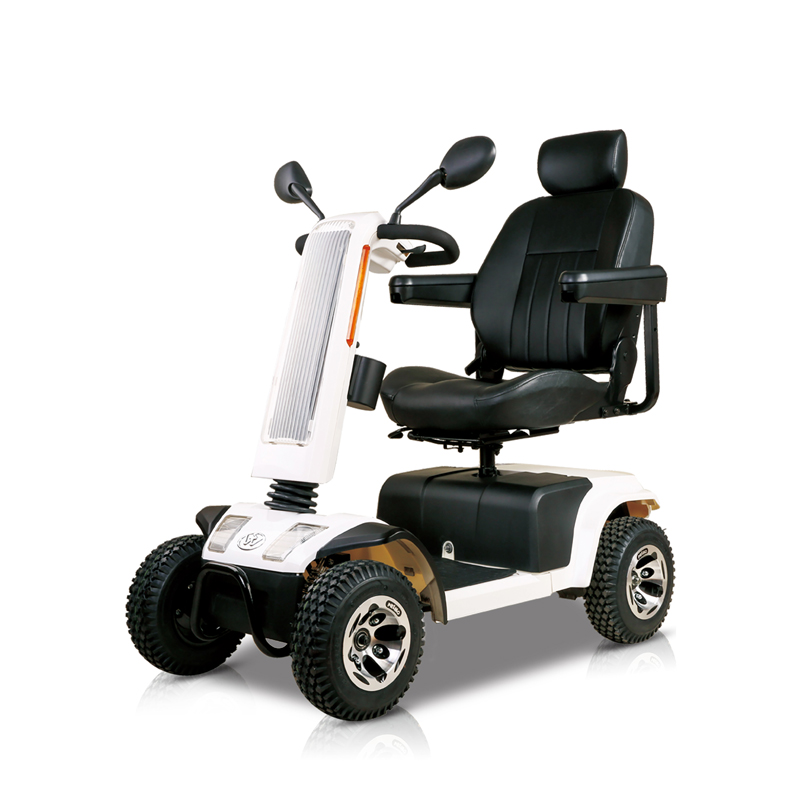
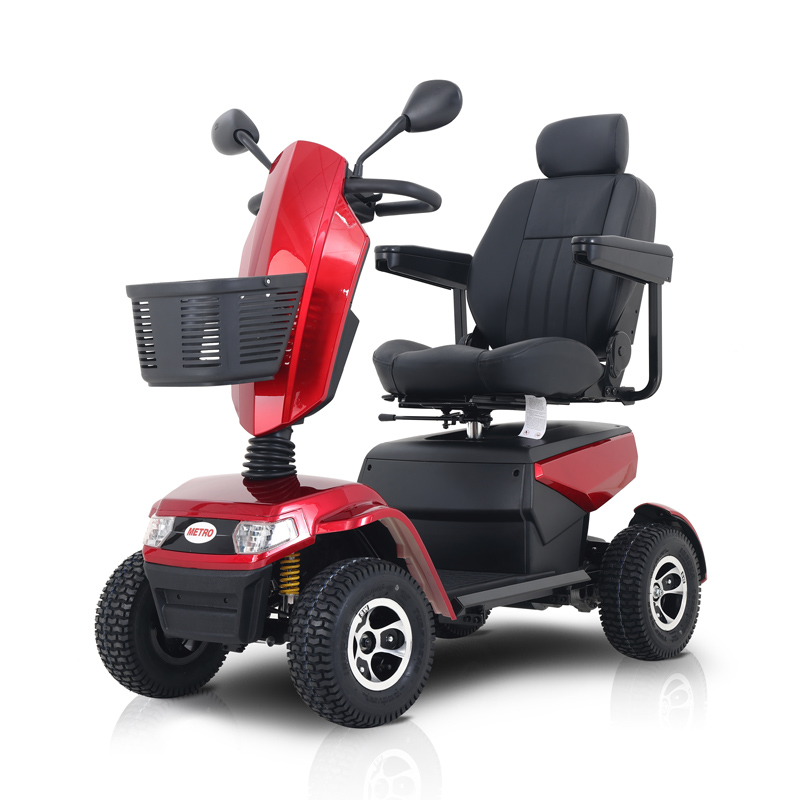
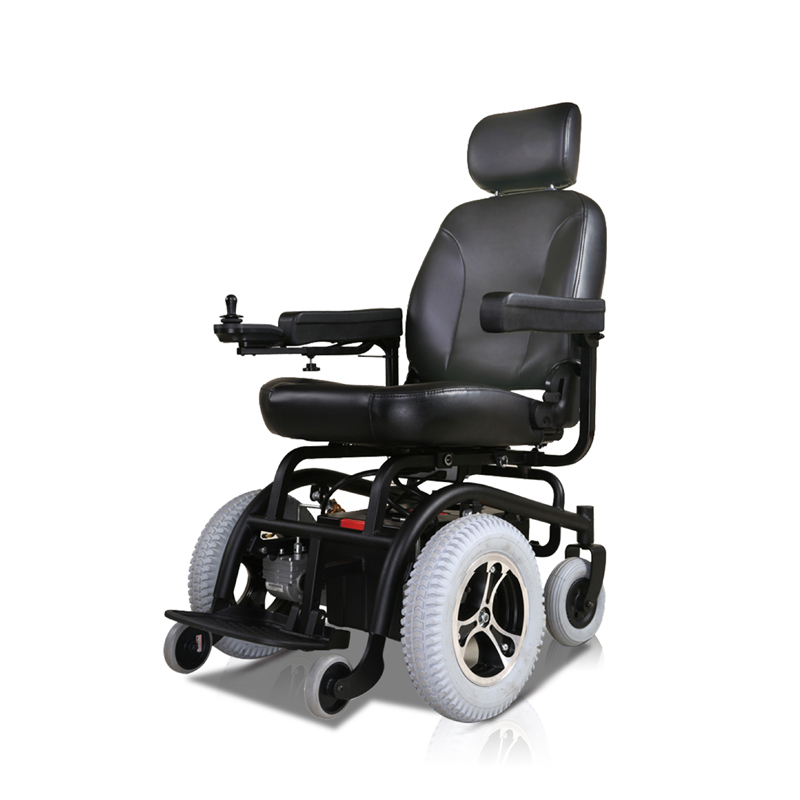
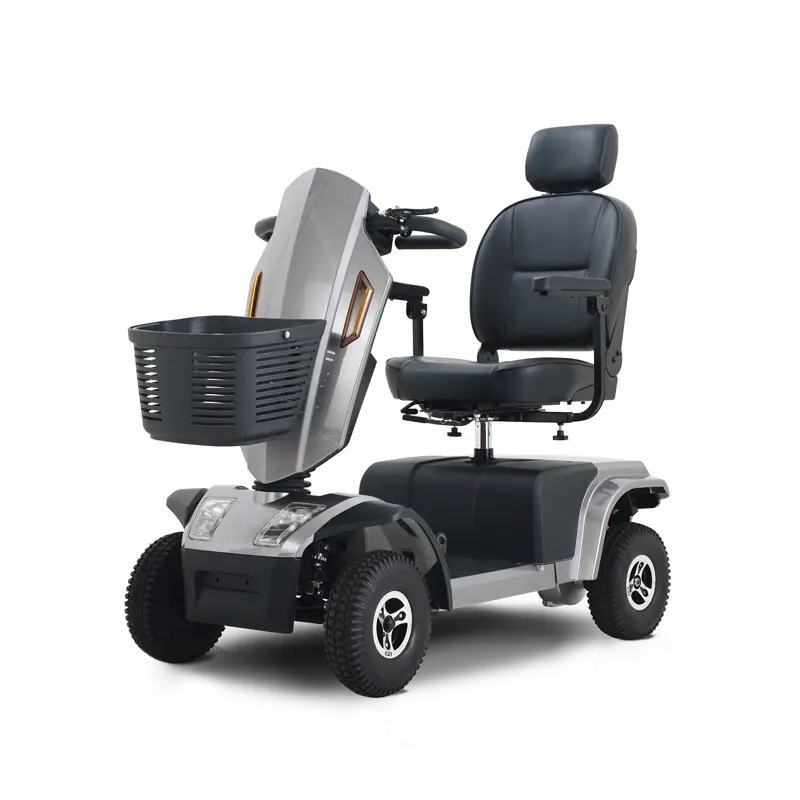
China Mobility Scooter Manufacturers supply a substantial portion of the scooters available worldwide. The range of adjustment features varies across models and price points. Basic models offer simple height adjustment. More advanced models include width, angle, and depth control.
The approach to adjustability reflects the intended user. A scooter designed for occasional indoor use may not need the same level of adjustment as one built for daily outdoor travel. Manufacturers balance the cost of adjustment mechanisms against the expected use pattern.
Adjustability contributes to user satisfaction. A rider who can fit the scooter to their body will use it more often. A rider who cannot find a comfortable position may stop using the scooter entirely. Manufacturers that offer good adjustment features respond to a real user need.
How Should Armrests Be Adjusted for the Rider
The adjustment process begins with seating position. The rider should sit in a natural posture with feet flat on the floor and back against the seat. The armrests should be at a height that allows the shoulders to stay relaxed and the arms to rest comfortably.
Width adjustment should allow the arms to sit close to the body without pinching. The armrests should support the torso without spreading the shoulders. A rider who feels pinched should widen the armrests. A rider who feels unsupported should narrow them.
The adjustment should be checked whenever a different rider uses the scooter. A setting that works for one person may not work for another. A few minutes of adjustment before each ride ensures that the armrests provide the support the rider needs.
A few steps for proper armrest adjustment:
- Sit in a natural upright position with feet flat on the floor
- Adjust the height so shoulders stay relaxed and arms rest comfortably
- Adjust the width so armrests support the torso without pinching
- Test the adjustment by turning and stopping to confirm stability
- Recheck adjustments whenever a different rider uses the scooter
Why Armrest Adjustment Matters Alongside Other Comfort Features
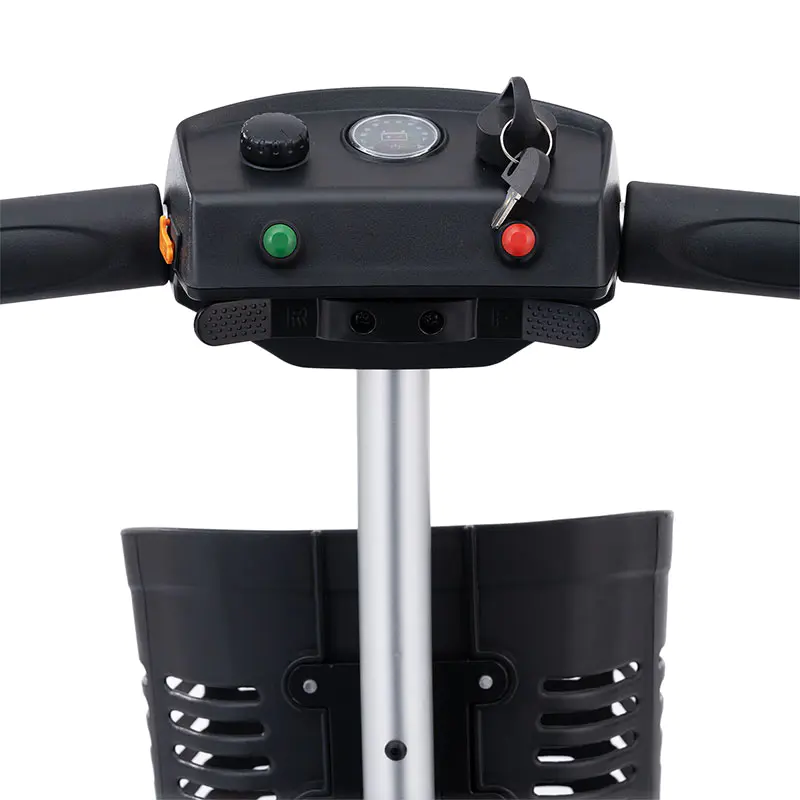
Armrest adjustment works with other adjustments to create a comfortable ride. Seat height and tiller position also affect stability and control. A rider who adjusts the armrests but ignores the seat may still feel uncomfortable.
The armrests alone cannot compensate for a poor seat position. A seat that is too high or too low changes the rider's center of gravity. A tiller that is too far or too close changes the reach and the grip. The armrests should be adjusted in the context of the other adjustments.
A holistic approach to scooter setup yields the results. The seat height, tiller position, and armrest settings should all work together. The adjustments should be made in a sequence that allows each setting to complement the others.
The value of consulting China Mobility Scooter Manufacturers for guidance on adjustment procedures can help riders understand how to optimize their scooter setup. The manufacturers can provide information on the adjustment ranges and procedures for their specific models. A rider who understands how the adjustments work can achieve a more comfortable and stable ride. The correct setup allows the rider to enjoy the scooter fully and use it for longer periods without discomfort.