 info@sweetrich.cn
  +86-(0)512-82283871
Content
- 1 How Does Morning Activity Influence Scooter Use?
- 2 How Short Errands Change Seating Demand During The Day?
- 3 Why Seat Pressure Distribution Matters In Daily Movement?
- 4 What Happens When Folding Structure Meets Daily Indoor Space?
- 5 How Charging Timing Connects With Routine Breaks?
- 6 Why Steering Behavior Matters In Tight Indoor Movement?
- 7 How Midday Movement Shapes Comfort Needs?
- 8 How Entry And Exit Movement Affects Daily Comfort?
- 9 What Happens When Movement Repeats Across A Full Day?
- 10 How Body Posture Responds To Repeated Short Travel?
- 11 Why Surface Contact Feel Matters In Daily Use?
- 12 How Space Limits Influence Scooter Handling?
- 13 What Role Does Rest Timing Play In Reducing Fatigue?
- 14 How Folding Behavior Supports Changing Daily Scenarios?
- 15 How Daily Rhythm Shapes Overall Comfort Experience?
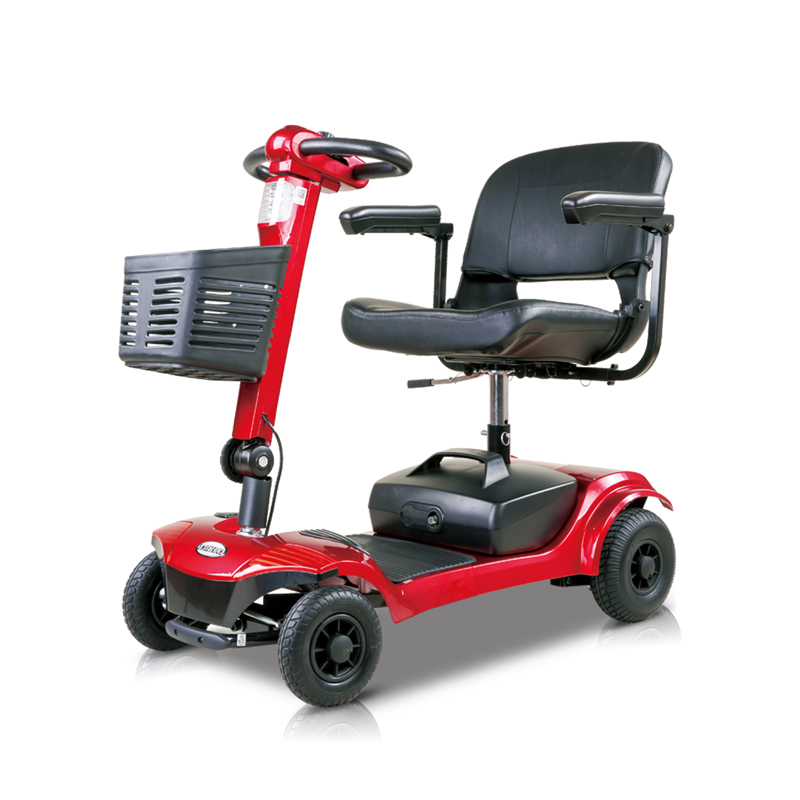
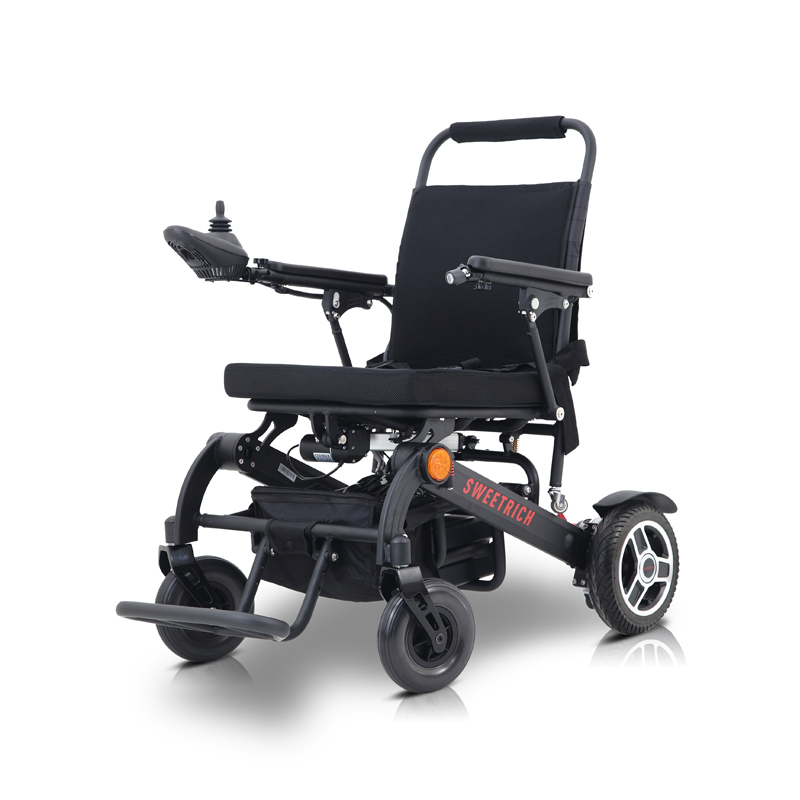
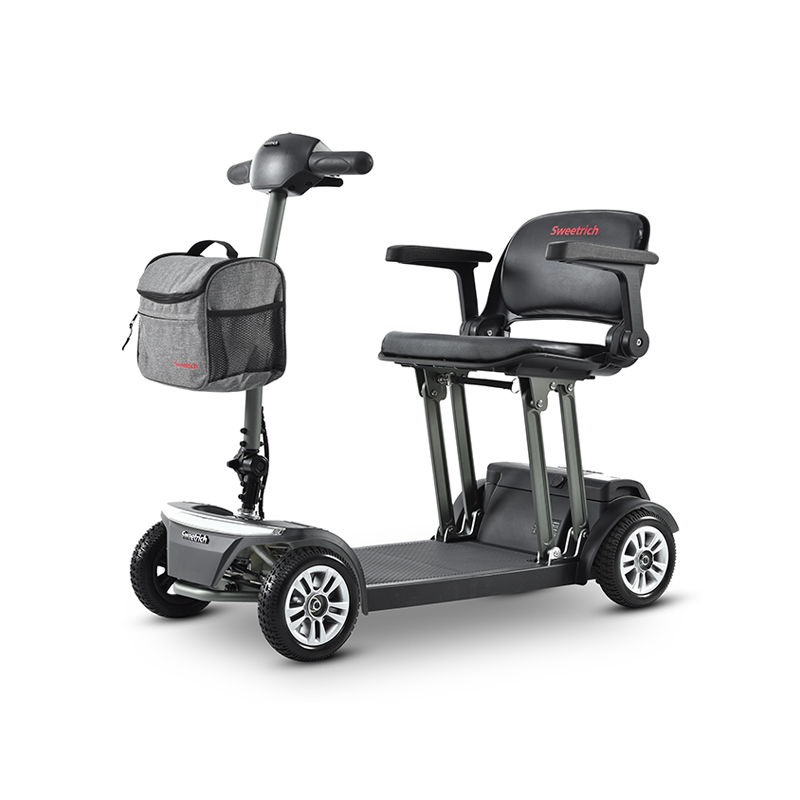
Daily routine compatibility often shows up in small repeated actions rather than big movements. Morning walking inside home, short trips to nearby places, pauses between activities, and returning to rest areas all form a cycle. An Elderly Electric Folding Scooter needs to fit into these cycles without forcing changes in habit.
In daily life, movement is rarely continuous. Standing up, sitting down, adjusting position, turning in narrow indoor space, all happen in short intervals. When mobility support matches these intervals, physical effort becomes more predictable.
Small details matter more than appearance:
- seat height that allows natural standing transition
- slow start movement that avoids sudden body shift
- stable stop that does not require hand or body correction
- control layout that supports simple direction change
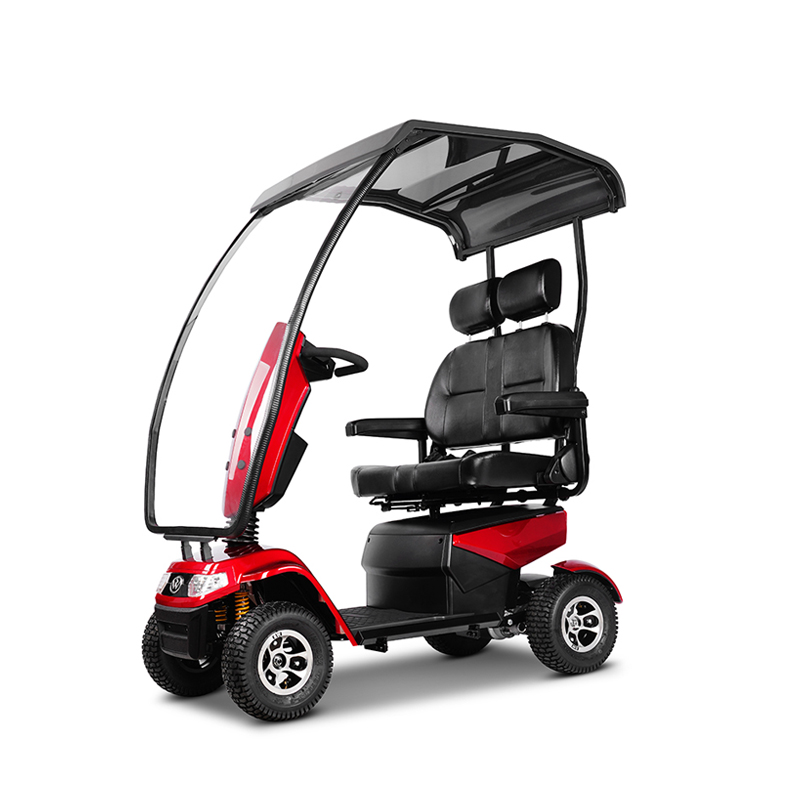
Travel 3 Wheel Scooter type movement also reflects similar behavior in tight indoor corridors or short outdoor paths.
How Does Morning Activity Influence Scooter Use?
Morning routine often includes gradual body activation after rest. Movement starts slowly, sometimes with short pauses between actions. Kitchen area, living space, and entrance path usually form a repeated route.
During this period, a mobility device is often used in short segments rather than long rides. Sitting, standing, and repositioning happen multiple times.
Practical movement pattern:
- move from rest area to wash area
- pause for preparation tasks
- short indoor travel to storage or exit point
- brief outdoor step for air or nearby check
In this sequence, stable seat support reduces strain during repeated transitions. When seating surface holds body steadily, standing up does not require extra balance correction.
Indoor narrow space also plays a role. Tight corners or furniture edges require controlled turning. Compact steering response helps avoid repeated adjustments in small spaces.
How Short Errands Change Seating Demand During The Day?
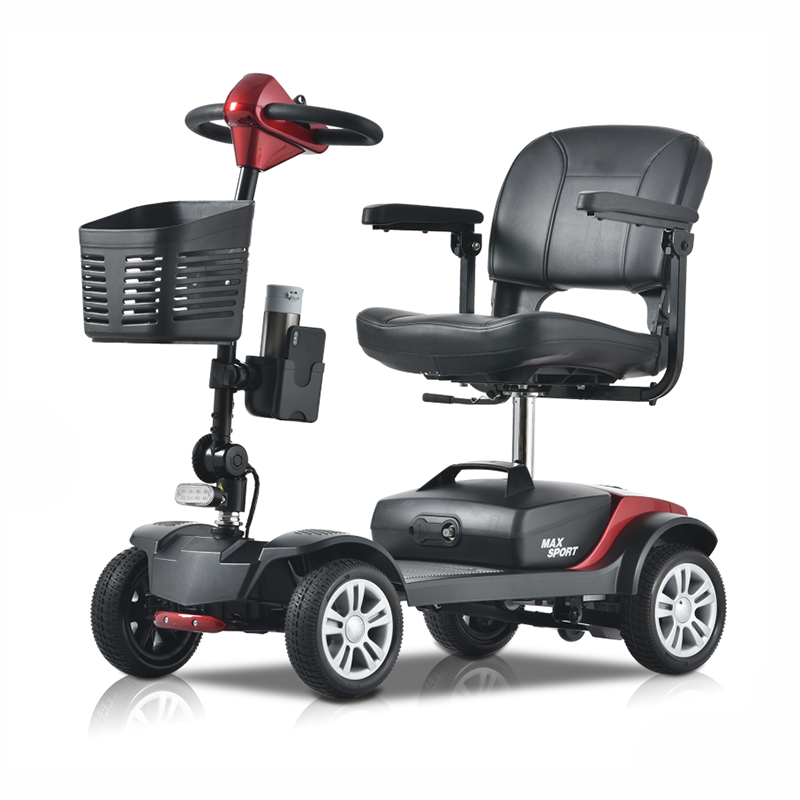
Short errands usually involve repeated stop-and-go motion. Movement distance stays limited, yet posture changes happen frequently. Sitting duration may appear short in each trip, while overall sitting time increases through repetition.
Typical errands include nearby visits, quick purchases, or short service stops. Each trip includes:
- sitting down
- short movement
- stopping and waiting
- standing up again
Seat condition directly affects comfort during this cycle. A stable cushion reduces pressure buildup around hips and lower back. Without stable support, body tends to shift side to side during waiting time.
| Seating Condition | Body Reaction During Stops | Movement Behavior |
|---|---|---|
| firm surface | pressure concentrates in small area | frequent posture change |
| layered cushion | pressure spreads across seat area | stable sitting position |
| uneven softness | slight imbalance during stops | repeated repositioning |
Travel 3 Wheel Scooter structure in similar use cases also benefits from balanced seating because short trips repeat throughout the day.
Why Seat Pressure Distribution Matters In Daily Movement?
Pressure distribution becomes noticeable when sitting repeats many times in one day. Small pressure points do not cause immediate discomfort, yet accumulation changes how body feels during later movement.
Hip area and lower back usually carry main load. When surface stays rigid, contact remains focused. Cushion layers help spread force, reducing sharp contact feeling.
Real-life observation:
- standing up feels easier when pressure is even
- less need to lean forward before rising
- reduced stiffness after short waiting periods
Even short stops, such as waiting outside or inside hallway, contribute to total sitting load. Balanced seating helps reduce repeated micro-adjustments.
What Happens When Folding Structure Meets Daily Indoor Space?
Folding structure affects how space is used inside home environment. Movement path often overlaps with storage area, furniture, and walking corridor.
A folded mobility device reduces obstruction in narrow passages. It also allows flexible placement near walls or corners without blocking daily movement.
Typical indoor flow:
- device folded after outdoor return
- placed near accessible wall space
- unfolded before next movement cycle
This pattern supports shared space usage without constant rearrangement of furniture.
Indoor space reality includes narrow turning points, door frames, and small storage zones. Folding structure reduces pressure on these areas.
How Charging Timing Connects With Routine Breaks?
Charging works better when aligned with natural pauses rather than fixed timing. Daily life already contains short rest moments, such as sitting after activity, waiting between tasks, or indoor downtime.
Charging placement near resting area helps maintain movement continuity. No extra walking path is required for connection or disconnection.
Practical alignment points:
- charging during seated rest after morning movement
- connection during midday pause
- keeping cable path away from walking line
This arrangement reduces interruption in movement flow. Energy support becomes part of background routine rather than separate task.
Why Steering Behavior Matters In Tight Indoor Movement?
Indoor environments often include narrow passages, furniture edges, and limited turning space. Steering behavior influences how smoothly movement passes through these areas.
Slow and controlled direction change reduces need for repeated correction. Sudden response may require body adjustment, especially in tight corners.
Common indoor scenarios:
- passing between furniture gaps
- turning in hallway corners
- entering bathroom or kitchen space
Travel 3 Wheel Scooter movement style reflects similar handling requirements where compact turning radius and steady direction control matter more than speed.
Stable steering reduces tension in arms and shoulders during repeated short navigation.
How Midday Movement Shapes Comfort Needs?
Midday routine often combines short travel, indoor rest, and repeated movement cycles. Activity does not remain in one place for long periods.
Examples of movement sequence:
- indoor rest after morning activity
- short trip outside for daily task
- return to indoor seating area
- another brief movement later
Seat comfort becomes noticeable through repetition. Even when each movement stays short, accumulated sitting time affects hips and lower back.
Balanced seating support helps maintain consistent posture across these cycles, reducing fatigue from repeated adjustment.
How Entry And Exit Movement Affects Daily Comfort?
Getting on and off a mobility seat happens many times during a normal day. Each transition seems small, yet repeated motion shapes joint comfort and balance control. An Elderly Electric Folding Scooter often involves short cycles of sitting down, standing up, and slight body rotation.
Seat height plays a direct role here. When height matches natural standing position, knees and hips move with less strain. A seat that sits too high or too low creates extra effort during every transition.
Practical movement moments include:
- stepping into seating position from hallway
- adjusting body alignment before moving
- standing up during short stops
- repositioning after turning in narrow space
During these actions, stable base support reduces wobble. When seating remains steady, hands and legs do not need extra correction for balance.
What Happens When Movement Repeats Across A Full Day?
Daily movement rarely stays in one pattern. Short trips, indoor movement, and resting periods repeat in cycles. Even short sessions add up across hours.
A typical flow may include:
- morning indoor movement
- short outdoor errand
- return to rest area
- later short trip again
- evening indoor repositioning
Each cycle includes sitting and standing transitions. Pressure on hips and lower back increases gradually through repetition.
Travel 3 Wheel Scooter style movement in similar conditions also shows same pattern, where repeated short travel creates continuous seating exposure.
Small adjustments that help:
- shifting sitting position slightly during longer pauses
- allowing short rest intervals between trips
- avoiding continuous rigid posture during waiting time
How Body Posture Responds To Repeated Short Travel?
Posture changes quietly during repeated movement. Sitting position may look stable at start, yet small shifts happen during stops, turns, and waiting periods.
Lower back support plays an important role. Without proper support, spine tends to lean forward or sideways during longer sitting moments. Cushion layers help keep pelvis position stable, which supports upper body alignment.
Common posture responses:
- slight forward lean during waiting periods
- shifting weight from one hip to another
- shoulder tension during steering in narrow space
- foot repositioning during stops
Balanced seat structure reduces frequency of these adjustments. Body remains more settled even during short repeated trips.
Why Surface Contact Feel Matters In Daily Use?
Seat surface is not only about softness. Contact feel affects how long sitting remains comfortable during repeated use cycles. Skin contact, heat buildup, and friction all contribute to overall experience.
Smooth outer layer reduces resistance during small body movements. Rough or uneven surface may increase friction when shifting position.
| Surface Type | Contact Behavior | Daily Sitting Effect |
|---|---|---|
| smooth cover | easy repositioning | stable comfort during stops |
| slightly rigid cover | moderate friction | occasional adjustment needed |
| uneven surface | inconsistent contact | frequent posture change |
When combined with cushioning underneath, surface layer helps maintain comfort consistency across different movement conditions.
How Space Limits Influence Scooter Handling?
Indoor space layout directly affects movement behavior. Narrow hallways, door frames, and furniture placement create turning constraints. Mobility structure must respond without requiring large turning radius.
Compact handling becomes important during:
- entering kitchen or bathroom areas
- passing through hallway intersections
- positioning near resting chair or bed
Travel 3 Wheel Scooter style movement often shares same requirement in tight indoor navigation, where smooth directional change matters more than speed.
When steering responds gradually, body stays relaxed during turns. Sudden correction reduces comfort in small spaces.
What Role Does Rest Timing Play In Reducing Fatigue?
Rest periods are part of movement rhythm. Short pauses between trips allow body pressure to reset. Sitting continuously without variation may increase stiffness even when duration stays short.
During rest moments:
- hips recover from pressure contact
- lower back reduces tension
- shoulders return to relaxed position
A seating system with balanced support allows easier recovery during these pauses. Body does not need to adjust repeatedly after every short movement cycle.
Placing rest periods between activities helps reduce accumulated strain across the day.
How Folding Behavior Supports Changing Daily Scenarios?
Folding function allows mobility device to adapt to different space needs during the day. Movement use and storage use alternate depending on activity stage.
Practical cycle:
- active movement during errands or indoor travel
- folding during resting or storage periods
- repositioning when next movement begins
This cycle helps maintain open walking space inside home environment. Narrow corridors remain usable without obstruction.
Folding also supports flexible placement near walls or corners, reducing interference with other daily activities.
How Daily Rhythm Shapes Overall Comfort Experience?
Comfort is not based on single movement. Repetition across hours creates overall impression. Sitting, standing, turning, and waiting all combine into one continuous rhythm.
When movement remains predictable, body adapts more easily. When posture support stays stable, transitions feel less demanding.
Key rhythm factors include:
- spacing between short trips
- consistency of seating support
- smoothness of steering response
- availability of rest moments
Elderly Electric Folding Scooter use becomes part of this rhythm, where comfort depends on how well each small action connects with next one.
Travel 3 Wheel Scooter style movement reflects similar pattern in compact environments, where repeated short motion defines daily experience rather than long travel distance.